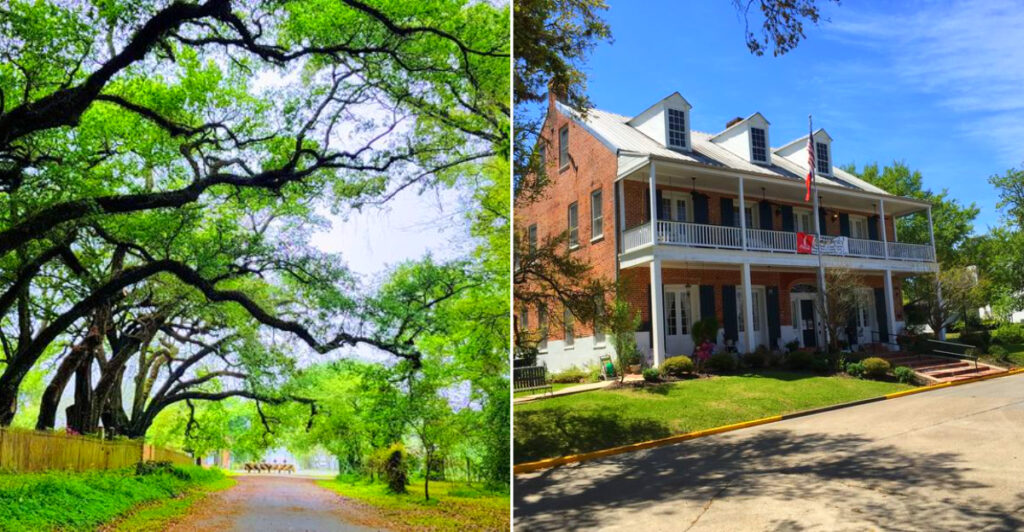
Spanish moss frames the roads like nature built its own movie set. Every time I drive through these towns, I slow down and stare. The oak trees draped in that moss make the whole place look too perfect to be real.
Historic main streets with brick storefronts sit frozen in the best possible way. Porches line the sidewalks with rocking chairs that actually get used on warm evenings. I have wandered through cemeteries older than the state itself.
I have eaten in restaurants where the recipe has not changed in fifty years. Each town offers its own version of slow southern living.
Some sit along rivers. Others grew around a single church or family homestead. The common thread is a pace of life that makes you want to stay. If you want the kind of charm that only exists in small Louisiana towns, this list delivers.
10. St. Francisville
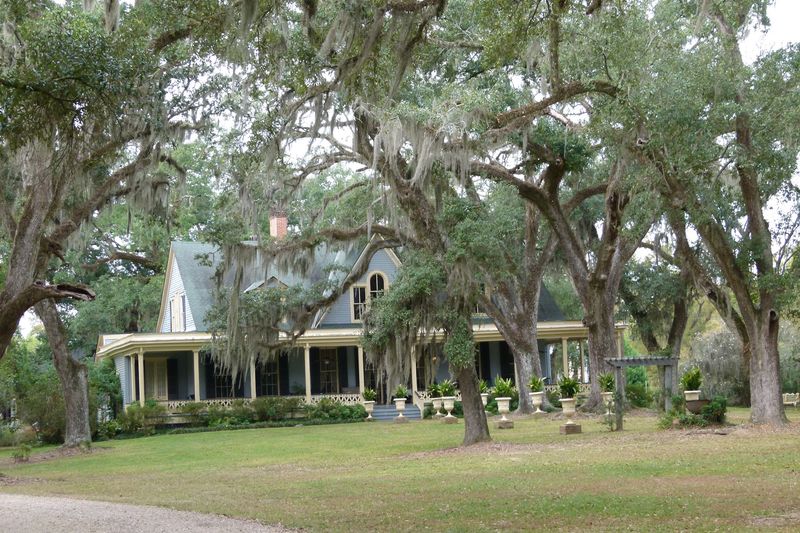
Morning light does most of the work here, especially along the narrow ridge above the Mississippi River. Founded in 1809, the town developed as an important river community, and its historic center still carries a layered mix of antebellum, Creole, Victorian, and cottage-style architecture.
A slow walk around Ferdinand and Commerce streets reveals churches, galleries, old homes, ironwork, and deep porches shaded by enormous live oaks. Rosedown State Historic Site adds formal gardens and nineteenth-century architecture, while The Myrtles draws visitors with its long history and the legends attached to the property.
Plantation landscapes in the area are beautiful, but they also carry the history of slavery, so guided interpretation matters. The scenery becomes more meaningful when the full story stays visible alongside the architecture.
Weekdays are especially good for wandering because the pace feels gentler and the sidewalks less busy. Bring comfortable shoes, read the historical markers, and resist turning the visit into a checklist.
The strongest moments often come from small details: brick paths, old fences, churchyards, and the way oak branches change the light. That quiet visual richness is what makes the town feel cinematic without needing any artificial drama.
The effect feels effortless, patient, and timeless.
9. Grand Coteau
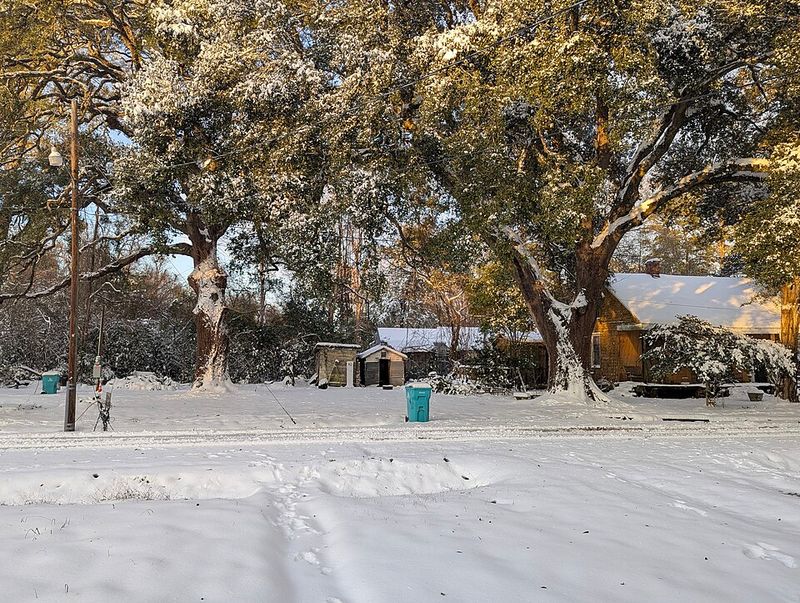
Old trees, religious landmarks, and broad lawns give this place a quiet importance before you even know the history. Its historic district remains unusually rural, with more than seventy architecturally significant buildings spread among gardens, groves, and shaded roads.
Creole, French, Acadian, Anglo-American, and Victorian influences appear side by side, so no single block tells the whole story. The Academy of the Sacred Heart, founded in 1821, remains one of the defining institutions and is tied to the story of a nineteenth-century healing later recognized by the Catholic Church.
Sweet dough pie adds a completely different kind of identity. The town celebrates that tradition with an annual festival, but the dessert belongs to local culture far beyond one weekend.
An ordinary afternoon may actually be the best time to visit. Quiet roads make it easier to notice porch columns, old fences, church grounds, and the way historic buildings sit naturally within the landscape rather than lining up like a museum display.
Nothing here feels rushed or overly staged. The appeal comes from modesty and significance, where small bakeries, old trees, schools, and churches share the same soft setting.
By late afternoon, the whole district can feel almost suspended in time.
8. Washington
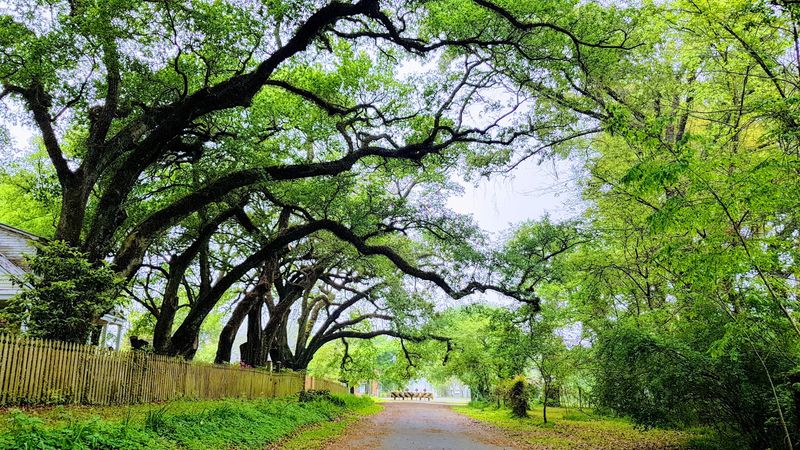
Along Bayou Courtableau, the past feels close enough to reach from the sidewalk. The town once thrived as a steamboat port, handling traffic between New Orleans and St. Louis, and much of that river-era character survives in its historic district.
A walk through the center brings cottages, brick storefronts, churches, warehouses, and larger homes into one compact route. The architecture feels accumulated rather than curated, which makes the streets more convincing than places polished into perfect uniformity.
Antique shops give visitors an easy reason to slow down, but the best details often sit outside the stores. Old shutters, porch posts, faded signs, and unusual rooflines tell as much of the story as any formal marker.
The bayou remains essential to understanding why the settlement developed here. Water shaped trade, movement, and the rhythm of daily life long before highways took over.
Good walking shoes are useful because the strongest visit involves side streets, not just the main block. Stop often, look at the buildings from across the road, and leave room for lunch somewhere local.
The quieter the day, the easier it becomes to imagine the town during its busier river years. That contrast gives the place its Southern-movie atmosphere.
7. St. Martinville
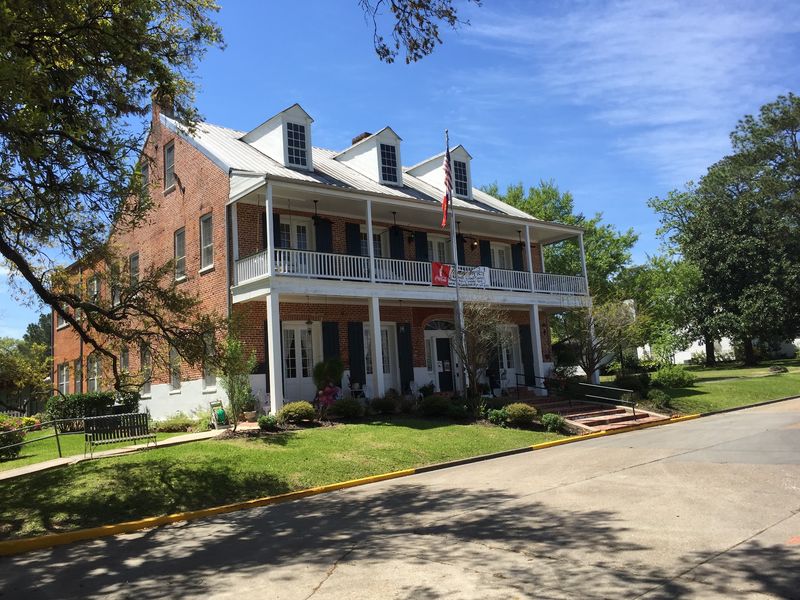
Bayou Teche sets the pace before anything else does. The water slips past the historic center with an easy rhythm, while church spires, old homes, and shaded streets reflect the many cultures that shaped this part of Louisiana.
A good walk begins near Evangeline Oak Park, where the famous live oak is tied to Henry Wadsworth Longfellow’s poem “Evangeline.” The literary story is not a literal historical account, but it remains part of the town’s identity and gives visitors an easy entry point into broader Acadian history.
Nearby, St. Martin de Tours Catholic Church anchors the center with a strong presence. The Acadian Memorial and African American Museum add deeper context, especially for anyone interested in the community beyond its most romantic legends.
Late afternoon works especially well here. Softer light reflects off the bayou, traffic thins, and the historic streets become more atmospheric without feeling empty.
Walking is better than driving between the central sites because the transitions matter. You notice fences, porches, church grounds, and the small gaps where water suddenly reappears.
The strongest impression comes from religion, language, migration, architecture, and landscape all remaining visible at once. That layered feeling is what makes the setting linger.
6. Breaux Bridge
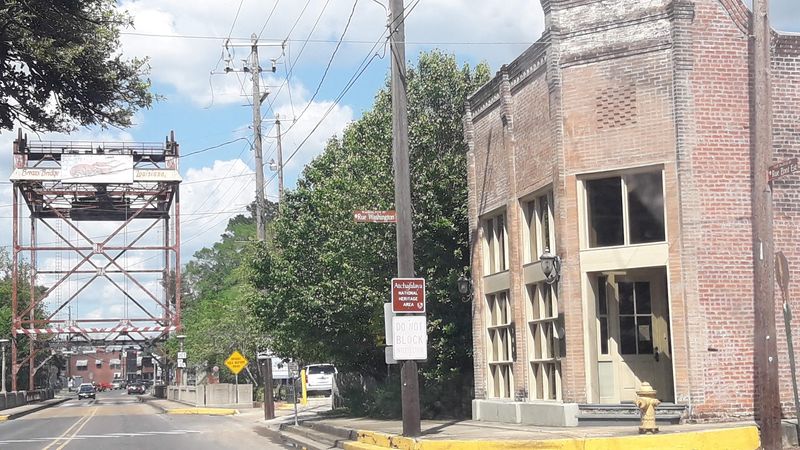
Crossing into this Cajun Country community changes the mood almost immediately. Historic storefronts, wrought-iron balconies, colorful façades, and Bayou Teche give the center enough texture to feel lively without losing its small-town scale.
The “Crawfish Capital of the World” title is part of the local identity, but food is only one reason to stay. The historic district and nearby waterfront reward slow walking, especially when the afternoon heat begins to soften.
Cajun and Creole culture still feels lived here rather than staged. Music, food, French language traditions, and neighborhood businesses remain woven into daily life, which gives the streets a natural confidence.
Start near the visitor center, browse Bridge Street, and then drift toward the bayou. Antique shops make excellent excuses to linger, while side streets reveal a quieter version away from the busiest restaurants.
Lake Martin is close enough to add cypress scenery and birdlife if you want a longer day. Still, the downtown itself has plenty of atmosphere.
The best moments come when ordinary life becomes part of the picture: someone opening a shop door, a conversation carrying from a porch, or afternoon light catching the bridge. That movement keeps the place from ever feeling like a set.
5. Abita Springs
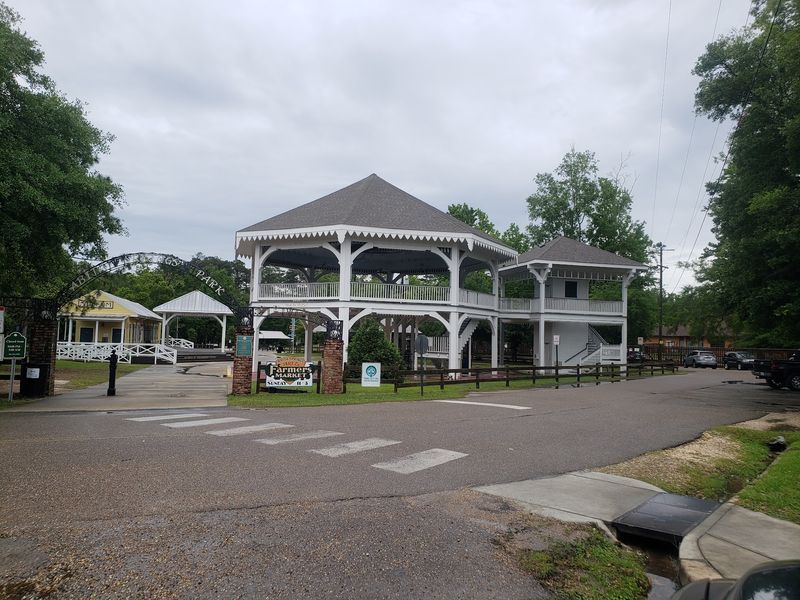
Natural springs gave this North Shore community its reputation as a retreat, and some of that restorative mood still hangs in the air. Visitors once came from New Orleans seeking cooler surroundings, fresh air, and distance from the summer heat and disease of the city.
Around the historic center, shotgun houses, bungalows, shady streets, and broad porches create a relaxed early-twentieth-century character. The trailhead and nearby parks make it easy to move between green space and local businesses without constantly getting back into the car.
A slightly strange streak keeps the charm from becoming too polished. The Abita Mystery House mixes folk art, homemade inventions, odd collections, and visual jokes into a memorable stop in town.
Give yourself time to wander instead of arriving for one attraction and leaving. The springs area, older homes, cafés, and public spaces work best as a loose loop rather than a checklist.
What stays with me most is the balance. One corner feels nostalgic, another artistic, and another completely ordinary.
Trees soften the streets, bicycles pass through the center, and porches seem made for lingering. The atmosphere never pushes too hard.
It simply makes slowing down feel like the most sensible thing to do.
4. Madisonville
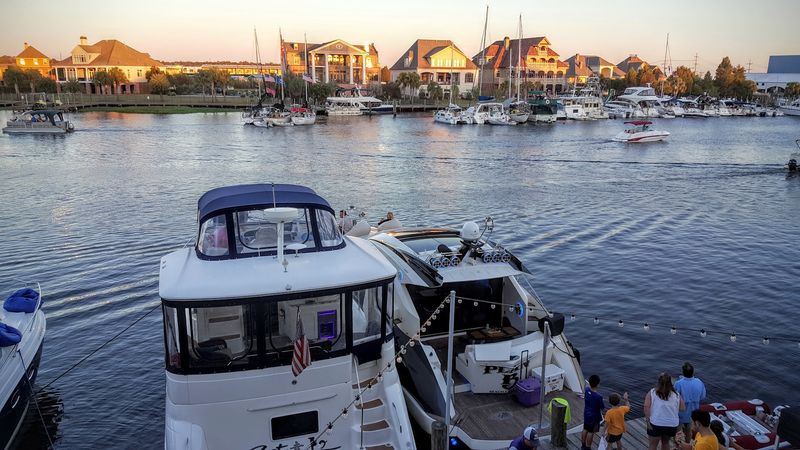
River light shapes the first impression here more than the buildings do. Boats, docks, restaurants, and weathered structures sit along the Tchefuncte River, giving the waterfront a working maritime character instead of the polished feel of a resort strip.
The community’s history is tied closely to water transportation and shipbuilding, and Maritime Museum Louisiana helps explain that relationship through exhibits, preservation work, and boatbuilding programs. Nearby, the Tchefuncte River Lighthouse adds another landmark to the story, even though it stands offshore rather than directly in the downtown district.
A slow walk along Water Street is enough to understand the appeal. The river keeps appearing between buildings, and every opening offers another view of boats moving through the channel.
There is no need to pack the day with activities. One museum visit, a meal near the water, and an hour spent watching river traffic can feel complete.
Cooler weather makes the walk especially pleasant, but even in summer the breeze can soften the afternoon. What gives the town its cinematic quality is not grandeur.
It is weathered wood, moving water, working docks, and the sense that daily life still follows the river’s rhythm. That connection keeps the whole place grounded.
Naturally.
3. New Roads
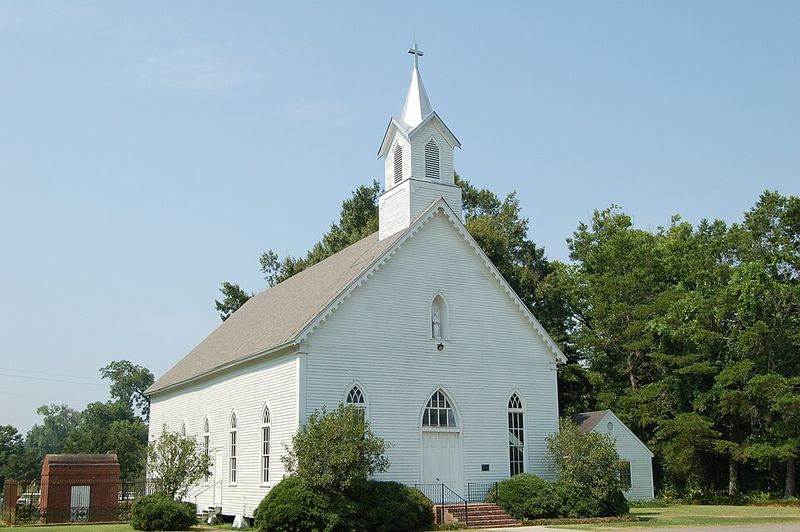
False River gives this small town an open horizon. The 22-mile oxbow lake sits beside the historic center, so old buildings, shops, restaurants, and quiet streets often seem to lean toward the water.
The name comes from the Chemin Neuf, or “New Road,” built around 1776 to connect the Mississippi River with False River. Streets and lots later developed near the lake, while agriculture shaped the surrounding community through sugar cane, cotton, pecans, and other crops.
A walk around Main Street reveals a center connected to local life rather than preserved for visitors. Mardi Gras traditions add color during Carnival season, but an ordinary weekday can be more atmospheric if you prefer less activity.
Late afternoon is the strongest time to explore. The lake catches changing light, storefronts begin to glow, and the whole scene becomes quieter without feeling deserted.
Bring enough time for both walking and simply sitting near the water. The best part is the balance between built history and open space.
Old commercial blocks provide texture, while False River keeps the view broad. When the light softens, the town feels less like a destination on a map and more like a scene waiting for something to happen.
2. Donaldsonville
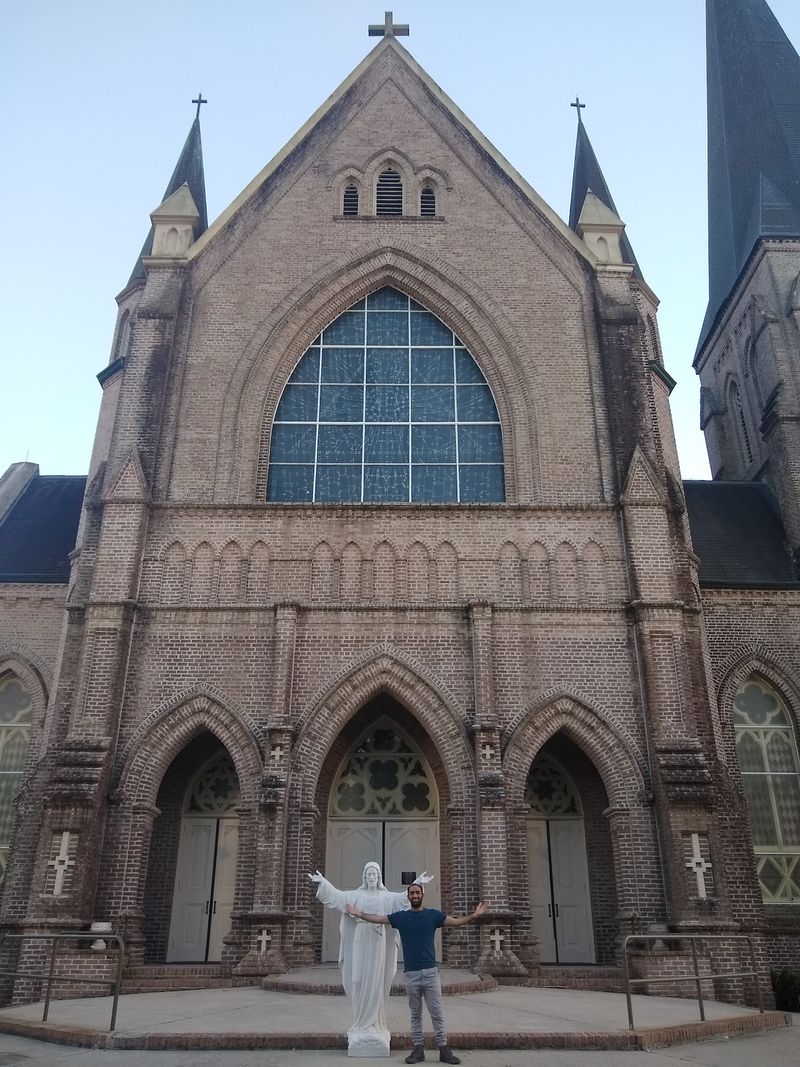
Scale gives this Mississippi River town more weight than many quiet places its size. It served briefly as Louisiana’s capital from 1829 to 1831, and the historic district still spreads across dozens of blocks with many surviving buildings.
Commercial structures, cottages, churches, civic landmarks, and larger homes appear in different architectural styles rather than one polished look. Railroad Avenue is a useful place to begin, especially if you enjoy seeing restoration beside businesses that are still part of everyday life.
The Mississippi River adds another layer. Walking toward the levee, when conditions allow, helps explain why this settlement once mattered so much to trade and political life.
Pretty architecture is only part of the story. The area’s history includes plantation wealth, slavery, river commerce, labor, and political power, so reading markers and seeking context makes the visit more meaningful.
Take your time with the smaller buildings, not just the obvious landmarks. A modest storefront may sit a few blocks from a massive river, while an old church or courthouse suddenly changes the entire view.
That layering gives the town its visual strength. It can look beautifully composed from one angle while carrying a much more complicated history underneath.
It lingers.
1. Natchitoches
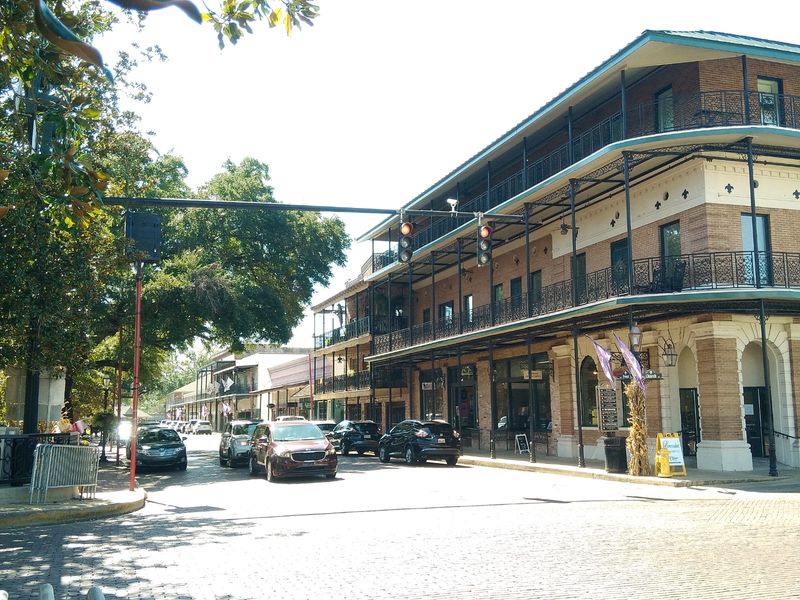
Light along Front Street can make the historic district look almost unreal. Brick paving, iron balconies, old storefronts, and Cane River Lake create the kind of setting filmmakers notice, which helps explain why the town appeared in “Steel Magnolias.”
The history reaches much further back than the movies. Established in 1714 as a French outpost, the community became the oldest permanent settlement in the territory of the Louisiana Purchase.
Fort St. Jean Baptiste State Historic Site interprets that colonial era, while the National Historic Landmark District keeps the center easy to explore on foot.
The prettiest view is one part of the experience. Cane River National Heritage Area connects downtown with Creole communities, churches, farms, and plantation sites farther along the river.
Oakland and Magnolia preserve landscapes while interpreting slavery and the lives of people who worked there.
Start with Front Street, then move beyond it. That wider context keeps the town from becoming only a postcard.
Stay until dusk if possible. Lights begin reflecting on the water, the brick streets darken, and the center shifts into a more cinematic mood.
The scenery is beautiful, but the deeper history gives it weight and prevents the charm from becoming superficial.