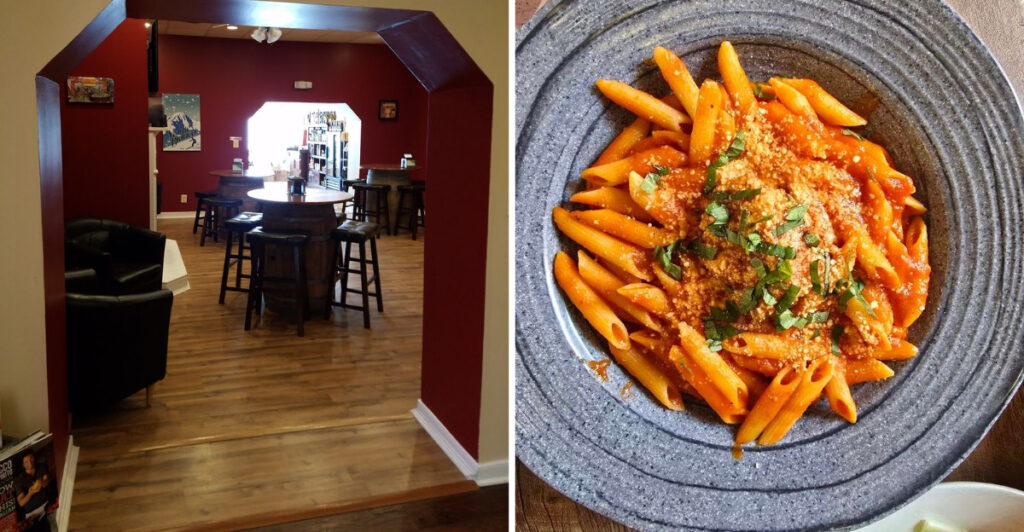
One menu. Too many good ideas. That is how dinner gets delightfully complicated at this Virginia restaurant.
You may sit down ready to order in seconds. Then the bread hits the table, and your decision-making skills collapse.
Picking one dish now requires strategy, bargaining, and a legally binding promise to share.
The kitchen keeps things lively by exploring different Italian regions instead of repeating the same familiar favorites.
You can pass plates, steal an extra bite, and watch everyone become very protective when dessert arrives.
Bring someone who shares well and chooses quickly. Otherwise, prepare for a long debate and forks moving faster than anyone wants to admit.
A Palermo Story Sets The Table

Some chefs discover their career after years of searching. Danilo Orofino had already opened a restaurant and coffee bar in Sicily by the time he was eighteen.
He was born in Palermo and studied culinary arts along with restaurant and hotel management.
After four years running his first business, he left Sicily and eventually began a new life in New York City, where he worked in an Italian grocery and deli before joining the team at Eataly.
That chapter also introduced him to Alona, who later became his wife and business partner. Their path eventually led to Virginia, where Danilo helped run another Fredericksburg restaurant before opening Orofino.
You can taste that broader journey in the menu. Sicilian food remains an important foundation, but the kitchen does not stop at Palermo.
Recipes and monthly specials travel through different Italian regions, giving familiar ingredients new accents throughout the year.
The story adds context without turning dinner into a biography lesson. You still get crisp rice balls, pasta, pizza, and dessert from a chef shaped by several food cultures.
Some restaurants begin with a business plan. This one began with a teenager in Sicily who apparently had no interest in waiting for adulthood to start dinner.
Caroline Street Puts Dinner In Walking Distance

Historic downtown streets know how to improve an appetite. Brick storefronts, compact blocks, and an evening stroll make sitting down for pasta feel like the natural next scene.
Orofino occupies 1006 Caroline Street, Fredericksburg, Virginia 22401. Its central location places you among downtown shops, historic buildings, and other businesses that make it easy to pair dinner with time on foot.
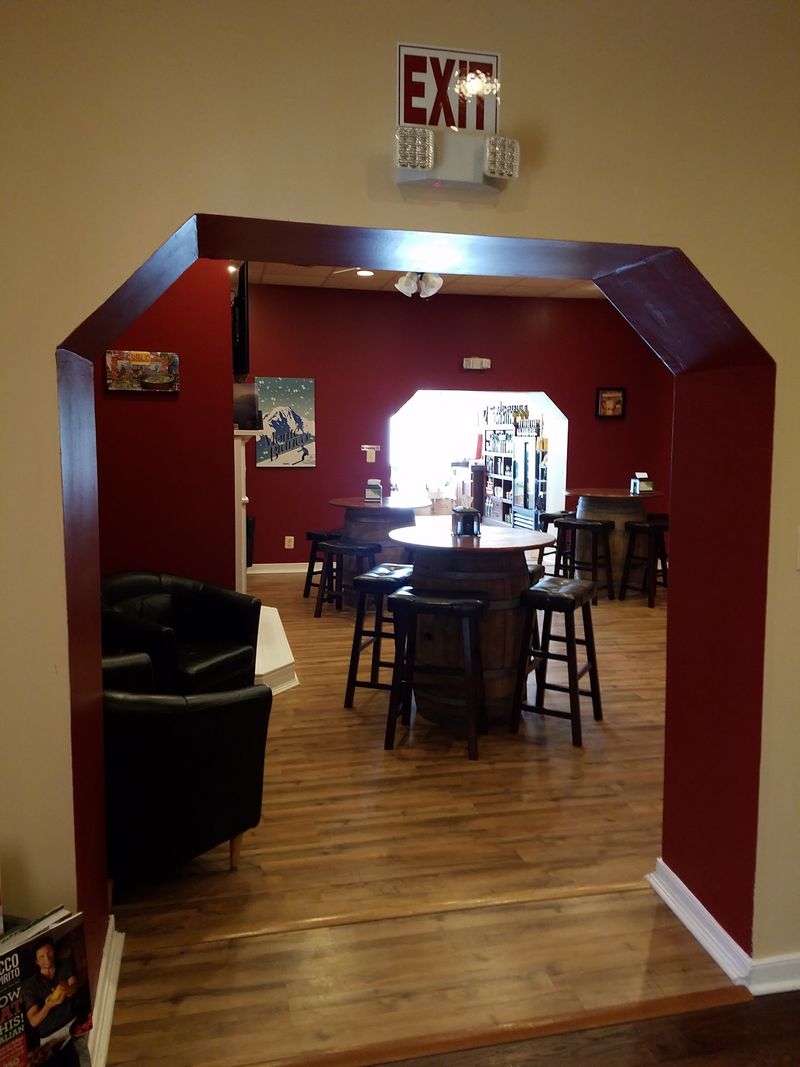
Inside, the atmosphere is casual rather than overly formal. The restaurant also offers outdoor seating, giving you another option when the weather cooperates. Reservations are available and are a sensible move for Friday or Saturday, when tables can fill quickly.
Street parking serves downtown, so allow time to find a space. Once seated, the compact setting suits the menu’s shareable rhythm. A starter can move around the table, and nobody has to pretend they were not watching your pasta arrive.
The address may be downtown, but the meal does not need to follow a schedule packed with stops. Give it room. Italian food generally performs better when your evening is not trying to beat a parking meter in spirit.
Caroline Street gets you through the door. What happens next may convince your walking shoes that the return trip can wait.
The Pasta Menu Refuses To Pick One Region
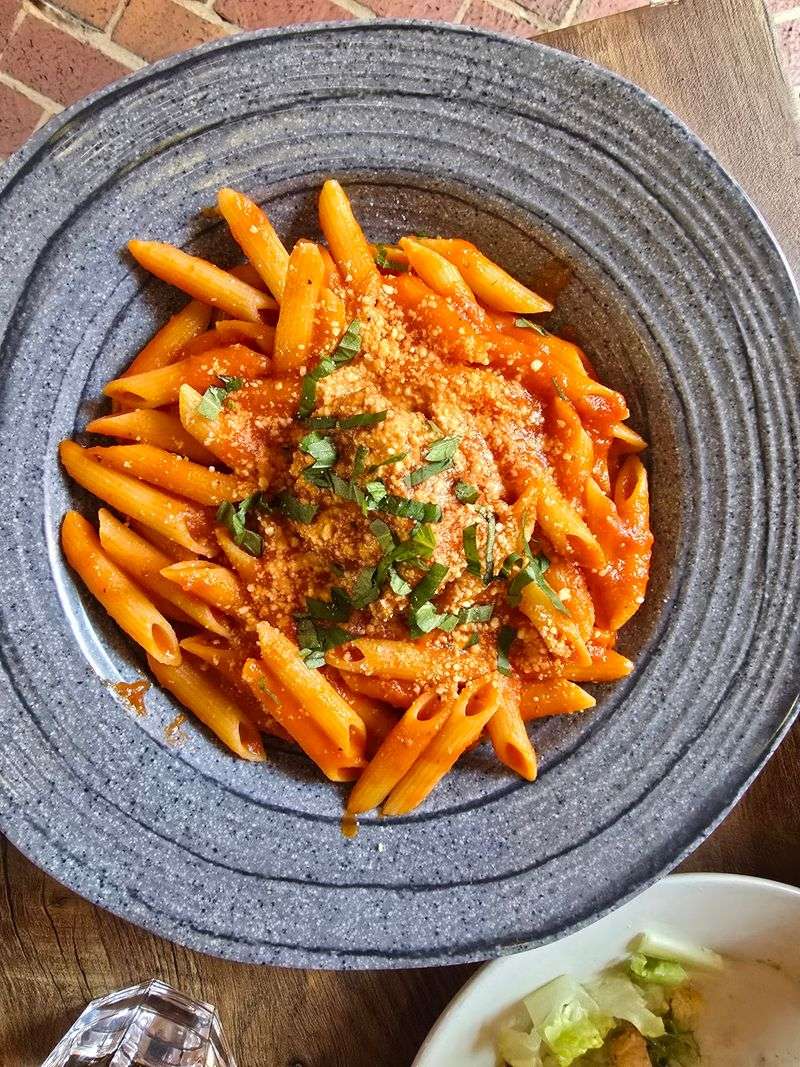
Your comfort order is about to face competition. The pasta list travels across Italy instead of remaining loyal to one sauce, shape, or culinary region.
Pappardelle al ragù pairs broad pasta ribbons with a traditional homemade meat sauce and Parmesan. The width of the noodles gives the sauce plenty of surface to hold, turning each forkful into a serious argument against ordering lightly.
Gnocchi al pesto takes a different direction with a creamy walnut pesto. Spaghetti carbonara brings a Roman classic into the mix, while other pasta choices and rotating monthly dishes expand the menu beyond the permanent favorites.
Homemade sauces and regional combinations give the pasta menu its range. The ragù brings slow-cooked depth, while pesto, carbonara, and rotating specialties keep repeat visits from becoming predictable.
Monthly menus make repeat visits more interesting. One month may spotlight a coastal recipe, while another leans toward a northern sauce, southern specialty, or regional dessert. You do not need to memorize a map before ordering.
Curiosity handles the navigation.
Do you return to the ragù or test the latest regional feature? That is the pleasant problem waiting at the bottom of the menu. Your usual order may survive, but it should probably update its résumé.
Arancini Give The First Course A Crunch
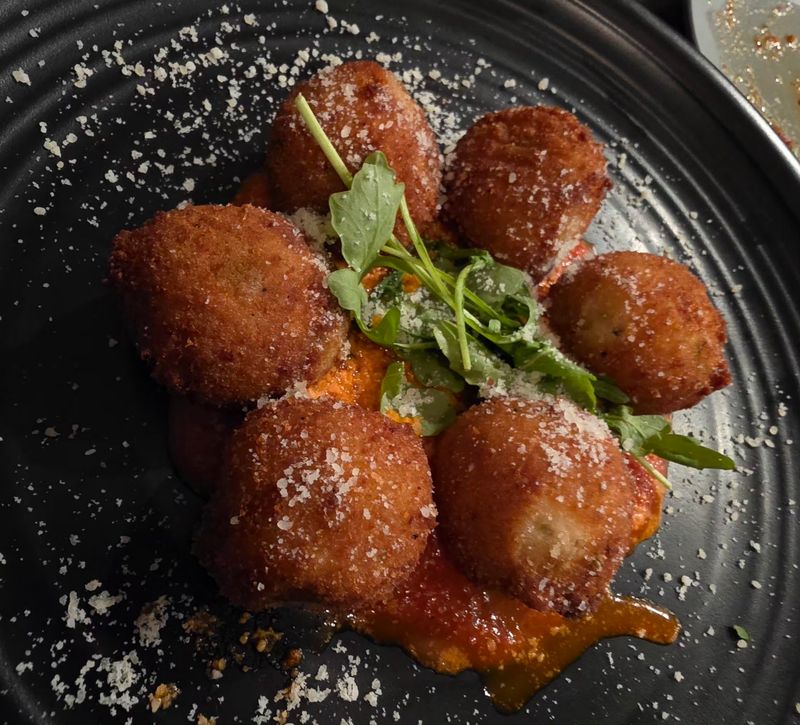
Dinner should not whisper its opening line. Arancini arrive with a crisp shell and enough personality to make the first bite sound like punctuation.
The current appetizer menu serves Sicilian rice balls two ways. One version contains traditional meat sauce, while the other centers on four cheeses. Both are served with tomato sauce, giving the table an easy starter to share before larger decisions begin.
Their Sicilian identity fits naturally with the chef’s Palermo background. Here, the two fillings let you compare a savory meat center with a richer cheese option without ordering separate appetizers.
Homemade baked meatballs offer another substantial beginning. They arrive with a creamy Parmesan sauce and toasted ciabatta, while bruschetta, burrata caprese, calamari, and mussels broaden the starter selection.
Sharing sounds wise until the final rice ball remains on the plate. Then manners enter negotiations.
The best strategy may be ordering enough that nobody has to perform generosity while secretly counting portions. Start with a crisp shell, follow it with a warm center, and let the first course announce that this meal has officially stopped pretending to be modest.
Neapolitan-Style Pizza Brings The Heat
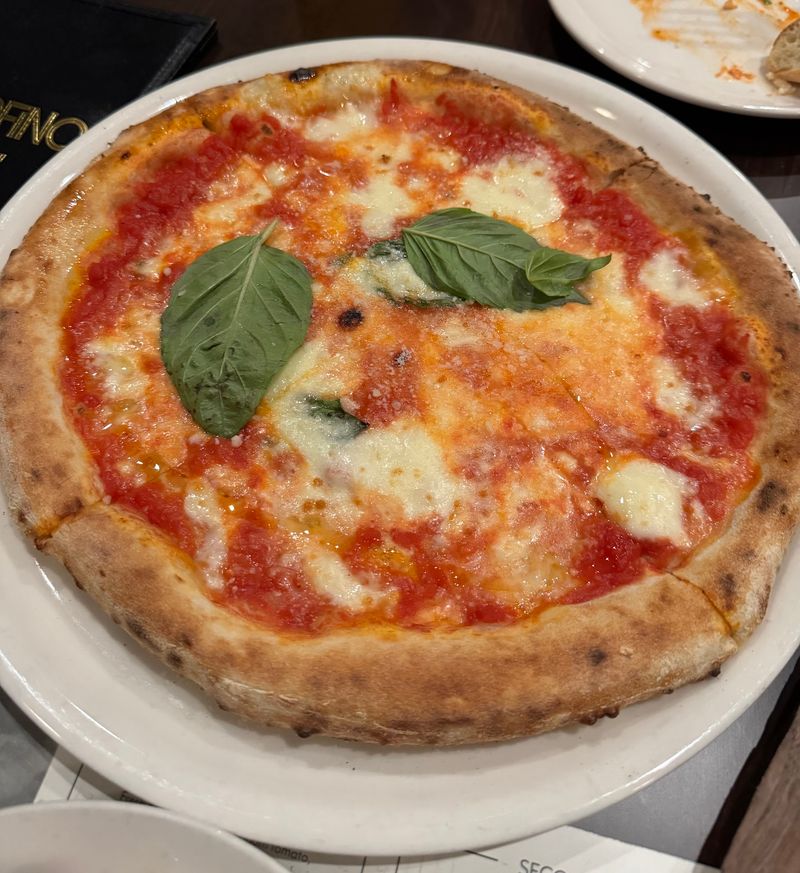
Pasta does not get the dining room to itself. The pizza menu arrives with San Marzano tomatoes, fresh mozzarella, basil, and crusts built for a quick, hot bake.
The Margherita keeps the formula direct. Tomato, mozzarella, and basil leave little room for weak ingredients to hide, which is precisely why the combination remains such a useful test of a pizza kitchen.
Other current choices layer on spicy soppressata, ham, sausage, mushrooms, onions, arugula, or shaved Parmesan. The menu changes enough to give you alternatives without burying the basic structure under endless toppings.
The pizzas lean on familiar Neapolitan-style ingredients, with regional monthly variations adding new combinations throughout the year.
Pizza can serve as the main event, but it also works dangerously well as the dish everyone agrees to “sample” before pasta. One slice becomes two, and suddenly the table’s carefully planned course progression has developed a delicious traffic jam.
The oven may not ask for attention, but the blistered crust usually gets it. By the time the pizza reaches the table, your pasta order may be wondering why it agreed to share the spotlight.
Regional Desserts Keep The Ending Flexible
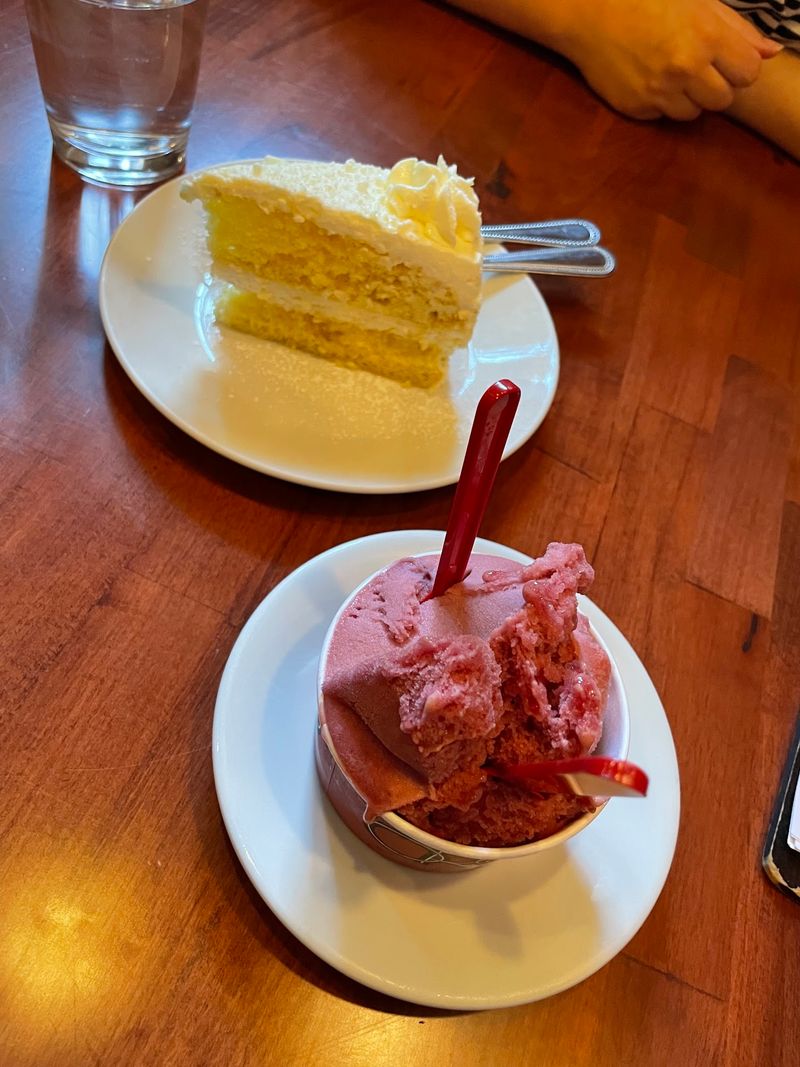
Dessert plays by a rotating calendar here. That means the lemon cake you remember from one visit may share the stage with another regional sweet the next time you return.
The permanent dessert menu currently includes Delizia di Limone, a lemon dessert that keeps the citrus theme alive throughout the year. Tiramisu, cannoli, chocolate-hazelnut cake, gelato, and sorbetto provide other ways to finish.
A limoncello-and-blueberry cake has appeared on a monthly Campania menu. It featured yellow sponge, lemon mousse, raspberry preserves, glaze, and white chocolate curls. It is a rotating special, not guaranteed daily.
That rotation is part of the restaurant’s appeal. The final course can reflect the featured region just as clearly as the pasta or entree, giving you a reason to inspect the specials before automatically ordering an old favorite.
Lemon works especially well after a rich meal because its brightness changes the pace. One bite can make a table full of ragù, cheese, and pizza feel less like an ending and more like a well-managed finale.
Save room is predictable advice. The more honest warning is this: dessert may convince you that the entire dinner was merely its opening act.
Hospitality Keeps The Menu From Feeling Like Homework
A regional Italian menu could easily become a geography quiz. Warm service keeps it grounded in a much simpler question: what would you genuinely enjoy eating tonight?
The restaurant centers its approach on Italian culture and shared meals. That philosophy works best when staff can explain monthly dishes, compare pastas, and guide you without turning dinner into a lecture.
The menu supports that conversational style. Arancini can be shared, pizzas can cross the table, and rotating specials invite questions. One familiar dish and one new choice can carry the whole evening.
The dining room operates Monday through Saturday and closes on Sunday. Hours differ between weekdays and the weekend, so checking the current schedule and reserving a table before a special trip is sensible.
You do not need to know the difference between every Italian region before arriving. You only need an appetite and enough flexibility to let the menu change your mind.
The strongest hospitality does not make itself the center of attention. It helps the food, conversation, and evening fall into place. By dessert, you may forget who chose the restaurant, but everyone will remember who refused to share the last bite.