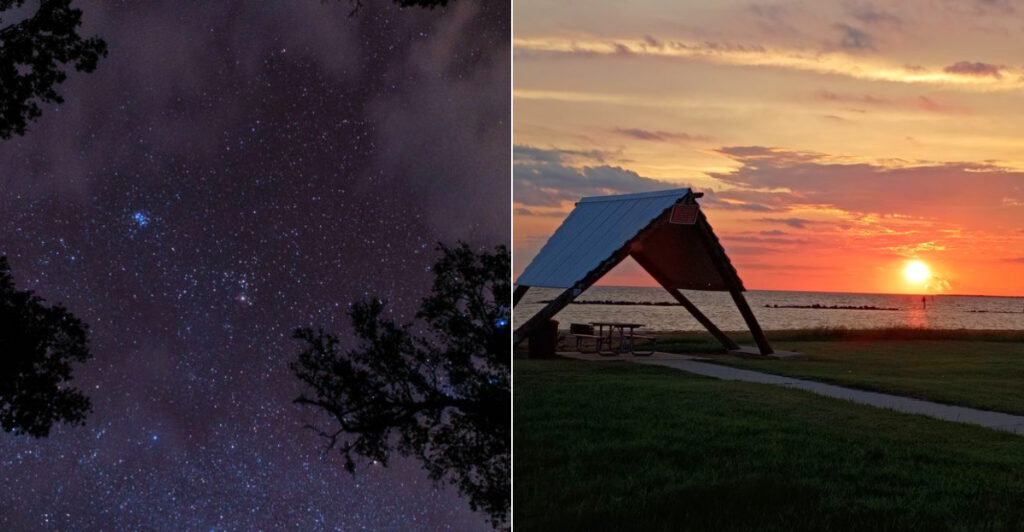
Louisiana gets plenty of attention for what happens under neon signs and beneath mossy trees, but some of its best scenery appears after the lights disappear.
Far from the cities, remote parks open onto skies dark enough for constellations to sharpen and the Milky Way to become more than a faint rumor.
Bayous, beaches, pine forests, and quiet reservoirs all feel different once night settles in, which makes stargazing here surprisingly varied.
Louisiana’s best dark-sky parks combine remote landscapes, low light pollution, and unforgettable views of stars, planets, and the Milky Way.
What I love most is how quickly the familiar landscape changes. Water turns black and glassy, pine silhouettes deepen, and every small sound suddenly feels louder.
Give your eyes time to adjust, settle into the darkness, and the whole state seems to stretch upward. It is a quieter kind of Louisiana magic, but arguably one of its most memorable.
10. Palmetto Island State Park
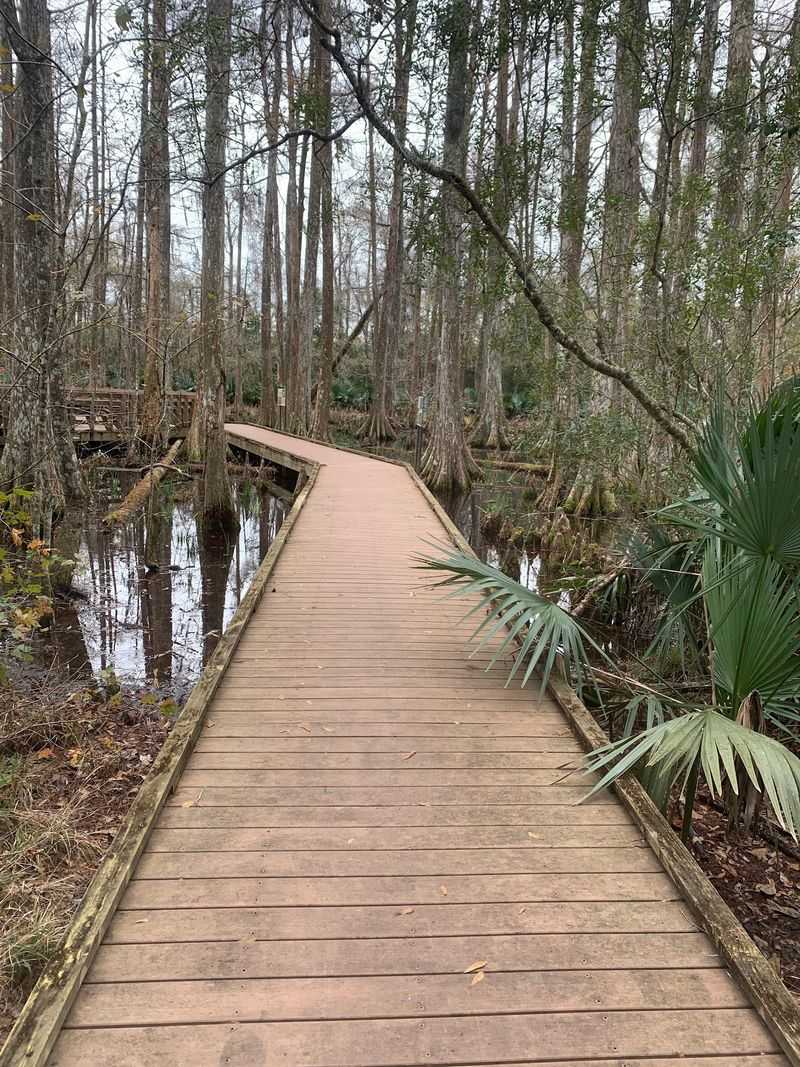
Swamp darkness has a personality all its own. Trees turn into silhouettes, frogs become unexpectedly loud, and the lagoons that looked green during the afternoon become black mirrors reflecting whatever bright stars manage to break through the canopy.
The setting makes this relatively young state park outside Abbeville a particularly atmospheric place to spend a clear night. Palmettos, bottomland hardwoods, and waterways connected to the Vermilion River fill more than 1,000 acres, while interior lagoons give paddlers an intimate look at the landscape before sunset.
You will find the park at 19501 Pleasant Road in Abbeville. Since the entrance gate currently closes at 10 p.m., booking one of the six cabins or 95 campsites makes much more sense if stargazing is the main reason for visiting.
Overnight guests can let the campground settle down rather than trying to race darkness back to the exit.
Choose the least obstructed part of your campsite and turn unnecessary lights off. Tree cover means you will not get a giant horizon in every direction, but openings around water can frame the sky beautifully.
Bring serious mosquito protection in warm weather.
The stars may be remote.
Louisiana insects remain extremely local.
9. North Toledo Bend State Park
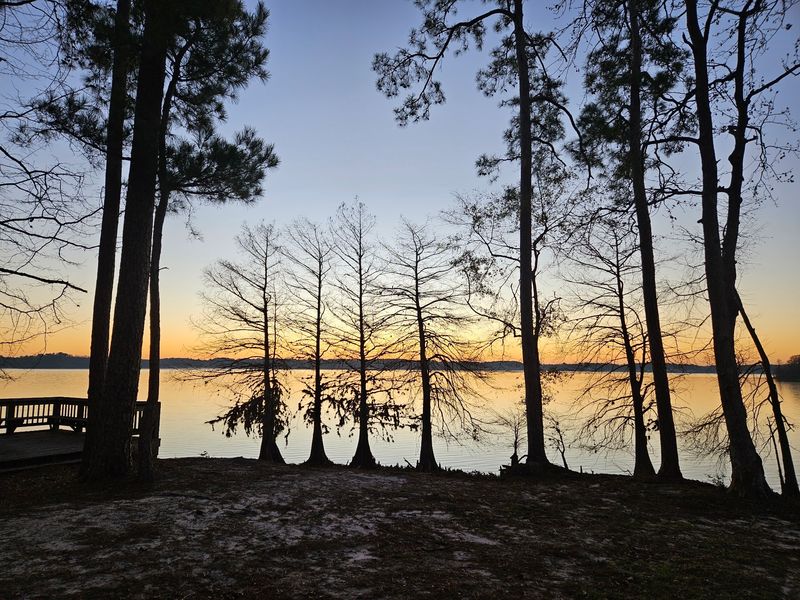
A reservoir this enormous does useful things to the night. Toledo Bend stretches along the Louisiana-Texas border for miles, replacing streets and buildings with dark water and giving stars a much broader stage than they get around most populated areas.
The northern state park occupies wooded terrain at 2907 North Toledo Park Road in Zwolle, where lake views, fishing, boating, and quiet forest make it easy to build an entire day around staying for darkness.
I would choose an overnight visit. Current park gates close at 10 p.m., so a cabin or campsite gives you the freedom to keep watching after day visitors have left and vehicle traffic has largely disappeared.
Find an open view toward the reservoir rather than settling beneath thick tree cover. On a moonless night, brighter stars can reflect across calm water, and constellations become much easier to pick out once your eyes have adapted.
Bring binoculars if you own them, but do not worry about a telescope on your first visit. A broad lake horizon is particularly good for simple naked-eye observing.
8. South Toledo Bend State Park
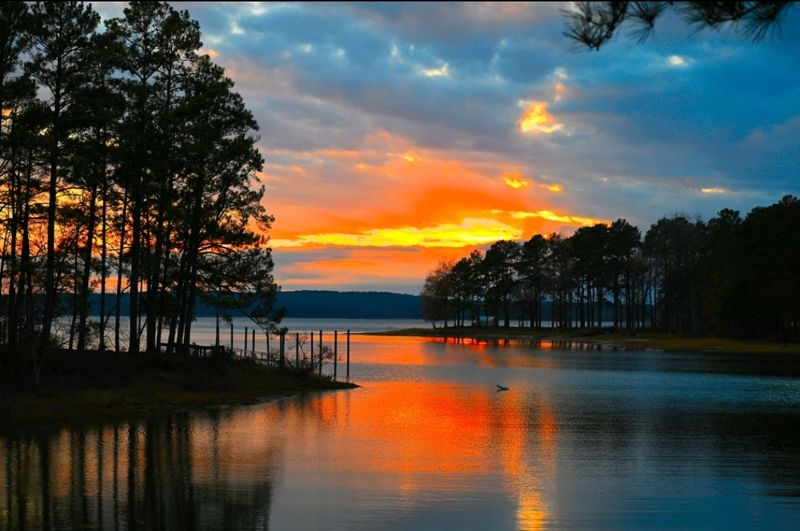
Elevation is not something Louisiana usually advertises, so the small bluffs above Toledo Bend feel surprisingly dramatic. From several parts of this park, the reservoir spreads outward below you with comparatively little development interrupting the horizon.
That openness becomes even more valuable after sunset.
The park sits at 120 Bald Eagle Road in Anacoco, on the southern portion of the same enormous reservoir shared by Louisiana and Texas. Cabins and campsites make staying overnight straightforward, which is useful because the entrance gate currently closes at 10 p.m.
Spend the afternoon near the water, then choose your nighttime viewing spot before everything becomes difficult to judge in the dark. Lakefront openings give you the widest sky, while forest edges can help block stray campground lights behind you.
Humidity is usually the biggest variable. Louisiana air can soften faint stars, so nights after a front passes through often produce sharper viewing than hot, hazy evenings.
Autumn and cooler late-summer nights also improve comfort dramatically.
The park is known for bald eagle sightings during the cooler part of the year, but after dark you will probably spend far more time looking considerably farther upward.
7. Lake Fausse Pointe State Park
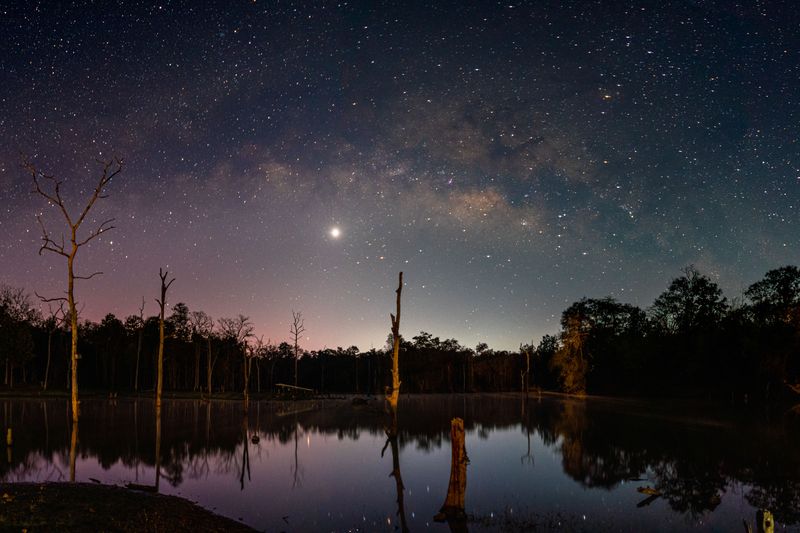
Few stargazing settings feel more Louisiana than a cypress swamp disappearing into darkness.
This 6,000-acre park occupies part of the Atchafalaya Basin, where waterways, canoe trails, forest, and wetland habitat make the journey into evening almost as interesting as the stars afterward. Frogs, insects, and unseen movement through the swamp provide a soundtrack that no astronomy app can improve.
The park entrance is at 5400 Levee Road in St. Martinville. Its gates currently close at 10 p.m., so one of the waterfront cabins or campsites is the better choice if you want to let the night fully develop.
Scout your location while there is still light. Dense vegetation means some areas offer limited sky, while openings near water or less wooded campground edges reveal much more overhead.
A red headlamp is particularly important here because roots, damp boards, and uneven ground become surprisingly inventive hazards after dark.
Summer humidity can soften views of the Milky Way, but dry, clear nights after a weather change can be much better than newcomers expect.
I would also listen as much as look.
Once the sky darkens and the swamp disappears visually, every splash, croak, and rustle seems to move several feet closer.
6. Chemin-A-Haut State Park
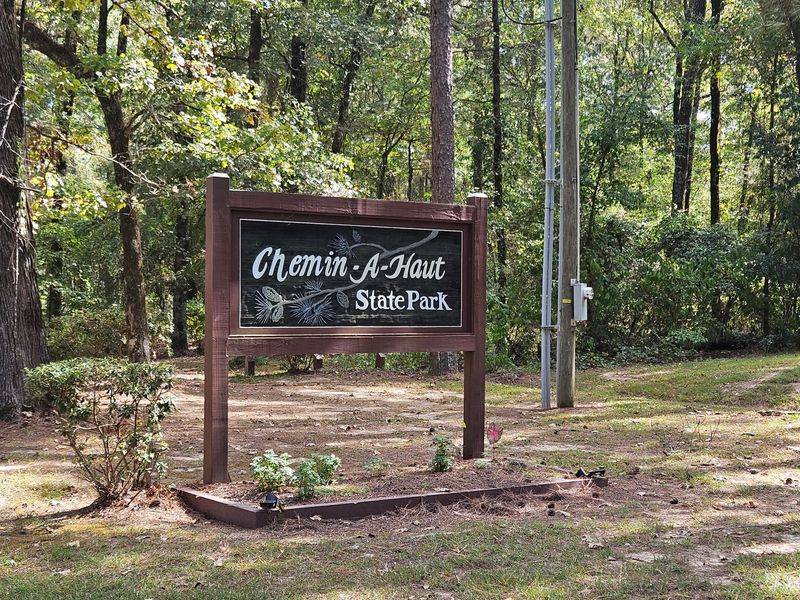
Rolling ground and high bluffs make northern Louisiana feel almost like another state after too much time in the flat south.
Perched above Bayou Bartholomew, this historic park combines upland forest, open recreational areas, trails, and waterways in a setting far removed from major urban light. That distance gives the sky a chance to become noticeably richer once the last daylight leaves the trees.
Drive to 14656 State Park Road in Bastrop, where the park has been welcoming visitors since the 1930s. Current gates close at 10 p.m., making a campsite or cabin the sensible option for anybody hoping to spend several uninterrupted hours under the stars.
During daylight, paddle toward the enormous Castle Tree, an ancient cypress whose hollow trunk is large enough for a kayak to enter. At night, move instead toward one of the park’s more open areas where surrounding trees do not swallow half the sky.
Fall and late summer can be especially pleasant once nighttime temperatures begin dropping.
Pack a light layer even when the afternoon feels hot. Higher ground and open spaces can cool faster than expected after sunset.
Then give the surroundings time to become genuinely dark.
5. Cypremort Point State Park
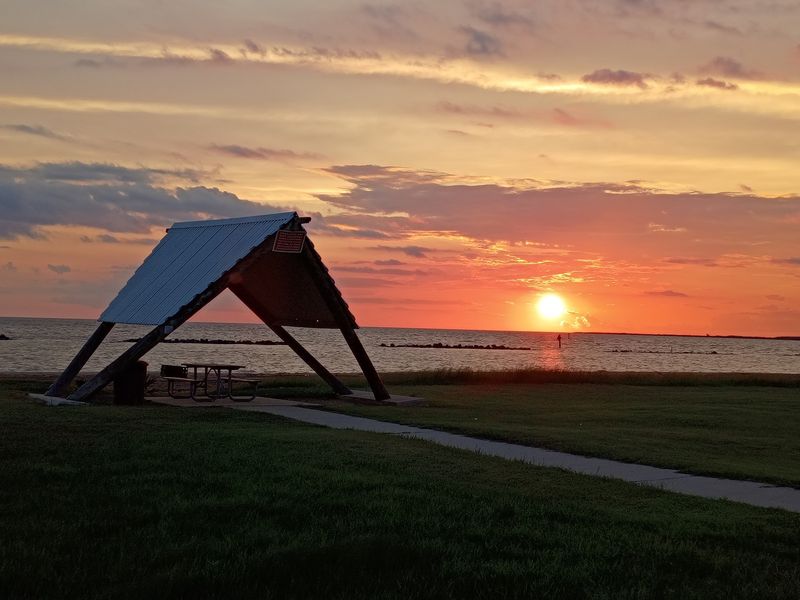
An open Gulf Coast horizon changes stargazing completely.
Instead of tree lines swallowing the lower sky, Vermilion Bay stretches outward from this small coastal park, allowing stars and planets to remain visible much closer to the horizon. Sunset also becomes part of the experience, gradually draining color from the water before the first bright objects appear overhead.
The park is located at 306 Beach Lane in Cypremort Point, one of the relatively few places along this section of Louisiana’s coast where you can simply drive to a beach facing open water.
Its half-mile shoreline makes finding an unobstructed view easy, although day visitors should remember that current gates close at 9 p.m. Sunday through Thursday and 10 p.m. on Friday, Saturday, and days preceding holidays.
Booking one of the park’s cabins makes late-night viewing much more relaxed.
Coastal weather is the real wildcard. Humidity, haze, clouds, and wind can alter conditions quickly, so check the forecast before committing to the drive.
Bring insect repellent too. Marshes remain extremely productive ecosystems after sunset, including for species that consider your ankles dinner.
On the right clear night, however, the bay turns almost completely black.
4. Chicot State Park
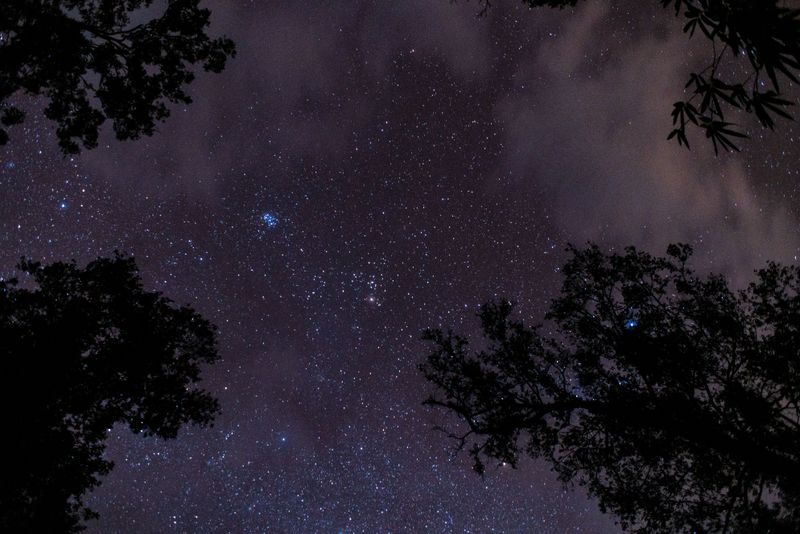
Size gives this place options.
Louisiana’s largest state park spreads across more than 6,000 acres around Lake Chicot, with forests, rolling terrain, waterways, backcountry campsites, cabins, lodges, and enough trail to escape the brightest parts of the developed campground.
The main entrance is at 3469 Chicot Park Road in Ville Platte. Current gates close at 9 p.m., which makes an overnight stay practically essential if your goal is more than catching the first stars after sunset.
I would spend the afternoon exploring the Louisiana State Arboretum or part of the long trail around the lake, then choose a viewing spot before darkness makes navigation less friendly. Openings near Lake Chicot provide better horizons than the thick forest, while primitive camping can put significantly more distance between you and concentrated campground lighting.
The 20-mile hiking trail also makes this one of the better choices for people who want a full weekend rather than a quick astronomy stop.
Do not wander unfamiliar trails casually at night. Roots, water, and wildlife are considerably easier to respect when you can see them.
Instead, settle somewhere safe, switch off the bright lights, and wait.
3. Lake Claiborne State Park
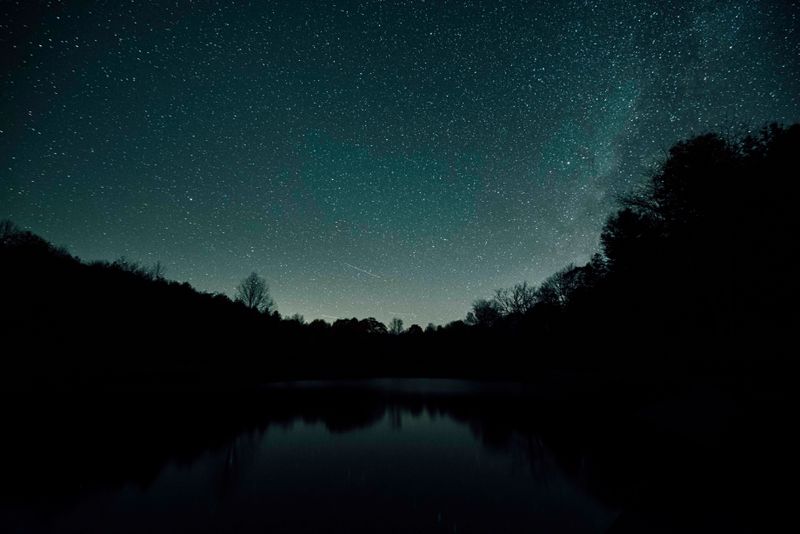
Clear water and pine-covered hills already make this north Louisiana park feel different from the swampier landscapes farther south. After sunset, that same terrain becomes useful for another reason: fewer nearby urban centers mean less competing glow across much of the horizon.
The park sits at 225 State Park Road in Homer, wrapping recreation areas around Lake Claiborne with hiking trails, campsites, cabins, fishing spots, and several open views toward the water.
Current gates close at 10 p.m., so reserve an overnight site if you want enough time for your eyes to fully adjust and the campground to quiet down.
Spend some daylight finding the shoreline angle with the least direct lighting. Fishing areas and open lake views often work better than heavily wooded campsites because stars near the horizon remain visible longer.
The park’s six-mile White Tail Hiking Trail and shorter nature paths can fill the afternoon, while two 18-hole disc golf courses offer a completely different way to tire yourself out before sitting still for several hours.
Night vision builds slowly and disappears almost instantly.
Once everything settles, the combination of still water, dark pines, and a clear northern Louisiana sky makes a convincing argument for staying outside much later than planned.
2. Lake D’Arbonne State Park
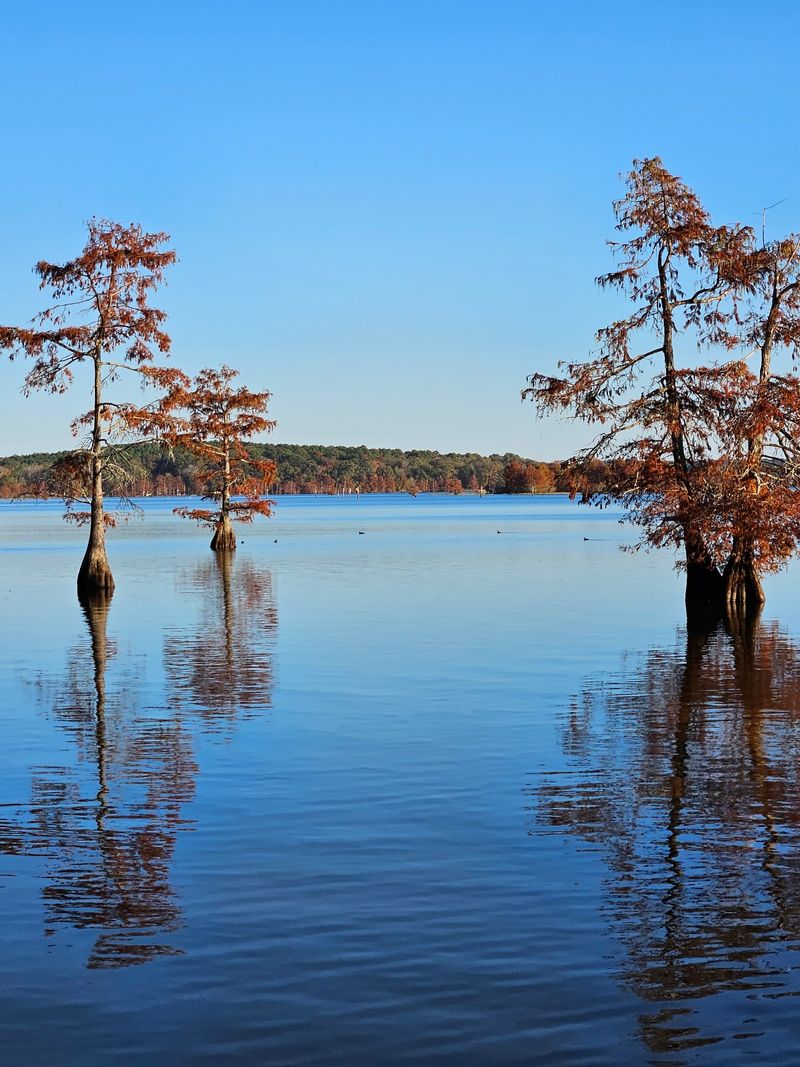
Five fishing piers are excellent places to think about fish during daylight and forget about them entirely once the stars appear.
This quiet north Louisiana park occupies 655 acres of pine-covered hills beside Lake D’Arbonne, where long stretches of water and relatively sparse surrounding development create broader views than you might expect from a forested park.
The entrance at 3628 Evergreen Road in Farmerville leads to campsites, cabins, trails, and multiple places to reach the lake. Because current gates close at 10 p.m., staying overnight is the easiest way to turn an evening visit into genuine stargazing rather than watching the clock.
I would locate one of the piers or another open shoreline spot before sunset and return once darkness develops. Water removes trees from part of your field of view, while the pier gives you a stable place to set a chair or binoculars.
Late summer can still be humid, so the sharpest nights often arrive after cooler, drier air moves through.
Fishing is the park’s daytime obsession, particularly for crappie, but stars eventually take over the same water.
When wind drops, reflections can make bright objects appear both above and below the horizon.
1. Jimmie Davis State Park
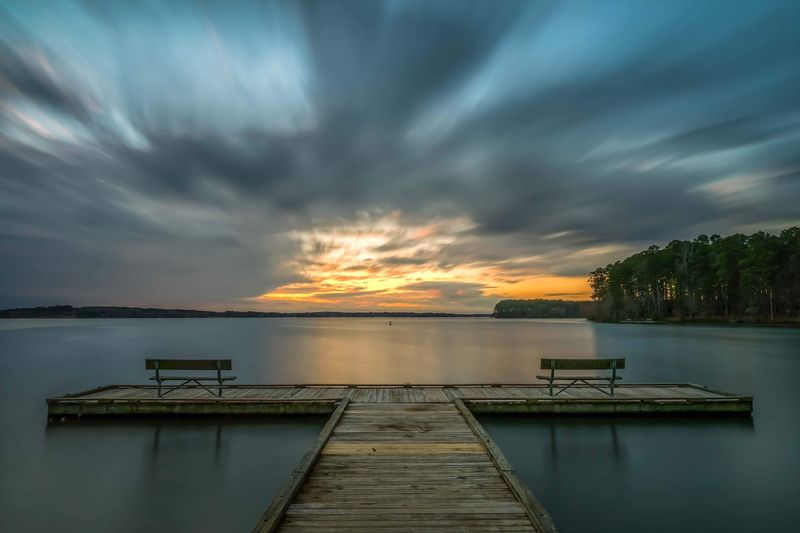
Being surrounded by water on three sides is a useful feature when darkness is the attraction.
This park occupies a peninsula extending into Caney Lake, giving visitors multiple shoreline angles and fewer obstructions than a heavily wooded inland campground. Once daytime boating slows, the lake creates the sort of broad, quiet foreground that makes stargazing feel considerably more dramatic.
Set your navigation for 1209 State Park Road in Chatham. The park offers campsites, waterfront cabins, a lodge, boat launches, trails, a beach, and fishing access, making an overnight astronomy trip easy to combine with an ordinary lake weekend.
Current gates close at 10 p.m., another reason to stay rather than planning a late drive in and out.
During daylight, walk the shoreline and identify a viewing place away from direct lamps. After dark, keep your own lighting low and give your eyes enough time to adjust before deciding whether the sky is impressive.
Caney Lake is famous for fishing, but you do not need to care about bass to appreciate the setting.
On calm nights, stars appear above the water while cabins and trees fade into silhouettes around the peninsula.