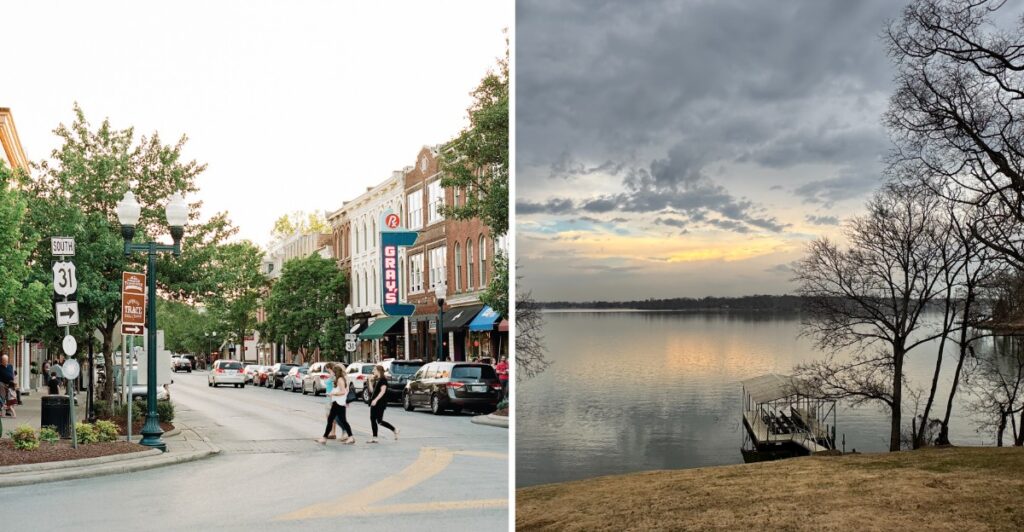
Lake views are charming, but your monthly budget is less sentimental.
That is where retirement planning in Tennessee gets interesting. The state gets attention for its tax setup, but housing can change the mood pretty quickly once you start comparing specific communities.
That does not mean crossing them off.
It means doing the boring part before falling for the pretty part.
I would decide first whether buying or renting makes more sense for you, then look at what everyday life would actually cost there. A weekend visit can make almost anywhere seem affordable when lunch and a lake view are doing the sales pitch.
Real life is less photogenic.
There are repairs, insurance, utilities, healthcare, and the occasional expense that shows up uninvited.
A retirement town should work on Tuesday morning too, not just Saturday afternoon.
1. Brentwood
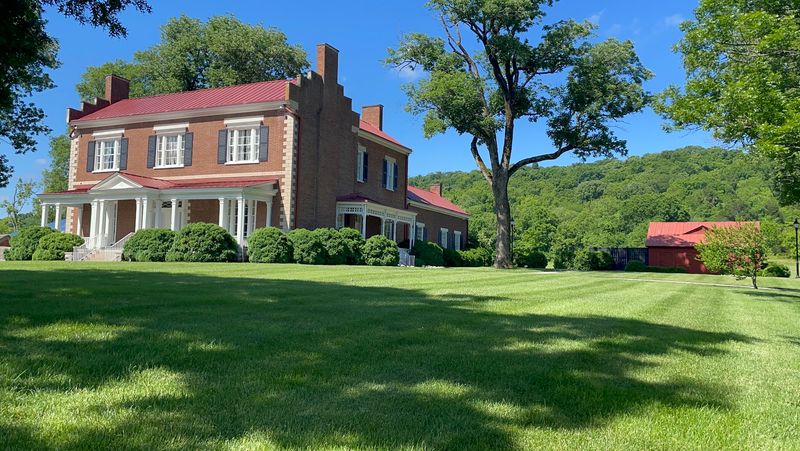
A seven-figure typical home value changes the retirement conversation before you get to parks, trails, or proximity to Nashville. Brentwood sits comfortably above the million-dollar mark for a typical home, placing it at more than four times Tennessee’s statewide level.
The rental picture is less dramatic.
Typical rents hover around the low two-thousands per month, which is still substantial but nowhere near as extreme as the purchase market.
Buying and renting therefore tell very different stories here, which makes it risky to talk about the entire housing market as though every resident faces the same pressure.
The city also gives residents plenty of public outdoor space. Brentwood maintains 14 parks, and its parks and greenways cover more than a thousand acres. Marked trails run through several parks, giving walkers and cyclists options that do not require a long drive.
That can matter when you are deciding how much private space you really need. A smaller home near parks and trails may suit one household better than paying for a larger lot that brings more upkeep.
Another retiree may decide the house itself matters more than easy trail access.
Start with the purchase price or monthly rent, then add property tax, insurance, utilities, and routine maintenance. A home that fits the budget only before those extras are counted probably needs another look.
For someone arriving with substantial home equity, Brentwood can still be realistic. The key is to settle the housing question before the location’s green space and Nashville access start doing the persuading.
If you are downsizing from another expensive market, compare the amount of cash left after the move rather than assuming a smaller property automatically improves the retirement picture.
Liquidity matters once paychecks are no longer the main source of monthly income.
2. Franklin
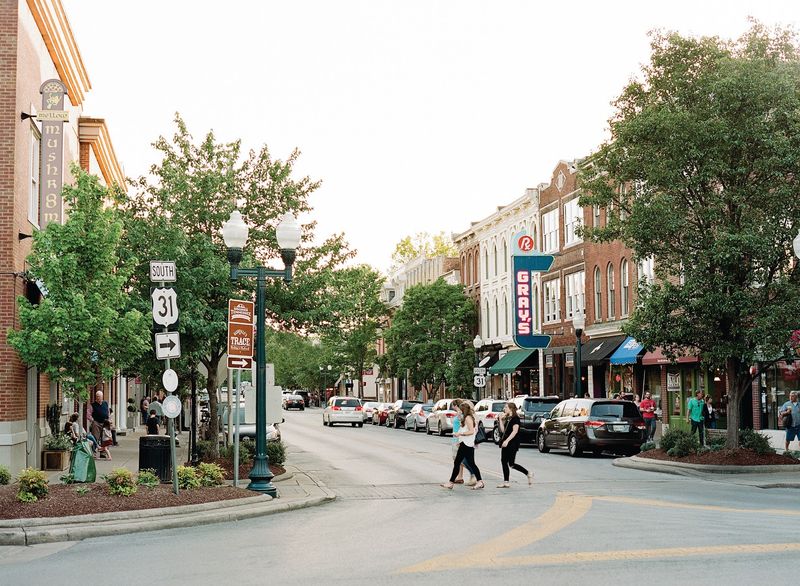
Historic downtown is a major part of the draw here. The city’s center includes a 15-block historic district with shops, restaurants, galleries, architecture, and public spaces, while Franklin also operates six historic parks.
Housing asks for a much bigger decision. Typical home values sit well into the upper six figures, putting Franklin among Tennessee’s more expensive residential markets. Typical rents hover a little above two thousand dollars per month, so leasing is not exactly a budget escape either.
For a retiree, that creates more than a simple buy-or-rent question.
Think about how close you actually want to be to Main Street, how often you would use the historic center, and whether a smaller home nearer downtown would suit you better than extra square footage farther away.
Franklin’s amenities can make daily life convenient, but convenience only helps if you use it. Someone who likes frequent walks, restaurants, events, and historic parks may put a higher value on location.
Someone who expects quieter days at home may get more from a less expensive property outside the most sought-after areas.
One easy route is to compare three realistic homes instead of browsing the extremes. Add insurance, taxes, maintenance, utilities, and any association fees to each one. That gives you a monthly picture that is much more useful than the listing price alone.
The historic setting does not need extra salesmanship. It is already there. The financial question is simply how much of your retirement income you want tied to being close to it.
A short rental can help answer the lifestyle question, but current rental costs mean it should be treated as a deliberate expense rather than a cheap test run.
3. Nolensville
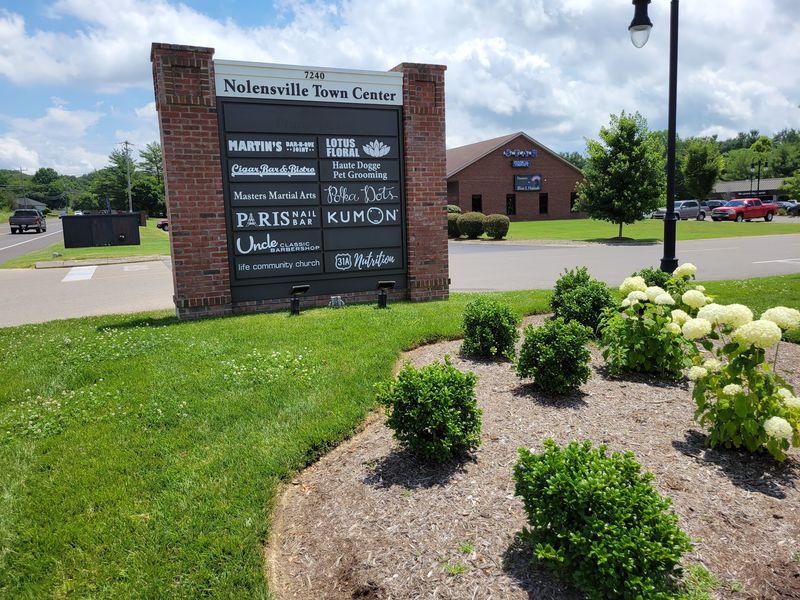
A smaller town does not automatically come with a smaller housing bill. Typical home values in Nolensville remain in the upper six figures, while market rents can reach several thousand dollars per month.
Those costs belong to a community where a Historic District Overlay and Historic Zoning Commission help protect significant architectural and historic resources. That gives Nolensville a preserved historic thread even as newer development has expanded around it.
For retirees, the housing choice deserves patience. Buying requires a substantial upfront commitment, while renting can still consume a large monthly share of income.
If flexibility is your reason for leasing, compare that benefit with the actual monthly cost instead of assuming a rental is automatically the cautious option.
Then look at the size of home you really want. A newer property can reduce some immediate repair concerns, but more square footage also means more space to heat, cool, furnish, clean, and maintain.
Downsizing only saves money when the property itself becomes less costly to carry.
Take a drive through the historic area, then spend equal time looking at ordinary residential streets. The second part may tell you more about daily life than the prettiest few blocks.
Nolensville can still suit someone who wants Williamson County without choosing Franklin or Brentwood.
The current housing market simply removes the old shortcut that says moving to a smaller community will automatically reduce housing costs.
Before choosing a lease or purchase, compare how much cash remains each month after housing.
That leftover room often tells you more about retirement comfort than the number of bedrooms.
4. Farragut
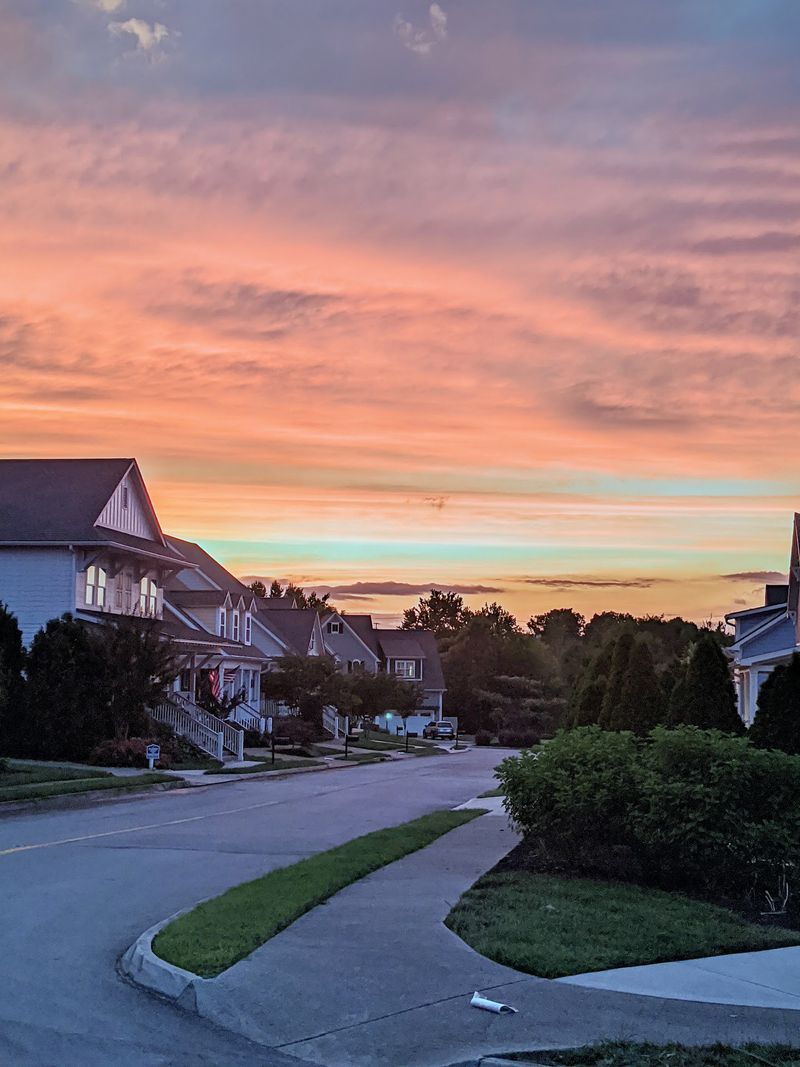
Farragut sits near Knoxville, but its home values remain well above the Tennessee norm. Typical prices are firmly in the upper six figures, while average rents sit around the high teens to low two-thousands per month.
The town has five parks plus a public plaza, and its greenway network includes more than 20 miles of trails. Anchor Park sits beside the water with a paved walking trail, fishing access, playground space, and picnic areas.
That public space can change what you need from a home. If regular walking, cycling, or fishing is already available nearby, a smaller yard may be perfectly adequate. Someone who wants private outdoor space may make the opposite choice.
Compared with Brentwood or Franklin, the purchase market can look gentler. Compared with Tennessee overall, it is still high enough to deserve a careful monthly budget.
Healthcare, shopping, and other Knoxville-area services are within reach, but transportation belongs in the calculation too.
Think about how often you expect to drive for appointments, errands, family visits, or recreation.
A lower housing payment can lose some of its advantage if everyday driving costs rise substantially.
Recent price movement has been relatively restrained compared with some faster-changing markets.
That does not guarantee future prices, but it does mean the bigger issue is the high starting point rather than a sudden spike.
If you already know Knoxville well, test the route to the places you would use most often.
A retirement address can look convenient on a regional map and still add more driving than expected.
5. Mount Juliet
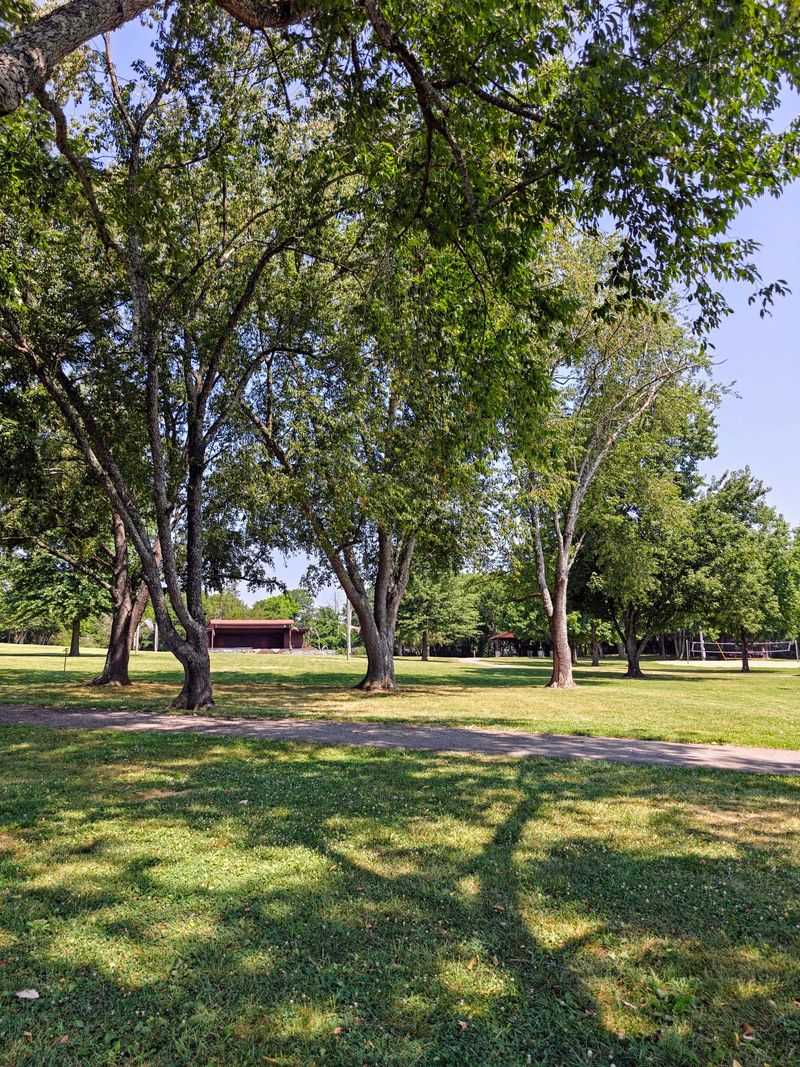
Buying and renting tell slightly different stories in Mount Juliet. Typical home values sit in the mid-six figures, while average rents are generally around the low two-thousands per month.
That means a retiree planning to rent long-term should look closely at the monthly lease cost, while a buyer needs to account for insurance, taxes, maintenance, and the cash tied up in the property.
The city’s park system gives you plenty of ways to spend time outside without building every hobby into the home itself.
Charlie Daniels Park has a one-mile walking track that connects with Cedar Creek Greenway, while other city parks add disc golf, outdoor fitness equipment, dog areas, playgrounds, and walking trails.
That can make a smaller property more appealing if outdoor recreation is part of your routine. There is little reason to pay for a huge private yard solely because you like an evening walk.
Nashville access is another factor, but price that convenience according to how often you expect to use it. Being near a major metro area can be useful for appointments, flights, entertainment, and family visits. It is less valuable if most of your week remains local.
If you are considering renting before buying, treat the trial period as a real budget item rather than an inexpensive placeholder.
Flexibility still carries a noticeable monthly cost. The same applies to a purchase: relatively steady home values do not automatically make a property inexpensive.
Starting price and monthly carrying costs matter more than a small percentage change from one year to the next.
6. Hendersonville
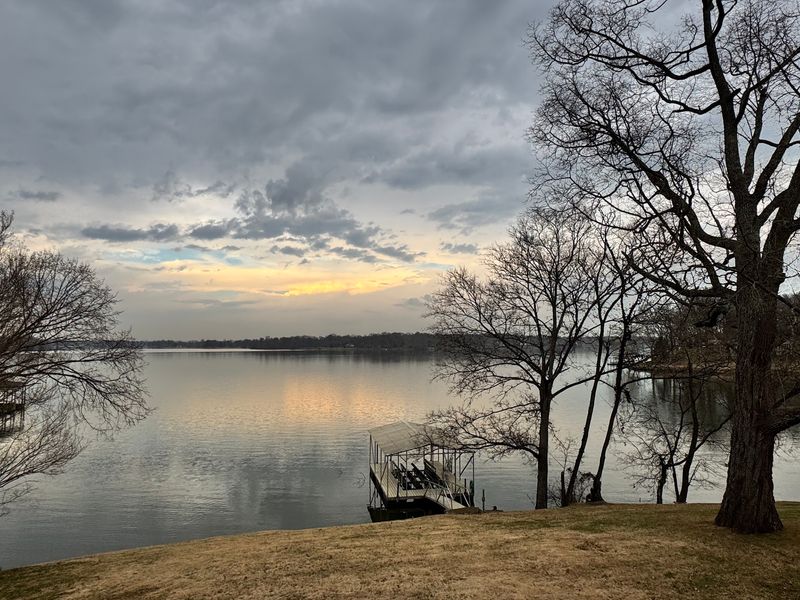
Typical home values in Hendersonville sit in the low-to-mid six figures, while average rents generally land in the mid-thousands per month.
Both are lower than several other Middle Tennessee communities on this list, though purchase costs remain above Tennessee’s statewide level.
Old Hickory Lake adds another layer to the housing decision. Hendersonville sits along the lake, and nearby access points support boating, fishing, picnicking, and other water recreation.
Some facilities, including Rockland Recreation Area, have had closures related to storm damage, so a specific park or access point should be checked before it becomes part of a home-buying decision.
That caveat matters because waterfront proximity can influence what people are willing to pay. A house near the lake may command a different price from one farther inland, and not everyone needs water outside the neighborhood to enjoy it regularly.
Hendersonville becomes a useful place for side-by-side comparisons. Look at one property near the lake, one in a more ordinary residential area, and one rental. Then compare the full monthly carrying cost rather than just the asking prices.
For retirees who want Middle Tennessee access without Brentwood-level purchase prices, the city can remain on the shortlist. The key is to decide whether lake proximity is a daily priority or simply something you would enjoy occasionally.
A view is pleasant. A retirement budget that still has room for groceries, healthcare, travel, repairs, and ordinary surprises is more useful. If lake access is the main draw, visit the specific recreation areas you expect to use and check their current status.
Hendersonville offers several ways to reach Old Hickory Lake, but storm-related closures show why one favorite access point should never carry the whole housing decision.
7. Gallatin
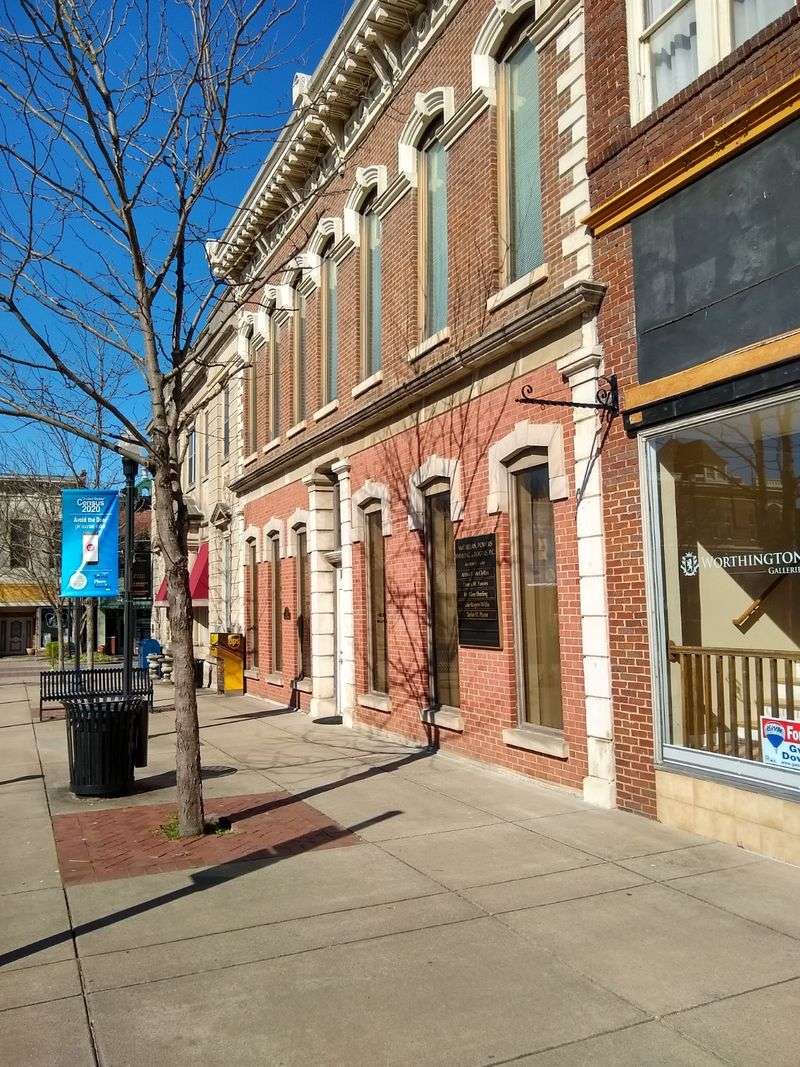
Gallatin has the lowest typical home value of these seven communities, with prices generally sitting in the low-to-mid six figures. Typical rents are also lower than in several neighboring Middle Tennessee markets.
That gives buyers and renters more breathing room than several other communities here, but the word “lower” needs context. It does not mean the housing market is inexpensive for every retiree.
The historic downtown square gives Gallatin a recognizable center. Established in 1802, the square now includes shops, restaurants, and attractions, making it possible to build some errands or outings around the same compact area.
A retiree who likes being near downtown may decide that convenience deserves part of the budget.
Someone else may prefer a larger or newer home several minutes away.
Neither approach is automatically smarter, which is why comparing actual properties matters more than comparing reputations.
Older homes also deserve a separate maintenance check. A lower purchase price can be offset by roofing, heating and cooling equipment, accessibility updates, or other repairs.
Newer construction can reverse that tradeoff by costing more upfront while reducing some immediate projects.
Gallatin remains a practical comparison point for anyone looking at Sumner County. Its housing costs are lower than the other communities here without necessarily dropping into bargain territory.
Before choosing, price the house you would genuinely live in, add the recurring costs, and decide how much room is left for the rest of retirement.
That final number is more useful than any ranking. Gallatin may be the least expensive entry here by typical home value, but it still deserves the same careful inspection as the costlier towns.
Lower relative cost and personal affordability are two different things.