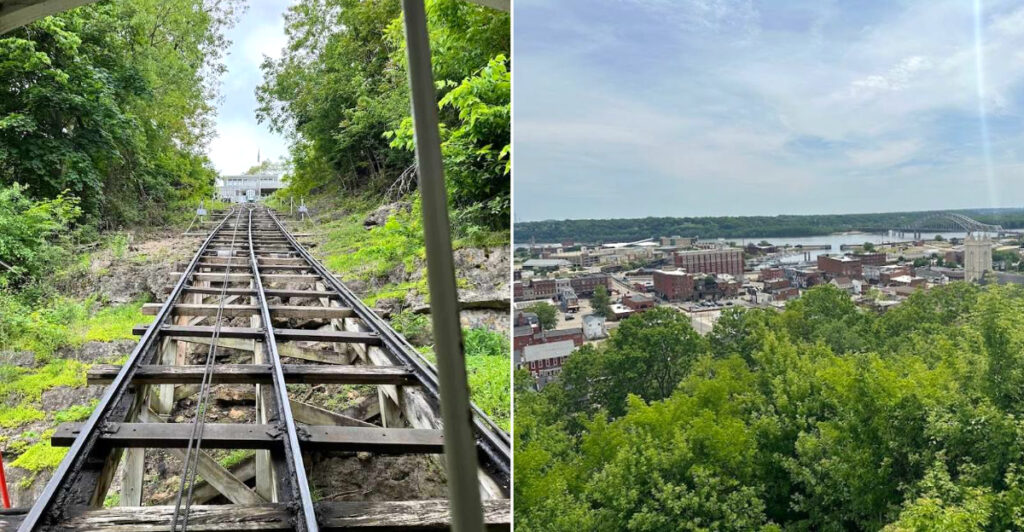
The ride is tiny. The view is absolutely not.
In Dubuque, this historic Iowa funicular climbs a bluff in less than two minutes, creaking upward with old-school charm while the city drops away below. Then the Mississippi opens wide, rooftops shrink, and suddenly three states are sitting in the same view.
That is the fun of this little cable car. It feels part history lesson, part neighborhood shortcut, part “wait, why is this so cool?” travel moment.
For such a short ride, it leaves behind a surprisingly big Iowa memory, the kind that makes a quick stop feel like the best decision of the day.
What the Fenelon Place Elevator Actually Is
The ride began as a shortcut. In 1882, banker J.K.
Graves built the original funicular so he could travel faster between his blufftop home and his office near the river.
The hill was steep, the walk was long, and a small cable car turned out to be a very practical answer.
What started as a private convenience soon became something neighbors wanted to use too.
Over time, the little railway grew into one of Dubuque’s most memorable attractions, carrying riders up and down the bluff in a matter of minutes.
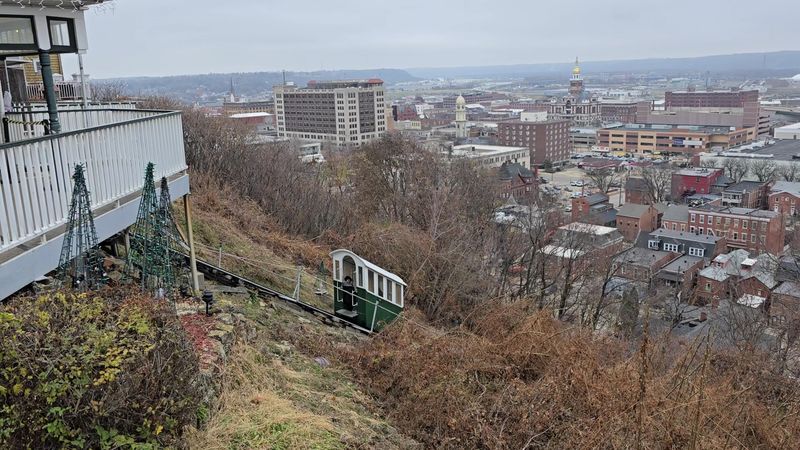
Today, two small cars move in opposite directions on parallel tracks, balancing each other as they climb and descend.
The ride is short, but the angle gives it just enough thrill to make first-timers hold the rail a little tighter than expected.
Part neighborhood shortcut, part historic curiosity, and part scenic overlook, this tiny Iowa funicular earns its reputation quickly. You will find the Fenelon Place Elevator’s lower station at 491 W 4th St, Dubuque, IA 52001.
The History Behind More Than 140 Years of Continuous Operation
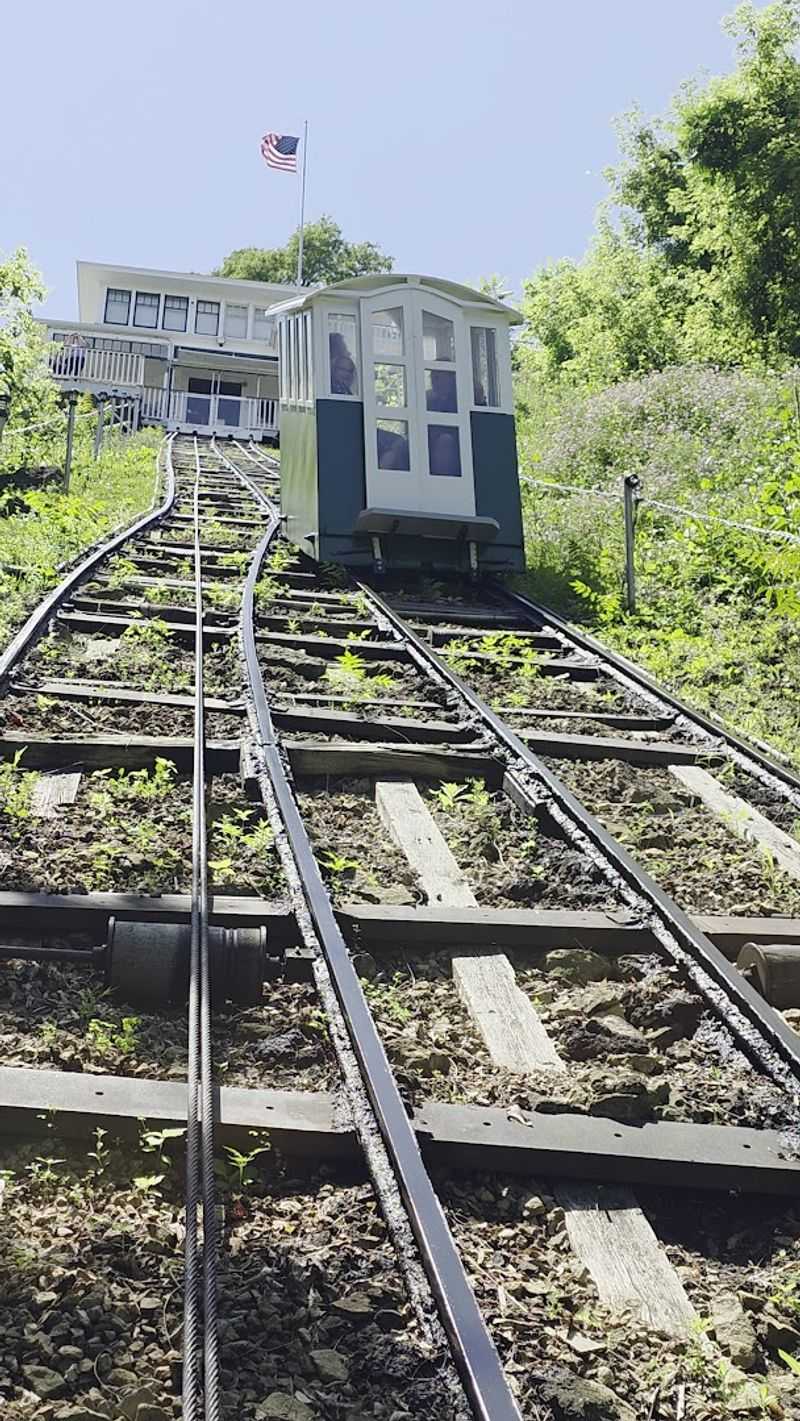
Most things built in 1882 are either in a museum or completely gone. The Fenelon Place Elevator is neither.
It has been part of Dubuque for well over a century, with rebuilds after fires and major upgrades along the way.
The incline was originally a private convenience for one man. Within a few years, it had become a neighborhood utility, shuttling workers 189 feet between the bluff and the business district below.
The small fee that started as a maintenance fund eventually turned the elevator into a self-sustaining attraction.
Fire damaged the structure twice, once in 1884 and again in 1893, but both times the idea survived. After the 1893 fire, a group of neighbors formed the Fenelon Place Elevator Company, brought in new equipment, and helped shape the two-car funicular system visitors know today.
The staff who run the booth are genuinely knowledgeable about the history and seem to enjoy sharing it. On my visit, the operator rattled off dates and fun facts with the ease of someone who had told the story a hundred times but still found it worth telling.
The View From the Top and Why It Catches You Off Guard
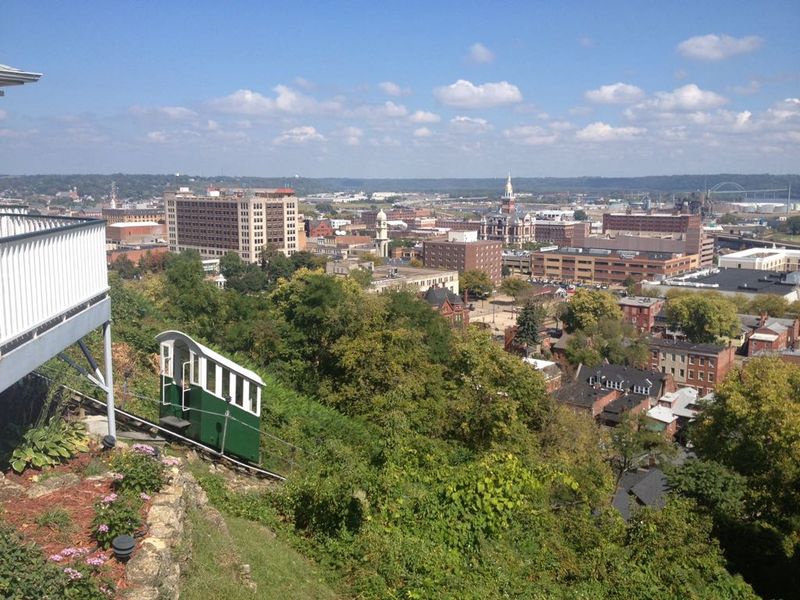
The car climbs at a steep angle, and by the time it reaches the top, the landscape below has completely rearranged itself.
Downtown Dubuque spreads out beneath you, the Mississippi River cuts a wide silver line through the middle of everything, and on a clear day, the land on the far side of the river belongs to two other states.
Illinois is directly across the water. Wisconsin sits to the north.
Standing on the upper platform and looking out at three states from a single fixed point is the kind of geography lesson that actually sticks.
The viewing area at the top has benches and a small deck where people linger, take photos, and point at landmarks below. A cathedral tower rises above the rooftops of downtown, which makes for a solid anchor point when you are trying to orient yourself.
I visited in the afternoon on a partly cloudy day, and the light was doing interesting things with the river. I can only imagine what it looks like at dusk, when the city lights start coming on and the water picks up color from the sky above it.
What the Ride Itself Feels Like From Inside the Car
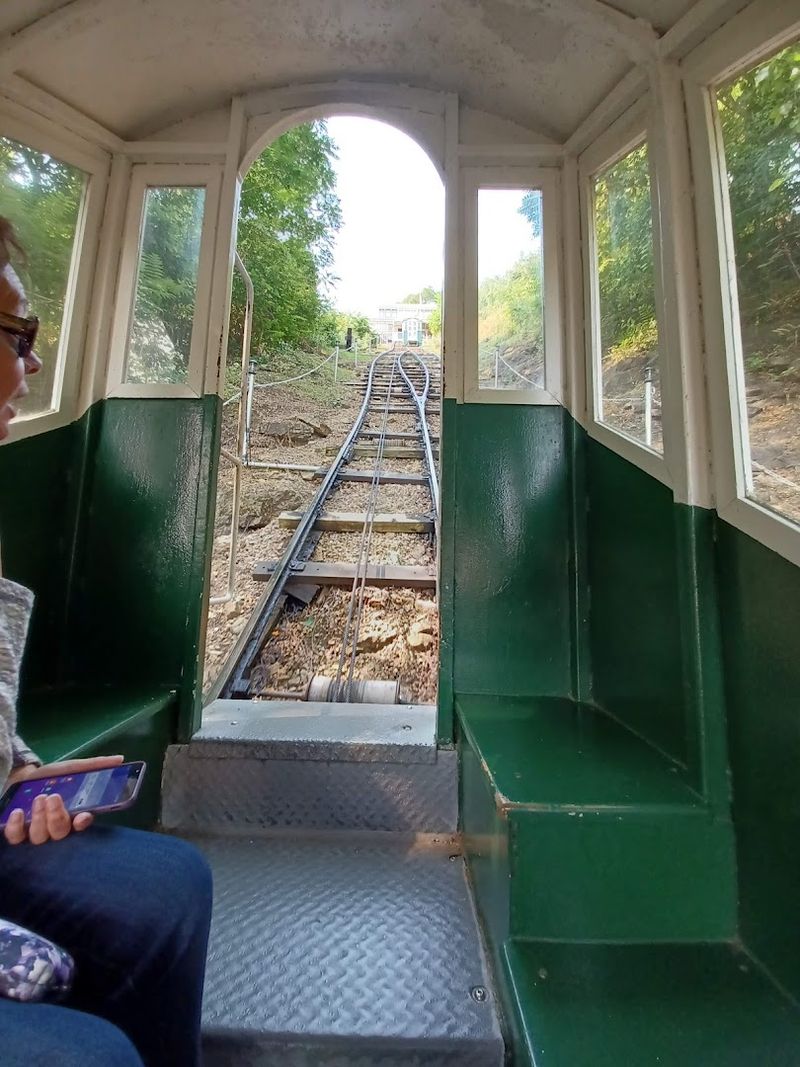
Six adults is technically the capacity, but the car feels cozy rather than cramped.
The walls are wood-paneled, the windows are open to the air, and the whole thing moves with a smooth, mechanical steadiness that quickly cancels out any nervousness about the angle.
The steepness is real. You do feel the tilt when the car begins its descent, and the track drops sharply enough that the city below seems to drop away from you faster than expected.
It is not a white-knuckle situation by any measure, but it is not a flat escalator either.
One detail I noticed: you can hear the cable working, a low, rhythmic mechanical sound that runs underneath the whole ride. It is not loud or alarming.
It actually adds to the sense that you are riding something genuinely old and functional, not a polished simulation of history.
Well-behaved dogs are allowed on the car, which I did not know until I saw someone board with a small dog sitting calmly on their lap.
The dog looked significantly less impressed by the view than the humans around it, which felt accurate.
Pricing, Hours, and the Cash-Only Policy You Need to Know
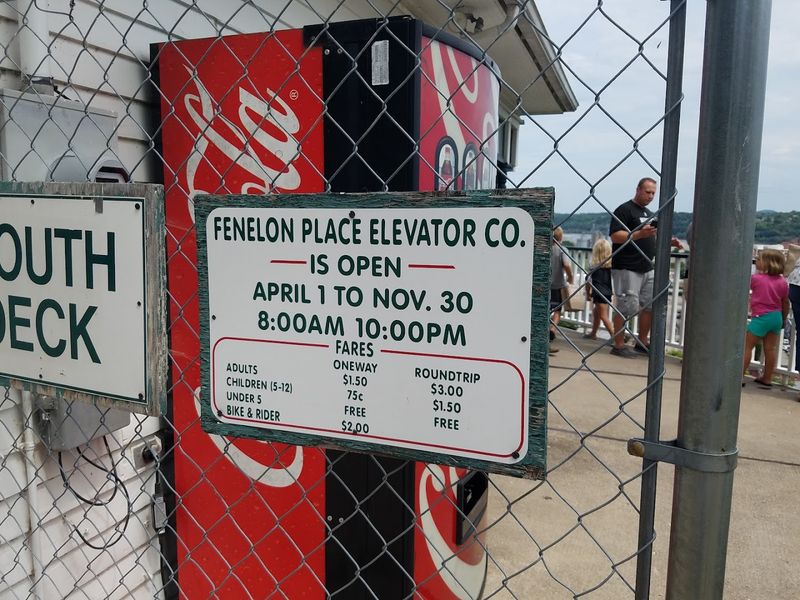
At four dollars for an adult round trip, the Fenelon Place Elevator is one of the most affordable things you can do in Iowa. An adult one-way ride runs two dollars if you plan to walk back up or down on your own.
The price has not changed dramatically over the years, and the value-to-experience ratio is hard to argue with.
One firm rule: cash only. There is no card reader at the booth and no debit or credit card option.
Bring small bills, or you will be making an unnecessary detour before you ride.
Operating hours run from 8 AM to 10 PM daily from April 1 through November 30, with the attraction closed on Thanksgiving. Several people I spoke with near the top said the nighttime view of downtown Dubuque is worth a separate trip on its own.
The line moves quickly. The car runs continuously during busy periods, and the whole process from buying your ticket to boarding takes only a few minutes.
On slower evenings, there may be no wait at all, which makes the late-hour visit an appealing option for anyone who dislikes crowds.
How to Get There and Where to Park
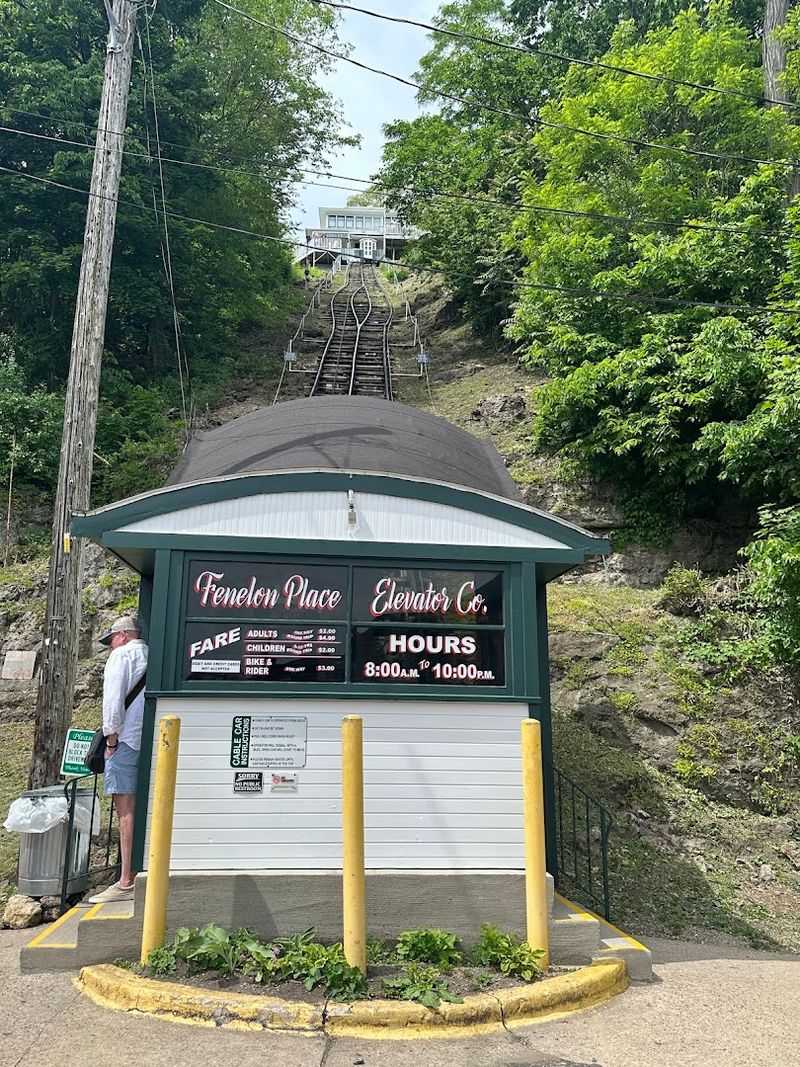
The elevator has two boarding points: the lower station near the base of the bluff in the downtown area, and the upper station in a quiet residential neighborhood on Fenelon Place.
Both ends are walkable from nearby streets, but the parking situation is worth thinking through before you arrive.
At the top, parking is street-only. The neighborhood is residential, so spaces are available but not unlimited.
Arriving on a weekday or in the early morning gives you a better shot at finding a spot close to the upper station.
At the bottom, downtown Dubuque has more parking options nearby, including some public lots within a few blocks. If you plan to explore the shops and restaurants at street level after your ride, starting from the lower station makes more logistical sense.
The address for the lower station is 491 W 4th St, Dubuque, IA 52001. Plugging that into a navigation app will get you to the base of the elevator, which is the more commonly used entry point for first-time visitors arriving from out of town.
A quick look at the surrounding blocks before you go will save you time once you arrive.
The Neighborhood at the Bottom and What to Do After You Ride
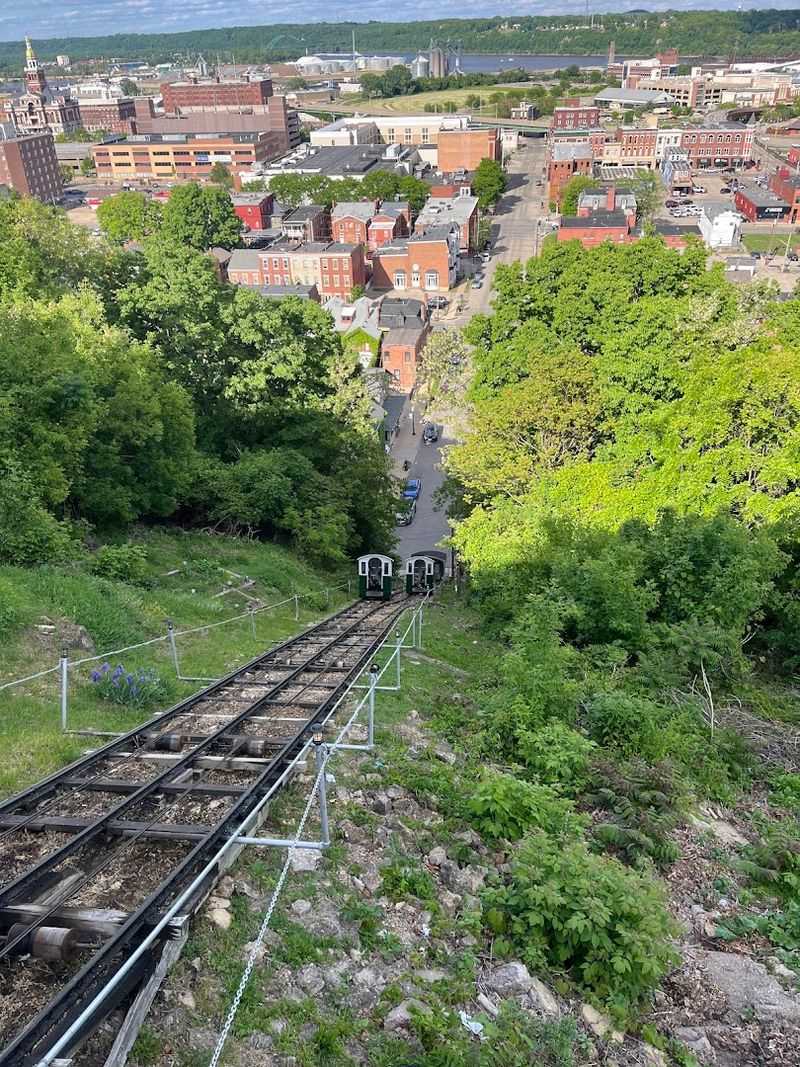
One of the better surprises about the Fenelon Place Elevator is that the bottom station drops you into a walkable stretch of downtown Dubuque with actual things to do.
The immediate area has local shops, a few food spots, and enough foot traffic to make a casual stroll feel lively without being overwhelming.
An ice cream shop sits within easy walking distance, and a store called Calico Bean has been mentioned by multiple people who rode the elevator and then wandered the block. The proximity of good food to a short ride makes the whole outing feel like more than just a quick novelty.
A short walk leads to the Mississippi River waterfront, where you can follow a path along the water, watch barge traffic move through the channel, and get a ground-level perspective on the same river you just looked down at from the bluff above.
The contrast between the two views, one from 189 feet up and one at water level, is actually a nice way to understand the geography of Dubuque.
The city is built on layers of elevation, and the elevator gives you a fast, efficient way to experience both ends of it.
Why Families With Kids Tend to Love This Stop
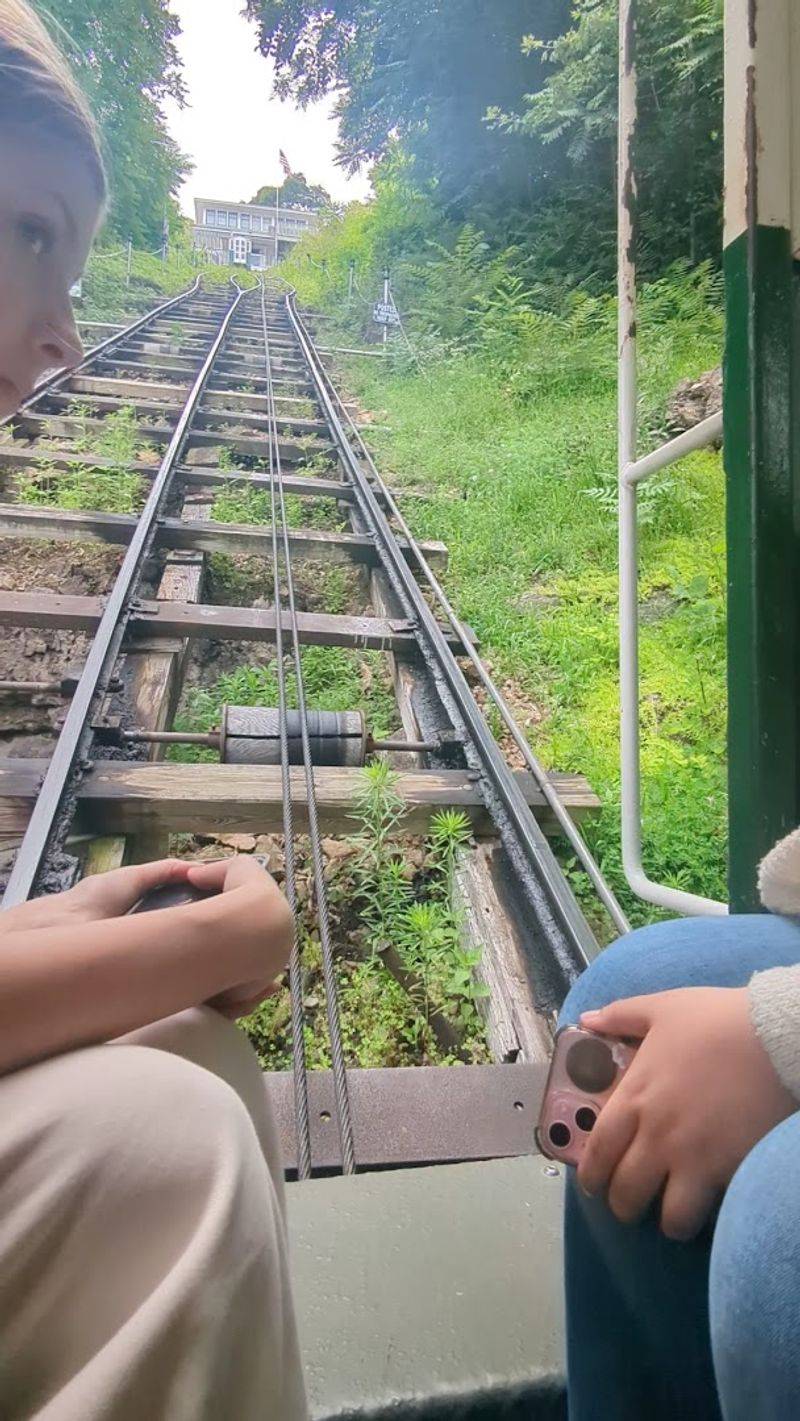
Kids who ride the Fenelon Place Elevator tend to have one of two reactions: quiet awe at the steepness of the track, or immediate demands to ride it again. Both reactions are understandable, and both are common.
The ride is short enough that even very young children can handle it without getting restless. There are no height restrictions, no safety harnesses, and no elaborate boarding procedures.
You get in, hold on lightly, and let the cable do its work for about ninety seconds.
At the top, the open viewing platform gives kids room to look around, point at things, and burn a little energy while adults take in the wider view. The benches nearby make it easy for anyone who wants to sit and absorb the scene without rushing back down immediately.
The staff are friendly and patient, and the whole operation runs at a pace that does not feel rushed or corporate.
Dogs are welcome if they are well-behaved, which is a detail that matters more to traveling families than most attractions tend to acknowledge.
It is a rare stop that genuinely works for a group with different ages and attention spans.
Best Times to Visit and What Each Season Offers
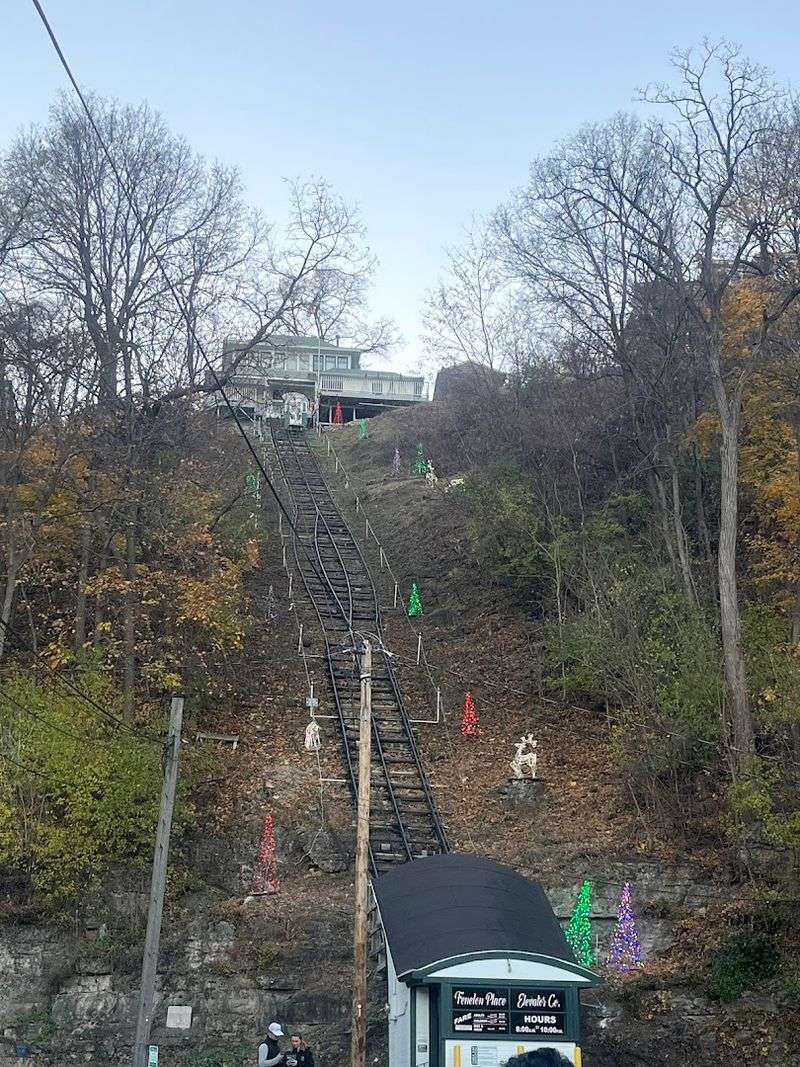
The elevator runs daily from 8 AM to 10 PM during its regular April 1 through November 30 season.
That opens up the full range of visit times from early morning quiet to evening city lights. Each window has something different to offer, and the choice depends entirely on what kind of view you are chasing.
Morning visits tend to be uncrowded and often catch the best light over the river. Midday is busiest in summer, when the line can stretch a bit but still moves quickly.
Evening visits during the operating season offer a softer light and, after dark, a city-lit panorama that looks completely different from the daytime version.
Fall is a strong contender for the best season to ride. The bluff above the lower station turns orange and red, the air is cooler, and the Mississippi River takes on a deeper color in autumn light.
Summer brings the longest daylight hours and the fullest views, while spring offers a fresh start to the season after the grey of a Midwestern winter.
Because the regular season ends on November 30, anyone planning a late-year visit should check the official website before building an itinerary around the ride.
A Few Final Practical Notes Before You Go
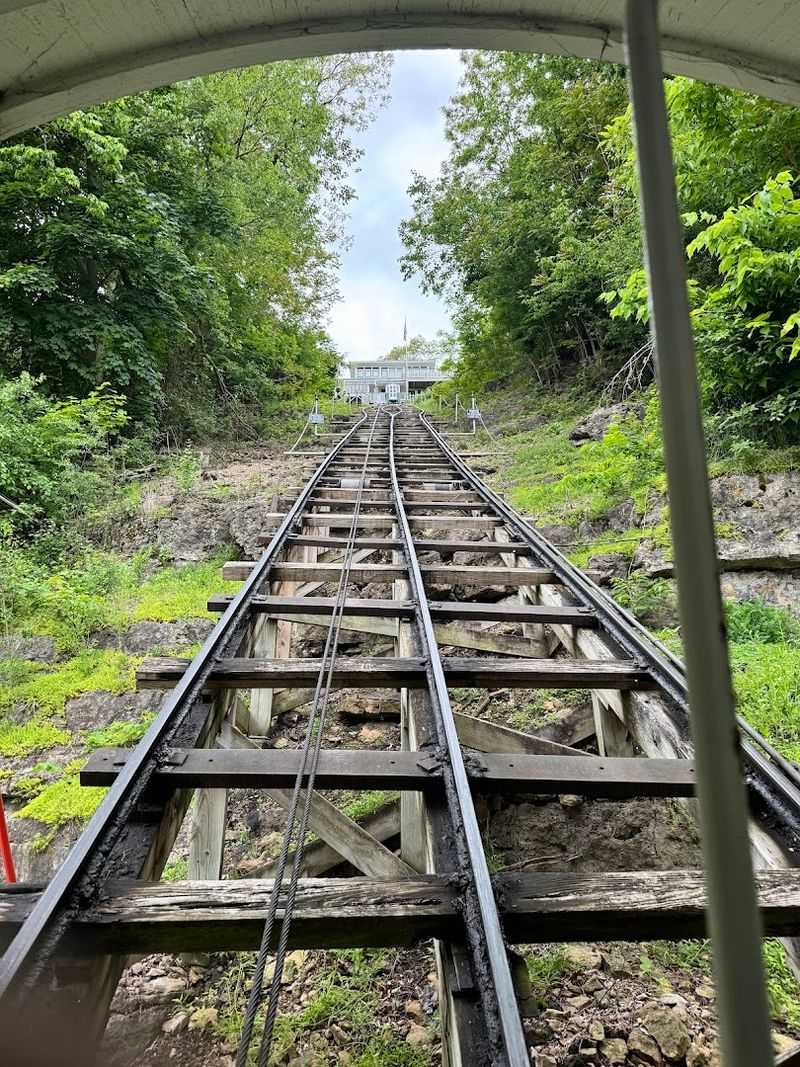
Before the trip, a few small details are worth keeping in mind. Cash is non-negotiable, so bring small bills.
Four dollars for an adult round trip means two adults spend eight dollars total, while children ages 5 to 12 pay less and children under 5 ride free, which makes this a reasonable budget stop for families.
The phone number for the elevator is 563-582-6496, and the website at fenelonplaceelevator.com has current operating information in case hours shift seasonally. It is worth a quick check before you drive across town or plan an itinerary around the visit.
The structure is compact and the boarding platform is a few steps up from street level, so anyone with mobility concerns may want to call ahead to ask about accessibility. The ride itself is smooth and seated, but the approach involves a short set of stairs at the lower station.
Dubuque is worth more than a single afternoon, and the elevator fits naturally into a longer visit to the city.
Pair it with a walk along the riverfront, a stop at the National Mississippi River Museum and Aquarium nearby, and a meal downtown, and you have a full day in one of Iowa’s most historically layered cities.