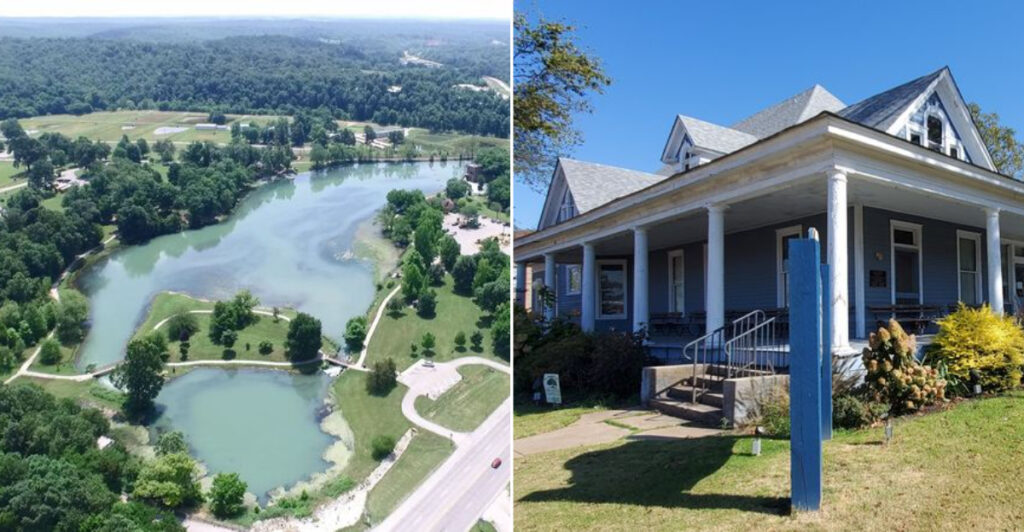
You can feel pretty quickly when a place offers the kind of pace people start craving later in life. Things move a little slower, the costs feel more manageable, and the day does not seem to disappear so fast.
That is a big part of the appeal here. Some towns make it easier to enjoy retirement without feeling like you have to give up comfort, charm, or the simple pleasures that make daily life feel good.
You still get friendly faces, scenic surroundings, and the kind of community atmosphere that makes settling in feel a lot less complicated. What stands out most is how practical it all feels.
You are not chasing some fantasy version of retirement. You are looking at places where your money can go further and your lifestyle can still feel full.
In Arkansas, that balance is exactly what makes these towns so worth a closer look.
1. Paris
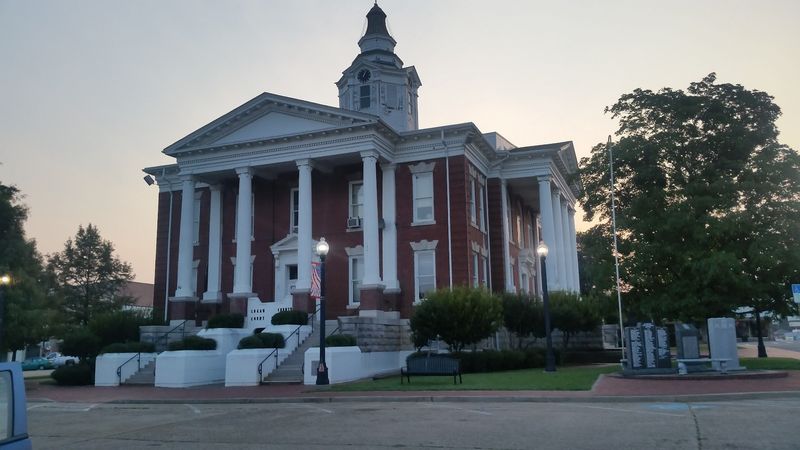
Yes, there is a Paris in Arkansas, and while it may not have a famous tower, it has something arguably better for retirees on a budget: Mount Magazine right in its backyard. Logan County’s Paris sits at the foot of Arkansas’s highest peak, and the views are genuinely hard to beat.
The town has a population of around 3,500 and carries a calm, welcoming energy that feels earned rather than manufactured. Property values are low, with many homes available in the $80,000 to $120,000 range, making it accessible for retirees working with modest savings.
Outdoor activities are a major draw. Mount Magazine State Park offers hiking trails at various difficulty levels, scenic overlooks, and wildlife watching that costs nothing but a little time and comfortable shoes.
The Arkansas River Valley surrounds the area with rolling green landscapes that change beautifully with every season.
Paris has a functional downtown with local restaurants, a hardware store, and small shops that keep day-to-day life simple. The community calendar stays active with festivals, craft fairs, and local events that bring people together without requiring a big budget.
Healthcare is available through Logan County Medical Center, and the town is within reasonable driving distance of Fort Smith for more specialized services. Paris also has a low crime rate, which gives residents a genuine sense of security and peace of mind.
For retirees who love nature and want affordable living with real character, this Arkansas Paris is worth every bit of attention.
2. Judsonia
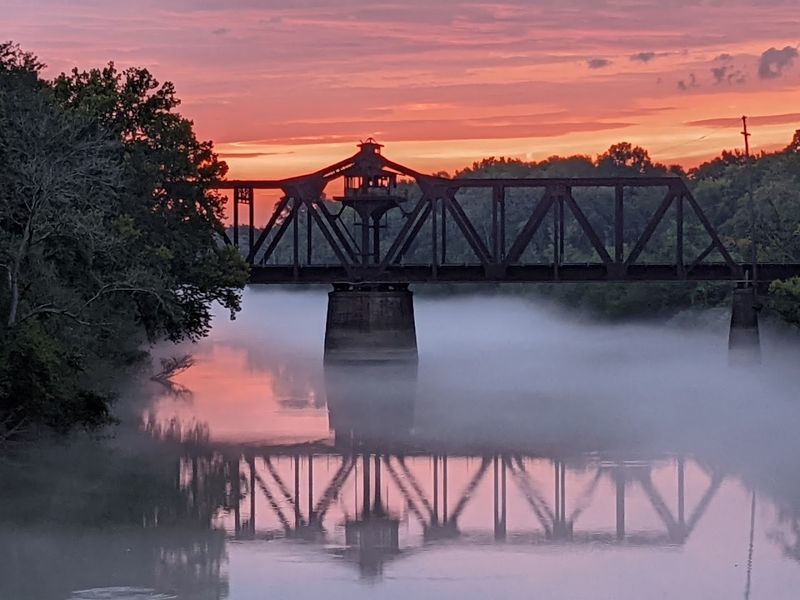
This town makes affordable living feel a lot more appealing. White County’s Judsonia is a small river town with a population of just over 1,800 people, and it has quietly built a reputation as one of the most comfortable and affordable places to retire in central Arkansas.
The Little Red River runs nearby, giving the town a natural backdrop that feels like a bonus rather than a selling point.
Home prices in Judsonia are genuinely low. Property taxes in White County are also among the more manageable in the state.
The town sits just a short drive from Searcy, which means residents have access to a larger hospital, more shopping options, and a wider range of restaurants without having to commit to city living. That combination of small-town quiet and nearby convenience is something many retirees spend years searching for.
Judsonia itself has local parks, a community center, and a friendly neighborhood feel that makes daily walks genuinely pleasant. The Little Red River is popular for fishing, and the surrounding countryside offers plenty of room to breathe and explore at your own pace.
The community is active and welcoming. Local churches, civic groups, and seasonal events keep social life healthy without requiring a large entertainment budget.
Judsonia proves that a small footprint can still hold a big quality of life.
3. Highland
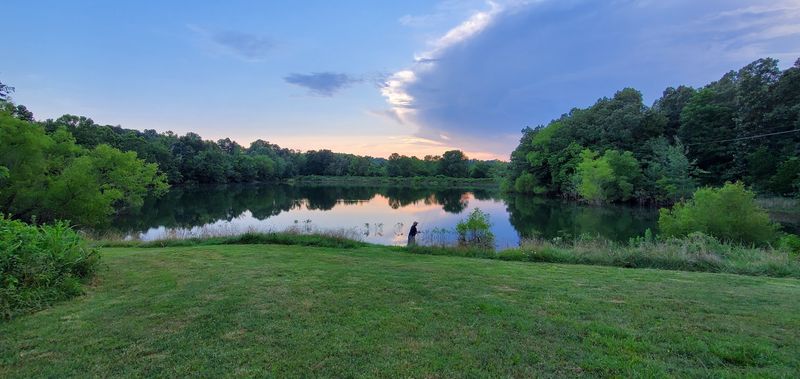
Small-town comfort comes naturally here. Sharp County’s Highland sits in the northern Arkansas Ozarks and offers retirees something that is genuinely hard to price: peace and quiet with mountains on the horizon.
The town is small, with a population under 1,000, which means your neighbors actually know your name.
The cost of living in Highland is exceptionally low even by Arkansas standards. For retirees on a fixed income, that kind of affordability opens up options that simply do not exist in more populated areas.
The Spring River runs close to Highland, making it a natural hub for fishing enthusiasts. The river is known for its clear, cool water and steady trout population, and a quiet morning on its banks is one of those simple pleasures that retirement was made for.
Highland is close to Hardy, a charming small town that draws visitors for its arts scene, antique shops, and lively Old Hardy Town district. Having that kind of activity nearby without being directly in the middle of it is a balance that many retirees find ideal.
The surrounding landscape is stunning in every season. Fall color in the Ozarks is particularly spectacular, and spring brings wildflowers and fresh green hills that make even a simple drive feel worthwhile.
4. Mammoth Spring
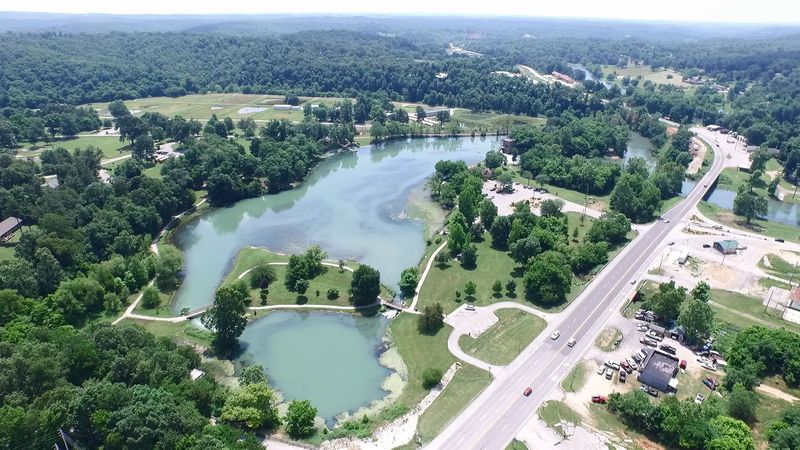
There’s a warmth here that’s hard to find in bigger cities. Few towns in Arkansas can claim a natural wonder as their centerpiece, but Mammoth Spring does exactly that.
The town takes its name from one of the largest natural springs in the United States, which pumps out an astonishing 9 million gallons of water per hour and stays a constant 58 degrees year-round.
Located in Fulton County near the Missouri border, Mammoth Spring has a population of just around 1,000 people. That small size brings with it impressively low housing costs.
Mammoth Spring State Park sits right in town and is free to visit. You can walk the grounds, watch the spring flow into the Spring River, and spend an entire afternoon without spending a dollar.
The park also has a historic train depot that adds a layer of local history to the experience.
The Spring River downstream from the park is famous for trout fishing and kayaking. Many retirees who move here find that outdoor recreation fills their days in the most satisfying way imaginable. Nature is essentially your backyard here.
The town has basic services, and Hardy is just a short drive away for additional shopping and dining. The quiet streets, the sound of flowing water, and the friendly community make Mammoth Spring feel like a reward for a life well lived.
5. Forrest City
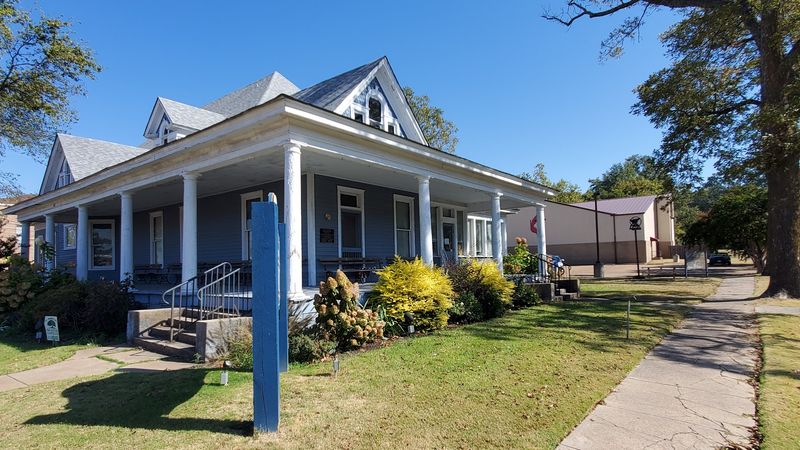
This is where lower costs meet everyday charm. St. Francis County’s Forrest City is the largest town on this list, with a population of around 13,000, but it still carries the affordability and accessibility that budget-conscious retirees need.
Sitting along Interstate 40 between Little Rock and Memphis, its location alone makes it one of the most practically positioned towns in eastern Arkansas.
Housing in Forrest City is genuinely affordable. The median home price sits well below the national average, and the variety of available properties means retirees can find something that fits both their lifestyle and their budget without much difficulty.
Apartments and rental homes are plentiful as well.
The town has a full range of services that smaller communities often lack. Medical care is available through Forrest City Medical Center, and the downtown area has grocery stores, pharmacies, and restaurants that cover daily needs comfortably.
Having Memphis just 90 minutes away adds a major city’s resources without requiring permanent city living.
Forrest City also has Crowley’s Ridge, a unique geological feature that runs through the town and creates unexpected green hills in an otherwise flat Delta region. The ridge offers walking trails, parks, and scenic overlooks that make outdoor time genuinely rewarding.
The community is active and diverse, with local events, cultural celebrations, and civic organizations that keep social life engaging throughout the year. For retirees who want a slightly larger support network without paying big-city prices, Forrest City strikes a balance that few towns in Arkansas can match.
6. Salem
The slower pace here is part of the charm. Fulton County’s Salem is the kind of town that rewards people who are willing to look past the familiar and explore something genuinely off the beaten path.
As the county seat, it has more services than you might expect for a town of around 1,600 residents, and the cost of living is refreshingly low.
The Ozark Mountains frame Salem with dramatic beauty. Rolling hills, dense forests, and clear streams create a setting that outdoor enthusiasts absolutely love.
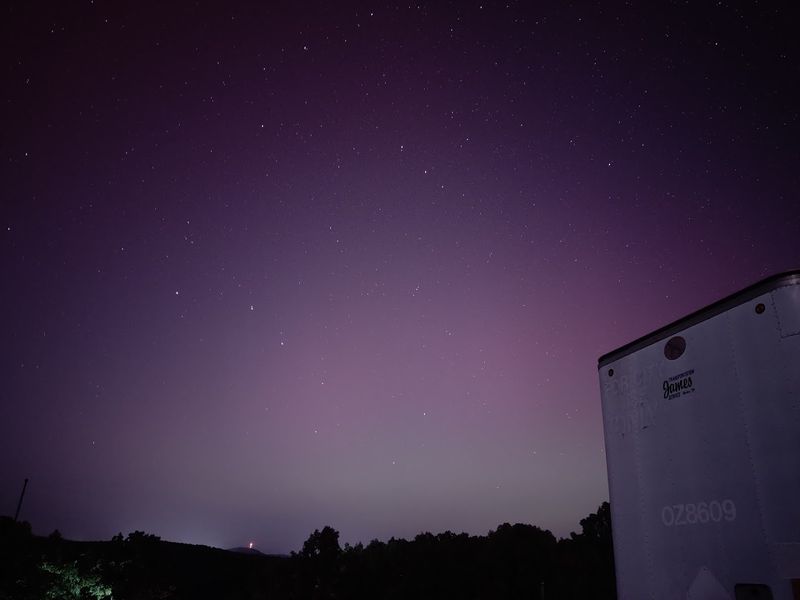
Salem’s small-town quiet and low light pollution make the night sky feel especially vivid, with colors that seem to shift beautifully as sunset fades into stars.
Spring River, one of the most popular float rivers in Arkansas, runs through the area and offers kayaking, canoeing, and fishing opportunities that are hard to find at this price point anywhere else in the country. Housing in Salem is very affordable.
For retirees who want space, privacy, and nature, this region delivers all three without a premium price tag.
The town has essential services including a county hospital, local grocery options, and small businesses that keep daily life functional. The Fulton County courthouse anchors a modest but active downtown where neighbors actually stop to talk to each other.
Winters are mild compared to states further north, and the four seasons bring genuine variety to the landscape. Salem is also close to Hardy, a well-known Arkansas tourist town, which adds a little extra entertainment just down the road.
7. Batesville
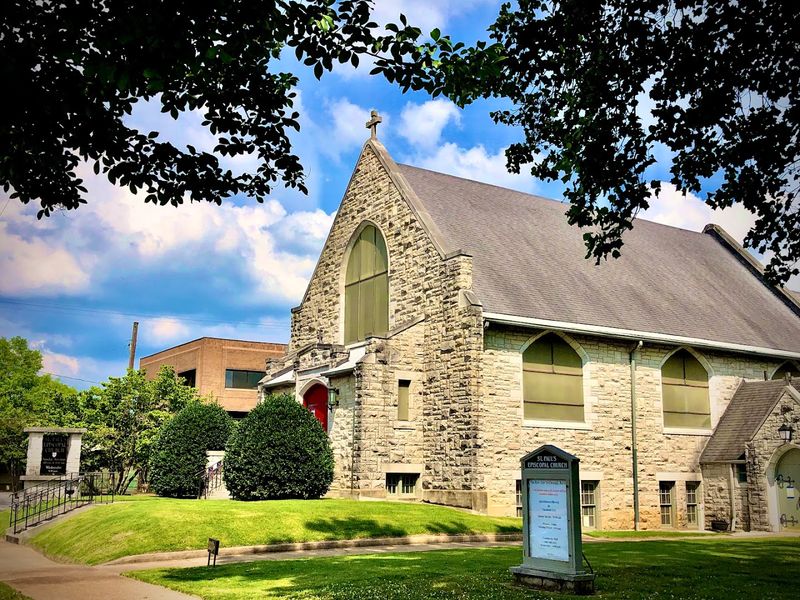
This town keeps things simple in the best way. Batesville is a small town in Independence County with around 11,000 residents, offering retirees a balance of small-town charm and practical amenities.
Situated along Highway 167, it provides easy access to larger cities like Little Rock while avoiding the congestion and higher costs that come with urban living.
For retirees seeking affordability and convenience, that location is a clear advantage.
Housing costs in Batesville are reasonable compared to state and national averages, and utility bills and property taxes are manageable, helping monthly budgets stay predictable.
The town itself has a quiet, residential feel that suits retirees well, tree-lined streets, walkable neighborhoods, and friendly neighbors create an environment where you can truly relax. Even simple activities like enjoying a morning coffee on a porch feel peaceful and restorative.
Medical care and daily necessities are also within easy reach. Batesville has a community hospital, clinics, grocery stores, and a variety of local shops and restaurants, ensuring retirees have access to essential services without needing to travel far.
Outdoor activities are plentiful, from nearby White River fishing and boating to hiking trails and public parks throughout the area. Local community events and cultural attractions, including historic downtown festivals, add a welcoming social element for residents.
Batesville may not be a bustling metropolis, but its combination of affordability, access, and quiet charm makes it an ideal spot for retirees looking to stretch their budget.
8. Harrison
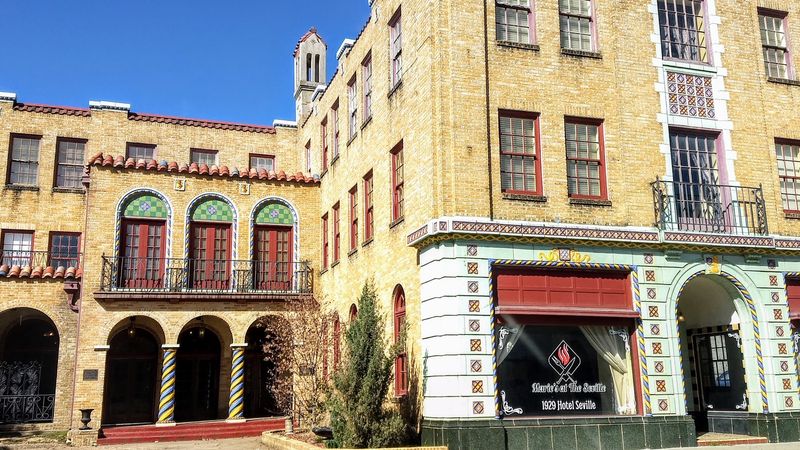
Every corner seems to have its own story. Harrison sits in the Ozarks of north-central Arkansas and has a population of about 13,000, which makes it large enough to cover everyday needs while still feeling much calmer and more manageable than a bigger city.
Its location is one of its strongest advantages for retirees.
The town sits along major U.S. highways, making it easier to reach nearby destinations without living in a high-traffic, high-cost area.
Housing and day-to-day living costs in Harrison tend to be more approachable than in many larger retirement destinations, which matters when the goal is to keep monthly expenses steady. The town has a practical feel to it.
You can run errands, get to appointments, and handle the basics without spending half the day in traffic. That kind of simplicity can make retirement feel a lot less stressful.
Harrison also has a walkable trail area around Lake Harrison and Crooked Creek, which adds an easy outdoor option for staying active without needing to go far.
Healthcare access is another major plus. There is a network of clinics serving the region.
That gives retirees a level of convenience and reassurance that smaller towns do not always offer.
Harrison also works well for retirees who like scenery and outdoor access. With the Ozarks all around and the Buffalo National River headquarters based in Harrison, the area offers a strong connection to nature without feeling remote.
9. Mountain Home
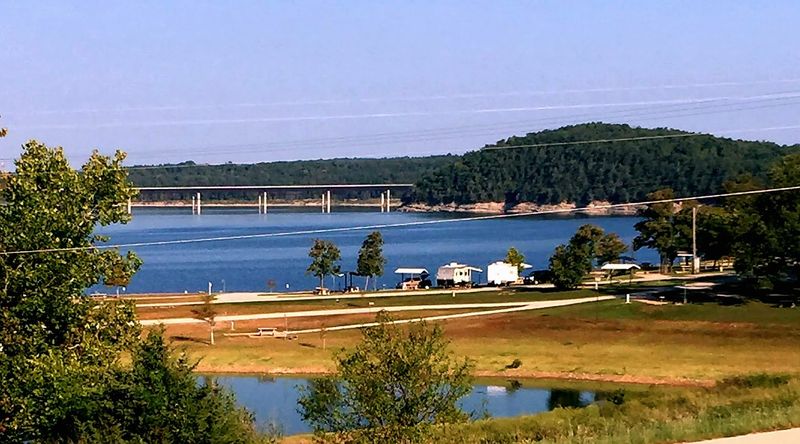
Mountain Home is one of those Arkansas towns that makes retirement look practical without feeling dull. With a population of a little over 12,000, it is large enough to offer daily conveniences but still small enough to feel manageable and calm.
The town has long been known as a retirement destination, thanks to its relaxed pace, scenic setting, and comparatively affordable housing.
That balance is a big part of the appeal for retirees on a tighter budget. Day-to-day life tends to feel straightforward here.
You can run errands, get to appointments, and enjoy local shops and restaurants without the stress that often comes with larger cities.
Mountain Home also benefits from a strong healthcare presence. There are emergency, primary, and specialty care across a broad regional network, which adds real peace of mind for retirees who want reliable access to medical services close to home.
The outdoor side of life is another major plus. Mountain Home sits near both Norfork Lake and Bull Shoals Lake, and the area is well known for fishing, boating, and scenic recreation.
That means retirees can enjoy nature regularly without having to plan a major trip.
The Ozarks provide the backdrop, but the town itself still feels functional and easy to live in.
Mountain Home stands out because it offers more than pretty surroundings. It gives retirees a realistic mix of affordability, healthcare access, and everyday comfort.
10. Pine Bluff
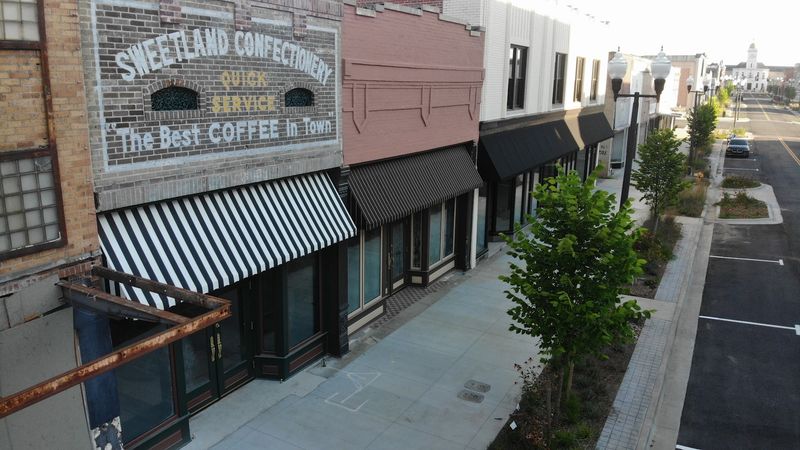
Life feels easier and a little slower in towns like this. Pine Bluff offers a different kind of value for retirees on a tight budget.
It is not a tiny town, but living costs, especially housing, tend to be more manageable than in many larger cities, and the city has a full set of practical services built in.
The U.S. Census Bureau lists Pine Bluff’s 2020 population at 41,253, and current QuickFacts include housing and rent data that point to a lower-cost market than many retirement destinations.
That practical side is a major advantage. Retirees who choose Pine Bluff do not have to give up access to healthcare, shopping, and everyday errands in exchange for affordability.
There is a nearby medical care, and that access matters, especially for retirees who want to keep appointments and treatment close to home instead of planning long drives.
The city also has more recreational infrastructure than many budget-friendly places. Pine Bluff’s Parks and Recreation Department highlights public parks and leisure facilities intended to support residents’ quality of life, which adds something extra for retirees who want room to get outside and stay active.
Pine Bluff may not have the small-population feel, but it still works for budget-minded retirees because it combines lower-cost living with real-city conveniences.
For someone who wants affordability without giving up healthcare access and day-to-day practicality, it deserves a serious look.