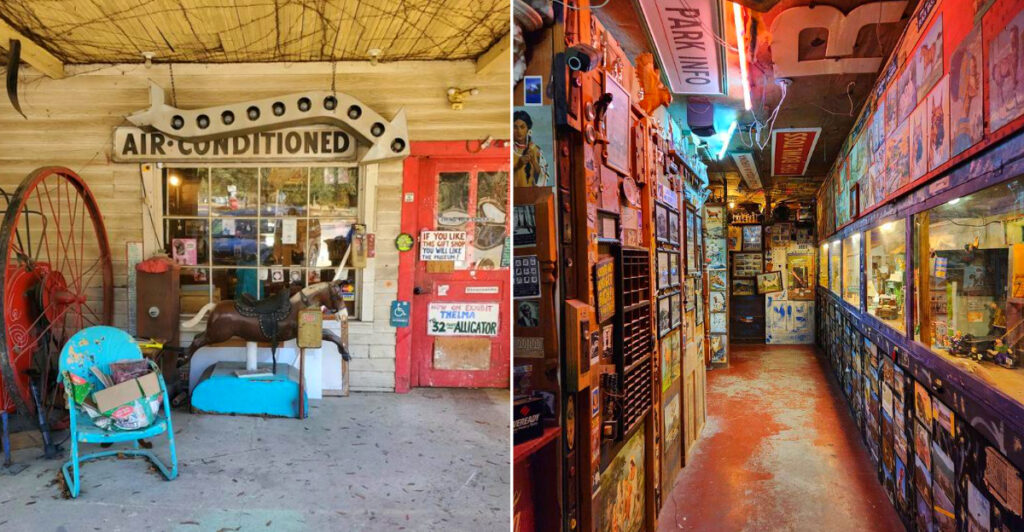
Three dollars. That is what it costs to walk inside. I have paid twenty times that for experiences a tenth as memorable.
A vintage gas station serves as the entrance to a labyrinth of interconnected buildings overflowing with homemade dioramas, push-button animations, and more than fifty thousand found objects.
I pressed a button and watched a miniature bayou scene come to life with moving figures and tinny sound effects. Another button made a mechanical piano play itself.
The artist behind all of this started building in 1993 after visiting a similar museum in New Mexico and deciding his own town needed something just as weird. Creature hybrids guard the grounds.
The Bassigator. The Dogigator.
Each one stranger than the last. I lost track of time inside those cluttered rooms.
Louisiana has plenty of polished attractions. This is not one of them. That is exactly why it works.
Know The Story Behind The Objects
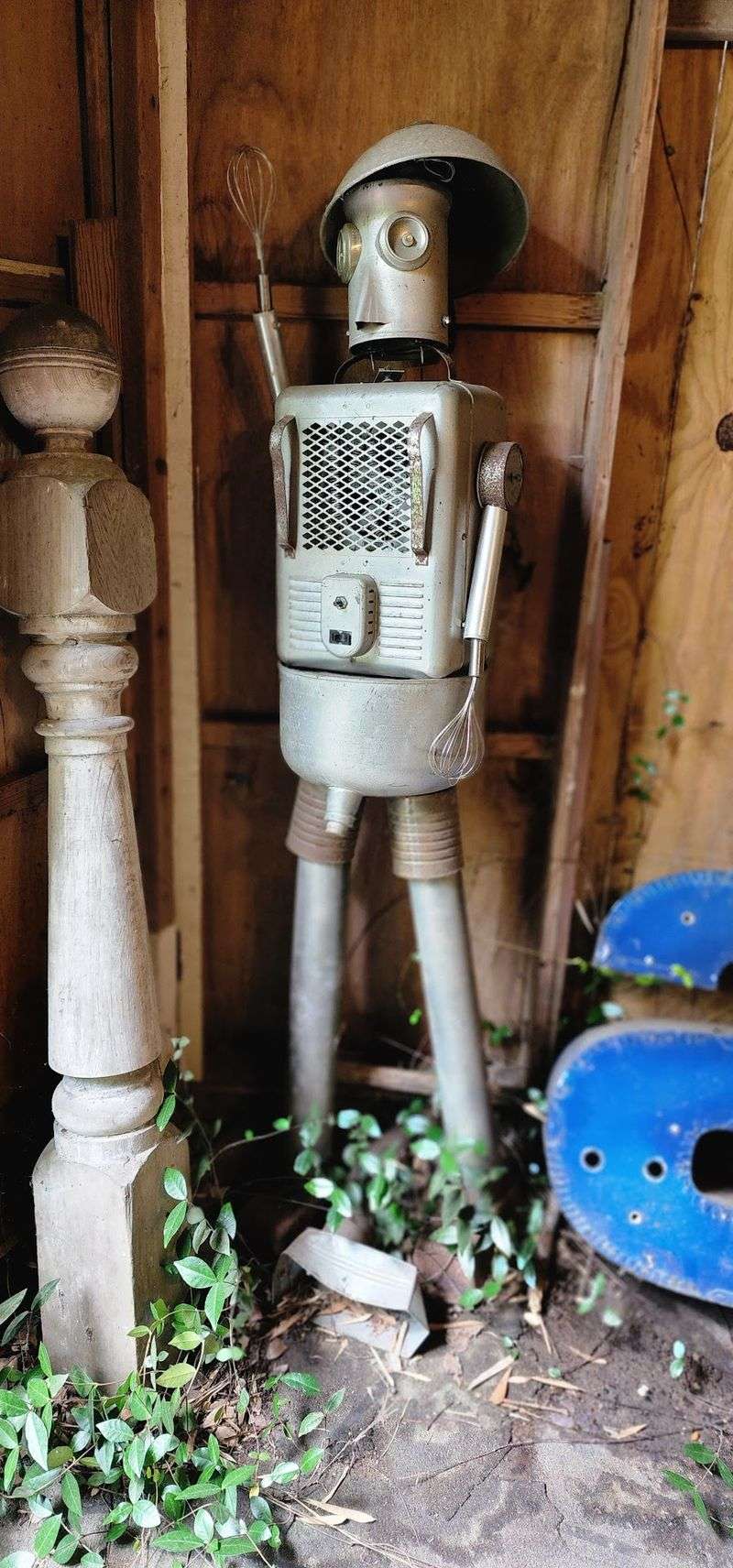
Some museums display rare treasures behind glass. Here, artist John Preble built wonder from castoffs, turning found objects into dioramas, creatures, signs, and visual punch lines. Knowing that history changes the visit. You are not just looking at stuff.
You are walking through one person’s long conversation with scrap, memory, and Louisiana roadside culture.
Preble opened the museum around 2000, and it later took the name Abita Mystery House in 2007. The older UCM title referred to Unusual Collections and Mini-town, or You See Em, which fits the spirit perfectly.
Keep that backstory in mind as you move room to room. The joy is seeing how bottle caps, machines, toys, and broken bits become storytelling material.
Once you understand the maker, the clutter begins to read like intention instead of noise. That shift makes every corner smarter, funnier, warmer, somehow.
One Block Past Normal, Louisiana Gets Weird
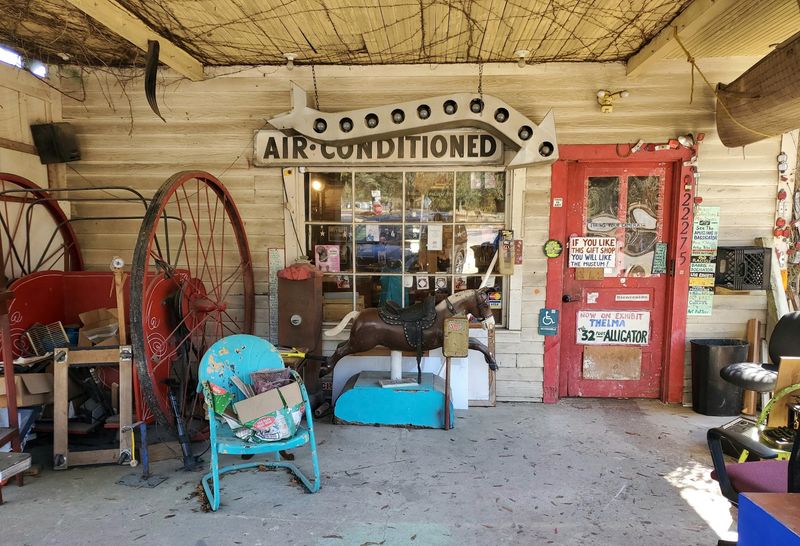
Abita Mystery House is at 22275 Highway 36 in Abita Springs, Louisiana, in the town’s historic district beside the Tammany Trace. Approach through central Abita Springs and use the town’s traffic circle as the clearest final landmark.
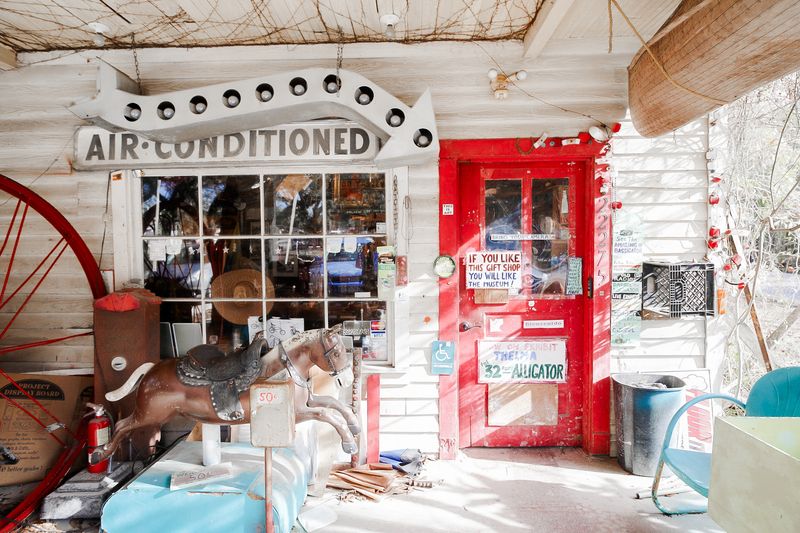
From the traffic circle, continue east on Highway 36 for one block. The colorful roadside property appears close to the road, with its vintage service-station exterior and handmade displays offering a much better clue than the street number.
Turn into the museum property and use the visitor parking beside the buildings. From there, walk to the main entrance and follow the self-guided route through the connected indoor and outdoor exhibit areas.
Press The Buttons And Wait
Buttons are part of the adventure, so do not treat the exhibits like fragile wallpaper. Several displays come alive when you press a control, and that movement changes the whole mood.
Mini scenes of Southern life can suddenly wiggle, spin, or clatter, which feels delightfully old school in a world full of screens. Curiosity pays off here.
Walk slowly enough to notice the interactive parts, especially in busier rooms where your eyes may bounce from object to object. Not every mechanism works every time, and that is simply part of visiting a handmade place that has aged outdoors and indoors.
I found that patience helped more than speed. If something catches your eye, stop and test it.
A tiny moving detail can become the memory you talk about later, even after thousands of other things crowd the frame in your mind.
Do Not Rush The House Of Shards
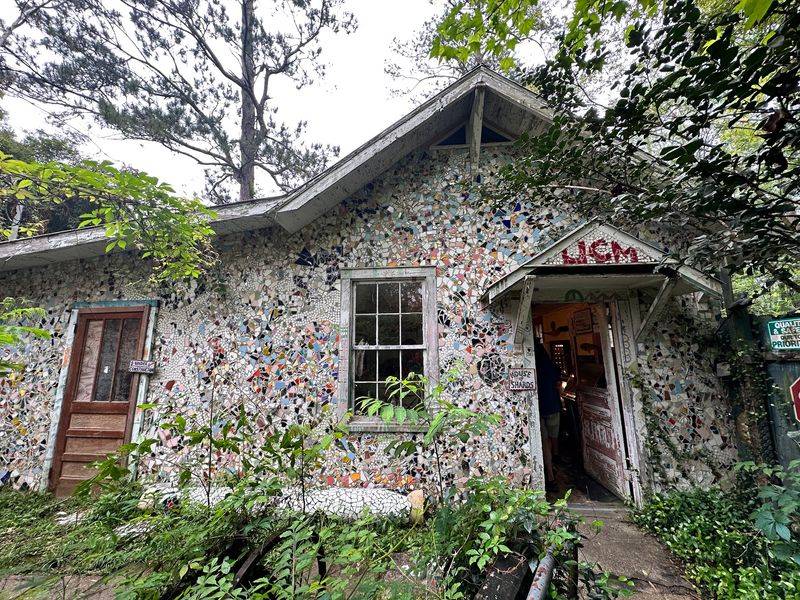
One building glitters in a way that feels both homemade and slightly enchanted. The House of Shards uses broken plates, tile, mirrors, and colored glass to turn an old barn into a mosaic surface that catches light from every angle.
It is one of the clearest examples of how the museum transforms leftovers into beauty without sanding away their rough edges.
Stand back first, then move close. From a distance, the patterns read like a bold patchwork wall, but nearby you can study chips, cracks, and careful placement.
Inside, the infinity mirror effect gives the room a jolt, especially if you pause long enough for your eyes to settle. Families often rush through this part because it photographs well.
Resist that urge for a minute. The craftsmanship becomes more impressive when you notice how much labor hides inside the sparkle.
Look For The Wild Creatures
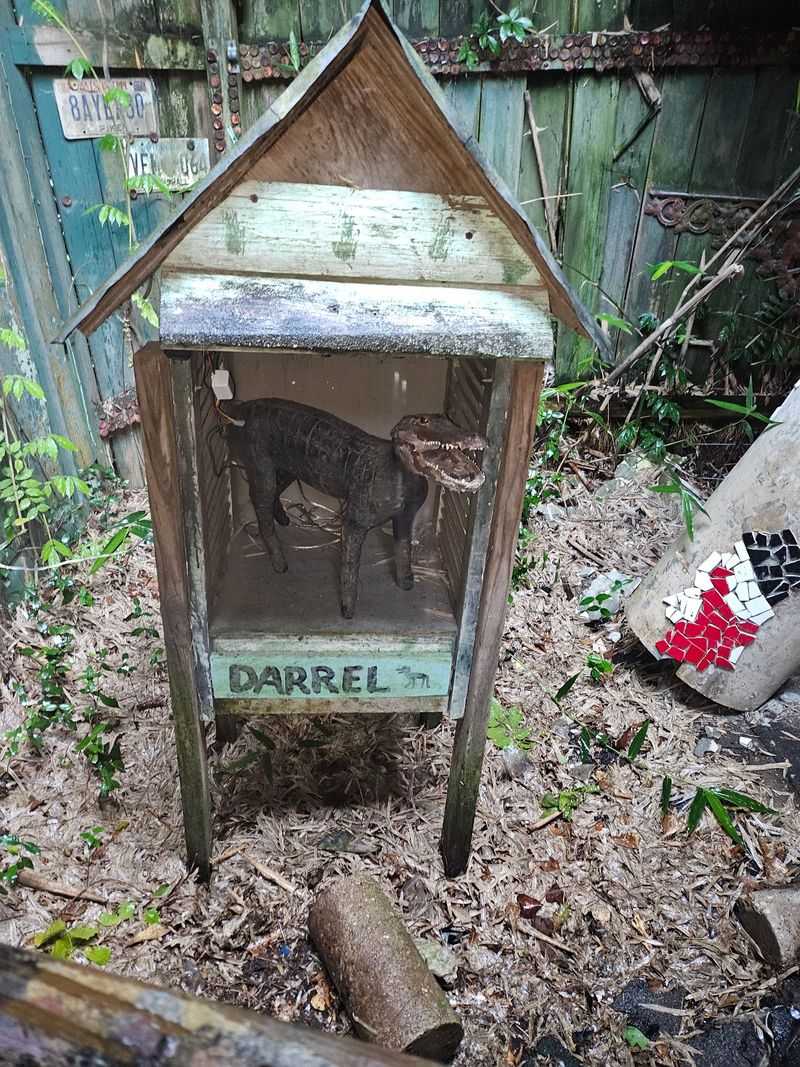
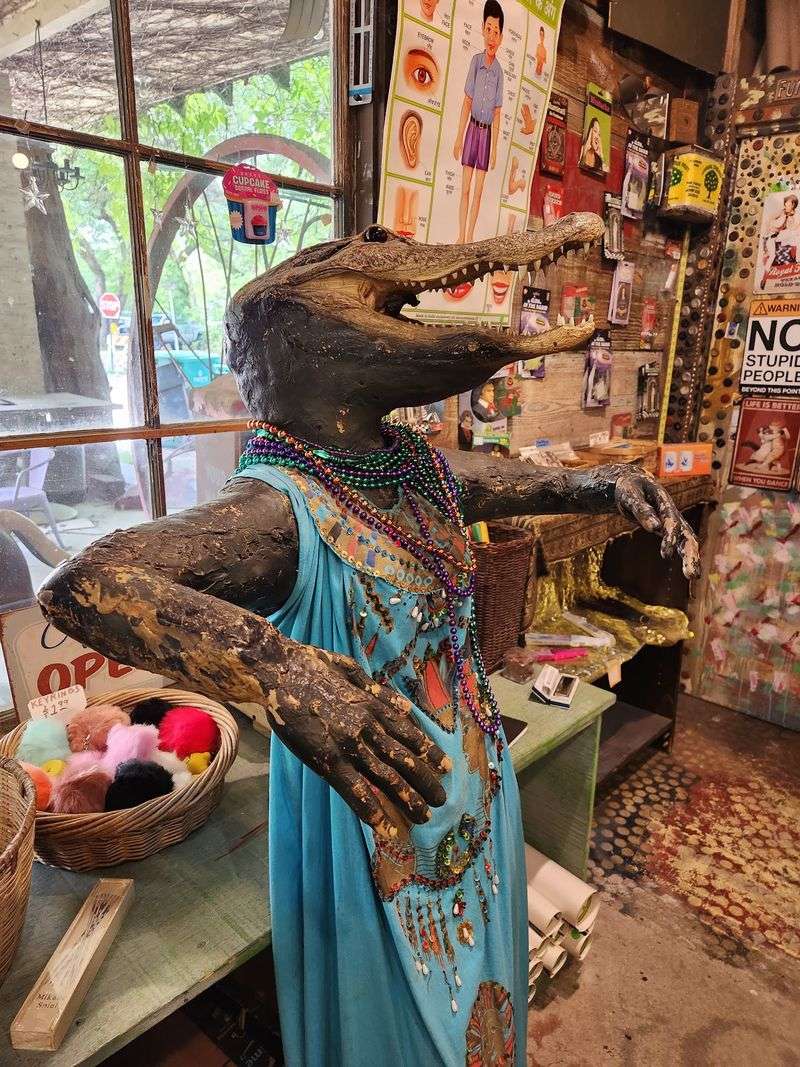
Strange creatures are everywhere, and they keep the place from feeling like a plain collection warehouse. Darrel the Dogigator and Buford the Bassigator are not polished mascots from a big theme park.
They are funnier than that. Built from imagination and found materials, they hint at local folklore while poking gentle fun at the region’s love of tall tales and swamp legends.
Children usually respond first with laughter, but adults may enjoy the craftsmanship hiding inside the joke. Look at how forms are combined, how paint and texture help sell the illusion, and how each beast lands somewhere between sculpture and punch line.
I liked seeing them after rooms packed with smaller objects, because the larger figures reset my attention. When your brain starts to tire from shelves and signs, these animals bring back play that keeps the visit fresh.
Dress For A Real Wander
Comfort matters more here than at a sleek downtown museum. Paths can be uneven, rooms are crowded with objects, and some areas feel dusty or close, so sensible shoes and a little personal preparedness go a long way.
If you are sensitive to dust, bringing a mask is a smart move. Hand sanitizer is useful too after pressing buttons and rails.
Plan for at least an hour, even if the property looks small from the road. The museum is self-guided, and its logic is better felt than mapped, so racing through usually means missing the best details.
Morning visits can feel calmer, which helps if you want photos without people in every frame. I also suggest carrying water for the drive, since once you begin wandering, you will want both hands free for doors, buttons, and pointing out surprises nearby.
Use The Self-Guided Freedom Well
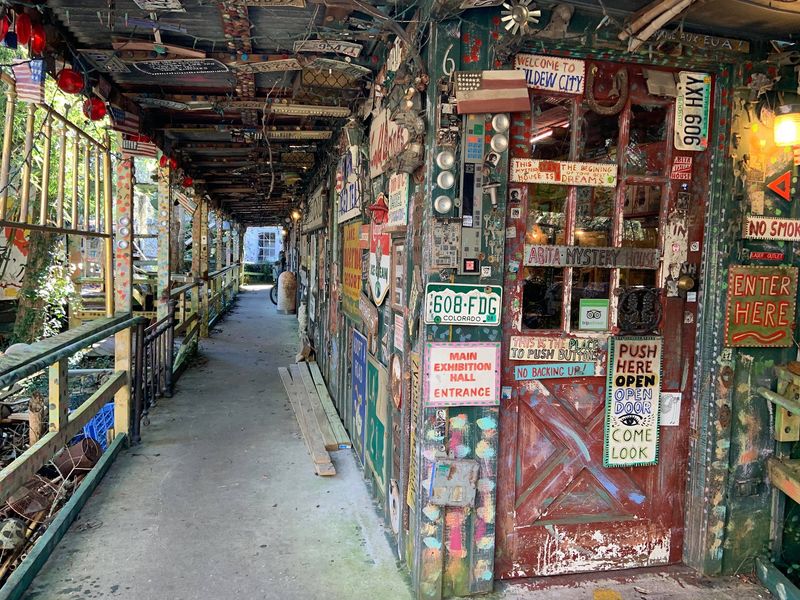
Self-guided sounds simple, but the trick is choosing a pace that leaves room for surprise. There is no fixed route demanding obedience, and that freedom suits the museum’s homemade character.
You can double back, linger at a strange shelf, or step outside for a reset before going into another packed room. That loose rhythm is part of the pleasure.
Try one fast lap first if the overload hits hard. After that, circle back to the corners that pulled you in, because those second looks often reveal tiny jokes, labels, and moving parts you missed.
The property connects through winding walkways and clustered buildings, so transitions matter almost as much as displays. A doorway here can feel like a punch line.
By treating the visit like a ramble instead of a checklist, you let the place show off its odd logic.
Study The Small Stuff Closely
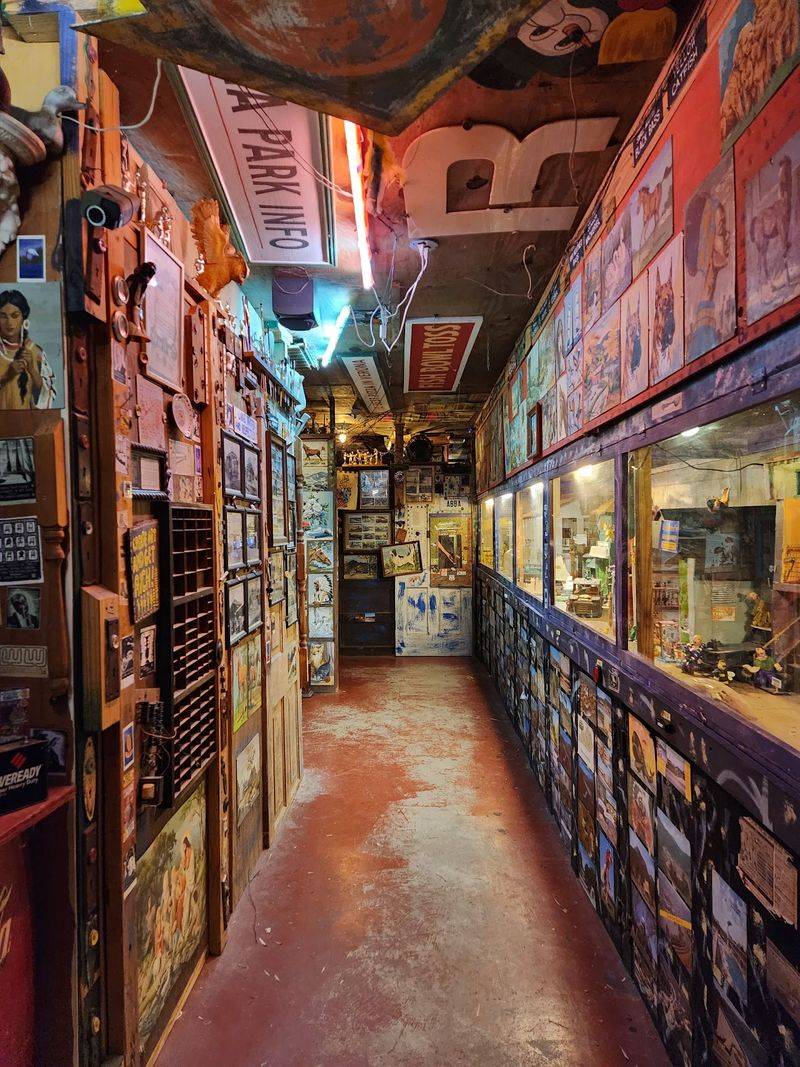
Quiet details carry as much power as the louder jokes. Old radios, license plates, springs, arcade pieces, bottles, postcards, and bits of machinery stack into scenes that reward patient looking.
At first glance, a wall may read as cheerful chaos. Stay with it longer, and patterns begin to emerge.
The museum teaches your eyes to sort, connect, and imagine how ordinary objects can become characters.
That makes photography a tricky in the best way. Wide shots show density, but close-ups often capture the wit better, especially when a tiny object has been placed for comic effect.
I found myself taking fewer photos after a while because looking directly felt richer than framing everything. If you do bring a camera or phone, leave time to put it down.
Some of the satisfying moments happen when your attention stops to collect proof.
Notice The Louisiana Humor
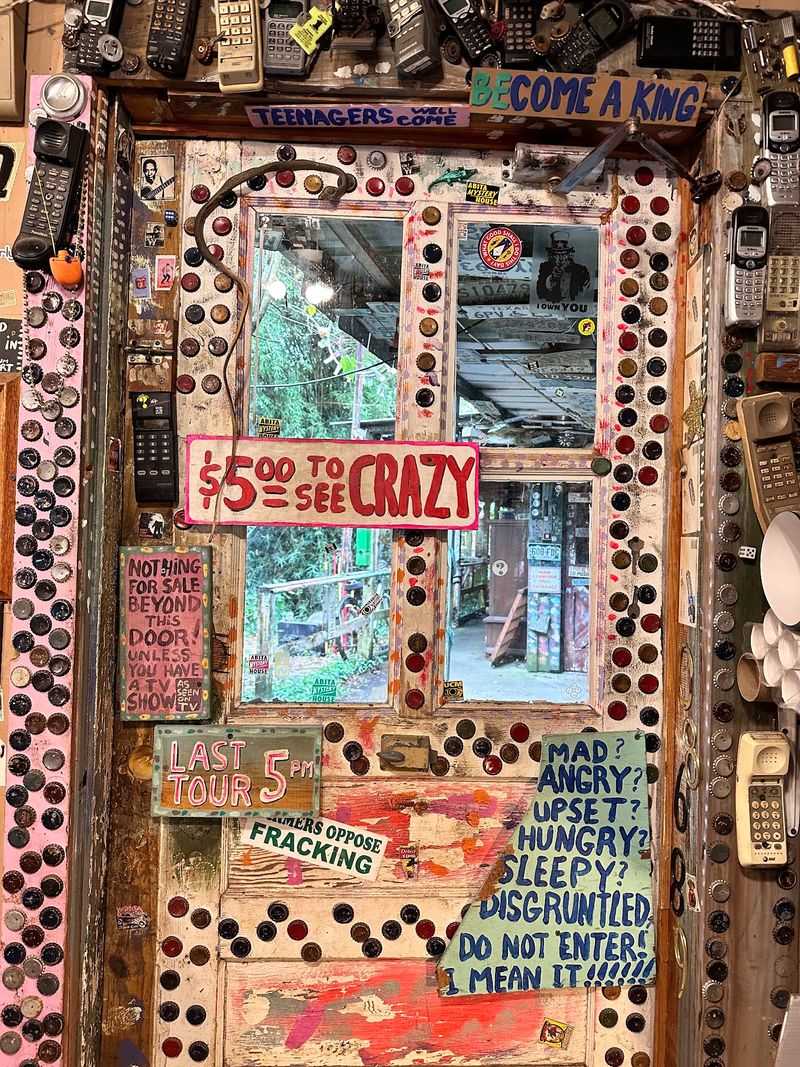
A visit here says something about Louisiana without turning into a lecture. Many displays tease Southern habits, local myths, parade energy, roadside attractions, and the region’s affection for eccentric storytelling.
The humor feels homemade rather than mean, which is why the place remains inviting even when it gets strange. You laugh, then realize a joke is also preserving a piece of local culture.
That balance is worth noticing because the museum could easily become random without it. Instead, the rooms suggest a personal archive of how a place sounds, looks, and remembers itself.
Mini scenes, handmade signs, and repurposed objects keep that identity close to the ground, not polished for outsiders. I appreciated that the work never felt like a brochure version of Louisiana.
It felt messier, sharper, and more affectionate than that. For folk art, regional personality is unmistakable.
Save Time For The Front Room
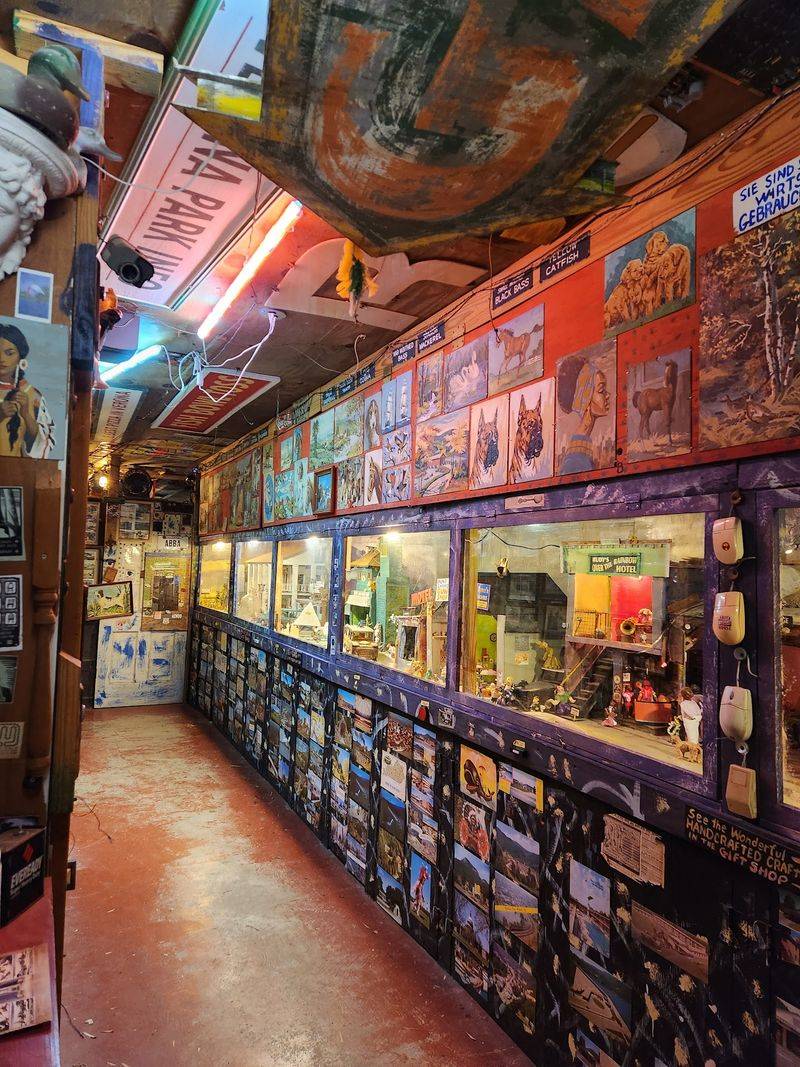
The gift shop and front counter deserve a little attention at the end, not just the beginning. After wandering through so much hand-built weirdness, even small souvenirs make more sense because they echo the artist’s world instead of feeling generic.
Postcards, prints, shirts, and signs can extend the visit in a modest way. Buying something also supports a place that is genuinely one of a kind.
Practical details help here too. Current hours are generally 10 AM to 5 PM every day, and the admission fee has been modest, often around five dollars, but checking ahead is wise before a special trip.
Cash can still be handy for entry or older coin-operated pieces. I like finishing with a slow lap through the front room, because it gives my brain a chance to settle before reentering the very normal world outside.
Meet The Place On Its Own Terms
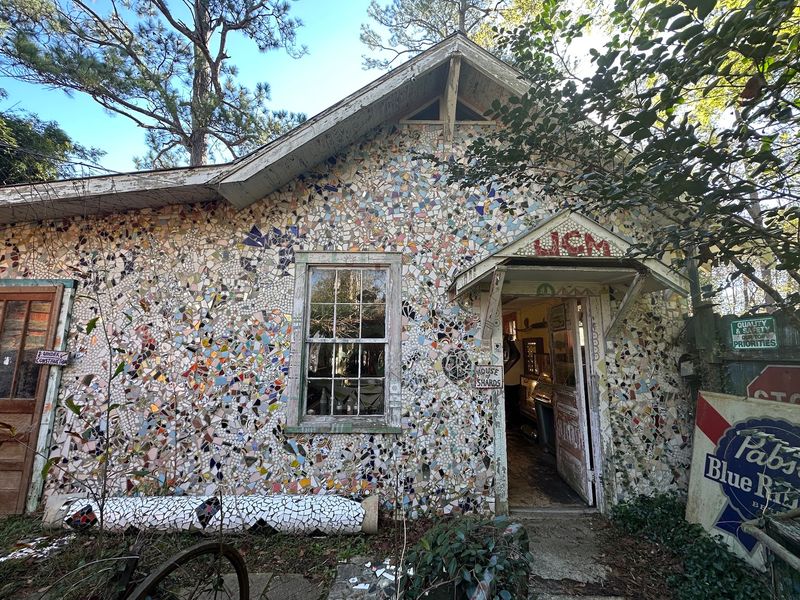
Not every memorable stop needs to be tidy, sleek, or universally understood. Abita Mystery House works because it feels personal, stubborn, funny, and deeply handmade, all inside a former gas station in Abita Springs.
More than 50,000 objects create a kind of visual weather system, and the effect can be overwhelming in the best way. The key is to meet it on its own terms.
Come expecting a folk art environment, not a conventional museum with smooth labels and neat spacing. Let yourself be surprised by how much imagination can grow from discarded things, old buildings, and a long-running obsession.
I left feeling as if I had stepped through someone else’s sketchbook and into a local legend built from scrap. That is why the place sticks. It is wild, yes, but it is thoughtful, funny, and unmistakably rooted in Louisiana.