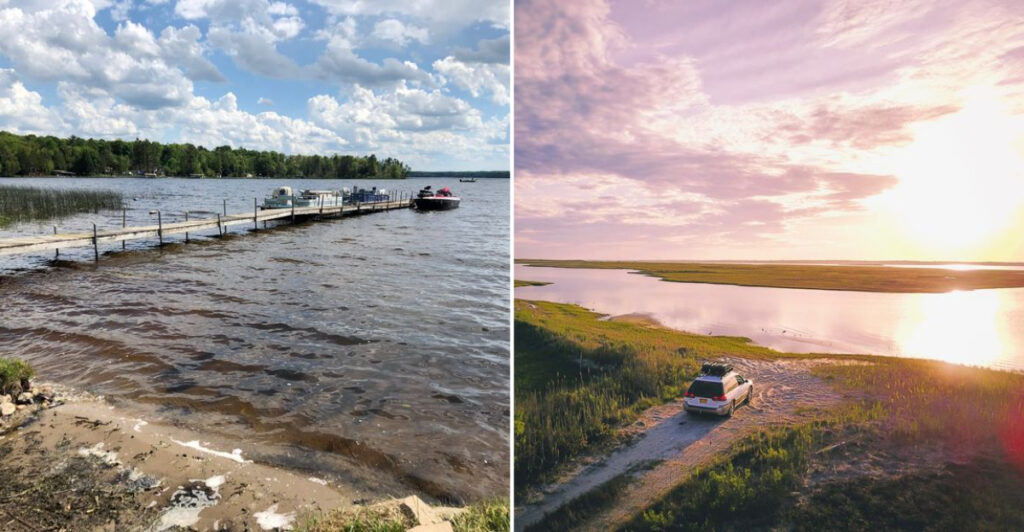
The best campsites do not ask you to plan six months ahead, only to leave early enough to earn them. August favors travelers who can pack quickly, fill the tank, and trust the road before everyone else arrives.
At first-come, first-served campgrounds across Utah, spontaneity comes with a view that feels far too good for an unreserved spot. One morning might end beside a cold alpine lake, while the next settles under red cliffs near a quiet riverbank.
That uncertainty is part of the thrill. There is no confirmation email to lean on, just timing, patience, and the small victory of finding an open site.
Keep a backup route ready, bring more water than seems necessary, and let the landscape choose the weekend. For campers willing to trade certainty for possibility, the wild corners of Utah can turn an ordinary August escape into a story worth retelling for years afterward.
Cisco Beach Campground
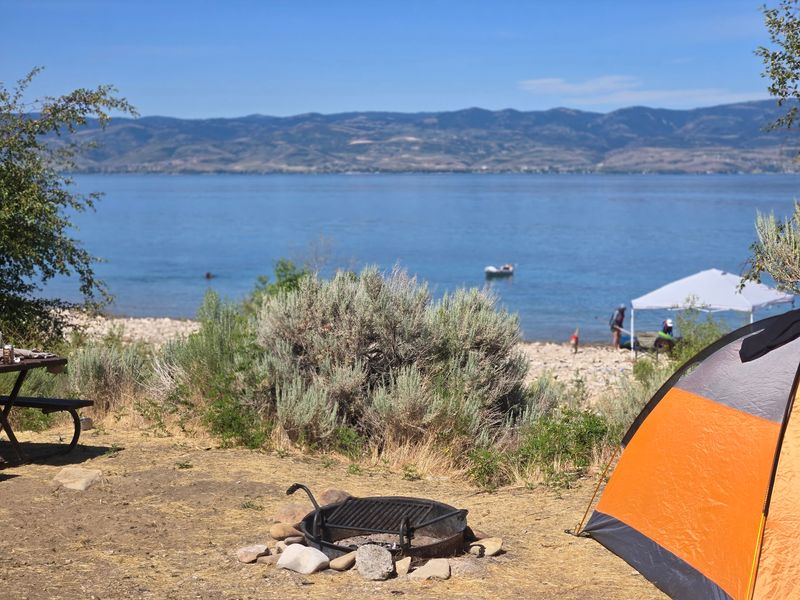
Bear Lake has been called the Caribbean of the Rockies, and the first time you see that impossible shade of blue from a campsite at Cisco Beach, you will understand exactly why that nickname stuck. Located at 7175 North Cisco Road in Laketown, this campground puts you practically on the water’s edge without a single reservation required.
Fifty-nine first-come, first-served primitive sites line the shore, making it one of the more generous walk-up campgrounds in northern Utah.
Open year-round, Cisco Beach is a genuine all-season option, though August brings warm temperatures perfect for swimming, kayaking, and long evenings watching the lake shift from turquoise to gold at sunset. Vault toilets are available on-site, so come prepared with your own water and supplies.
Fire restrictions are currently in effect, so check current conditions before you load the firewood.
Arriving early in the morning, ideally before 9 a.m., gives you the best shot at a lakeside spot. Weekends fill fast, so a Thursday or Friday arrival is your smartest play.
Cisco Beach rewards the early riser with a front-row seat to one of Utah’s most photogenic lakes, and that is a trade worth setting an alarm for.
Bridger Campground
Logan Canyon is one of those drives that makes you forget you were ever stressed about anything. Tucked along U.S.
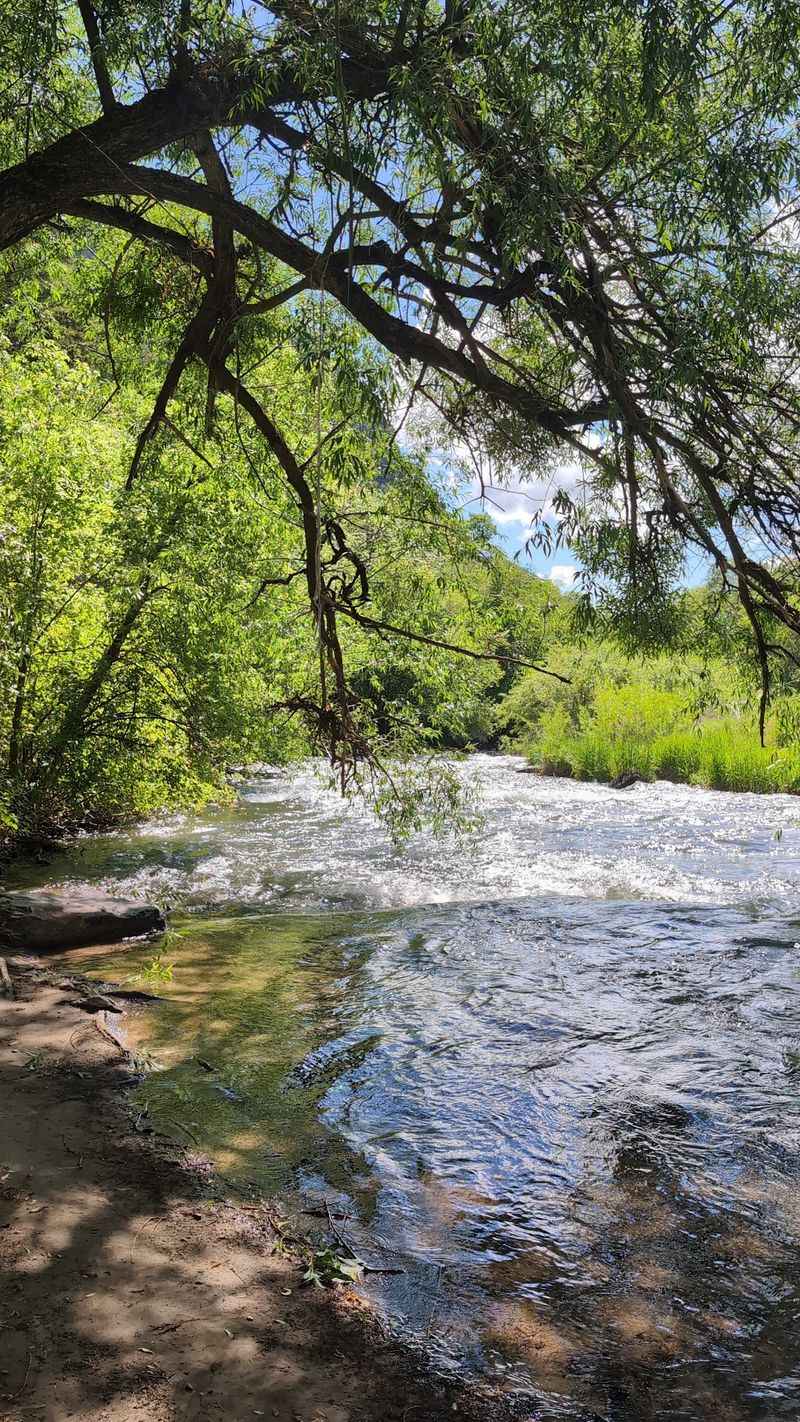
Highway 89 about six miles east of Logan, Bridger Campground earns its reputation as a cool, shaded retreat by sitting right beside the Logan River, where the sound of moving water replaces every notification your phone might otherwise demand from you.
Every site here is first-come, first-served, and the 2026 season officially includes August, which is excellent news for anyone craving a quick escape from the valley heat. The campground is small, which is part of its charm.
Fewer sites mean a quieter atmosphere, and the riverside location makes it feel more like a private retreat than a public campground.
Anglers will want to bring their gear because the Logan River offers legitimate fishing opportunities right from camp. Hikers have canyon trails nearby, and the drive itself through Logan Canyon is scenic enough to count as an activity.
My honest take: Bridger is the kind of understated campground that regulars try not to talk about too loudly. Show up early, claim your spot beside the river, and let the canyon do the rest of the work.
Indian Crossing Campground
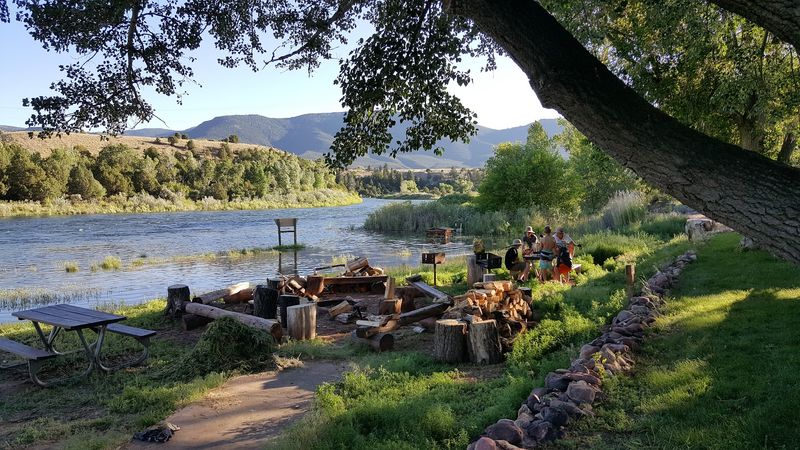
Some campgrounds feel like they exist outside of regular time, and Indian Crossing is one of them. Situated along Browns Park Road near Dutch John, this 20-site campground lines the banks of the Green River not far from the historic John Jarvie Ranch, a place where the Old West is less a theme and more a geological fact written into the canyon walls around you.
Access here is genuinely remote, and that remoteness is the entire point. Fishing and rafting access make Indian Crossing a natural draw for river enthusiasts, while picnic tables and vault toilets provide just enough comfort to keep things civilized.
All sites are registered first-come, first-served, meaning your planning strategy should include an early arrival and a flexible schedule.
Browns Park sits near the Utah-Colorado border, so a drive out here feels like an expedition rather than a quick overnighter. Bring everything you need, including extra water and fuel, because services are not close by.
The payoff is solitude beside one of the West’s great rivers, with a side of genuine frontier history. Few campgrounds in Utah deliver that combination of wildness and context quite so honestly as Indian Crossing does.
Pelican Lake Campground
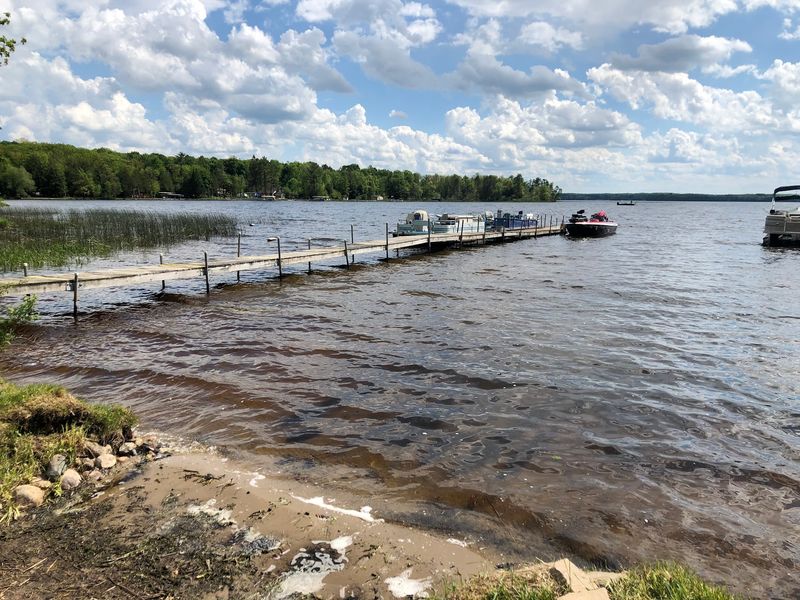
Pelican Lake is the kind of place that does not show up on the first page of anyone’s Utah camping search, and that is precisely what makes it worth knowing about. Located along Utah Highway 88 roughly 25 miles southwest of Vernal, this quiet waterside campground offers 11 individual sites, each equipped with shade shelters, picnic tables, fire rings, and vault toilets.
Every site is claimed in person, first-come style, no apps required.
The lake itself is a reliable warm-water fishery, popular with anglers targeting bass and bluegill during summer months. August temperatures in this part of the Uinta Basin can run warm, so the shade shelters are not decorative.
They are genuinely useful, and the proximity to the water creates enough of a breeze to make afternoons comfortable.
With only 11 sites, competition can be real on summer weekends. A Friday morning arrival puts you ahead of the weekend crowd, and once you are settled in, the pace of life at Pelican Lake becomes almost comically relaxed.
This is a campground for people who want to fish in the morning, nap in the afternoon, and watch the stars at night, without ever worrying about a checkout time.
Lost Creek State Park Campgrounds
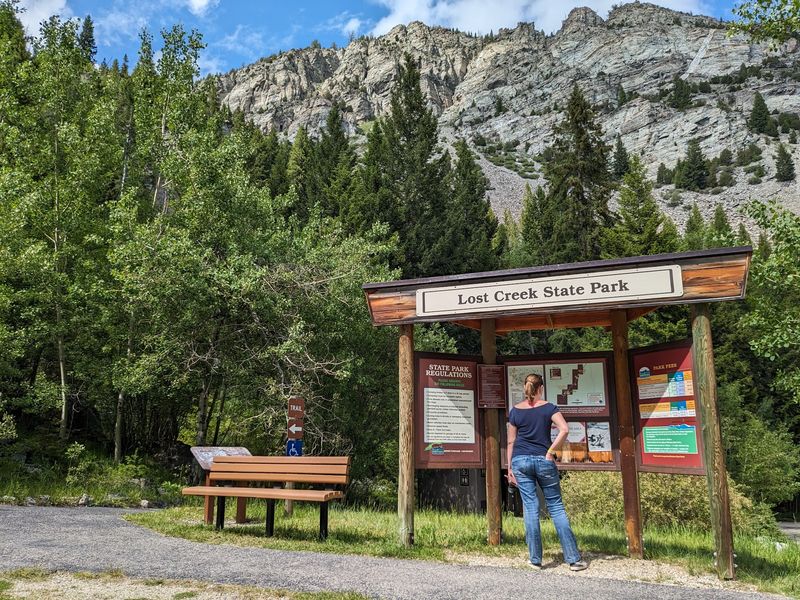
There is something quietly magnificent about a reservoir campground that has not been fully discovered yet, and Lost Creek State Park fits that description almost perfectly. Located near Croydon, the park’s two camping areas, Francis Cove and Little Trail Creek, offer primitive sites around a calm mountain reservoir that feels genuinely off the radar compared to Utah’s bigger-name parks.
All camping at Lost Creek is first-come, first-served, and the setup is wonderfully stripped back. Vault toilets are available, but there is no water or electrical service, so self-sufficiency is the operating principle here.
That simplicity is exactly what draws a certain kind of camper back year after year. You bring what you need, set up where you like, and the reservoir takes care of the rest.
August is a strong month for Lost Creek, with warm days and cooler nights that make sleeping under the stars genuinely comfortable. Fishing and non-motorized boating are popular activities on the reservoir, and the surrounding hills offer quiet walking without requiring a trailhead parking permit.
If your idea of a great campsite involves solitude, a water view, and zero neighbors playing Bluetooth speakers, Lost Creek State Park is waiting patiently for you to find it.
Maple Lake Campground
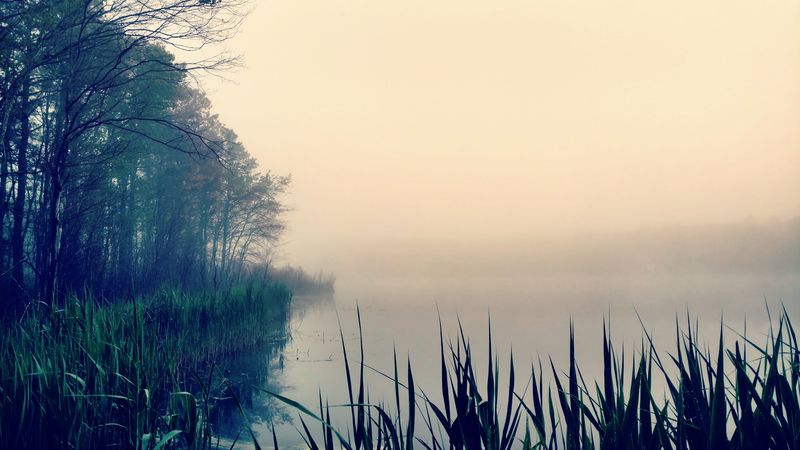
The Nebo Loop Scenic Byway is one of those drives that justifies the entire road trip by itself, and Maple Lake Campground sits right in the middle of it, about five miles south of Payson. The campground wraps around a small mountain lake in a way that feels almost deliberately cinematic, with tall timber framing the water and a general atmosphere of peaceful remove from everything below.
Fishing, paddling, and quiet shoreline afternoons are the primary activities here, and none of them require a reservation or a park pass beyond standard fees. Every site is first-come, first-served, and the 2026 season runs through September 20, making August a prime window to visit before the fall colors arrive and the secret gets fully out.
Mornings at Maple Lake have a particular quality worth mentioning. The lake sits calm, the air carries a chill that coffee was invented to address, and the trees hold the light in a way that makes everything look slightly unreal.
I find campgrounds like this one genuinely restorative in a way that fancier destinations rarely manage. Bring a kayak or a canoe if you have one, claim a lakeside site early, and let the mountain do its work on you.
Gooseberry Campground
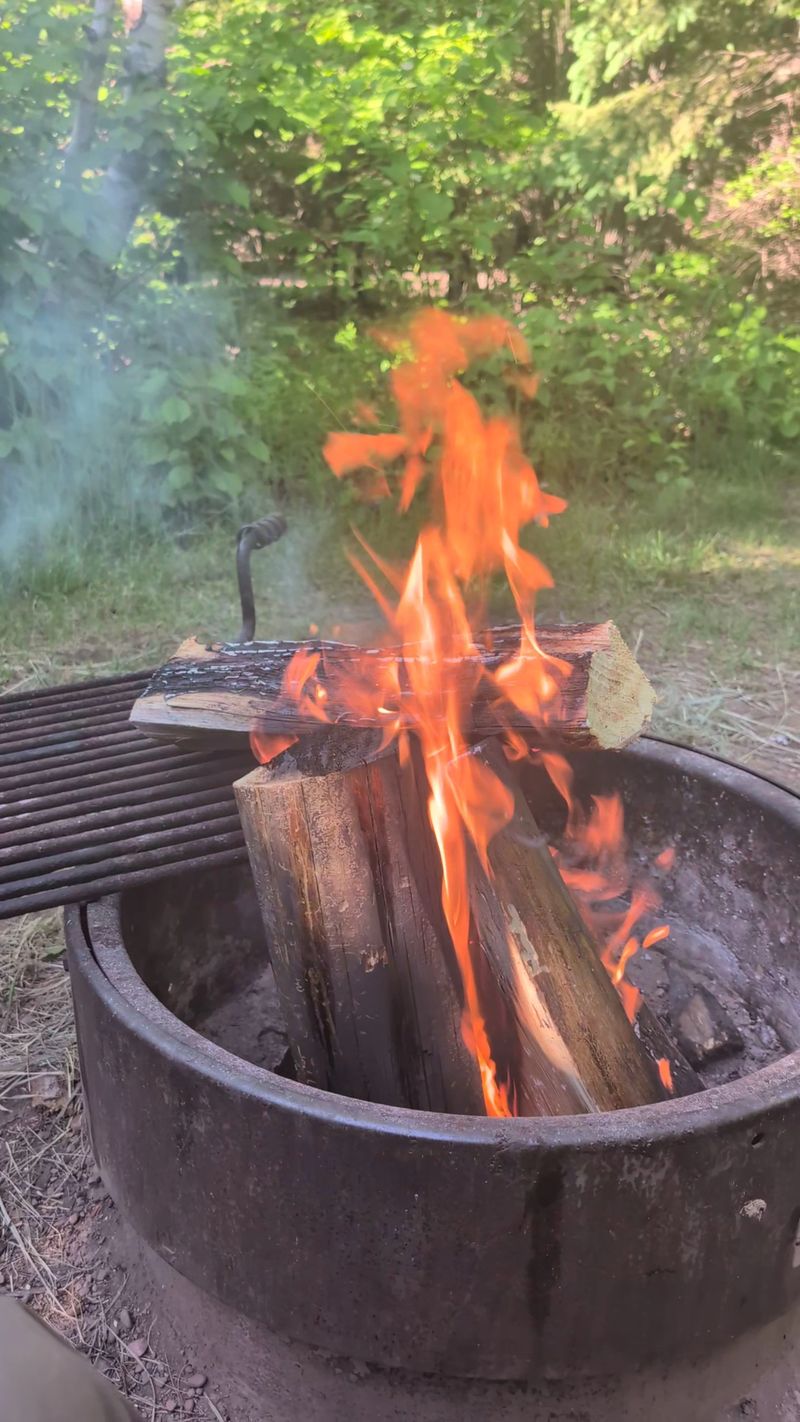
Sitting high above the desert along Gooseberry Road 640, about 18 miles southeast of Salina, Gooseberry Campground occupies a forested plateau that feels like a different climate zone entirely from the valley below. Thirteen individual sites and a small group area make up the campground, and not a single one of them can be reserved in advance.
Walk up, pick your spot, and settle in.
The elevation here is the main attraction in August. When the desert floor is radiating heat like a cast-iron skillet, Gooseberry sits cool and shaded in the trees, with the kind of air quality that reminds you why people used to move to the mountains for their health.
The proximity to Fish Lake adds recreational options for those willing to make the short drive.
Campers who appreciate a genuine forest setting without crowds will find Gooseberry quietly satisfying. The campground does not offer water hookups or electrical service, so a well-stocked cooler and a reliable water supply are essential.
Stargazing here benefits from low light pollution, and the silence on a weeknight is the kind that takes a few hours to fully absorb. Gooseberry rewards the self-sufficient camper with scenery and solitude in equal measure.
Mahogany Cove Campground
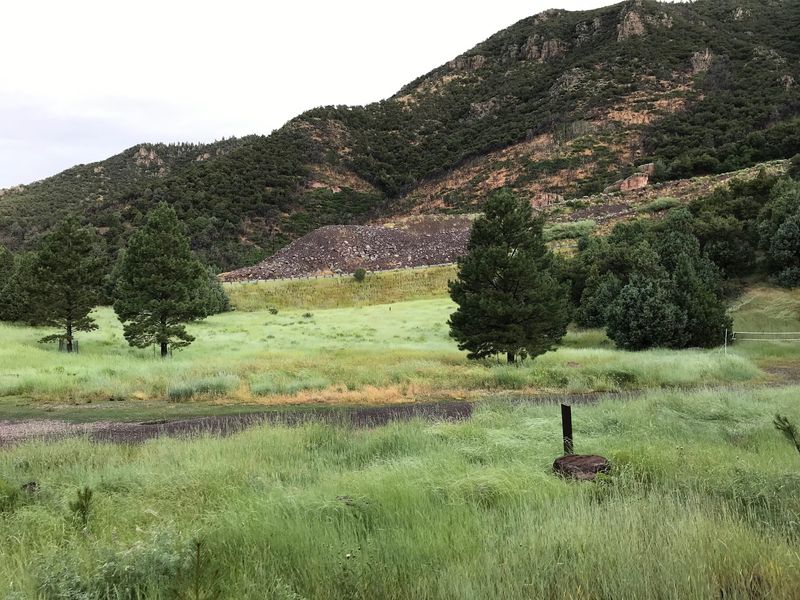
Six campsites in a grassy mountain meadow might sound modest, but Mahogany Cove has a way of making small feel exactly right. Located along Utah Highway 153 about 11 miles east of Beaver on the Beaver Canyon Scenic Byway, this campground occupies a clearing that looks like it was designed by someone who understood the specific pleasure of waking up surrounded by trees and morning quiet.
Every site is first-come, first-served, which keeps the process refreshingly simple. You arrive, you choose from what is available, and you spend your time enjoying the meadow rather than managing logistics.
The Beaver Canyon Scenic Byway itself is worth the drive regardless of whether you stop to camp, but stopping here makes the whole experience considerably better.
August brings reliable weather to this elevation, with warm afternoons and cool nights that make the sleeping bag feel justified even in summer. The surrounding forest offers casual hiking, and the meadow setting gives the campground an open, airy feeling that contrasts nicely with more densely wooded spots.
Mahogany Cove is the sort of campground you stumble onto once and then quietly file away as your personal discovery. With only six sites, early arrival is not a suggestion.
It is the strategy.
Oowah Campground
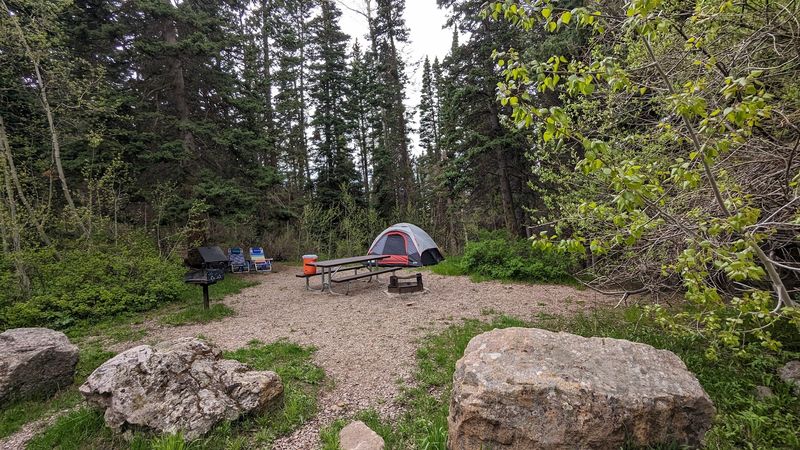
Moab in August is spectacular and also approximately the temperature of a pizza oven. Oowah Campground, perched in the La Sal Mountains along La Sal Mountain Loop Road southeast of Moab, is the elegant solution to that problem.
Eleven tent-only sites sit beside a small alpine lake at an elevation that makes the desert heat feel like someone else’s concern entirely.
The cooler temperatures alone would justify the drive, but Oowah adds forest cover, surrounding trails, and a lakeside setting that makes it genuinely restorative after days of red rock exposure. All sites are first-come, first-served, which means planning your arrival for early morning is essential, especially on summer weekends when word about this place has clearly gotten around.
Tent-only policies do filter out the largest rigs and generators, which keeps the campground quieter and the atmosphere more conducive to actually hearing the wind in the aspens. Nearby trails offer access to La Sal Mountain terrain that most Moab visitors never see, making Oowah a strong base for hikers who want elevation and solitude.
If you are spending multiple days in the Moab area, splitting nights between the desert floor and Oowah gives you the full range of what this corner of Utah can offer.
Sand Island Campground
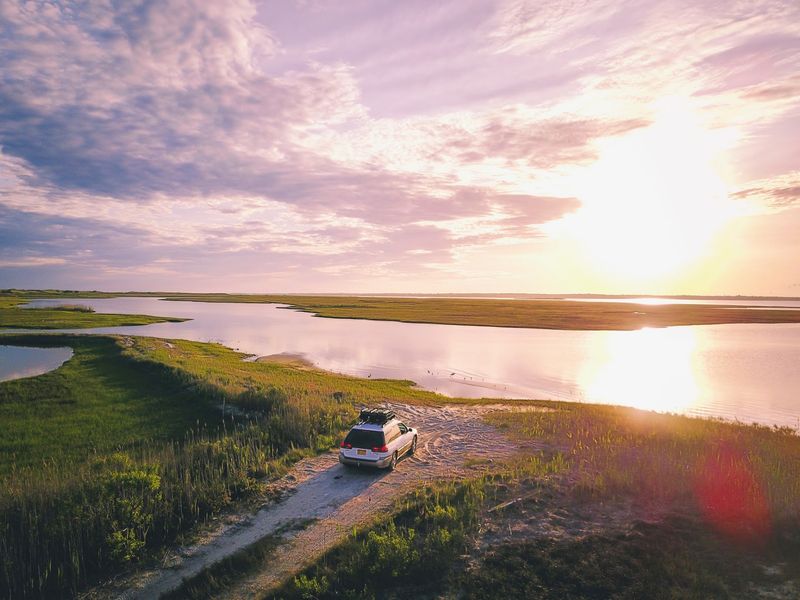
Camping beside a river with ancient rock art on the cliffs above you is the kind of experience that recalibrates your sense of scale in a genuinely useful way. Sand Island Campground sits along U.S.
Highway 191 about three miles west of Bluff, where 27 sites line the San Juan River near sandstone walls covered in petroglyphs left by people who called this canyon home long before anyone thought to name it.
The campground is open year-round, and all regular sites operate on a first-come, first-served basis. August brings warm temperatures, but the river corridor creates enough shade and breeze to keep things manageable.
Rafting and kayaking access from Sand Island make it a natural staging point for San Juan River trips, and the proximity to Bluff means a real meal and supplies are never far away.
The petroglyphs alone are worth the trip. Walking the panel along the cliff face in the early morning light, when shadows are long and the river is quiet, is one of those experiences that stays with you longer than the photographs do.
Sand Island is not a luxury campground, but it offers something considerably more valuable: context. You camp here and feel, briefly but unmistakably, connected to a very long story.
Cedar Mesa Campground
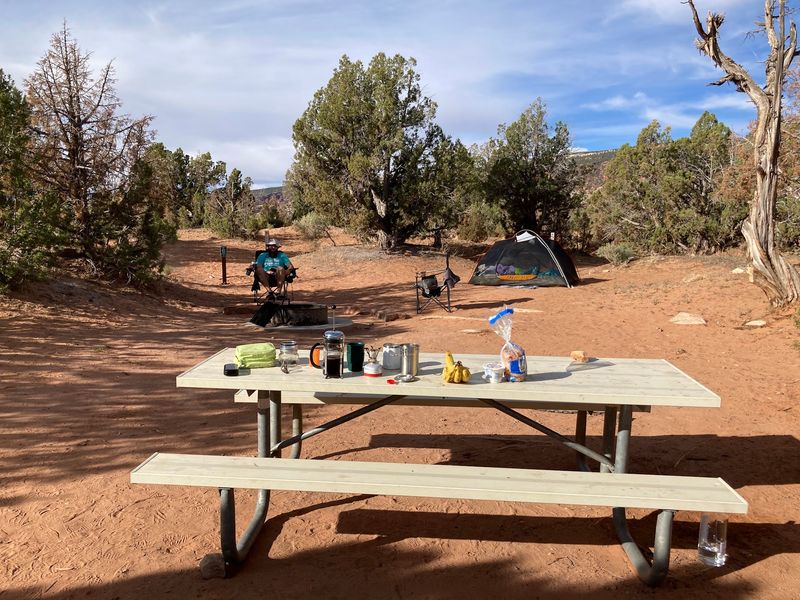
Free camping inside a national park is rare enough to feel slightly illegal even when it is not, and Cedar Mesa Campground at Capitol Reef delivers exactly that. Located on Notom-Bullfrog Road about 23 miles south of Utah Highway 24 near Torrey, this five-site primitive campground sits beneath a canopy of pinyon and juniper in a quiet corner of the park that most visitors driving the main scenic drive never reach.
There are no fees, no reservations, and no services beyond what the desert itself provides. Roads permitting, the campground stays open year-round, which makes it accessible across seasons, though August requires attention to afternoon thunderstorms that can affect unpaved road conditions.
Come prepared with water, food, and a tolerance for genuine remoteness.
Five sites means competition is real, and popularity has grown as word spreads about this free option inside Capitol Reef. An early morning arrival, ideally before 8 a.m., gives you the best odds.
Once settled, the surrounding landscape of the Waterpocket Fold offers hiking, geology, and silence in quantities that most campgrounds simply cannot match. Cedar Mesa rewards the self-reliant camper with a front-row seat to some of the most dramatic terrain in southern Utah, at a price that makes the whole thing feel almost improbably generous.