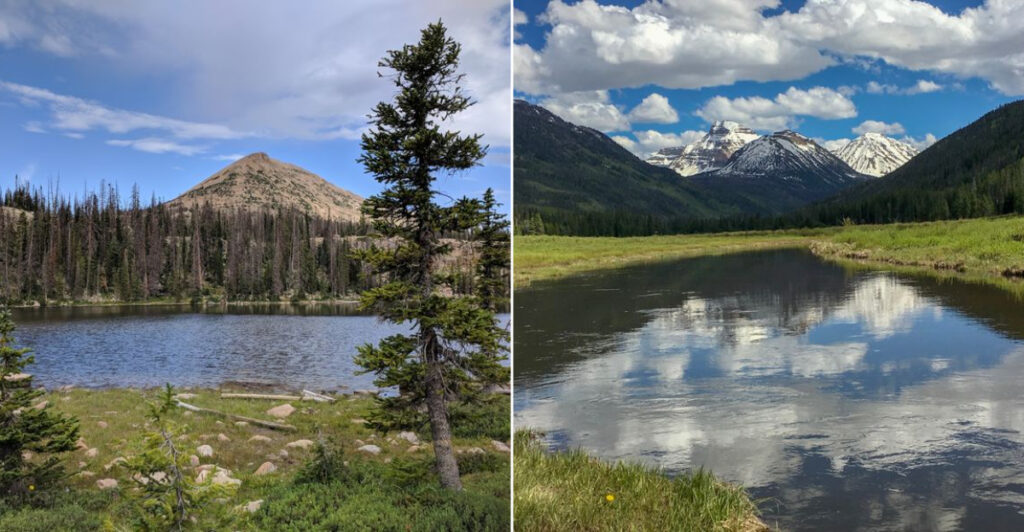
A road trip gets better when the scenery keeps interrupting your plans. One minute you are cruising past sagebrush, the next you are climbing through pine forests toward granite peaks and water cold enough to look freshly poured from the sky.
That kind of rapid change is part of what makes this drive through northern Utah so addictive. The route rises above 10,000 feet, yet the experience never feels like work: pull over, stretch your legs, wander toward a lake, then keep going until the next view wins.
Some stops are obvious, others sit quietly beyond the rush of traffic, which makes slowing down feel like the smartest move all weekend. You do not need a packed itinerary or complicated gear, just time, curiosity, and room for one more stop.
By the end, this high-country stretch of Utah proves that the best road trips are often built from unplanned pauses.
1. Shingle Creek: The Warm-Up Act
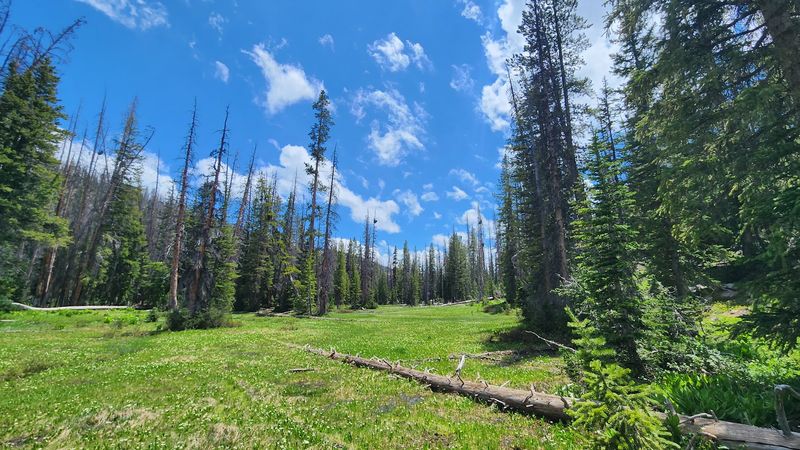
About ten miles east of Kamas, the highway is still gathering its courage. That is exactly why Shingle Creek works as a first stop, a place to shake off the car and let your ears remember what moving water sounds like.
The Forest Service lists the Shingle Creek area as open for the 2026 season, and the hiking access here leads toward East Shingle Lake. That makes it flexible.
You can wander fifteen minutes or commit to something longer, depending on how ambitious the group feels before lunch.
My honest opinion? People skip this one because it comes too early in the drive, and skipping it is a small mistake.
Stopping here resets the pace of the whole trip, and everything above feels more dramatic when you have already gotten your boots a little dusty.
Logistics are refreshingly simple. Fuel up and grab snacks in Kamas, since services thin out fast once you start climbing.
Morning is the sweet spot, with cooler air and easier parking.
Bring a jacket even in July. Elevation has opinions about your comfort, and it rarely asks permission first.
2. Washington Lake: The Detour That Pays Off
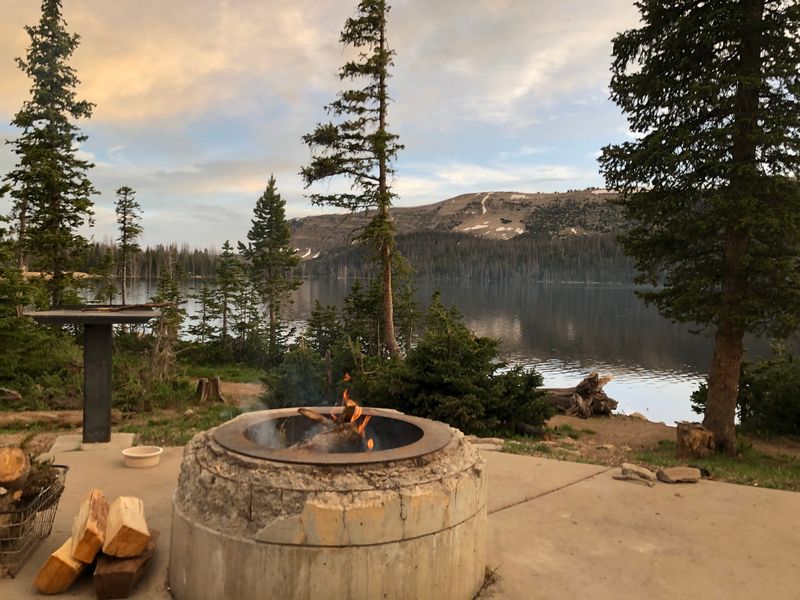
Every scenic byway has a stop that hides in plain sight. Washington Lake is that stop, a short detour off SR-150 that most drivers glance at and then decide to save for next time.
Next time never comes, which is a shame. The lake sits beside its seasonal campground, and the Forest Service currently lists the site as open.
Hiking, fishing, and nonmotorized paddling are all on the menu, which means the trunk-packing decision is basically yours to make.
What I like about it is the ratio of effort to reward. You leave the main highway for a few minutes and land somewhere that feels considerably more remote than the mileage suggests.
Families do well here because the shoreline invites low-stakes puttering. Toss a line, float a paddleboard, skip rocks until someone announces they are hungry.
Anglers should plan for early morning or the last hour of light, when the water goes glassy and the mosquitoes get bold. Bring bug spray.
Bring more than you think you need.
If you are looping several stops in one day, treat Washington Lake as your unhurried lunch break rather than a quick photo grab.
3. Trial Lake and Its Network of Neighbors
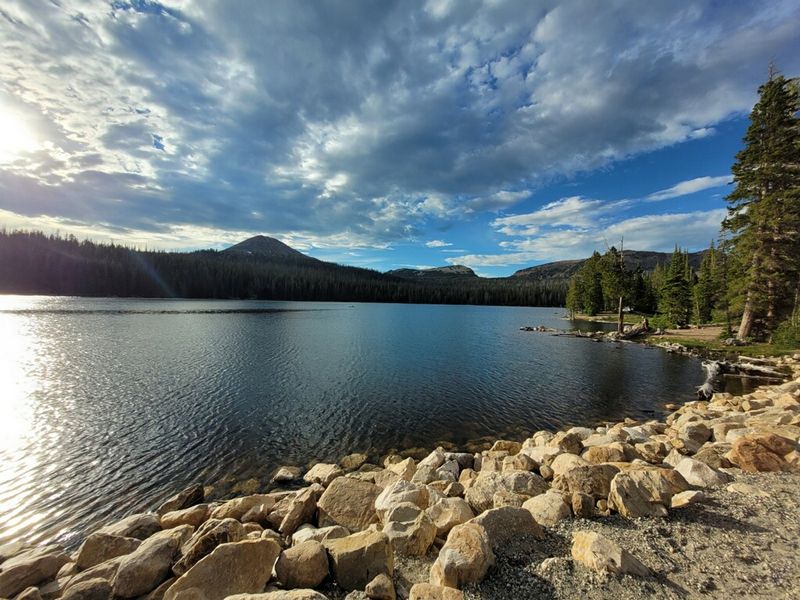
Trial Lake sounds like a name someone invented while running out of ideas, but the place delivers. Sitting just off Mirror Lake Highway, it acts as a doorway into a larger web of high-country lakes and trails.
That connectivity is the real draw. Park once, and suddenly you have options: a short shoreline stroll, or a longer push into the alpine lake country that makes the Uintas famous among Utah hikers.
Its campground opened for the 2026 season in late June, which tells you something important about timing. Snow lingers up here, and the season is shorter than flatland visitors expect.
Plan for July through early fall if you want reliable access.
I have a soft spot for stops like this, the kind that let you choose your own difficulty setting mid-trip. Nobody has to commit to a hard hike at breakfast.
Practical note for weekend planners: arrive before midday on Saturdays. Parking areas along the byway fill up quickly once the Salt Lake and Park City crowds get moving.
Pack layers, water, and patience. The scenery handles the rest without much help from you.
4. Crystal Lake Trailhead: Where the Hikes Begin
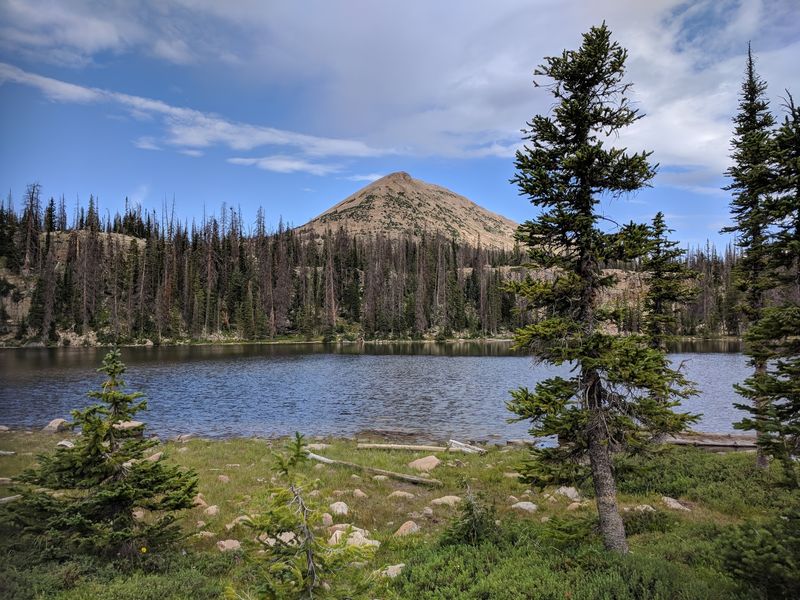
If your crew has grown restless with roadside pullouts and wants an actual walk, Crystal Lake is the answer. The trailhead here connects with several hikes threading through the surrounding alpine lake country.
Current Forest Service road information lists Crystal Lake Road as open, which matters more than you might think on a route where access changes with the seasons. Always worth a quick check before you leave home.
Think of this as the trip’s turning point. Everything before it is scenic driving with stops.
Everything from here can become a genuine hiking day if you want it to.
Couples looking for a quiet stretch of trail tend to find it here, especially on weekday mornings. Families with older kids can pick a shorter out-and-back and still feel like they earned their sandwiches.
A few practical thoughts. Start earlier than feels necessary, since afternoon storms are a real feature of high country summers, not a rumor.
Carry more water than the mileage implies, because thin air is quietly dehydrating.
My reflection after stops like this is always the same: the trail was better than the parking lot promised.
5. Provo River Falls: The Easiest Wow on the Route
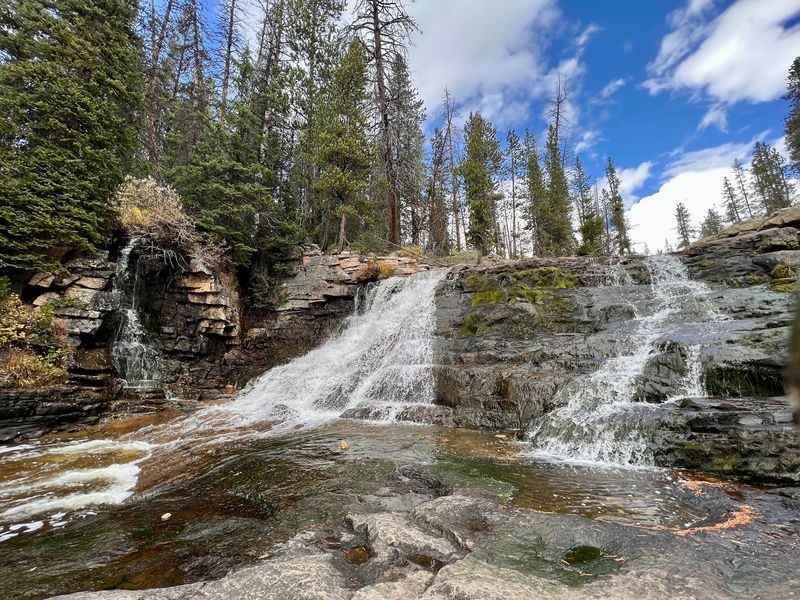
Some waterfalls make you work for them. Provo River Falls does not, and that generosity is precisely why it has become one of the byway’s signature stops.
Visit Utah specifically identifies Upper Provo River Falls as a highlight of the Mirror Lake Scenic Byway, with an overlook right along the route. Translation: you park, you walk a short distance, you look impressed.
No negotiation required.
Water tumbles across stepped rock ledges here, which photographs beautifully and sounds even better in person. It is the kind of stop that turns a car full of tired passengers back into enthusiastic passengers.
Because it is easy, it is also popular. Midmorning on a summer Saturday can feel like a small parade, so early arrival or late afternoon light will serve you better.
Watch footing near the water. Wet granite has ended more than a few good moods, and the current runs stronger than it appears from above.
Honest take: this is the stop I would recommend to someone with exactly one hour and zero interest in hiking. Maximum payoff, minimum planning, and everyone leaves happy.
6. Bald Mountain Pass at 10,715 Feet
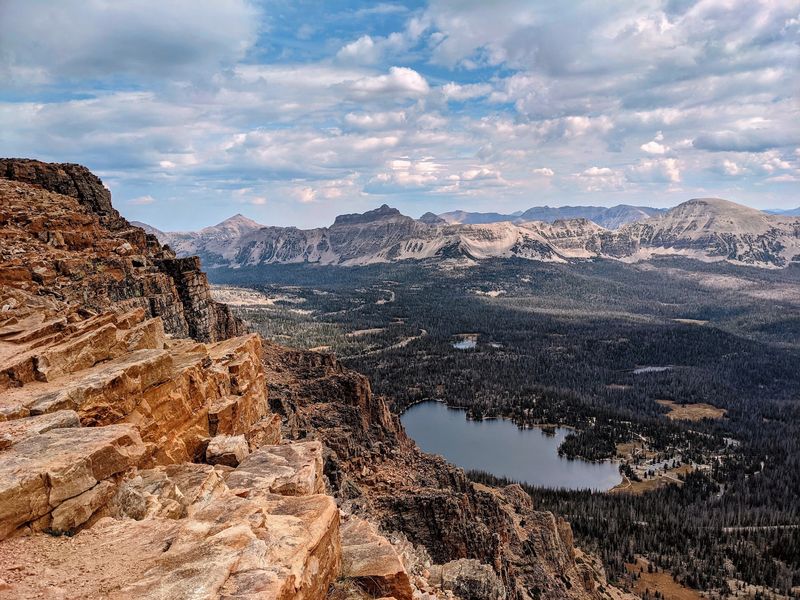
Here is the number that defines the drive: 10,715 feet. Bald Mountain Pass is the high point of the scenic byway, and the views arrive all at once, like someone pulled a curtain.
The pass also provides access to the Bald Mountain Trailhead, so you can turn a viewpoint stop into a real outing if your legs and lungs are willing. At this elevation, they may want a word first.
Take it slow. Even walking a few hundred yards up here feels different than it does at home, and pacing yourself is not a weakness, it is strategy.
Weather changes fast at the top. I would not leave the car without a windbreaker, even on a day that started warm in Kamas.
For families, the pass is a fantastic teaching moment. Kids understand elevation much better when their own breathing explains it to them.
My favorite version of this stop is late afternoon, when shadows sharpen the ridgelines and the crowds have drifted downhill. Bring something warm to drink and stand there longer than you planned.
That is the whole point of a peak-to-peak drive.
7. Pass Lake: Quiet Neighbor, Big Access
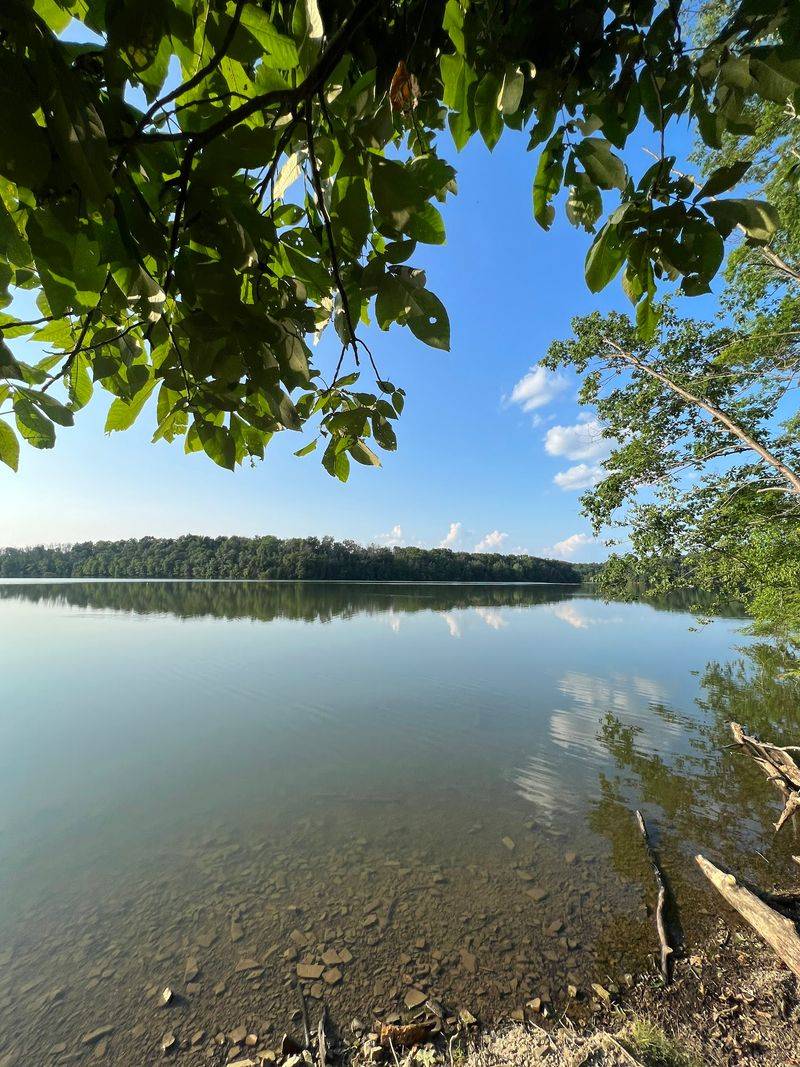
Living next to a celebrity is hard, and Pass Lake knows it. Sitting close to the byway’s most famous water, it gets passed over constantly, which makes it a gift for anyone chasing quieter ground.
Located right along the high-elevation portion of the highway, Pass Lake serves as access for hikes including the Lofty Lake Trail. Forest Service information currently lists Pass Lake access as open.
That trail connection is the hook. You get a lower-key parking situation and a genuinely rewarding walk, which is a trade I will take every time.
Couples on a weekend escape should put this high on the list. It has the stillness people imagine when they picture mountain lakes, without the shuffle of a busy picnic area.
Practical advice: pair Pass Lake with Bald Mountain Pass, since they sit near each other along the highway’s upper stretch. One parking effort, two very different moods.
Sunrise light here is worth setting an alarm for. The air is sharp, the water is still, and for maybe twenty minutes you will feel like you have the entire Uinta range to yourself.
8. Mirror Lake: The Name on the Sign
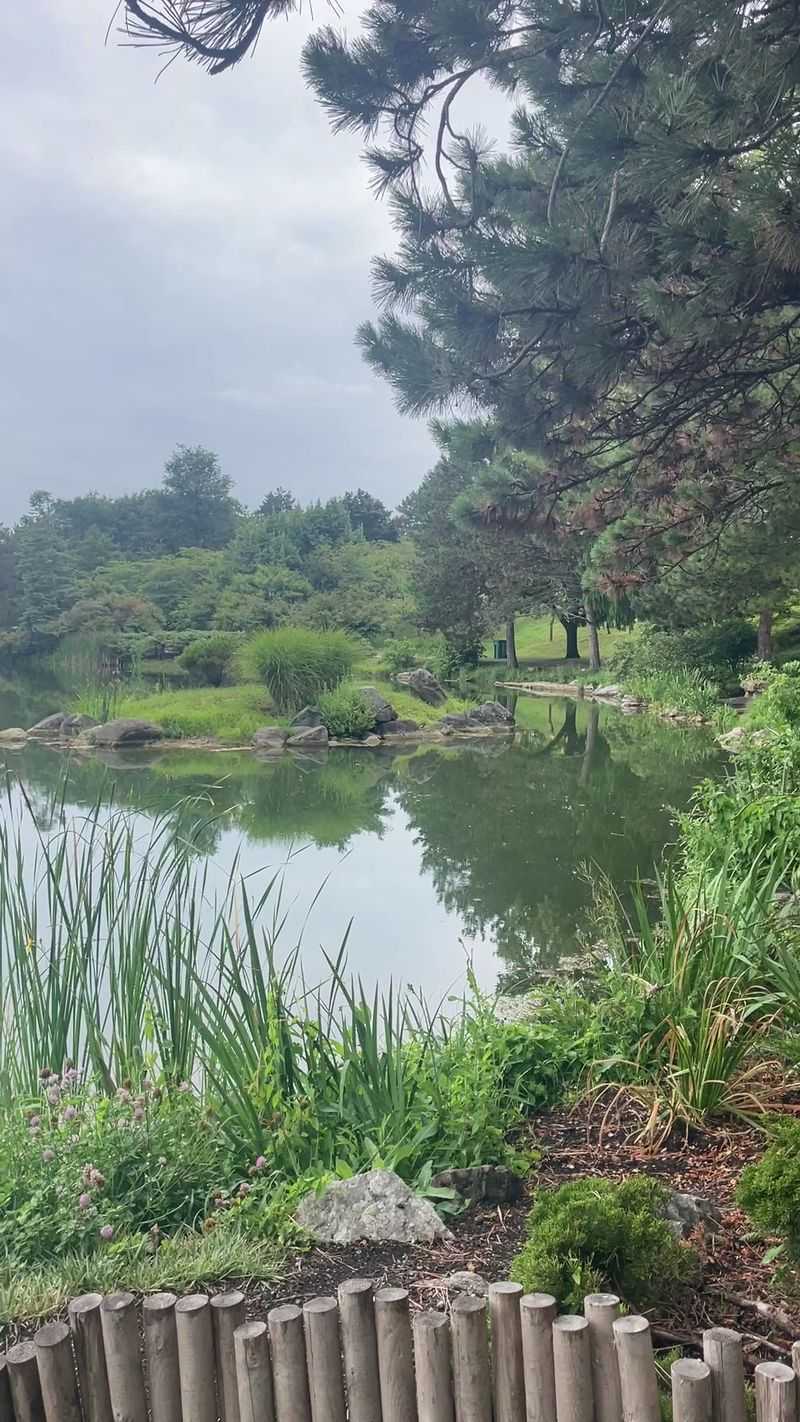
You cannot really write about this road without its namesake, and honestly, you would not want to. Mirror Lake sits beneath the surrounding Uinta peaks and delivers the reflection its name promises when the wind cooperates.
Visit Utah lists it among the principal stops on the byway, and for good reason. The Forest Service updated its Mirror Lake information for the 2026 season, so check current details before you go.
One important logistics note: a recreation pass is required when parking at the trailhead and picnic area. Sort that out ahead of time and you will skip the only real headache of the day.
Popularity is the tradeoff. Summer weekends bring plenty of company, though the lake is large enough to absorb a crowd better than most.
Go early for the mirror effect, since afternoon breezes tend to ruffle the surface and steal the photo you drove all this way for.
My take after years of hearing about it: the hype is deserved, but it is best experienced as the crown of a full day rather than a rushed drive-up stop. Pack a lunch and linger.
9. Butterfly Lake for a Slower Afternoon
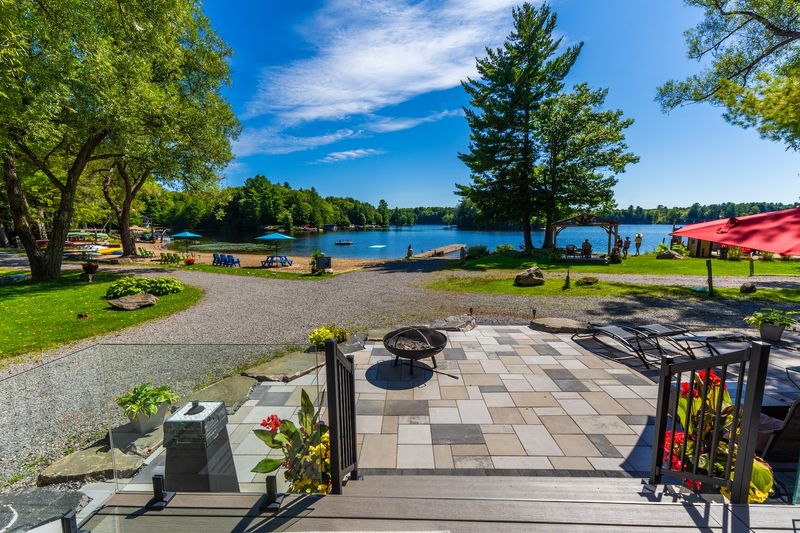
Smaller is sometimes smarter. Butterfly Lake, tucked along the upper highway, offers the calm that busier stops trade away, and it rarely asks you to compete for a spot on the shoreline.
The Forest Service lists Butterfly Lake and its campground as active recreation sites in 2026, with fishing and hiking among the available activities. Modest list, excellent execution.
Anyone who has spent an afternoon watching a fishing line do absolutely nothing knows the strange satisfaction of it. Butterfly Lake is built for that sort of unhurried time.
Campers should note that reserving early makes life easier, since the high season up here is short and demand outpaces the calendar.
For a day-trip crowd, position this as your final stop before turning around, or as a decompression pause after the intensity of Bald Mountain Pass.
Bring camp chairs. I am serious about this.
Half the joy of the upper Uintas is sitting still while the light changes on the ridges above you.
My reflection: the stops nobody brags about often become the ones you remember, mostly because you actually relaxed at them.
10. Christmas Meadows and the Wilderness Doorway
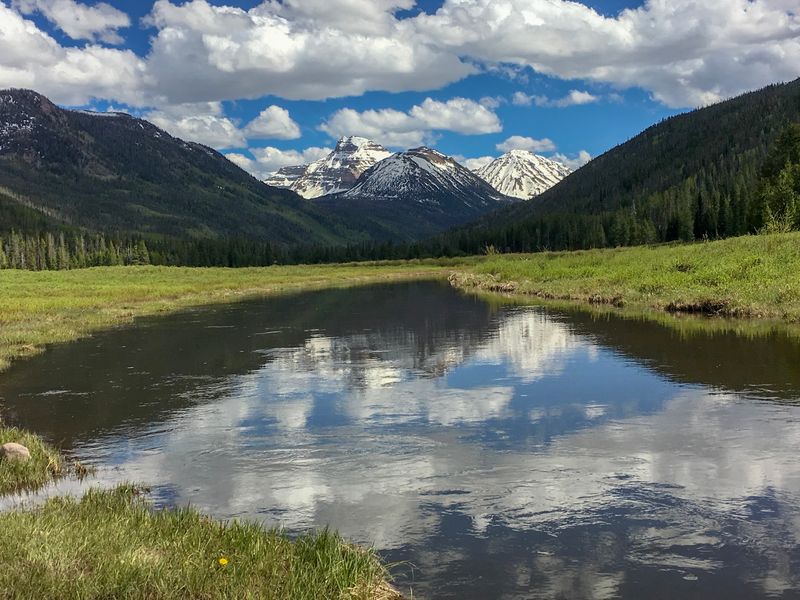
The name alone earns a detour, but Christmas Meadows backs it up. Take the side road near the northern portion of the route and the scenery shifts character entirely, from tight forest corridors to open meadow country.
From here you reach the High Uintas Wilderness, with trails including Stillwater and Amethyst Lake. The Forest Service currently lists the trailhead as open.
Wilderness access changes the energy of a trip. Suddenly you are not just sightseeing, you are standing at the edge of country that stretches far beyond what any road can show you.
Day hikers can sample the beginning of these trails and turn back satisfied. Ambitious groups will want a full day, an early start, and honest expectations about distance.
Practical guidance: this is a side road, not the main highway, so allow extra driving time and check conditions before committing.
My closing thought on the whole byway is this. Start near Kamas, climb through the lakes, stand at the pass, then finish where the meadows open up.
That sequence turns a pretty drive into a weekend you will actually talk about.