Tennessee food talk can make dinner sound like a farm animal escaped into a cooking lesson.
Potatoes get knocked in the head, possums lose all table manners, and mules somehow become experts on happiness. Don’t ask too many questions.
Here are the answers.
Locals hear these phrases and pass the cornbread. Outsiders hear them and wonder whether supper requires subtitles, protective gear, or both.
The strange wording carries real history beneath the jokes. Farm work, Appalachian traditions, family kitchens, and generations of sharp Southern humor shaped each expression.
Tennessee sayings can praise an excellent meal, warn against a hopeless plan, or describe someone eating with impressive enthusiasm. They simply refuse to use boring language for any of it.
Crack the code, and you uncover bite-sized pieces of Tennessee history. Behind each phrase sit farm wisdom, family humor, and enough local flavor to make plain English sound underseasoned.
Tennessee Food Comes With Its Own Backstory
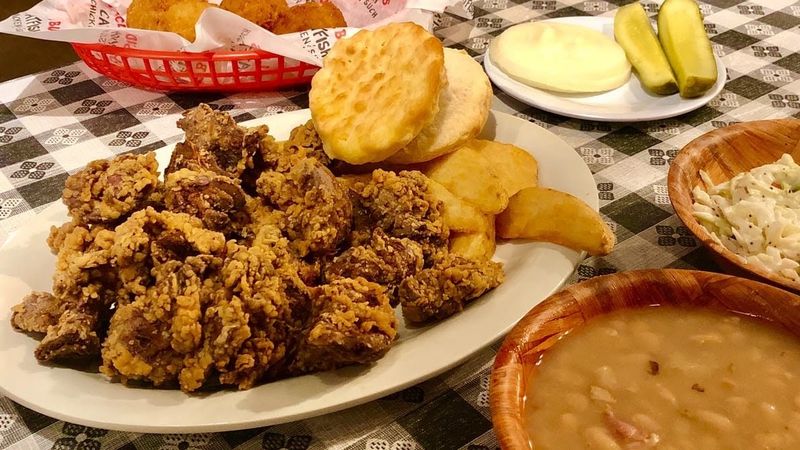
Tennessee food rarely reaches the table without carrying a story. Recipes often reflect the land, work, and families behind them.
Appalachian cooking, lowland Southern traditions, and central farming communities each shaped the state’s meals. Corn, pork, wild game, and garden vegetables became dependable staples.
Mountain families dried beans, cured meats, and preserved produce for colder months. Practical cooking created flavors that later became treasured traditions.
Memphis developed its own barbecue identity through African American cooking and Mississippi Delta influences. Nashville added fiery chicken and another recognizable chapter.
Each Tennessee region built distinct recipes and kitchen habits. Those differences also produced colorful words that outsiders may struggle to decode.
Farm work, church suppers, smokehouses, and cast-iron stoves supplied plenty of inspiration. Short expressions often explained food faster than lengthy instructions.
Humor helped families handle difficult seasons and demanding routines. A clever phrase could deliver advice while earning a laugh around the table.
Understanding Tennessee food requires listening as closely as tasting. The language carries history, personality, and enough seasoning to compete with dinner.
Why Tennessee Food Talk Can Sound Like A Different Language
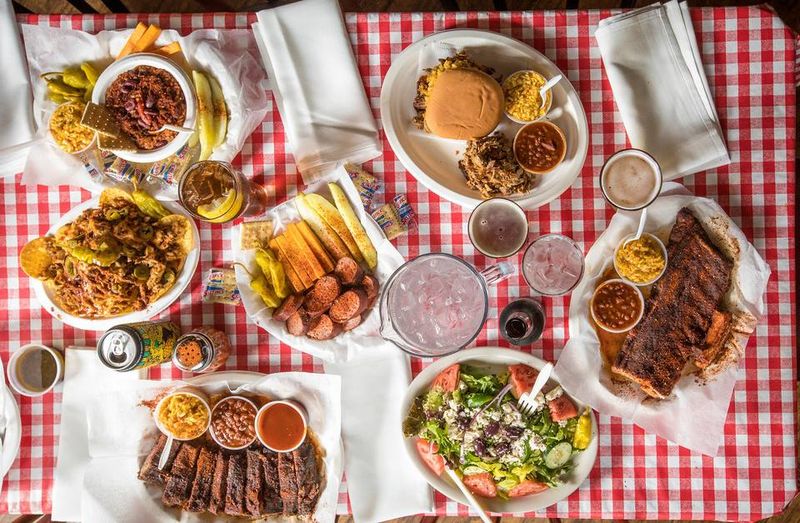
A Tennessee compliment can leave an outsider wondering whether dinner includes a vocabulary test. Familiar words often arrive with unexpected pronunciations, meanings, and plenty of personality.
Terms such as “tater” and “larrupin’” may sound puzzling at first. Regional accents can stretch, shorten, or reshape them even further.
The phrases rarely work literally. Instead, colorful comparisons replace plain comments about good food, messy eating, happiness, or poor decisions.
Context matters because the same expression can sound warm, playful, or critical. Locals understand the difference without stopping to explain every word.
Tone provides the best translation. A grin may signal teasing, while an eager second helping turns an unusual phrase into serious praise.
Body language helps too. A raised eyebrow, quick laugh, or approving nod can reveal more than the words themselves.
Once you learn to listen for context, the wording becomes easier to follow. Tennessee dinner talk still sounds colorful, but at least you will know when the cook deserves a compliment.
“Knock A Tater In The Head”
Few Tennessee phrases can make an outsider question dinner plans faster than this one. Thankfully, no potato violence is required.
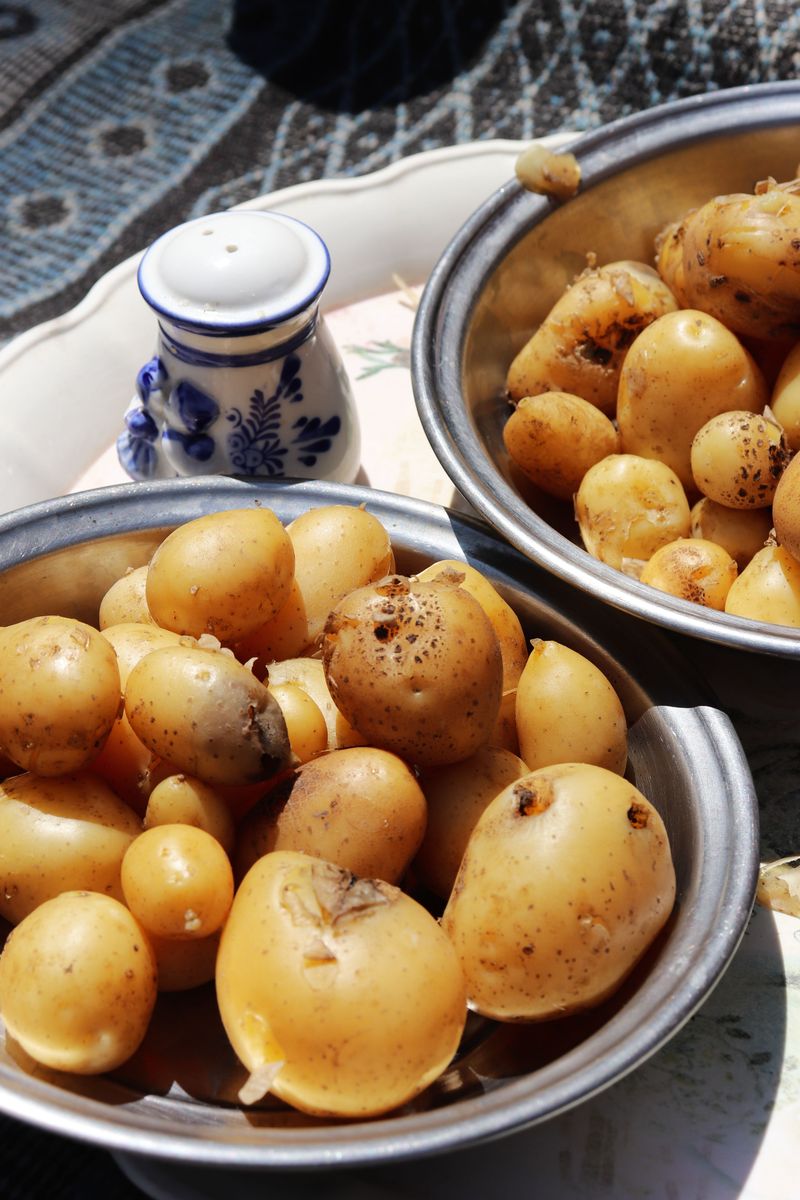
“Knock a tater in the head” is a playful way of saying it is time to prepare or eat a meal.
Cooks once relied heavily on touch and sound to judge doneness. Tapping the tater helped reveal whether the center had softened.
The phrase is often connected with older rural kitchen talk.
A firm potato answered with a solid thump. A fully cooked one produced a softer response and signaled supper was ready.
Potatoes became dependable staples in Appalachian and rural communities. They stored well, filled hungry families, and worked beside countless meals.
Both white potatoes and sweet potatoes earned regular places on Tennessee tables. Each could survive simple cooking and feed several people affordably.
Older relatives may still use the expression during cookouts or family meals. Everyone familiar with it understands the instruction without requesting clarification.
The phrase turns an ordinary cooking task into a memorable announcement. Apparently, even a potato needs a dramatic send-off before dinner.
“Larrupin’ Good”
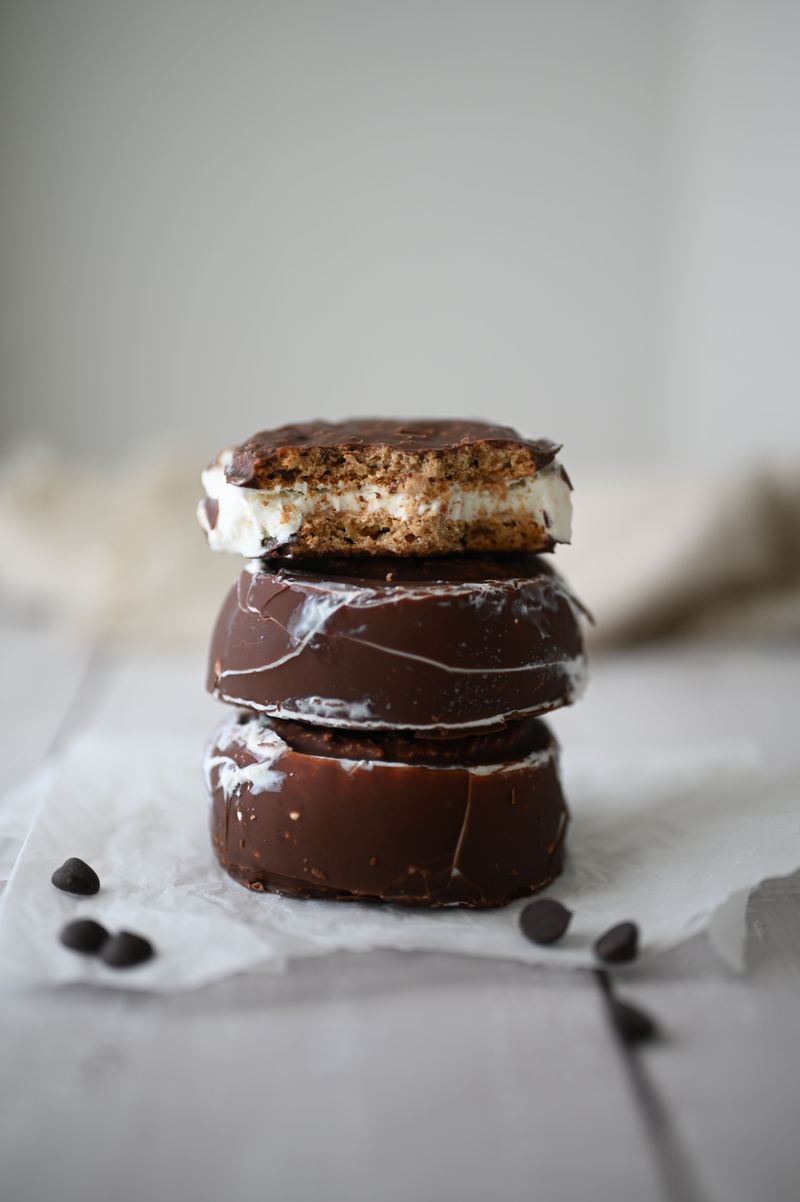
Calling food larrupin’ good is Tennessee praise with the volume turned all the way up. Ordinary compliments cannot compete.
The word describes something exceptionally delicious. It suggests a dish landed so well that polite approval seems far too weak.
Larrupin has circulated through Southern and Appalachian speech for generations. Its older roots may connect with words describing a powerful hit.
Tennessee diners use it as a serious compliment. Grandmother’s stack cake or slow-cooked ribs must earn the label through flavor.
Church suppers helped keep the expression alive. Once a dish received that praise, its cook usually brought it back every year.
Older generations in Middle and East Tennessee carried the word through everyday conversation. Family tables gave it plenty of practice.
Foods described this way often rely on patient cooking and trusted recipes. Generous seasoning also helps the argument.
Larrupin’ good means dinner did more than satisfy hunger. It arrived, impressed everyone, and left plain old “delicious” looking underdressed.
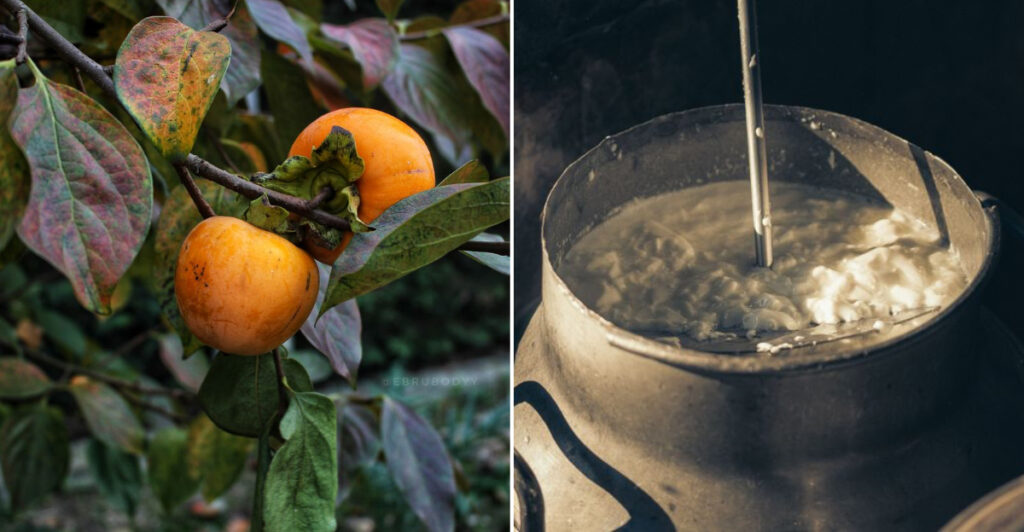
“Soiled Up Like A Possum Eating A Persimmon”
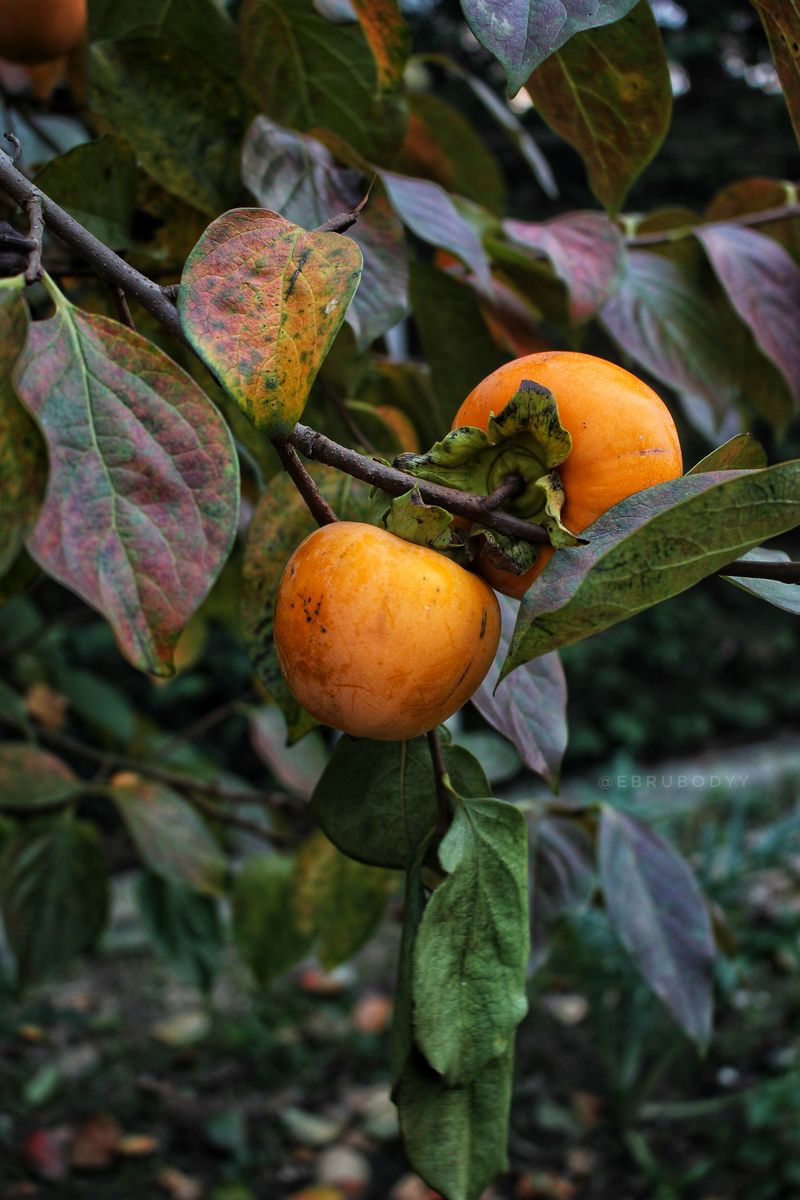
This phrase can stop an outsider before the first spoonful reaches the table. Its imagery is messy, specific, and impossible to forget.
“Soiled up like a possum eating a persimmon” describes someone covered in evidence from an enthusiastic meal. Face, hands, and clothing may all join the story.
Ripe persimmons are sweet, soft, and famously sticky. Eating one neatly can test even the most careful person.
Opossums enjoy the fruit with far less concern for table manners. Their enthusiastic approach gives the comparison its comic power.
The expression grew from communities familiar with Tennessee wildlife and seasonal foods. People living near woods understood the picture without needing an explanation.
Persimmons also appear in traditional puddings, breads, and fall recipes. Their place in local cooking gives the saying an extra layer of familiarity.
Using this phrase paints an entire scene in seconds. One messy eater can suddenly become the possum nobody expected at supper.
“Happy As A Mule Eating Briars”
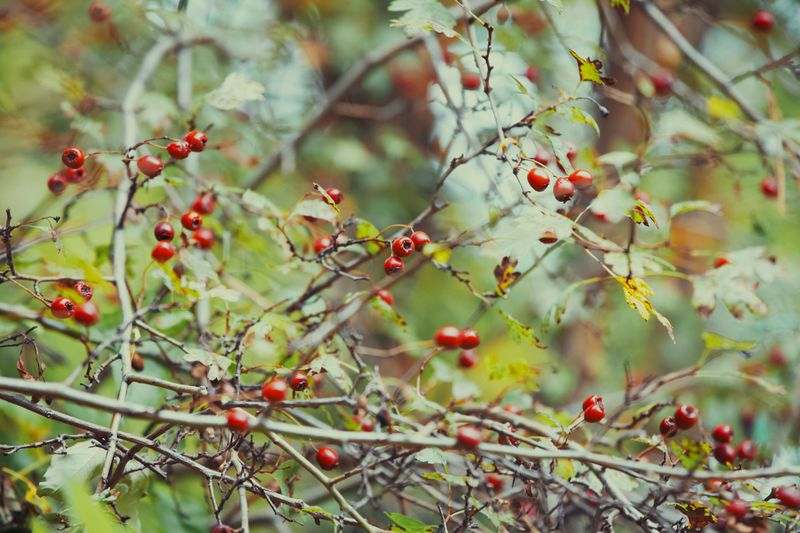
This saying sounds uncomfortable until Tennessee farm logic enters the conversation. Mules apparently set their own standards for happiness.
“Happy as a mule eating briars” describes someone enjoying an activity that looks unpleasant to everyone nearby. The person stays cheerful and fully content.
Briars are thorny plants that most people would avoid. A mule may chew them without showing much concern.
Mules played a major role on Tennessee farms before tractors became common. They plowed fields, hauled timber, and handled demanding daily work.
Farmers became familiar with their stubborn habits and independent personalities. Those observations naturally found their way into local speech.
The comparison usually carries affection instead of criticism. It praises someone who handles strange or difficult work without complaining.
You might hear it applied to a child enjoying unusual food. It also suits a neighbor happily tackling a chore everyone else avoids.
Tennessee turned stubborn contentment into a memorable compliment. The mule gets the briars, while the cheerful worker gets the praise.
“You Can’t Make Butter Out Of Manure”
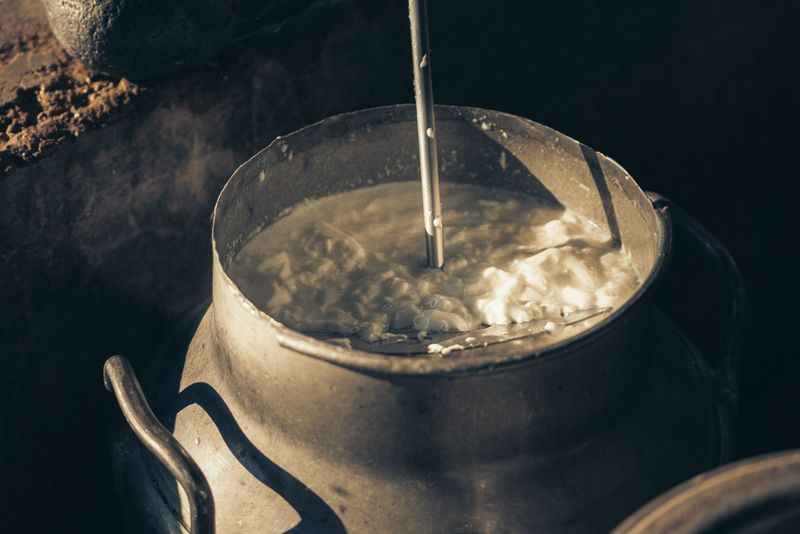
This Tennessee saying delivers farm wisdom without wasting a single polite word. The message is blunt, practical, and difficult to misunderstand.
“You can’t make butter out of manure” means poor starting material cannot produce an excellent result. Effort alone cannot rescue a hopeless foundation.
Butter-making once played an important role on rural homesteads. Families churned fresh cream for their own tables and local markets.
Good butter required quality cream from the beginning. Substitutes and wishful thinking could never repair inferior ingredients.
The phrase soon expanded beyond kitchen work. People used it for weak plans, poor decisions, and projects headed toward failure.
Appalachian communities valued direct language that solved long explanations quickly. This expression could replace an entire lecture with nine memorable words.
Older Tennessee residents may still use it when someone refuses to accept obvious limitations. Butter handles the lesson, while manure supplies the unforgettable punchline.
You Will Hear Tennessee Differently After Learning These Food Sayings
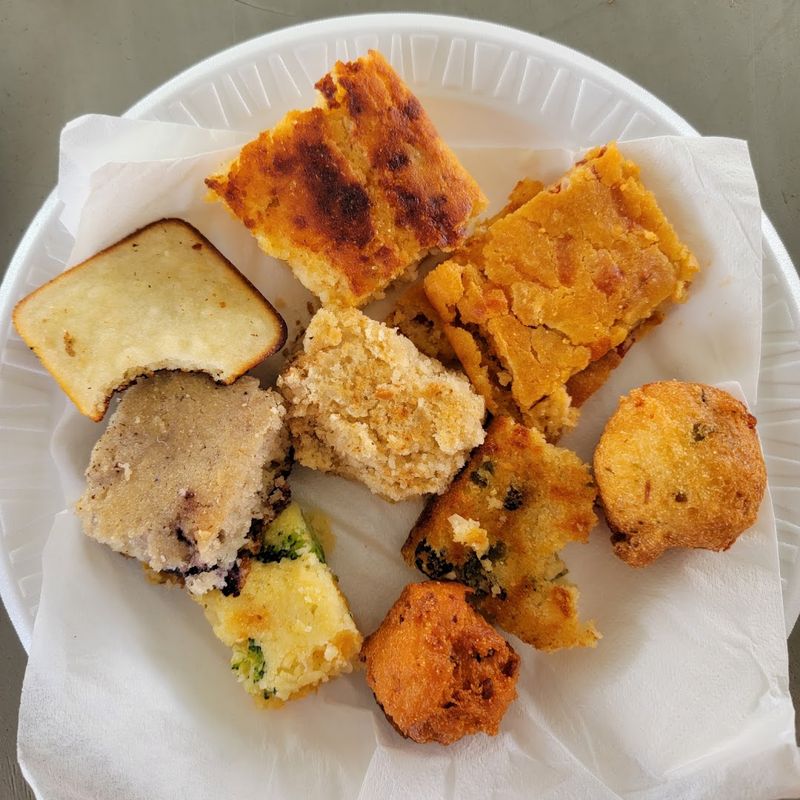
These sayings preserve Tennessee history without requiring a textbook. Each one carries work, food, humor, and family memory.
Colorful language survives because people enjoy repeating it. A funny comparison sticks longer than a plain explanation.
Farm kitchens, church suppers, and diner counters helped keep these expressions moving through generations. Every retelling gave them fresh life.
Travelers may hear the phrases during casual conversations around the state. Genuine curiosity can open longer discussions about recipes and relatives.
Locals may not realize how unusual their everyday wording sounds elsewhere. To them, the meaning arrives as naturally as passing the biscuits.
The expressions also reveal how closely earlier communities watched animals, weather, crops, and cooking. Daily life supplied endless material for memorable comparisons.
Tennessee food culture includes more than barbecue, hot chicken, and stack cake. Its language deserves a seat at the table too.
When someone calls supper larrupin good, accept the compliment. You have officially entered the tastiest part of the conversation.