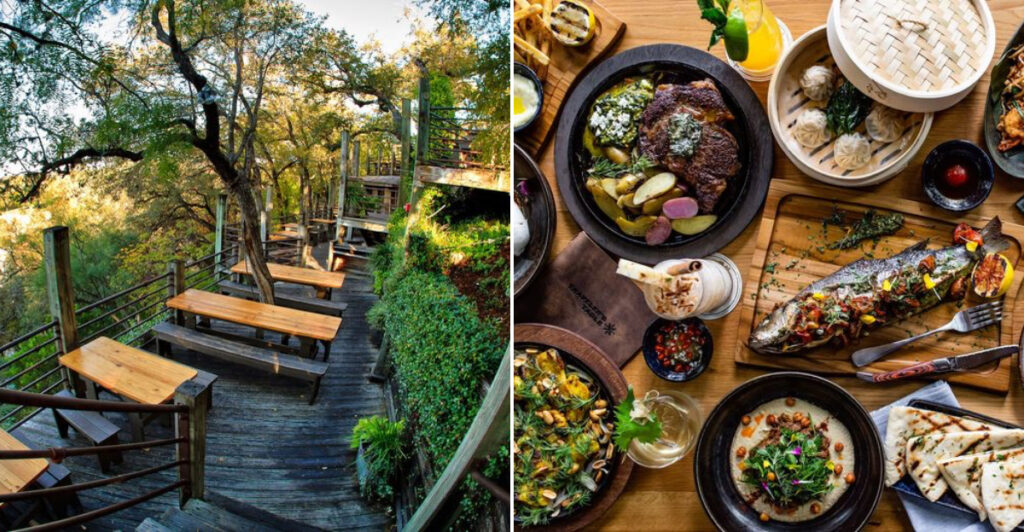
Texas diners understand that a long line can function like a roadside sign written entirely in appetite. You may consider leaving. The smell drifting outside usually destroys that plan.
This state rewards patient diners with river views, global dishes, tasting menus, and Southern cooking shaped by history.
You will find historic buildings, waterfront tables, ambitious kitchens, and meals people organize entire evenings around. Some crowds gather before opening.
Others appear when weekend reservations disappear. The strongest restaurants make waiting feel connected to anticipation instead of becoming an obstacle before dinner.
Bring patience and a backup conversation.
Both help when the doorway still looks distant. These places follow that idea, each proving a line outside can reveal how strongly people believe in what happens inside.
The wait eventually ends and the memories last much longer.
1. JOEY Dallas
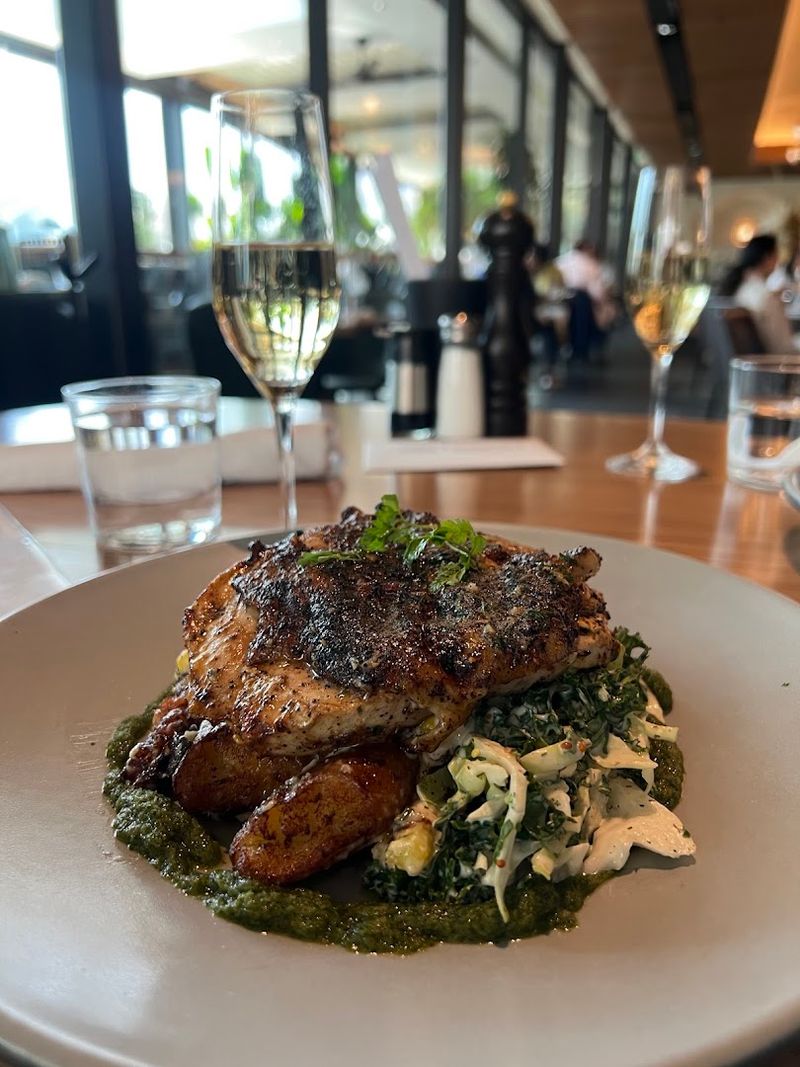
A broad menu becomes convincing only when the kitchen can handle sushi, steaks, pasta, and flatbreads with equal confidence.
JOEY Dallas operates at 8687 North Central Expressway, Suite 307, Dallas, Texas. NorthPark traffic keeps demand steady.
Shoppers contribute to the crowd, but dedicated diners arrive because several menu categories have developed their own followings.
Crispy rice with tuna brings texture. Lobster ravioli offers richer comfort.
The restaurant handles high volume without letting the dining room lose its energy, which matters during crowded weekend evenings.
Waits can build quickly. The location naturally increases demand.
Dallas offers endless upscale-casual competition, so consistency matters more than a striking interior or one heavily promoted dish.
JOEY has held attention across several categories. That range keeps groups satisfied.
One person can order sushi while another chooses steak, allowing mixed preferences to meet without turning dinner into a compromise.
Pasta broadens the choices further. Flatbreads make sharing easy.
Warm chocolate pudding cake closes memorably, especially after diners assumed the savory menu had already settled everything.
Dessert often earns repeat orders. The first spoonful explains why.
A visible line outside NorthPark signals that this restaurant has become more than a convenient stop between stores.
The mall brings traffic. Reliable cooking turns that traffic into loyal demand.
2. Barley Swine
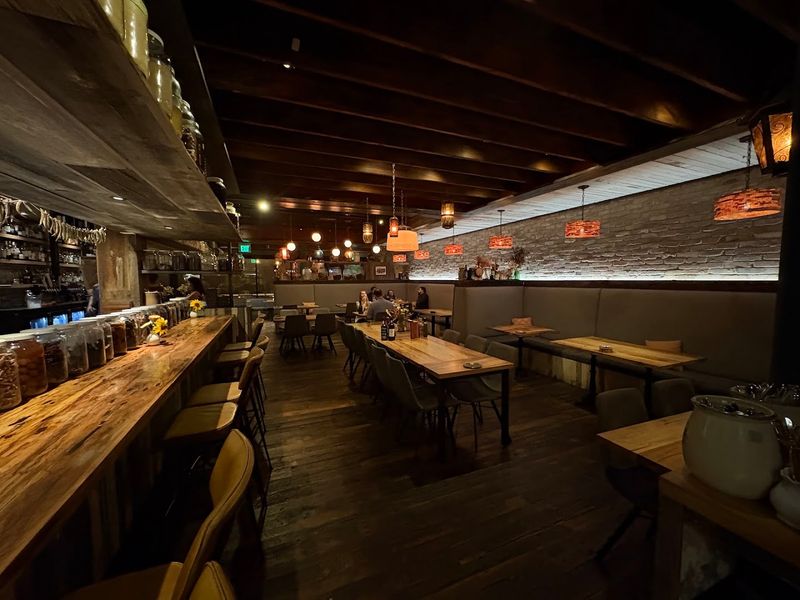
Austin diners enter this tasting-menu restaurant knowing the kitchen, nearby farms, and current season will guide nearly every course.
Chef Bryce Gilmore built the concept around local ingredients. Repetition was never the goal.
No two visits need to follow the same direction, because the menu responds to available produce and the kitchen’s newest ideas.
Barley Swine operates at 6555 Burnet Road, Suite 400, Austin, Texas. Reservations remain the safest route inside.
The tasting format asks diners to trust the kitchen instead of choosing familiar favorites from a long permanent menu.
That trust creates anticipation. Every course becomes a reveal.
Gilmore’s recognition from the James Beard Foundation strengthened the restaurant’s national profile without changing its seasonal approach.
Austin noticed early. Demand has stayed serious.
Walk-in hopefuls may still wait for limited opportunities, especially when reservations disappear before a planned evening begins.
Patience becomes part of the gamble. Success brings a carefully structured meal.
The restaurant succeeds by making local sourcing feel essential rather than decorative, because each ingredient affects the menu’s immediate direction.
Farms influence the plate. Creativity shapes the final presentation.
Barley Swine remains part of Austin’s strongest dining conversations by refusing to repeat a formula simply because it worked before.
The menu changes constantly. The restaurant’s purpose stays remarkably clear.
3. Gristmill River Restaurant
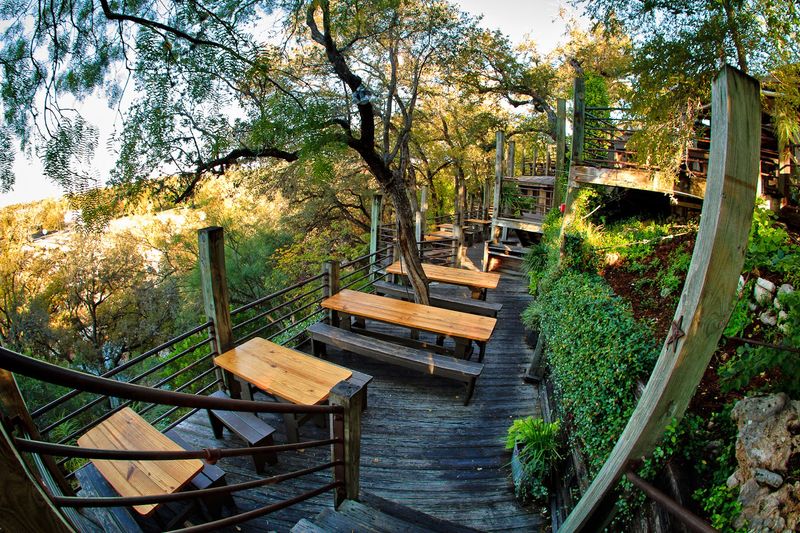
Historic Gruene gives this restaurant a setting few Texas dining rooms can match, especially when open-air decks overlook the Guadalupe River.
The menu stays proudly familiar. Chicken fried steak carries serious weight.
Burgers, ribs, and catfish give hungry visitors several dependable routes through a meal built for larger appetites.
Gristmill River Restaurant operates at 1287 Gruene Road, New Braunfels, Texas. The former cotton-gin setting dates to 1878.
That history does more than decorate the meal, because diners can see old stone, weathered structure, and river scenery around them.
The surroundings slow everyone down. The crowd rarely seems surprising.
Weekend demand grows quickly when warm weather brings more visitors into Gruene and onto the river below the decks.
Outdoor tables become especially valuable. Waiting often begins earlier than expected.
Chicken fried steak remains a natural first order, pairing crisp coating and cream gravy with the restaurant’s confident Texas identity.
Catfish provides another regional direction. Ribs satisfy anyone arriving especially hungry.
The historic district adds more energy outside, making dinner part of a longer afternoon around one of the state’s best-known destinations.
Pecan pie deserves advance planning. Dessert space can disappear quickly.
A line here signals more than popularity, because the combination of scenery, history, and comfort food is difficult to reproduce elsewhere.
The river handles the view. The kitchen gives people their strongest reason to stay.
4. Seven Doors Kitchen
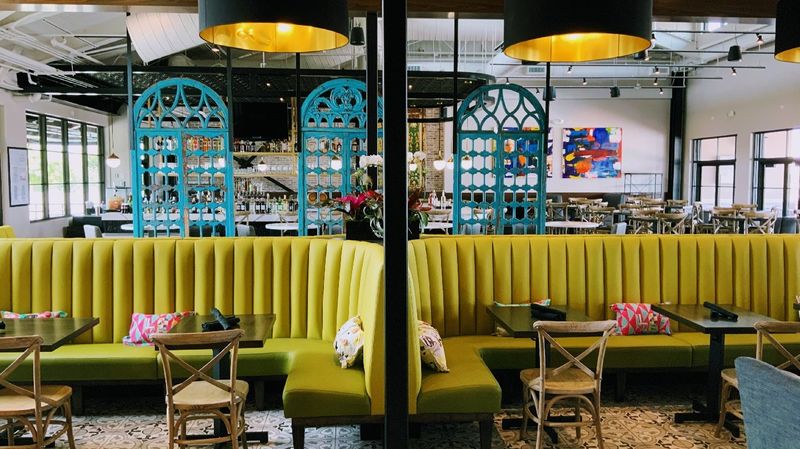
Grandscape already draws large crowds, yet this restaurant has created demand that cannot be explained by surrounding entertainment alone.
Seven Doors Kitchen operates at 5774 Grandscape Boulevard, Suite 205, The Colony, Texas. The location sits inside the massive development.
Contemporary American dishes use seasonal ingredients and clean presentations, giving diners variety without making every plate unnecessarily complicated.
Brunch attracts one crowd. Dinner builds another.
Short rib brings slow-cooked richness, while pan-seared salmon offers a lighter preparation shaped by precision and restraint.
Those dishes show range clearly. Both suit different appetites.
Foot traffic helps fill the surrounding area, but lines grow because visitors increasingly treat the restaurant as their main destination.
The food does the convincing. The development supplies additional energy.
Busy evenings can bring longer waits when shoppers, entertainment visitors, and dedicated diners arrive within the same narrow window.
Timing becomes important. Reservations reduce uncertainty.
The kitchen works beyond standard development dining expectations, which helps Seven Doors feel connected to Grandscape without depending entirely upon it.
That independence matters. Repeat diners return for specific dishes.
A newer restaurant earns lasting attention only when curiosity becomes loyalty, and the crowd suggests that transition happened quickly here.
The line moved fast in reputation terms. Actual dinner lines may require more patience.
5. The Vintage House Restaurant
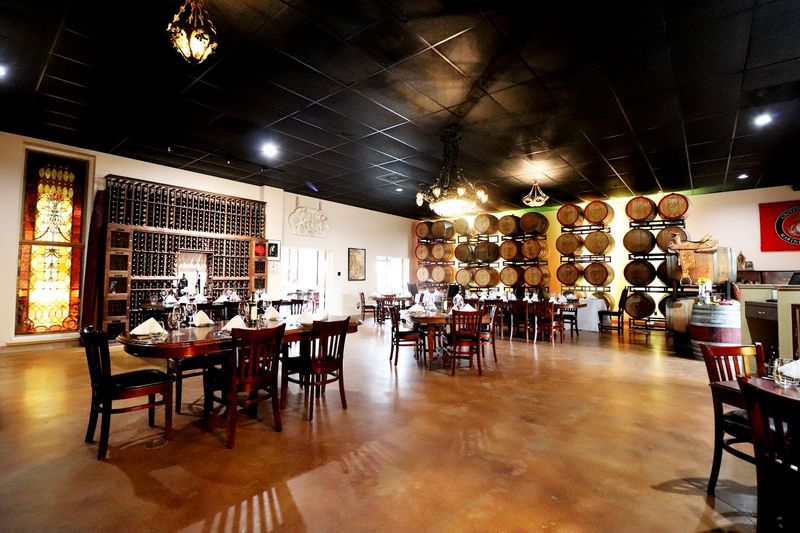
A converted farmhouse gives this Brazos Valley restaurant a setting that immediately separates it from ordinary special-occasion dining rooms.
Seasonal American cooking leads the menu. French technique shapes several preparations.
The Vintage House Restaurant operates at 4545 Old Reliance Road, Bryan, Texas, on a historic property with outdoor garden spaces.
Beef tenderloin and pan-seared duck reflect the kitchen’s patient approach, especially when classic methods guide every carefully timed plate.
The restaurant does not rush preparations. Diners should not rush the evening.
Garden areas support private events, giving the property a second identity without weakening the intimacy of regular dinner service.
Both sides receive attention. The farmhouse remains central.
Bryan’s connection with nearby Texas A&M University brings a curious local audience, while visitors also arrive from larger surrounding cities.
That broader reach increases demand. Friday reservations become especially valuable.
The restaurant suits anniversaries, celebrations, and evenings when the setting should carry as much meaning as the meal itself.
Historic character helps. Careful cooking completes the occasion.
Waiting without a reservation can become difficult because the dining room’s appeal depends partly on its limited, intimate atmosphere.
Scarcity shapes demand. Planning protects the experience.
The Vintage House rewards planners, turning a drive outside Bryan into a dinner with a genuine sense of place.
6. Traveler’s Table
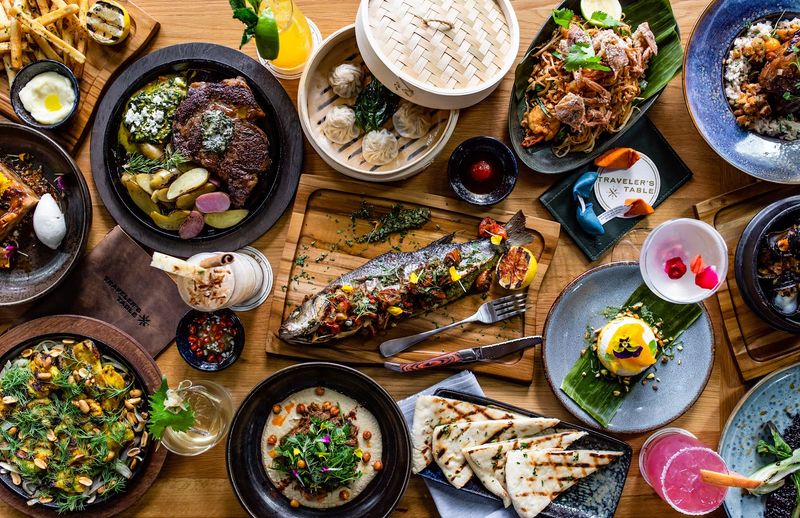
Traveler’s Table builds its identity around internationally inspired dishes that let Houston diners cross several culinary borders during one meal.
The menu changes regularly. Seasonal ingredients keep repeat visits interesting.
Thai-style noodles may share space with North African stews or Latin American small plates, creating a menu without one narrow definition.
Houston suits that ambition naturally. The city’s diversity gives the concept real context.
Weekend brunch attracts strong interest as diners gather early for a menu treating morning food as more than eggs and toast.
The room fills steadily. The line confirms brunch has become a ritual.
Each dish aims to represent an idea clearly without turning the plate into a crowded collection of unrelated influences.
Thoughtful sourcing supports that approach. Careful execution keeps the concept grounded.
The best meal usually combines several smaller choices, allowing the table to compare flavors instead of committing to one familiar direction.
Sharing improves the experience. Curiosity becomes the strongest ordering strategy.
Traveler’s Table stands apart in Houston because the kitchen keeps moving while preserving enough discipline to make every dish feel intentional.
That balance earns repeat visits. The next menu may bring another discovery.
Traveler’s Table operates at 520 Westheimer Road, Houston, Texas, where weekend crowds often begin forming before brunch reaches full speed.
7. Culinary Dropout
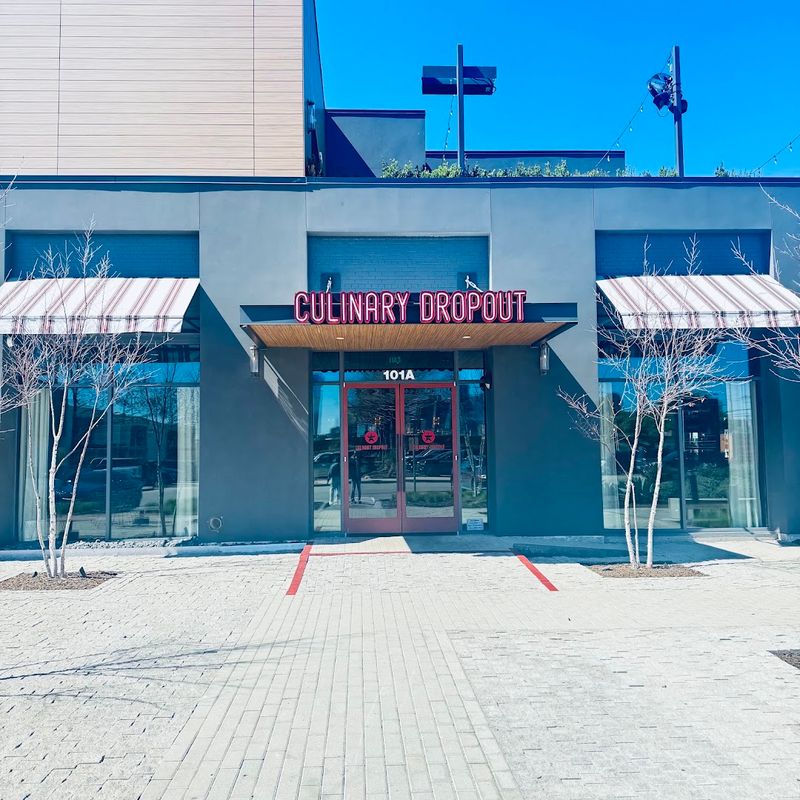
Culinary Dropout uses a playful name, but its kitchen treats familiar comfort dishes with enough skill to create dependable weekend demand.
Warm pretzels with cheese dip disappear quickly. Crispy chicken attracts equal enthusiasm.
Deviled eggs offer a smaller beginning before rotisserie chicken or another substantial entree takes control of the table.
The space handles large crowds. Weekend waits still remain common.
Indoor and outdoor seating help absorb demand, yet Dallas diners continue arriving faster during the busiest dinner periods.
Capacity alone cannot solve popularity. Consistency keeps the pressure high.
Fox Restaurant Concepts built the brand around approachable flavors served with stronger execution than casual expectations might suggest.
Dallas responded to that formula. The energy fits the city well.
Rotisserie chicken shows how a simple protein can become memorable when careful cooking, roasted garlic jus, and confident seasoning work together.
Familiarity attracts diners first. Details bring them back.
The restaurant creates a social atmosphere without letting food become background decoration, keeping longer waits tied to a complete experience.
Conversation fills the gap. Anticipation handles the rest.
Culinary Dropout operates at 150 Turtle Creek Boulevard, Suite 101, Dallas, Texas, where busy weekends test its generous capacity.
8. Roots Southern Table
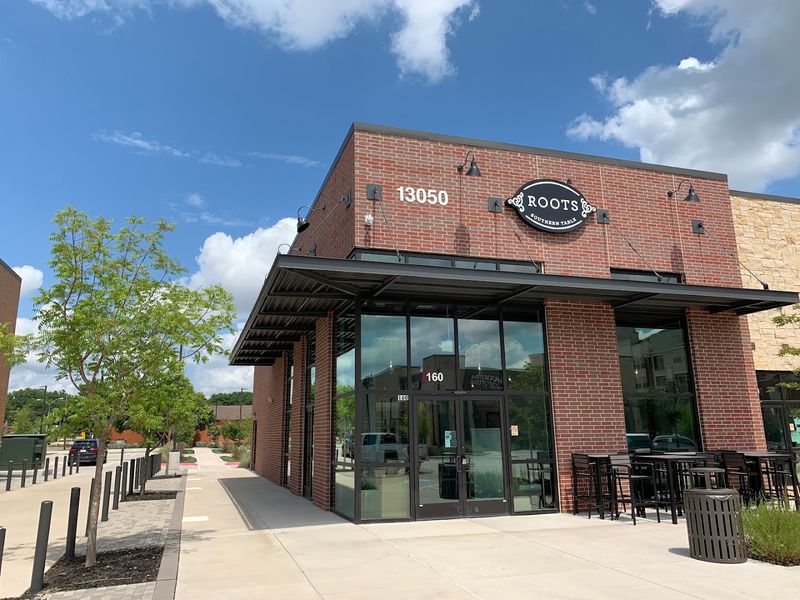
Chef Tiffany Derry uses Southern food traditions as a foundation, then broadens the conversation through modern technique and personal history.
Her Texas and Louisiana upbringing shapes the menu. Black culinary heritage gives it deeper purpose.
Cast-iron cornbread and oxtail have drawn significant attention because both dishes connect recognizable comfort with more deliberate storytelling.
Roots Southern Table operates at 13050 Bee Street, Suite 160, Farmers Branch, Texas. Weekend reservations can disappear quickly.
Derry’s James Beard Award nomination brought early attention, but the restaurant’s staying power comes from the food.
Purpose becomes visible on every plate. Technique supports rather than hides tradition.
Southern cuisine often gets reduced to several familiar dishes, while this menu presents a broader and more historically grounded view.
That correction matters. Diners receive both pleasure and perspective.
Walk-in waits can stretch on busy evenings, especially when people arrive hoping to secure a table after reservations are gone.
The demand reflects rarity. Few restaurants combine this clarity with equal warmth.
The meal makes an argument about what Southern food includes, who shaped it, and how those traditions can keep moving forward.
People arrive curious. Many leave understanding more.
Roots has become one of North Texas’s strongest dining destinations because the experience carries flavor, identity, and intention together.
9. State of Grace
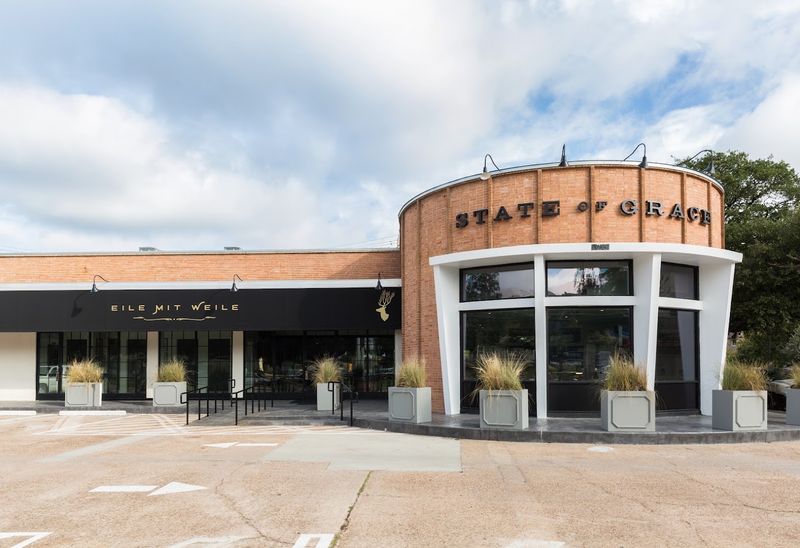
State of Grace interprets Southern coastal cooking through Gulf seafood, wood-fired preparations, and a dining room designed around warmth.
The restaurant opened in 2015. Chef Ford Fry shaped it as a personal project.
Fresh Gulf oysters lead the raw selection, while availability determines which varieties reach the table during each visit.
Houston’s coastal access strengthens the kitchen. Seafood can speak clearly.
Wood-fired whole fish and cast-iron Gulf shrimp show how restraint can create memorable dishes without burying ingredients beneath unnecessary additions.
Fire brings character. Careful seasoning finishes the work.
Natural materials and warm wood tones connect the dining room with the menu’s coastal Southern direction.
That alignment feels deliberate. The setting never competes with the food.
Weekend demand remains strong, especially for parties arriving without confirmed reservations during the busiest evening hours.
The wait can stretch. Preferred seating requires even more patience.
Ford Fry’s wider restaurant background brings experience, yet State of Grace distinguishes itself through personal connection and Gulf-focused identity.
Houston diners recognize that difference. The room stays active.
State of Grace operates at 3258 Westheimer Road, Houston, Texas, where weekend crowds continue proving coastal cooking has earned inland loyalty.
10. Amrina
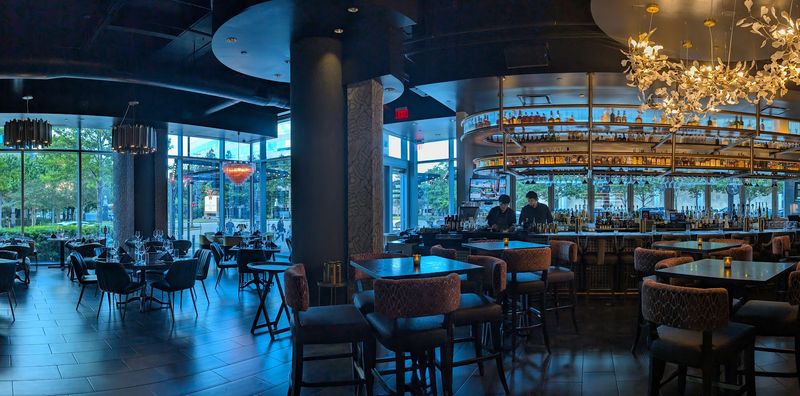
Modern Indian cooking meets a scenic waterside setting here, giving The Woodlands one of its most visually distinctive dining experiences.
Amrina operates at 3 Waterway Square Place, Unit 100, The Woodlands, Texas. Outdoor tables become especially popular on warm evenings.
Regional Indian traditions guide the menu, while contemporary presentation gives familiar preparations a more refined visual language.
The tandoor supplies vital character. Naan arrives properly charred.
Seekh kebab and other tandoor dishes display the kitchen’s control of smoke, seasoning, and heat across several textures.
Butter chicken offers a richer route. Balanced spice keeps the sauce precise.
The Woodlands has grown into a dining destination beyond Houston, and this restaurant has contributed strongly to that shift.
Residents support the room. Waterway visitors add constant interest.
Traditional Indian sweets share dessert space with more contemporary choices, letting the final course preserve the menu’s cultural direction.
Sweetness arrives with context. The meal closes coherently.
Outdoor seating can fill quickly because the Waterway view gives diners another reason to wait beyond the menu itself.
Scenery attracts attention. Food turns the evening into something memorable.
Amrina succeeds by giving modern presentation, regional flavor, and waterfront atmosphere equal importance without allowing one element to overwhelm another.