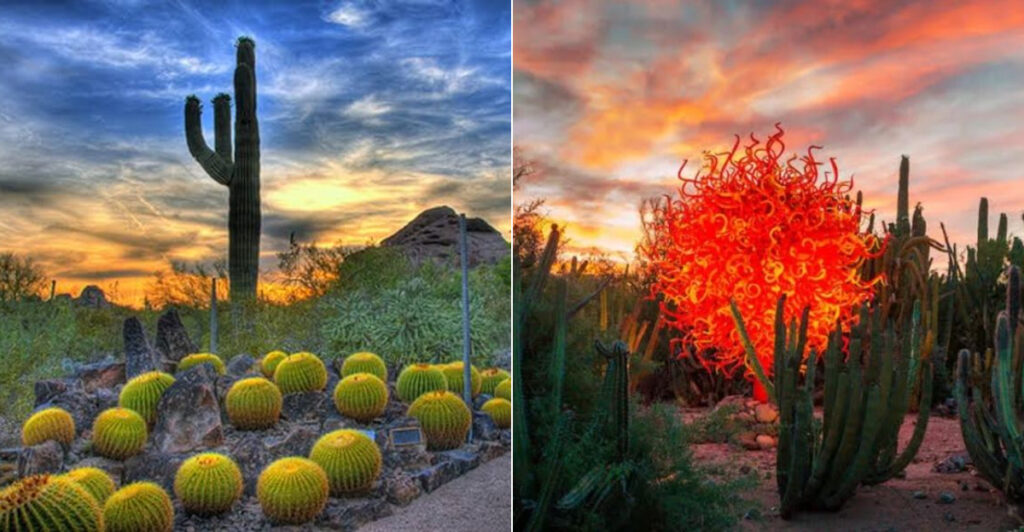
Arizona’s natural beauty gets a new dimension here, waiting to be discovered and enjoyed. Spanning over 140 acres, this botanical garden showcases more than 50,000 plants from deserts across the globe.
Walking along its trails, you encounter towering saguaro cacti, vibrant wildflowers, and unusual desert plants that feel almost otherworldly against the warm Arizona sun.
The layout invites exploration, with paths winding through carefully curated collections that offer surprises at every turn.
Arizona is famous for dramatic landscapes, towering red rocks, and sunsets that seem to set the sky on fire, but there’s a space that offers a different kind of wonder.
Photography lovers will spot endless colors and textures, and anyone wanting calm can enjoy a peaceful walk away from the city.
Have you ever wondered what a desert in full bloom could look like up close? This garden proves it’s more than just a collection of plants.
It’s an immersive outdoor experience that inspires awe.
A Garden Born From Desert Passion
Back in 1939, a small group of plant lovers had a big idea.
They wanted to create a place where the world could see and appreciate desert plants up close. That idea became the Desert Botanical Garden, located at 1201 N Galvin Pkwy, Phoenix, AZ 85008.
The garden was founded by the Arizona Cactus and Native Flora Society, a group that truly believed the Sonoran Desert was worth celebrating.
Their vision was bold for its time. Most people saw desert plants as dry and forgettable.
These founders saw art, science, and beauty.
Today, the garden is one of only a handful of botanical gardens in the world dedicated entirely to desert plants.
It holds a collection that includes over 139 rare, threatened, or endangered species. That is not just impressive, it is historically significant.
The founders chose Papago Park for good reason.
The red sandstone buttes and natural desert landscape made it the perfect backdrop.
Standing in the garden today, you can feel that original passion still alive in every trail and planting bed.
It is a place built by people who cared deeply, and that feeling never left.
What 50,000 Plants Actually Look Like
Most people picture a botanical garden as rows of pretty flowers in neat little beds.
The Desert Botanical Garden is nothing like that.
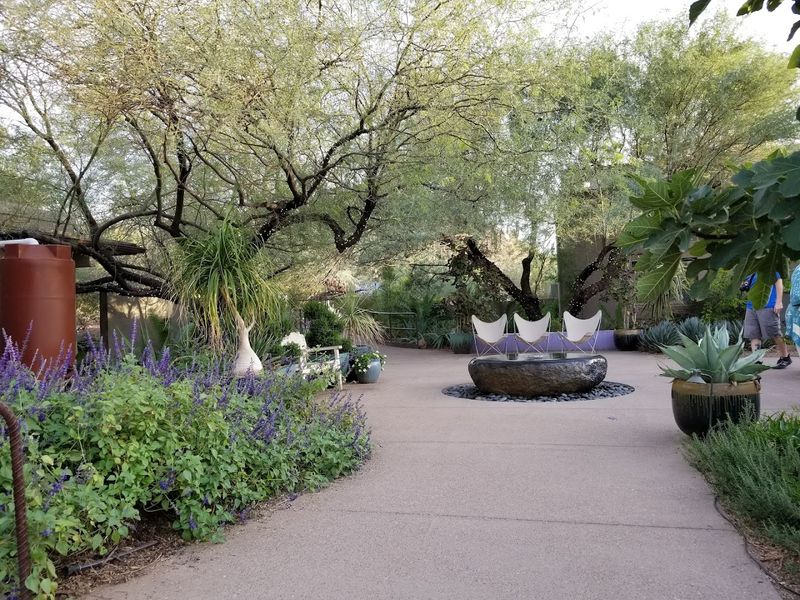
This place is wild, layered, and full of texture you did not expect to find in the middle of a city.
The garden holds more than 50,000 plants across 140 acres.
Walking through it feels like moving through several different desert worlds at once.
One moment you are surrounded by towering saguaro cacti that stand taller than most houses.
The next, you are passing through a dense forest of cholla and prickly pear.
Seasonal blooms transform the landscape throughout the year, so no two visits ever look the same. Spring is especially spectacular when wildflowers carpet the ground in orange, yellow, and purple.
The plant collection is organized into themed trails, which makes it easy to explore without feeling overwhelmed.
Each trail highlights different plant families or desert regions from around the world.
You will find plants from the Chihuahuan Desert, the Mediterranean, and South America all within walking distance of each other.
The sheer variety is what gets most visitors.
People come expecting spiky green plants and leave talking about colors and shapes they had never seen before. The desert has range, and this garden shows every bit of it with confidence.
Five Trails, Five Completely Different Experiences
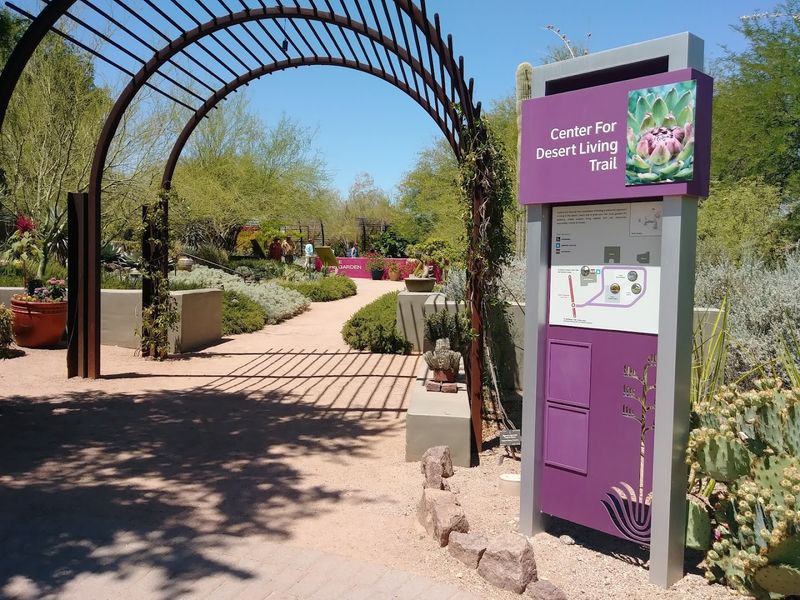
The garden is organized around five main trails, and each one tells a different story.
You do not have to walk all five in one visit, but you might want to try once you get started.
The trails are easy to follow and clearly marked, making them great for all ages and fitness levels.
The Plants and People of the Sonoran Desert Trail is one of the most popular.
It explores how native communities have used desert plants for food, medicine, and building materials for thousands of years.
It puts a human face on the landscape in a way that is genuinely moving.
The Desert Discovery Loop is perfect for first-time visitors. It gives you a broad overview of the garden and introduces you to the major plant collections.
If you only have an hour, this is the trail to take.
Did you know there is a trail specifically designed for desert wildflowers?
The Desert Wildflower Loop is at its best from February through May, when the garden bursts into color.
It is one of the most photographed spots in all of Phoenix, Arizona during peak bloom season.
The Harriet K. Maxwell Desert Wildflower Loop and the Sonoran Desert Nature Loop round out the five options.
Together, they cover a wide range of terrain, plant families, and ecological stories.
Each path rewards slow walkers who stop often and look closely. The garden rewards curiosity above almost everything else.
The Sonoran Desert Up Close And Personal
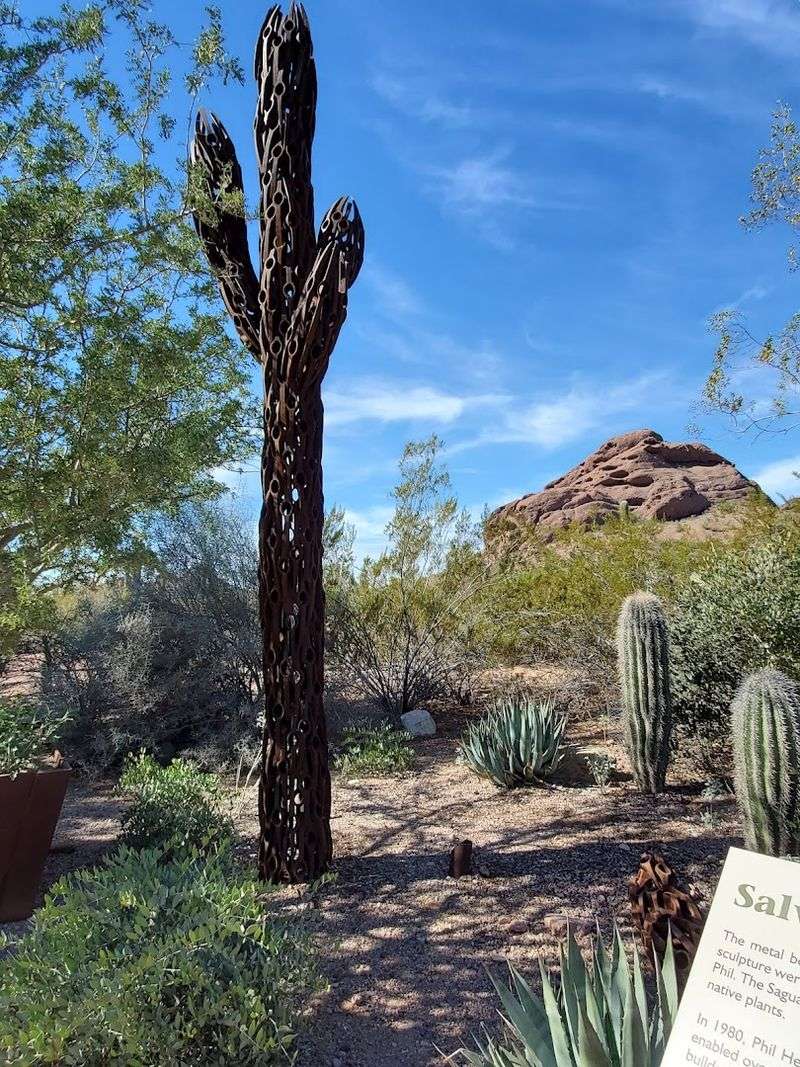
The Sonoran Desert is one of the most biologically rich deserts on Earth, and the garden gives you front-row access to all of it.
This is not just a place to look at plants behind a fence.
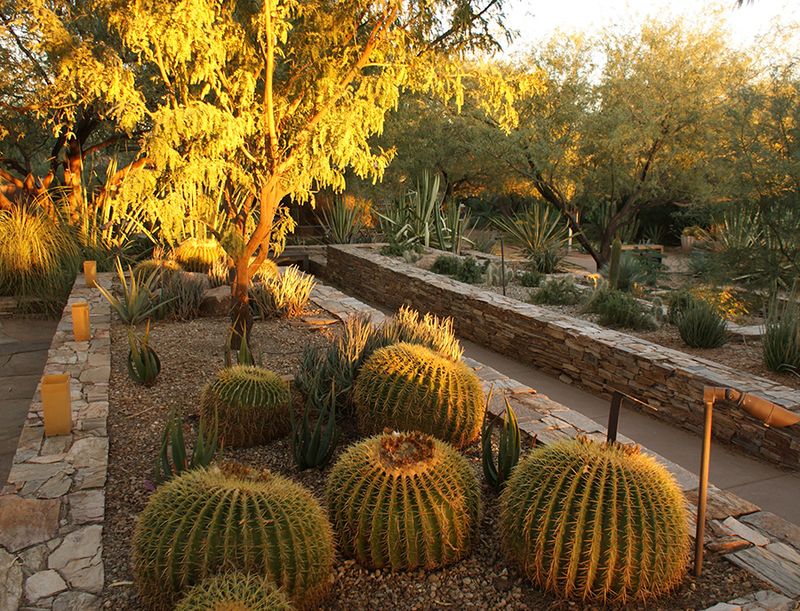
You walk right through the landscape, close enough to notice the tiny spines on a barrel cactus or the waxy coating on an agave leaf.
The saguaro cactus is the undisputed star of the Sonoran Desert.
These giants can live for over 150 years and grow arms only after reaching about 75 years of age. Standing next to one in the garden, you realize just how patient and powerful nature can be.
What surprised many visitors is how much wildlife shares the space.
Roadrunners dart across the paths. Cactus wrens build nests inside saguaro trunks.
Hummingbirds hover near blooming ocotillo plants. The garden is a full ecosystem, not just a plant display.
The Sonoran Desert section of the garden feels authentic and unscripted. It is the kind of place that reminds you how extraordinary ordinary nature can be when you actually slow down and pay attention.
Art Meets Desert In The Most Unexpected Way
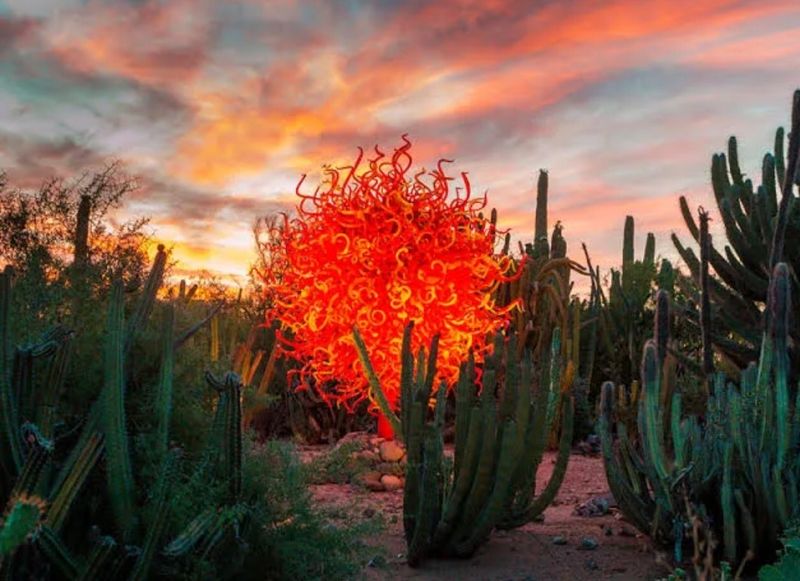
Not many botanical gardens double as an art gallery, but this one does it beautifully.
The Desert Botanical Garden has a long history of hosting world-class art installations, and the combination of sculpture and desert landscape is genuinely breathtaking.
The most famous collaboration has been with glass artist Dale Chihuly.
His vivid, swirling glass sculptures have been displayed throughout the garden on multiple occasions, and photos from those exhibitions spread around the internet like wildfire.
Seeing a bright orange glass tower rising out of a bed of cacti is not something you forget quickly.
Beyond Chihuly, the garden regularly features rotating exhibitions from local and international artists. The outdoor setting transforms each artwork in ways that a traditional gallery never could.
Sunlight, shadows, and desert wind become part of every piece on display.
The connection between art and nature here feels intentional and thoughtful, not forced.
The curators understand that the desert itself is already a work of art.
The human-made pieces simply start a conversation with it.
For anyone who loves both creative expression and the natural world, this is a combination that genuinely delivers.
It is the kind of pairing that makes you look at both things differently.
Best Times To Visit And What To Expect
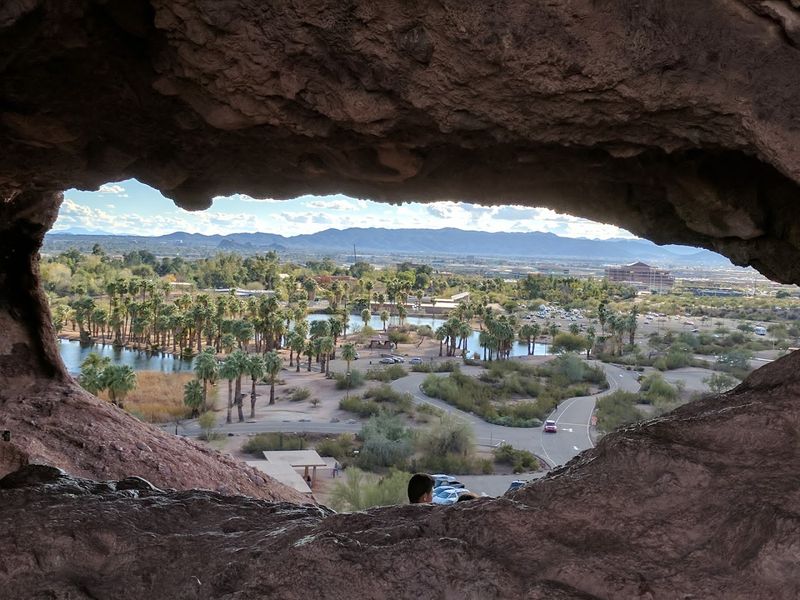
Timing your visit to the Desert Botanical Garden can make a big difference in what you experience. The garden is open year-round, but each season brings something completely different to the landscape.
Knowing what to expect helps you plan the visit that fits your style.
Spring, from February through April, is peak season. Wildflowers bloom in waves of color, temperatures are comfortable, and the garden is at its most photogenic.
This is also the busiest time, so arriving early on weekdays is a smart move if you prefer a quieter experience.
Summer in Phoenix is hot, there is no getting around that. But the garden adapts beautifully.
Many visitors come at opening time, around 7 a.m., when the desert is still cool and golden.
The summer monsoon season also brings dramatic afternoon skies and a surge of new plant growth that is surprisingly lush.
Fall is underrated. October and November bring comfortable temperatures and smaller crowds.
The light during these months has a warm, amber quality that photographers love.
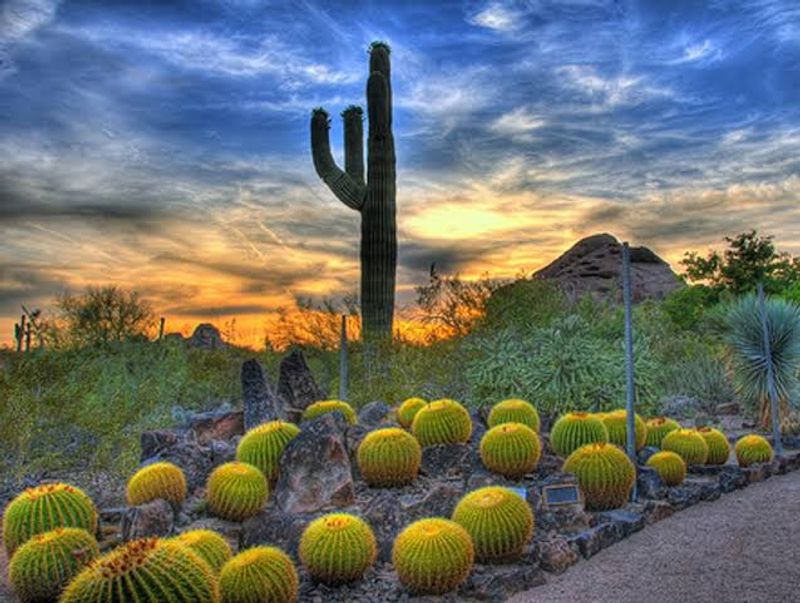
Have you ever seen a saguaro silhouetted against a November sunset? It is the kind of image that stays with you.
Winter visits offer a quieter, more reflective experience.
Some plants bloom even in December and January, and the cooler air makes long walks genuinely enjoyable.
The garden also hosts seasonal events during the holiday period that draw families from across the state. Every season has its own personality here.
Family-Friendly Features That Actually Impress

Traveling with kids can turn any attraction into a logistical puzzle.
The Desert Botanical Garden has clearly thought about families, and the result is a place where children are genuinely engaged rather than just dragged along for the ride.
The garden has a dedicated children’s area called the Ullman Terrace.
It features hands-on activities, interactive exhibits, and sensory-friendly design.
Kids can touch plants, explore naturalist stations, and learn about desert animals in ways that feel like play rather than a school lesson.
Junior Ranger programs and guided family tours are available on select days throughout the year. These programs are led by knowledgeable educators who know how to make science exciting for young minds.
Parents often say their kids leave asking more questions than they arrived with, which is exactly the right outcome.
What makes this place work so well for families is the open space. Kids can move freely without worrying about breaking anything.
The trails are wide and paved in most areas, making strollers and small children easy to manage. There are also shaded rest areas where families can stop and regroup without feeling rushed.
Practical Tips Before You Go
A little planning goes a long way when visiting the Desert Botanical Garden.
Parking is available on-site, and the lot fills up quickly on spring weekends, so arriving before 9 a.m. is a solid strategy.
Admission tickets can be purchased online in advance, which saves time at the gate.
The garden also offers annual memberships that pay for themselves after just two visits.
Wear comfortable walking shoes with good grip.
Some sections of the trail have uneven surfaces, and the desert terrain can be unpredictable.
A hat, sunscreen, and a water bottle are non-negotiable in Arizona, even on mild days.
The garden has water refill stations along the trails, which is a thoughtful touch.
The garden has a cafe and a gift shop near the entrance.
The cafe serves light meals and snacks, making it easy to spend a full morning or afternoon without needing to leave.
The gift shop carries books, seeds, and locally made products that make genuinely meaningful souvenirs.
Is there a better way to spend a Phoenix morning than walking through 140 acres of living desert? The answer is almost certainly no.
Come ready to be surprised, and bring your camera because you will want to remember every single step.