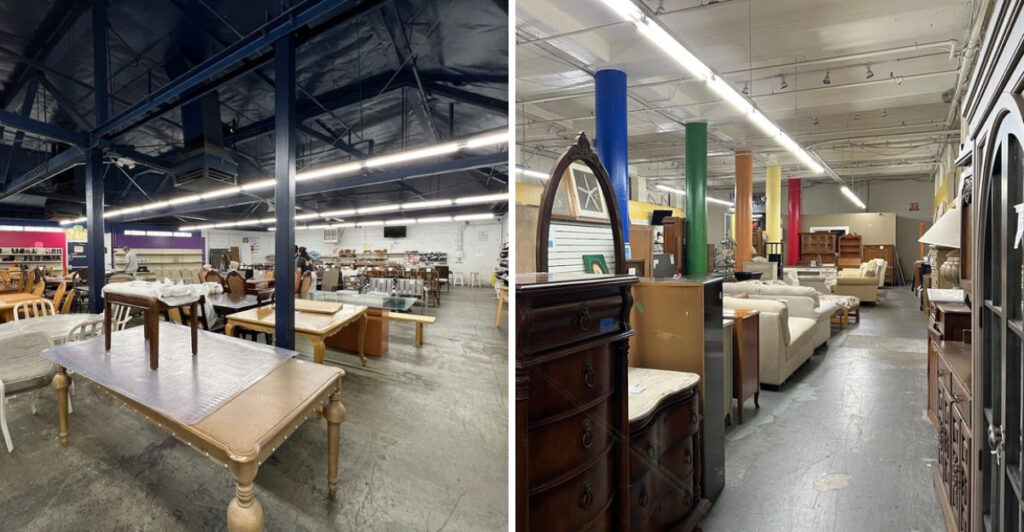
California’s thrift scene is legendary, but nothing quite prepares you for this place. It is massive, it is loaded, and it delivers the kind of finds that send shoppers straight back to the parking lot to grab a bigger bag.
I am talking furniture that belongs in a design magazine, clothing racks packed with vintage gold, collectibles that serious pickers drive hours to chase, and an inventory that flips constantly so every visit feels brand new.
California does not hand out reputations like this easily. This store has earned every bit of its giant status through sheer scale and a mission rooted in over a century of community service
Show up early, wear comfortable shoes, and bring patience. You are going to need all three.
A Store That Earns Its Giant Reputation
Size is not just a selling point here, it is practically the whole personality. The Society of St. Vincent de Paul Los Angeles Thrift Store is widely considered one of the largest thrift stores in all of Los Angeles County.
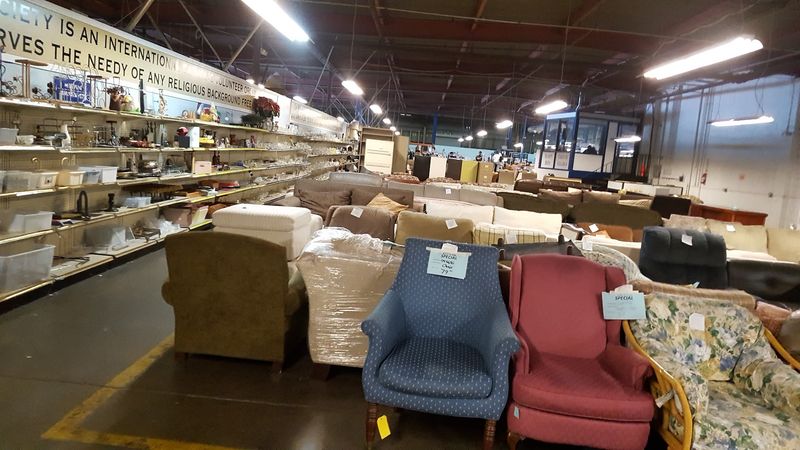
Entering for the first time feels a little like walking into an indoor swap meet, with row after row of merchandise stretching in every direction. The scale genuinely catches people off guard, even those who have visited plenty of California thrift stores before.
What makes the size matter is not just the floor space but what fills it. New donations arrive on a daily basis, which means the inventory is constantly rotating.
Regulars know that timing a visit well can lead to some seriously exciting finds. First-timers, meanwhile, tend to underestimate how long they will need, and almost always come back for a second look.
The Society of St. Vincent de Paul Los Angeles Thrift Store is located at 210 N Avenue 21, Los Angeles, CA.
The Scale Of The Selection Inside
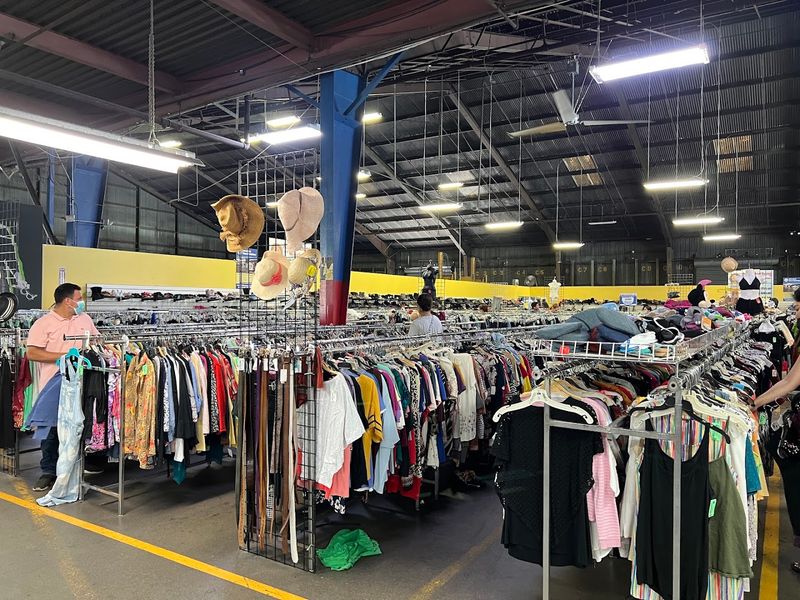
Few thrift stores anywhere in California can match the sheer breadth of categories available under one roof here.
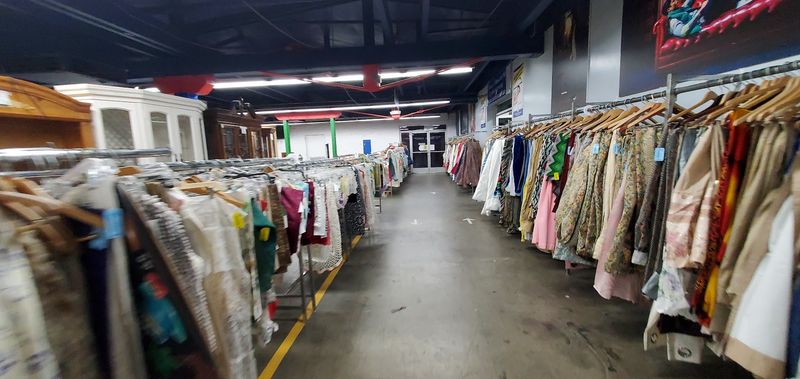
Clothing covers an enormous section of the floor, broken down by type, gender, and size, making it far easier to navigate than the chaotic piles found at smaller shops.
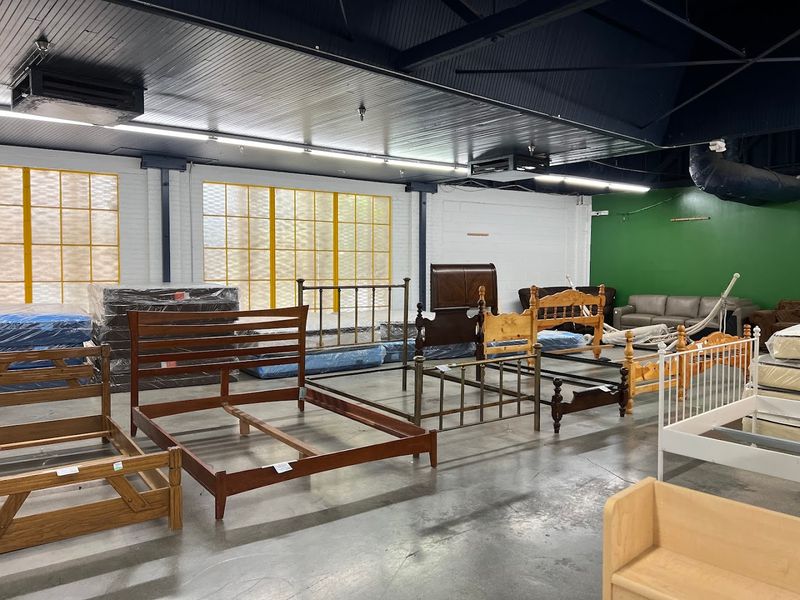
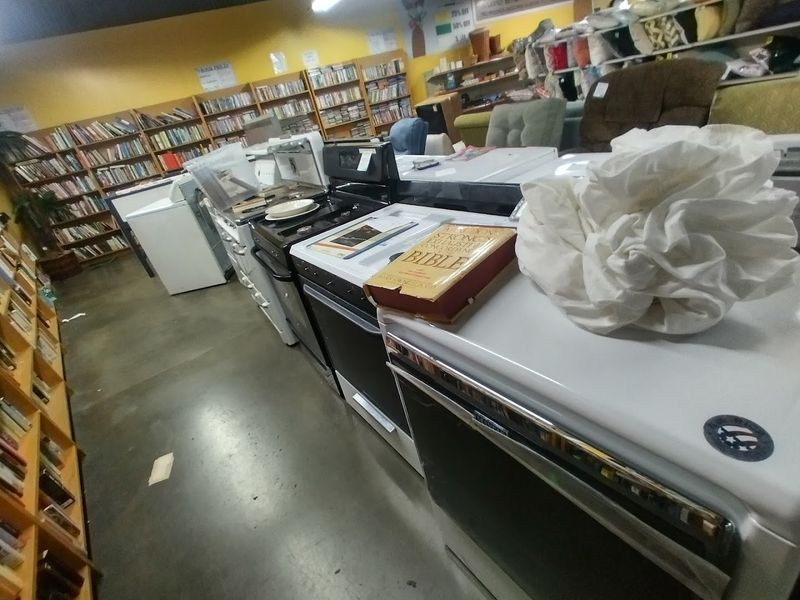
Beyond clothing, the store stocks furniture, electronics, kitchenware, shoes, jewelry, toys, books, and small appliances. On any given visit, it is entirely possible to find a vintage chair, a working blender, and a barely-worn pair of sneakers all in the same afternoon.
The store’s inventory spans an extraordinary range, from clothing and kitchenware all the way to large appliances and even automobiles, making it genuinely unlike most thrift stores anywhere in California.
That range is genuinely rare.
The rotating stock keeps things unpredictable in the best possible way, and the sense that something surprising could be hiding around the next corner is exactly what keeps people coming back week after week.
Furniture Finds That Stop Shoppers Cold
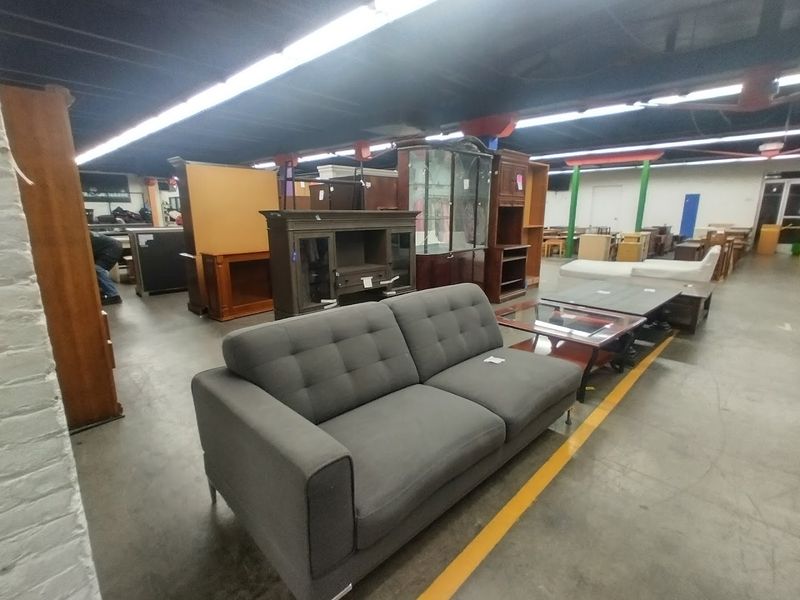
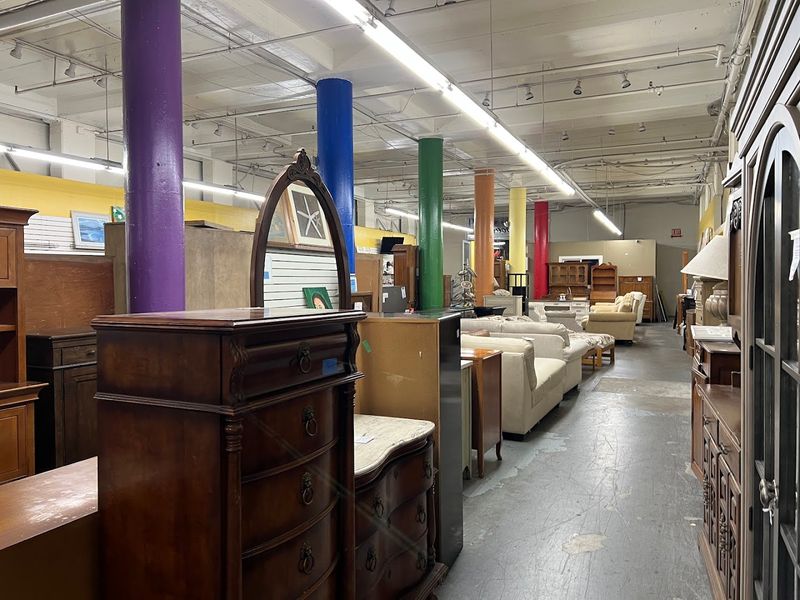
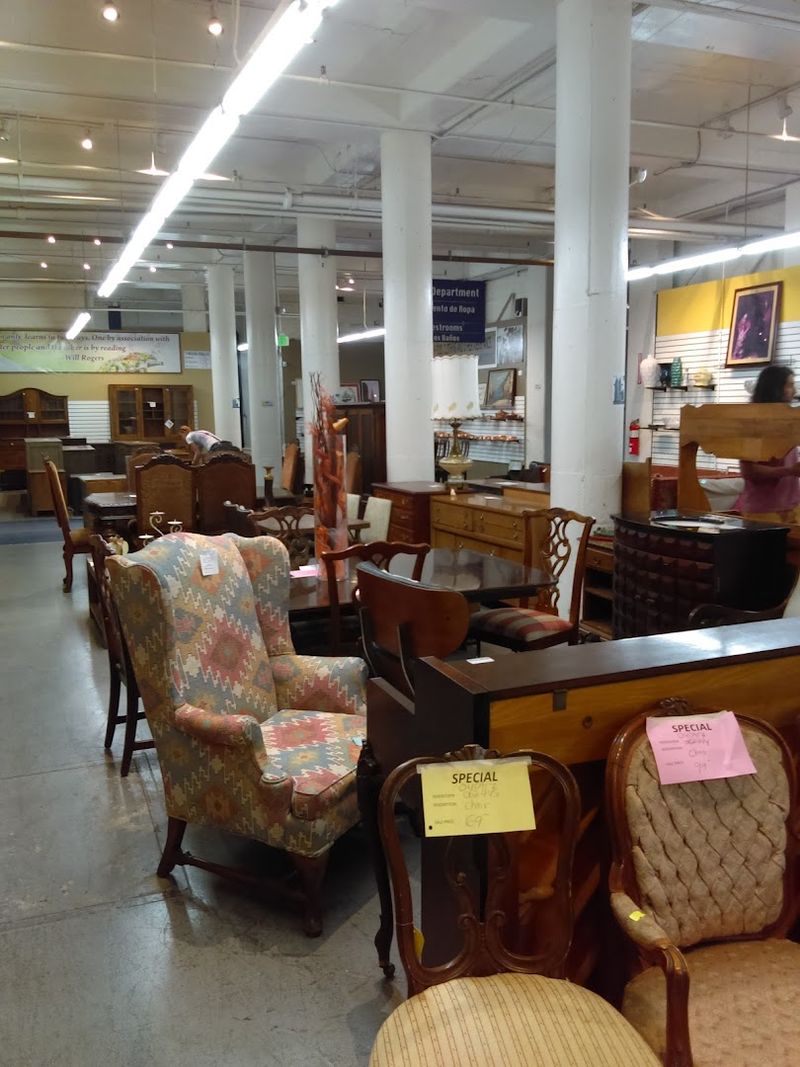
The furniture section at this California thrift store has developed a reputation all its own. Vintage buffets, credenzas, mid-century chairs, and solid wood dressers regularly cycle through the floor, drawing in antique lovers, interior designers, and casual decorators alike.
Pieces tend to arrive in good condition, which reflects the quality of donations the store receives. Some items show clear age and character, the kind of furniture that would cost a significant amount at a dedicated antique shop.
Pricing in this section can run higher than what some bargain hunters expect from a thrift store. That said, flash sales and discount days do happen, and scoring a quality vintage piece at a reduced price is a real possibility for patient shoppers.
Those who visit regularly and keep an eye on the tags tend to walk away with the best deals. The furniture alone is worth making the trip to Los Angeles.
Clothing Racks Worth Every Minute
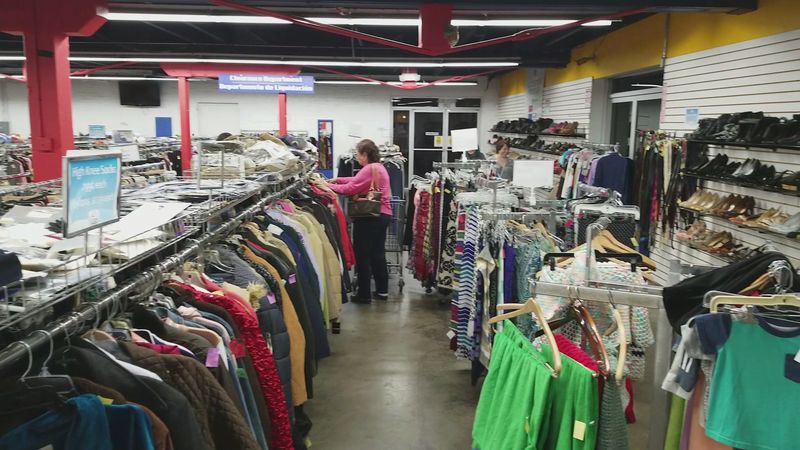
Clothing is one of the strongest departments in the entire store, and regulars treat it like a sport.
The selection spans men, women, and children, with enough variety that dedicated shoppers have reportedly pulled out designer labels, vintage pieces, and barely-used name brands on lucky visits.
Stories circulate about finding high-end sneakers for a fraction of retail price, and vintage shirts that would sell for multiples of their thrift store tag on resale platforms. The catch, of course, is that resellers often arrive early to scoop up the best pieces before casual shoppers arrive.
Going early on a weekday tends to give regular shoppers a better shot at the good stuff. The clothing section is large enough that it genuinely rewards a slow, thorough browse rather than a quick scan.
Patience pays off here more than almost anywhere else in California, and the thrill of an unexpected find keeps the racks full of hopeful hands.
The Mission Behind The Merchandise
Behind every price tag and donated item is an organization with a genuine purpose.
The Society of St. Vincent de Paul has operated in Los Angeles since 1908, giving it more than a century of charitable work in the region.
Proceeds from sales go toward programs that assist people in need throughout the region.
Shopping here is not just a hunt for bargains, it is also a way of contributing to something larger. That dual purpose gives the experience a slightly different feeling compared to a purely commercial retail environment.
For many shoppers, knowing that their purchase supports a meaningful cause adds real value to what they find. California has no shortage of thrift stores, but not all of them carry the same weight of community mission behind them.
The St. Vincent de Paul name has been associated with charitable work for generations, and that history gives this massive Los Angeles store a sense of purpose that goes well beyond the merchandise on its shelves.
Pricing Is A Conversation Everyone Has
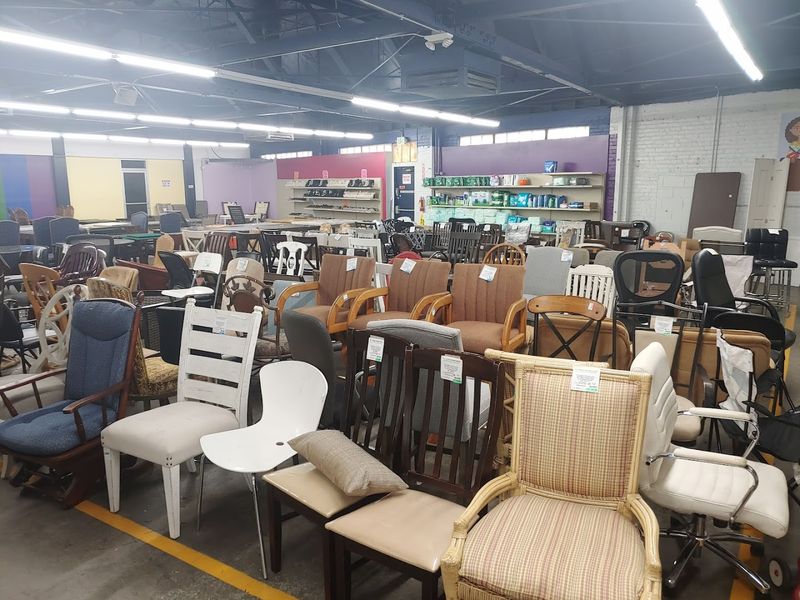
Pricing is probably the most talked-about topic among shoppers at this store, and opinions genuinely vary. Some visitors feel the prices are fair given the quality and variety of items on offer.
Others, particularly those who remember the store from years past, feel that costs have climbed higher than what a traditional thrift store should charge.
Furniture pieces like vintage buffets and credenzas can carry tags that rival antique shop pricing. Clothing, too, sometimes reflects a closer-to-retail valuation than bargain hunters hope for.
That said, discount days and rotating sales do bring prices down on select items, and those moments are when the store becomes especially exciting.
The key is managing expectations. Shoppers who arrive hoping for rock-bottom prices on every item may leave disappointed.
Those who come prepared to hunt, compare, and wait for the right moment tend to find the experience much more rewarding. Either way, the selection makes it worth at least one visit to see for yourself.
Collectibles, Antiques, And Hidden Surprises
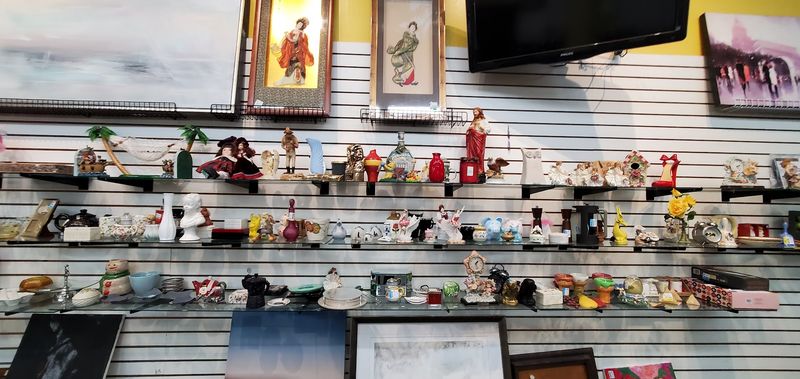
For collectors, this store operates almost like a rotating museum with price tags. Vintage toys, antique glassware, decorative items, and oddities show up regularly among the donated goods, and the hunt for something genuinely special is part of what makes a visit memorable.
The collectibles section rewards those who know what they are looking for. Amber glass bowls, retro kitchenware, and items from past decades surface often enough that dedicated pickers make regular stops just to check what has come in.
The unpredictability is entirely the point.
One thing worth knowing is that stickers placed directly on collectible packaging can sometimes cause damage when removed, which is a detail that matters to anyone shopping for items in original condition.
That aside, the variety of curious and collectible objects found here is difficult to match anywhere else in California. Arriving with an open mind and low expectations for any specific item tends to produce the most satisfying results.
The Parking Situation And Getting There
One practical detail that shoppers consistently appreciate is the parking. For a store located in Los Angeles, where parking can be a genuine ordeal, the availability of plenty of on-site parking is a meaningful convenience that makes the trip far less stressful.
The store sits in the Lincoln Heights neighborhood of Los Angeles, California, making it accessible from several major routes through the city.
Public transit options exist for those who prefer not to drive, though the size of the store means visitors often leave with more than they can easily carry on a bus.
Planning the visit ahead of time is always a good idea. Weekends tend to draw larger crowds, which can make parking tighter and the aisles more crowded.
Weekday mornings offer a calmer, more focused shopping experience. Whether arriving by car or transit, getting there early is one of the most consistently repeated pieces of advice from people who visit this California landmark regularly.
What To Expect On Your First Visit
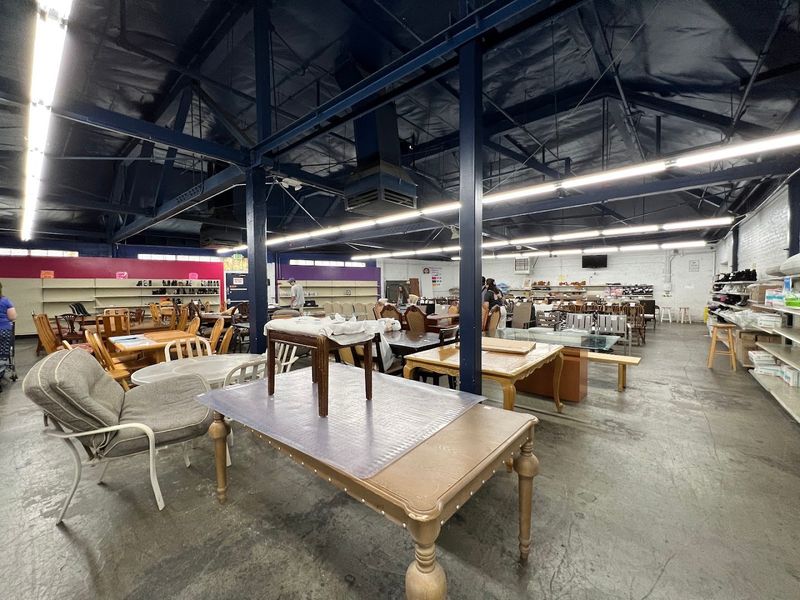
First-timers almost universally underestimate how much time they will need. The store is genuinely large, and moving through each section thoroughly takes a couple of hours at minimum.
Wearing comfortable shoes and arriving without a tight schedule makes the experience significantly more enjoyable.
It helps to have a loose idea of what categories interest you most, whether that is clothing, furniture, kitchenware, or collectibles, so that limited time gets spent where it matters. That said, wandering without a plan often leads to the best discoveries, which is part of the store’s enduring appeal.
Bringing cash alongside a card is practical, as some situations at the register can be smoother with cash on hand.
Checking items carefully before committing to a purchase is also wise, since thrift merchandise varies in condition.
California thrift culture has a long tradition of patient, savvy shopping, and this store rewards exactly that mindset. First visits rarely feel like enough, which explains why so many people return.
The Reseller Scene And How It Shapes The Floor
Like many well-known thrift stores across California, this one has a visible reseller community. These are shoppers who arrive early, often on weekday mornings, specifically to find undervalued items that can be resold on platforms like Poshmark or eBay at a higher price.
The presence of resellers is a double-edged reality. On one hand, it means the best items can disappear quickly, especially in categories like vintage clothing, sneakers, and collectibles.
On the other, it reflects just how strong the inventory actually is, because resellers only invest time in stores where quality finds are genuinely possible.
For casual shoppers, the best strategy is simply to arrive early and move through sections methodically. Discount days and flash sales also shift the dynamic, since resellers work tighter margins and may pass on items that are still excellent value for personal use.
The competition is real, but so is the reward for those willing to put in the effort.
Flash Sales And Discount Days
One of the more exciting aspects of shopping at this store is the occasional flash sale or discount event. On these days, certain color-coded tags or entire sections receive a significant price reduction, turning already-interesting items into genuine bargains that move fast.
Regulars track these events closely, and the store tends to get busier on known discount days. Arriving early on a sale day is especially important, since the combination of reduced prices and high foot traffic means desirable items disappear within hours.
For anyone who found the standard pricing a little steep on a first visit, a discount day can completely change the math. Vintage chairs, clothing pieces, and kitchenware that felt overpriced at full tag can become excellent value with even a modest reduction applied.
California thrift shoppers who have learned to time their visits around these events consistently report the most satisfying hauls. Patience and timing, as always, are the real secret weapons here.
Why People Keep Coming Back
The reason first-timers almost always return is simple: one visit is never enough to see everything.
The inventory rotates constantly, which means the store looks meaningfully different from one week to the next. Something that was not there last Saturday might be exactly what you were looking for this Saturday.
Beyond the merchandise, there is an atmosphere here that feels different from a standard retail experience. The mix of shoppers, the unpredictability of the stock, and the occasional spectacular find create a kind of low-stakes adventure that is genuinely hard to replicate anywhere else in California.
Long-time visitors describe it as a store that has changed over the years, with pricing evolving and the crowd growing, but the core appeal remaining intact.
The scale, the variety, and the sense of possibility keep drawing people back through the doors. For anyone who has not yet made the trip to this Los Angeles institution, the only real question is what took so long.