The building looks like it belongs on a postcard. Elegant Spanish colonial arches. Iron balconies. A prime spot on Jackson Square that millions of tourists photograph every year.
Most of them walk right past without knowing they can step inside and order food in the same room where the Louisiana Purchase was finalized in 1803.
The Cabildo has been standing since 1795. It served as the seat of Spanish colonial government, then the site of the Louisiana Purchase transfer, then the Louisiana Supreme Court.
Now it holds a cafe serving calas, the rice fritters that enslaved women once sold on the streets of the French Quarter to buy their freedom. Eating calas inside this building is not just a snack. It is a connection to a food tradition that stretches back centuries.
The fritters arrive hot and dusted with powdered sugar. The architecture surrounds you.
Order The Calas First
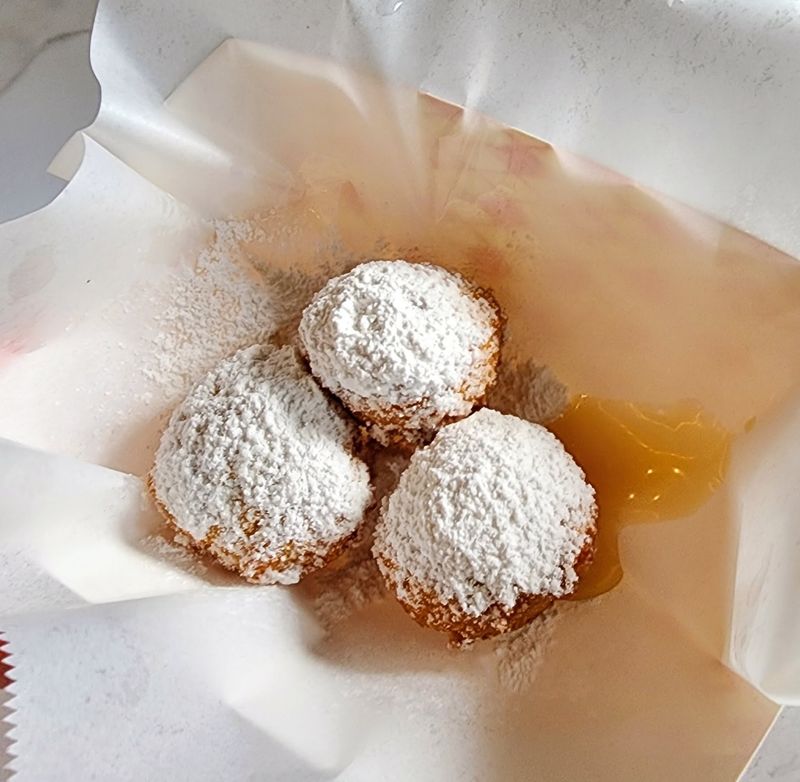
Beignets get most of the attention in New Orleans, but calas are the reason to come here. They are traditional rice fritters with deep roots in the city’s food history, especially in West African foodways carried into Louisiana.
That background gives the dish more meaning, yet the first appeal is still simple: they taste good. Calas Cafe treats them as the star, not a side note, and that focus is what makes the stop special.
If you only order one thing, make it calas while they are hot. Their shape may look familiar to travelers chasing classic sweets, but the rice base gives them a different personality.
The cafe is helping preserve a nearly forgotten local food, and that makes your order feel like more than a snack. It feels like participation in memory.
Chartres Street Lands Right On Jackson Square
Calas Cafe at The Cabildo Museum sits at 701 Chartres Street on Jackson Square in New Orleans’ French Quarter. Chartres Street runs along the inland side of the square, with the Cabildo immediately beside St. Louis Cathedral.
The final approach is easiest once Jackson Square becomes the landmark rather than the street number. Traffic and pedestrian activity can be heavy in this part of the French Quarter, so allow extra time as you work your way toward Chartres, St. Peter, and St. Ann streets around the square.
There is no dedicated café parking at the Cabildo, so use legal metered parking or a public lot or garage elsewhere in the French Quarter and finish the trip on foot. Enter the Cabildo from the Chartres Street side of Jackson Square to reach the café inside.
Notice The Spice In Every Bite
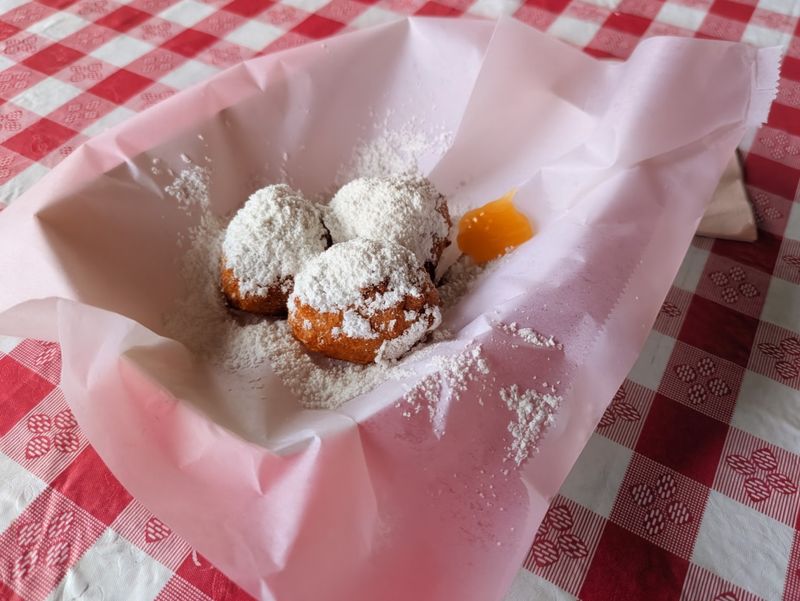
A good calas does not hit you with loud sweetness. What stands out here is the quieter flavor built from nutmeg and vanilla, which gives each fritter warmth instead of a heavy sugar rush.
That balance is part of the charm. The spices lift the rice base without hiding it, so the taste lands somewhere cozy, fragrant, and slightly old-fashioned in the best way.
I liked how the aroma reached the table before the plate fully settled. Pay attention on the first bite and then the second, because the seasoning shows itself gradually.
Nothing feels random or overworked. Calas Cafe lets small details do the job, and those details are exactly why the food sticks in your memory.
In a city full of bold flavors, that softer, spiced approach feels refreshingly confident and distinct.
Try Every Curd On The Plate
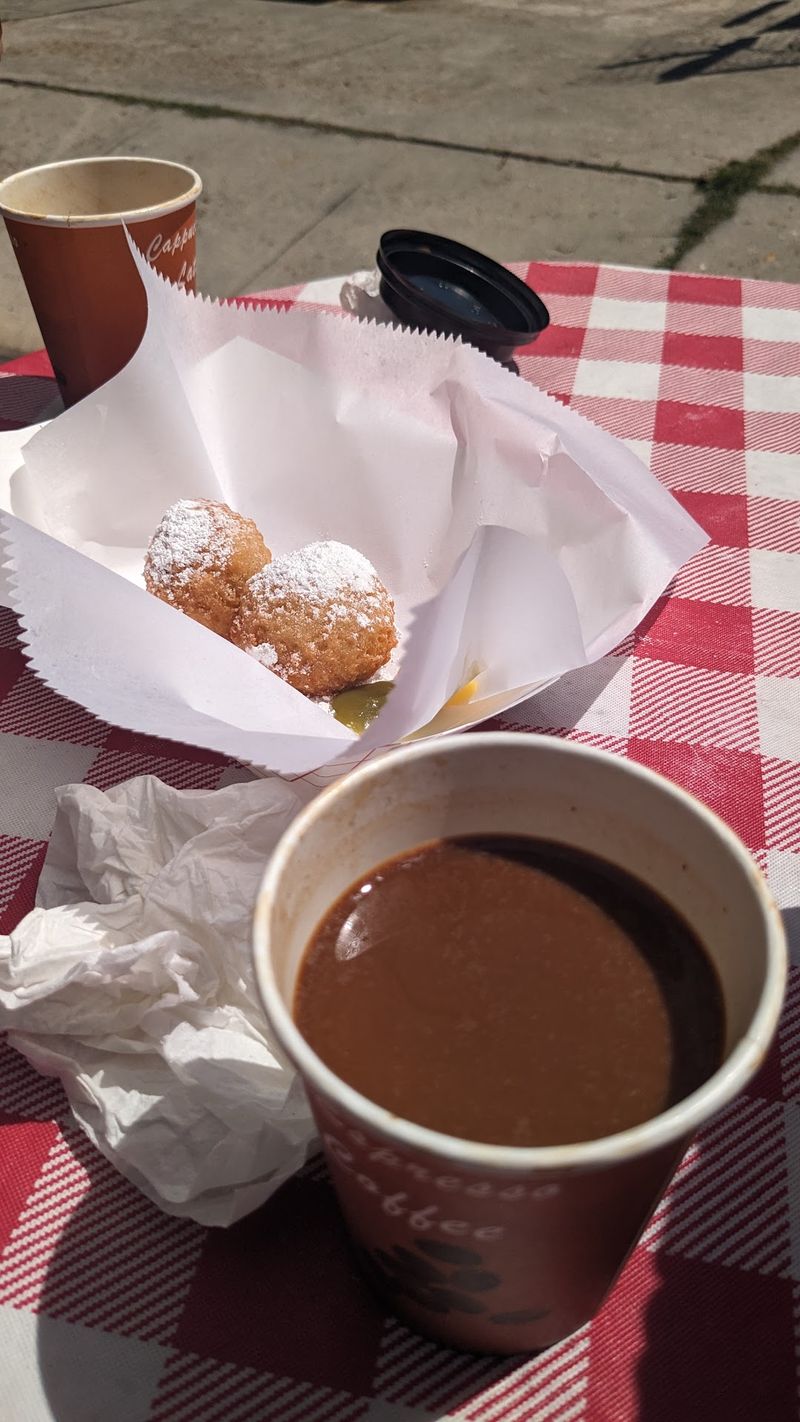
The plate gets more interesting once the dips arrive. Calas Cafe serves the warm fritters with curds such as lemon and pistachio, and sometimes a seasonal option appears to change the mood.
That little trio invites play. Lemon brings brightness, pistachio adds a richer nutty note, and the rotating flavor can surprise you in a way that keeps the order from feeling fixed or routine.
Instead of picking one and staying there, move around the plate and compare bites. A plain piece shows the spice, lemon sharpens the sweetness, and pistachio makes the texture feel fuller.
The cafe understands that contrast keeps a simple dish lively. For visitors who like tasting carefully, this is one of the smartest details at Calas Cafe.
It turns a humble rice fritter into something layered, curious, and oddly hard to stop eating.
Catch Them While They Are Hot
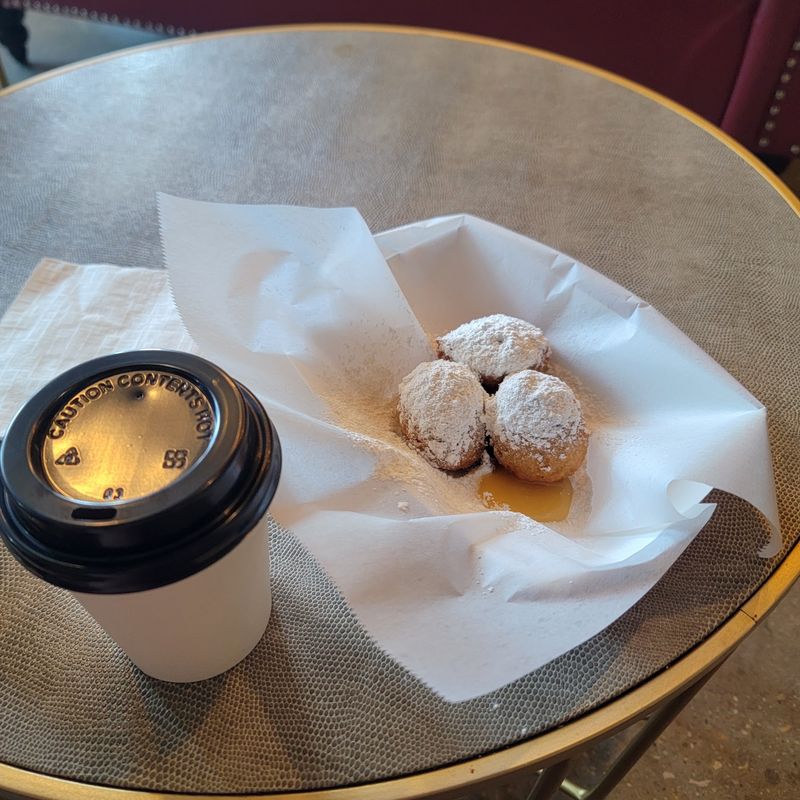
Texture is the whole game here, and timing matters. The best moment to eat calas is right after they arrive, when the outside still has a light crisp edge and the inside stays soft and airy.
That contrast is what makes them memorable. The golden-brown shell gives a tiny bit of resistance, then the center opens into something tender and warm with a gentle rice chew beneath the sugar and spice.
Wait too long and you miss part of the pleasure. So if you are juggling museum plans, eat first and stroll second.
Freshness shows the kitchen’s skill more clearly than any description can. Calas Cafe does not rely on size or excess to impress you.
It wins with frying technique, temperature, and balance. Sometimes the difference between good and excellent is only a few minutes, and here those minutes matter.
Learn The Story Behind The Snack
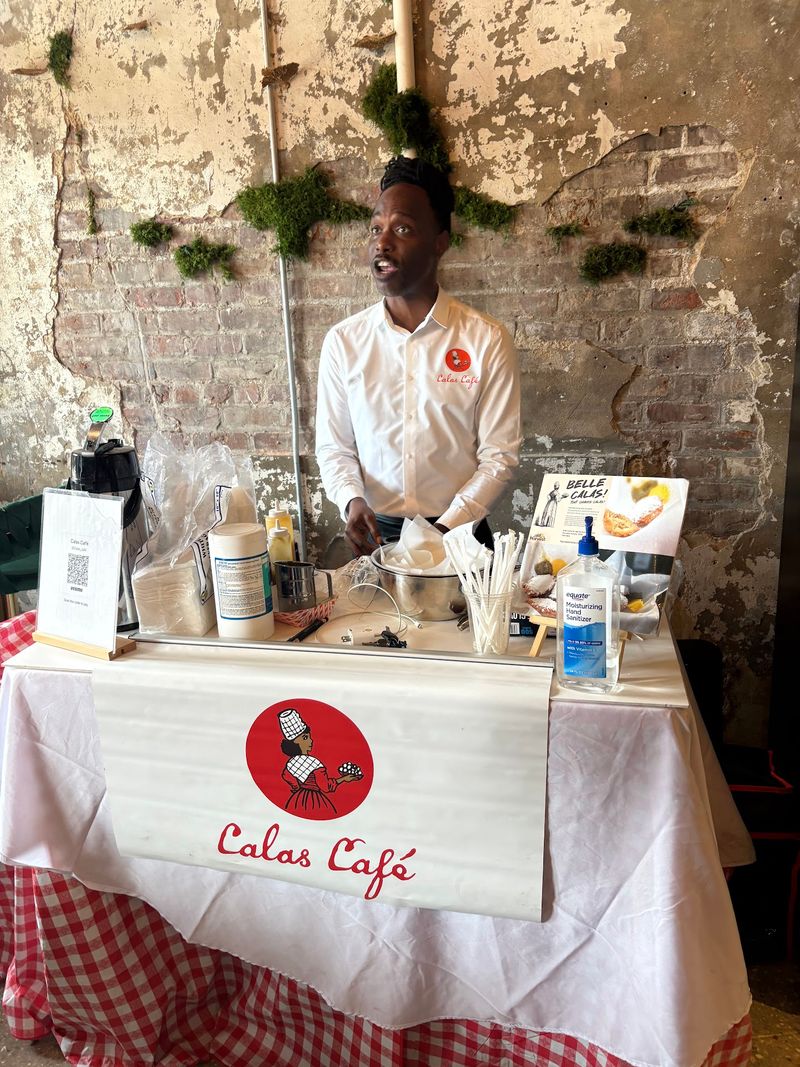
One of the strongest reasons to stop here has nothing to do with hunger. Calas carry a powerful history in New Orleans, where enslaved women and free women of color sold them in the streets and used that work to support families.
In some cases, that selling helped people buy freedom, which gives the dish a gravity that deserves attention. Knowing that story changes the experience from pleasant to meaningful.
The cafe does not need to lecture for the point to land. The food itself becomes part of the lesson.
Pause between bites and remember that calas were once tied to labor, skill, survival, and entrepreneurship. For younger travelers especially, this is a rare chance to understand history through something edible and immediate.
Few museum-area snacks can do that. Fewer still manage it while tasting genuinely comforting and joyful at the same time.
Look Up At The Craft Around You
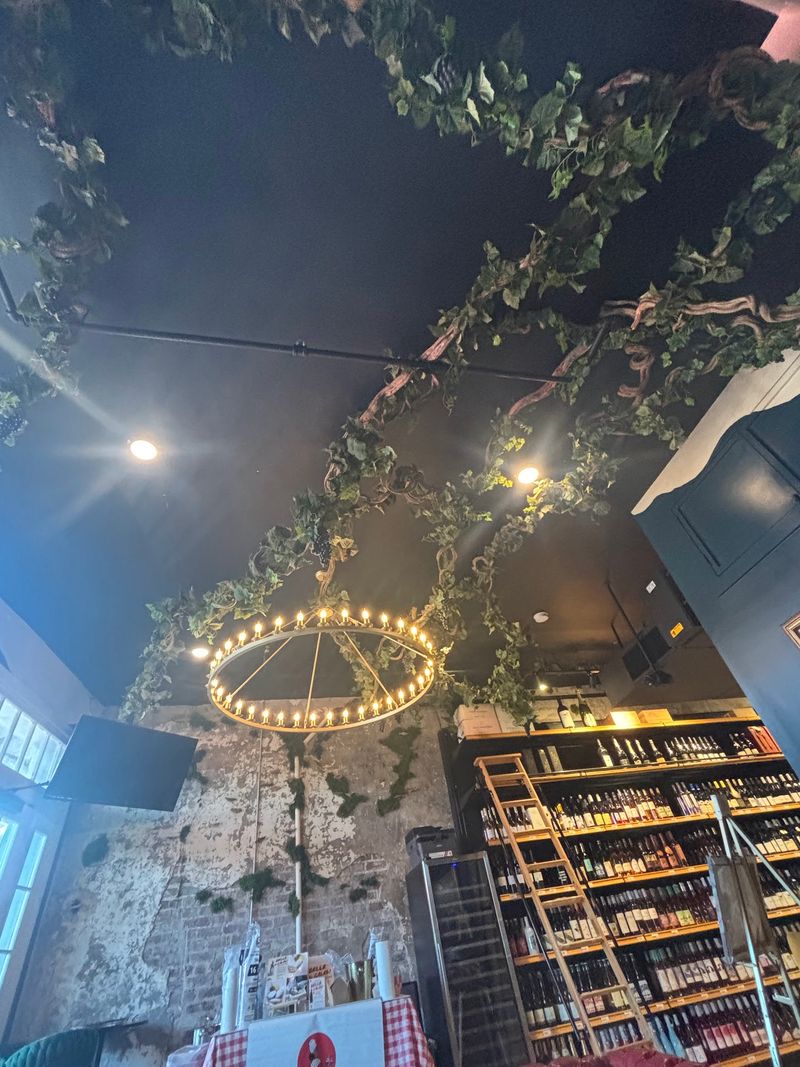
Sometimes the ceiling tells part of the meal’s story. The Cabildo was restored after a major 1988 fire, and that careful work included old French timber framing methods that echo the building’s long life.
That craftsmanship matters because Calas Cafe is also about preservation, just in edible form. A revived food inside a restored landmark creates a nice kind of symmetry, and the pairing feels smarter the longer you sit with it.
You do not need to be an architecture fan to appreciate the effect. The room carries a sense of survival and care, which suits a dish brought back from near disappearance.
Look around while you eat and the place starts to feel less like a hidden counter and more like a conversation between building, city, and recipe. That is a rare atmosphere, and The Cabildo gives it natural depth.
Pair It With Rose Nicaud Coffee
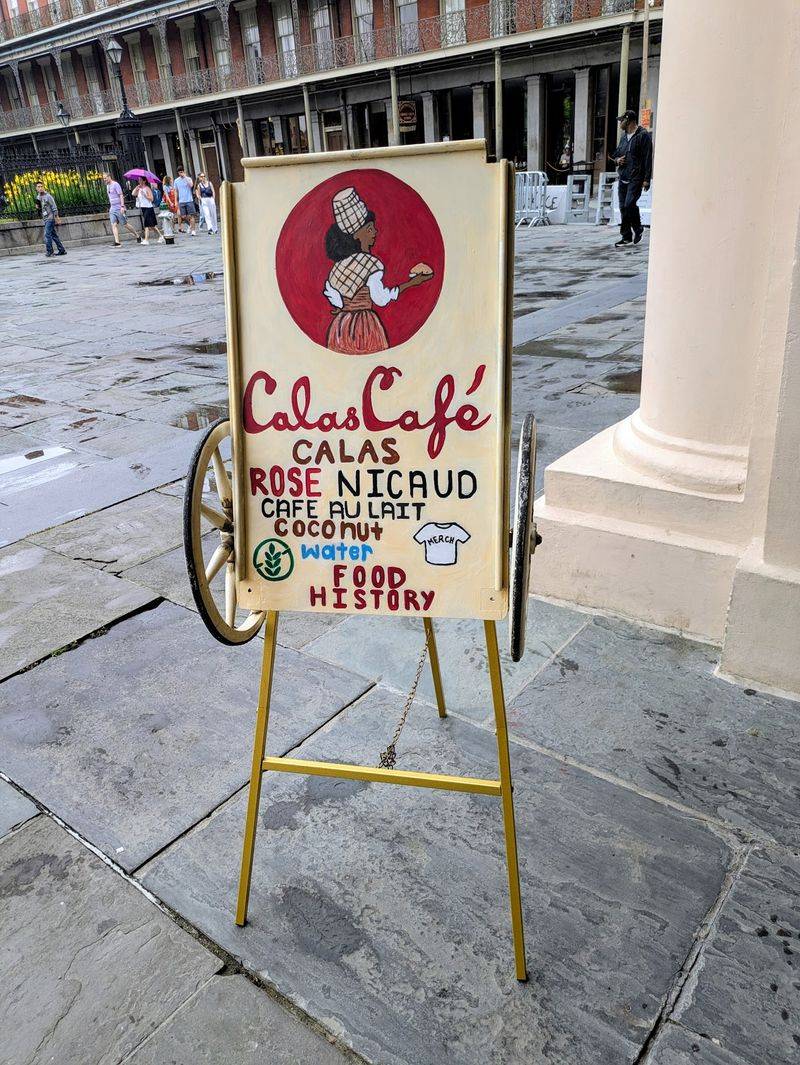
Sweet fritters need a steady partner, and the house coffee does the job beautifully. Calas Cafe offers Rose Nicaud Coffee, a chicory blend named for Rose Nicaud, an early nineteenth-century New Orleans coffee seller.
Her story matters too, since she was an enslaved woman who used her earnings to gain freedom. That gives the cup historical weight, but the flavor stands on its own.
Chicory adds depth and a gentle bitterness that keeps the meal from tipping too far into sugar. Order the coffee with the calas rather than after them.
The contrast sharpens both parts of the experience and makes the table feel complete. What I enjoyed most was how the pairing stayed grounded and unfussy.
Instead of chasing novelty, it reflects New Orleans memory through ingredients that still feel satisfying, practical, and deeply connected to place.
Use Jackson Square As Your Guide
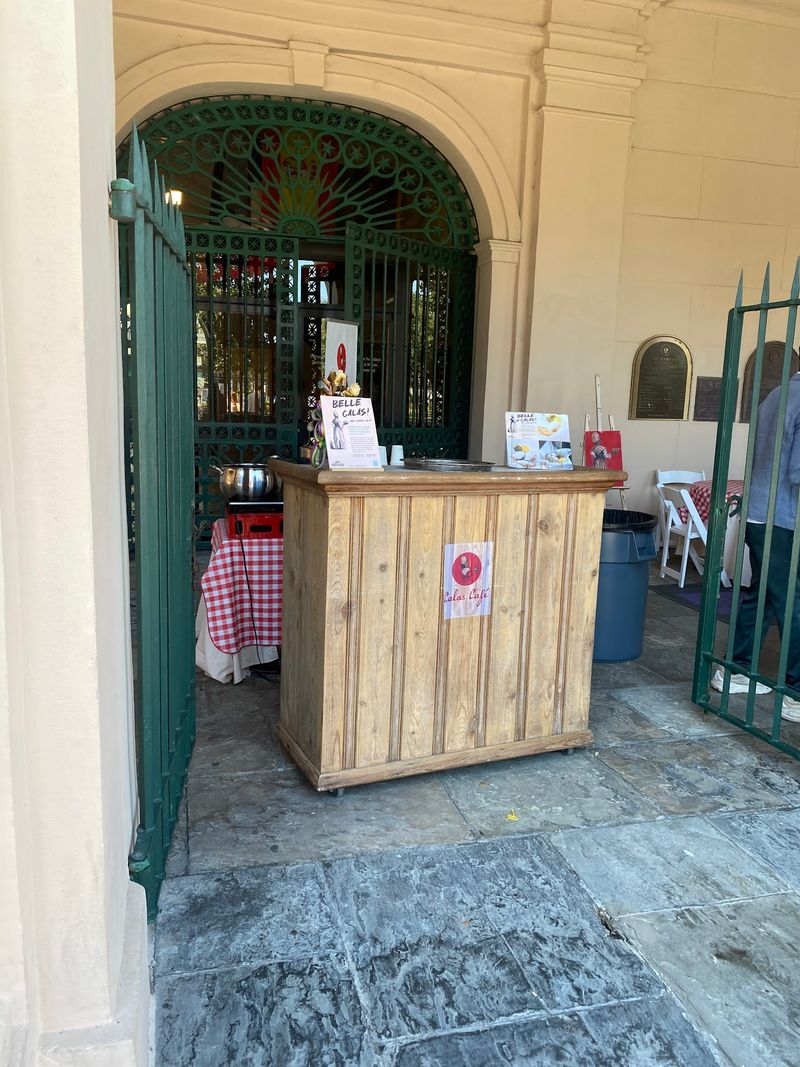
Finding Calas Cafe is easier when you think museum first, cafe second. It operates within The Cabildo at 701 Chartres Street beside Jackson Square, so the famous square becomes your best landmark.
That location is part of the appeal. You move from the busy French Quarter outside into a calmer, more reflective setting, and the shift makes the stop feel almost secret even though you are in a central part of town.
If you are wandering with a phone in one hand and a map in the other, head for The Cabildo and look for the cafe inside rather than expecting a standard streetfront setup. That small expectation change saves confusion.
Once you arrive, the reward is a break from the noise without leaving the heart of old New Orleans. Hidden does not mean far away here.
It just means easily overlooked.
Settle Into The Real New Orleans Mood
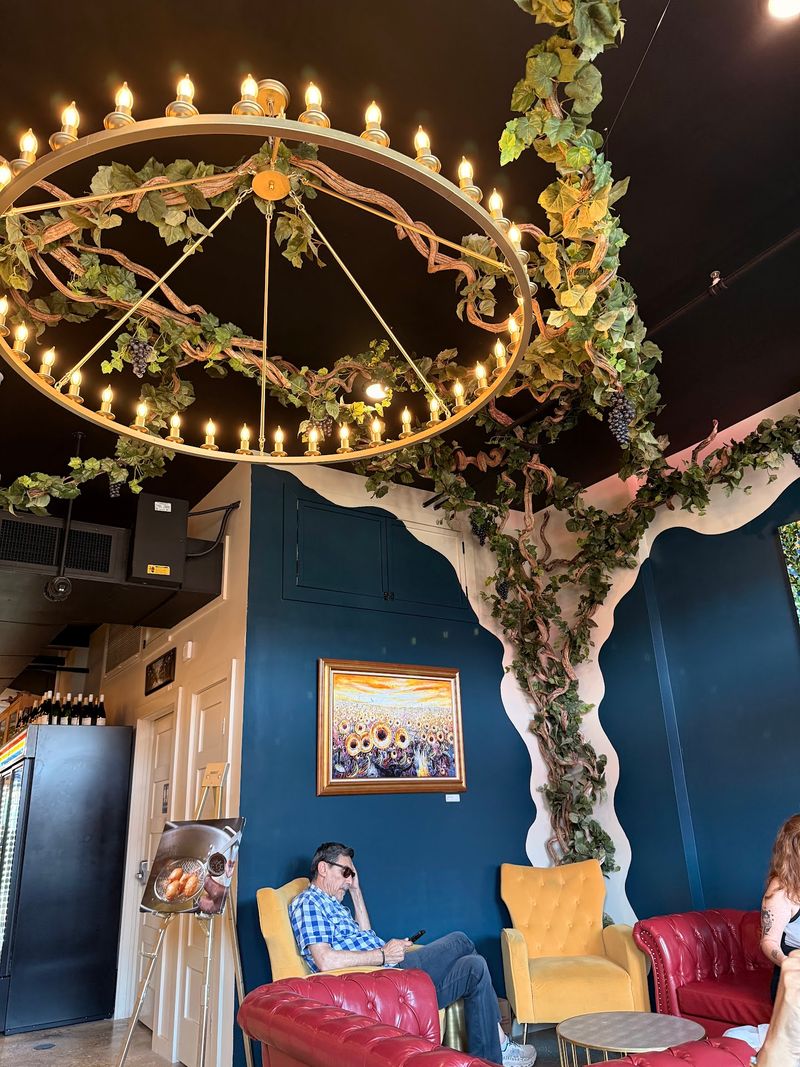
Not every French Quarter food stop knows how to relax. Calas Cafe does, and that easygoing energy becomes part of the meal from the moment you step inside the historic surroundings.
The vibe is warm, casual, and rooted in the city rather than built for spectacle. Food, history, and conversation seem to sit at the same table, which makes even a short visit feel fuller than expected.
There is no need to rush through your plate and hurry back outside. Sit for a few minutes, finish the coffee, and let the space do some of the work.
The calm is especially nice after the buzz of Jackson Square. What stays with you is not only the fritters, but the feeling that the cafe respects its subject.
That respect gives the room a genuine local pulse, and it is quietly refreshing.
Plan Around The Museum Hours
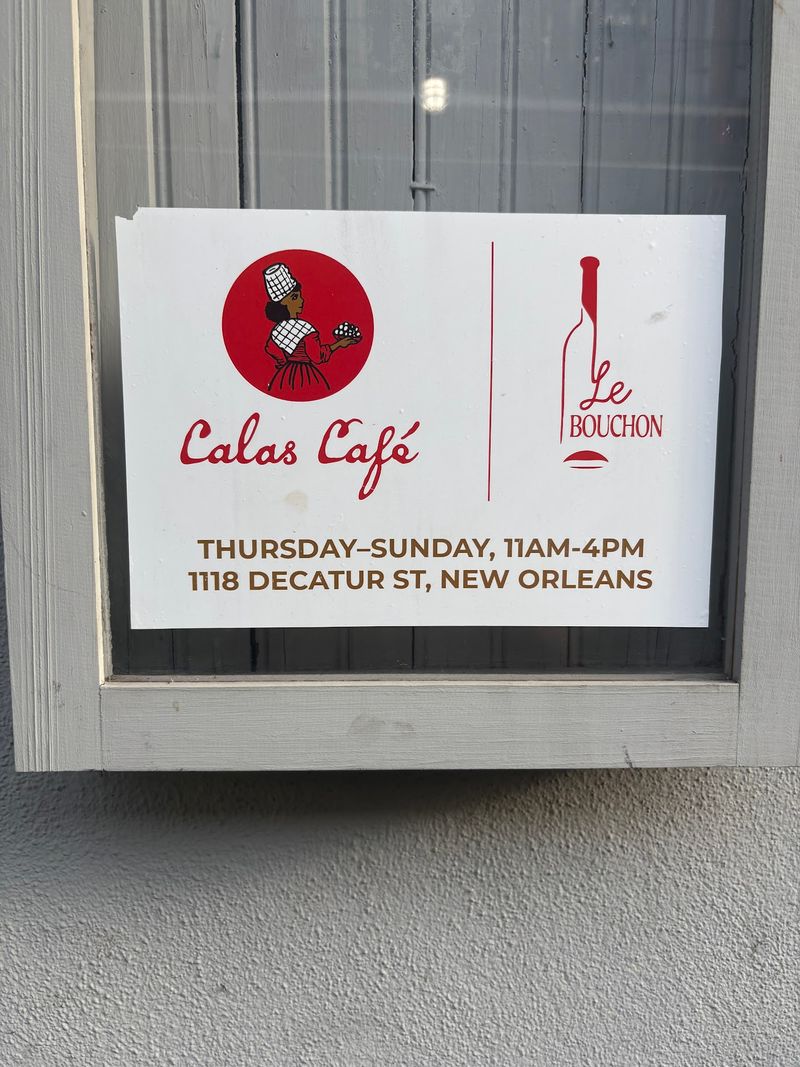
A little planning makes this stop much smoother. Calas Cafe is open Thursdays through Mondays from 10:00 AM to 3:30 PM, which fits nicely into a late morning or early afternoon French Quarter walk.
Because it is inside a state museum setting, the smartest move is to treat the visit as part snack break, part cultural stop. Come early enough to enjoy your food without rushing, then fold in time for The Cabildo exhibits before or after.
That rhythm suits the place. You get a fuller sense of Louisiana’s early history, then taste a dish connected to the people who shaped the city from below as much as from above.
Practical timing matters here because the cafe is not an all-day corner shop. Build it into your day on purpose, and the experience feels complete instead of accidental.