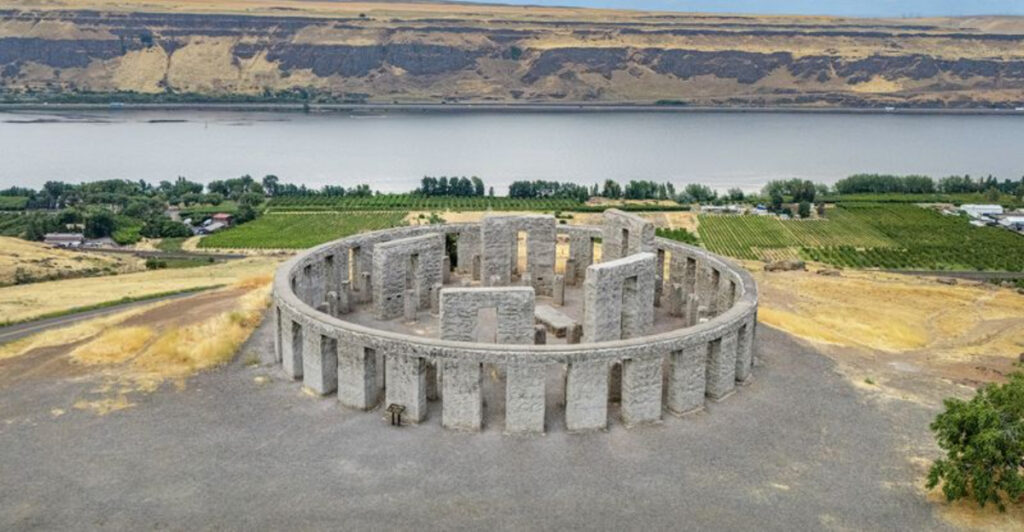
Some road trips give you pretty views. Others give you something you never saw coming. In Washington, there is a massive stone monument rising above the landscape in a spot that feels almost unreal. It looks ancient.
It looks mysterious. And it feels even more striking when you see it against the open sky and the sweeping river below. This is not a small roadside stop with a quick photo and nothing more. It is full-scale, dramatic, and connected to a story that gives the entire visit real meaning.
That is what makes it stick with people long after they leave. If you enjoy places that feel surprising the moment they come into view, this one delivers
What The Monument Actually Looks Like Up Close
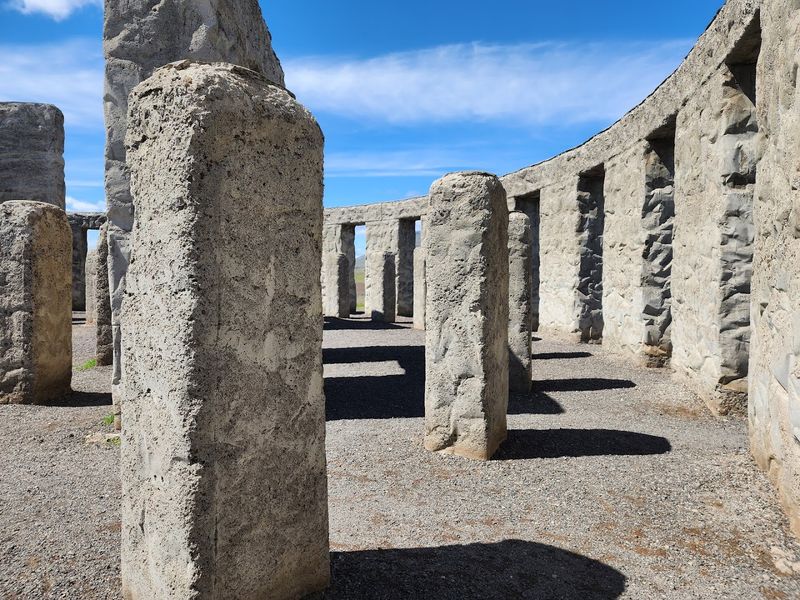
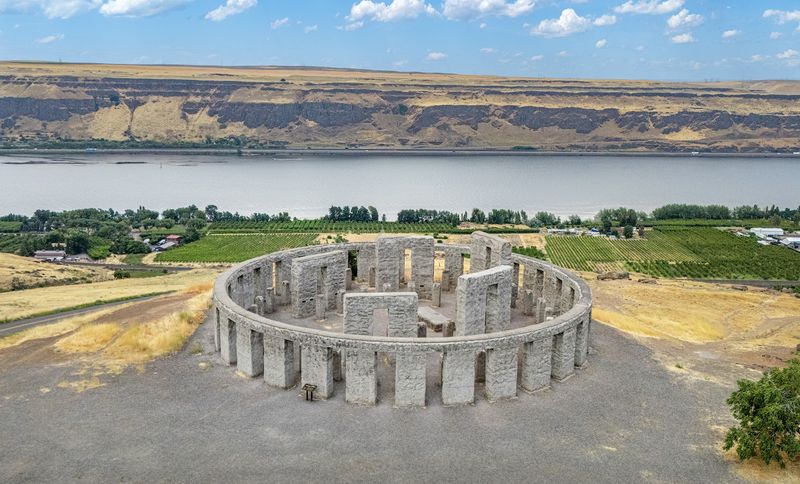
The first thing that strikes you when you walk toward the monument is the scale. These are not small stones.
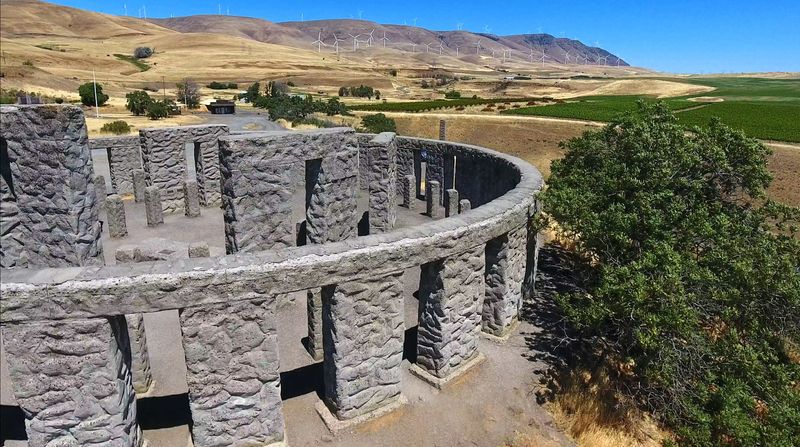
The concrete pillars rise over 20 feet into the air.
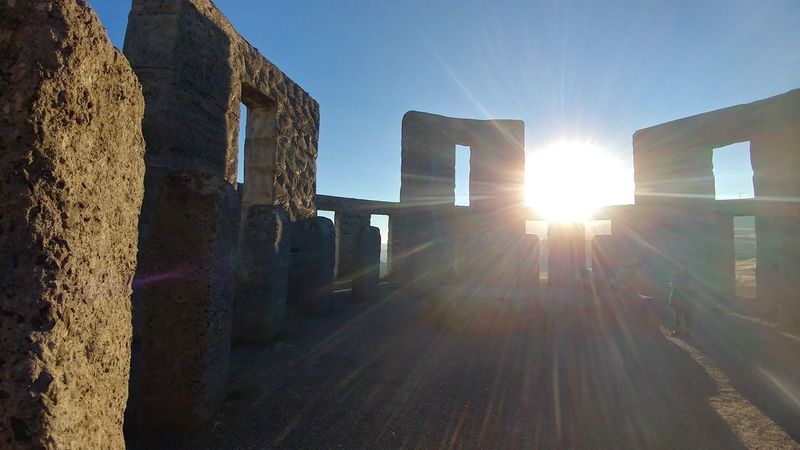
The lintels connecting them are massive horizontal slabs that look exactly like the iconic horseshoe and outer circle arrangement of the original Stonehenge in England.
Unlike the original in Wiltshire, which has crumbled and shifted over thousands of years, this version was designed to show what Stonehenge may have looked like when it was fully intact. Every upright and lintel is in place, giving you a sense of the complete original structure that you simply cannot get by visiting England.
The concrete has aged beautifully over the decades. Patches of lichen and weathering give the pillars a rugged, ancient-looking texture that photographs incredibly well in almost any light.
Walking through the outer ring and into the center of the structure is a genuinely impressive experience. The stones frame the sky above you in perfect geometric shapes, and the wind that sweeps across the bluff adds an almost theatrical atmosphere to the whole visit.
The Surprising Story Behind Why It Was Built
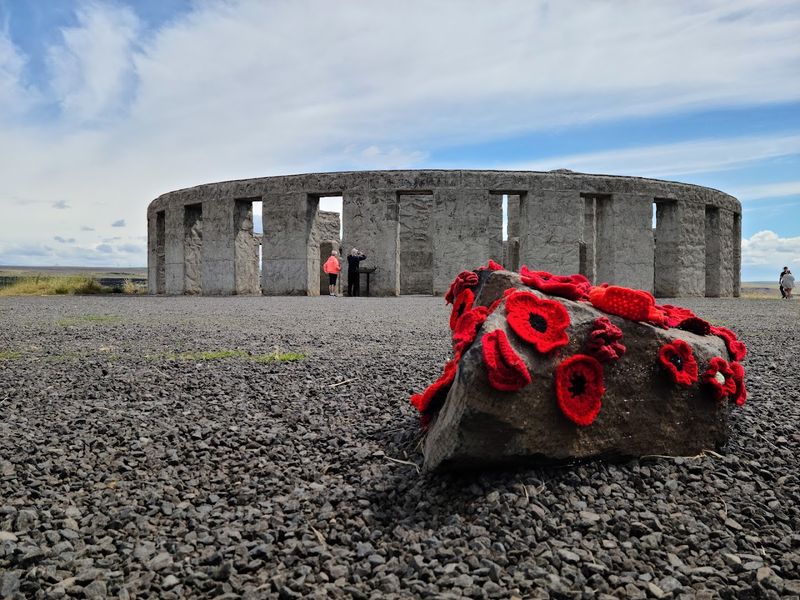
Most people who pull into the parking lot at Stonehenge Memorial expect a quirky roadside attraction. What they find instead is a deeply personal tribute to the men of Klickitat County who lost their lives during World War I.
The memorial was the vision of Sam Hill, a wealthy road-building pioneer and philanthropist who believed the original Stonehenge in England had been used as a site for human sacrifice. He chose the design as a symbol to honor sacrifice, specifically the sacrifice of soldiers who never came home.
Construction began in 1918 and was completed in 1930, making this the first World War I memorial built in the United States. Hill dedicated it to the fallen soldiers of Klickitat County, and their names are still inscribed on a plaque at the site today.
What makes the story even more compelling is that Hill was a pacifist. He wanted the monument to send a message that war was a waste of human life, and he chose one of the most dramatic backdrops in the Pacific Northwest to make sure that message would last forever.
The Views From The Bluff That Surround The Site
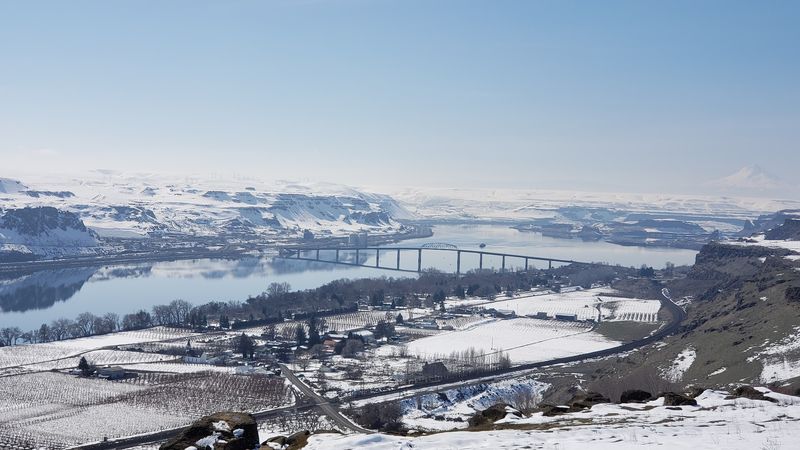
Even if you had no interest in the monument itself, the location alone would be worth the trip. The Stonehenge Memorial sits on a high basalt bluff above the Columbia River, and the views in every direction are genuinely spectacular.
To the south, you can see across the Columbia River into Oregon, where Mount Hood rises on clear days like a postcard you forgot to send. To the north, the rolling golden hills of Klickitat County stretch out in wide, open sweeps that feel almost cinematic.
The Columbia River Gorge below is one of the most dramatic river landscapes in the American West. Watching the river wind through the canyon from this elevated vantage point gives you a completely different perspective on how vast and powerful this part of Washington really is.
Sunrise and sunset visits are particularly rewarding. The warm light hits the concrete pillars and the surrounding hills in ways that make even a quick phone camera look like professional photography.
Photographers who visit for the first time often stay much longer than planned.
The wide-open space around the monument also means you can hear the wind moving across the plateau, which adds a layer of atmosphere that no indoor attraction can replicate.
Getting There And What To Expect On Arrival
The drive itself is part of the fun, especially if you are coming south from Yakima or north from the Oregon border. The Stonehenge Memorial is located on Stonehenge Drive in Goldendale, WA 98620, just off US Highway 97 near the Columbia River.
The final stretch of road leading to the site winds along the river bluff, and you will get your first glimpse of the monument from a distance before you even reach the parking area. That first sighting is its own little reward after the drive.
Parking is free and the site is open to visitors year-round. There is no admission fee, which makes it one of the most accessible and affordable landmarks in the entire state.
A small informational sign near the entrance gives you the basic history before you walk in.
The ground around the monument is mostly flat and easy to walk on, which makes it accessible for visitors of different mobility levels. Families with strollers, older adults, and young kids all navigate the site comfortably.
One practical tip worth knowing: the plateau can get very windy, especially in spring and fall. Bringing a light jacket even on warm days is a smart move.
The Best Times Of Year To Plan Your Visit
Every season offers something different and the site genuinely rewards visitors who time their trip with a little thought. Summer is the most popular season, and for good reason.
The long days mean you have plenty of time to explore, and the surrounding landscape turns a warm, golden brown that looks beautiful against the grey concrete pillars. Spring brings wildflowers to the hillsides around Goldendale, and the monument looks striking when surrounded by patches of color against a dramatic sky.
Rain is possible in early spring, but the moody clouds can actually make for some of the most dramatic photographs of the entire year. Fall is arguably the most underrated time to visit.
The light is softer, the crowds are smaller, and the temperature is comfortable for walking and exploring the bluff without overheating. The Columbia River takes on a deep, steel-blue color in autumn that is hard to describe and easy to love.
Winter visits are for the adventurous. Snow occasionally dusts the plateau, and the monument surrounded by white ground and grey sky looks almost otherworldly.
The site is rarely crowded in winter, so you may have the entire monument to yourself.
The Astronomical Alignment That Makes It Even More Interesting
Here is a detail that turns a cool road trip stop into something genuinely mind-bending. The Stonehenge Memorial was built with astronomical alignment in mind, just like the original in England.
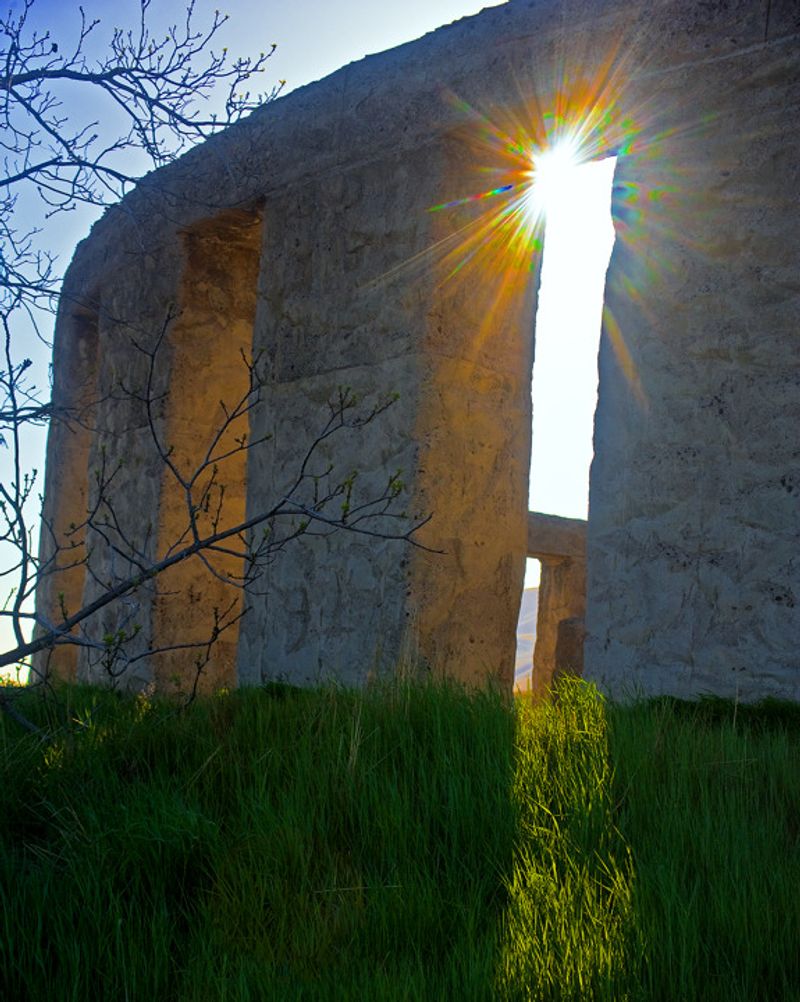
Sam Hill designed the monument so that it aligns with the rising sun on the summer solstice. On that specific morning each year, the sun rises directly in line with the monument’s main axis, flooding the interior with light in a way that is both beautiful and intentional.
It is not a coincidence. It was planned.
Visitors who make the effort to be at the site for the summer solstice sunrise experience something that very few people in Washington ever see. The light moves through the stone columns in a way that feels almost ceremonial, and the silence of early morning on the bluff adds to the atmosphere significantly.
This alignment also means that the monument functions as a kind of giant outdoor calendar. Standing inside it and watching where the sun rises or sets can tell you exactly where you are in the year, which is exactly what ancient people used the original Stonehenge for.
Have you ever thought about how remarkable it is that humans figured out how to track the sun using only stone and geometry, thousands of years before modern technology? Standing inside this replica on the right morning makes that achievement feel very real and very close.
What Else Is Worth Seeing Near Goldendale
A visit to the Stonehenge Memorial pairs naturally with a few other nearby attractions that make the trip feel like a full day out rather than a single quick stop. The town of Goldendale itself is worth a short wander, with a small historic downtown and a handful of local shops.
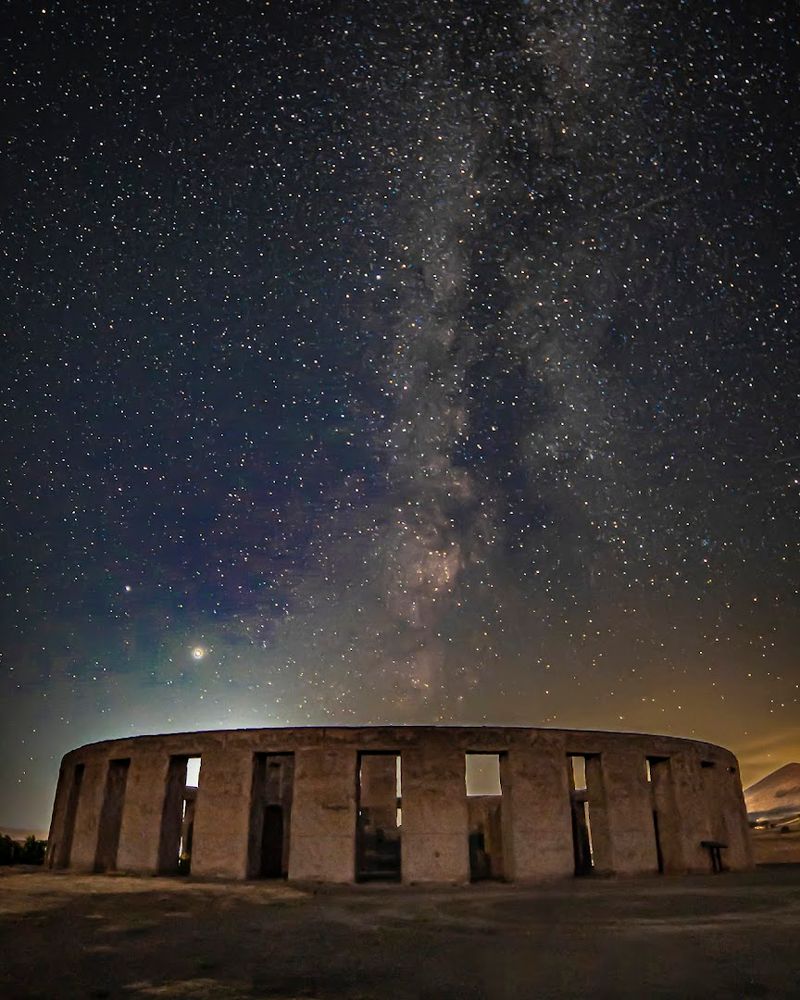
The Goldendale Observatory State Park is one of the most exciting additions to any visit in this area. It houses one of the largest public telescopes in the United States, and on clear nights, the staff offer public viewing sessions that are genuinely spectacular.
The dark skies above Klickitat County make stargazing here exceptional.
The Columbia Hills State Park is also close by and offers hiking trails, petroglyphs, and sweeping river views that complement the landscape you see from the Stonehenge Memorial bluff. The Horsethief Lake area within the park is particularly popular for its ancient rock art.
Maryhill Museum of Art sits just a few miles down the road and shares a connection with the Stonehenge Memorial through Sam Hill, who was also responsible for building the museum. The two sites together tell a richer story about Hill’s legacy in this corner of Washington.
If you are the type of traveler who loves packing a single day with history, nature, and science, this stretch of Washington along the Columbia River is one of the most rewarding routes in the entire Pacific Northwest.
Tips For Making The Most Of Your Visit
A little preparation goes a long way when visiting the Stonehenge Memorial, and a few simple tips can turn a good trip into a great one. Start by arriving early in the morning if possible.
The light is soft, the air is cool, and you are far more likely to have the monument to yourself for the first hour or so.
Bring water and snacks. There are no food vendors or shops at the site, and the nearest services are back in Goldendale, which is a short drive away.
The open plateau gets warm in summer, so staying hydrated matters more than you might think.
Wear comfortable walking shoes. The ground around the monument is stable, but the surrounding bluff area has uneven terrain if you want to explore the edges and take in the river views.
Good footwear keeps the experience comfortable from start to finish.
A camera or a charged phone is essential. The combination of the monument, the sky, and the landscape creates photogenic opportunities in almost every direction.
Wide-angle shots that capture the full circle of pillars with the Columbia River in the background are particularly rewarding.
Finally, take a few minutes to read the memorial plaque and the names inscribed on it. The history of this place deserves more than a quick glance.
Knowing who this monument was built for transforms a sightseeing stop into something that genuinely stays with you long after you drive away.