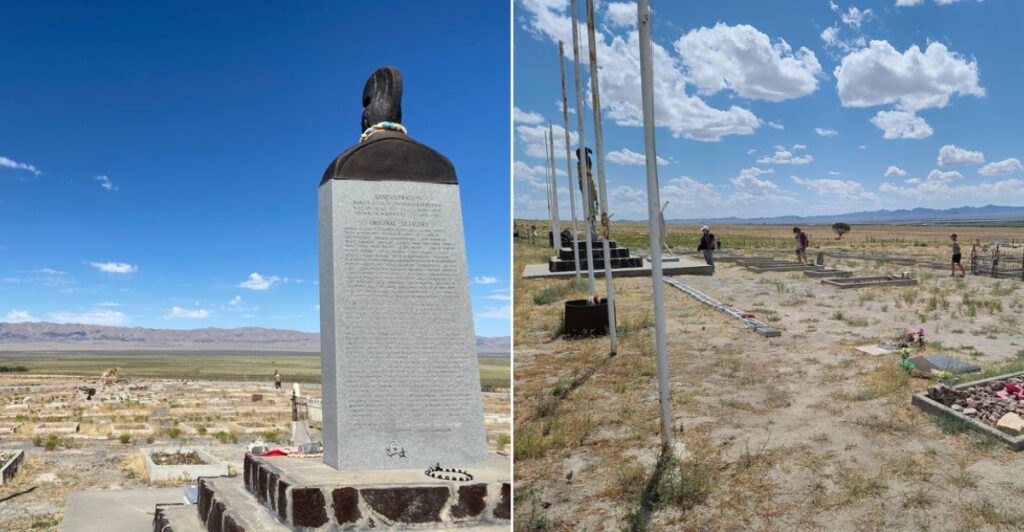
Somewhere beyond the busy highways and familiar travel lists, a quiet desert story waits under a sky so wide it almost feels unreal. A Polynesian community once grew here with homes, farms, laughter, faith, hard work, and even a basketball court, creating a place of belonging in a landscape many people would have considered impossible.
Utah holds more than red rocks and road trip views, and this forgotten chapter proves its history can be surprising, tender, and deeply human.
Today, little remains except silence, scattered traces, and a cemetery that asks visitors to slow down, look closely, and imagine the lives that unfolded here.
It is not flashy, and that is exactly what makes it powerful. You leave with dusty shoes and a fuller heart.
In Utah’s desert quiet, stories like this do not shout for attention, but they stay with you long after you drive away for many miles.
The Unlikely Birth Of A Polynesian Colony In Utah’s Desert
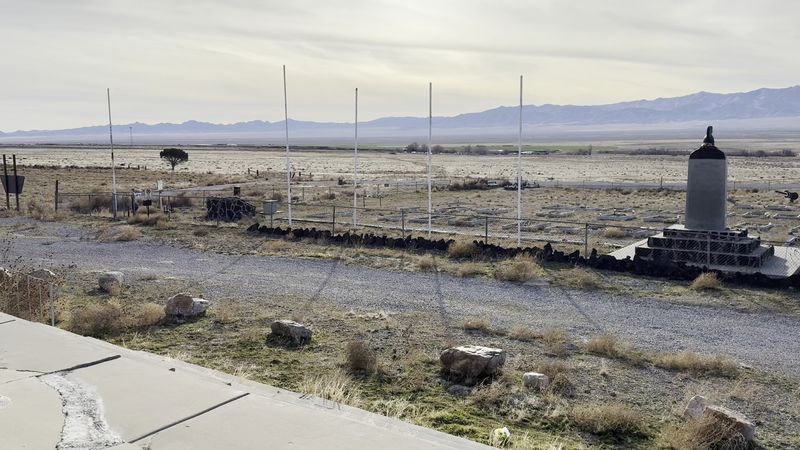
Nobody looks at the cracked flats of Skull Valley, Utah, and thinks, “This is paradise.” Yet in 1889, a group of Hawaiian Latter-day Saint converts did exactly that, arriving from the Pacific Islands to settle a remote patch of desert near present-day Dugway. They named their new home Iosepa, the Hawaiian rendering of the name Joseph, in honor of Joseph F.
Smith, a church leader who had served a mission in Hawaii.
The settlers came with faith, farming tools, and an ocean of determination. They planted crops, raised livestock, and built a community that, at its peak, was described as one of the most beautiful settlements in the entire Utah Territory.
That claim sounds almost impossible when you stand in the valley today and see nothing but open sky and silence.
Why It Matters: Iosepa represents the only Polynesian Mormon colony ever established in the continental United States, making it a genuinely singular chapter in American history. Visitors who arrive expecting a ghost town in the Hollywood sense will find something far more layered: a place shaped by sacrifice, faith, and a cultural identity that refused to be erased by geography or time.
What The Cemetery Tells You That No Textbook Can
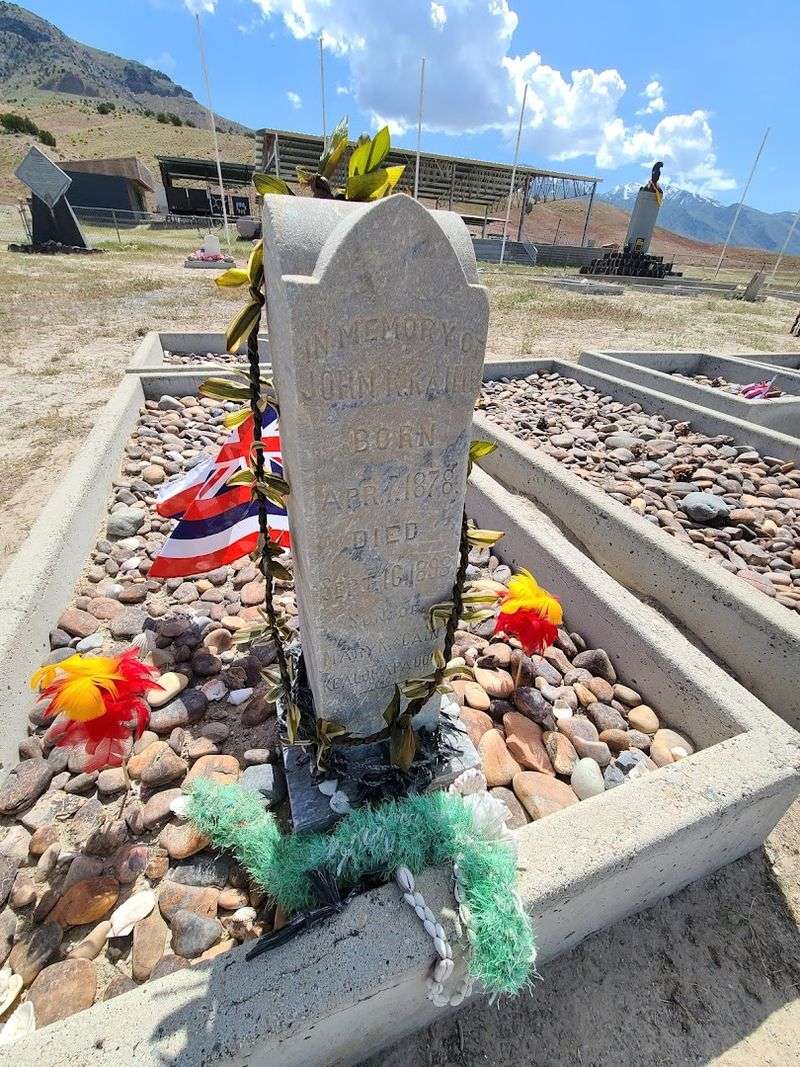
The cemetery at Iosepa is the heart of what remains. Headstones bear Hawaiian names alongside dates stretching back into the late 1800s, and the contrast between those Pacific Island names and the surrounding Utah desert is quietly staggering.
Walking among the graves, you get the distinct feeling that you are reading a letter written by people who wanted to be remembered on their own terms.
Descendants and community members have invested real effort in maintaining and beautifying the site. What once consisted of just a few headstones and a fence has grown into a carefully tended memorial space.
Informational boards explain the colony’s history in clear, accessible language, so you don’t need to arrive as a scholar to leave as one.
Insider Tip: Spend time reading the individual headstones rather than simply scanning the grounds. The names, dates, and occasionally carved symbols offer a deeply personal window into who these people were, where they came from, and what they carried with them across thousands of miles of ocean and desert.
This is not a place to rush through. Give it the quiet attention it deserves, and it will give something back.
The Rise And Fall Of The Most Beautiful Town Nobody Remembers
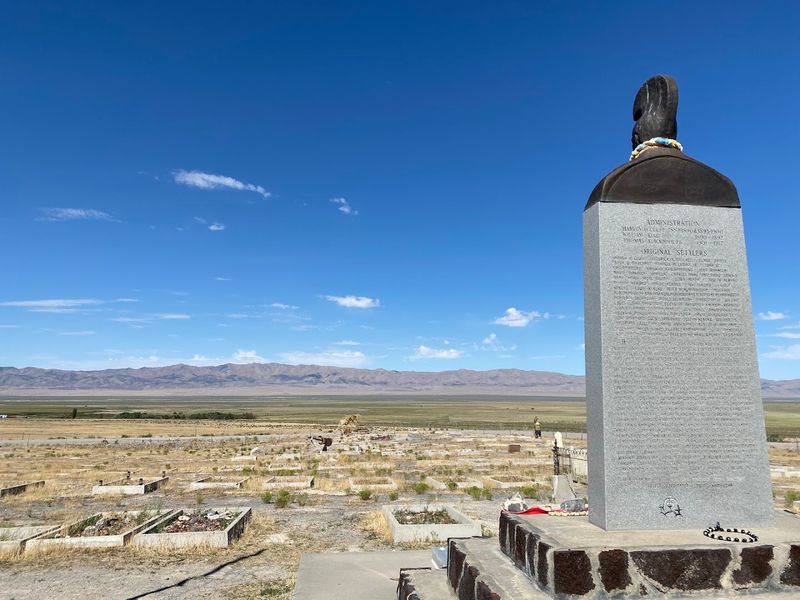
At its peak, Iosepa was no forgotten backwater. The colony operated farms, raised sugar beets, ran a dairy, and built civic structures that made it a functioning, self-sustaining community.
Visitors at the time reportedly described it as among the finest-looking towns in the territory, a description that stops you cold when you look at what remains today.
The decline came in stages. Disease hit hard, particularly leprosy, which devastated the population and forced quarantine measures that isolated families from one another.
Then, in 1917, the LDS Church completed a temple in Laie, Hawaii, giving Hawaiian converts a reason to return home rather than remain in the Utah desert. By 1917, the town had been abandoned, its buildings eventually dismantled or reclaimed by the land.
Common Mistakes to Avoid: Don’t arrive expecting standing structures or building foundations. Most visitors who come looking for classic ghost-town ruins leave surprised by the absence of walls and rooftops.
The real value here isn’t architectural, it’s historical and emotional. Read the informational boards before wandering, because context transforms what looks like empty desert into something you can actually picture as a living, breathing place.
Hiking To The Petroglyph Rock: A Desert Reward Worth Earning
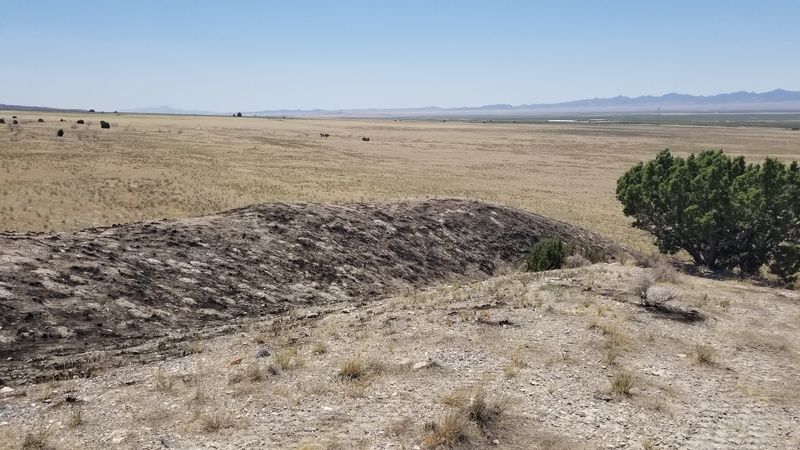
If you’ve got energy left after exploring the cemetery, the site offers a short but genuinely rewarding hike up into the hills above the valley floor. The destination is a large rock decorated with Hawaiian-style petroglyphs, placed there as a cultural marker by community members who wanted to leave a living imprint on the landscape.
The hike gets steep in places, so comfortable shoes are a non-negotiable part of the plan.
The payoff at the top is twofold. The petroglyphs themselves are striking, a piece of Pacific Island visual culture transplanted to a Utah mountainside in a way that feels both unexpected and completely intentional.
The views of the Salt Lake Desert spreading out below are the kind that make you stop talking mid-sentence and just look.
Best For: Families with older kids, couples looking for a low-key adventure, and solo visitors who want their afternoon to include both history and a little altitude. Younger children may find the steeper sections challenging, so plan accordingly.
Bring water, bring more water than you think you need, and remember that the desert at this elevation has its own opinions about how much shade to offer, which is to say, very little.
How Descendants Keep The Spirit Of Iosepa Alive Today
Iosepa didn’t die in 1917. It just changed form.
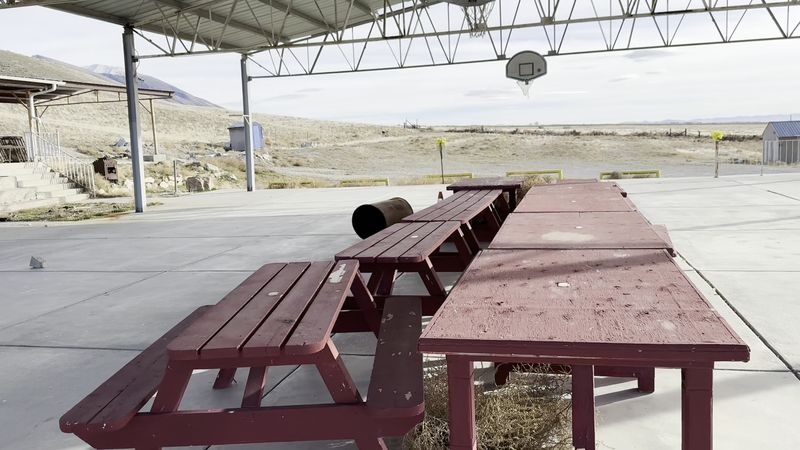
Descendants of the original Hawaiian settlers, along with Polynesian community members from across the region, have transformed the site into an active gathering place. A large covered pavilion now anchors the property, built specifically for cultural celebrations, family reunions, and community events that carry forward the spirit of what was once a living colony.
One visitor noted the presence of a basketball court alongside the historical structures, a detail that somehow captures everything about this place perfectly. It is at once a memorial and a living community hub, honoring the past while making room for the present.
The gates are open to the public, which, as one visitor put it, means people who never knew this history existed now get the chance to encounter it.
Planning Advice: If you happen to visit during one of the community’s organized gatherings, approach with respectful curiosity. These events are deeply personal to the descendants involved.
The site’s open-gate policy reflects a generous spirit of sharing, not an invitation to treat the space casually. Pack out everything you bring in, leave nothing behind, and treat the grounds the way you’d want someone to treat a place that holds your own family’s memory.
Planning Your Visit: What To Bring, What To Expect, And What To Leave Behind
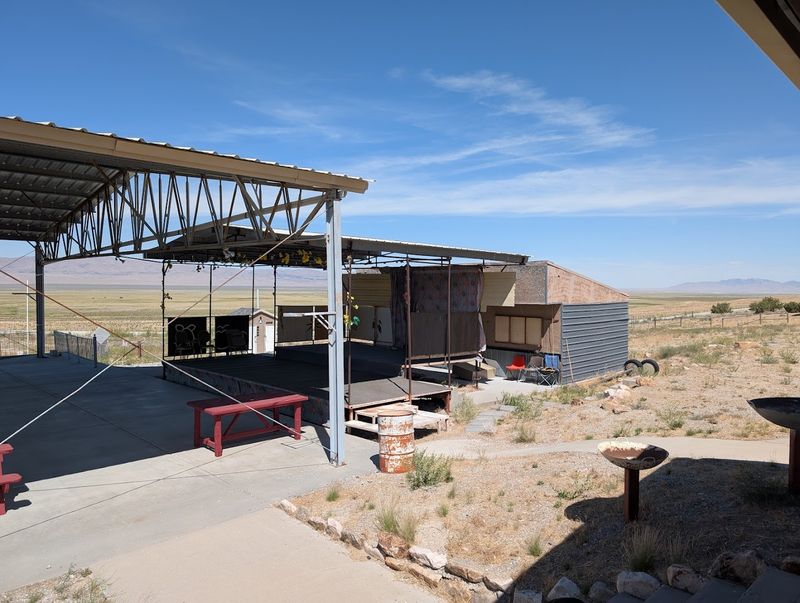
Getting to Iosepa requires a commitment that most weekend drives don’t ask of you. The address is Tc02745, Dugway, UT 84022, which sits in a part of Utah that takes “remote” seriously.
Gas up before you leave any population center, bring more food and water than you think the trip warrants, and tell someone where you’re going. This is not a cautionary exaggeration; it’s just practical desert logic.
The site has restrooms on the property, but they are not open to public use. Plan accordingly before you arrive.
There is no admission fee and no staffed visitor center, so the informational boards scattered around the grounds serve as your primary guide. Read them carefully; they do an excellent job of orienting you to the history without requiring prior knowledge.
Quick Verdict: Iosepa earns its 4.6-star rating not through spectacle but through substance. Visitors who arrive curious and leave moved tend to describe it as one of the most unexpectedly meaningful stops they’ve made in Utah.
It rewards people who slow down, read carefully, and let the silence of the valley do some of the storytelling. If your travel style runs toward efficiency and packed itineraries, this one asks you to shift gears deliberately.
A Desert Memorial That Earns Its Silence
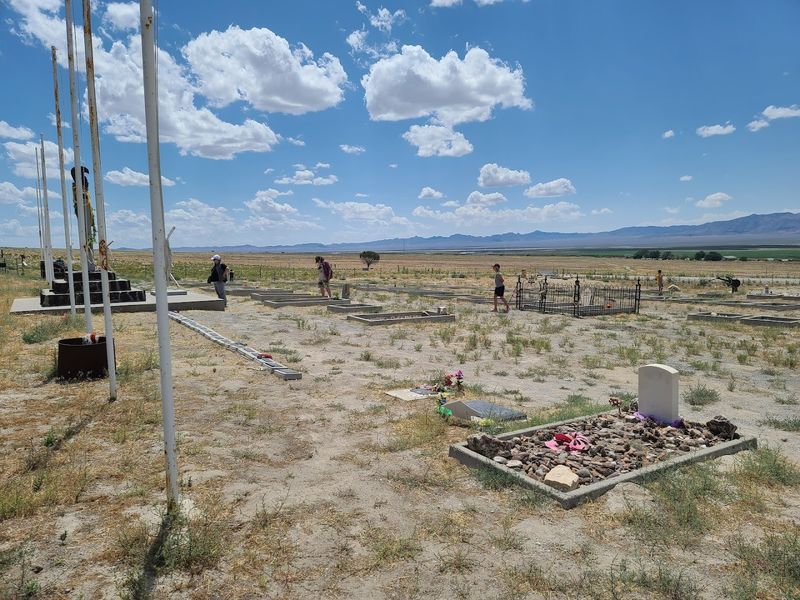
There’s a specific kind of place that doesn’t announce itself loudly, doesn’t have a gift shop or a parking attendant, and doesn’t need either. Iosepa Ghost Town and the Iosepa Settlement Cemetery belong firmly in that category.
The valley holds a story that most Americans have never encountered, and the site tells it with quiet dignity through headstones, informational boards, and the sheer improbability of its location.
Visitors consistently describe a feeling of unexpected reverence upon arrival, the kind that settles over you when a place turns out to be more significant than your GPS suggested. One person described chills running down their neck just standing near the kitchen structure, looking out over the valley where a community once grew food, raised children, and built something worth remembering.
Key Takeaways: Iosepa is best experienced as a dedicated half-day stop rather than a quick roadside glance. Bring supplies, wear sturdy shoes if you plan to hike, and approach the cemetery with the respect it clearly commands.
It sits at a 4.6-star rating across 123 visits for reasons that have nothing to do with amenities and everything to do with meaning. Come prepared to be surprised by how much a patch of Utah desert can hold.