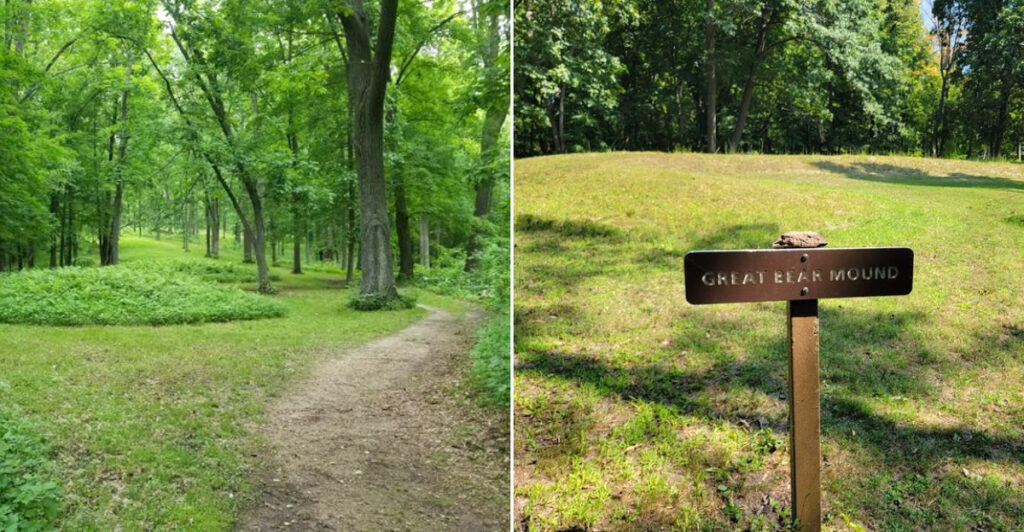
Some hikes give you fresh air, a decent view, and a polite reminder that your legs need hobbies.
This northeastern Iowa trail adds something much deeper: more than 2,500 years of human history resting along the bluffs above the Mississippi River.
As you walk, ancient earthen mounds built by Indigenous peoples come into view, turning the path into something quieter and more meaningful than a regular outdoor outing. The scenery is beautiful, but the history gives every step extra weight.
Iowa does not always get praised for dramatic hiking, but this place makes a strong case without raising its voice. Bring water, wear sturdy shoes, and give yourself time to move slowly.
This is not a trail to rush.
What Effigy Mounds National Monument Actually Is
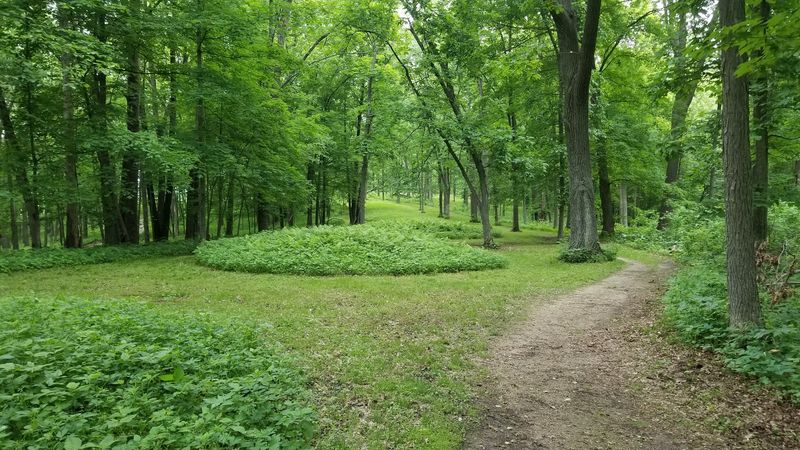
Not every hike comes with river views, quiet forest paths, and thousands of years of history waiting just beyond the trailhead.
Effigy Mounds National Monument brings all of that together along the Mississippi River bluffs in northeastern Iowa, where the landscape feels scenic at first and deeply meaningful once you understand what you are walking past.
The monument preserves more than 200 known prehistoric mounds, many built by Native American cultures during the Woodland period.
Some of the mounds are shaped like animals, including bears and birds, which is where the word “effigy” comes in.
These are not replicas or decorative reconstructions. The mounds are real, still resting in their original locations, which gives the whole visit a quieter kind of importance than a typical outdoor stop.
The National Park Service manages the property, and admission is completely free, so no national parks pass is needed.
The visitor center opens daily at 9 AM and closes at 4:30 PM, with rangers available to answer questions, hand out maps, and help add context before you head onto the trails.
For anyone who wants a peaceful Iowa hike with scenery, history, and a strong sense of place, this monument is absolutely worth slowing down for. You will find Effigy Mounds National Monument at 151 IA-76, Harpers Ferry, IA 52146.
The Story Behind the Mounds
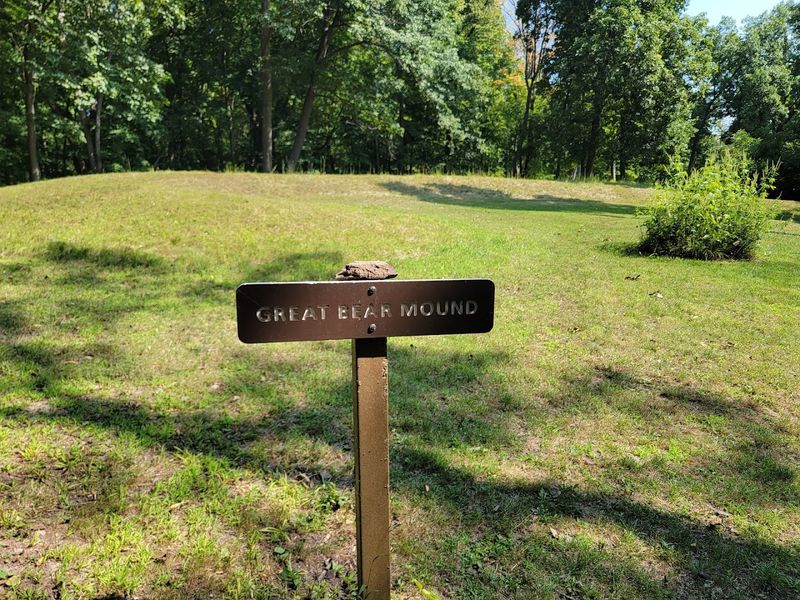
The people who built these mounds did not leave written records, but the earthworks themselves carry a clear message: this land mattered deeply.
The mounds were constructed over many centuries, beginning around 500 BCE, and served multiple purposes including ceremonial gathering, burial, and marking the landscape in ways that reflected spiritual beliefs.
The effigy-shaped mounds, particularly the bear and bird forms, are the most visually striking. The Marching Bears group in the south unit is one of the most well-known, featuring a line of bear-shaped mounds that appear to walk in formation across the bluff top.
Getting there requires a steep climb up a gravel service road, but the quiet forest at the top makes the effort worthwhile.
This is still considered sacred ground by many Native American communities today. The National Park Service works with affiliated tribes to ensure the land is treated with respect.
Staying on the marked trails is not just a park rule here. It is a genuine act of consideration for a living cultural legacy that predates the United States by more than two millennia.
The Trails and What to Expect on Each One
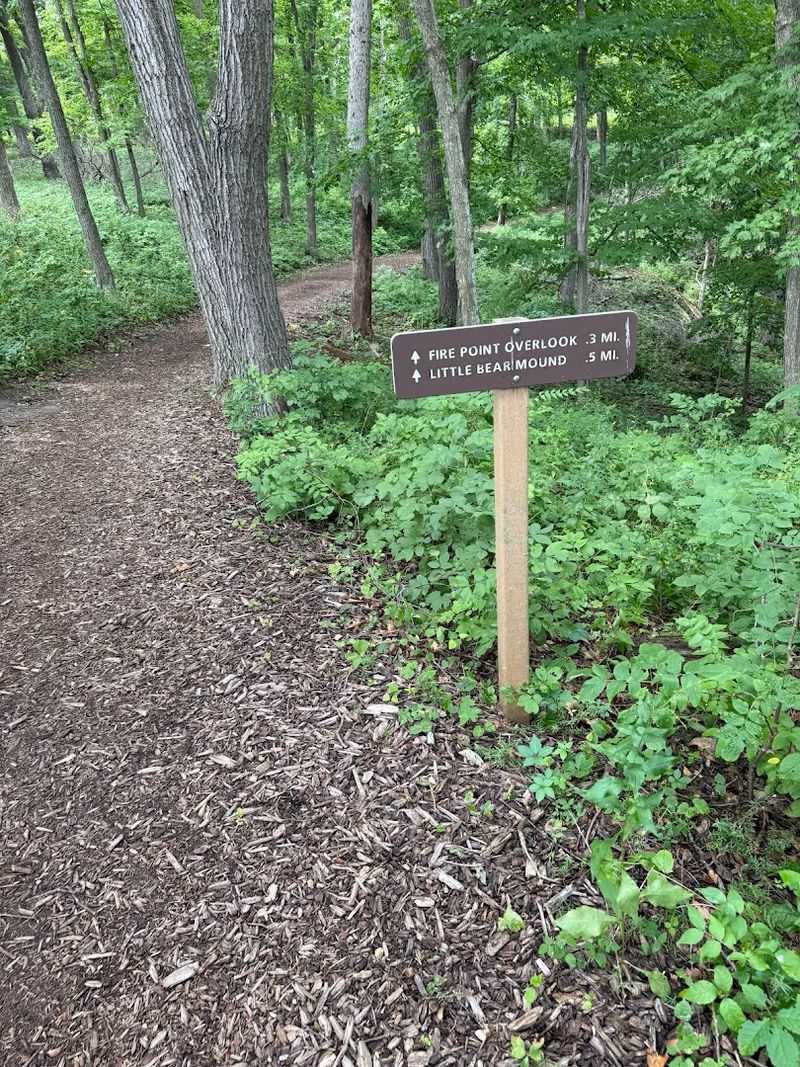
The monument has roughly 14 miles of trails split between a north unit and a south unit, and they are not all the same level of effort.
The most commonly used paths near the visitor center are wide, covered in wood chips, and well-signed.
They are manageable for most fitness levels, including older hikers and those with arthritic knees, as long as you pace yourself on the initial uphill section.
The farther you go from the trailhead, the more natural the surface becomes. Roots, small rocks, and leaf cover replace the wood chips, so solid footwear is a real requirement, not just a suggestion.
The Hanging Rock trail is the most demanding of the bunch and should be treated as a genuine hike rather than a casual stroll.
The Yellow River Boardwalk is one of the gentlest options on the property. It is about 1 mile round-trip, has no elevation gain, and takes you through wetlands before crossing the Yellow River.
No mounds appear on this main boardwalk route, but it is a solid choice if you want a low-impact walk through diverse natural scenery.
The Views From the Bluff Overlooks
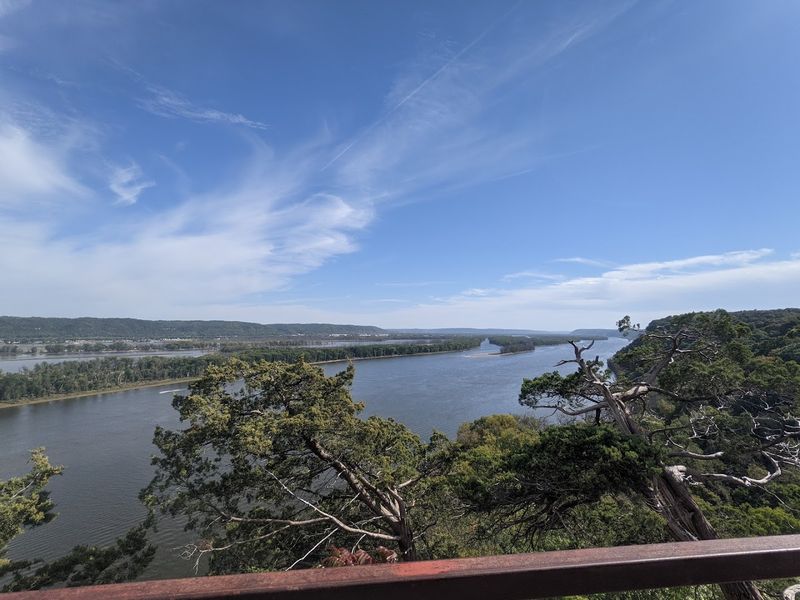
The climb up the bluff is steep enough that you will feel it in your legs, but the overlooks at the top are a genuine payoff.
On a clear day, you can see the Mississippi River valley spread out below in a wide, green panorama that stretches across into Wisconsin.
Bald eagles and other raptors are sometimes seen above the river valley, and Eagle Point is one of the most popular stopping spots along the north unit trail.
The north unit overlooks are widely considered the stronger viewpoints compared to those in the south unit. If your main goal is a grand river view paired with some exercise, starting with the north unit is the smarter call.
The south unit offers a quieter, more solitary forest experience, especially along the Marching Bears trail, where you might hike for an hour without passing another person.
Benches are placed at intervals along the trail, so you can sit, catch your breath, and actually take in the scenery instead of just powering through it.
That detail alone changes the rhythm of the hike from a workout into something closer to a slow, deliberate exploration.
The Visitor Center and What You Will Find Inside
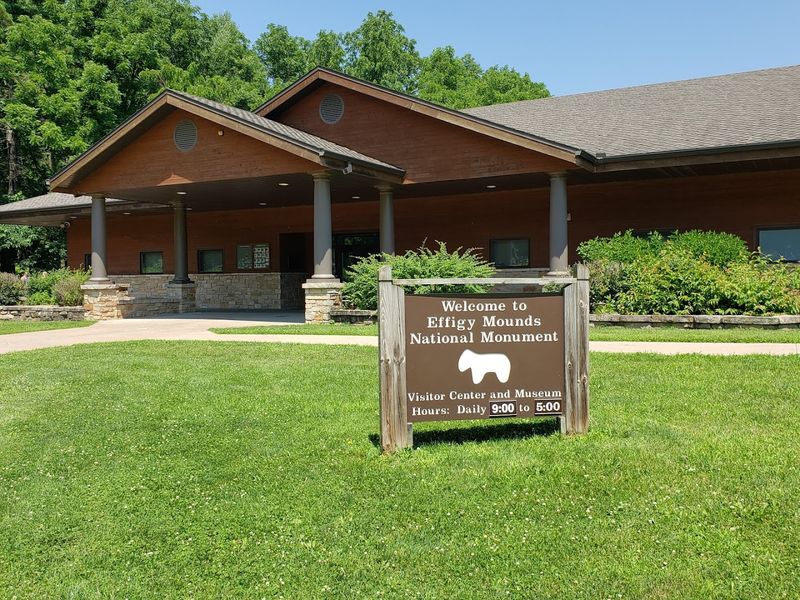
Before heading out on the trail, the visitor center is worth at least 20 to 30 minutes of your time.
The small museum inside covers the history of the mound-building cultures, the significance of the effigy shapes, and the ongoing relationship between the National Park Service and the Native American communities affiliated with this land.
The displays are informative without being overwhelming.
Rangers at the front desk hand out free trail maps and are genuinely helpful when it comes to recommending which trail fits your pace and how much time you have. Ranger-led presentations happen periodically, and if you catch one, it adds real depth to what you see on the trail afterward.
The auditorium inside the center occasionally shows an orientation film, though it may be closed for updates depending on when you visit.
The bathrooms inside the visitor center are clean and well-maintained, which matters more than people usually admit when planning a half-day outing.
The center is open daily from 9 AM to 4:30 PM.
If you plan to arrive close to opening time on a weekend morning, you may have the early trail sections largely to yourself before the crowds build.
Admission Cost and Practical Planning Tips
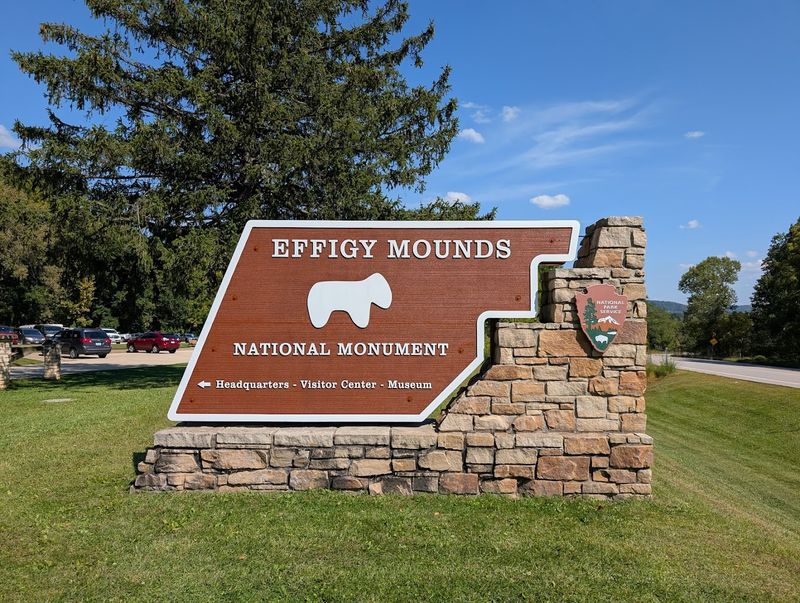
One of the most pleasant surprises about this monument is the price of admission: nothing. Zero.
The entire property is free to enter, and no America the Beautiful pass or any other national parks card is needed.
That is a rare thing for a federally managed property with this much to offer, and it makes the monument an easy add to any road trip through the upper Midwest without budget friction.
Plan to spend at least three hours if you want to visit the visitor center and hike one of the longer trail loops. Bring more water than you think you need, especially in summer, because the uphill sections warm you up faster than expected.
Bug spray and a tick check after the hike are both smart habits here, particularly from late spring through early fall when the trail vegetation is dense.
The parking area has picnic tables nearby, which makes a post-hike snack or lunch feel like a natural reward rather than an afterthought.
The monument is located close to the Iowa-Wisconsin border, so it pairs well with a longer regional road trip that includes stops on both sides of the river.
Best Times of Year to Visit
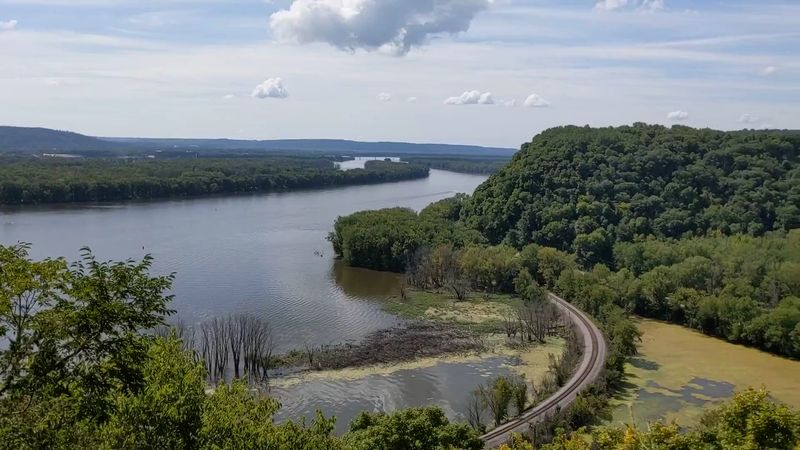
Fall is the season that gets the most enthusiastic endorsements from people who have visited more than once.
The combination of cooler temperatures, lower humidity, and the full color of the hardwood forest makes the bluff trails feel almost theatrical.
The views from the overlooks become even more layered once the leaves start turning, with red and orange canopy dropping away toward the river below.
Spring is a close second for wildflower coverage and mild hiking weather, though the trail can get muddy after rain, especially on the sections with natural ground cover rather than wood chips.
Summer visits are absolutely doable, but the heat and humidity in northeastern Iowa can make the uphill sections feel more demanding than they would in cooler months.
Starting early in the morning helps considerably.
Late November through February tends to be quiet and cold, and while the monument trails stay open year-round from dawn to dusk, winter weather can still affect trail conditions and visitor center access.
If you are flexible with your travel dates, September and October offer arguably the best balance of comfortable trail conditions, strong foliage color, and a crowd level that stays manageable even on weekends.
Dogs, Kids, and Who the Trails Work For

Dogs are welcome on the trails at Effigy Mounds, which immediately elevates the place in the estimation of anyone who has ever had to leave a pet in a hot car outside a national park.
Leashes are required, pets are not allowed inside park buildings, and they cannot walk or sit on the burial mounds.
The Marching Bears trail in particular has a reputation for being quiet enough that you and your dog might have the whole path to yourselves.
Families with kids can make a solid outing here as long as the children are old enough to handle the uphill section without too much protest. The trail signage is clear and well-placed, which helps keep younger hikers oriented and engaged.
The National Park Service also runs a Junior Ranger program, and the monument has offered hiking challenges with patches and stickers as rewards, which gives kids a concrete goal to work toward when available.
For easier access, the Three Mounds area north of the visitor center can be reached by a short concrete bridge and wheelchair-accessible boardwalk, while the Yellow River Boardwalk offers an accessible out-and-back route through wetland scenery.
These routes do not replace the bluff trails, but they provide a meaningful way to experience the landscape with less climbing.
Why This Place Deserves a Spot on Your Iowa Road Trip
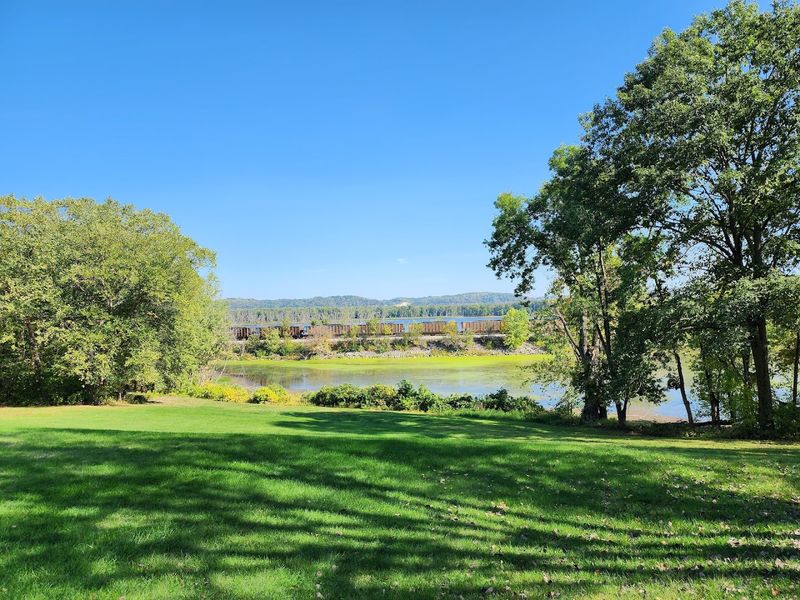
Road trips through Iowa often focus on the obvious stops, but the northeastern corner of the state holds some of the most compelling scenery and history in the entire upper Midwest.
Effigy Mounds National Monument sits near the Wisconsin border, which makes it a natural anchor point for a longer drive that could include Pike’s Peak State Park a few miles to the south, or a crossing into Wisconsin for additional river bluff scenery.
The combination of free admission, well-marked trails, genuine archaeological significance, and Mississippi River views is hard to match anywhere else in the region.
Visitor feedback is consistently strong, and the praise usually centers on the same things: the trails are well-maintained, the staff is approachable, and the mounds themselves leave a stronger impression than most people expect going in.
Call ahead at 563-873-3491 or check the NPS website if you want to confirm visitor center hours, trail conditions, or ranger programs before your visit.
The visitor center opens at 9 AM daily, while the trails are generally open from dawn to dusk, and arriving close to opening time on a weekday gives you the quietest, most unhurried version of the whole experience.