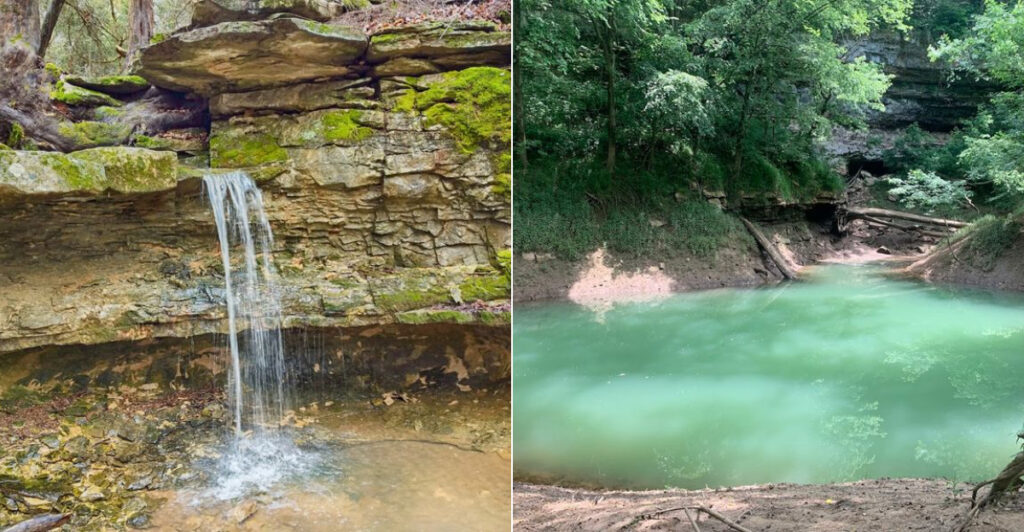
Indiana has a side that catches people off guard fast, and this natural wonder is one of the strongest examples. At first glance, it sounds almost too dramatic to be real.
Then you see the massive drop, the rough limestone terrain, the thick vegetation below, and the hidden cave openings that make the whole scene even more striking.
This is not the kind of place people expect to find in Indiana, which is exactly what makes it so memorable.
The scale grabs your attention right away, but the details keep you looking longer than planned. Every angle gives you something new to notice.
It is wild, unusual, and packed with the kind of raw scenery that makes a regular day trip feel far more exciting. Indiana has plenty of outdoor spots worth exploring, but this one brings a level of surprise that is hard to top.
For anyone who loves nature and places with real character, this is the kind of stop that earns a spot on the list fast.
Sinkhole Size Of A Small Neighborhood
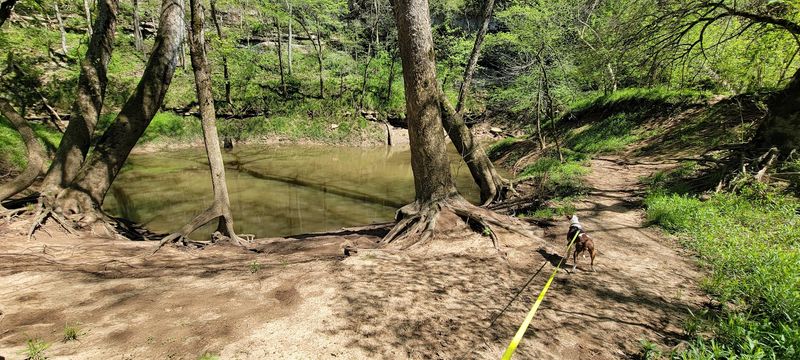
Not every day do you come across a sinkhole the size of a small neighborhood, but Wesley Chapel Gulf is exactly that kind of place.
It sits in Orange County, Indiana, carved out over thousands of years by water slowly dissolving the limestone bedrock underneath.
The result is a dramatic bowl-shaped depression that stretches roughly 400 feet across and drops more than 100 feet in depth.
That is not a typo. One hundred feet down, with cave entrances waiting at the bottom.
The geological term for this type of feature is a karst sinkhole, and Indiana actually sits on one of the most active karst regions in the entire country.
Most people picture flat cornfields when they think of Indiana. Wesley Chapel Gulf flips that image completely upside down.
What makes this spot so fascinating is that it is not just a hole in the ground.
It is a living, breathing landscape with its own microclimate, plant life, and underground water systems.
The sinkhole is part of the larger karst system that connects to Bluespring Caverns and other underground features in the region.
It is one of the most visually striking natural formations in the entire state, and most Indiana residents have never even heard of it.
That is the kind of hidden treasure that makes road trips genuinely exciting.
The Cave Entrances That Spark Your Imagination
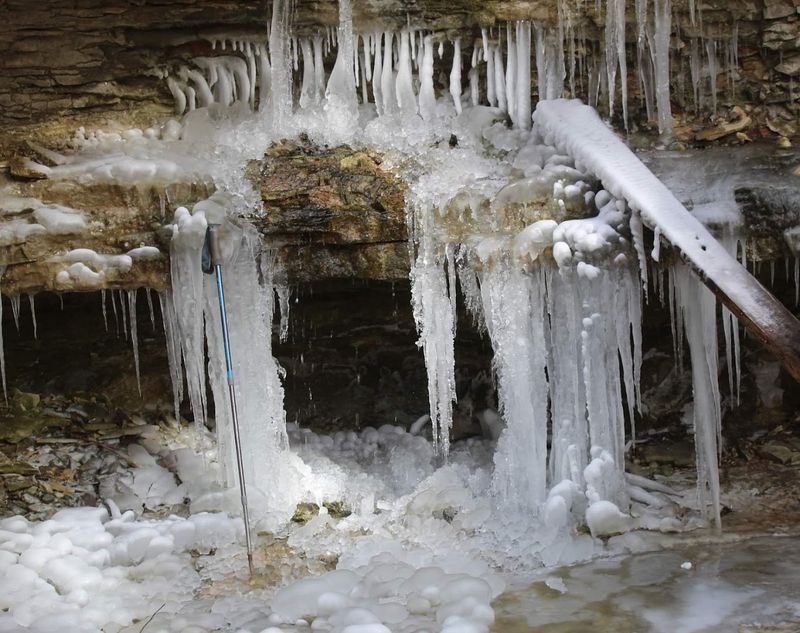
At the base of Wesley Chapel Gulf, cave entrances cut into the limestone walls, and they are the kind of thing that makes your heart beat just a little faster.
These openings lead into an underground network that has been forming for millions of years.
The caves are part of the broader karst system beneath southern Indiana, where water has carved out tunnels, chambers, and passages through solid rock.
Some of these passages connect to active underground streams that eventually feed into larger cave systems nearby.
Standing at the rim and looking down at those dark openings is a genuinely thrilling experience.
You do not need to be a geologist to feel the pull of curiosity when you see a cave mouth disappearing into shadow below you.
The caves at Wesley Chapel Gulf are not set up for public tours the way commercial caverns are, which honestly makes them feel even more mysterious.
The limestone walls around the entrances show layers of geological history, with different strata visible in the rock face.
Each layer shows what this part of Indiana looked like millions of years ago, when shallow seas helped form the rock seen today.
That kind of deep time perspective is genuinely humbling.
A Hidden Ecosystem Inside The Sinkhole
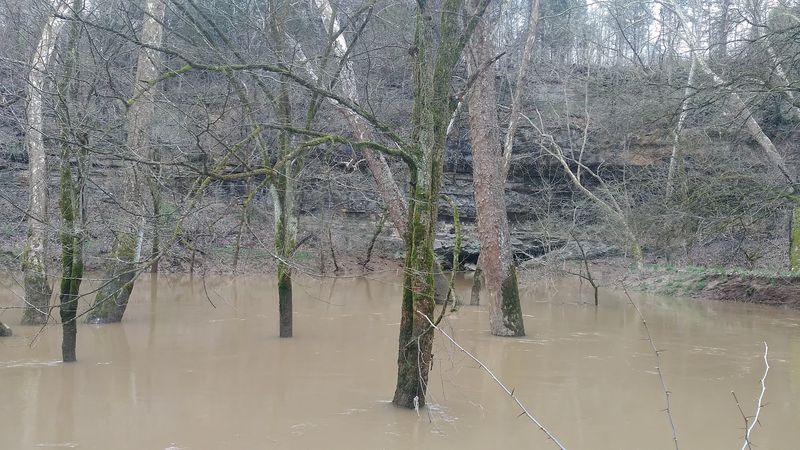
The inside of Wesley Chapel Gulf is not just rocks and dirt.
It is a thriving ecosystem that operates almost independently from the surrounding landscape.
The depth of the sinkhole creates a unique microclimate where temperature, humidity, and light all behave differently than they do at ground level.
Because the sinkhole traps cold air at the bottom, plants that normally grow much farther north can survive here.
You might spot species of ferns, mosses, and wildflowers that feel completely out of place in Indiana but are perfectly happy in this cool, shaded environment.
The walls of the sinkhole are covered in layers of green, from delicate mosses clinging to damp limestone all the way up to mature trees rooted along the upper rim.
It creates a visual effect that feels almost theatrical, like nature designed this space on purpose.
The contrast is striking and genuinely educational.
Wildlife also takes advantage of this sheltered environment.
Birds use the sinkhole walls for nesting, and the cave entrances at the bottom provide habitat for bats and other cave-dwelling creatures.
The whole system is interconnected in ways that scientists are still working to fully understand. Visiting here means stepping into a living laboratory that nature built entirely on its own terms.
The Geology That Made This All Possible
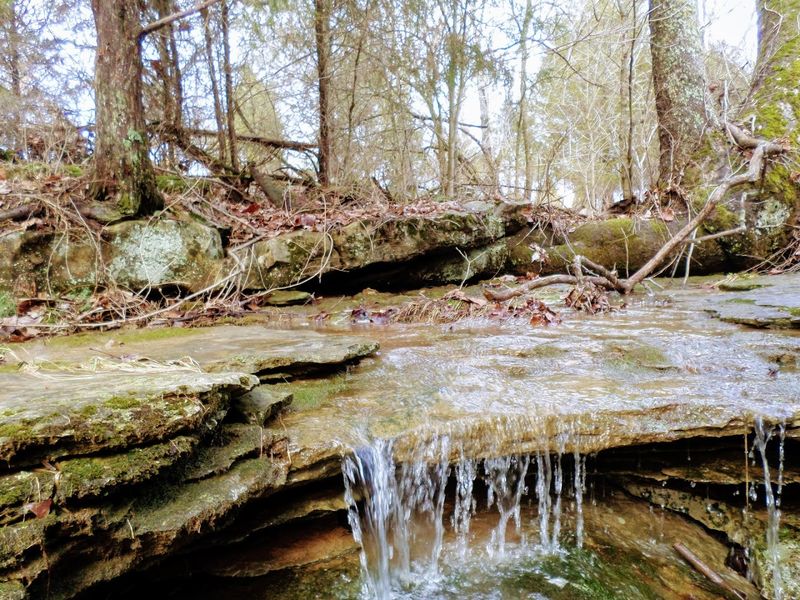
Southern Indiana sits on a thick layer of limestone bedrock, and that single geological fact is responsible for everything you see at Wesley Chapel Gulf.
Limestone is soluble in slightly acidic water, which means that rainwater, over thousands and thousands of years, slowly eats through the rock from below.
As underground cavities grow larger, the roof above them becomes thinner and less stable.
At some point, the ceiling collapses, and what was once a hidden underground chamber becomes an open-air sinkhole.
That is exactly what happened here, though the process took an almost unimaginably long time.
The Orange County area is part of the Mitchell Plain, a karst plateau that stretches across several counties in southern Indiana.
This region has more sinkholes, caves, and underground streams per square mile than almost anywhere else in the eastern United States.
Looking at the exposed rock walls of Wesley Chapel Gulf, you can actually see the layers of limestone stacked on top of each other like pages in a book.
Each layer represents a different period of geological history, some dating back over 300 million years.
Is there a more dramatic way to read the history of the earth than standing at the edge of a massive sinkhole?
How To Find And Visit Wesley Chapel Gulf
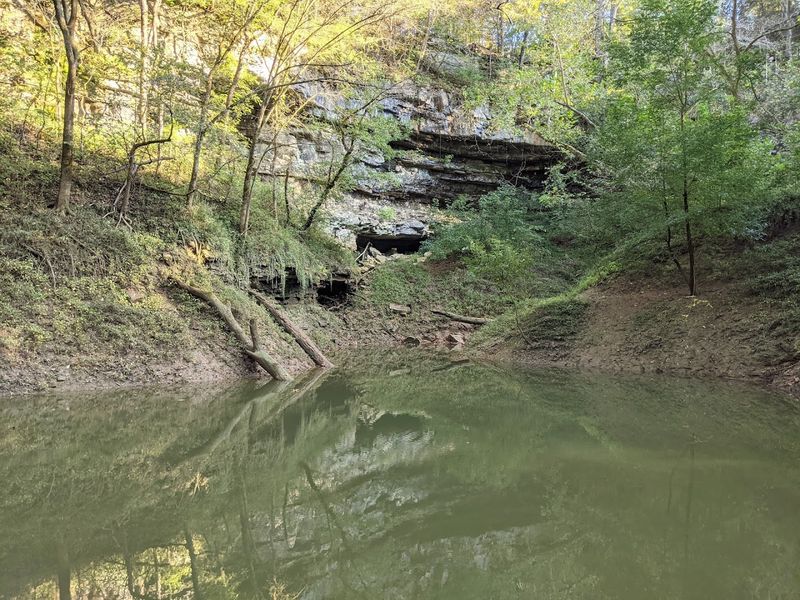
Getting to Wesley Chapel Gulf is part of the adventure.
The address is 4742 N County Rd 350 W, Orleans, IN 47452, and it sits in a rural part of Orange County that most GPS systems will navigate you through without much drama.
The roads leading in are mostly paved county roads with some gravel sections near the site.
There is a small parking area near the rim of the sinkhole, and the viewing experience starts almost immediately once you step out of your car.
The scale of the depression becomes clear very quickly, and most first-time visitors stop in their tracks within the first few steps.
That first glimpse never gets old, no matter how many times people have described it to you.
The site is managed as a natural area, so there are no entrance fees, no ticket booths, and no crowds fighting for the best photo spot.
You are essentially visiting a piece of raw Indiana geology with minimal infrastructure around it. That simplicity is a big part of its appeal.
Wear sturdy shoes because the terrain around the rim can be uneven.
The best times to visit are spring and fall, when the vegetation is either just coming to life or turning brilliant colors.
The Sounds And Atmosphere Of The Gulf
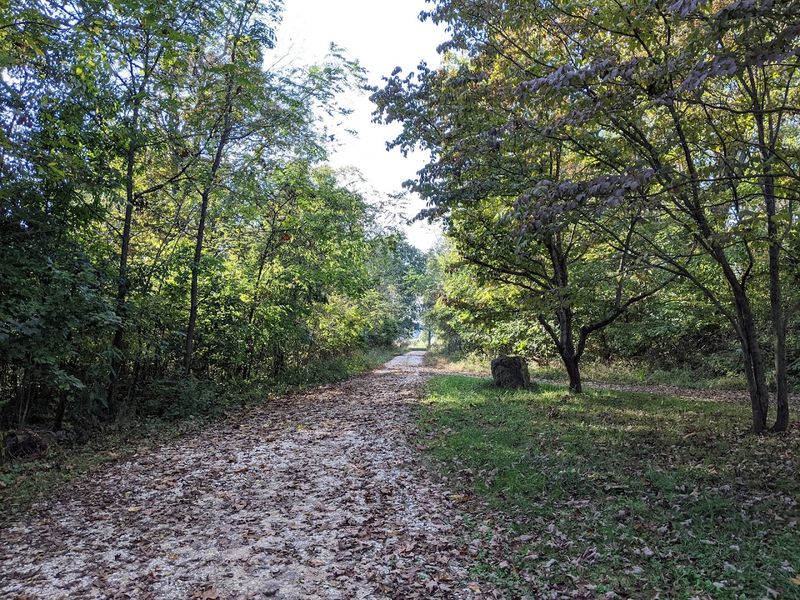
There is something about the atmosphere at Wesley Chapel Gulf that photographs struggle to capture.
The moment you approach the rim, the air changes.
It gets cooler, slightly damper, and carries a faint earthy smell that comes from the moisture-rich environment inside the sinkhole.
Sound behaves strangely here too. The depth of the bowl seems to amplify certain noises while swallowing others.
Bird calls echo off the limestone walls in a way that sounds almost musical.
On a still morning, you can sometimes hear the faint sound of water moving somewhere far below, a reminder that an entire underground system is quietly at work beneath your feet.
The visual experience shifts dramatically depending on the season and time of day.
Early morning fog sometimes settles into the bottom of the sinkhole, creating a scene that looks like something out of a fantasy novel.
Late afternoon light hits the western wall of the sinkhole and lights up the limestone in warm gold tones.
Even on busy days, the site manages to feel intimate and personal.
The scale is large enough to be dramatic but contained enough that you never feel lost or overwhelmed.
It is the kind of place that rewards slow, attentive visitors who actually stop to listen.
Wildlife You Might Spot Around The Sinkhole
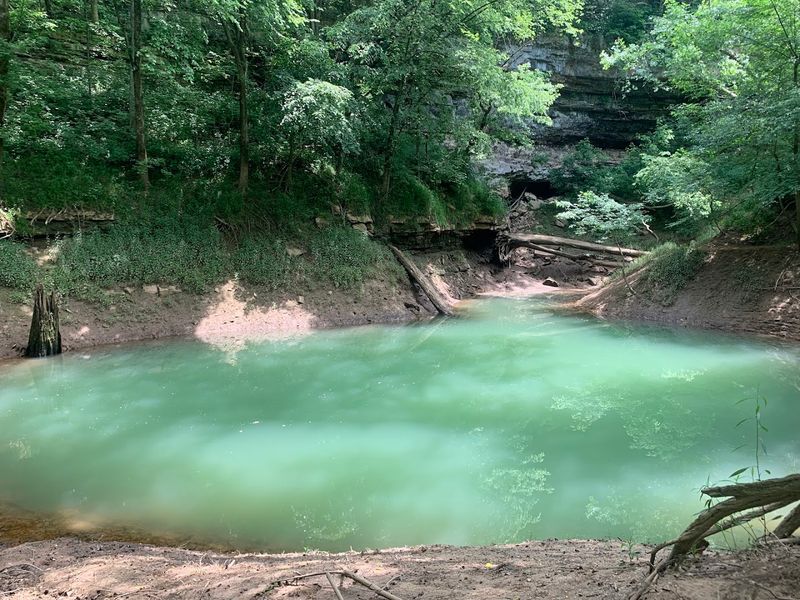
The combination of a cool microclimate, dense vegetation, and cave entrances makes Wesley Chapel Gulf an exceptional spot for wildlife watching.
The variety of habitats packed into one location attracts an impressive range of animals, many of which you would not normally see together in the same small area.
Bats are among the most notable residents.
Several species use the cave entrances at the bottom of the sinkhole as roosting sites, and watching them emerge at dusk is one of the more memorable experiences the site offers.
Indiana is home to multiple bat species, including the little brown bat and the endangered Indiana bat, and karst environments like this one are critical to their survival.
Woodland salamanders thrive in the damp, shaded conditions along the sinkhole walls.
These small, secretive creatures are easy to miss but rewarding to find if you move slowly and look carefully under rocks and logs near the rim.
Birds are abundant here as well.
The dense tree canopy around the rim provides nesting habitat for warblers, thrushes, and woodpeckers.
Red-tailed hawks sometimes circle overhead, riding the thermal currents that rise from the sinkhole on warm afternoons.
Spring and early summer are the best seasons for wildlife activity.
The chorus of frogs calling from the moisture-rich bottom of the sinkhole in April is something that sticks with you long after you have driven back home.
Nature puts on a real show here.
Why This Place Deserves A Spot On Your Indiana Bucket List
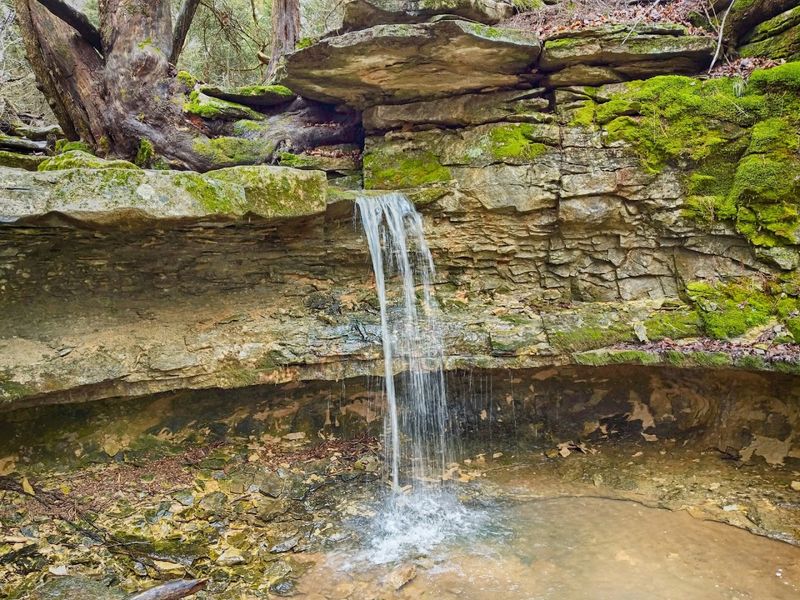
Indiana does not always get the credit it deserves as a destination for natural wonders, and Wesley Chapel Gulf is one of the strongest arguments for changing that narrative.
This is not a manufactured attraction or a polished tourist experience.
It is one of the most dramatic natural formations in the entire Midwest, sitting quietly on a county road in Orange County.
The combination of geological drama, ecological diversity, and cave mystery makes this site genuinely one of a kind.
You can find bigger caves elsewhere and taller cliffs in other states, but the specific package that Wesley Chapel Gulf offers is hard to replicate anywhere else in Indiana.
It is also free to visit, easy to access, and relatively uncrowded compared to more famous natural sites.
That combination is increasingly rare, and it makes Wesley Chapel Gulf feel like a discovery rather than a destination. How many places can still give you that feeling?
Families with curious kids will find plenty to talk about here.
The geology, the wildlife, the cave entrances, and the sheer scale of the sinkhole all spark questions that lead to great conversations.
Teachers and parents often find that one real-world experience like this is worth more than a dozen classroom lessons.