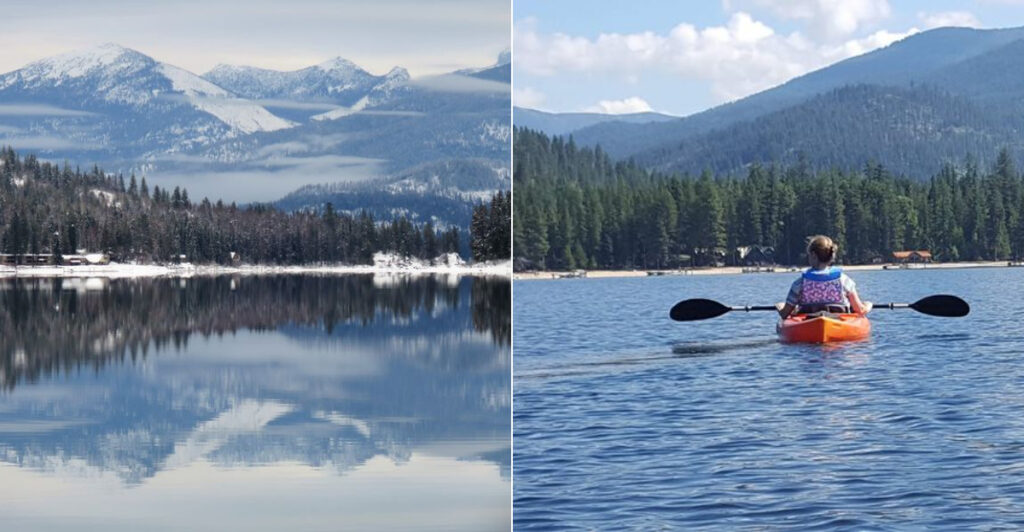
Crystal-clear water. Old-growth cedar forests. Starry skies so clear they look completely unreal. And almost nobody knows this place exists.
That is the whole point. Up in Idaho’s far northern panhandle, just miles from the Canadian border, there is a lake that has somehow stayed exactly as nature intended.
Unpolluted. Undeveloped. Unbelievably beautiful. Sandy beaches stretch along the shore.
Islands sit in the middle, just waiting to be camped on. Mountains frame the whole scene like nobody asked them to but everybody is glad they did.
The silence here is the real thing. Not quiet like a library. Quiet like the rest of the world genuinely cannot reach this far. Idaho rewards the travelers who go the extra mile.
This is proof of that. Drive north, keep going, and do not stop until the trees get bigger and the water gets clearer. It is absolutely worth it.
Where Clarity Meets Mountains
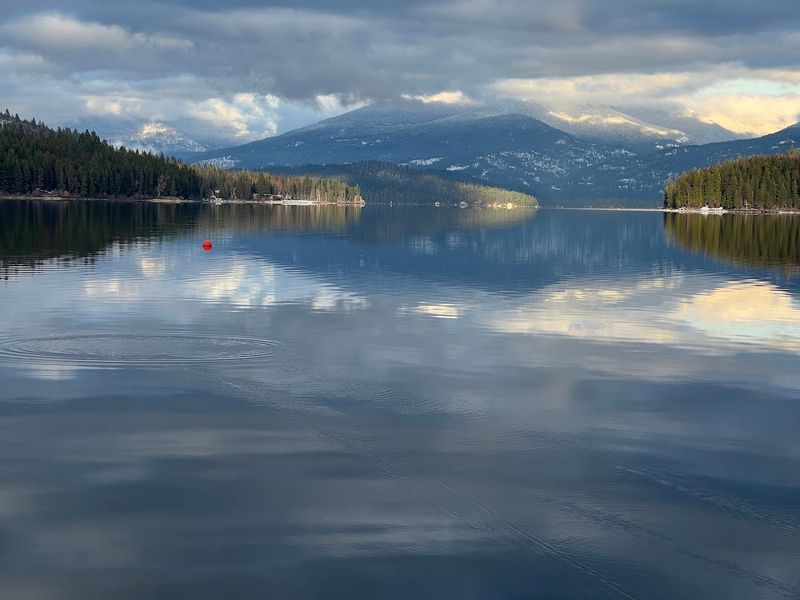
Stand at the shoreline of Priest Lake and look down. You can see straight to the bottom, and that is not an exaggeration.
The water here is fed by mountain streams from the Selkirk Mountains, some of which reach up to 7,656 feet, and the result is a lake so clear it almost looks unreal.
Visitors say the water feels like swimming in a giant glass of cold, clean water. The sandy beaches make wading in easy, and the lake bottom stays visible even as you walk further out.
Families love this because parents can actually see where their kids are splashing around.
The Selkirk peaks frame the horizon on every side, and on calm mornings, the reflections on the water are so sharp they look like a mirror. Photographers have been known to set an alarm for sunrise just to catch that light.
Located in northern Idaho, about three hours north of Coeur d’Alene, the lake sits in a setting that genuinely earns every compliment it receives.
Upper Priest Lake Silence
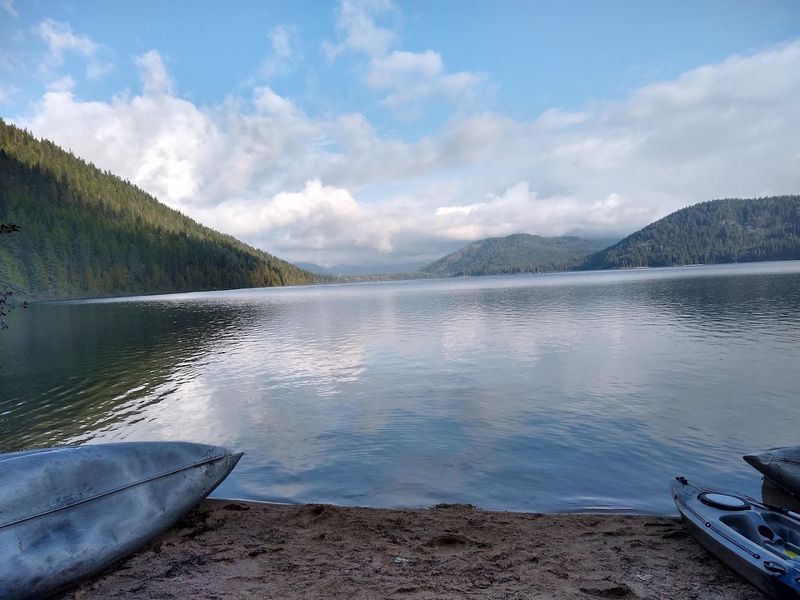
There is a place beyond Priest Lake that most visitors never reach, and that might be the best thing about it. Upper Priest Lake sits at the end of a two-mile thoroughfare, and motorized boats are not allowed there. That rule alone changes everything.
Paddle a kayak or canoe through that quiet channel and you enter a federally designated Scenic Area where the loudest sound is usually a bird call or a paddle dipping into still water. No engines, no wakes, no crowds.
Just you, the trees, and the lake.
The thoroughfare itself is a no-wake zone, so even getting there feels like a slow exhale. Campers who paddle up and spend the night on Upper Priest Lake consistently say it is one of the most peaceful nights they have ever had outdoors.
Have you ever slept somewhere so quiet it felt almost loud?
Idaho does not advertise this spot nearly enough. The combination of accessible paddling and genuine wilderness makes Upper Priest Lake a rare find.
Ancient Cedars Still Standing
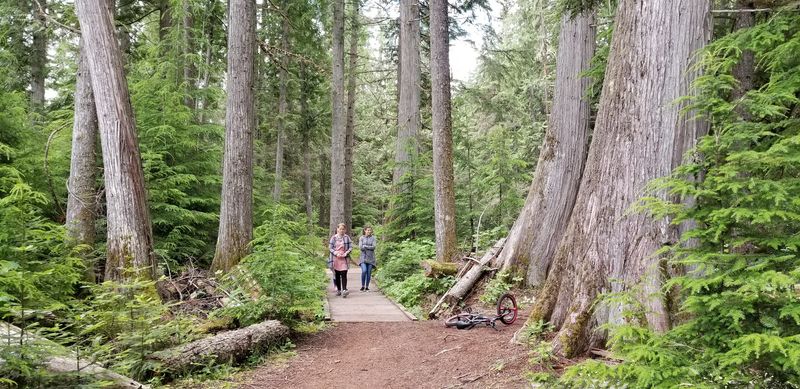
Some of the trees near Priest Lake were already old when Columbus sailed. The Roosevelt Grove of Ancient Cedars, located close to the lake, is home to western red cedars estimated to be between 800 and 3,000 years old.
Walking among them feels like stepping into a different time scale entirely.
The trunks are enormous, with some stretching so wide that multiple people cannot link hands around them. The canopy filters the light into soft green patches, and the forest floor stays cool and mossy even on warm summer days.
It is the kind of place that makes people go quiet without anyone asking them to.
Granite Falls is also nearby, adding a waterfall to the experience for hikers who want to keep moving. The trail system around the grove is well-maintained and accessible for most fitness levels, so you do not need to be an experienced hiker to enjoy it.
How often do you get to stand next to something that has been alive for three millennia? The Roosevelt Grove is one of the most undervisited natural landmarks in Idaho, and that is a fact worth changing.
Island Camping Done Right
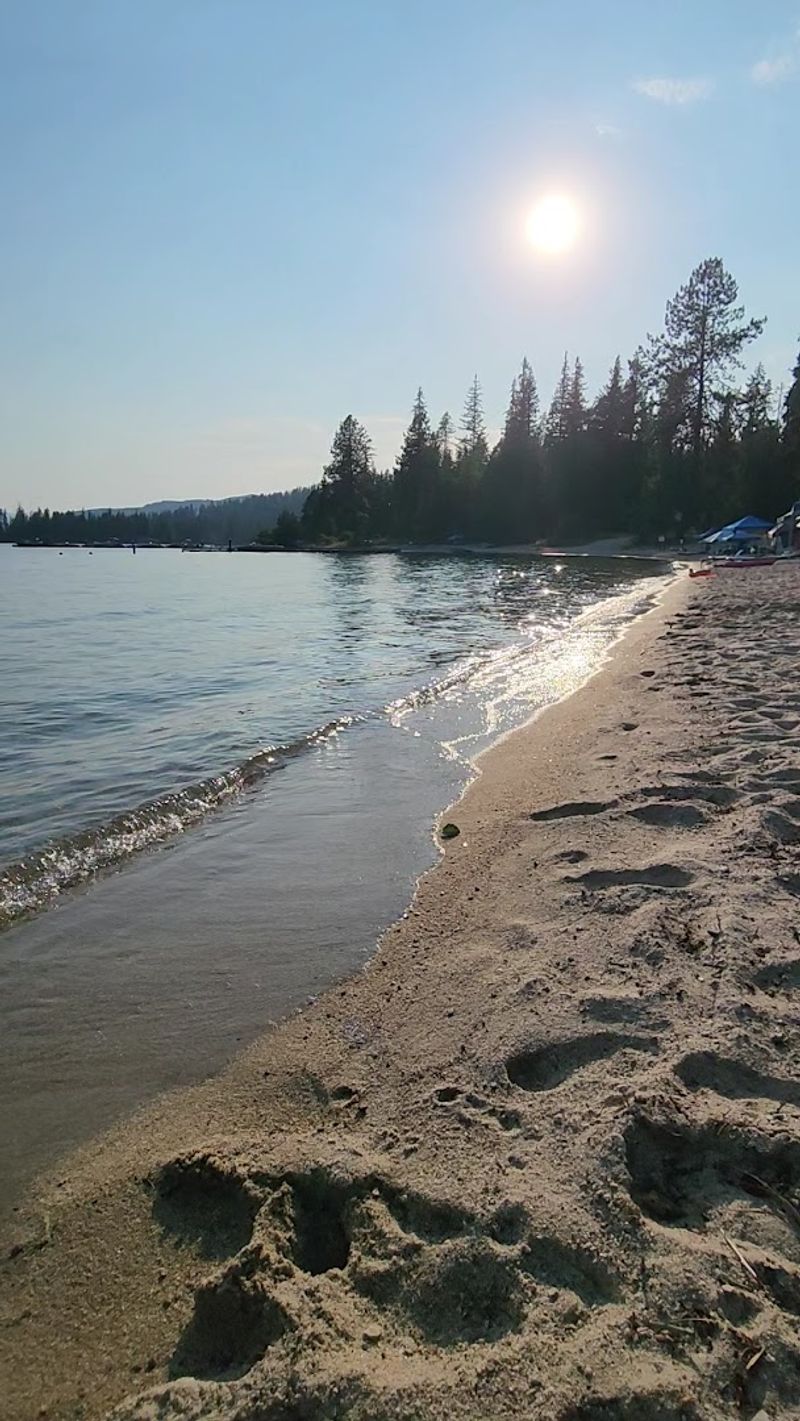
Kalispell Island sits in the middle of Priest Lake like a reward for anyone willing to paddle out to it. The island has designated campsites, a sandy beach, and panoramic views of the lake and the Selkirk Mountains.
It is the kind of campsite that people tell their friends about for years.
Getting there requires a boat or a kayak, which is part of the appeal. The slight effort of reaching it means the island stays quieter than most campgrounds.
Once you set up your tent and watch the sun drop behind the mountains, you will understand why some families have been coming back to Priest Lake every summer for nearly 50 years.
The island offers a real sense of being away from everything without being far from help if you need it. Mornings on Kalispell mean waking up to lake sounds, fresh air, and a view that no hotel room can match.
Want to know what it feels like to have a small island mostly to yourself?
Priest Lake State Park manages access to the island and surrounding areas across its three units: Indian Creek, Lionhead, and Dickensheet. Reservations are smart during peak summer months, but the experience is worth every bit of planning.
Camping on Kalispell Island is a bucket-list moment hiding in plain sight.
Trophy Fish And Quiet Casts
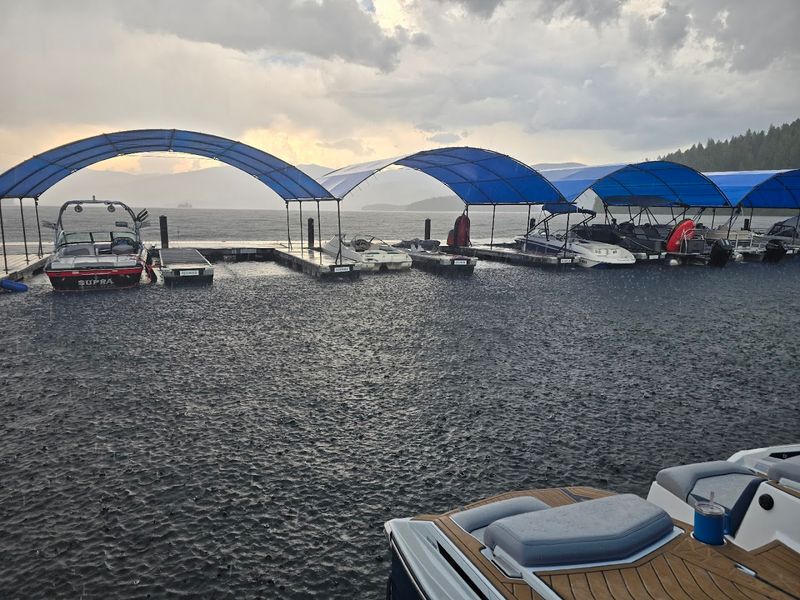
Anglers who know Priest Lake treat the information like a family secret. The lake is known for trophy-sized Mackinaw, also called lake trout, that grow large in its cold, deep water.
At up to 300 feet deep, Priest Lake gives fish plenty of room to get serious about their size.
Fishing here is a full sensory experience. Early mornings on the water, with mist rising off the surface and the mountains turning pink in the light, make the waiting feel worthwhile even before anything bites.
Visitors say the lake does not always give up fish easily, but when it does, the catch is memorable.
Beyond Mackinaw, the lake also holds other species that keep fishing trips interesting across different seasons. Idaho fishing licenses are required, and local outfitters near the lake can point you toward the best spots and current conditions without spoiling the adventure entirely.
The lake rarely feels crowded even during summer, which means you can actually find a quiet stretch of water to yourself. No elbow-to-elbow fishing here.
Is there anything better than casting a line somewhere so peaceful that you almost forget you came here to catch something? Priest Lake has a way of making the whole trip feel like the point, not just the fish.
Night Skies Above Everything
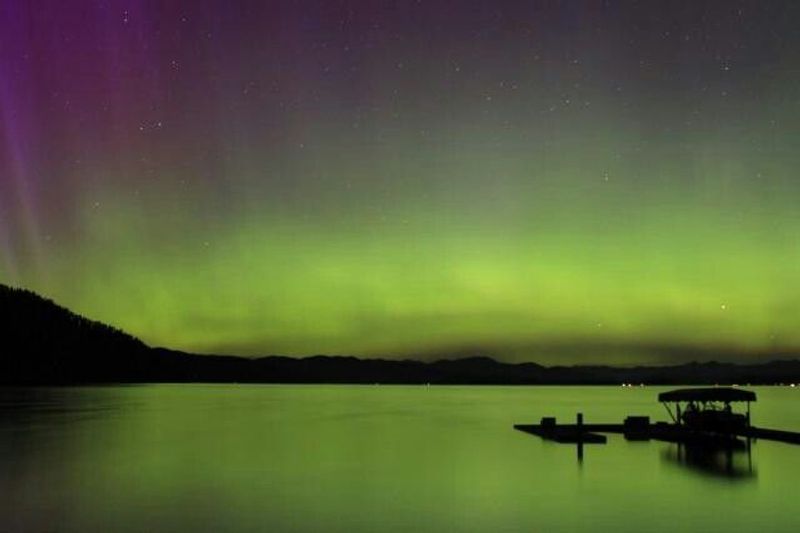
After the sun goes down at Priest Lake, something unexpected takes over the sky. The remote location means almost no light pollution, and on clear nights, the Milky Way stretches overhead in a way that city dwellers genuinely cannot picture until they see it.
The Northern Lights have also been spotted from Priest Lake, which sits close enough to the Canadian border to occasionally catch auroral activity. Seeing green and purple light rippling above a mountain lake is the kind of moment that ends up as someone’s screensaver for years.
Stargazing here does not require any special equipment. A blanket, a clear night, and a spot away from the treeline is all it takes.
Campers on Kalispell Island report that the stars reflect off the water so clearly it feels like being surrounded by the sky on all sides.
Idaho’s northern panhandle is one of the least light-polluted regions in the entire country, and Priest Lake sits right in the middle of that darkness. Pack a star map app if you want to name what you are looking at, or just lie back and let the universe do the talking.
Either works perfectly fine up here.
Winter Turns It Magical
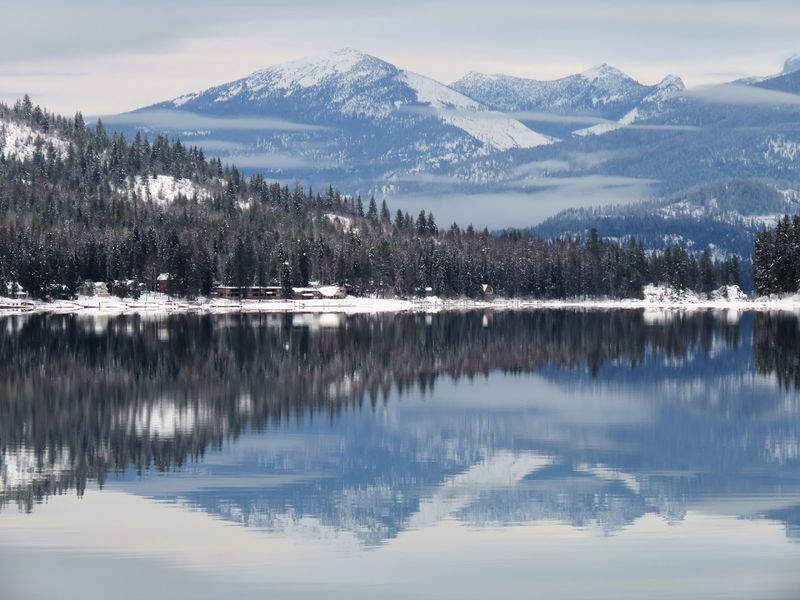
Most people think of Priest Lake as a summer destination, but the locals know that winter here is a completely different kind of wonderful. Snow settles deep into the surrounding forests, the shoreline quiets down to almost nothing, and the whole area transforms into a playground for anyone who loves cold-weather adventure.
Snowmobiling is a major draw during winter months, with trails that wind through the Idaho Panhandle forests and connect to hundreds of miles of groomed routes. Cross-country skiers and snowshoers also have access to trails that run through the same old-growth cedar areas that look stunning in every season.
The lake itself takes on a different personality when the temperatures drop. Ice fishing becomes an option, and the muffled quiet of a snow-covered forest is something that sticks with people long after they return home.
Winter visits to Priest Lake require a little more preparation than summer ones. Roads can be icy, and some services operate on reduced schedules.
But for travelers who prefer a destination with fewer crowds and more atmosphere, the off-season version of Priest Lake might actually be the best version.
How To Get There
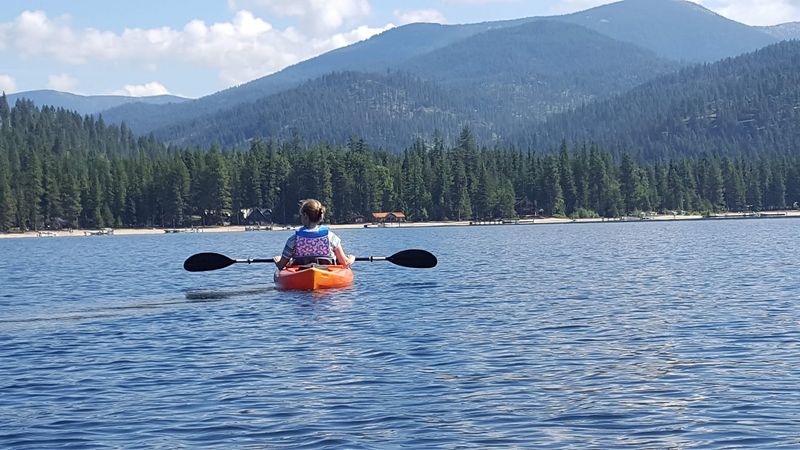
Priest Lake sits in the far northern Idaho panhandle, about 15 miles from the Canadian border and roughly three hours north of Coeur d’Alene. The drive itself is part of the experience, passing through dense forested highways that make it clear you are heading somewhere genuinely remote.
The nearest town is Coolin, Idaho, which serves as the main gateway to the lake. From Coolin, roads lead to the various units of Priest Lake State Park, the public beaches, boat launches, and the trailheads that access the surrounding forests.
Most visitors stock up on supplies before arriving, since options near the lake are limited compared to larger towns.
Priest Lake State Park has three units: Indian Creek, Lionhead, and Dickensheet. Indian Creek is the most popular and offers the most amenities, including campsites, a boat launch, and beach access.
Reservations during summer weekends fill up faster than most people expect, so planning ahead is genuinely important here.
The three-hour drive from Coeur d’Alene is part of what keeps Priest Lake uncrowded. Casual day-trippers rarely make the effort, which means the people who do show up tend to be serious about being there.