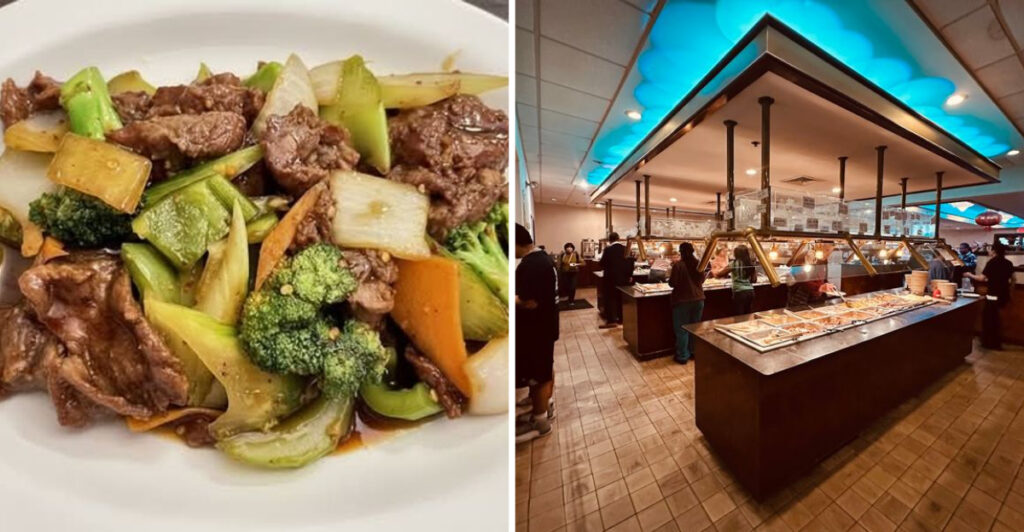
Brighton has a buffet with commitment issues, and every plate gets dragged into the drama.
This old-school spread does not serve dinner so much as stage an ambush. Restraint looks possible. Then hibachi appears, sushi starts negotiating, and seafood steals the seat beside your appetite.
Massachusetts may love the newest dining room, but this buffet keeps winning with a better trick: making “I’m done” sound ridiculous.
More than a hundred choices turn every lap into an excuse. You can chase something crispy, double back for noodles, or discover that dessert deserves legal representation.
Nothing here asks for elegance. It asks whether plate four still counts as enthusiasm or has become evidence.
Massachusetts has plenty of places built around one signature dish. This one builds the whole evening around your inability to stop changing your mind.
By the final bite, the buffet has not defeated you. It has simply scheduled the rematch.
Brighton Diners Have Kept Coming Back Since The Late 1990s
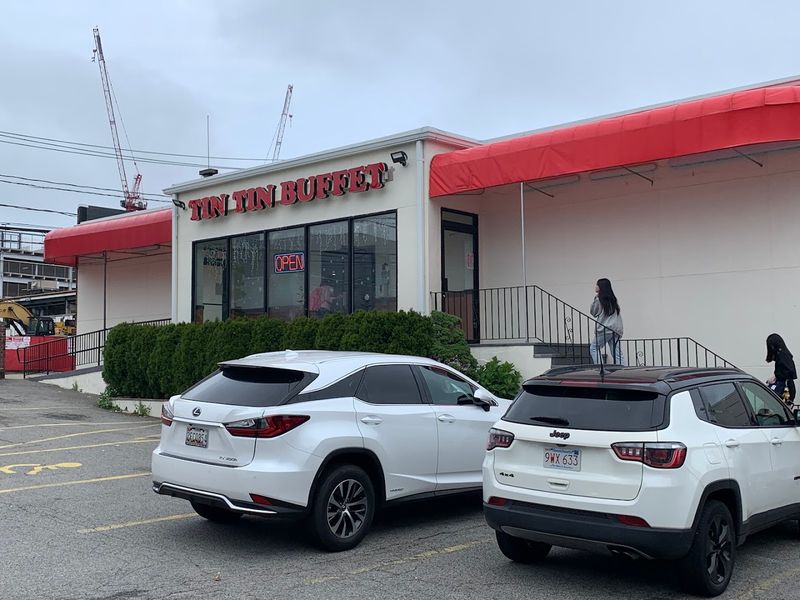
A buffet that reaches its twenty-eighth year has earned the right to recognize repeat appetites.
Tin Tin has served Brighton since 1998, giving the neighborhood decades to develop favorite routes through the line.
Some diners head straight toward the Chinese dishes. Others inspect the seafood first, check the sushi, or save hibachi for a later round when the plate has more room.
That staying power matters in a city where restaurants regularly change names and concepts. Tin Tin has kept the promise recognizable: choose freely, return often, and let the stations settle disagreements.
You do not need everyone to order the same cuisine. One person can choose noodles, another seafood, while someone else treats fried favorites as the entire reason for coming.
The buffet format also makes repeat visits less predictable than they sound. A dish you skipped last time may become the first thing you notice today. A fresh tray can redirect the whole meal before you reach your seat.
Brighton changed around it, while the buffet answered every decade with another invitation to grab a plate.
North Beacon Street Makes The Visit Easier
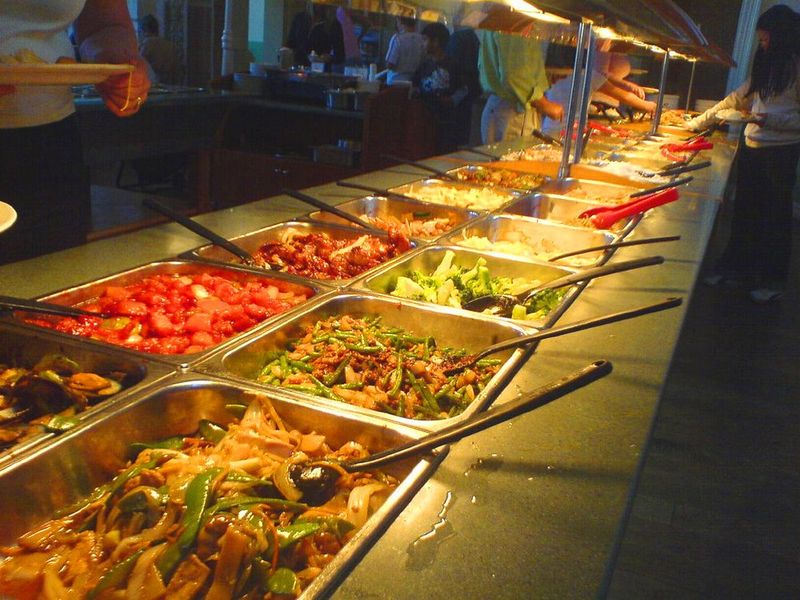
Parking should never become the hardest part of dinner.
This buffet gives diners access to off-street parking, which removes one common Boston-area headache before the serving line creates several better dilemmas. You can arrive with a group, step inside, and spend your energy choosing food instead of circling the block.
The restaurant operates at 200 North Beacon Street in Brighton, Massachusetts, where the location sits along a familiar neighborhood route rather than behind a maze of downtown turns.
That address works for quick meals, family outings, and larger gatherings that need convenience more than ceremony.
A party room helps with larger gatherings, while carryout offers another way to approach the menu.
Inside, the arrangement stays simple. Plates begin the journey, stations divide the choices, and your appetite decides how many returns count as reasonable.
North Beacon Street handles the directions, but convincing everyone to leave becomes the real logistical challenge.
More Than A Hundred Choices Turn Dinner Into Strategy
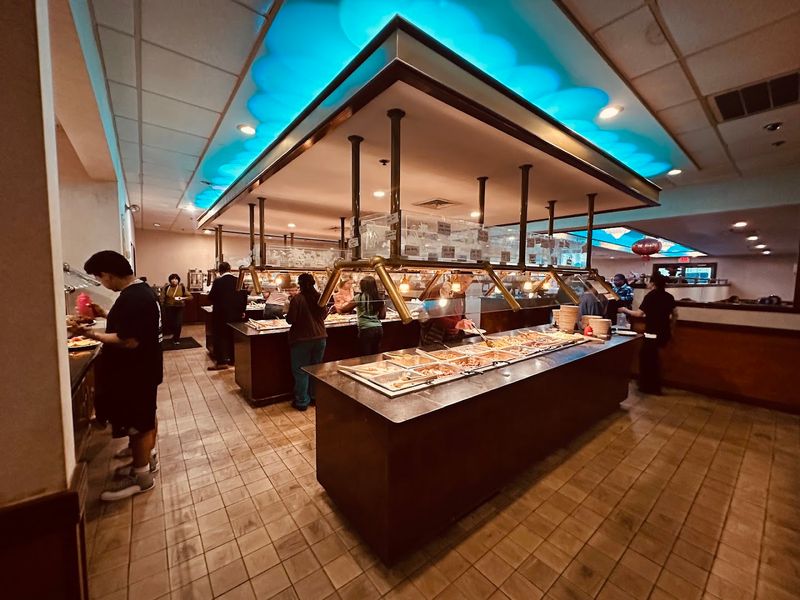
The first lap is reconnaissance, and grabbing tongs too early can compromise the mission.
There are more than a hundred selections across Chinese dishes, American favorites, seafood, sushi, hibachi, and desserts. That variety gives you freedom, but it also makes a crowded first plate the fastest route to missing something better.
A quick survey helps. Sauced dishes need room, fried foods benefit from staying separate, and sushi deserves better than being buried under noodles. Smaller samples let you test several choices before giving the strongest ones more space on the second round.
The spread keeps mixed groups from turning dinner into negotiations. You can follow the Chinese stations while another diner heads toward hibachi, and seafood fans can build an entirely different meal.
Returning to the line is how the experience works best. Each plate can have a purpose instead of becoming a crowded summary of everything visible.
Treat the first plate like a rough draft, because more than a hundred choices make revisions practically mandatory.
Chinese Favorites Keep The Buffet Grounded
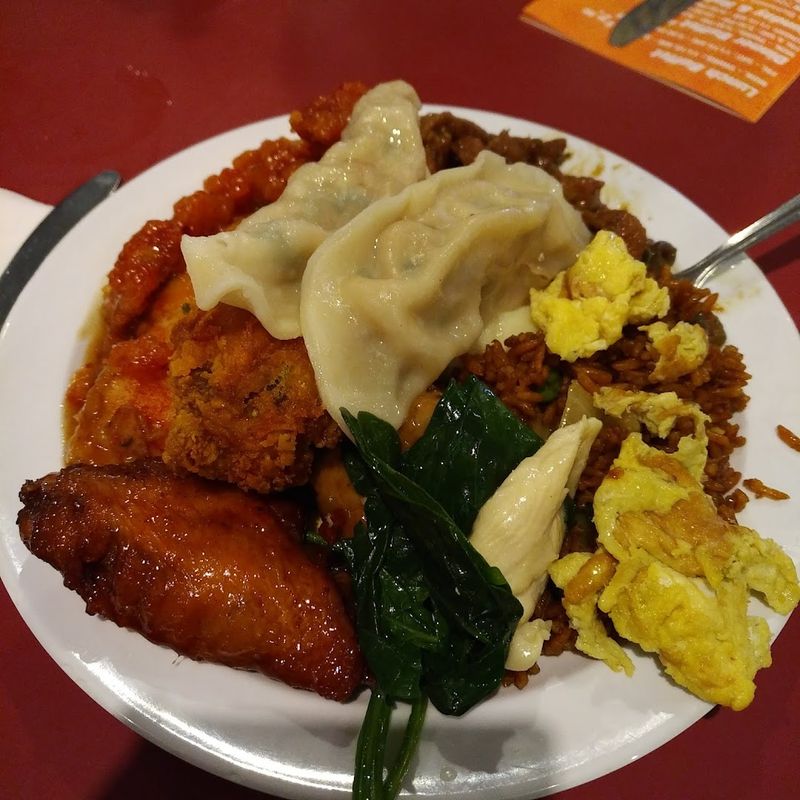
Every endless spread needs an anchor, and Tin Tin puts its strongest footing in Chinese comfort dishes.
Rice, noodles, vegetables, dumplings, fried bites, and sauced entrées give the buffet a familiar center. The exact lineup can shift, but the core selection gives you an easy place to begin before the sushi bar or hibachi station pulls the meal elsewhere.
Contrast keeps the plate interesting. A crisp item beside a softer stir-fry works better than stacking several similar textures together. Rice can catch sauce, vegetables can break up richer bites, and a dumpling can disappear while you are still deciding where it belongs.
Freshly replenished trays add another layer of temptation. You may be halfway toward the table when something hot arrives and forces an immediate route change. That is not indecision. It is excellent timing.
The Chinese section gives regulars dependable favorites without locking every visit into the same order. Start with something known, then add one unfamiliar dish without surrendering the whole plate to experimentation.
Hibachi Gives The Buffet A Hotter Detour
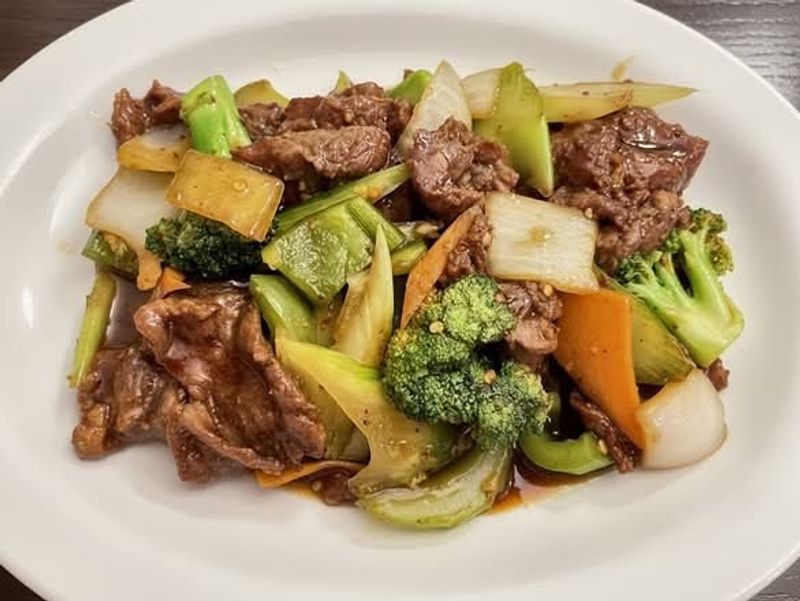
This place includes hibachi among its major buffet attractions, giving you a grilled alternative to the sauced entrées, fried favorites, and chilled sushi elsewhere in the spread. That contrast becomes useful after a richer first round.
Grilled meats and vegetables can bring a simpler texture to the table while still fitting beside rice, noodles, dumplings, or a favorite Chinese entrée. You can keep the plate relatively light or let hibachi become the bridge between two considerably less cautious trips.
The section also helps repeat visits avoid falling into the same routine. Even when familiar trays catch your eye, a few grilled selections can send dinner in a different direction without requiring you to abandon the classics.
That variety is exactly why surveying the room first pays off. Filling every inch of the opening plate before reaching hibachi is the buffet equivalent of spending your entire budget before finding the best store.
The warming trays keep tradition steady, and hibachi gives the next round permission to turn up the heat.
Seafood And Sushi Demand Their Own Round
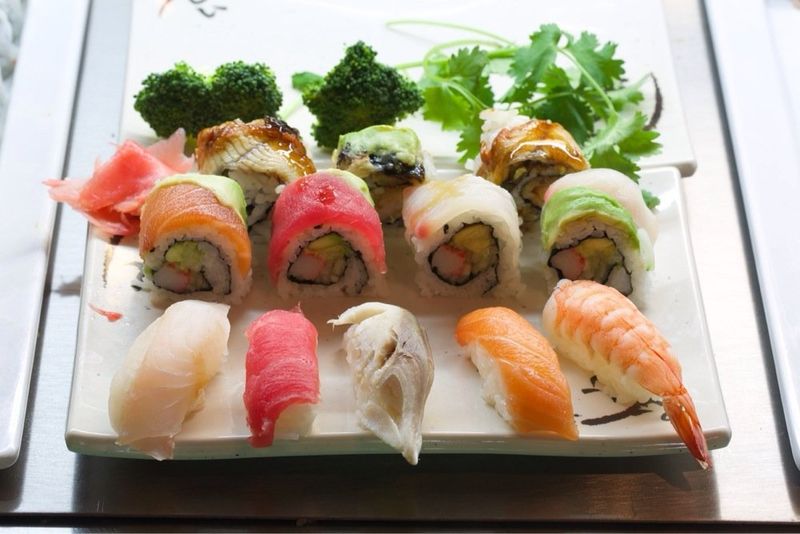
The seafood section has never respected a plate that claimed to be finished.
Seafood and sushi are among its main buffet draws, widening the spread beyond Chinese staples and hibachi. Specific selections can vary, which gives you a reason to inspect the full line before building the first plate.
Sushi works best when it gets its own space. Several pieces remain easier to handle when they are not squeezed beneath hot entrées, and a dedicated round gives you a cleaner break between heavier choices.
Seafood deserves similar attention. Sampling smaller portions lets you test what looks strongest that day before returning for more. It also prevents delicate items from cooling while you continue touring every station with an overloaded plate.
These sections let regulars reshape the visit. One dinner can favor Chinese dishes, while another centers on sushi and seafood before ending at the grill.
You control the direction, but the far end of the buffet keeps exposing unfinished business.
The second plate promised restraint right up until the seafood section tore up the agreement.
Dessert Waits For Your Confidence To Weaken
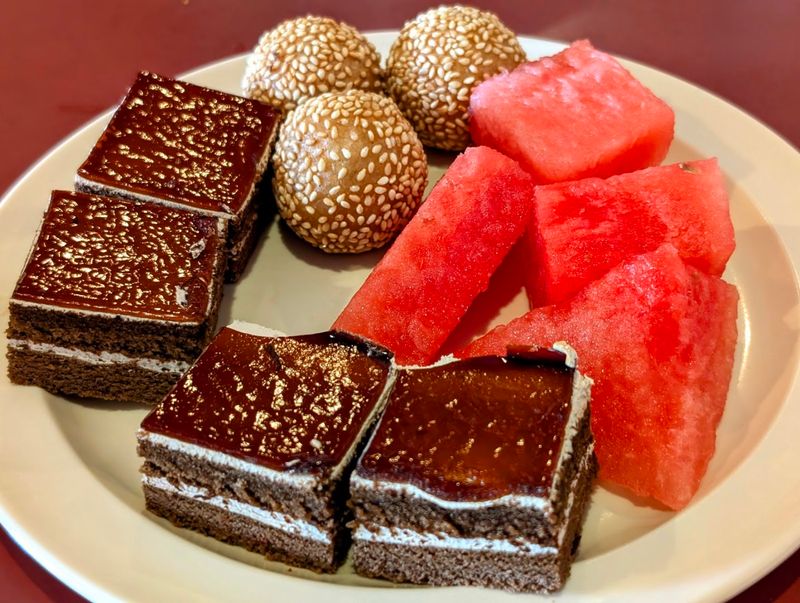
Dessert rarely announces a takeover. It waits until you say, “I am done.”
Tin Tin keeps a sweet section ready after the savory stations have already occupied most of your attention. The exact choices may change, but fruit, chilled treats, and other desserts give the final trip a different pace from the rounds that came before it.
A smaller dessert plate usually works best. Sampling several bites gives you variety without asking one oversized portion to carry the ending.
Fruit can bring a lighter finish, while sweeter options make a stronger closing argument after sauces, fried foods, and grilled dishes.
The station also exposes a familiar buffet fiction. You may claim you are only walking over to look. Looking becomes pointing, pointing becomes serving, and another plate appears at the table without anyone approving the motion.
That is part of the old-school charm. Nobody expects restraint to remain perfect through every station. You can revisit a favorite, skip what does not interest you, and finish with the item that caught your attention last.
Once the spoon reaches the bottom, one question remains: how soon can dessert arrange a rematch?
The Endless Spread Keeps Old-School Dining Relevant
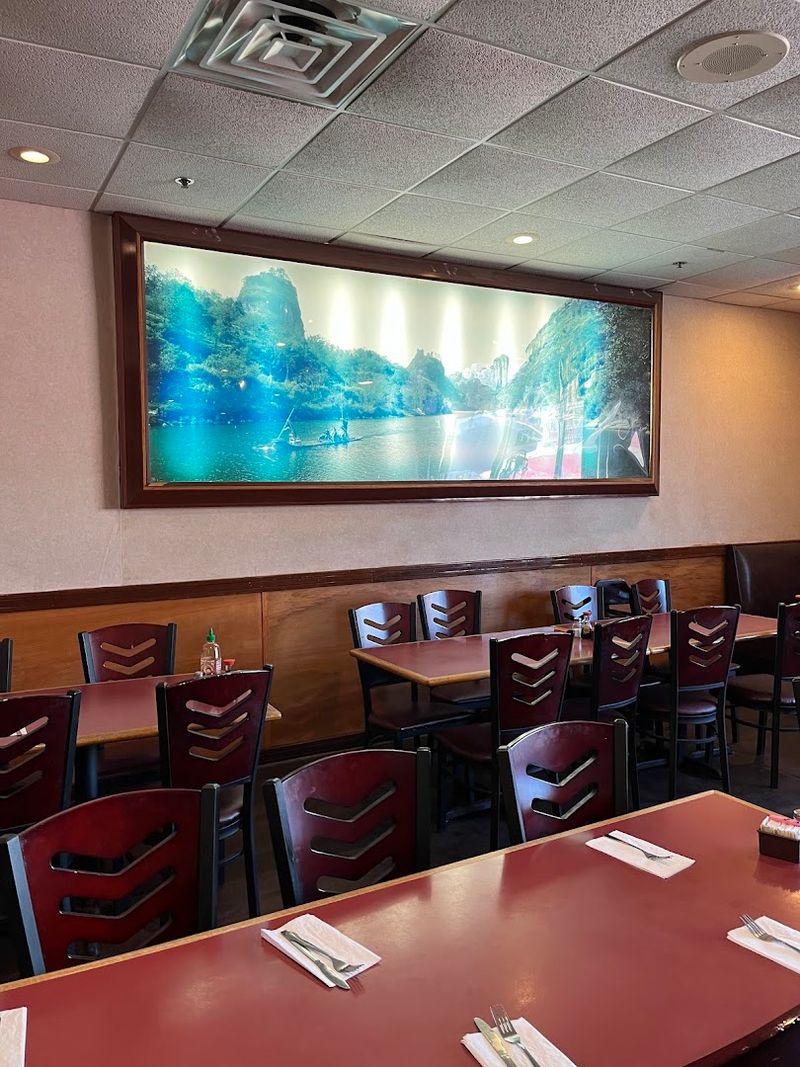
Trends can keep changing outfits, but this place has dinner to serve.
The buffet stays appealing because it gives you control without making the meal complicated. You choose the portions, set the order, skip entire sections, and return for anything that earned another chance.
That flexibility works for families, groups, regulars, and first-time diners. Nobody has to agree on one entrée, and a new choice is always a short walk away.
The restaurant’s long Brighton run adds confidence. Diners know to expect range, convenience, and an experience built around appetite rather than ceremony.
Old-school does not mean frozen in time. The buffet keeps moving through fresh trays, changing selections, custom hibachi plates, and diners who build completely different meals under the same roof.
You may arrive planning one pass and dessert. Tin Tin has watched that promise collapse since the late 1990s and knows better than to interfere.
The final plate may leave the table, yet the endless spread has already reserved your return.