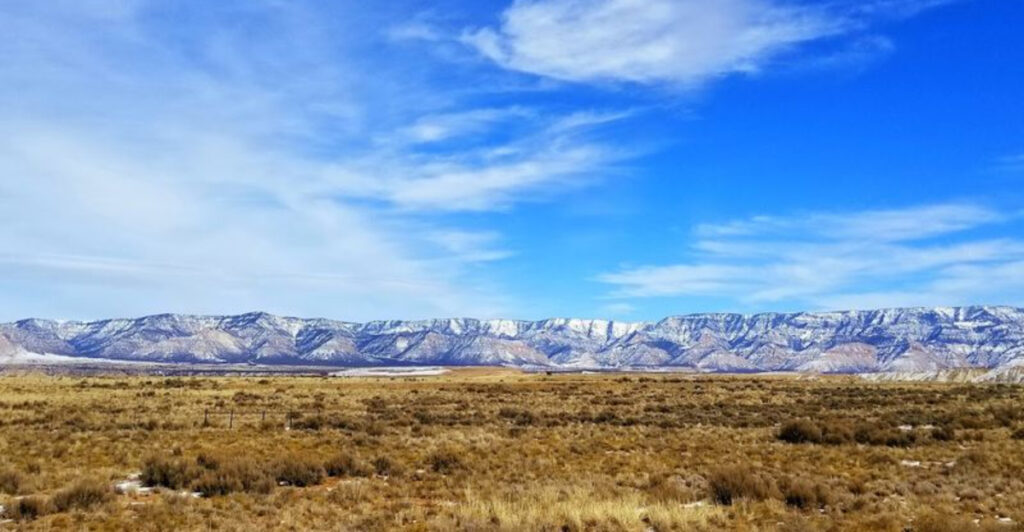
Big-city rent loses some of its appeal when a smaller community offers breathing room, dramatic scenery, and a monthly budget that does not feel like punishment. This high-desert town proves that affordable living can still come with personality.
With roughly 8,000 residents, it feels lively enough for daily convenience yet quiet enough to hear yourself think. Utah’s wide horizons frame the experience, adding red earth, open sky, and a sense of space that crowded cities rarely deliver.
The slower pace is not sleepy; it is intentional, grounded, and refreshingly practical. Neighbors know one another, costs stay manageable, and life feels less consumed by constant hustle.
For anyone craving character without the financial strain, this community deserves attention. Small-town living in Utah can look remarkably smart when lower expenses, strong local spirit, and striking surroundings all arrive in the same package.
That combination makes a convincing case for starting somewhere simpler.
A Small Town With A Surprisingly Low Cost Of Living
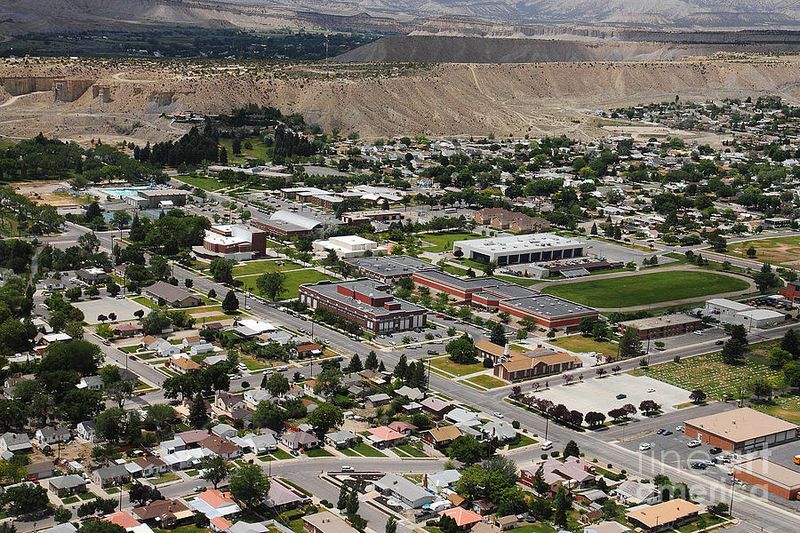
Most people assume that finding an affordable place to live in the American West means sacrificing everything that makes life enjoyable. Price quietly disagrees.
Rental prices here sit well below national averages, and the cost of everyday essentials, from groceries to utilities, reflects a town that has never tried to price out its own residents.
Housing options range from modest apartments to spacious single-family homes, and the variety means people at different life stages can find something that genuinely fits their budget. Families, young professionals, and retirees all seem to land here and stay longer than they originally planned.
Quick Tip: If you are comparing rental markets across Utah, Price consistently ranks among the most affordable options in the state, making it a smart starting point for anyone relocating on a fixed income or tight budget.
The town sits at an elevation of around 5,500 feet, which means four real seasons and manageable summers rather than the brutal heat found elsewhere in Utah. That combination of financial relief and livable climate is rarer than it sounds, and Price residents tend to know exactly how lucky they are.
Price Is The County Seat Of Carbon County
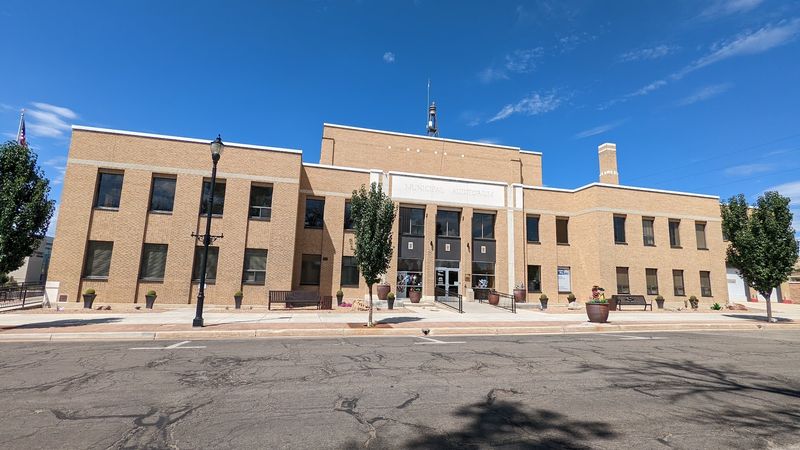
Being the county seat of Carbon County is not just a title. It means Price functions as the administrative and civic hub for the entire region, which brings a certain practical energy to a town of its size.
Government services, legal offices, and public resources are all centralized here, which makes daily life considerably more convenient than in smaller surrounding communities.
That infrastructure matters more than people realize when they are choosing where to plant roots. Access to county services, public records, and local government offices without a long drive is the kind of quiet advantage that compounds over time.
Why It Matters: For families, professionals, and anyone navigating the paperwork of real life, being in the county seat means fewer trips, shorter waits, and a more connected civic experience overall.
Price also hosts a range of community events tied to its role as a regional center. The town draws people from surrounding areas regularly, which keeps local businesses steadier than you might expect for a city this size.
That steady foot traffic helps sustain a downtown that feels alive rather than hollowed out, which is a genuine distinction in rural Utah.
Home To Utah State University Eastern
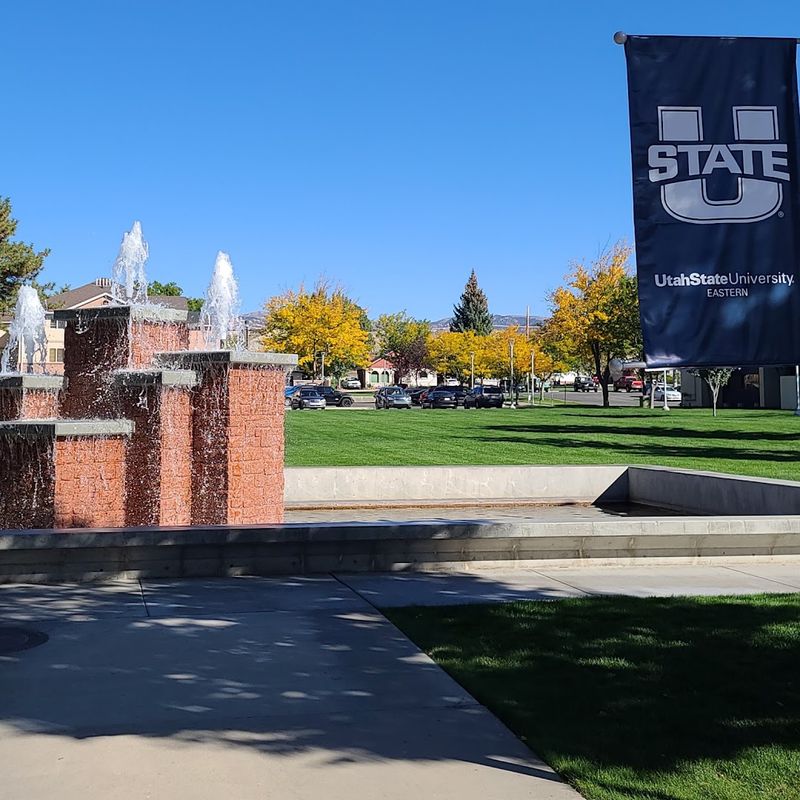
Having a university in a small town changes the atmosphere in ways that are hard to fully explain until you experience it. Utah State University Eastern brings students, faculty, and an academic calendar to Price that keeps the community intellectually engaged and economically steadier than many comparable towns in the region.
For residents, the university means access to cultural events, athletic programs, continuing education, and community lectures that would otherwise require a much longer drive. For families with college-age children, the proximity to an accredited institution is a significant practical benefit that often goes unmentioned in conversations about small-town living.
Best For: Young adults, returning students, and families who want higher education nearby without relocating to a major metro area. Tuition at USU Eastern is structured to serve regional students, which aligns well with the town’s overall budget-conscious character.
The campus itself sits comfortably within the city, so students become part of the neighborhood rather than a separate bubble. That integration keeps the town feeling dynamic and multi-generational, which is one of the more underrated qualities of living in a university town at this scale.
The USU Eastern Prehistoric Museum Is Right In Town
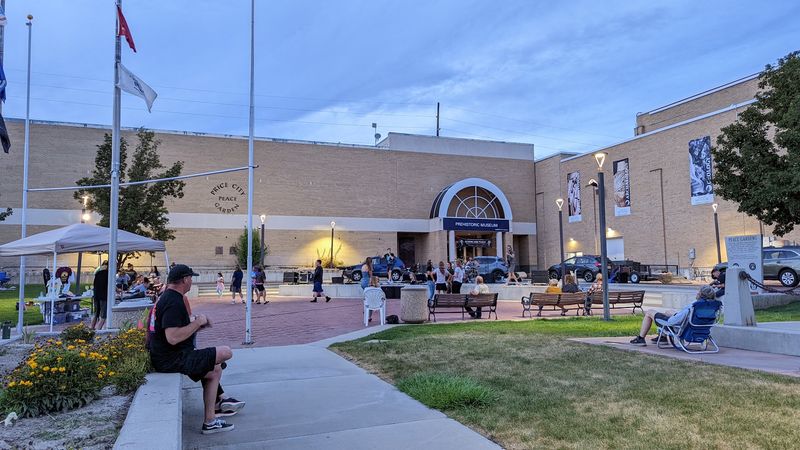
Not every small town can claim a genuine world-class museum, but Price manages it with the kind of low-key confidence that makes the discovery feel like your own personal find. The USU Eastern Prehistoric Museum houses an impressive collection of dinosaur fossils and prehistoric artifacts drawn directly from the fossil-rich landscape of the Colorado Plateau region.
The museum is free to explore and sits right in the downtown area, making it the sort of place you can wander into on a Tuesday afternoon without any particular plan. That accessibility is part of what makes it special.
It does not feel like a destination requiring a reservation; it feels like a neighborhood resource that happens to contain actual dinosaur bones.
Insider Tip: The museum is particularly well suited for families with curious kids, but the depth of the paleontology collection genuinely holds adult attention too. The fossil specimens on display represent some of the most significant finds from the region.
For residents, having a museum of this caliber within walking distance adds a layer of cultural richness that most budget-friendly towns simply cannot offer. It is one of those details that makes Price feel larger and more interesting than its population numbers might suggest.
The High Desert Landscape Surrounding Price
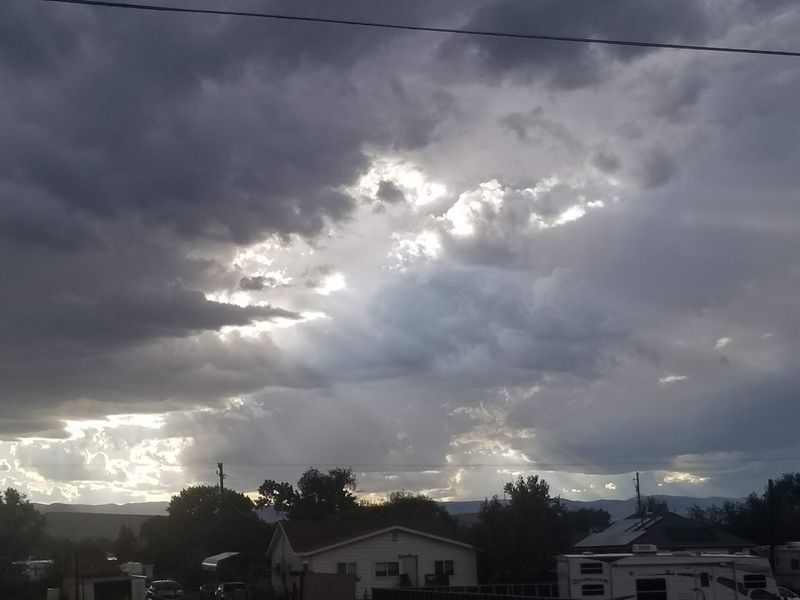
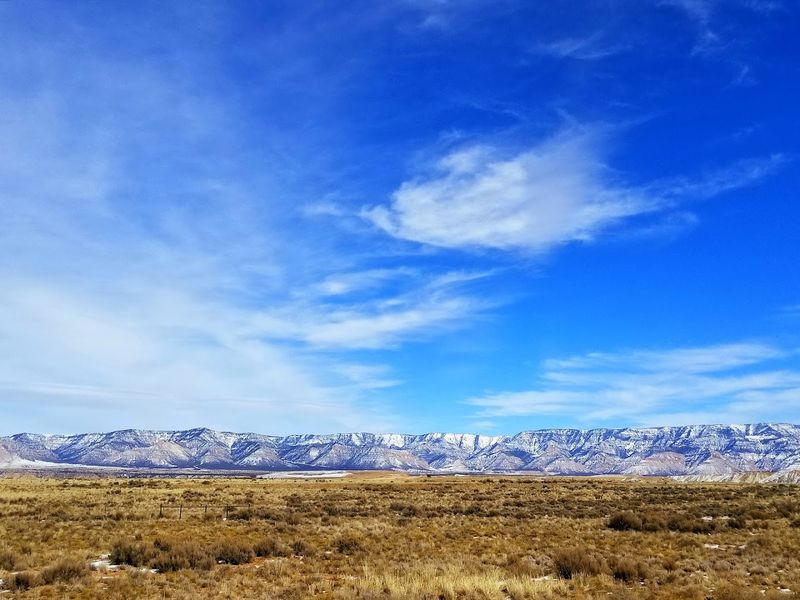
The landscape around Price is the kind that stops a conversation mid-sentence. Carbon County sits within the Colorado Plateau, and the terrain outside of town is a rolling, rugged mix of canyon country, sagebrush flats, and exposed rock formations that shift color through the day as the light changes.
It is not subtle, and it is not trying to be.
For people who have spent years staring at parking garage walls from their apartment windows, this kind of scenery feels almost unreasonably generous. The outdoors here is not a curated park you drive to on weekends.
It is simply what surrounds you when you step outside.
Planning Advice: Mornings and late afternoons offer the most dramatic light on the surrounding terrain. Residents who build outdoor walks into their daily routine report a quality of life that punches well above what the rental price suggests.
The elevation of around 5,500 feet keeps temperatures from reaching the extremes common in lower desert communities. Summers stay manageable, winters bring genuine snow, and spring arrives with a freshness that feels earned.
Living inside a landscape this dramatic, at this price point, is the kind of detail that sounds made up until you are actually standing in it.
A Community That Feels Like A Real Neighborhood
There is a particular texture to life in a town where people recognize each other at the grocery store and actually stop to talk. Price has that quality without performing it for anyone.
With a population of around 8,000, the city is large enough to have real amenities but small enough that community still functions as something more than a marketing term.
Long-term residents describe a place where neighbors look out for each other, local events draw consistent crowds, and the pace of daily life allows for the kind of unhurried interactions that larger cities accidentally engineer out of existence. That is not nostalgia talking; it is a practical description of what a town this size can sustain.
Who This Is For: Families relocating from crowded urban areas, remote workers seeking a quieter base, and retirees who want a real community without the premium price tag attached to more well-known small towns.
The schools, local parks, and community services in Price reflect a town that invests in its residents. For people tired of feeling anonymous in their own ZIP code, that sense of genuine belonging is often the detail that tips the decision toward staying permanently rather than just visiting.
Why Price, Utah Keeps Making Sense For Budget-Minded Movers
When you line up everything Price offers against what it costs to live there, the math becomes difficult to argue with. Affordable rent, a university, a legitimate museum, dramatic scenery, and a functioning community built around a county seat.
That combination does not appear on every list of underrated American towns, but it probably should.
The city is located along US-6 and US-191, which connect it to the broader Wasatch Front and southeastern Utah, meaning residents are not isolated. Salt Lake City is roughly two hours north, which is far enough to feel like an escape and close enough for occasional city-day logistics.
Quick Verdict: Price is not a compromise destination. It is a deliberate choice made by people who have decided that quality of life and financial breathing room matter more than a prestigious ZIP code.
For anyone in that 28 to 55 age range weighing whether a smaller, more affordable life is actually achievable without sacrificing everything, Price makes a compelling and concrete case. The town does not oversell itself, which is perhaps its most trustworthy quality.
It simply exists, steadily and affordably, in one of the most visually striking corners of the American West.