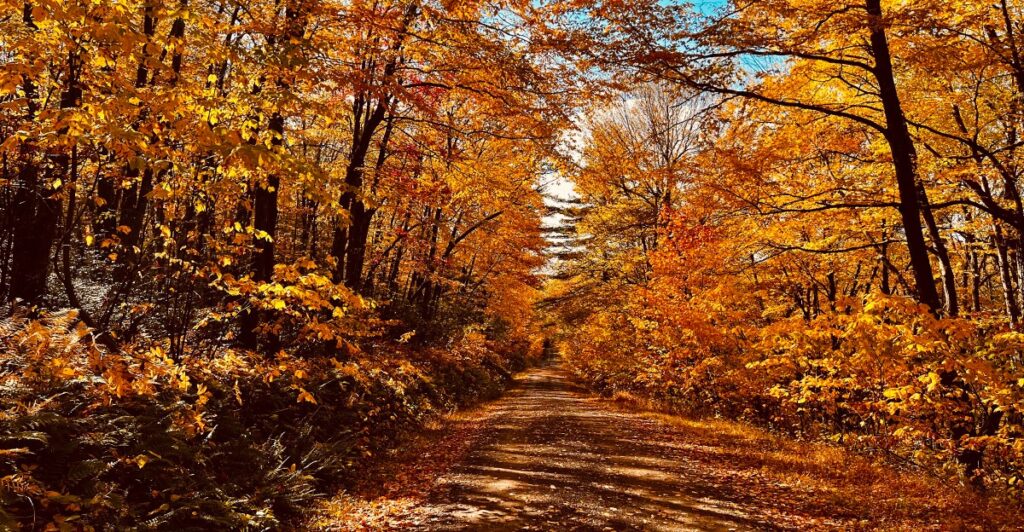
Keep an eye on the sunny patches between the trees. In a Kansas forest like this, those warm spots are not always empty.
Thick woods, rocky ground, and quiet stretches near the water create plenty of habitat for snakes, including some impressively large ones.
Most visitors will spend the day seeing nothing more dramatic than birds and squirrels, but regular sightings have made wildlife awareness part of the experience.
The forest still offers plenty of peace, just with an extra reminder that the landscape belongs to more than the people walking through it.
I once stopped beside a fallen log on a warm afternoon and noticed a snake stretched out in the sun several yards away.
It was completely still, almost like part of the wood itself. I watched for a moment, backed up, and gave it room.
What stayed with me was how easy it would have been to miss. Since then, I check sunny logs before I decide they look like a good place to sit.
A Forest Named After An Old Frontier Landmark
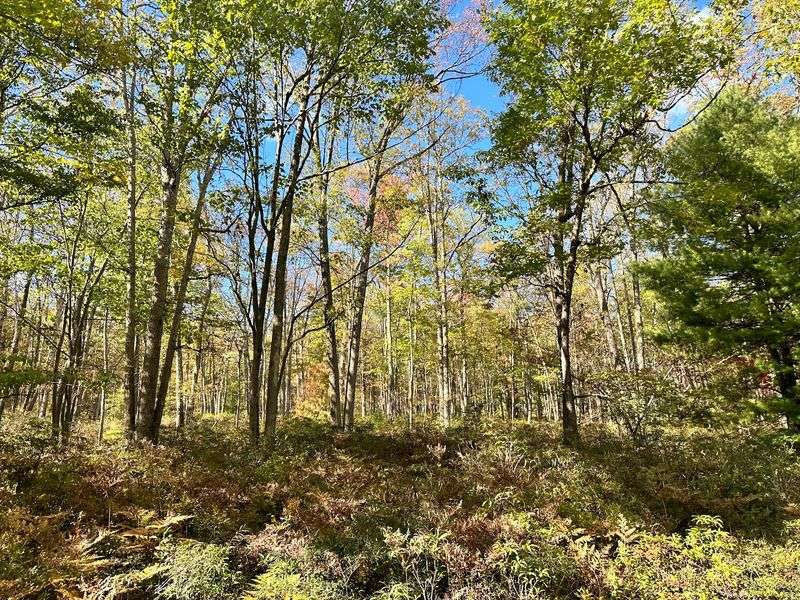
Long before highways existed, travelers crossing the plains had to push through a tangled oak belt.
Settlers and explorers called that rugged strip of woods the Cross Timbers, and the name stuck. It stretches from southeast Kansas down through Oklahoma and into Texas.
Cross Timbers State Park sits at the northern tip of this special forest region. Here the open prairie suddenly gives way to short, tough trees like post oak and blackjack oak.
I find it fun to stand at the edge where grass meets forest. You can almost see the line on the land that slowed down early wagons.
The trees are not tall and fancy. They are stubby, twisted, and built to survive drought, fire, and rocky soil.
That toughness is exactly what makes the woods interesting. Each crooked branch tells a story about storms and dry summers.
Learning the name first makes the whole park easier to understand. Once you know the history, every oak feels a bit like a living frontier marker standing guard in Kansas.
Where To Find This Lakeside Park
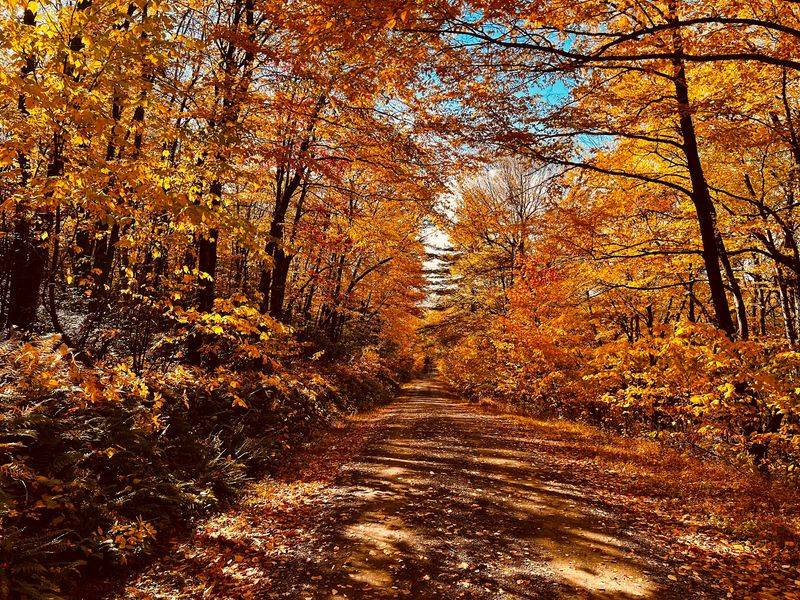
Getting here is easy, though cell signal sometimes takes a little nap along the country roads.
The park sits beside Toronto Lake near the small town of Toronto in Woodson County, Kansas. Its address is 144 Highway 105, Toronto, Kansas 66777, in the United States.
The lake itself was created by a dam on the Verdigris River. The U.S.
Army Corps of Engineers built it to help control flooding, and the park grew up along its shores.
I like that the park is split into several areas around the water. Each one has its own feel, with some spots busy with campers and others nearly silent.
Download your maps before you leave home. Rural roads look similar, and a paper map in the glovebox never runs out of battery.
Plan to arrive in daylight if you are camping. Finding your site is far easier when you can see the shoreline and the signs.
A little preparation turns the drive into the first relaxing part of your trip.
Meet The Big Snakes Behind The Legend
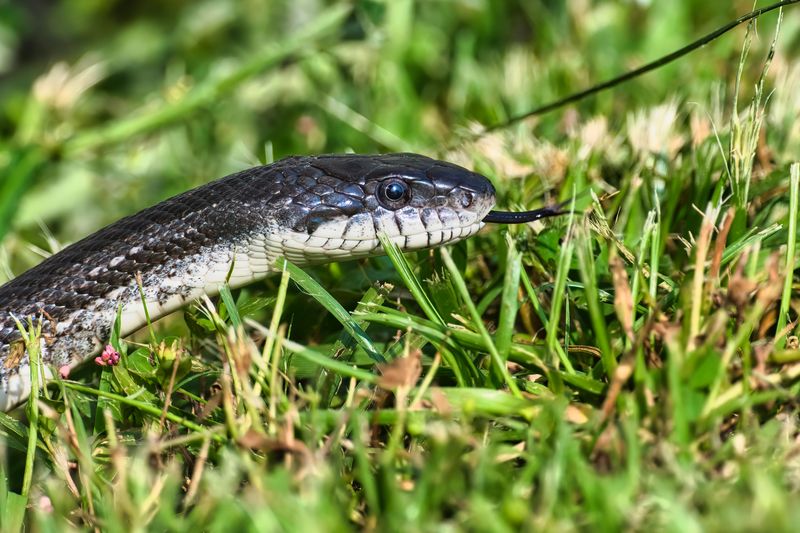
Yes, the snakes here can be long, and the western ratsnake is one of the largest local species.
These glossy black snakes can grow longer than five feet. They climb trees, slip across trails, and hunt mice and birds, which helps keep rodents in check.
Bullsnakes also live in this part of Kansas. They are thick, tan with dark blotches, and they may hiss loudly to sound tough, but they are not venomous.
I always enjoy spotting one sunning itself on a warm rock. Seeing a big snake calmly going about its day is a real wildlife treat.
Snakes are most active in spring, summer, and early fall. Mornings and evenings are prime time because midday heat sends them into shade.
The best move is simple: stop, step back, and let the snake pass. They want space more than anything else.
Bring a camera with a good zoom so you can admire the scales without getting close. A respectful distance makes the moment safe for everyone involved.
Venomous Neighbors Worth Knowing
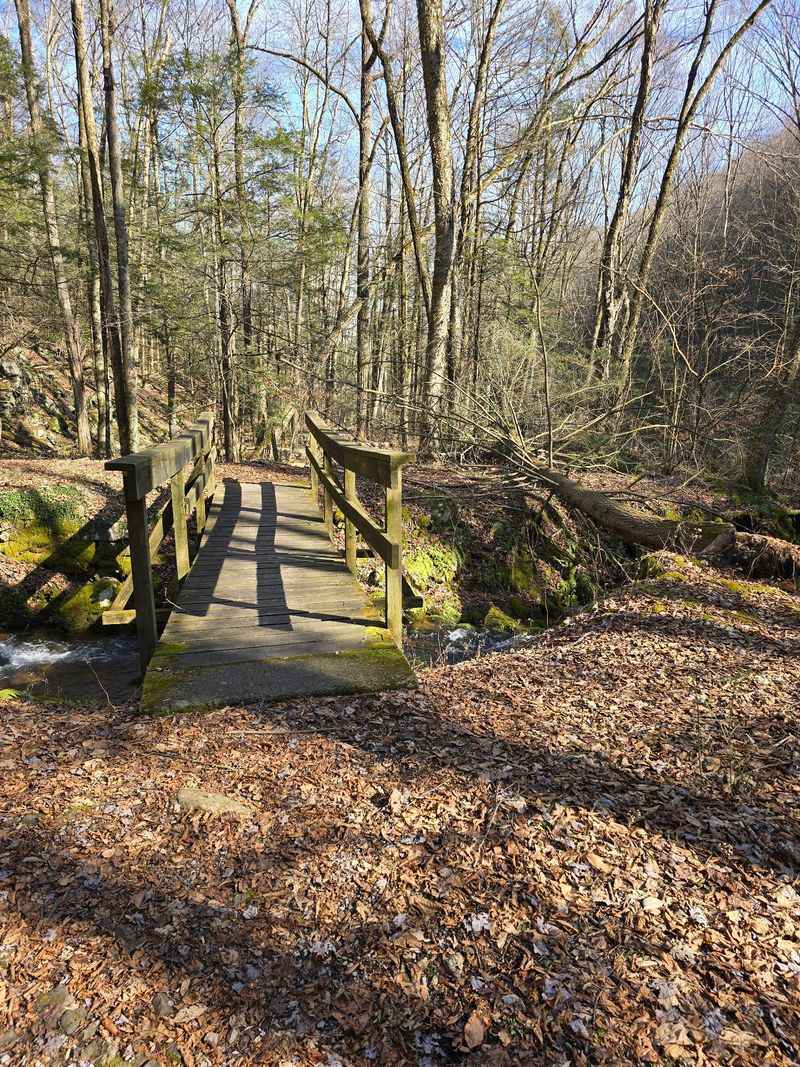
Most snakes here are harmless, but a couple of local species deserve extra respect from hikers.
Copperheads live in the rocky, leafy woods of southeast Kansas. Their coppery color and hourglass bands blend perfectly into fallen oak leaves.
Western massasaugas are documented in Woodson County too, though they are small and seldom seen. They usually favor open grasslands or wetlands and have a small quiet rattle.
I keep my eyes on the trail and never put my hands where I cannot see. That one habit prevents most problems.
Wear closed shoes and long pants on wooded paths. Use a flashlight after dark, since some snakes move around on warm nights.
Stick to marked trails instead of tall grass or rock piles. Snakes love those hiding spots.
If someone is ever bitten, stay calm and get medical help right away. Knowing these basics lets you enjoy the woods with confidence instead of worry, which is exactly how a nature day should feel.
Trees That Have Seen Centuries Pass
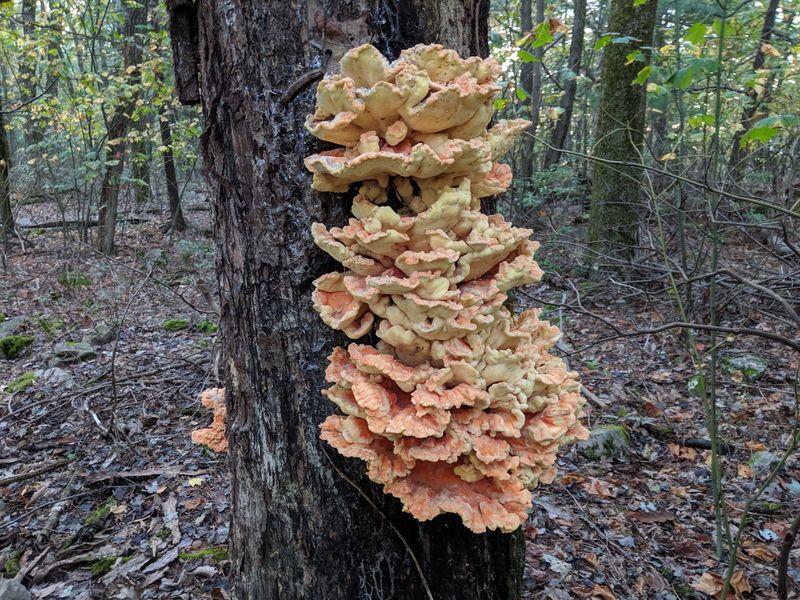
Some of the scraggly oaks along the trails are far older than the town nearby, believe it or not.
Researchers have studied the post oaks in this area and found trees that are well over two hundred years old. A few are thought to be close to three centuries in age.
The Ancient Trees Trail lets you walk among these old survivors. It is a peaceful loop, and the twisted trunks look like natural sculptures.
I love how these trees stay small even after so many years. Poor soil and dry spells slow their growth, so age hides inside short trunks.
Take your time on this trail. Look for hollow spots, thick bark, and branches bent by old storms.
Please do not carve, climb, or peel the bark. These trees are rare treasures, and gentle visitors help them last.
Standing beside a tree that sprouted before Kansas was even a state is a humbling feeling. It turns an ordinary walk into a quiet history lesson.
Hiking Paths For Every Pace
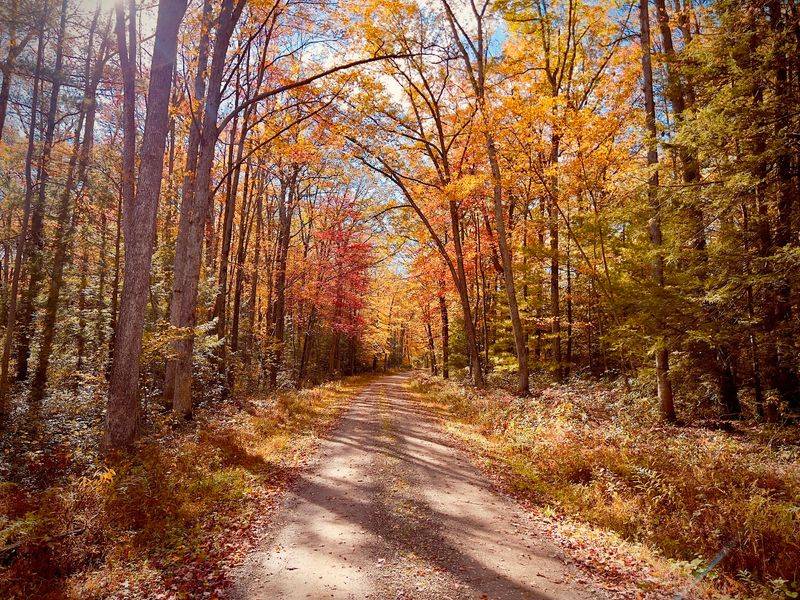
Trail lovers get plenty of options here, with paths winding through woods, rocks, and lakeside views.
Several hiking trails loop through the park areas. Some are short and easy, while others climb over rocky hills and take a bit more effort.
Shorter loops work well for families with younger kids. Longer routes give experienced hikers a chance to explore quiet ridges above the water.
I always pack more water than I think I need. Kansas summers get hot and sticky, and shade under small oaks can be patchy.
Wear sturdy shoes with good grip. Rocks and roots pop up often, especially after rain.
Bug spray is a smart friend too. Ticks and chiggers enjoy grassy trail edges just as much as you do.
Spring and fall are my favorite hiking seasons. Cooler temperatures, blooming plants, or bright leaves make each step feel rewarding, and the trails stay pleasantly uncrowded.
Check trail maps at the park office before setting out so you can pick the perfect route.
Fishing Fun On Toronto Lake
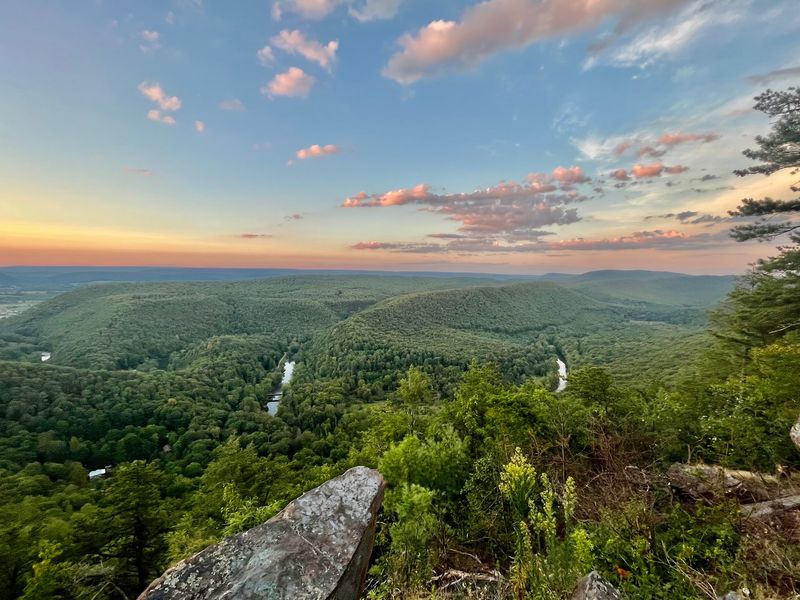
Anglers will be happy to hear that the lake offers plenty of chances to reel in a good catch.
Toronto Lake holds crappie, white bass, channel catfish, and flathead catfish. Largemouth bass also lurk near rocky shores and fallen timber.
Spring is a busy time for crappie and white bass. Many people fish near the upper lake where the Verdigris River flows in.
I like early mornings best, when the water is glassy and the birds are just waking up. Fish seem a bit hungrier then too.
Boat ramps make launching simple. Bank fishing works well too if you prefer to keep your feet on solid ground.
Remember that anyone fishing in Kansas who needs a license must carry one. Rules on size and limits can change, so check current regulations first.
Bring a cooler with ice, a hat, and sunscreen. Even if the fish are shy, sitting by the water with a rod in hand is a relaxing way to spend a day.
Camping And Cabins Under The Oaks
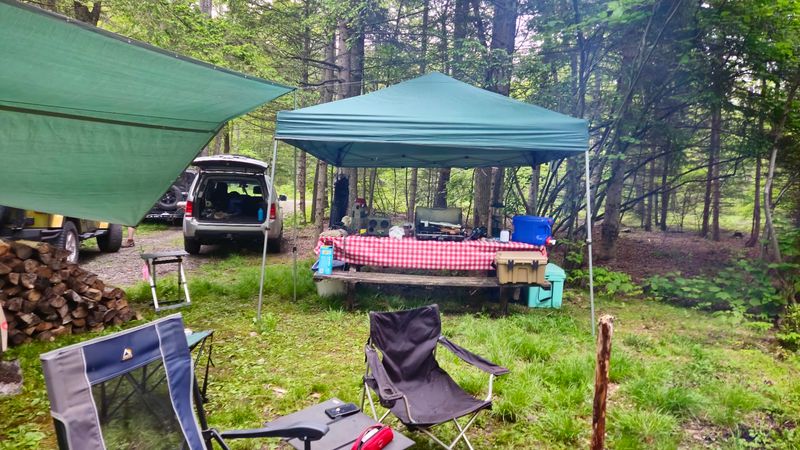
Sleeping under oak branches beside the water is one of my favorite ways to enjoy this quiet park.
The park offers campsites with and without electric hookups. Some spots sit close enough to the lake that you can hear soft waves at night.
Rental cabins are another option if a tent feels too rugged. They give you a roof, a bed, and an easy way to try camping comfort style.
Reservations are smart, especially on summer weekends and holidays. Popular lakeside sites fill up quickly.
I always store food in the car or a sealed container. Raccoons here are clever and will happily raid an open cooler.
Shower houses and restrooms are available in several areas. That makes longer stays much more pleasant.
At night, step away from your lantern and look up. With fewer city lights around, the stars can shine surprisingly bright.
Keep a flashlight handy for nighttime walks, since snakes and other critters sometimes cross camp roads after sunset. A calm evening by the fire makes a perfect ending to the day.
Wildlife Watching Beyond The Scales
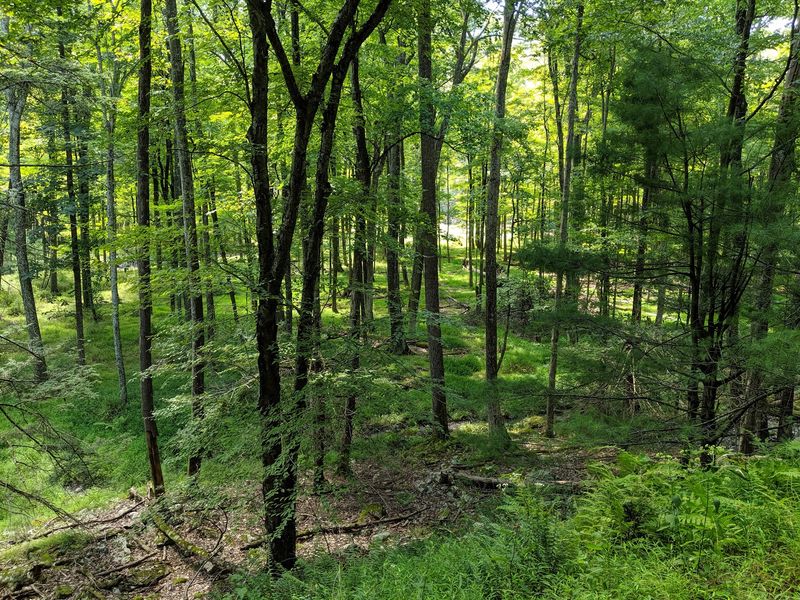
Snakes grab the headlines, but plenty of furry and feathered residents share these woods too.
White-tailed deer often step out near forest edges at dawn and dusk. Wild turkeys strut through clearings, especially in spring.
Birdwatchers can look for woodpeckers, songbirds, and herons along the shore. In winter, bald eagles sometimes visit lakes in Kansas to hunt for fish.
The nearby Toronto Wildlife Area adds even more space for animals. That open land helps creatures move freely between habitats.
I bring binoculars every time. A small pair fits in a backpack and turns a quick glance into a close look.
Move slowly and speak softly when watching animals. Sudden noises send most critters running.
Never feed wildlife, no matter how cute they look. Human food can make animals sick and bold around people.
Keep a little notebook to list what you see. Kids especially love checking off animals, and it turns a simple hike into a fun scavenger hunt.
Smart Tips For A Calm And Happy Trip
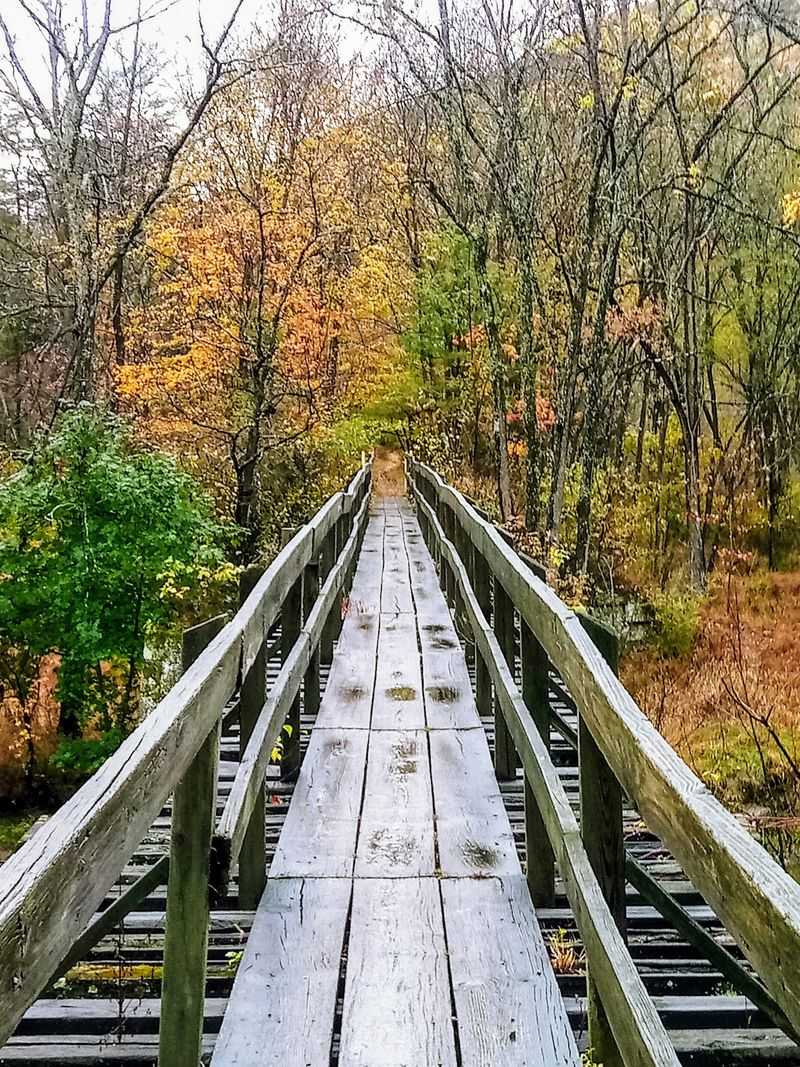
Good planning keeps a quiet day quiet, so a few simple habits make a big difference out here.
Visit in spring or fall for mild weather and fewer bugs. Summer is great for swimming and boating, but heat arrives fast.
A Kansas state park vehicle permit is required to enter. You can buy one at the park office or ahead of time.
I always carry water, snacks, sunscreen, a first aid kit, and a flashlight. Those basics cover most surprises.
Watch the trail ahead and give every snake plenty of room. Most encounters end with the snake simply sliding away.
Pack out all trash and leave rocks, plants, and logs where you find them. Many animals depend on those hiding places.
Check the weather before you go, since storms can roll in quickly. Thunder means it is time to leave the water.
In the end, this park rewards patient, curious visitors. Ancient oaks, a shimmering lake, and impressive reptiles all wait for anyone ready to slow down and notice them.