Harvest season can make a quiet town suddenly feel like everyone got the same invitation.
Cooler mornings and the steady rhythm of early fall give this Kansas community a little extra energy without turning it into a crowded spectacle.
The streets still move at an easy pace, but there is more to notice once the fields start changing and harvest routines pick up.
That mix is what makes September interesting here. You can catch the season in motion, enjoy the slower setting, and still feel like something is happening just beyond the next turn.
I remember driving through a farming town one September and realizing the whole place seemed to be running on a slightly happier schedule.
Trucks rolled past, people lingered outside longer, and every conversation somehow circled back to the harvest.
I stopped for coffee and ended up chatting with someone about the season for nearly half an hour.
That is the kind of autumn detour I remember best, because nothing flashy had to happen for the day to stick with me.
A Town Built On Salt, Not Just Soil
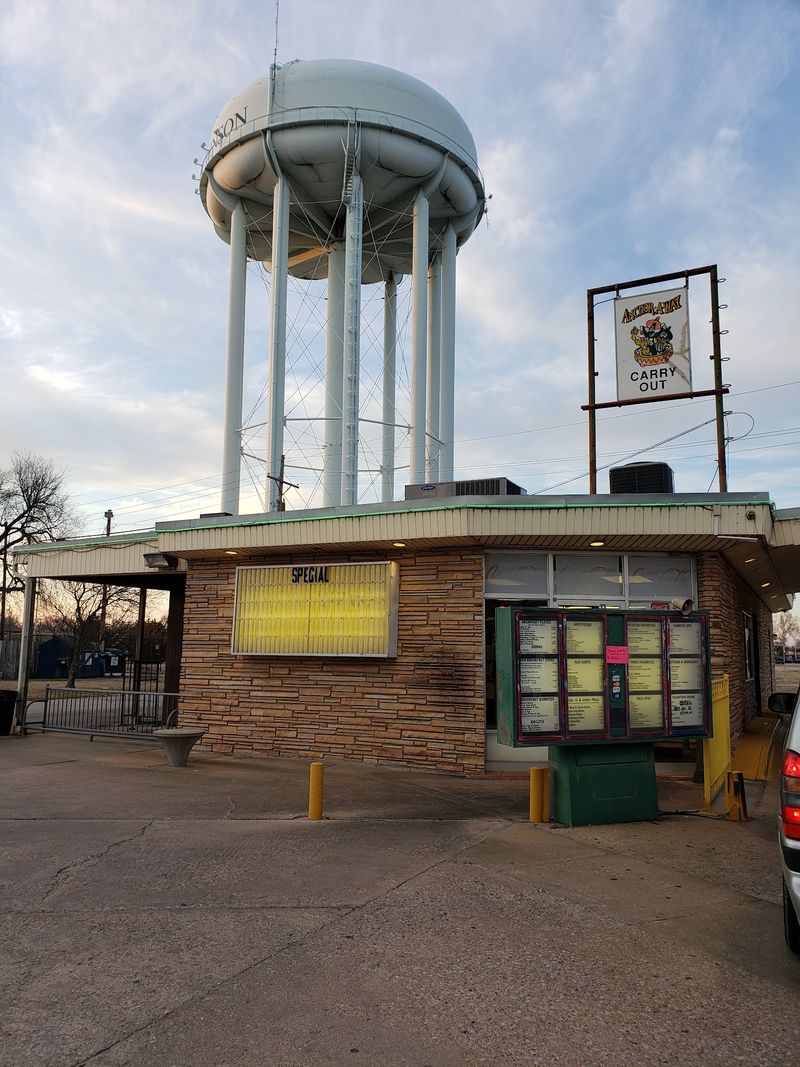
Underground is where this story starts, and I mean that literally, about 650 feet down.
In 1887, a man drilling for natural gas hit an enormous bed of rock salt instead, and the nickname Salt City stuck like seasoning on a pretzel.
That salt deposit stretches for hundreds of square miles beneath this part of Kansas, laid down by an ancient inland sea that dried up long before anyone thought to build a town here.
Mining still goes on today, and one section of the old workings has been turned into a museum where visitors ride down in a double-decker hoist.
The temperature underground hovers around 68 degrees all year, which makes it a fine escape on a warm early-autumn afternoon when the fields above are still baking.
Walls glitter faintly in the light, and the tunnels are bone dry, which is exactly why film studios store original reels down there.
I left with salt dust on my shoes and a new respect for what lies under flat ground.
Harvest Rhythms Shape The Local Calendar
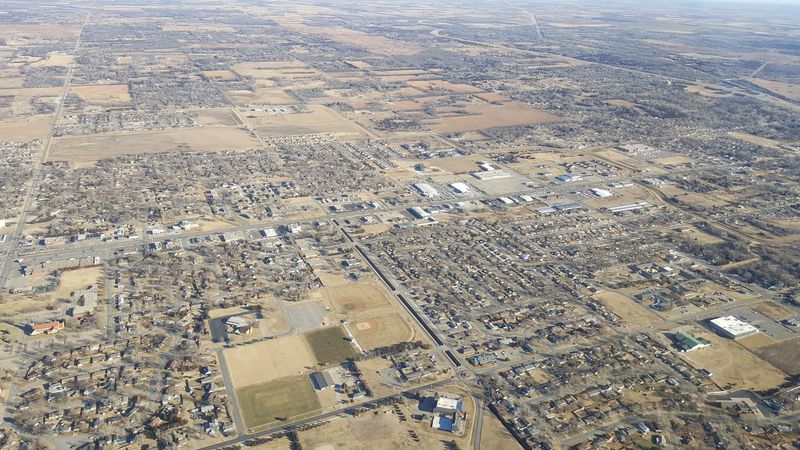
Farm trucks set the pace here, and in early fall they own the roads without apology.
Reno County is farm country through and through, and the grain elevators that rise above the skyline are working buildings, not decorations.
Wheat comes off in June, but autumn brings the milo, corn, and soybean runs, so September and October fill the streets with loaded trailers and dust plumes on the horizon.
I learned quickly that a friendly wave is standard practice when you pull over to let a combine pass on a county road.
Local shops adjust too, staying busy with parts, tires, and coffee for drivers who started before sunrise.
Driving the roads outside town during those weeks gave me some of my favorite photos, all low gold light and long shadows across stubble.
If you want to see Kansas doing what Kansas does best, this is the window.
The whole county feels like it is holding its breath until the last load is in.
The Kansas State Fair Takes Over Every September
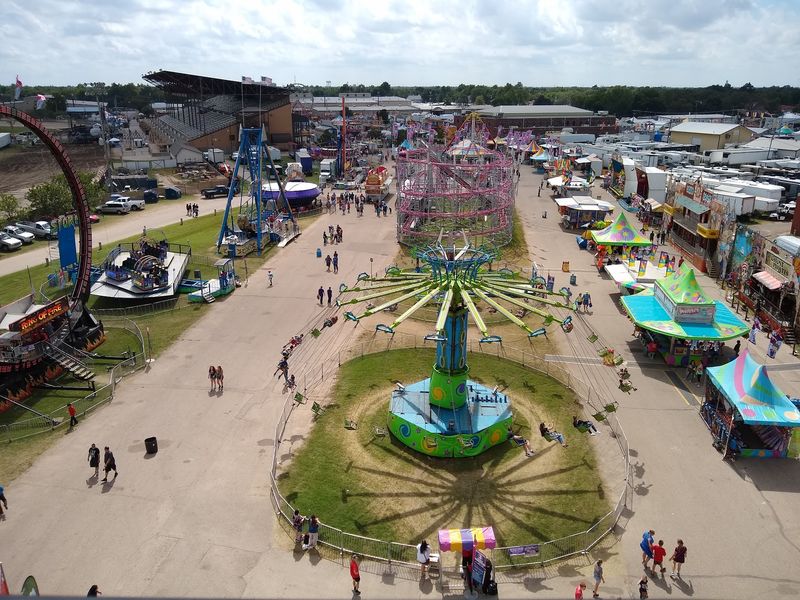
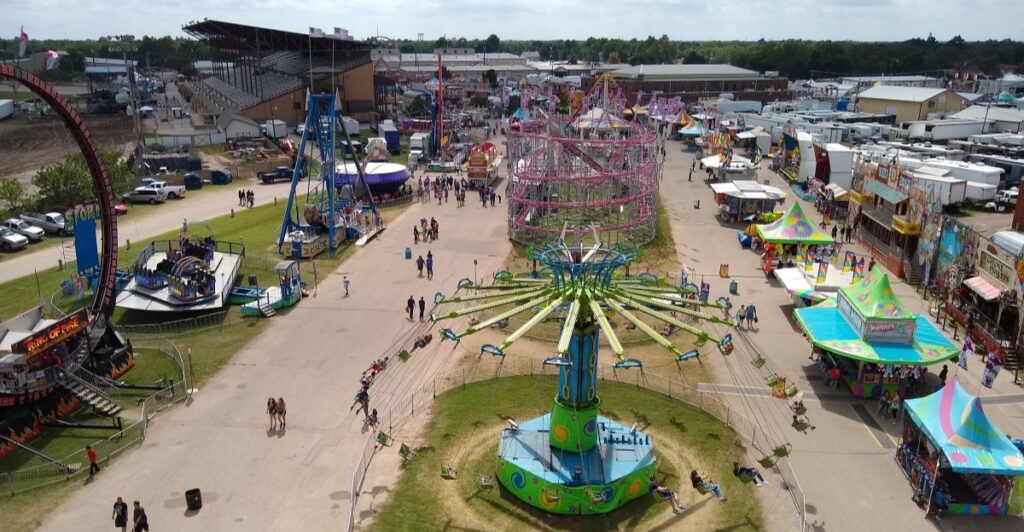
Ten days each September, a quiet town of 40,000 swells with visitors from every corner of the state.
The Kansas State Fair has called this city home since 1913, and the permanent fairgrounds sit right in town on North Poplar Street.
Livestock barns fill with 4-H kids fussing over heifers, while the midway lights up and the smell of funnel cakes drifts three blocks in every direction.
I wandered the horticulture building looking at giant pumpkins and prize-winning jars of pickles, which turned out to be far more entertaining than expected.
Free stages run all day, with everything from fiddle players to butter sculpting demonstrations.
Practical tip: park farther out and walk in, because the closest lots fill by mid-morning on weekends.
Go on a weekday if crowds are not your thing, and bring cash for the small food booths run by church groups.
It remains the single biggest event on the calendar, and the town clearly loves the attention.
Real Spacecraft Sit In The Middle Of Wheat Country
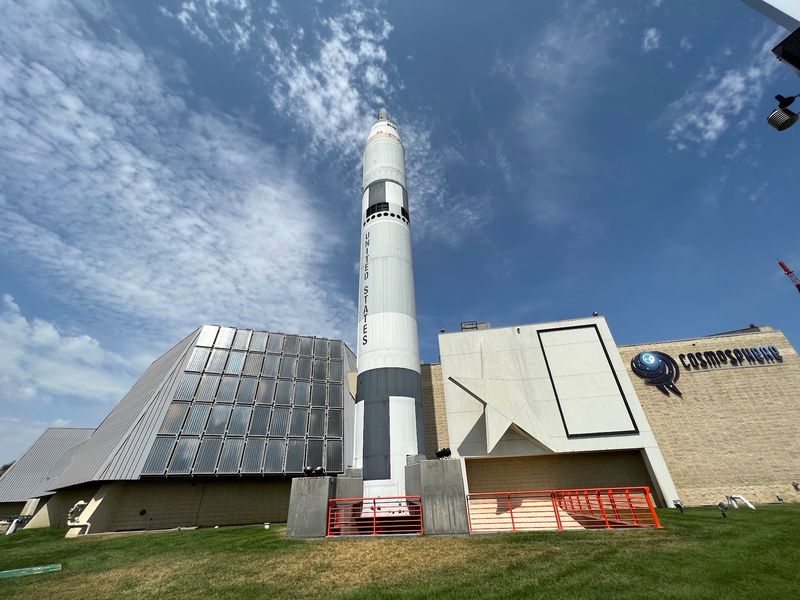
Nobody warned me that an actual flown Apollo command module lives here, and yet it does.
The Cosmosphere on East 11th Street holds one of the best collections of space artifacts in the United States, rivaled by only a handful of institutions.
Inside are Apollo 13’s Odyssey capsule, a Gemini spacecraft, Mercury hardware, and the largest collection of Russian space items outside Moscow.
There is also an SR-71 Blackbird hanging overhead, which stopped me in my tracks for a solid five minutes.
What surprised me most was how well the exhibits explain the space race, walking you through it chronologically without drowning you in jargon.
Plan on two to three hours minimum, longer if you add the planetarium show or the Dr. Goddard’s Lab demonstration, which involves small controlled explosions and a lot of delighted kids.
Early fall afternoons work well, since the building is cool and quiet midweek once school groups clear out.
I walked out genuinely rattled by how much history sits in this Kansas town.
Downtown Brick Streets And A Grain Elevator Skyline
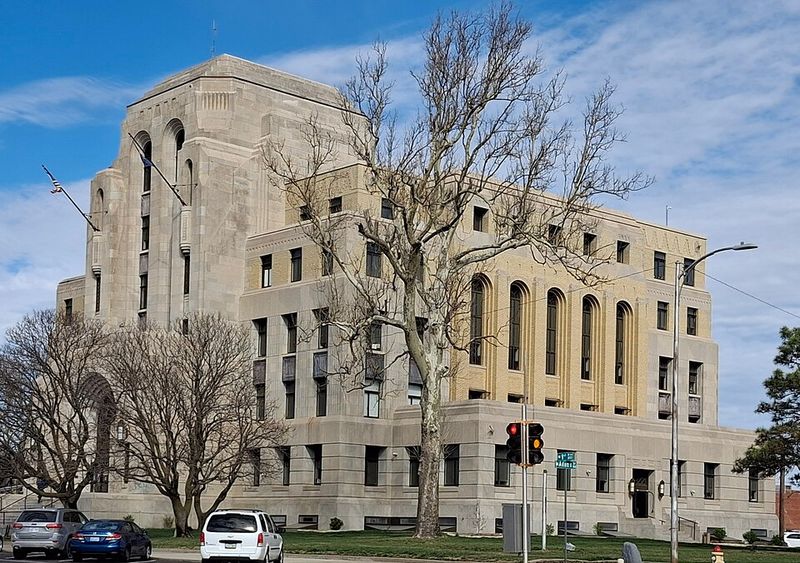
Main Street here still has the bones of a boom town, and I mean that as a compliment.
Early 1900s brick and stone buildings line the blocks, many with original cornices, tall windows, and painted signs that have been carefully brought back.
Small shops, antique dealers, bakeries, and a few galleries occupy the storefronts, and browsing them takes an easy afternoon.
What makes the view distinct is the backdrop: massive concrete grain elevators standing at the edge of downtown, including some of the longest in the world.
One stretch of elevator along the rail line runs for half a mile, which is a fact locals mention with obvious pride.
I found street parking easy, even on a Saturday, which alone makes this a pleasant change from bigger cities.
Fall light hits the brick beautifully in late afternoon, so photographers should aim for the hour before sunset.
Wear comfortable shoes, because the sidewalks invite more wandering than you plan for.
A Planetarium Dome Worth Tilting Your Head Back For
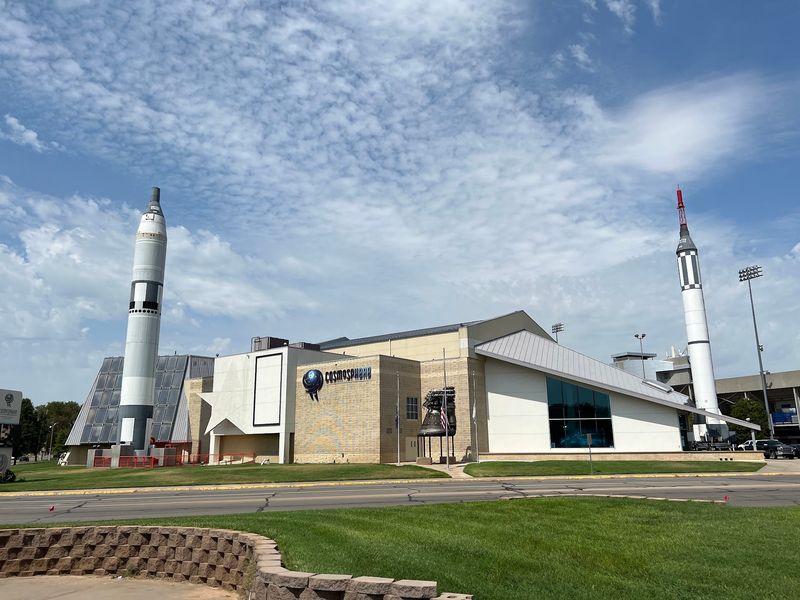
Leaning back into a planetarium seat while the Kansas prairie sky bloomed overhead was a highlight.
The Justice Planetarium at the Cosmosphere runs full-dome shows that cover everything from the solar system to deep space, and the projection quality is genuinely impressive for a town this size.
Shows tend to run under an hour, which is about right for restless younger viewers.
Autumn is a smart time to catch one, because the real night sky outside also improves as the air dries out and the humid summer haze lifts.
Drive fifteen minutes out of town on a clear October evening and the Milky Way shows up without much effort.
I paired an early planetarium show with a late drive down a gravel road, and the combination felt like a proper astronomy double feature.
Check the daily schedule when you arrive, since showtimes shift seasonally and some slots sell out during fair week.
Few small cities anywhere give you this much sky for the money.
Cooler Air Makes The Outdoors Actually Enjoyable
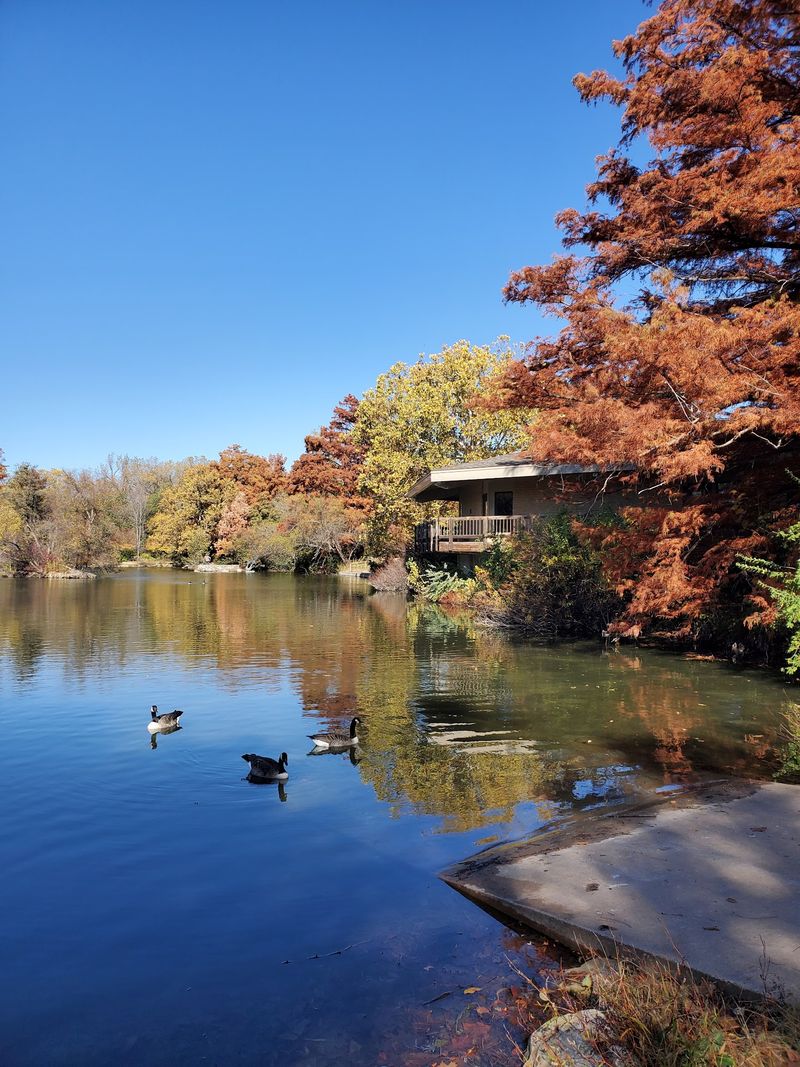
Summer on the plains can be punishing, so September arrives like a door swinging open.
Daytime highs average in the eighties, evenings cool into the fifties, and the wind that rakes this part of Kansas turns from annoying to refreshing.
The Arkansas River runs along the south side of town, and cottonwoods along its banks go yellow as the weeks pass.
Local parks and trails get busy with walkers, cyclists, and families finally free of the heat.
Dillon Nature Center, on the north edge of town, has ponds, woodland paths, and a visitor center, and I spotted more bird species there in an hour than expected.
Migration season means herons, geese, and songbirds moving through, so binoculars earn their space in the bag.
Mornings can start chilly, so a light jacket you can tie around your waist by noon is the right call.
By late October the color peaks, and the whole river corridor turns quietly gorgeous.
Sand Hills And Prairie Just Outside The City Limits
Sand dunes in the middle of Kansas sound like a tall tale until you hike them.
Sand Hills State Park sits just northeast of town, covering roughly 1,100 acres of dunes formed by ancient Arkansas River deposits, some rising 40 feet high.
Grass and scrub hold most of the sand in place now, and a network of trails winds through prairie, marsh, and woodland.
Hiking here in early fall beats doing it in July by a wide margin, and the bugs have mostly given up by then.
Trails are shared with horseback riders, so stepping aside politely is part of the deal.
I climbed one of the taller dunes for a view that stretched farther than seemed reasonable for supposedly flat country.
Bring water regardless of the cool temperatures, since shade comes and goes and sand makes every step work harder.
The quiet out there is nearly total, broken only by grasshoppers and wind through bluestem.
Pumpkins, Pie And Small-Town Fall Food
Autumn cooking around here leans hard on butter, flour, and whatever just came out of the ground.
Local cafes and diners fill up at lunch with farm crews, and the menus reflect it: chicken fried steak, homemade rolls, and pie cases that deserve serious attention.
German Mennonite heritage runs deep across this part of central Kansas, so keep an eye out for bierocks, savory pockets of meat, cabbage, and onion baked in soft dough.
Pumpkin patches and produce stands open on the outskirts through September and October, selling gourds, squash, apple cider, and honey.
Farmers markets downtown carry late tomatoes, peppers, and sweet corn while the season holds.
I made the mistake of ordering pie after a full plate of lunch and regretted nothing at all.
Arrive before noon or after one if you want a table without waiting, since harvest crews eat on a strict schedule.
Good food here is unfussy, generous, and priced like it is 2005.
Practical Notes For Planning A Visit
Logistics matter in a town where the biggest event of the year books rooms months ahead.
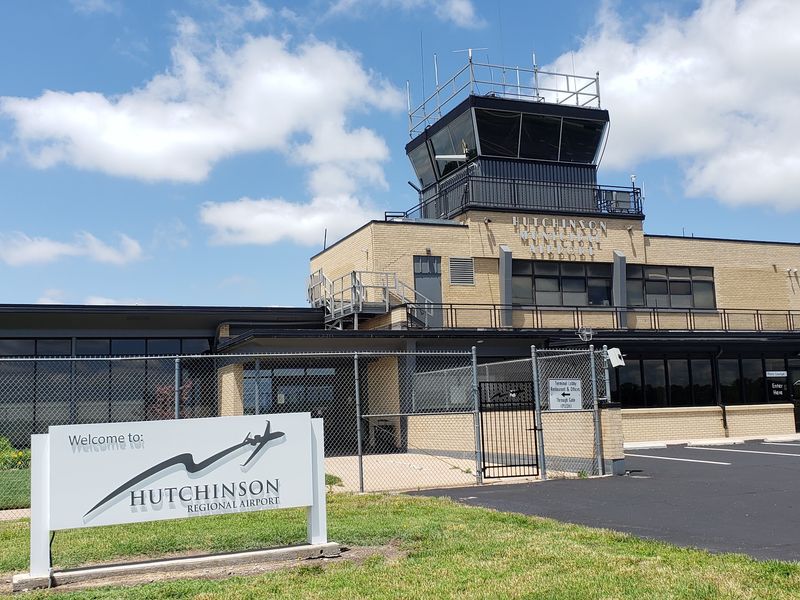
Hutchinson sits about 50 miles northwest of Wichita and roughly an hour from the nearest major airport, making a rental car the sensible choice.
Highway 50 and Highway 61 both run through, and driving in from any direction takes you past working farmland.
Lodging is limited and fills completely during the state fair, so reserve early or plan your trip for late September through October instead.
Weekdays outside fair week feel genuinely peaceful, with short lines at the museums and easy parking everywhere.
Pack layers, sunglasses, and something for the wind, which never fully takes a day off in Kansas.
Two full days covers the main attractions comfortably, three if you want time for trails and back roads.
I came expecting a quick stop and found a town that rewards slowing down, which is the best kind of travel surprise.