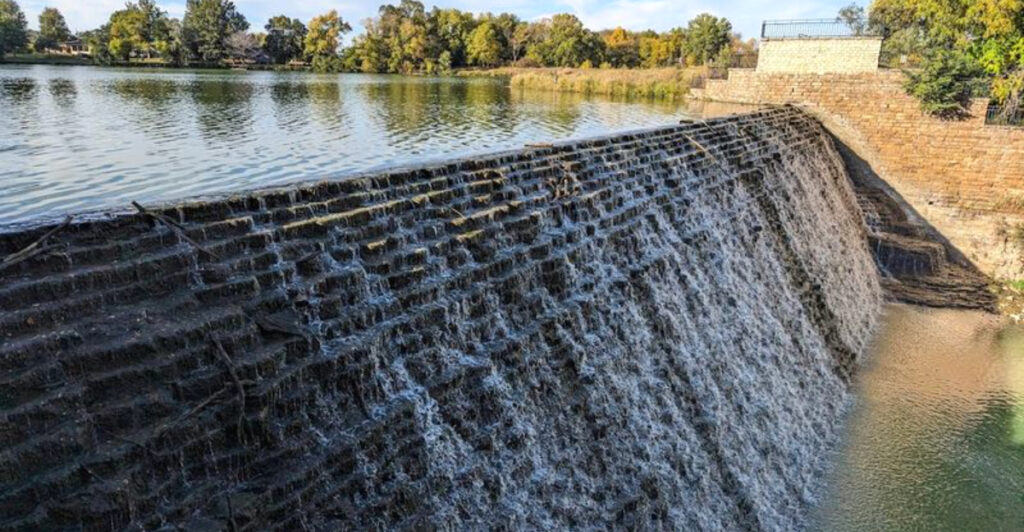
Iowa has a quiet way of surprising people who think they already know its scenery. In Franklin County, one small state park has a stone spillway that looks less like basic infrastructure and more like the landscape decided to build itself a staircase.
Water steps down the layered stone in a calm, steady rhythm, creating the kind of view that makes people stop walking and reach for their camera.
The structure dates back to the 1930s, when the Civilian Conservation Corps built outdoor spaces with a level of care that still shows nearly a century later.
This is not a flashy, oversized park trying to compete for attention. It is a peaceful Iowa stop with a lake, trails, camping, and one unforgettable spillway that turns a simple weekend drive into a small discovery worth remembering.
What Beeds Lake State Park Actually Is
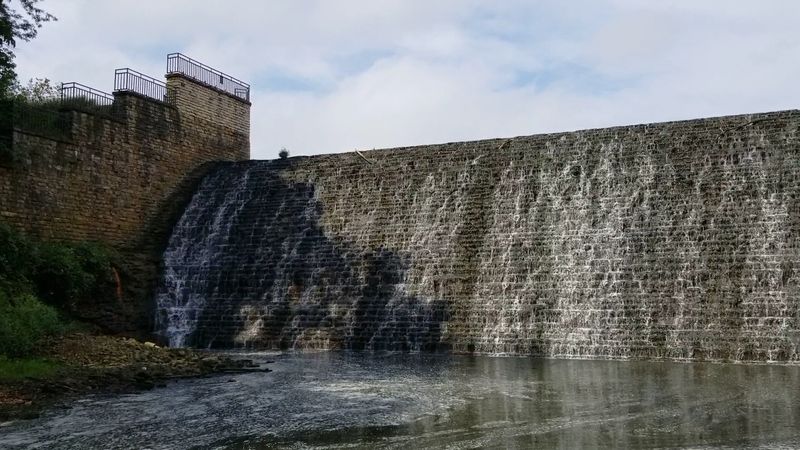
Most people pass through the Hampton area without realizing there is a quiet little state park nearby with a stone spillway that deserves a longer look.
Beeds Lake State Park is compact, easy to explore, and surprisingly rewarding once you slow down enough to take it in.
The park wraps around a 99-acre reservoir, with a beach area, modern boat ramp, hiking trails, campground, shelters, a day-use lodge, and the stepped stone spillway that gives the whole place its most memorable feature.
Nothing about the park feels oversized or overwhelming, which is honestly part of its charm.
It has that peaceful Iowa state park feeling where you can find the lake, follow the trail, check out the water, and not feel like you need a complicated plan or a survival spreadsheet.
The Iowa Department of Natural Resources manages the park, and the grounds feel well-kept without losing their simple, outdoorsy character.
The park is open daily from 4 AM to 10:30 PM, giving early risers a chance to catch quiet morning light on the water before the day gets busy.
For a calm weekend drive, a short hike, or a look at one of Iowa’s most charming CCC-era spillways, this stop earns its place on the map. You will find Beeds Lake State Park at 1422 165th St, Hampton, IA 50441.
The CCC Built This Dam and It Shows
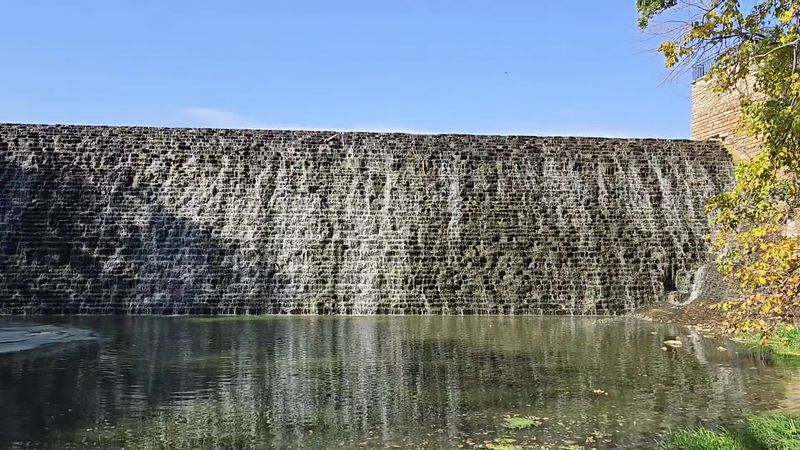
The Civilian Conservation Corps built this dam in the 1930s, and nearly a century later it still looks like it was assembled by people who took serious pride in their work.
The stonework is tight, deliberate, and layered in a way that gives the spillway its staircase-like appearance.
Water moves across each tier in a thin, even sheet before dropping to the next level, creating a soft, rhythmic sound that carries through the surrounding trees. The overall effect is calmer than a roaring waterfall but more visually interesting than a plain concrete structure.
The CCC was a Depression-era federal program that put young men to work building infrastructure across the country, and Iowa received some of its finest craftsmanship. Beeds Lake is one of the clearest examples of that legacy still standing and still functioning in the state.
Standing at the base and looking up at the stepped stone face gives you a real sense of the scale and effort involved.
It is not enormous, but the detail in the construction is what keeps your eyes moving across it for longer than you expect.
Finding the Spillway Without Getting Lost
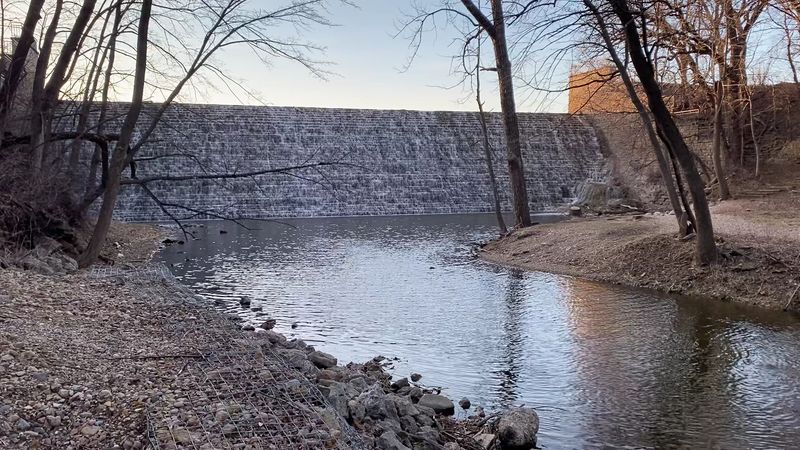
A fair warning before you go: the spillway is not immediately obvious when you first pull in.
A few people have admitted to wandering around the lake for a while before finally spotting it, and one online account mentioned that Google Maps once pointed someone toward the middle of the lake.
The practical approach is to drive along Beeds Lake Drive, cross between the two lake sections, and look for the spillway sign near a small parking area. From there, it is a short walk to the overlook.
The key detail most people miss is that you need to go down, not just stand at the top.
A trail leads to the base of the dam, and that lower vantage point is where the stepped stonework really becomes clear. From the top, you mostly see water flowing away.
From the bottom, you see the full staircase structure and can stand right at the edge of the waterfall.
Plan for bugs near the water, especially in warmer months.
A quick spritz of insect repellent before you head down makes the whole stop considerably more enjoyable and lets you linger longer at the base.
The Lake Itself and What You Can Do On It
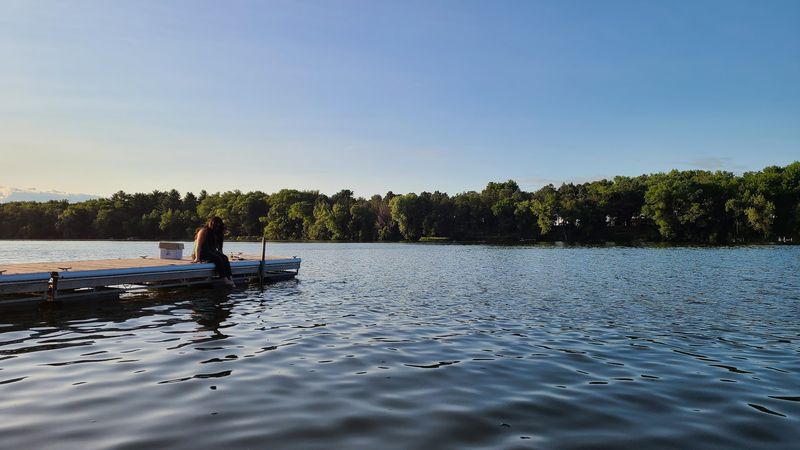
The lake at Beeds Lake State Park is on the smaller side, which matters if you are planning to bring a large boat.
A full-sized pontoon or ski boat would feel cramped here, and maneuvering in the limited water space could get frustrating fast.
Smaller watercraft are a much better fit.
Boating is allowed at no-wake speeds, and a modern boat ramp provides access to the lake.
If rentals are part of your plan, check current local availability before you go, since official park information clearly supports boating but does not consistently list paddle boat rentals as a current amenity.
Fishing from shore is a real option here, and the spillway, causeway, jetties, and docks give anglers several places to try their luck without bringing a boat. Bass, catfish, and panfish are all listed for the lake, which keeps the fishing scene approachable for casual visitors.
The lake also has a sandy beach area on the south side near the lodge and causeway, though it has received mixed feedback about upkeep compared to larger Iowa state parks.
It is fine for wading and casual splashing, but those expecting a groomed sandy beach on par with bigger parks may want to adjust expectations before arriving.
Hiking the Trail Around the Lake
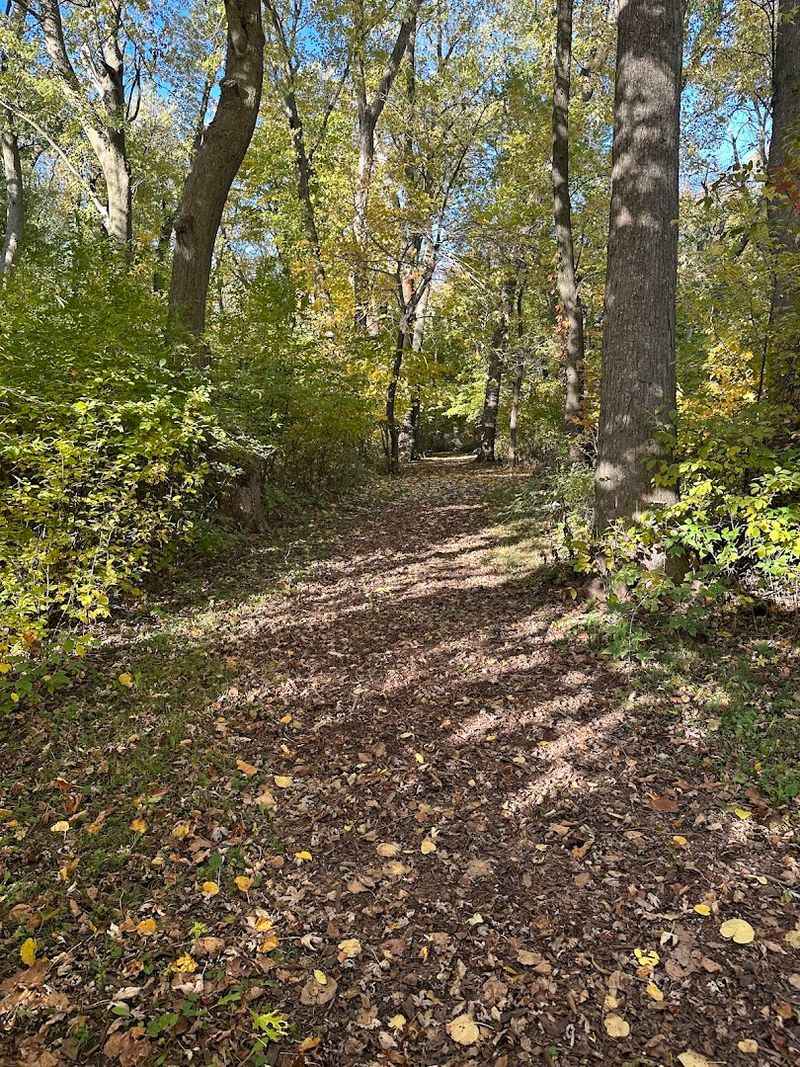
A full loop trail circles the entire lake, and completing it gives you a well-rounded look at the park from multiple angles.
The trail covers roughly two miles, which is manageable for most fitness levels and takes about an hour at a relaxed pace.
Along the way, the path crosses a bridge that spans part of the lake, and that bridge section is one of the more scenic stretches of the walk.
Looking out from the bridge toward the dam on one end and the open water on the other is the kind of view that makes the whole loop worth finishing.
The terrain is not rugged, but it is not entirely flat either. There are gentle rises and dips as the trail follows the natural contour of the shoreline, and some sections get muddy after rain.
Waterproof shoes or trail sneakers are a smarter choice than sandals if there has been any recent precipitation.
Wildlife sightings along the trail are common, with deer, birds, and various small animals making regular appearances depending on the time of day.
Early morning is the most active window if spotting wildlife is part of your plan for the visit.
Camping at Beeds Lake What to Expect
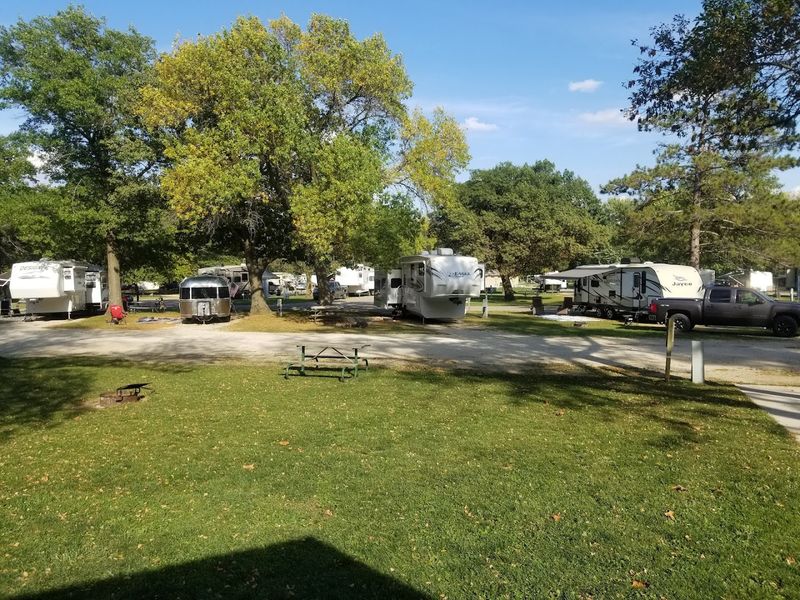
The campground at Beeds Lake has a loyal following, and a lot of repeat campers come back specifically for the quiet nights and the manageable size of the park.
The campground includes electric sites, tent-only sites, a youth group site, modern restrooms, showers, and a sanitary dump station.
Full-hookup sites are extremely limited. The current reservation system lists only two Standard Full Hook-Up sites, so campers who need that setup should reserve early and confirm availability before building a whole trip around it.
If full hookups are a requirement for your setup, this park may not always meet that need.
The layout of the campground is tighter than some people expect, particularly during holiday weekends. Sites in the middle section face each other directly, which cuts into any feeling of privacy.
The sites toward the edges of the campground offer a bit more breathing room and are worth requesting when booking.
Bathrooms and private shower rooms are on-site, and they are generally reported as clean and functional.
The showers are a meaningful comfort upgrade for anyone who camps here for multiple nights and does not want to feel like they roughed it too hard.
The Shoreline Up Close Rocky and Gradual
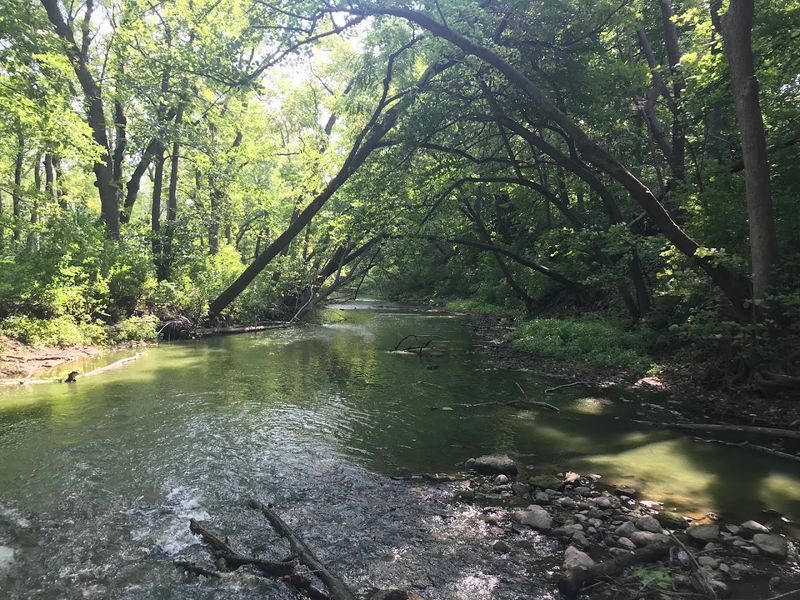
The shoreline at Beeds Lake is not a smooth sandy strip, so adjusting that expectation before you arrive saves some disappointment.
Near the camping area, the ground is mostly rocky, and the lake floor drops off gradually, which makes it manageable for wading and casual water entry.
One section near a small peninsula is a different story. The drop-off there is sudden and more significant, which is worth knowing if you are bringing younger kids who plan to wade in from that side.
A quick scout of the area before letting children run ahead is a smart move.
The rocky shore actually works in favor of anglers, since the uneven bottom and structure near the water’s edge attract fish. Several campers have mentioned catching bass right from their campsites, which is a hard perk to argue with.
The water itself looks clean and calm on most days, and the tree coverage along much of the shore keeps things cooler even in mid-summer.
On a still morning, the lake surface reflects the surrounding green in a way that makes the whole area feel quieter than it actually is.
What the Park Looks Like Across Seasons
One longtime visitor made a point that stuck with me: this park is worth seeing in every season, and the people who only show up in summer are only getting one version of it.
The fall foliage around the lake is dense and colorful, turning the trail loop into something that feels completely different from the leafy green version of summer.
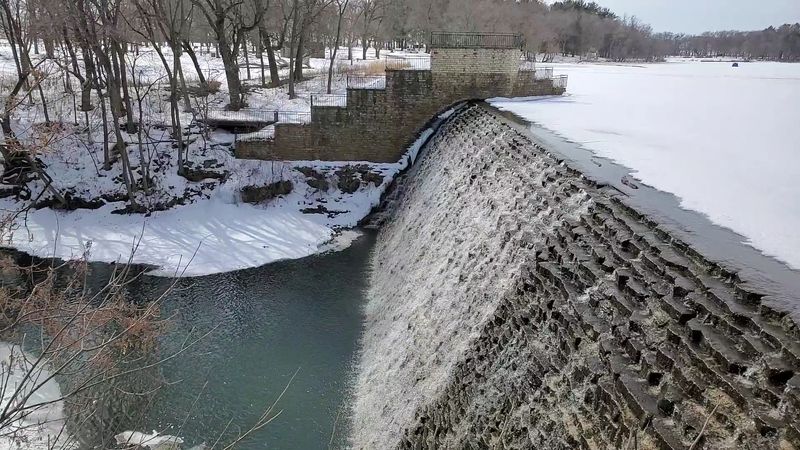
Winter visits are quieter and obviously colder, but the stone spillway takes on a different character when ice forms along the edges of the stepped tiers.
The structure becomes more visible without all the surrounding vegetation, and the water moving over the stone in freezing temperatures creates interesting ice formations worth photographing.
Spring brings the lake back to life with returning birds and fresh green growth along the trail. The water level can run higher after snowmelt, which sometimes makes the spillway flow more dramatically than it does in the drier months of late summer.
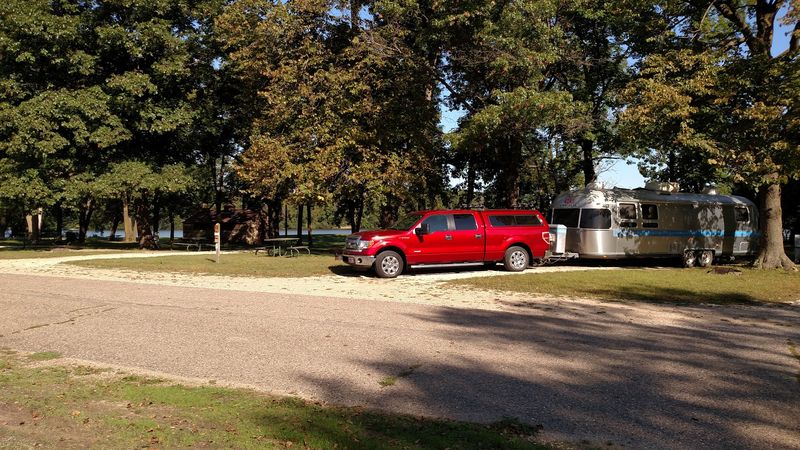
Summer is the busiest season by a wide margin, and holiday weekends fill the campground quickly.
Visiting on a Tuesday or Wednesday in June or July gives you most of the same scenery with noticeably fewer neighbors at the adjacent campsites.
Practical Tips Before You Pack the Car
The park is open every day of the week from 4 AM to 10:30 PM, which gives you a generous window whether you are an early-morning hiker or someone who prefers a late afternoon arrival. The official phone number for the park is 641-456-2047.
Reservations for campsites are required, especially for summer weekends and holidays. The park fills up faster than its modest size might suggest, and showing up without a reservation on a Friday evening in July is a gamble that usually does not pay off.
The official Iowa DNR Beeds Lake State Park page has current campsite information, park alerts, and general visitor details, and it is worth checking before your trip for any seasonal closures or updates.
Cell service in the area is functional but not always strong, so downloading offline maps before you leave home is a practical step.
Bring insect repellent, especially if you plan to spend time near the spillway or along the lower trail sections.
The bugs near the water are persistent, and a little preparation on that front keeps the visit comfortable from start to finish.
Family Appeal and Who Fits Best Here
Beeds Lake works well for families with kids who are old enough to walk the trail and curious enough to get excited about a stone waterfall.
The two-mile loop is not too demanding for school-age children, and the spillway gives them something concrete and visually interesting to focus on as a destination point.
Younger kids will enjoy the beach area and the shallow wading sections of the shore near the campground, though close supervision is needed near any area where the lake drops off more abruptly.
The calm lake setting is also a good fit for families who want a low-key water day without the intensity of a bigger boating destination.
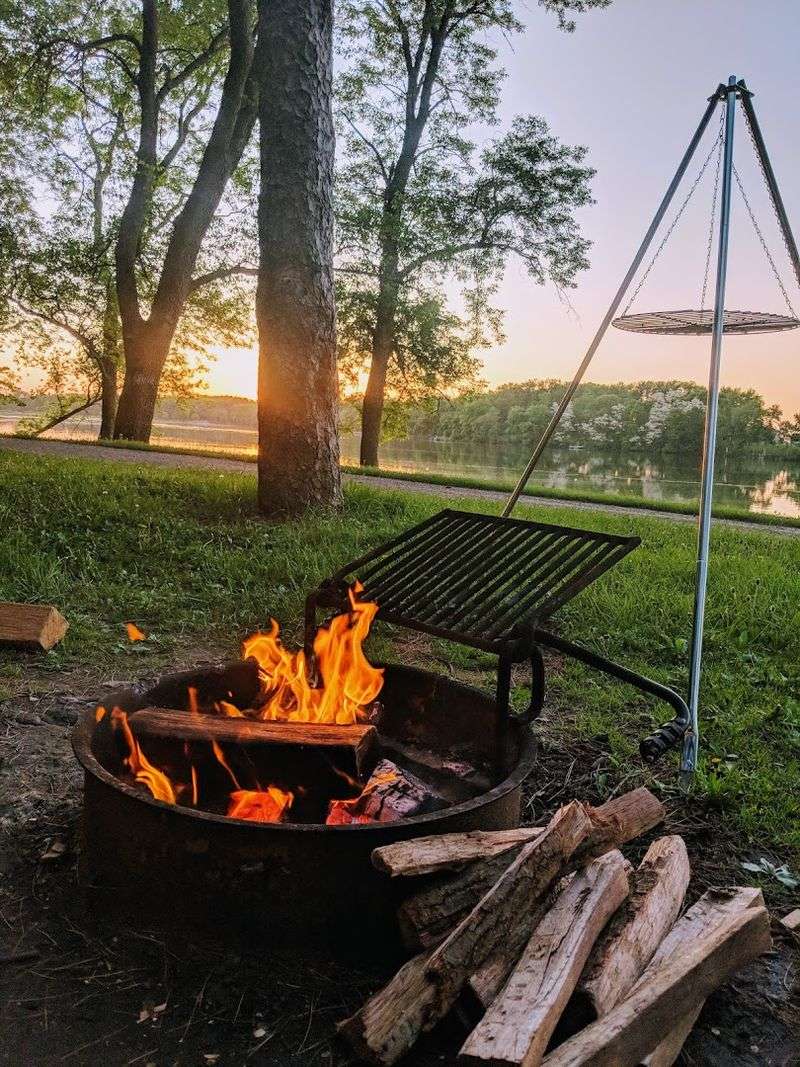
Families who camp here tend to appreciate the small-park feel, which turns evenings into a natural gathering point.
The campground is compact enough that it does not feel chaotic, but social enough that kids often end up playing together across neighboring sites.
The park also has reservable shelters and a day-use lodge for planned gatherings, but it is still best suited to calm, low-key outdoor trips rather than resort-style vacations with organized activities and amenities around every corner.
Why the Spillway Keeps Drawing People Back

A lot of parks have a dam. Not many have one that looks like it was designed to be admired rather than just functional.
The stone spillway at Beeds Lake earns its reputation because the craftsmanship is visible in a way that most modern concrete structures simply are not.
Multiple people who visited as children have come back as adults specifically to see the spillway again, which says something about the impression it leaves.
The stepped stone face, the sound of water moving across each tier, and the mist that rises near the base create a sensory combination that is hard to replicate.
Photographers tend to linger here longer than anywhere else in the park, and the light in the late afternoon hits the stone at an angle that brings out the texture and color of the old masonry in a way the midday sun flattens out completely.
The spillway is free to see, easy to reach once you know where to look, and takes only a few minutes to walk to from the parking area near the sign.
For a two-minute detour off the main park road, the payoff is disproportionately high, and that is exactly why people keep coming back to Hampton, Iowa to see it.