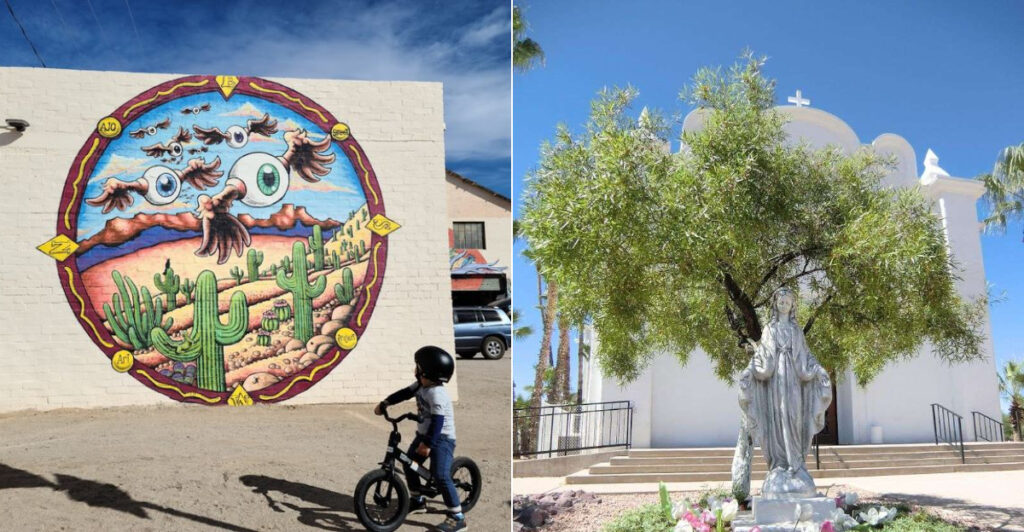
Everyone knows the Grand Canyon. Everyone knows Sedona. But Arizona has a whole other side, and most tourists never find it.
Just 43 miles from the Mexican border, there is a small desert town that moves at its own pace. Towering cacti line the roads. Strangers wave at each other. The sky stretches so wide it almost does not look real.
When did you last have that kind of space to breathe? This is not a place built for Instagram crowds. It is a place built for people who actually want to feel somewhere new.
Quiet streets, sun-baked history, and a community that has been doing things its own way for generations. Pack light, bring sunscreen, and point the car south. The best Arizona experiences are not always on the map everyone else is following.
A Town With A Story Worth Telling
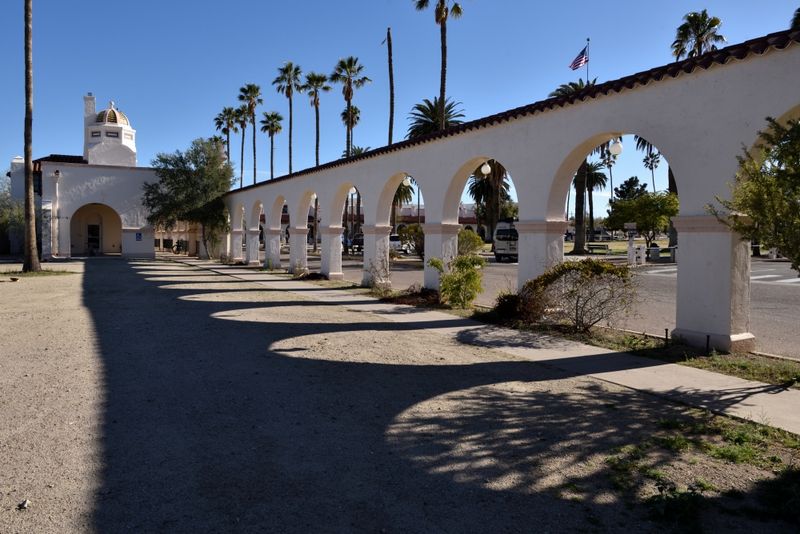
Long before Instagram travel accounts existed, Ajo was already writing its own fascinating story in copper and dust.
Back in the early 1900s, this town was a full-on industrial powerhouse. The Phelps Dodge Corporation turned Ajo into one of Arizona’s most productive copper mining operations, drawing workers from across the country and Mexico.
At its peak, the mine was one of the largest open-pit copper mines in the entire United States. That is not a small claim for a town with fewer than 4,000 people.
When the mine closed in 1985, Ajo did not disappear. It adapted. Artists, retirees, and adventurous travelers slowly discovered what the miners already knew: this place has serious character.
The old company buildings were reimagined, the plaza was polished up, and the community held on with impressive determination. Can a town reinvent itself without losing its soul? Ajo proves that it absolutely can.History here is not behind glass in a museum. It is literally under your feet.
The Plaza That Stops You In Your Tracks
Most small towns have a main street. Ajo has a plaza, and there is a big difference.
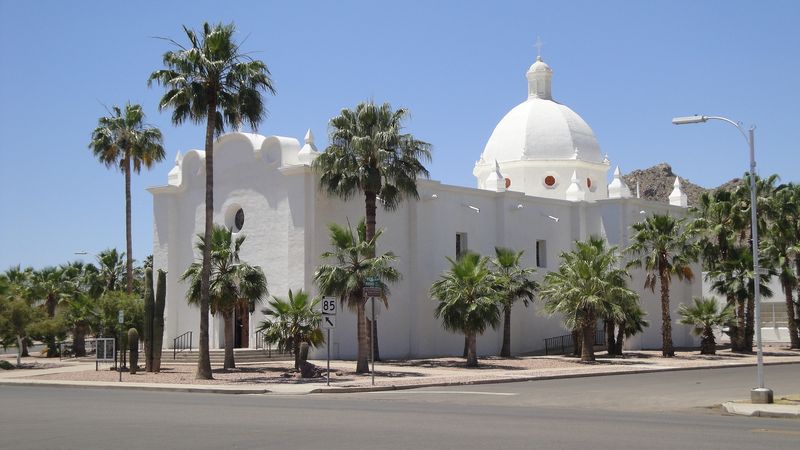
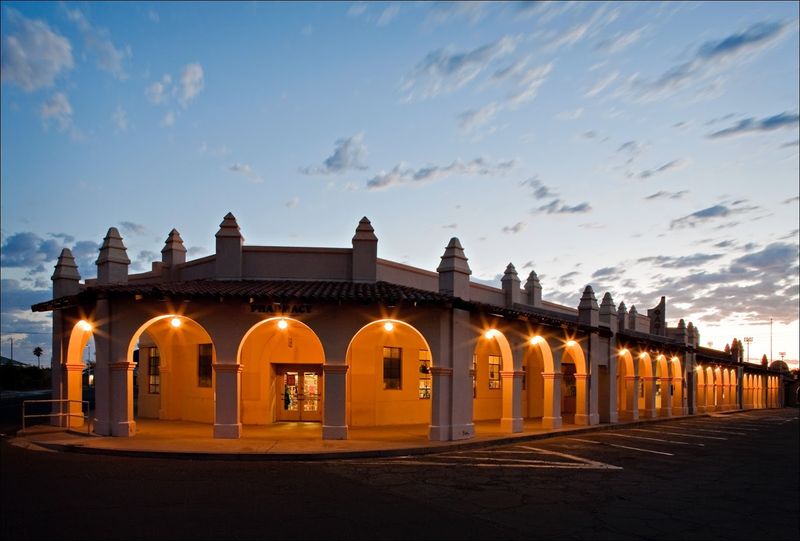
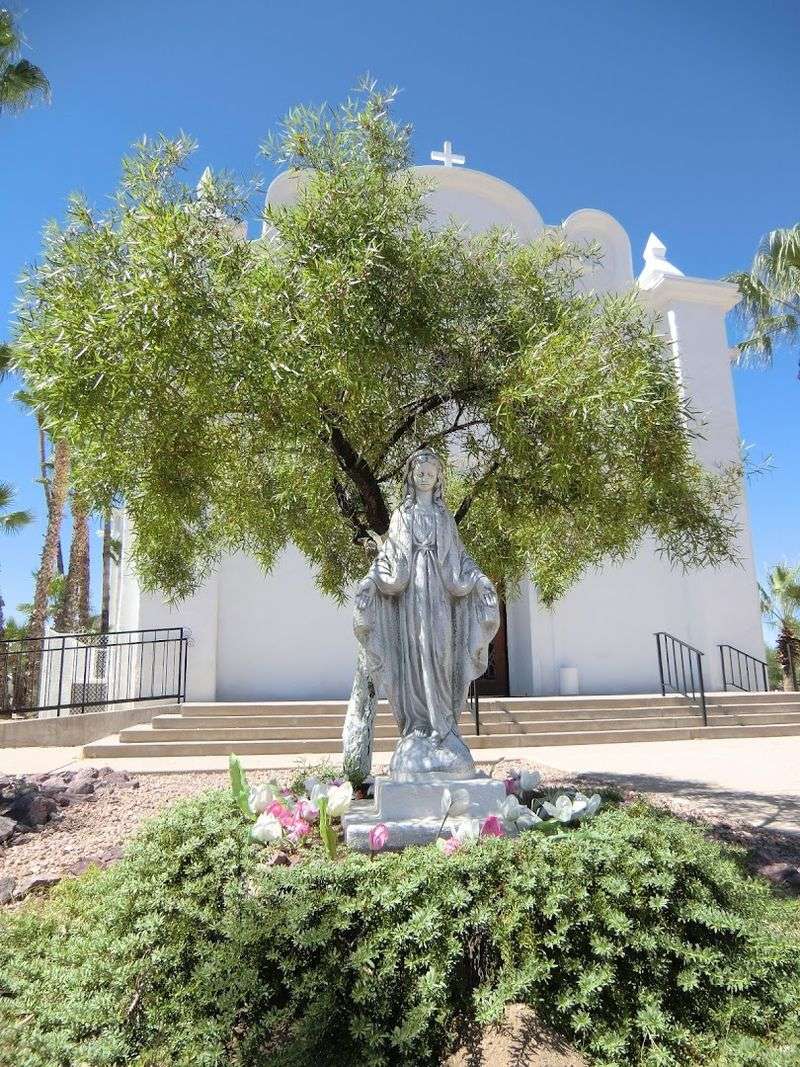
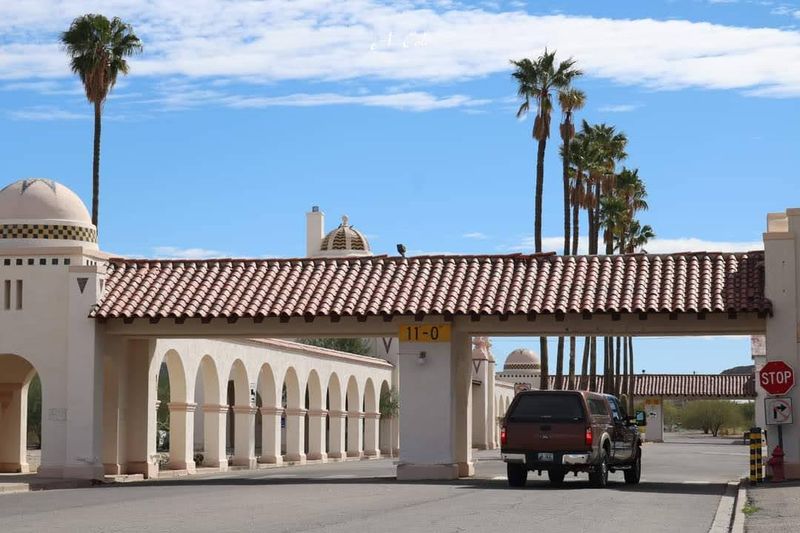
The central plaza in Ajo is one of the most visually striking public spaces in all of southern Arizona. Designed in the Spanish Colonial Revival style, it features arched walkways, white-washed walls, and a historic church that looks like it belongs in a postcard from another century.
The New Plaza, built in the 1920s by the Calumet and Arizona Mining Company, was designed to give the town a sense of elegance and community pride. That intention still comes through today, decades later.
Local shops and small businesses line the edges of the plaza, offering handmade goods, local art, and a genuine slice of Ajo culture. There is no chain store energy here.
Everything feels personal and intentional. On cooler mornings, locals gather on the benches while the desert light turns everything golden.
The plaza also serves as the social heart of the community, hosting seasonal events and markets that bring residents and visitors together in the most effortless way. It is the kind of public space that reminds you why town squares were invented in the first place.
Organ Pipe Cactus National Monument Next Door
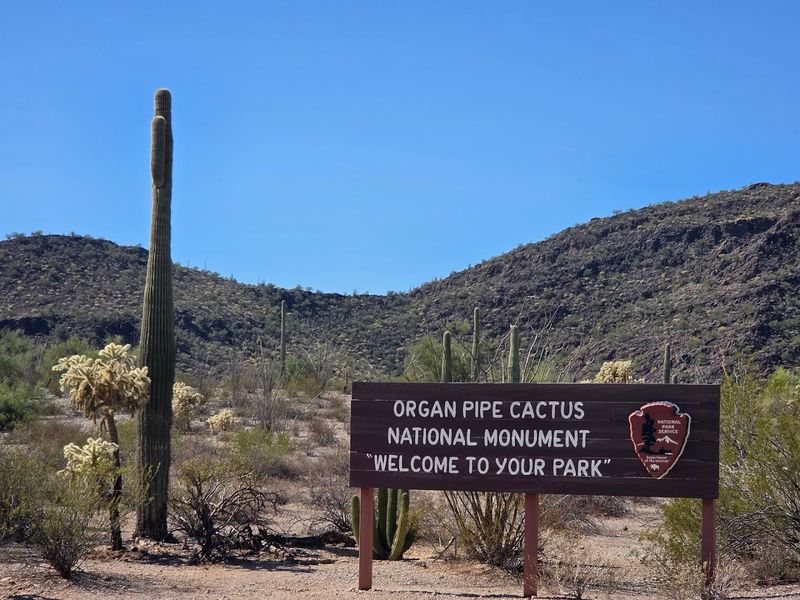
Right on Ajo’s doorstep sits one of the most extraordinary national monuments in the entire American Southwest.
Organ Pipe Cactus National Monument is just a short drive south of town on State Route 85, and it is the kind of place that makes you stop the car and just stare. The organ pipe cactus, which only grows naturally in the United States in this specific region, can reach up to 20 feet tall and live for 150 years.
The monument covers over 330,000 acres of protected Sonoran Desert, making it one of the largest protected desert ecosystems in the country. That is a lot of space to explore and very few crowds to compete with.
Hiking trails range from easy walks to more challenging routes that take you deep into the desert landscape. The Ajo Mountain Drive, a 21-mile scenic loop, is especially popular and offers jaw-dropping views without requiring you to leave your vehicle.
Birdwatchers will want to bring their binoculars. The monument hosts over 270 bird species throughout the year, including the elf owl, the smallest owl in the world.
Camping inside the monument puts you right in the middle of the desert silence, which is honestly one of the most restorative experiences you can have in Arizona.
Desert Skies That Demand Your Attention
There are places in the world where the night sky is so clear and so full of stars that it genuinely changes how you feel about the universe. Ajo is one of those places.
Far from major city lights, the skies above Ajo and the surrounding Sonoran Desert offer some of the darkest and most star-filled views in Arizona. On a clear night, the Milky Way stretches across the sky in a way that feels almost theatrical.
The area around Organ Pipe Cactus National Monument has been recognized for its exceptional dark sky conditions, and the monument itself actively works to protect that darkness. This is not an accident.
It is a deliberate choice to preserve something increasingly rare. What is it about a truly dark sky that makes every other worry feel small and manageable?
Even from the town itself, the lack of light pollution means that a simple walk after sunset becomes a stargazing session. No special equipment required, just your eyes and a little patience.
Photographers travel long distances specifically to capture the night sky over the desert landscape here. The combination of tall cacti silhouettes and a star-packed sky creates images that look almost too beautiful to be real.
The Art Scene Nobody Warned You About
Creative communities have a way of finding the most unexpected places to take root, and Ajo is a perfect example of that phenomenon.
Over the past two decades, artists from across the country have quietly moved into Ajo, drawn by the affordable living, the dramatic desert landscape, and a community that genuinely appreciates creativity. The result is a small but vibrant art scene that feels authentic rather than manufactured for tourism.
The International Sonoran Desert Alliance, based right in Ajo, has played a major role in supporting local artists and cultural programs. Their work has helped transform old mining-era buildings into studios, galleries, and performance spaces.
Local galleries showcase paintings, photography, ceramics, and textile work that reflect the colors and textures of the surrounding desert. The artwork here does not feel generic. It feels like it could only have been made in this specific place.
The Ajo Celebrates the Arts festival draws visitors each winter and gives locals a chance to share their work with a wider audience. Could a town this small really have an arts festival worth planning a trip around? Absolutely yes.
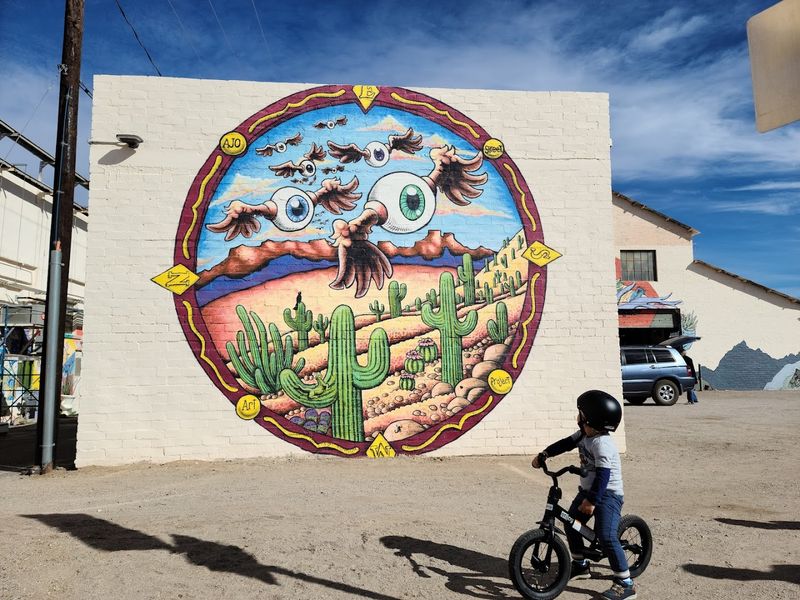
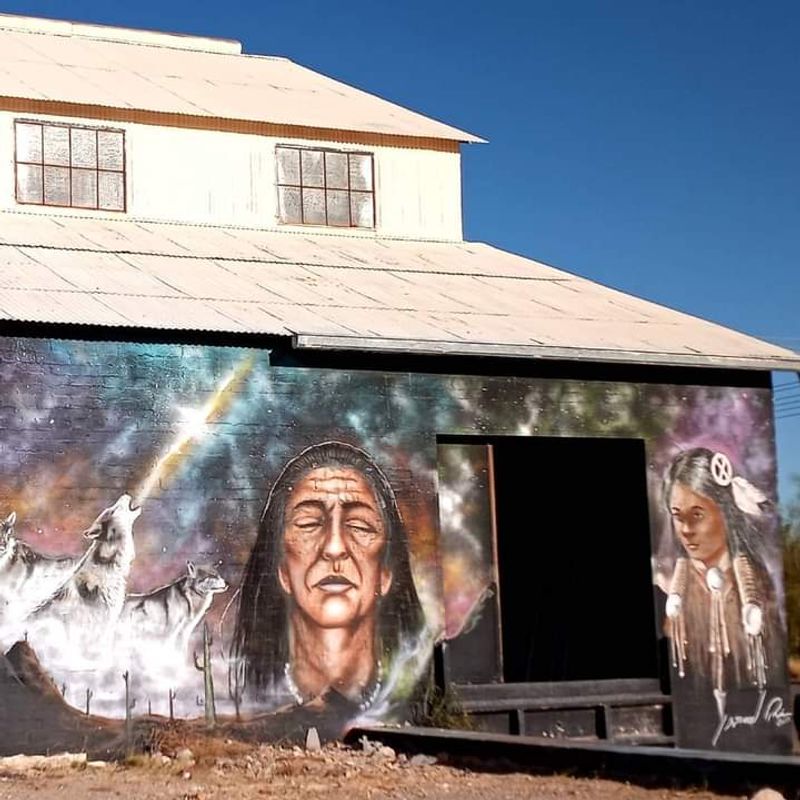
Even outside of organized events, the creative energy is visible in the murals painted on building walls and the handmade goods sold at the plaza shops. Art here is woven into daily life rather than kept separate from it.
Birding Heaven In The Sonoran Desert
Serious birders keep a life list, and a trip to Ajo has a way of adding some very impressive entries to that list in a very short amount of time.
The Sonoran Desert surrounding Ajo is one of the richest birding environments in North America. The combination of desert scrub, mountain foothills, and proximity to the Mexican border creates a unique habitat where species from both the United States and Mexico overlap in fascinating ways.
Organ Pipe Cactus National Monument alone hosts over 270 documented bird species. Among them are the curve-billed thrasher, the Gila woodpecker, the greater roadrunner, and the remarkable elf owl, which nests inside saguaro cacti and is no bigger than your fist.
Spring and fall migration seasons bring even more variety, as birds traveling between North and South America pass through the Sonoran Desert corridor.
The Ajo area also includes portions of the Buenos Aires National Wildlife Refuge nearby, which adds even more diversity to the birding opportunities available within a short drive.
Even casual visitors who have never held a pair of binoculars find themselves stopping repeatedly to watch the wildlife that moves through this landscape with complete confidence and zero concern for human observers.
The Best Time To Visit And What To Expect
Timing matters when you are visiting a desert town, and getting it right can completely transform your experience. The ideal window for visiting Ajo runs from October through April, when daytime temperatures are comfortable and the desert landscape is at its most inviting.
January and February average highs hover around 65 to 70 degrees Fahrenheit, which is practically perfect for hiking, exploring, and spending time outdoors.
Spring is particularly magical. After winter rains, the desert floor can explode with wildflowers, and the organ pipe cacti begin to bloom with creamy white flowers that only open at night. Seeing a field of blooming desert in the middle of what looks like a barren landscape is genuinely surprising the first time it happens.
Summer temperatures in Ajo regularly reach 100 degrees Fahrenheit and beyond, so outdoor activities require very early morning starts and careful hydration planning. The town does not shut down in summer, but it moves at a noticeably slower pace.
Accommodations in Ajo are limited but charming, ranging from a historic hotel to small guesthouses and campgrounds inside the national monument. The town is small enough that you can genuinely feel like you have discovered something personal and yours alone.
Why Ajo Feels Different From Every Other Desert Town
Some places are popular because they market themselves well. Ajo is different because it simply has not needed to. There is a quality to Ajo that is hard to name but very easy to feel when you arrive.
The town does not perform for visitors. It just exists, confidently and quietly, in the middle of one of the most dramatic desert landscapes in North America.
The community of around 3,300 people includes longtime locals, retirees, artists, outdoor enthusiasts, and a growing number of travelers who found Ajo by accident and came back on purpose. That mix creates a social texture that most resort towns spend millions trying to fake.
The Tohono O’odham Nation has deep cultural ties to this land, and their history and presence add an important layer of meaning to the region. Understanding that connection makes the landscape feel even more significant when you are standing in the middle of it.
Ajo is located along State Route 85, about 110 miles southwest of Phoenix and 43 miles north of the Mexican border. It is close enough to reach easily but far enough away to feel like a real escape from ordinary life.
The people who love Ajo tend to love it fiercely and quietly, like a favorite book they are not quite ready to recommend to everyone. Maybe that is exactly what makes it worth the drive.