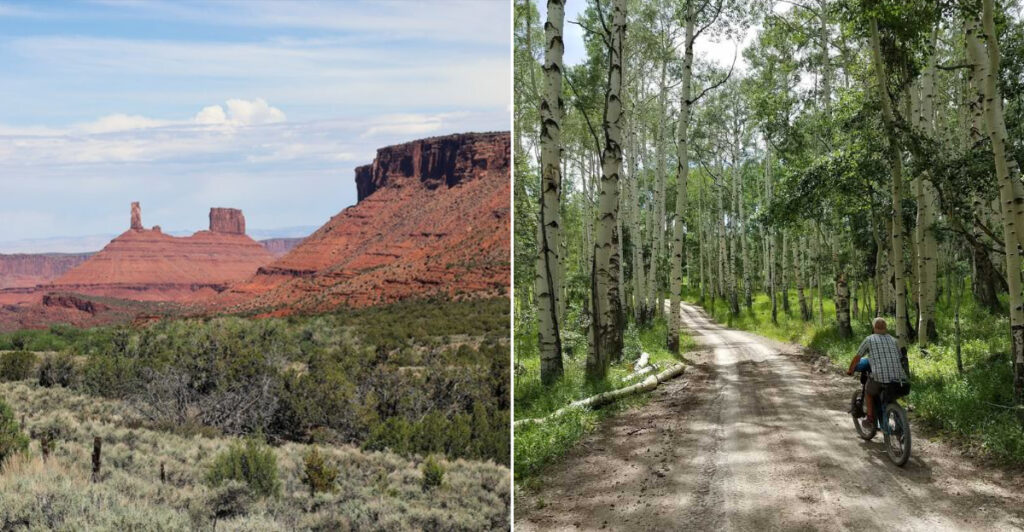
The mountains can rewrite Utah’s usual postcard without using a red-rock canyon. High on a winding route, an abandoned mining camp waits among aspens, rocky peaks, and weathered remnants that hint at a far busier past.
The ruins are modest, but the story behind them gives the drive weight, turning a scenic outing into something closer to a conversation with history. What makes this route appealing is how little effort it asks in return for so much atmosphere.
You get cool mountain air, shifting views, quiet roads, and a destination that rewards curiosity more than speed. Far from the desert scenes most travelers picture first, this corner of Utah feels almost like a different state altogether.
Take a map, pay attention to the old structures, and treat the site gently. There may be no gift shop at the end, but that is part of why the place still feels special.
The Road Into The La Sals Changes The Whole Mood
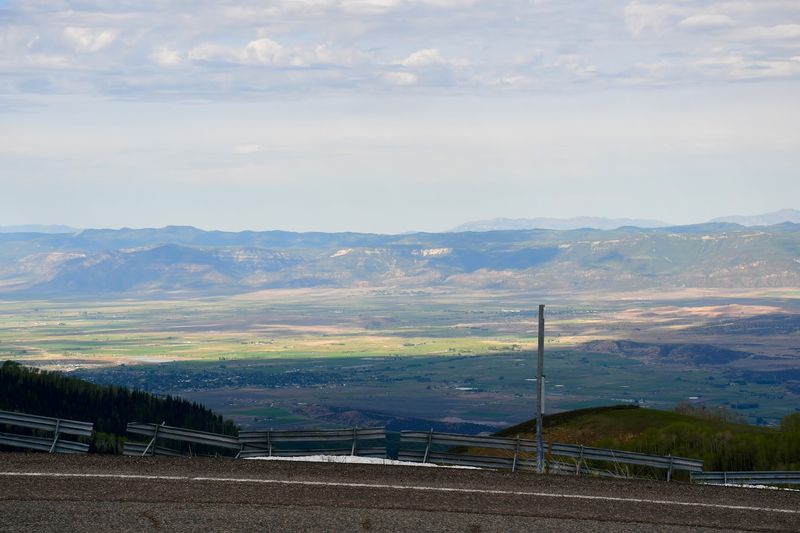
The nice thing about a plan in Manti-La Sal National Forest is that it does not have to announce itself with flashing signs. One minute the Moab area feels all sandstone and sun, and the next the road begins climbing toward cooler country in the La Sal Mountains.
That shift is part of the fun, especially for road trippers who have spent the day staring at red rock until every cliff starts looking vaguely like a toaster.
Miners Basin sits in this higher mountain setting, reached by forest roads that require attention, patience, and current road information. Conditions can change with snow, runoff, and storms, so travelers should check with the Forest Service before treating the drive like a casual errand.
A high clearance vehicle is often a wise choice when roads are rough.
Manti-La Sal National Forest, Utah covers mountain ranges, plateaus, valleys, and recreation areas across central and southeastern Utah. The La Sal portion near Moab gives this ghost town outing its sharp contrast: desert town below, alpine mining history above, and a road that quietly reminds drivers that pavement is not a personality trait.
Miners Basin Was Built On Big Hopes And Hard Rock
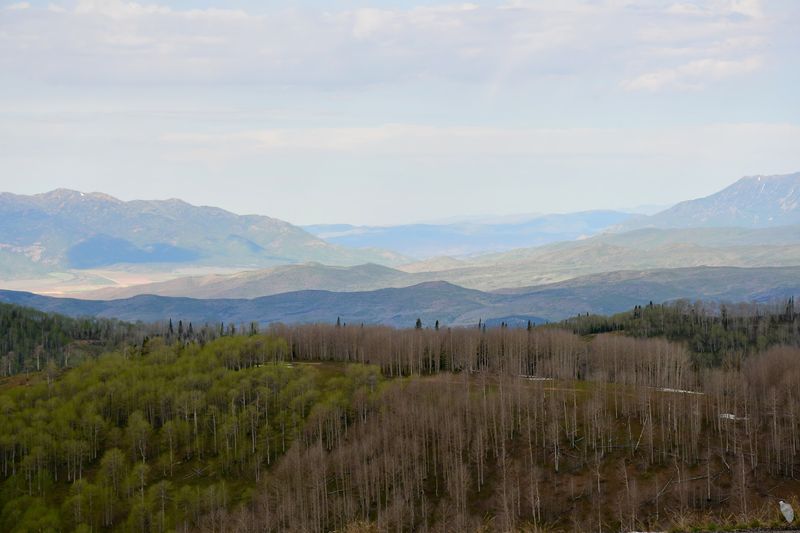
Miners Basin was not a movie set, although the name does sound like it should come with a dusty soundtrack. It was a real mining camp in the La Sal Mountains, tied to the search for valuable minerals in the late nineteenth and early twentieth centuries.
Prospectors came looking for opportunity, which is a polite way of saying they were willing to live somewhere difficult because the ground might pay them back.
The remains are limited, and that is important to understand before going. Visitors should expect scattered evidence of a former settlement rather than a restored town with open buildings and staged rooms.
Old foundations, cabin remains, mining traces, and the surrounding landscape do most of the explaining. It asks more from the imagination than from a camera.
That quieter character makes Miners Basin feel different from more famous ghost towns. Manti-La Sal National Forest provides the mountain setting, while the mining history gives the route its purpose.
The story is not polished smooth, which may be why it stays interesting. Nobody has over packaged it, labeled every nail, or tried to make the past behave itself.
The Trail Rewards People Who Like Their History Unvarnished
Some historic places do all the work for you. Miners Basin does not.
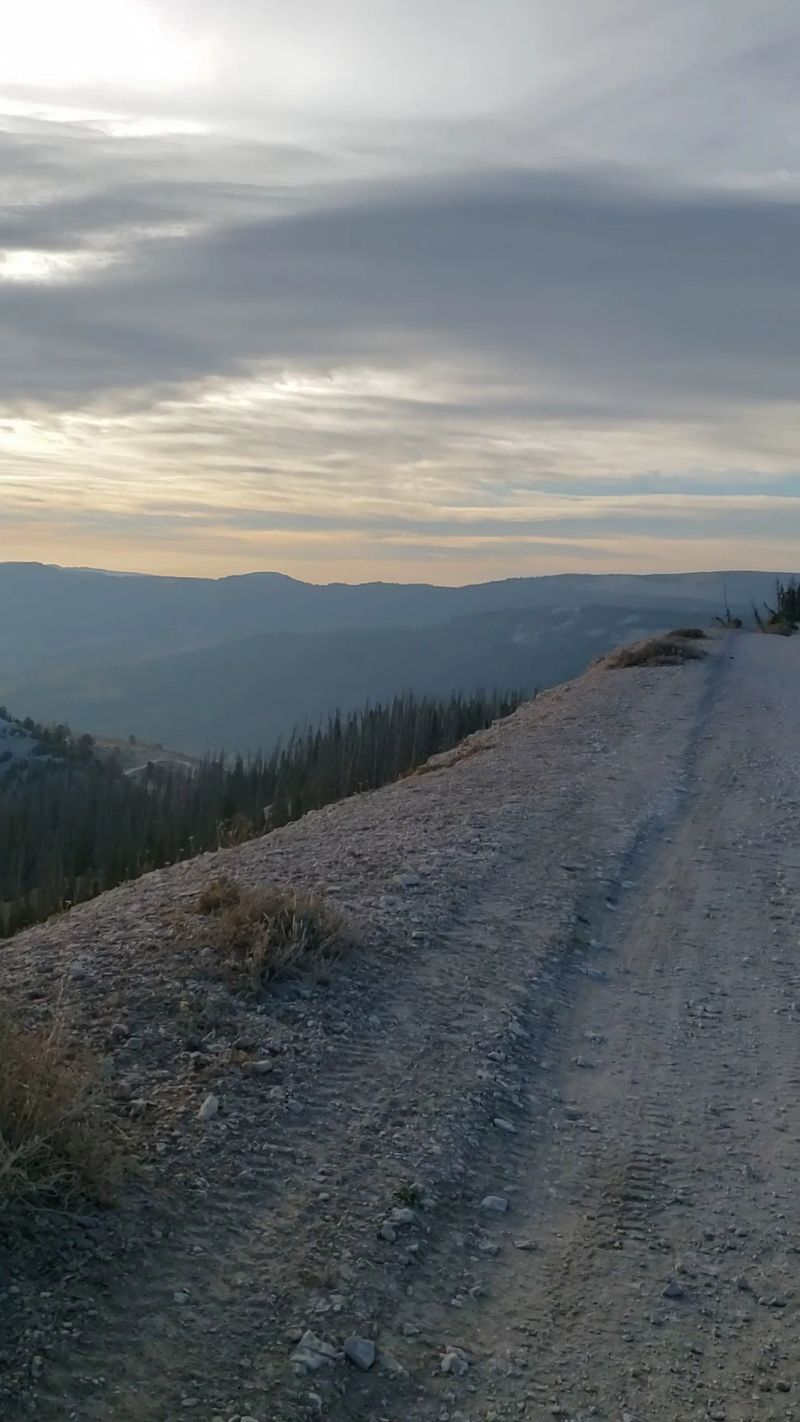
The route asks visitors to pay attention to road signs, maps, weather, elevation, and the small clues left behind by people who once tried to make a living in a mountain basin. That is not a flaw.
It is the whole point.
Because the area is within Manti-La Sal National Forest, the outing fits naturally with hiking, scenic driving, and exploring public land, but it still needs sensible planning. Cell service may be limited.
Snow can linger at higher elevations. Afternoon storms can make mountain roads less friendly than they looked at breakfast.
A paper map or downloaded map is not old fashioned here, just practical.
Families can turn the visit into a simple history puzzle, asking what kind of supplies miners needed and why people would build in such a remote place. Couples may appreciate the quiet pace.
Solo travelers get room to think without a crowd narrating every moment. Miners Basin gives back what visitors bring to it, especially patience, curiosity, and shoes that were not chosen for looking cute in town.
Manti-La Sal National Forest Adds More Than Scenery
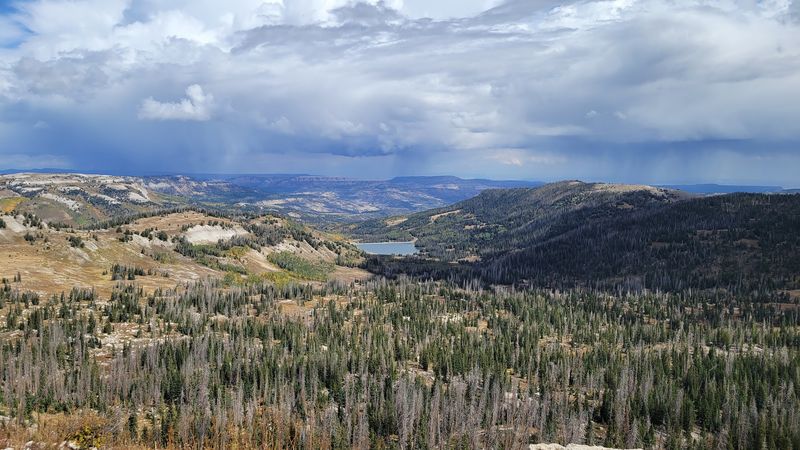
The forest is not just a backdrop for the ghost town story. Manti-La Sal National Forest is a large public land area managed by the U.S.
Forest Service, with mountain ranges that rise above surrounding desert and valley landscapes. In the La Sal Mountains, that means the Miners Basin route sits in a place where geology, weather, and human ambition all had a vote.
That matters because mining camps did not appear randomly. They followed ore, water, access, and the stubborn belief that a hard place could become profitable.
The forest roads and basins help explain those choices better than a paragraph in a museum ever could. You can look at the slopes and understand, at least a little, why getting supplies in and minerals out would have been an exhausting daily math problem.
Modern visitors come for recreation, but the land still carries older uses and stories. Camping, fishing, hiking, scenic driving, and riding are all associated with different parts of Manti-La Sal National Forest, though specific rules vary by area and season.
Miners Basin adds a quieter layer. It reminds travelers that public lands are not empty spaces.
They are archives with trees, rocks, and fewer convenient restrooms than anyone hopes.
Road Conditions Deserve Real Attention Here
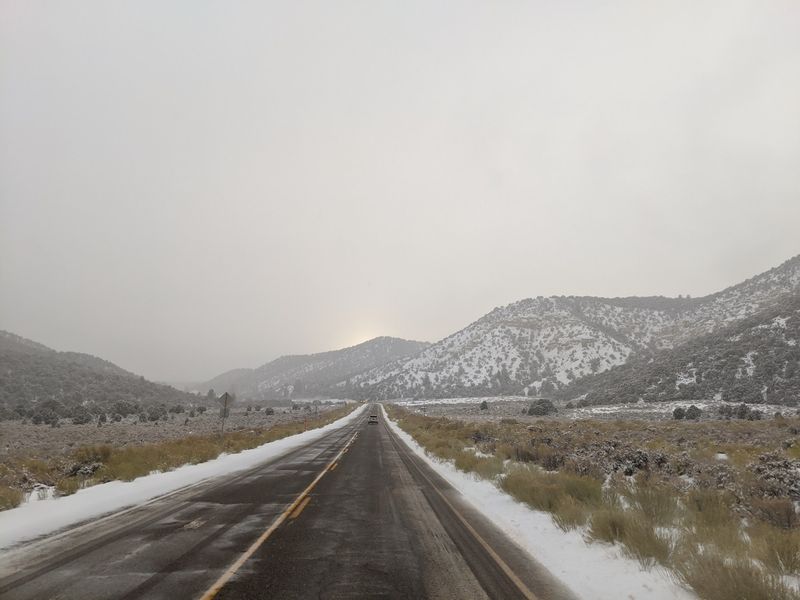
A ghost town trip loses some charm when it turns into a surprise vehicle experiment. The approach to Miners Basin can involve unpaved mountain roads, and those roads are affected by snow, mud, runoff, fallen branches, and ordinary wear.
Before heading out, check current Manti-La Sal National Forest road information, especially if visiting outside the driest part of the season.
High elevation is the quiet planner in the room. The La Sal Mountains rise dramatically above the Moab area, and upper roads may hold snow or rough patches long after lower country feels ready for sandals.
A route that looks short on a map can take longer when the surface asks drivers to slow down and act like they own their suspension.
Travelers should carry water, food, layers, and a spare tire in good condition. Tell someone your plan if you are going alone.
A weekday or early start can give you more flexibility, but do not count on services close to the basin. Manti-La Sal National Forest rewards people who prepare without making a production out of it.
The goal is a simple mountain outing, not an audition for a survival documentary.
The Ruins Ask For Respect, Not Souvenirs
Old mining sites can make otherwise normal adults act like museum raccoons. A rusty object appears, and suddenly someone feels called to pick it up, turn it over, and consider whether it would look interesting on a garage shelf.
At Miners Basin, the better choice is simple: leave things where they are.
Historic remains on public lands are part of a shared record. Removing artifacts, damaging structures, carving names, or climbing on fragile ruins can erase details that help future visitors and researchers understand what happened there.
Even small pieces matter. A can, nail, board, or stone may seem ordinary, but ordinary objects are exactly how work camps tell their story.
Photographs are the useful souvenir. So are notes, sketches, and the kind of quiet looking that does not require touching everything.
Families can use the visit to talk about stewardship without sounding like a lecture from a laminated sign. Manti-La Sal National Forest has enough room for adventure and care at the same time.
Miners Basin has lasted this long because the mountains did part of the guarding. Visitors now get a turn, and thankfully the job mostly involves restraint.
The La Sal Mountains Give The Trip A Different Utah Story
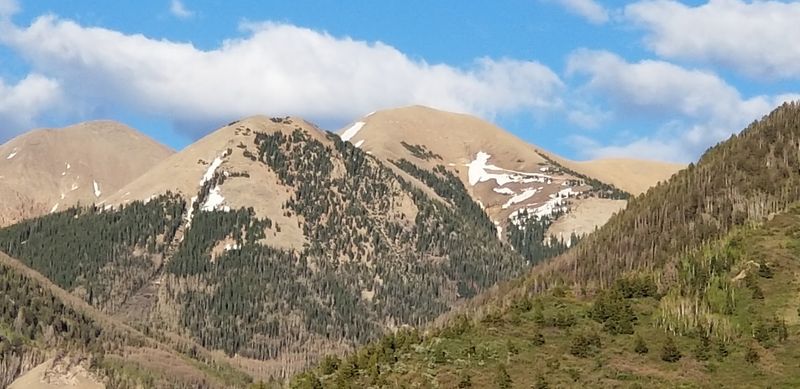
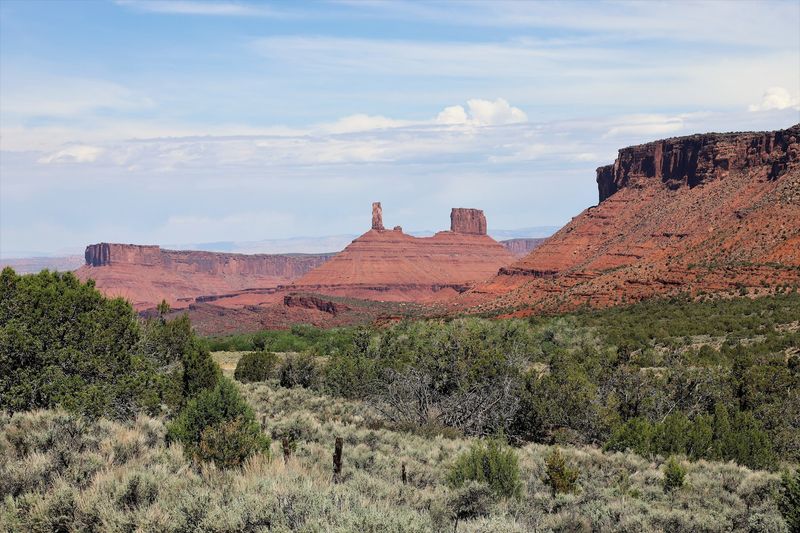
Many Utah trips lean hard on arches, canyons, and sandstone fins, and honestly, those places have earned their fan mail. Still, the La Sal Mountains offer another version of the state, one with forests, high basins, and peaks that change the scale of everything around Moab.
Miners Basin benefits from that setting because it feels separate from the usual desert loop.
The contrast is useful for travelers building a flexible weekend. A morning may begin near red rock country, while the ghost town route pulls the day upward into cooler mountain terrain.
That shift can make the outing feel larger than its mileage. It is not just a side stop.
It is a change in chapter.
Within Manti-La Sal National Forest, the road toward Miners Basin also gives context to the people who lived and worked there. Mining in a high mountain basin meant isolation, weather, transport problems, and a short season for many tasks.
The scenery is part of the explanation, not decoration. Utah has plenty of dramatic places that shout for attention.
This one speaks in a lower voice, which is sometimes easier to trust. It makes the old mining camp feel less like a curiosity and more like a hard choice people once made.
A Simple Saturday Detour Can Work If You Keep It Honest
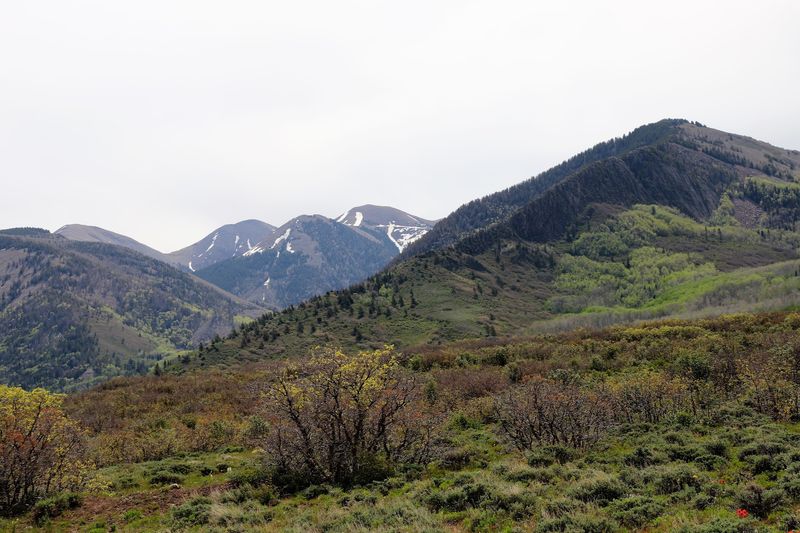
Miners Basin can fit a simple Saturday detour, provided the plan stays honest about time, roads, and weather. This is not the kind of stop to squeeze between two tightly scheduled reservations while pretending the mountains will respect your calendar.
Give the outing breathing room, and it becomes much more pleasant.
Start with current information from the Forest Service and a realistic look at your vehicle. Pack water, snacks, layers, sun protection, and a map that works without a signal.
The road into the La Sal Mountains can feel straightforward until it does not, which is a personality trait shared by many mountain roads and some office printers.
For families, the manageable version may be a scenic drive with short, careful exploring near visible remains. Couples might treat it as a quiet half day in the mountains.
Solo visitors should be extra clear with route planning and communication. Weekend travelers can pair the outing with other legal recreation inside Manti-La Sal National Forest, but the ghost town itself deserves unhurried attention.
Miners Basin works best when nobody is trying to turn it into a checklist item. A little spare time is the most underrated piece of gear.
There Are No Museum Rails To Tell You Where To Stand
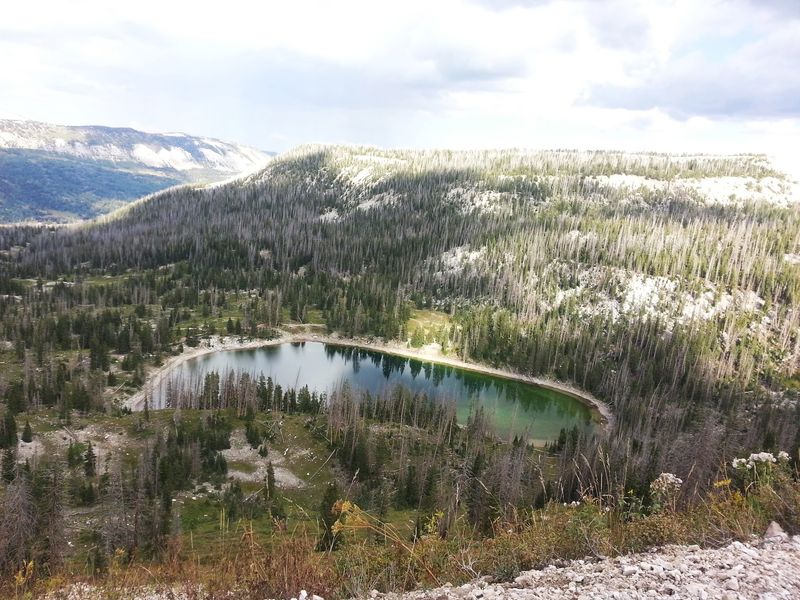
At Miners Basin, the absence of a polished visitor setup is immediately part of the experience. Do not expect ticket windows, guided interiors, staged mining carts, or a tidy loop path with cheerful arrows.
The remains sit in the landscape more quietly than that, which means visitors need to bring judgment along with curiosity.
That open character can be refreshing. It can also be easy to misread.
A place without railings is not an invitation to climb through weakened structures or wander carelessly across private looking remnants. Stay on established routes where possible, avoid disturbing anything, and give old walls and timbers more space than you think they need.
Gravity is patient, and it does not care who drove a long way.
The lack of heavy interpretation also changes how people learn here. Instead of being told exactly what to think, visitors piece together the basics: a remote basin, a mining effort, rough living conditions, and a settlement that faded after its usefulness declined.
Manti-La Sal National Forest keeps the scene grounded because nothing about the terrain feels easy. Miners Basin is not polished history.
It is field history, and field history asks people to slow down enough to notice what remains.
The Best Souvenir Is Knowing When To Turn Around
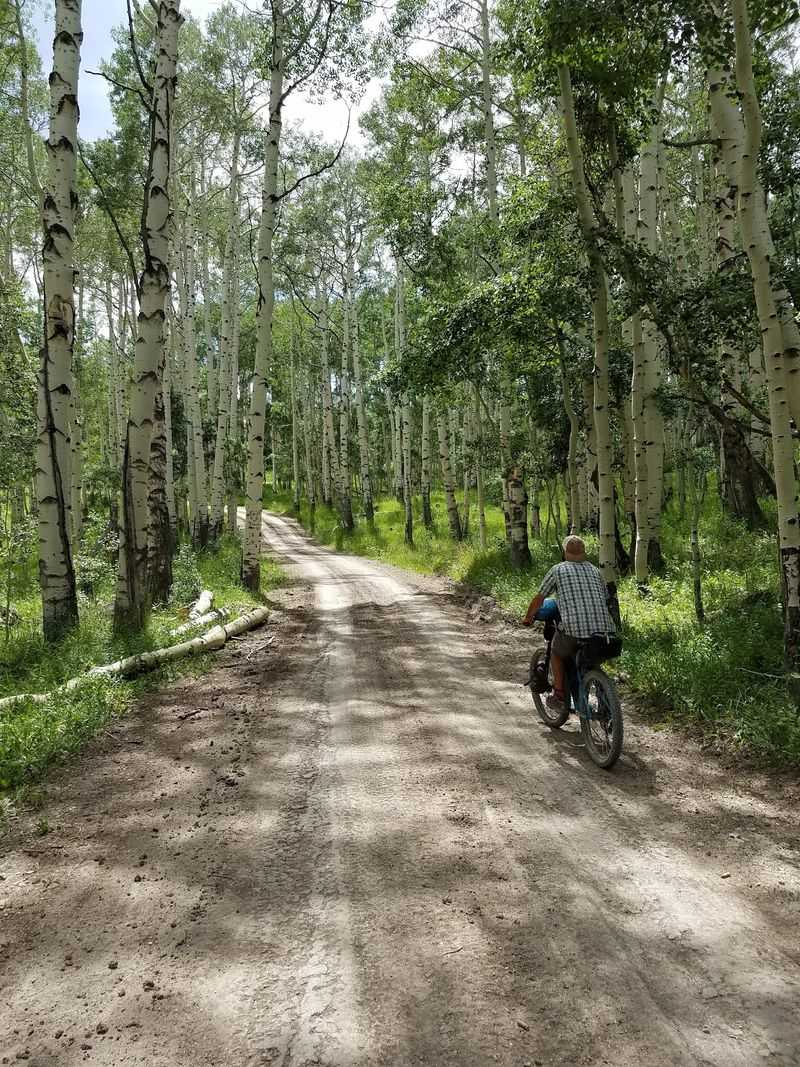
Every mountain outing has a quiet decision point. Sometimes the road looks rougher, the clouds build, the daylight shrinks, or the car starts making a noise that was not part of the playlist.
On the way to Miners Basin, knowing when to turn around is not failure. It is good travel sense wearing hiking shoes.
Manti-La Sal National Forest includes remote areas where help may not be close and conditions can shift quickly. That does not mean visitors should be nervous.
It means they should stay flexible. If the road is muddy, blocked, snowy, or beyond your comfort level, save the ghost town for another day.
The ruins are not going anywhere quickly. Your oil pan, however, may have different plans.
This advice matters for all kinds of travelers. Families avoid turning a history outing into a long afternoon of problem solving.
Couples keep the day pleasant. Solo visitors reduce risk by respecting limits early.
Weekend planners protect the rest of the trip from one stubborn choice. Utah rewards curiosity, but the state is also very good at reminding people that maps are not promises.
Miners Basin is more enjoyable when the return trip is just as uneventful as the drive in.
Why This Ghost Town Still Holds Attention
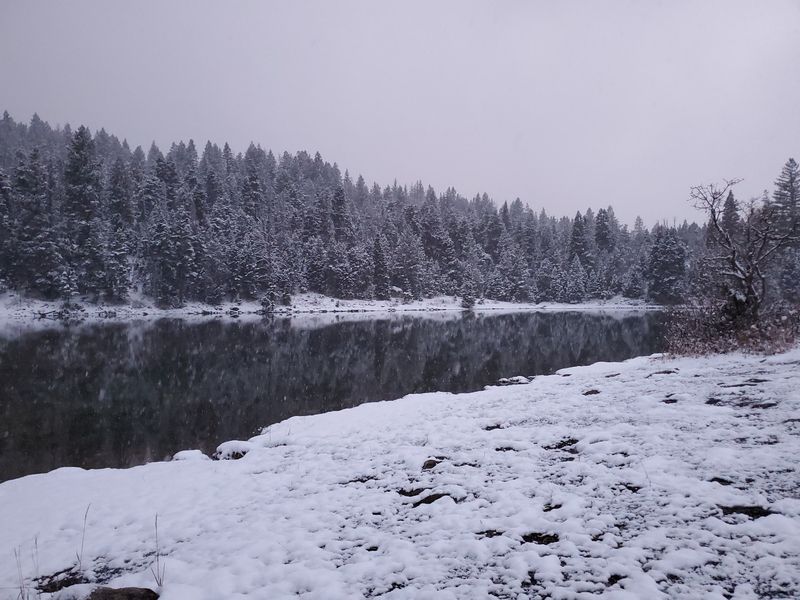
Miners Basin holds attention because it is not trying very hard to impress anyone. That may sound like faint praise, but in travel, restraint can be a relief.
The site does not turn mining history into a costume drama. It simply leaves enough behind for visitors to recognize that people once worked, lived, hoped, and eventually moved on from this mountain basin.
The setting inside Manti-La Sal National Forest gives the story weight. A mining camp in an alpine basin above desert country says plenty about ambition in Utah.
People followed possibility into places where weather, distance, and transport made daily life complicated. The remaining traces are modest, but modest remains can be more convincing than rebuilt facades that look suspiciously ready for a brochure.
Another reason the trip lingers is the layered pace. Getting there requires movement through changing terrain.
Being there requires slowing down. Leaving often includes a better sense of how much effort it took to create even a small settlement in rugged country.
Miners Basin is not famous in the way some ghost towns are famous, with staged storefronts and easy jokes about saloons. Its appeal is quieter, more practical, and a little more haunting in the ordinary sense of the word.
A Quiet Ending In A Forest Full Of Larger Stories
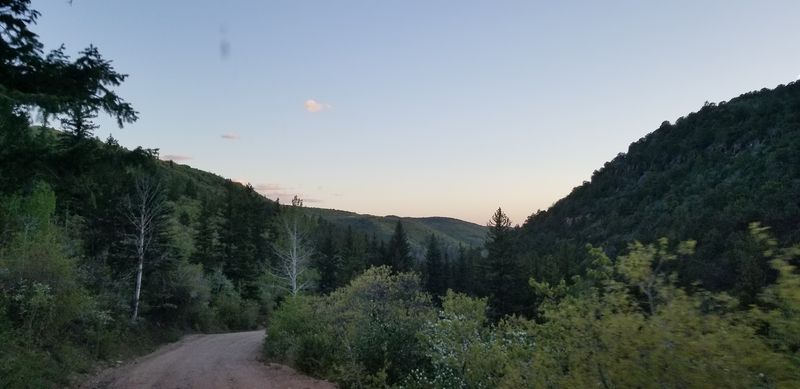
The trail to Miners Basin gives Manti-La Sal National Forest, Utah a story that feels both specific and easy to miss. Many travelers pass through southeastern Utah with plans aimed at famous parks and big landmarks.
This route points instead toward an older mountain chapter, where mining hopes rose in a high basin and then thinned into scattered remains.
That is the value of the outing. It does not compete with the state’s larger attractions, and it does not need to.
Miners Basin offers a different kind of attention, the kind built from road choices, elevation, old foundations, and the realization that history often survives without looking official. For anyone tired of travel plans that require timed entries, crowded overlooks, and three backup parking strategies, that simplicity feels almost suspiciously generous.
Go prepared, check conditions, leave the ruins alone, and let the place stay a little rough around the edges. Manti-La Sal National Forest is big enough to hold recreation, scenery, and overlooked history in the same set of mountains.
Miners Basin is one small piece of that larger landscape, but it gives the forest a memorable human scale. Text a friend this: take the La Sals seriously, bring water, and do not expect the ghost town to explain itself quickly.