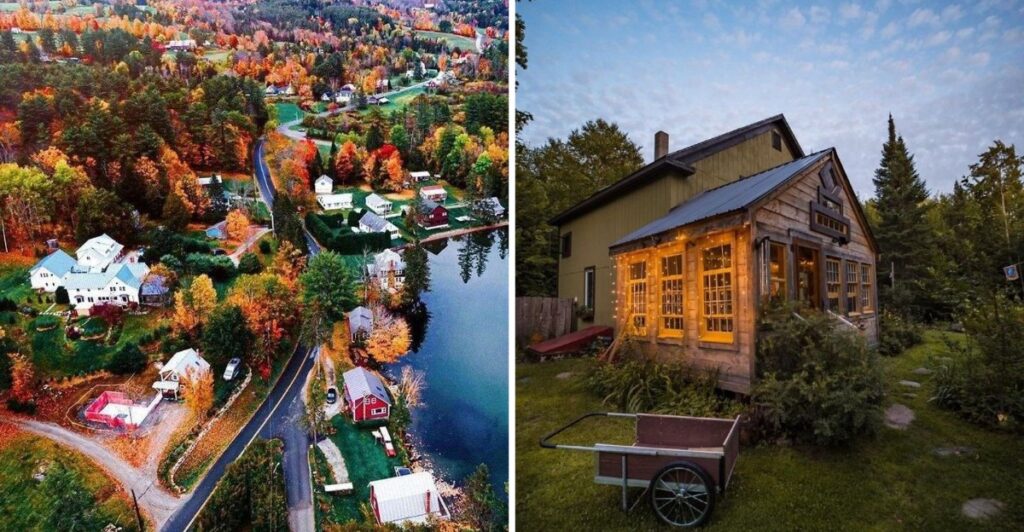
Some Vermont stories get stranger the closer you look.
One old place name has been tied to a vanished community, a half-remembered road trip, and a literary mystery that refuses to sit neatly in one version.
The details shift depending on where you find the story. Dates change. The people involved change. Even the place itself becomes harder to pin down.
That uncertainty is exactly what gives the tale its pull.
There may not be a neat sign telling you where the story begins, but there is enough of a trail to make you want to follow it.
And once Stephen King enters the picture, things get even more interesting.
Stephen King Heard The Story While Traveling Through Vermont
King described the encounter in a 1987 interview when he was asked whether Jerusalem’s Lot, the setting of ’Salem’s Lot, was a real town.
His answer was essentially both yes and no. He said the fictional community was based on a place in upstate Vermont that he had heard about as an undergraduate.
The story began during a drive through Vermont with a friend. As they passed through the countryside, the friend pointed out a town he called Jeremiah’s Lot and told King that everyone there had supposedly disappeared.
In the version King recalled during that interview, the disappearance was said to have happened in 1908.
The details were vivid enough to stay with him. His friend described empty houses, untouched stores, and signs that people had apparently left without a normal explanation.
King repeated the account as something a companion had told him on the road rather than as established Vermont history.
It is easy to picture why the moment stayed with him. Imagine hearing that story while the road keeps moving past fields, woods, and small settlements, with no sign telling you where the strange tale begins or ends.
Jeremiah’s Lot Was The Name King Remembered
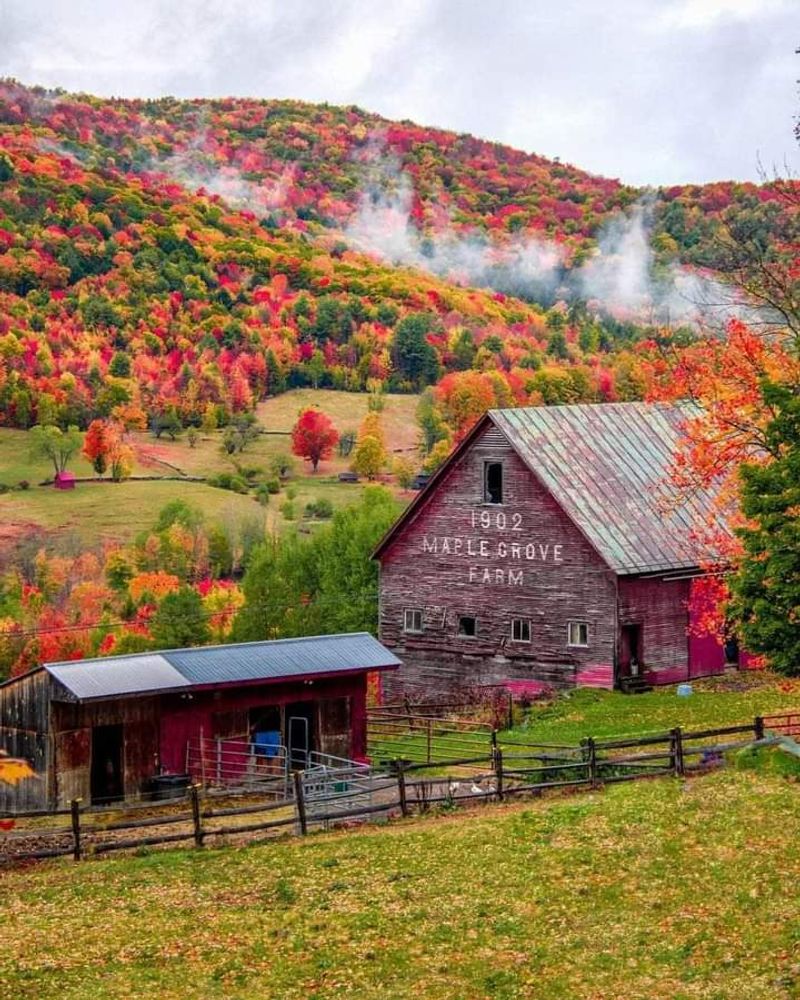
The name Jeremiah’s Lot is central to the mystery because King used it when describing the Vermont story. It closely resembles Jerusalem’s Lot, the fictional Maine community that became the setting of ’Salem’s Lot.
King directly connected the Vermont anecdote to the fictional town when answering the 1987 interview question about whether Jerusalem’s Lot was real.
The similarity between the two names gives the connection an immediate pull, even before the disappearing-community story enters the picture.
Say the names aloud and the resemblance becomes even clearer. Jeremiah’s Lot and Jerusalem’s Lot share enough rhythm to make the connection noticeable without being identical.
The name also suits the kind of story that grows stronger through memory. A passing reference heard during a drive does not need much detail to remain vivid. In King’s case, it stayed attached to the image of a community left empty.
No confirmed Vermont settlement called Jeremiah’s Lot has been identified, so the name survives more clearly in King’s recollections than in geographical records.
The Legend Changed Between Two Retellings
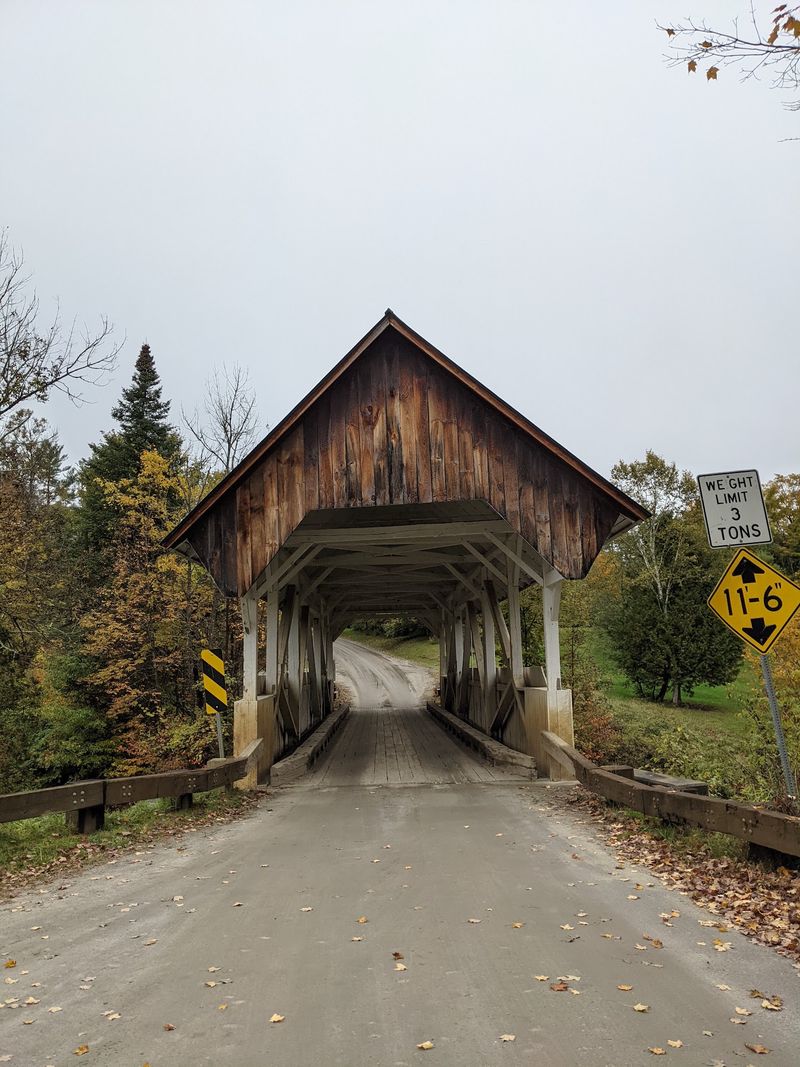
The timeline of Jeremiah’s Lot changed significantly between King’s early writing and his later interview. In 1969, King referred to the story in his University of Maine newspaper column, King’s Garbage Truck.
That version placed the disappearance in the early 1800s and associated the settlement with a group of Shakers.
By 1987, the story had shifted. During the interview about ’Salem’s Lot, King said his friend had told him that the residents of Jeremiah’s Lot disappeared in 1908.
Those versions are separated by roughly a century. The conflicting dates leave the disappearance firmly in the realm of legend rather than documented Vermont history.
Put the two accounts side by side and the contrast is hard to miss. You do not need to solve the discrepancy to appreciate what stayed constant: the name, the empty community, and the sense that something unexplained had happened there.
Both versions preserve the same central image: a community left strangely empty. The circumstances around that image, however, are noticeably different.
That changing timeline gives Jeremiah’s Lot the feel of oral folklore, where the core of a story survives even as the details move around it.
A 1969 Column Shows The Story Was Already With Him
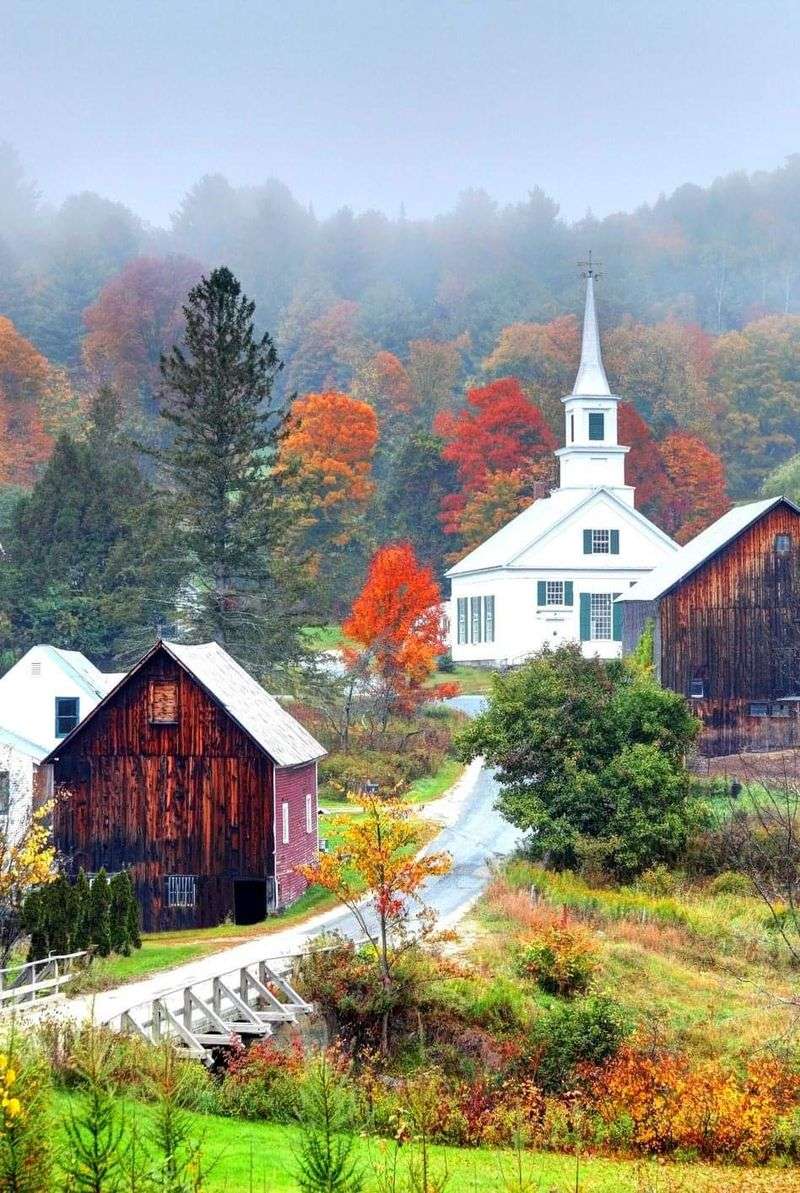
By 1969, Jeremiah’s Lot was already in King’s writing. King’s Garbage Truck was a column he wrote for the University of Maine campus newspaper, and one installment referred to a Vermont village called Jeremiah’s Lot.
In that version, a Shaker community in the early 1800s had disappeared, leaving the village uninhabited. By then, both the name and the disappearing-community idea were already part of King’s imagination during his college years.
’Salem’s Lot was published in 1975, so the column predates the novel by several years.
King’s fiction drew on more than one source. Jeremiah’s Lot supplied one strand, while other ideas shaped the vampires, setting, characters, and structure of the novel.
If you enjoy spotting the early pieces of a later story, this is the point where the trail becomes especially interesting. The name was already on the page before the fictional Maine town reached a novel.
Long before readers entered Jerusalem’s Lot, the name Jeremiah’s Lot and the image of an abandoned community were already sitting in King’s imagination.
Jerusalem’s Lot Became A Fictional Maine Town
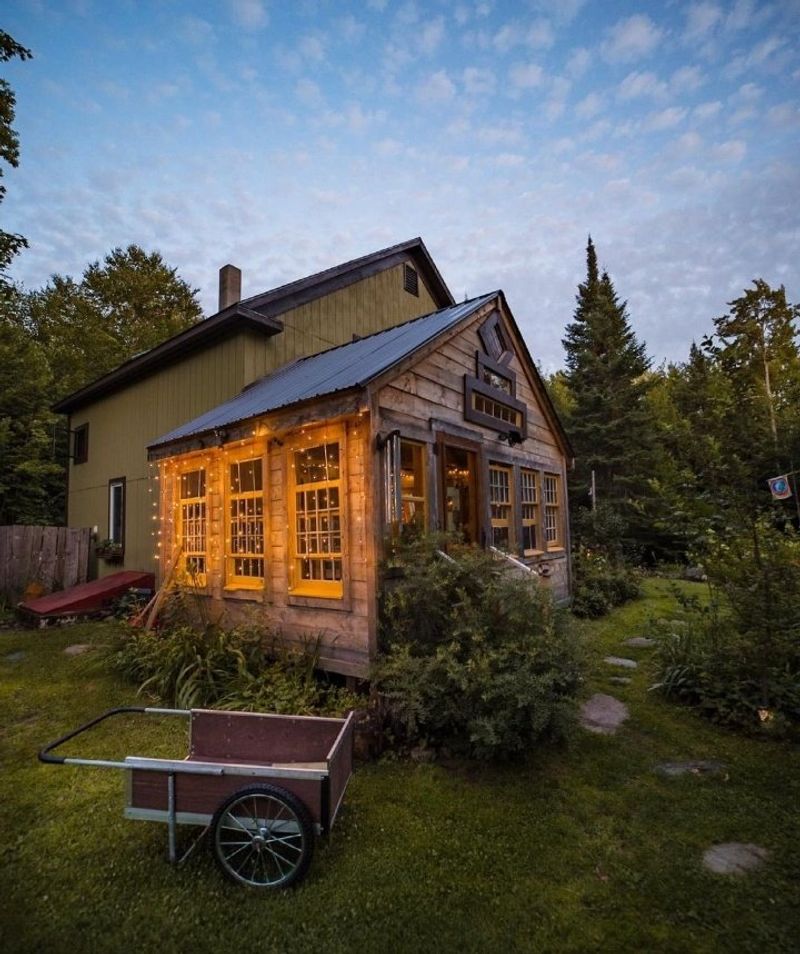
The fictional town in ’Salem’s Lot is Jerusalem’s Lot, usually shortened to ’Salem’s Lot. The novel follows writer Ben Mears as he returns there and discovers that something supernatural is spreading through the community.
The book reached readers in 1975. Before publication, the novel was originally titled Second Coming before eventually becoming ’Salem’s Lot.
Jeremiah’s Lot and Jerusalem’s Lot are connected, but they serve different roles. Jeremiah’s Lot belongs to the Vermont anecdote King remembered, while Jerusalem’s Lot is the fictional Maine community he created for the novel.
The link comes from King’s explanation that his fictional town was based in part on the Vermont place he had heard about. That connection gives the two names a clear relationship without making them interchangeable.
For readers who enjoy tracing the beginnings of famous stories, the shift from Jeremiah’s Lot to Jerusalem’s Lot offers a glimpse of how a remembered name can change once it enters fiction.
You can see the resemblance without having to pretend the fictional town is a disguised real place.
The road from one name to the other runs through imagination rather than geography.
Dracula Supplied Another Major Spark
Jeremiah’s Lot was not the only idea behind ’Salem’s Lot. King has also described teaching Bram Stoker’s Dracula as a major source of inspiration for the novel.
While teaching a high school Fantasy and Science Fiction class, he began wondering what might happen if Dracula appeared in twentieth-century America. He considered how the idea might play differently in New York and in a sleepy country town.
That question developed into ’Salem’s Lot. The book’s early working title was Second Coming before it eventually reached readers under the name that became familiar.
The Vermont story appears to have influenced the town and its unsettling background, while Dracula helped supply the vampire framework that drives the novel.
The two influences work differently. One came from a story heard during a college-era drive. The other grew from King’s experience teaching a nineteenth-century novel and imagining how its supernatural elements might work in modern America.
If you trace both strands, the novel starts to look less like an idea that arrived all at once and more like separate pieces meeting at the right moment.
Together, they help explain how ’Salem’s Lot combines an ordinary small-town setting with something much older and stranger.
Jeremiah’s Lot was one influence among several, and that mix of remembered folklore and literary inspiration gives the novel a more layered origin.
The Real Location Still Has No Confirmed Answer
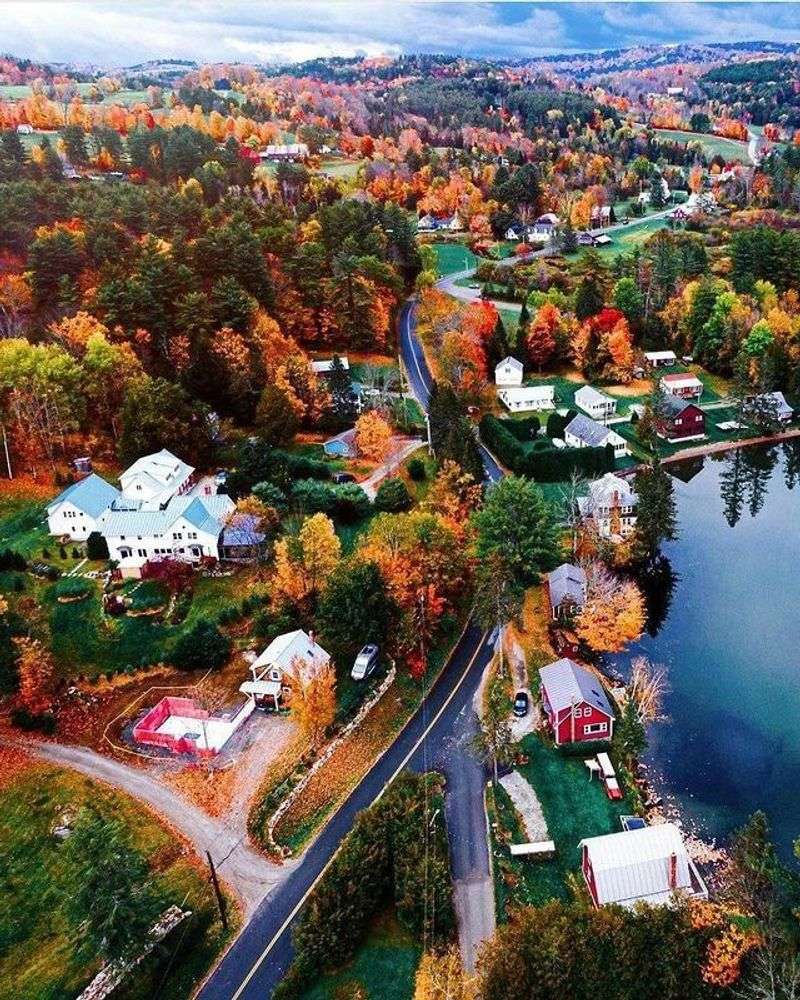
For anyone hoping to trace Jeremiah’s Lot on a map, the trail eventually stops. No dependable street address, confirmed coordinates, or surviving Vermont town has been reliably identified as the place King meant.
Several Vermont communities have been suggested over the years, but none has been established as Jeremiah’s Lot.
King’s 1987 recollection places the anecdote somewhere in upstate Vermont, but the description remains too broad to point to one community.
The differing dates add another layer of uncertainty. The 1969 version referred to Shakers in the early 1800s, while the later interview gave 1908. Neither account has led to a clearly documented settlement under the Jeremiah’s Lot name.
That leaves you with an unusual kind of literary trail. You can follow the name through King’s college writing, the later interview, and the novel, but the moment you try to turn it into a road-trip stop, the clues run thin.
What remains is a literary mystery that can be followed through King’s early column, his later interview, and the development of ’Salem’s Lot even when the physical location stays out of reach.
That may be the most fitting ending for a legend built around disappearance. The town that inspired so much curiosity is still easier to find in King’s words than on a Vermont map. Ready to let your imagination fill in the blanks?