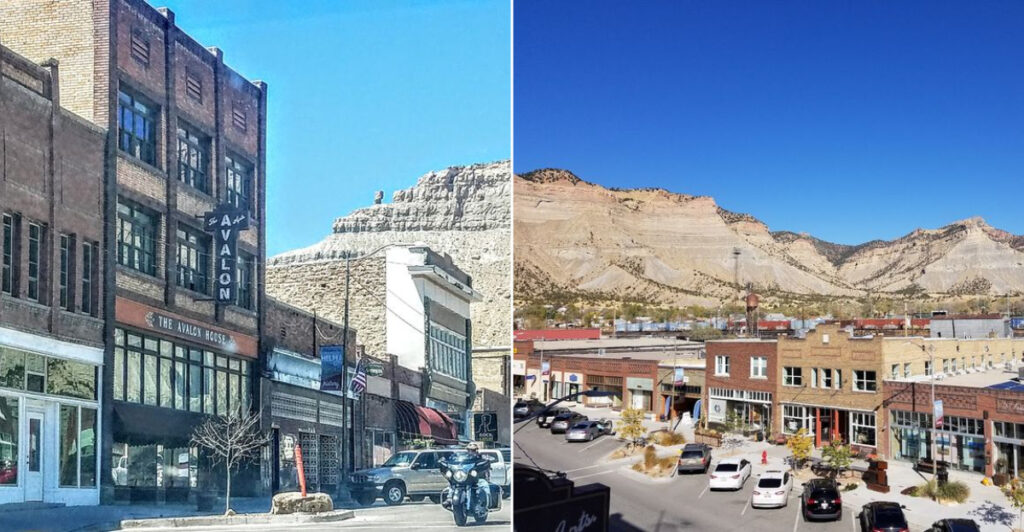
Some towns ask for a quick glance; this one makes speeding through feel like a mistake. Set inside a narrow canyon in Utah, the community has barely more than 2,000 residents, yet its personality fills every block.
Historic storefronts, vivid murals, and walkable streets create the strange pleasure of entering another era without finding anything staged. Wander slowly and details begin competing for attention: painted walls, weathered brick, local galleries, old signs, and corners that seem built for photographs.
The setting is cinematic, but the energy is real, shaped by people who live here rather than by a tourism committee. Even the surrounding cliffs feel like part of the town’s architecture.
Among the smaller communities scattered across Utah, few combine grit, creativity, and everyday charm with such confidence. Arrive expecting a brief stop, and you may leave wondering how this canyon town stayed completely off your radar for so long.
A Town That Decided to Stay Interesting
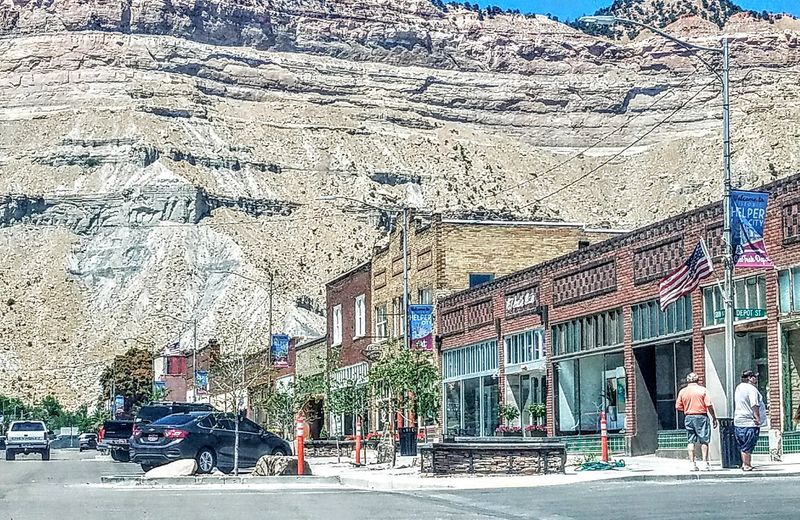
Some towns fade quietly into the background of a road atlas. This Utah town made a different choice.
Sitting at an elevation of roughly 5,800 feet in Carbon County, this compact city of about 2,100 residents has leaned hard into its identity as a living, breathing piece of American industrial and artistic history.
The name itself comes from the “helper” locomotives that were stationed here to push heavy coal trains up the steep grades of the Wasatch Plateau. That working-class backbone still shows in the bones of the architecture and the no-nonsense pride of the people who call it home.
What surprises most visitors is how much creative energy has taken root in such a small footprint. The main corridor feels like someone bottled 1940s America and forgot to put an expiration date on it.
Buildings with original facades, hand-painted signs, and the occasional burst of mural color make every block a reason to stop walking and start noticing.
Quick Tip: It is located along US-6, making it a natural and rewarding detour for anyone driving between Salt Lake City and the southeastern Utah canyon country.
Walking Helper Is the Whole Point
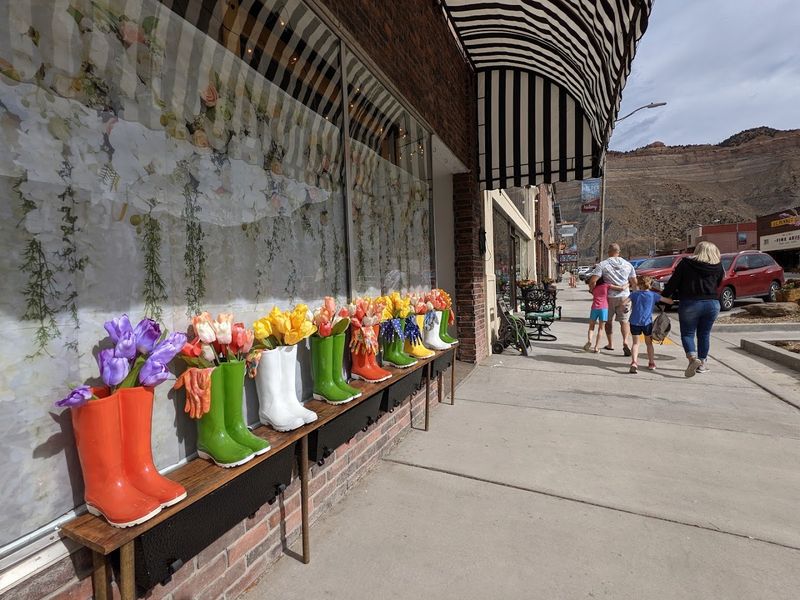
There are towns you drive through and towns you walk through. Helper firmly belongs in the second category, and that distinction matters more than it sounds.
The entire downtown core sits within easy strolling distance, which means you can leave your car parked and spend a solid couple of hours covering ground without ever feeling rushed or lost.
The streets are flat enough to be genuinely comfortable, and the blocks are short enough to feel like you are always arriving somewhere new. Around nearly every corner there is a detail worth pausing over: a tile mosaic, a reclaimed storefront, a sculpture planted right on the sidewalk as if it grew there naturally.
For families, that walkability is a quiet gift. Kids can move at their own curious pace without the stress of navigating parking lots or busy intersections.
Couples get the kind of unhurried, side-by-side rhythm that makes for good conversation. Solo visitors can wander without a plan and still feel like they accomplished something satisfying by the time they circle back to where they started.
Best For: Anyone who wants the rare combination of a genuinely historic setting and a low-effort afternoon that does not require hiking boots or a trail map.
The Murals That Turn Walls Into Stories
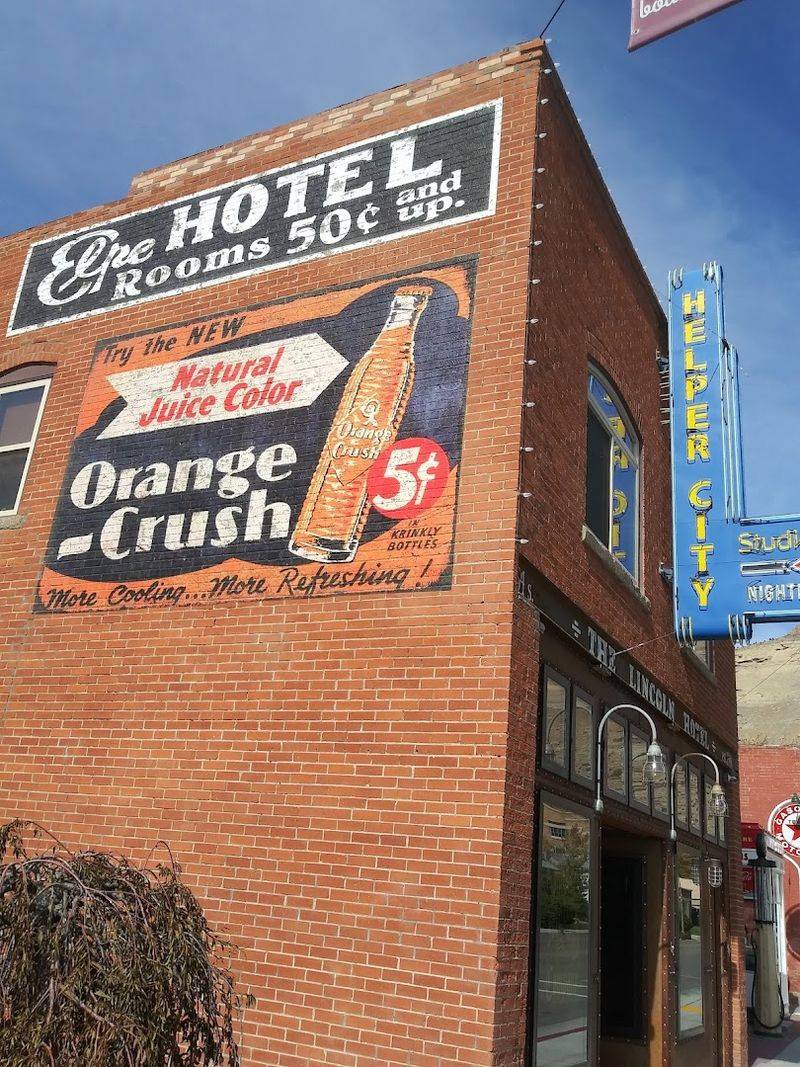
Public art has a way of telling you exactly what a town thinks of itself, and Helper’s outdoor murals are remarkably confident storytellers. Spread across building exteriors throughout the downtown area, these large-scale paintings cover everything from the region’s coal mining heritage to portraits of the diverse immigrant communities that built this town from the ground up.
Miners from Greece, Italy, Japan, and a dozen other countries arrived in Carbon County during the early twentieth century, and their stories are woven directly into the visual fabric of Helper’s streets. You do not need a tour guide to feel the weight of that history; the walls do the explaining.
What makes the murals work so well as a walking experience is their distribution. They are not clustered in one photogenic block for easy consumption.
They are scattered, which means finding each one feels like a small reward for paying attention. You will round a corner expecting nothing and find yourself standing in front of something genuinely moving.
Insider Tip: Bring a fully charged phone. The murals photograph beautifully in morning light when shadows are long and the colors pop against the canyon backdrop just a few blocks away.
Helper’s Retro Storefronts Are Completely Unironic
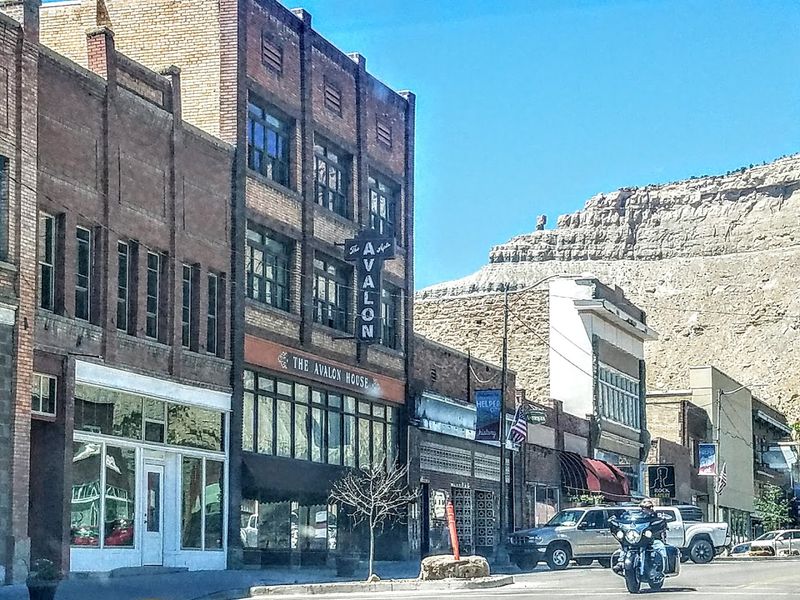
In a lot of American towns, “retro” is a design choice made by a branding consultant. In Helper, it is simply what the buildings look like because nobody tore them down.
The downtown commercial strip has retained an extraordinary number of original facades, giving the whole street the feeling of a time capsule that someone accidentally left unlocked.
Brick exteriors, recessed doorways, old metal awnings, and hand-lettered signage coexist with the occasional burst of contemporary color from a gallery or studio that has moved into a formerly vacant space. The contrast is not jarring.
If anything, it gives Helper a layered quality that feels more honest than the carefully curated Main Streets you find in tourist towns that have been restored within an inch of their lives.
Locals go about their day with the easy comfort of people who know they live somewhere worth noticing. That normalcy is part of the charm.
Nobody is performing for visitors here, which makes the whole experience feel more like a discovery than a transaction.
Common Mistake to Avoid: Do not speed through Helper on US-6 assuming there is nothing to stop for. The storefronts alone are worth a deliberate slow lap on foot before you decide what to explore next.
Why This Small Town Has a Big Cultural Footprint
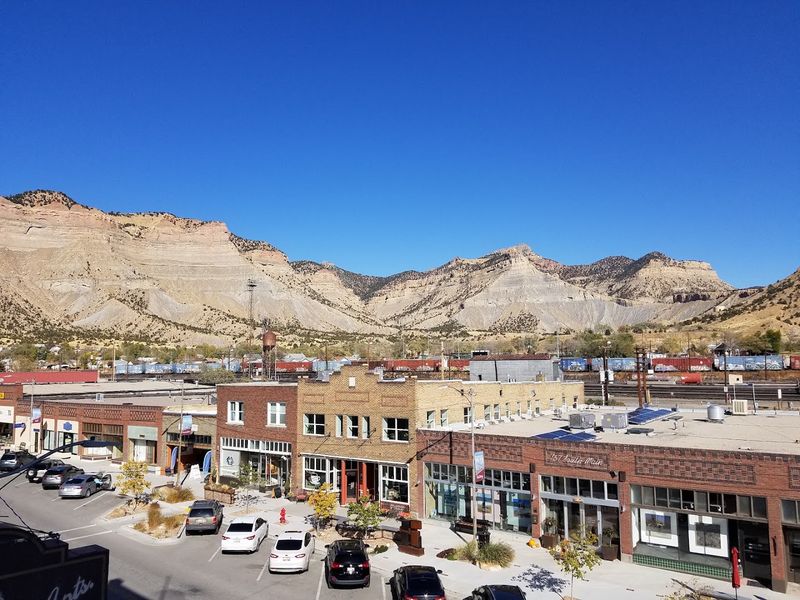
For a city with just over 2,000 residents, Helper carries a cultural weight that would embarrass some towns ten times its size. The arts community here is real, active, and locally rooted rather than imported for the benefit of weekend visitors.
Galleries, studios, and creative spaces occupy storefronts that might otherwise sit empty, giving the downtown a pulse that feels genuinely earned.
The multicultural history of Carbon County adds texture to everything. Because Helper was settled by wave after wave of immigrant workers from across Europe and Asia, the town has always had a more cosmopolitan identity than its remote canyon location might suggest.
That history shows up in architecture, in community events, and in the kinds of stories people tell about their families.
Visitors who take the time to look past the surface level retro aesthetic tend to come away with a more complicated and satisfying impression of the place. Helper is not a museum piece.
It is a working community that has found ways to honor its past without being trapped by it, which is a much harder trick to pull off than it looks.
Why It Matters: Supporting small towns with authentic cultural identities means those identities survive. A visit to Helper is both a good afternoon and a small act of preservation.
The Mid-Trip Moment That Changes the Drive
Here is where things get practical in the best possible way. If you are driving from Salt Lake City toward Moab, Arches, or Canyonlands, Helper sits almost exactly at the point in the drive where everyone in the car starts negotiating for a stop.
It lands at roughly the two-hour mark, which is precisely when legs need stretching and attention spans need resetting.
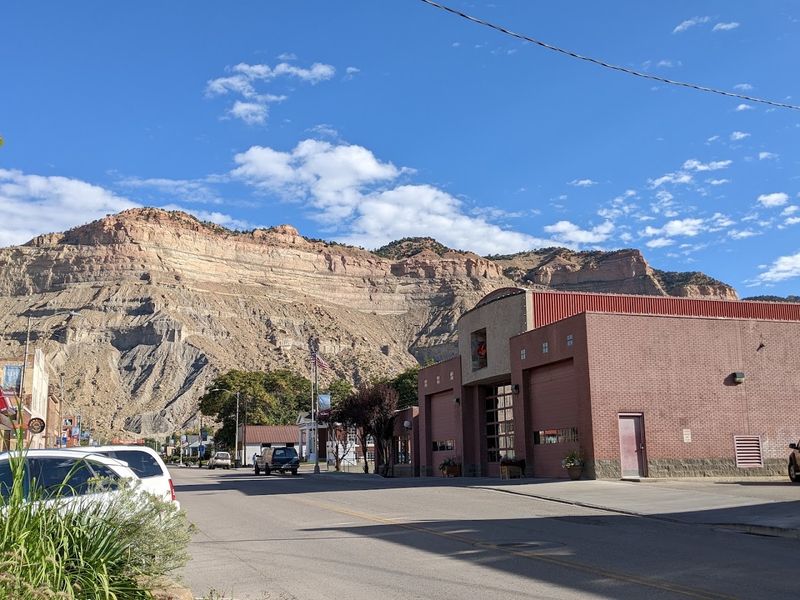
Pulling off US-6 into Helper takes almost no extra time, and the payoff is disproportionate to the detour. A short walk through downtown, a look at the murals, and a few minutes absorbing the canyon scenery that frames the whole town adds maybe forty-five minutes to your trip and a memory that outlasts whatever playlist you had going.
The Price River Canyon setting gives Helper a dramatic natural backdrop that most walkable small towns simply do not have. Red rock walls rise on either side of town, and on a clear day the contrast between the historic brick buildings and the raw geology behind them is the kind of image that stays with you longer than you expect.
Planning Advice: Helper works just as well as a destination on its own as it does a road trip stop. Either way, arrive with comfortable shoes and no rigid agenda, and the town will fill the time naturally.
Go to Helper Before Everyone Else Figures It Out
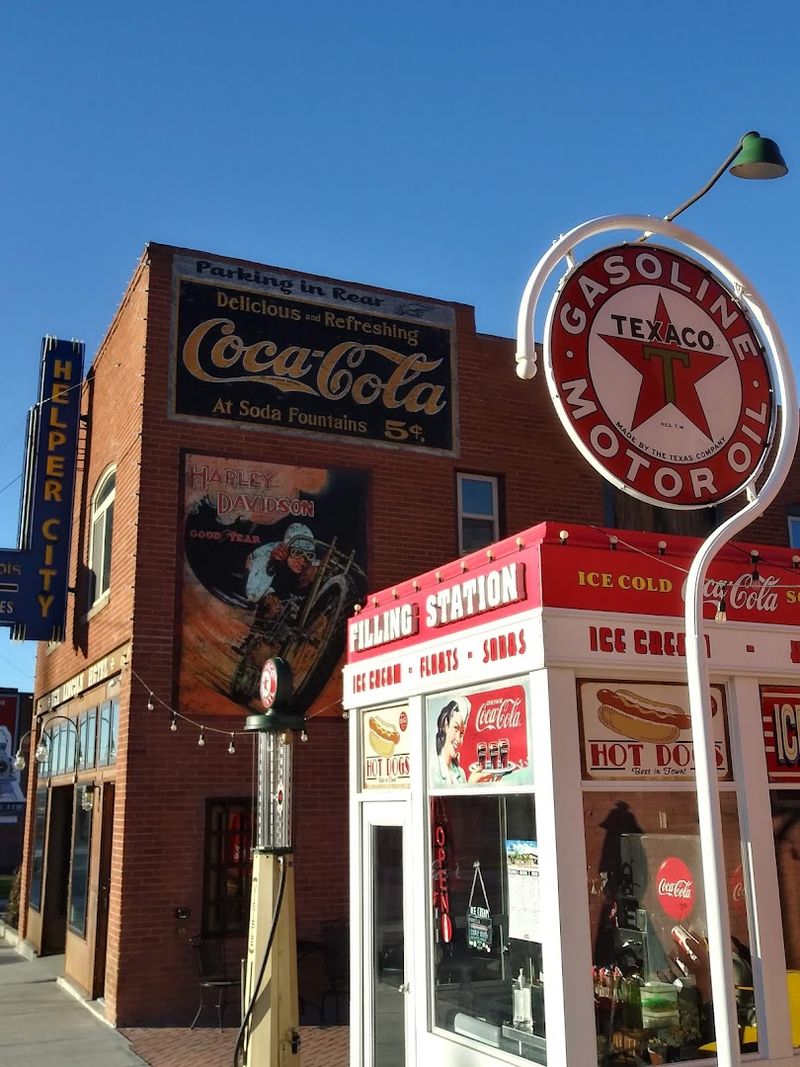
There is a specific window of time in a small town’s life when it is genuinely worth visiting: after it has developed enough character to reward exploration, but before it has been discovered enough to lose the quality that made it interesting in the first place. Helper, Utah is firmly in that window right now.
The town sits at approximately 39.68 degrees north latitude in one of the more scenic canyon corridors in the state, and it has the bones of something that could easily become overrun once the right travel feature lands in the right inbox. That has not happened yet, which means you still get the version of Helper where parking is easy, the streets are unhurried, and the locals are genuinely pleased to see someone taking an interest without making a fuss about it.
A short Main Street stroll here still feels like something you found rather than something you were sent to. That feeling has an expiration date in every town that earns it, and the smart move is to show up before it expires.
Helper, Utah is the kind of place a friend texts you about with the subject line: trust me, just go.
Quick Verdict: Authentic, walkable, visually rich, and still genuinely off the beaten path. Helper is one of Utah’s most rewarding small-town stops, full stop.