Somewhere along the Mississippi River, a tiny chapel keeps its key in a mailbox. Visitors simply open the box and let themselves in.
That chapel measures nine feet by nine feet. Ripley’s Believe It or Not even called it the world’s smallest church. A grateful father built it after his sick son recovered, and that story alone sold me on this drive.
The road between two of Louisiana’s best-known cities is packed with surprises like that. You can float past alligators on a private swamp refuge in the morning. By afternoon, you can stand under live oaks that are around 300 years old. Along the way, there’s a mansion that offers tours as late as 7 p.m.
The mix ranges from sobering history to pure fun, and I love that one stretch of highway holds both. So why rush straight through when the slow route has this much to say?
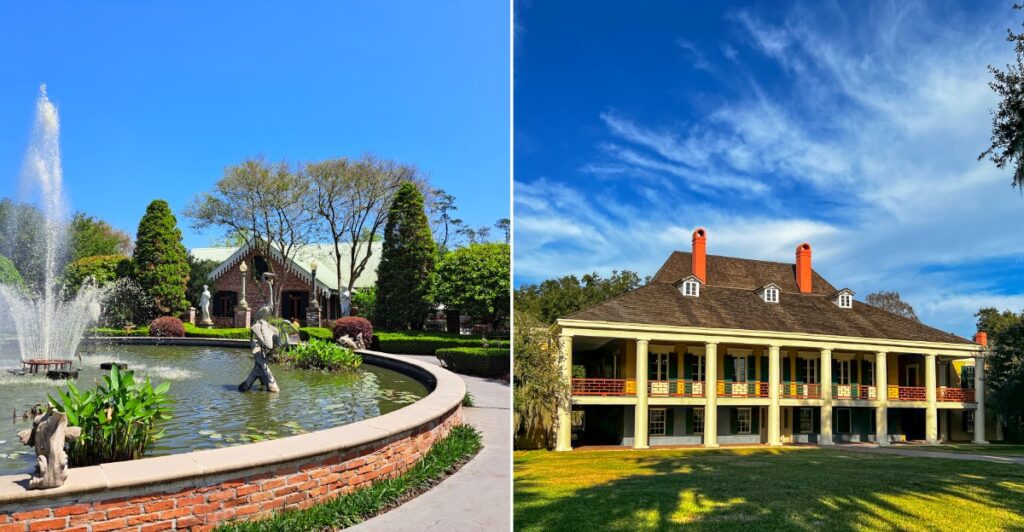
8. Destrehan Plantation
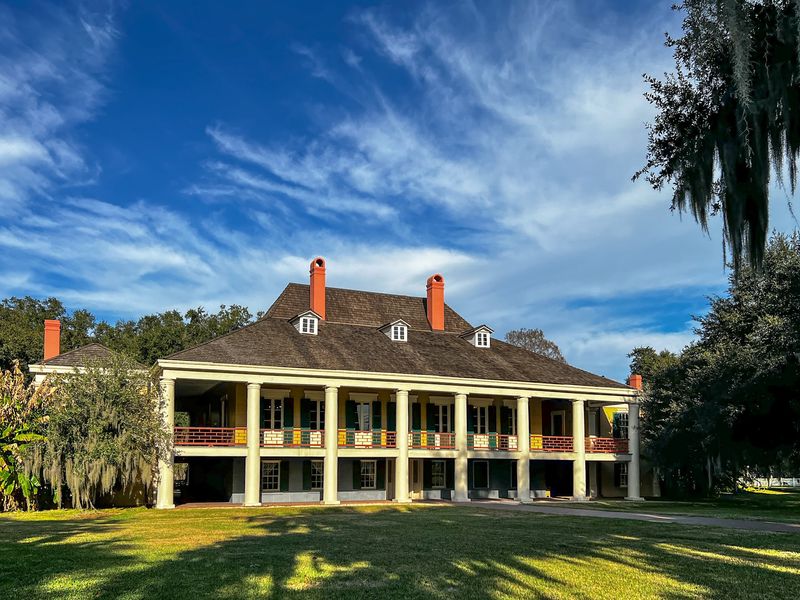
History gets an early start on this drive, and 1787 is a pretty serious head start. That’s the year Destrehan Plantation was established, making it the oldest documented plantation in the Lower Mississippi Valley.
Guided tours are led by historical interpreters dressed in period costumes. They share the stories of both free and enslaved people who lived here before, during, and after the Civil War.
You’ll want to save time for the museum exhibits after your tour. One covers the 1811 Slave Revolt, a chapter of Louisiana history that deserves far more attention.
Another exhibit tells the story of the Rost Home Colony. Newly freed people learned trades there, and it’s a hopeful thread in a heavy story.
Self-guided exploring is part of the deal, too. You can wander through the outbuildings at your own pace once the guided portion wraps up.
Doors open daily at 9 a.m., and the first tour starts at 9:30. The last tour begins at 4 p.m., so don’t roll in at 4:15 hoping for a miracle.
Plan around holiday closures, including Mardi Gras Day, Easter Sunday, Thanksgiving, and the Christmas holidays. The main house, gift shop, and Miller-Haydel Museum are wheelchair accessible.
Since it sits so close to New Orleans, it makes an easy first stop. Think of it as the opening chapter that helps the rest of the road make sense.
Address: 13034 River Road, Destrehan, LA 70047
7. Cajun Pride Swamp Tours
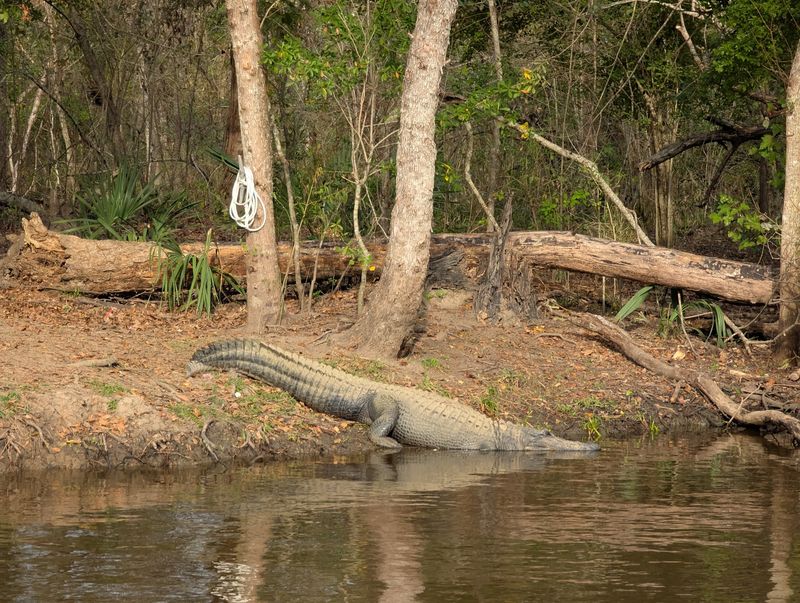
Alligators don’t do appointments, but your odds improve when the swamp belongs to the tour company. Cajun Pride Swamp Tours runs on a privately owned wildlife refuge covering more than 250 acres.
Private land means no traffic jams with other boats. It also means a better shot at spotting gators and other wildlife.
Tours last about an hour and a half aboard covered, custom-built, flat-bottom boats. That roof matters more than you’d think under a Louisiana sun.
Guides narrate the trip, so you’re not just staring at mossy trees and guessing. You’ll learn how the bayou and swamp ecosystems work together.
Departures run daily at 9:30 a.m., noon, and 2:15 p.m. A 4:15 p.m. tour is added seasonally, which is handy if you’re a late starter.
Want to squeeze more into one day? The company offers combination tours that pair the swamp with plantation visits.
There’s also a gift shop on-site, in case you need a souvenir alligator for the back seat. Plush ones travel better than the real thing.
LaPlace sits right off the route, so the detour stays short. Bring a camera, sunscreen, and patience, because wildlife works on its own clock.
A log that suddenly blinks will make anyone sit up straight. Honestly, that’s half the fun of a swamp.
The swamp also shows a side of the region that plantation tours can’t. It’s a nice change of pace between history-heavy stops.
Address: 110 Frenier Rd, LaPlace, LA 70068
6. Whitney Plantation
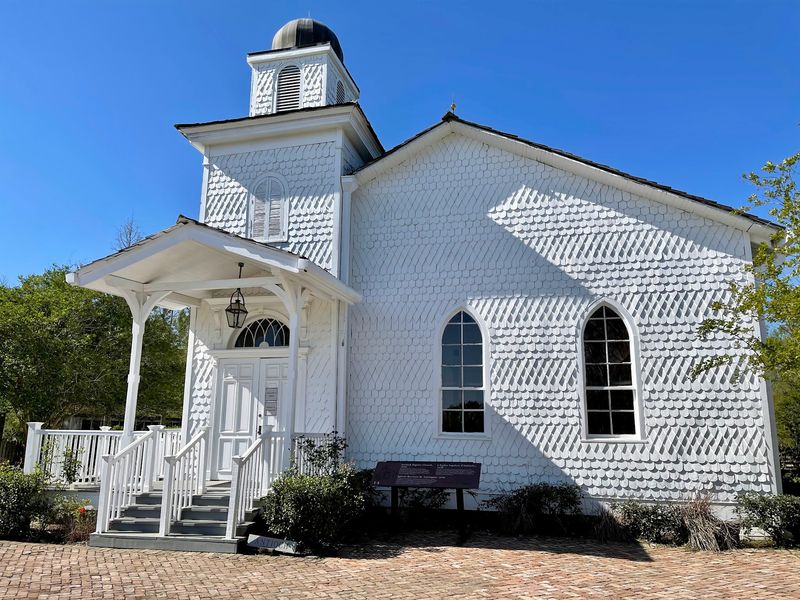
Most historic homes put the owners front and center, but Whitney Plantation flips the script. This nonprofit museum tells the story of slavery from the perspective of enslaved people.
The land dates to 1752, when it worked as an indigo, rice, and sugar plantation. After years of restoration and research, the museum opened to the public in 2014.
More than a dozen historic structures remain on the grounds. Among them are original slave cabins and a Big House that stands as a notable example of Spanish Creole architecture.
Memorial sculptures and museum displays give the visit real weight. Hundreds of first-person narratives from formerly enslaved people turn history into human voices.
You can pick a guided tour with an interpreter or go self-guided with an audio tour. The audio option comes in six languages.
Comfortable shoes are smart here, since some paths are uneven gravel. The museum, gift shop, restrooms, and Big House first floor are wheelchair accessible.
Timing takes a little planning. Hours run 9:30 a.m. to 4:30 p.m., but last entry is 3 p.m., and the site closes on Tuesdays.
It also closes on several meaningful dates, including National Freedom Day on February 1 and August 23. Your GPS may call the area Edgard, so don’t panic if it does.
Expect to leave quieter than you arrived. I think that’s exactly the point, and it’s the stop on this route I’d least want anyone to skip.
Address: 5099 Louisiana Hwy 18, Wallace, LA 70049
5. Laura Plantation: Louisiana’s Creole Heritage Site
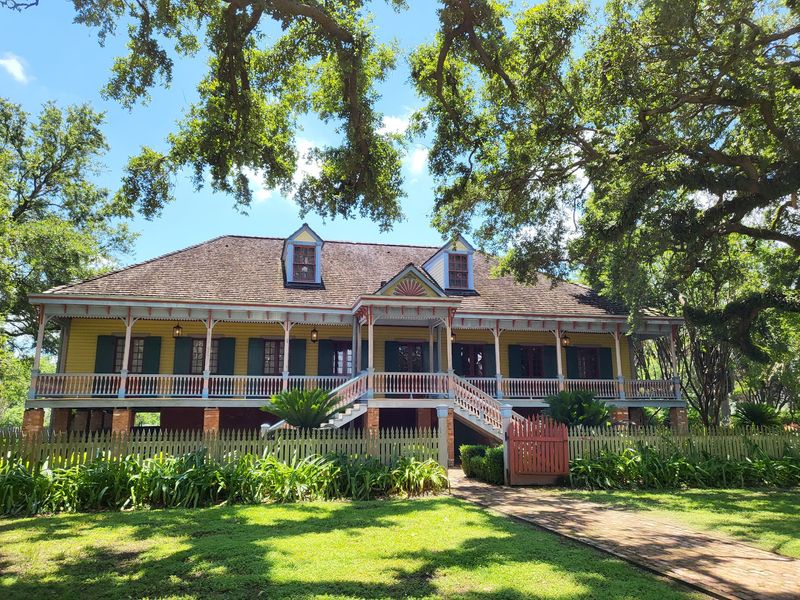
Four generations of one family, told through oral histories, make for better drama than most TV shows. Laura Plantation: Louisiana’s Creole Heritage Site focuses on the tangled relationships of a Creole family, both free and enslaved.
Creole culture in Louisiana has its own language, customs, and story. Here, that story comes through on guided tours of the Big House, the gardens, and authentic 1840s slave cabins.
Tours are offered in English and French. That second option feels right at home in Vacherie.
A permanent exhibit called From the Big House to the Quarters: Slavery on Laura Plantation goes deeper. It traces African lives on the plantation from enslavement into the 20th century.
History fans should look into the Black Union Soldiers Tour. It follows nine enslaved men who fought for freedom during the Civil War.
That tour covers the grounds and slave cabins but skips the main house. It’s a focused option if you’ve already seen the Big House or want a different angle.
Guided tours start at 10 a.m. and leave about every 40 minutes. The last one heads out at 4 p.m., and reservations are recommended.
Closures include Mardi Gras Day, Easter Sunday, July 4, Thanksgiving, and Christmas Day. On Christmas Eve, the final tour starts at noon.
Oral histories give the tour a storytelling feel. You’re hearing about people, not just looking at rooms.
Laura sits just a short drive from Oak Alley on the same highway. Pairing them makes an easy, rewarding afternoon.
Address: 2247 Highway 18, Vacherie, LA 70090
4. Oak Alley Plantation
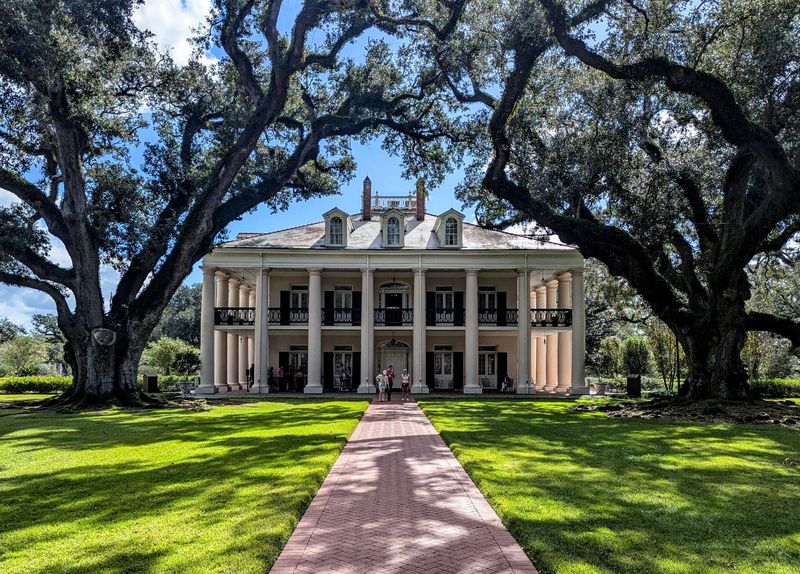
A quarter mile of 300-year-old live oaks is a pretty dramatic front walkway. That avenue made Oak Alley Plantation famous, and the site is a National Historic Landmark today.
Photography is allowed on the grounds and upper balcony, so go ahead and take your shot. Just keep the camera down inside the Big House, where photos aren’t permitted.
Historical interpreters lead Big House tours, with times assigned when you buy tickets. They share stories of both free and enslaved people who lived and worked here.
The land’s story keeps going after the sugar era. It later became an investment property and a cattle ranch, a twist I didn’t see coming.
A slavery exhibit sits on the grounds and deserves real time. Don’t let the trees steal the whole visit.
Hungry? The on-site restaurant serves breakfast from 8:30 to 10 a.m. and lunch from 11 a.m. to 3 p.m., first come, first served.
Grounds open daily at 8:30 a.m., and admissions must be bought by 4 p.m. Closures include New Year’s Day, Mardi Gras Day, Thanksgiving, and Christmas.
Most of the site is accessible, though the Big House second floor is not. A video tour helps guests who can’t manage stairs.
Can’t bear to leave? Overnight cottages let you stretch the visit, and a gift shop handles the souvenir side.
Those oaks were growing long before the house arrived. Standing under them puts a long Louisiana road trip into perspective.
Address: 3645 Highway 18 (Great River Road), Vacherie, LA 70090
3. Houmas House Estate and Gardens
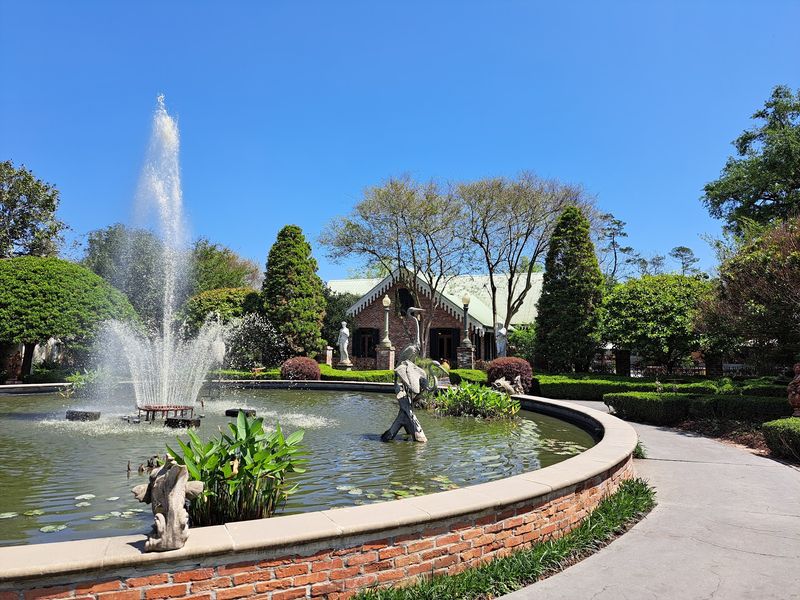
Late tours are rare on River Road, which makes a 7 p.m. last tour feel almost rebellious. Houmas House Estate and Gardens runs tours on the hour and half hour, seven days a week.
Gates open at 9 a.m. The estate closes only on Christmas Day and New Year’s Day.
Those late hours give you breathing room on a packed itinerary. Hit the swamp in the morning and still catch a mansion tour after lunch.
Roots here go back to the late 1700s. The current mansion was finished around 1840, and it’s been beautifully restored.
Guides in period costumes lead mansion tours. They explain how the house changed over time and share stories of plantation life and its many owners.
Then come the gardens, spread across 38 acres. Bring walking shoes, because you’ll want to wander more than you planned.
Food lovers, this one’s for you. The estate has three on-site restaurants, ranging from a casual cafe to fine dining.
That range helps if your group can’t agree. One person wants a quick bite, another wants a fancy sit-down meal, and everybody wins.
The Great River Road Museum is also on the property. It’s a smart bonus for anyone curious about life along the Mississippi.
Want to turn the drive into a getaway? The Inn at Houmas House offers lavish cottages for overnight stays.
Darrow sits closer to Baton Rouge than New Orleans. That makes it a strong late stop before the capital city.
Address: 40136 Highway 942, Darrow, LA 70725
2. Madonna Chapel
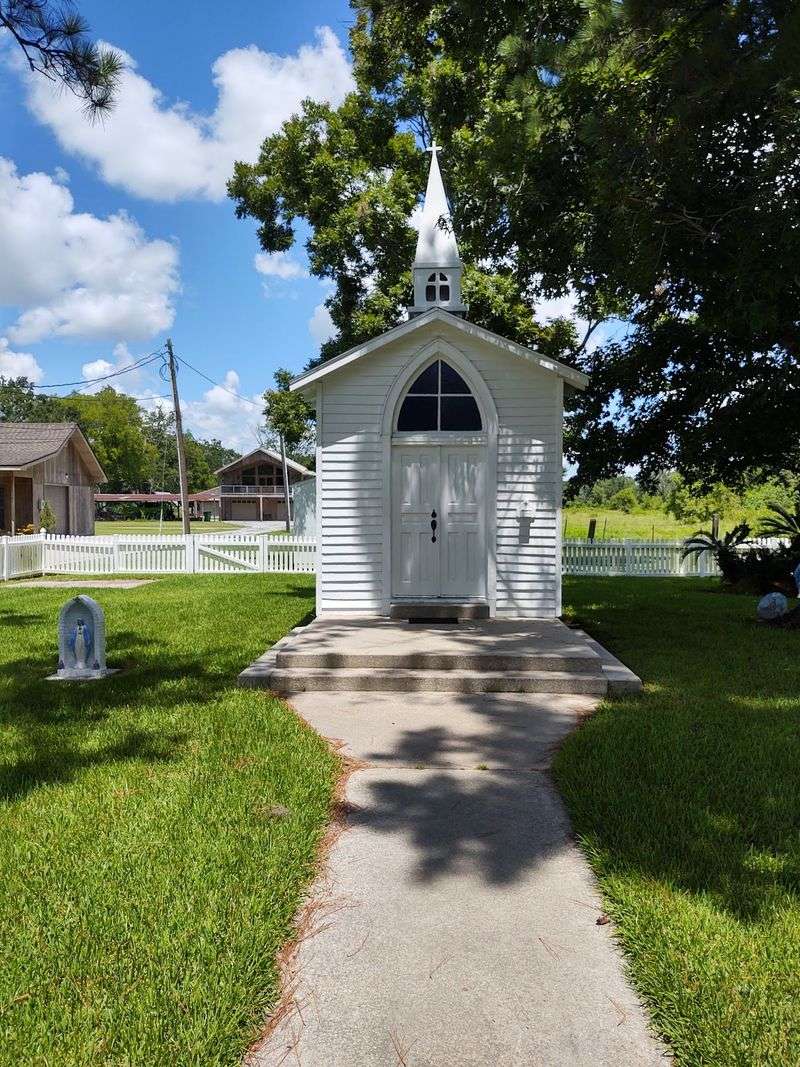
Nine feet by nine feet is smaller than plenty of bedrooms. Yet Ripley’s Believe It or Not recognized Madonna Chapel as the world’s smallest church.
Its story starts with a promise. Italian farmer Anthony Gullo vowed to build a chapel to the Virgin Mary if his seriously ill son recovered.
His son got better, and Gullo kept his word around 1902 or 1903. The first version measured just seven feet by seven feet.
In 1924, a new levee meant the chapel had to move to higher ground. It grew to its current size during that move.
Inside, there’s room for a priest and two altar boys. Stained glass adds color to the tiny space.
Now for the best part: you can let yourself in. Visitors find a key in the mailbox, open the door, and step inside.
Please treat that trust kindly. Return the key where you found it and leave the chapel just as tidy.
It’s open daily for visitors. That makes it an easy add-on no matter when your drive happens.
Mass happens just once a year, on August 15. That date marks the Catholic Feast of the Assumption.
The chapel sits along River Road near White Castle, in the Bayou Goula area. It’s a quick stop, and a photo of you squeezed in the doorway is basically required.
Louisiana has grand mansions and huge oaks along this route. This tiny chapel proves a big story doesn’t need much square footage.
Address: 28527 LA-405, White Castle, LA 70788
1. Jean Lafitte National Historical Park and Preserve – Barataria Preserve
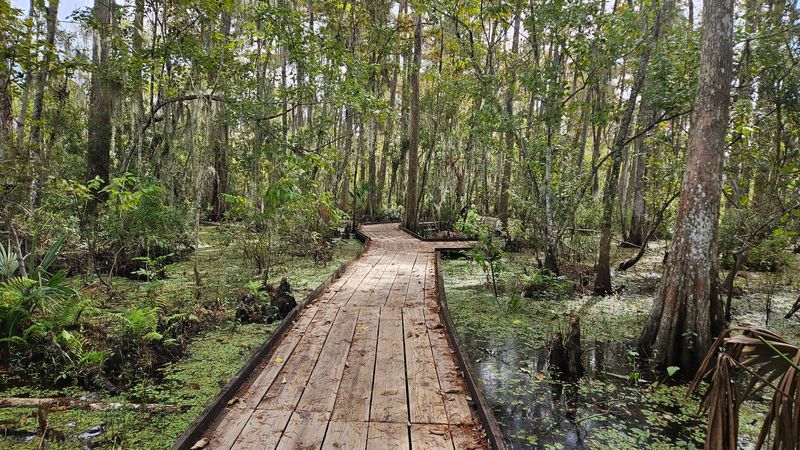
Wetlands this big deserve a little detective work right now. The Jean Lafitte National Historical Park and Preserve – Barataria Preserve covers roughly 23,000 to 26,000 acres of bayous, swamps, marshes, and forests.
Before you go, know the current situation. The main visitor center and most trails closed on February 2, 2026, for demolition and construction tied to Hurricane Ida damage.
That work is expected to last about two years. Still, you have options, so don’t cross it off your list.
The Twin Canals parking lot, trail, and canoe launch remain open for day use. Pack ahead, though, because there are no restrooms there.
Temporary visitor services moved to the Louisiana Wetland Education Center at 4917 City Park Drive in Jean Lafitte. Rangers help out on Wednesdays and Thursdays from 10 a.m. to 2 p.m.
Guided walks start at 1 p.m. on the Wetland Trace Boardwalk trail. That boardwalk is open daily, which is great news for flexible planners.
Wildlife is the headliner. Alligators, nutria, and deer live here, along with more than 300 bird species.
Birders, bring binoculars and some patience. With that many species, even a short visit could pay off.
Fair warning: this stop sits south of New Orleans, so it’s a detour from the river route. Think of it as a bonus round before or after your drive.
The park also shares the culture of the people who settled the delta. It’s a fitting finish for a Louisiana road trip full of stories.
Address: 6588 Barataria Blvd, Marrero, LA 70072