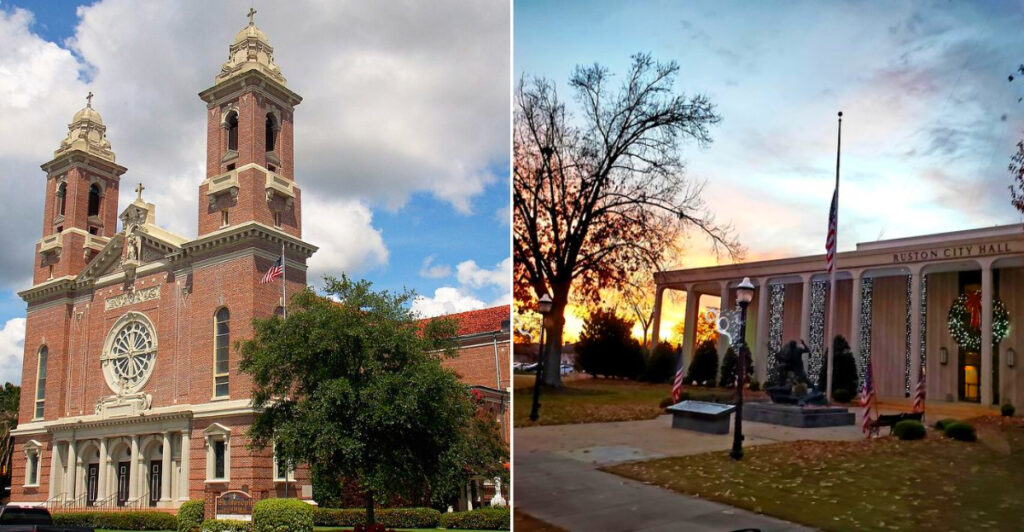
Some of the quietest places in this state are so peaceful on a weekday that you might think everyone left for good. But that emptiness is exactly what makes them special.
My drives through the northern part of Louisiana have turned up towns where time moves at its own pace.
Downtowns with brick storefronts and zero traffic. Courthouse squares with benches that actually get used.
Family restaurants where the special has been the same for thirty years and the pie is always homemade.
I love stopping in these places on a Tuesday morning when the streets belong to me. The locals are friendly but not overbearing.
Each town has its own personality. Some are built around lakes.
Others sit along rivers that shaped their history. If you want to experience the unhurried side of Louisiana, these eleven towns deliver it in full measure and then some.
10. Minden
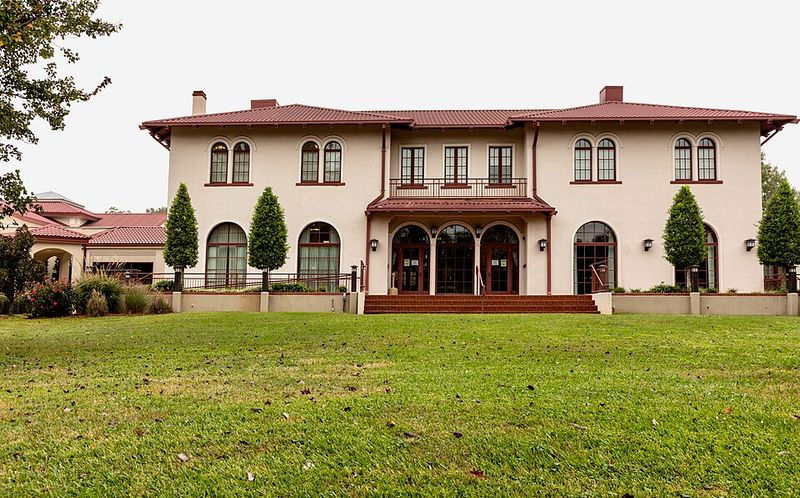
Red brick storefronts make downtown Minden feel especially spacious on a quiet weekday morning. Main Street sits at the heart of a historic district filled with preserved commercial buildings, murals, antique shops, cafés, and enough architectural detail to reward anyone willing to walk instead of drive.
The town was founded in the 1830s, and that history still feels visible rather than sealed behind glass. I like starting downtown, then wandering into the surrounding residential streets where cottages and larger historic homes give the town another layer.
For a deeper look, Germantown Colony Museum sits just outside the center and preserves buildings connected to a communal settlement founded by German immigrants in the nineteenth century. Current museum hours can vary, so checking before the drive is smarter than arriving at a locked gate.
Minden works best when nothing is scheduled too tightly. Browse an antique store, stop for lunch, and leave room for one unplanned turn down a brick-lined street.
On weekdays, the slower rhythm makes the town’s details easier to notice, from old signs and porches to the small businesses that keep the historic center feeling lived in instead of frozen in time. That is exactly why the pace works.
9. Homer
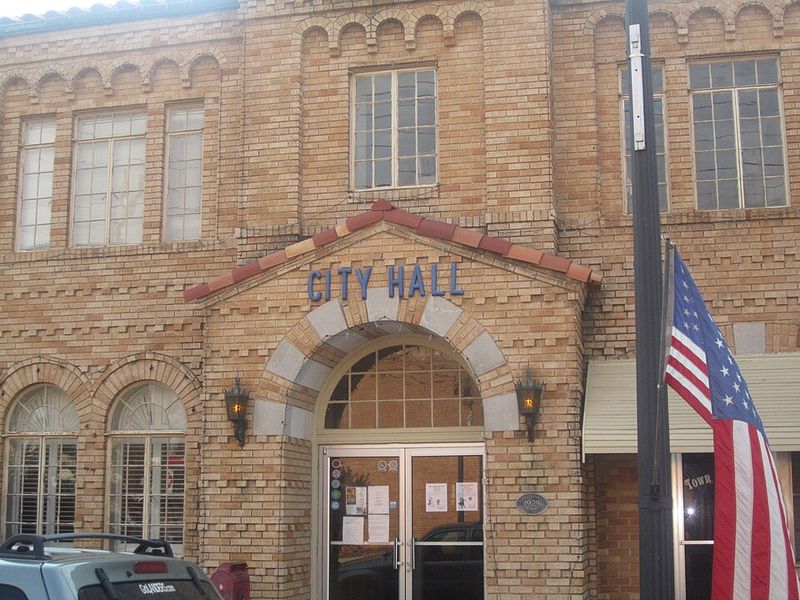
Homer is built around a courthouse square, and that simple layout gives the town an immediate sense of order. On weekdays, the center often feels calm enough to circle slowly, which is useful because the Claiborne Parish Courthouse deserves more than a passing glance.
Completed in 1861, the Greek Revival courthouse is a rare surviving antebellum courthouse that still serves its original civic purpose. Historic commercial buildings frame the square, giving the center of town a layered look rather than the polished uniformity of a recreated district.
Across the square, the Herbert S. Ford Memorial Museum occupies the former Hotel Claiborne, built in 1890.
Exhibits cover local Native American history, education, medicine, railroads, the oil boom, military history, and everyday life across North Louisiana’s hill country.
I would start at the courthouse, then move outward one block at a time. Antique shops and local businesses make the walk feel connected to the present, while the museum supplies context for what you are seeing outside.
Homer is not a town that demands constant activity. Its appeal is the chance to notice how courthouse, museum, storefronts, and surrounding streets still fit together after more than a century.
Especially on quiet weekday mornings.
8. Farmerville
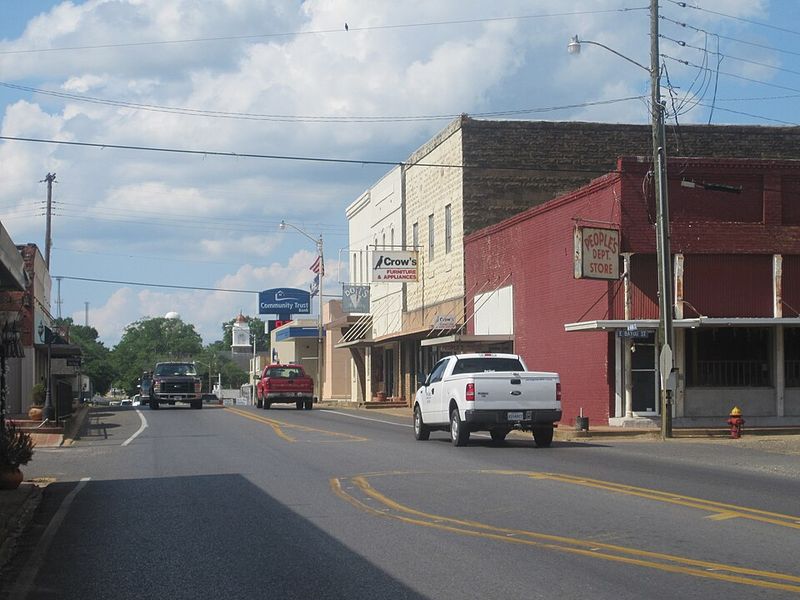
Lake D’Arbonne changes the scale of Farmerville before you have fully reached the center of town. The 15,250-acre lake spreads across Union Parish and gives this small parish seat a water-focused identity that feels especially relaxed during an ordinary weekday.
Fishing is the obvious draw, with crappie, bass, catfish, and bream attracting serious anglers throughout the year. You do not need a boat to understand the appeal, though.
Lake D’Arbonne State Park has fishing piers, docks, picnic areas, trails, cabins, and enough open shoreline scenery to make a slow afternoon worthwhile.
Farmerville itself still feels closely tied to timber country and the rolling pine landscape around it. I like pairing a simple downtown stop with several hours near the lake rather than expecting one concentrated attraction to carry the day.
Bring binoculars, water, and something to eat, then choose a quiet place to sit before deciding what comes next. The best part of Farmerville is the sense of space.
Even when people are fishing or launching boats, the lake rarely feels visually crowded.
On a weekday, that openness becomes the main event, turning a short North Louisiana stop into something that feels much larger than the town around it too.
7. Arcadia
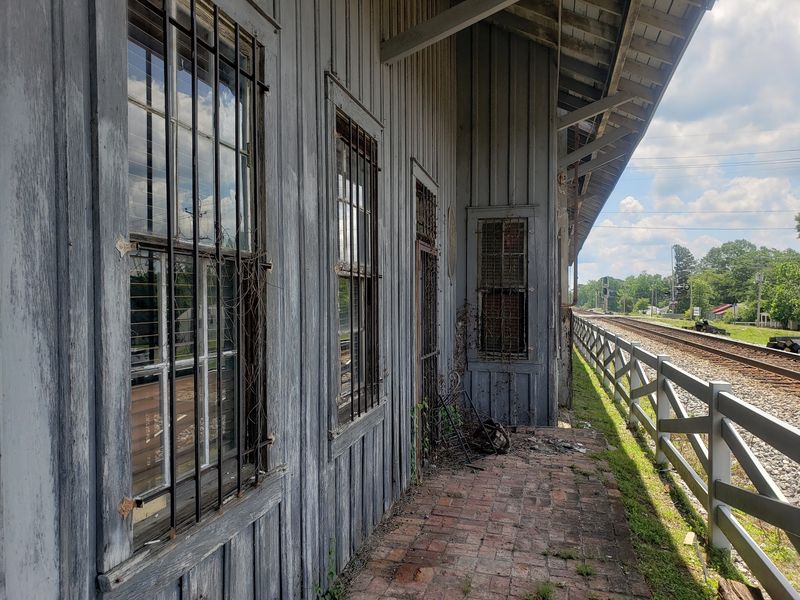
Arcadia sits between Ruston and Minden, but its quieter scale gives it a personality of its own. The historic commercial district gathers around buildings from the early twentieth century, with the old railroad depot, town hall, courthouse, library, and post office all helping explain how transportation shaped the town.
The original depot is listed on the National Register of Historic Places and has served as the Bienville Depot Museum. Museum access has changed over time, so I would check current opening information before planning the entire stop around going inside.
Even without the museum, the depot and surrounding district make a useful walking route. The 1937 post office still contains a WPA-era mural, adding another layer to a downtown that rewards people who notice small public details.
Arcadia is also connected to the final days of Bonnie Parker and Clyde Barrow. Their bodies were brought to town after the 1934 ambush near Gibsland, a story that remains part of local memory without defining everything else.
I like Arcadia most as a pause between larger destinations. Walk the center, study the depot, and let the town’s railroad, civic, and twentieth-century history unfold without forcing the visit into a packed itinerary today.
6. Gibsland
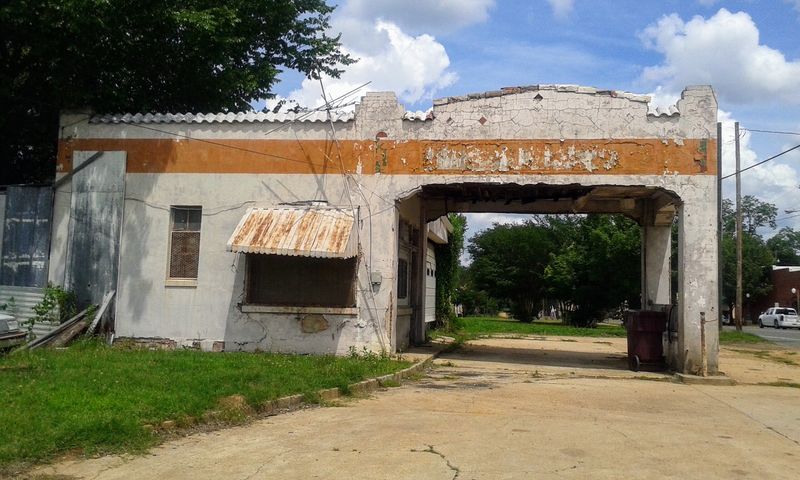
Gibsland carries one of those stories that can easily swallow a whole town, yet weekdays help the place breathe around it. The Bonnie and Clyde Ambush Museum sits in what was once Ma Canfield’s Cafe, where the pair reportedly stopped for sandwiches before the 1934 ambush on Highway 154.
Inside, artifacts, photographs, and a replica of their bullet-riddled death car pull you straight into the era.
Step outside, though, and the quiet streets remind you that Gibsland is still a living community, not only a headline from the past. That balance is what makes a visit feel grounded instead of theatrical.
If you go, pair the museum with the ambush site south of town for context. I found the slower weekday pace useful, because it gave the history room to settle instead of rushing by like trivia for curious visitors.
5. Ruston
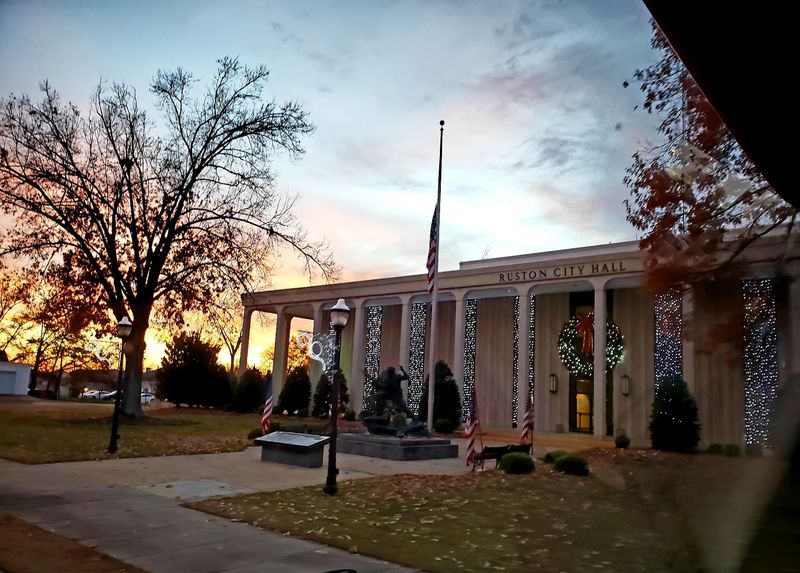
The busiest town on this list, but weekday mornings can still reveal a calmer version of Ruston’s college-town personality. Downtown covers a 25-block historic district filled with restaurants, boutiques, murals, public art, and older buildings that keep the center from feeling generic.
Louisiana Tech University brings energy, while the region’s peach-growing tradition gives Ruston a strong agricultural identity beyond campus life. Mitcham Farms remains one of the best-known names connected to local peaches, although crop availability naturally changes with weather and season.
I like splitting the day between downtown and outdoor space. Start with coffee and a walk through the historic district, then head to Lincoln Parish Park for lake views, trails, mountain biking, or a picnic beneath the trees.
That combination is what makes Ruston useful on a North Louisiana road trip. You can have lunch, browse shops, see public art, and still reach woods and water without committing to another long drive.
The weekday advantage is not emptiness so much as breathing room. Downtown remains active, but sidewalks and restaurants can feel easier than during festival weekends or university events.
Ruston gives you enough choices to fill a day without making the day feel crowded. Today.
4. Winnsboro
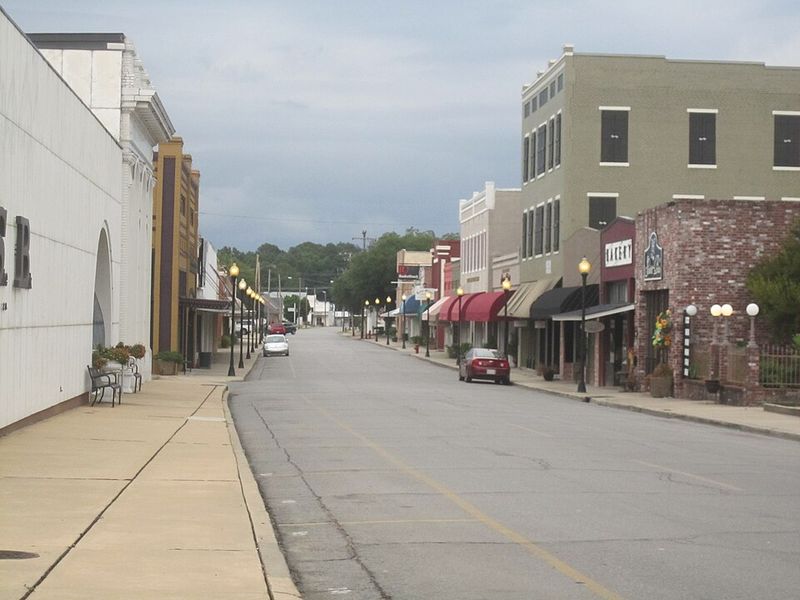
Flags catch your eye first in Winnsboro, especially around Patriot Square, where the town’s civic pride is hard to miss. On weekdays, that open feeling works in its favor.
Without festival crowds, the downtown reads more clearly as a place shaped by farming, routine, and the kind of neighborly pace that makes a short errand turn into a real conversation.
Winnsboro began with cotton, and that agricultural backbone still frames how the town feels. Its historic downtown has been a Main Street City since 2003, and the Old Post Office Museum often ties exhibits directly to local life rather than distant history.
Take time to browse the antique and specialty shops slowly. The reward is not a flashy attraction, but a better sense of how a working parish seat keeps its identity intact while the day moves quietly around it.
3. Bastrop
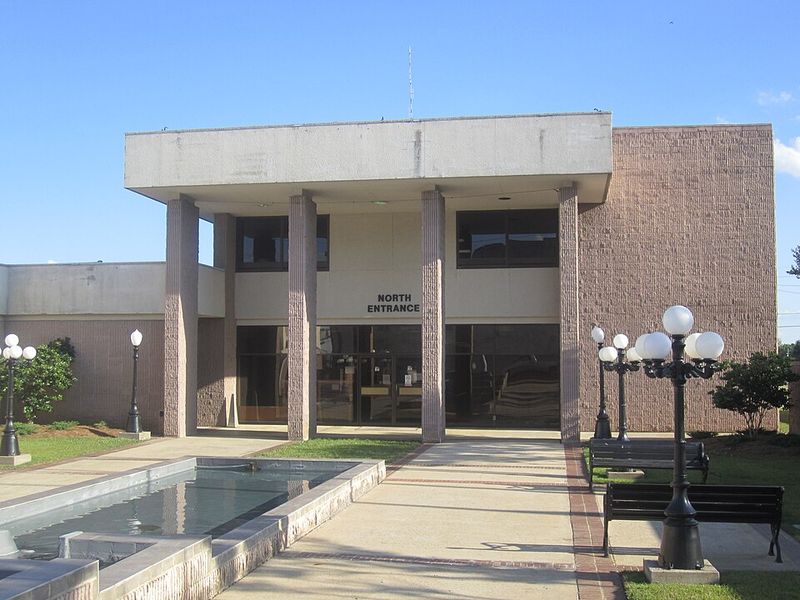
Bastrop rewards travelers who like cities with more texture than polish. On a weekday, downtown gives you room to notice commercial buildings, civic spaces, and the mix of architectural styles that developed as this Morehouse Parish seat grew through agriculture, timber, and industry.
The Snyder Museum and Creative Arts Center at 1610 East Madison Avenue is a useful first stop for local history and art. Its collections and exhibitions give context to the community before you start wandering the surrounding streets.
Nature sits close to the story too. Bayou Bartholomew runs through the region, while Chemin-A-Haut State Park north of Bastrop offers access to waterways, hiking, paddling, and forest scenery.
I would treat the park as the outdoor half of a Bastrop day rather than pretending the bayou is a downtown attraction.
That division works well. Spend the morning with architecture and local history, then trade pavement for water and trees after lunch.
Bastrop is not built around one landmark that demands a photograph. Its appeal comes from contrast: museum rooms and open water, older neighborhoods and working businesses, quiet streets and nearby forest.
A weekday gives those pieces more space to register before you move on through northeast Louisiana.
2. Delhi
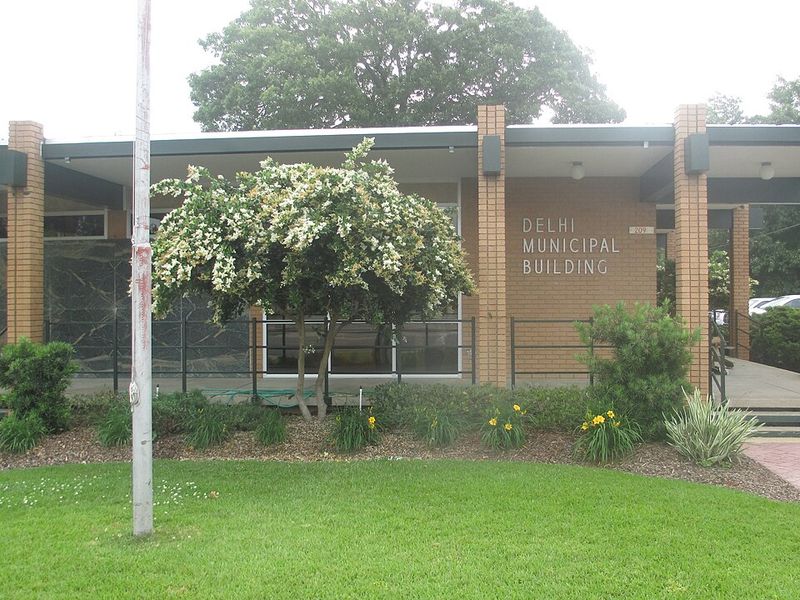
Fields seem to press right up against Delhi. The town works best as a base for exploring the agricultural landscape of northeast Louisiana rather than as a town packed with conventional attractions.
Fields stretch toward the horizon around the community, and the weekday pace makes that connection to farming hard to miss.
The outdoor stop nearby is Poverty Point Reservoir State Park, centered on a 2,700-acre man-made lake used for fishing, boating, birding, and cabin stays. It sits close enough to Delhi to turn a simple lunch stop into a full afternoon outdoors.
Farther north, Poverty Point World Heritage Site adds a deeper layer of history. The monumental earthworks were created by Indigenous people more than three thousand years ago and remain one of the most important archaeological landscapes in North America.
I would not rush either place. Use Delhi for food, fuel, and a look at the surrounding farming country, then choose whether the day belongs to the reservoir or the ancient earthworks.
The contrast is what stays with me. Present-day agriculture, modern recreation, and an Indigenous landscape thousands of years older than the town all exist within a short drive.
Delhi itself is modest, but as a starting point for this corner of Louisiana, it makes sense.
1. St. Joseph
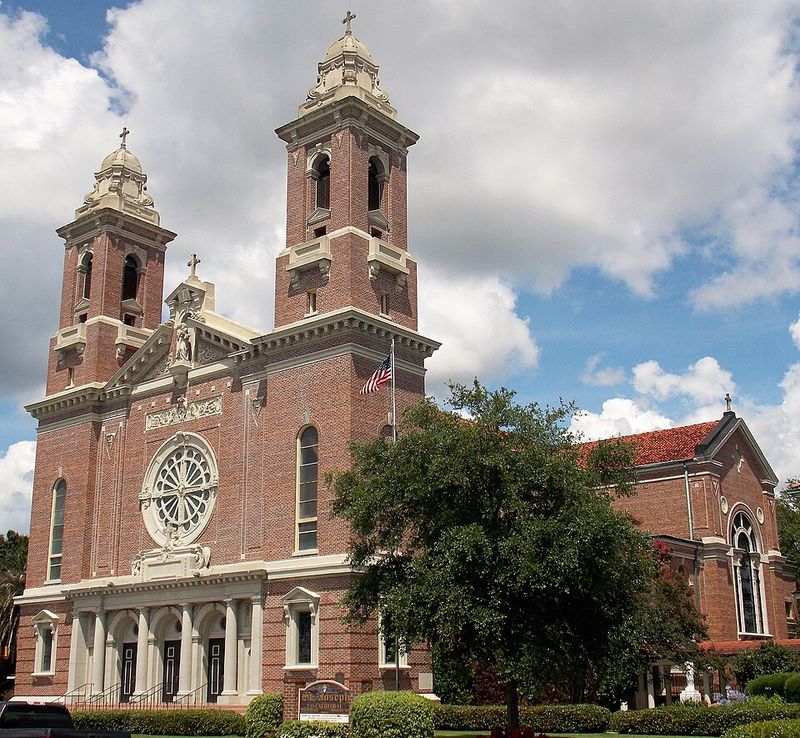
St. Joseph has the kind of center that becomes easier to appreciate when the streets are quiet. Plank Road and the surrounding district hold old homes, civic buildings, shops, and architecture shaped by the town’s long relationship with the Mississippi River and plantation-era economy.
The Tensas Parish Library and Museum at 135 Plank Road occupies a building from the mid-1850s. The library shares space with collections of local artifacts, historical documents, genealogy resources, and exhibits that help place the town within the wider history of Tensas Parish.
I would begin there, then walk through the historic district before heading toward the levee. St. Joseph developed as a Mississippi River community, and the water remains an important part of understanding why the town exists where it does.
Lake Bruin State Park is another worthwhile side trip, offering fishing, boating, picnic areas, and lake scenery a short drive away. That makes it easy to pair architecture with an outdoor afternoon.
St. Joseph feels small, but it carries several layers at once: river history, agriculture, historic preservation, and nearby lake country. A weekday visit gives those elements room to breathe, especially if you leave enough time to walk instead of simply driving through.