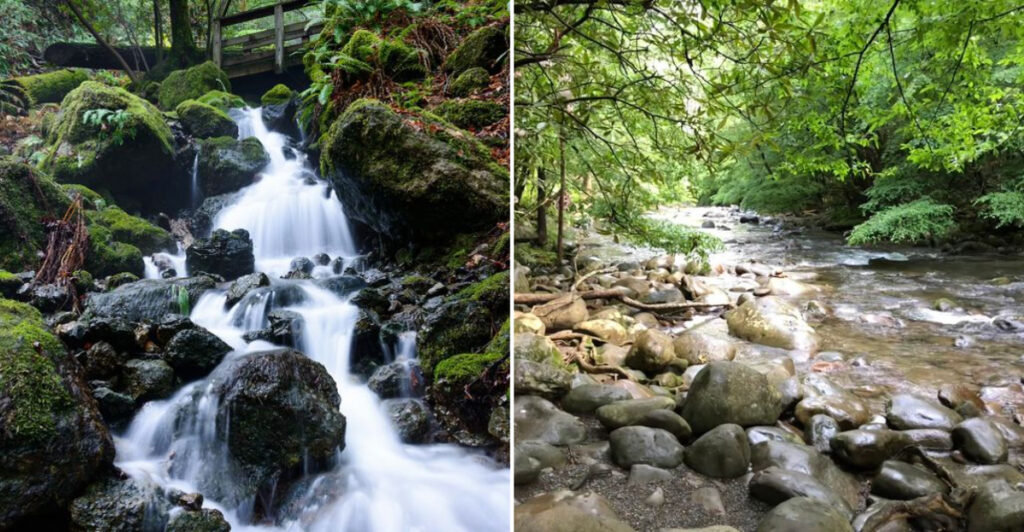
After a long, exhausting week at work, there’s nothing I crave more than spending the weekend in nature. A quiet walk through the woods has a way of recharging the batteries that the workweek completely drains.
Believe me, nothing resets the mind faster.
California is packed with incredible hikes, but every so often, you stumble upon a trail that stops you in your tracks. I found mine in a place where a short path along a rushing creek exceeded every expectation.
The trail passes waterfalls, towering redwoods, and moss-covered canyon walls that feel almost otherworldly. It’s the place that makes you consider calling in sick on Monday just to return.
If you want a hike that delivers far more than its modest length suggests, this one truly does.
A Short Hike With A Big Scenic Reward
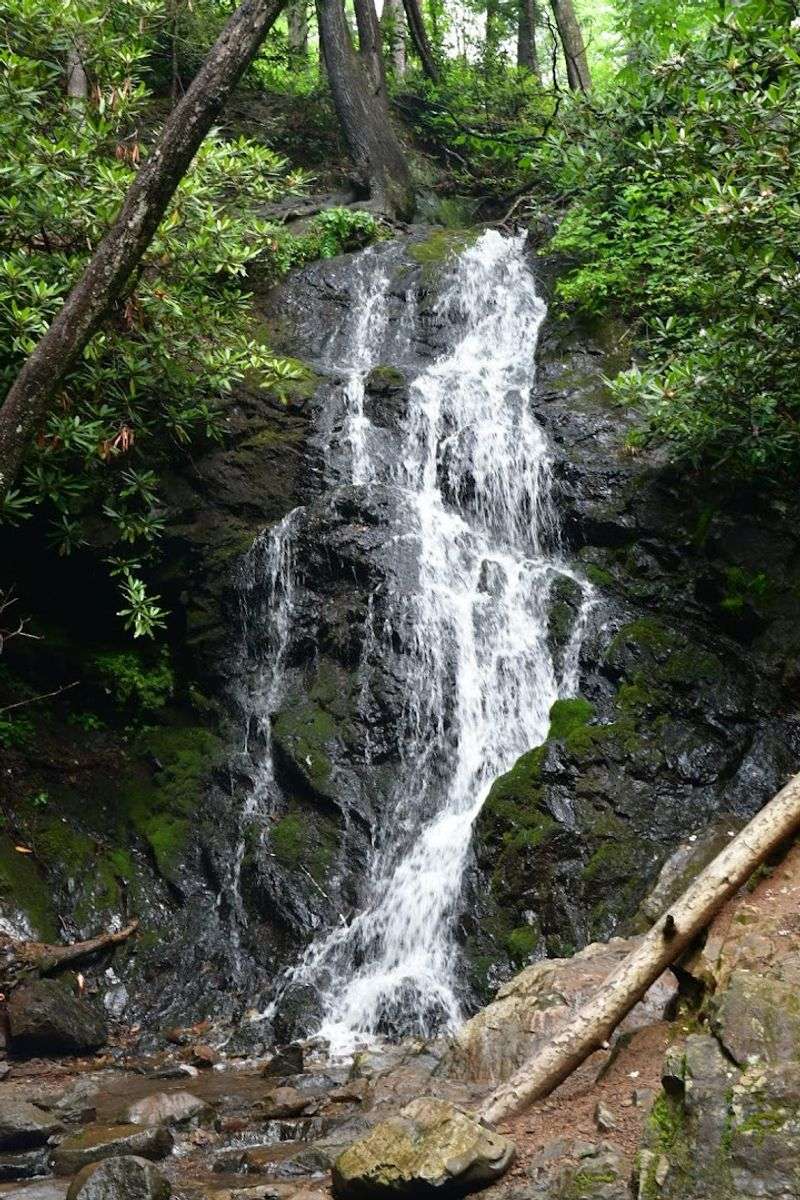
About a mile and a half does not sound like much, but Cataract Trail in Marin County, California, completely redefines what a short hike can deliver.
The moment I got onto this trail, I realized I had underestimated it. Towering Douglas firs and redwoods line the path. The sound of Cataract Creek hits you immediately.
The trail runs alongside the creek as it drops dramatically from near the Laurel Dell fire road to Alpine Lake. The elevation change is very real.
This is not a flat stroll. Expect stairs, steep sections, and terrain that works your legs.
You can access the trail from multiple trailheads. The Rock Springs trailhead adds a couple of miles.
It also offers free parking and restrooms. The Cataract Trailhead off Fairfax-Bolinas Road sits near the Alpine Lake Dam and is managed by the Marin Water District.
You can visit it at Cataract Trail, Stinson Beach, CA 94970.
No matter which entry point you choose, the payoff waiting inside this canyon is absolutely worth every step.
Waterfalls That Keep Appearing Along The Way
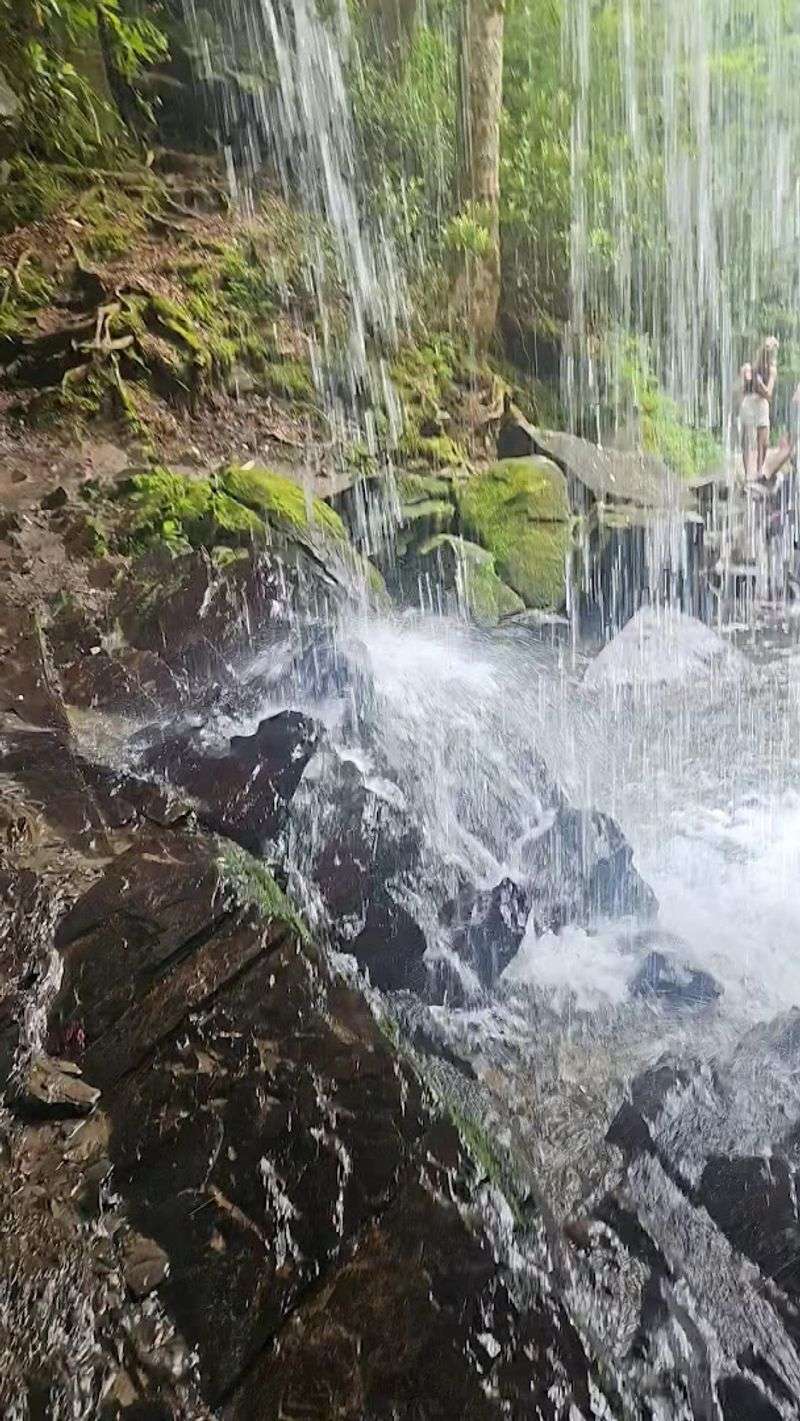
One waterfall would have been enough. But Cataract Trail does not stop at one.
It keeps surprising you with cascade after cascade as Cataract Creek tumbles down the canyon. I lost count after the third one.
That is a problem I never expected to have on a 1.5-mile trail.
Each waterfall has its own personality. Some are wide and thundering, sending mist across the trail.
Others are narrower and more elegant. They slip quietly between boulders before picking up speed again.
The variety keeps the walk feeling fresh and exciting throughout.
What makes this even more impressive is how the falls build on each other. You round a bend and hear the roar before you see it.
Then another cascade suddenly drops into view. Reviewers who have hiked here consistently describe the experience as dramatic.
Many say it feels far more visually rich than the short distance would suggest.
Spring brings the highest water flow, making the falls louder and more photogenic. But even in late summer, the trail remains rewarding.
The creek runs lower, yet the falls at Cataract Trail continue flowing. The trail stays beautiful and worth visiting throughout the year.
A Forest Setting That Feels Almost Storybook-Like
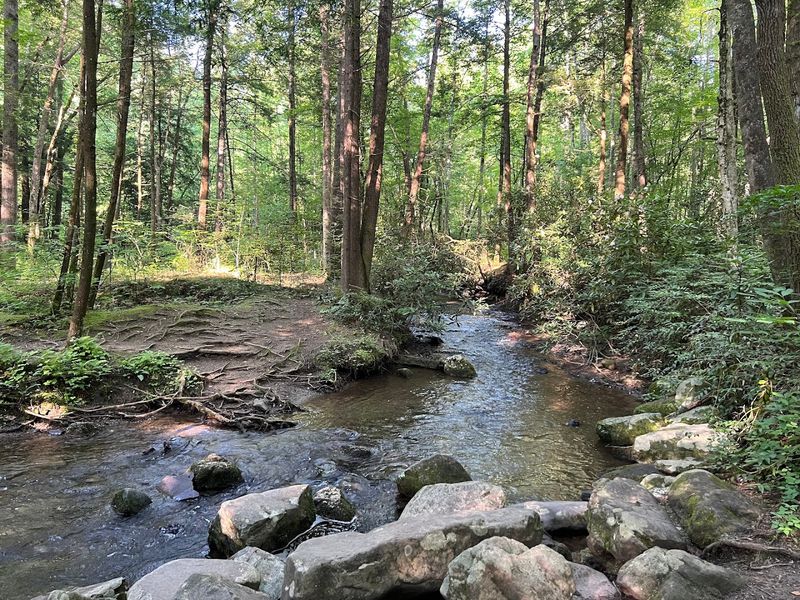
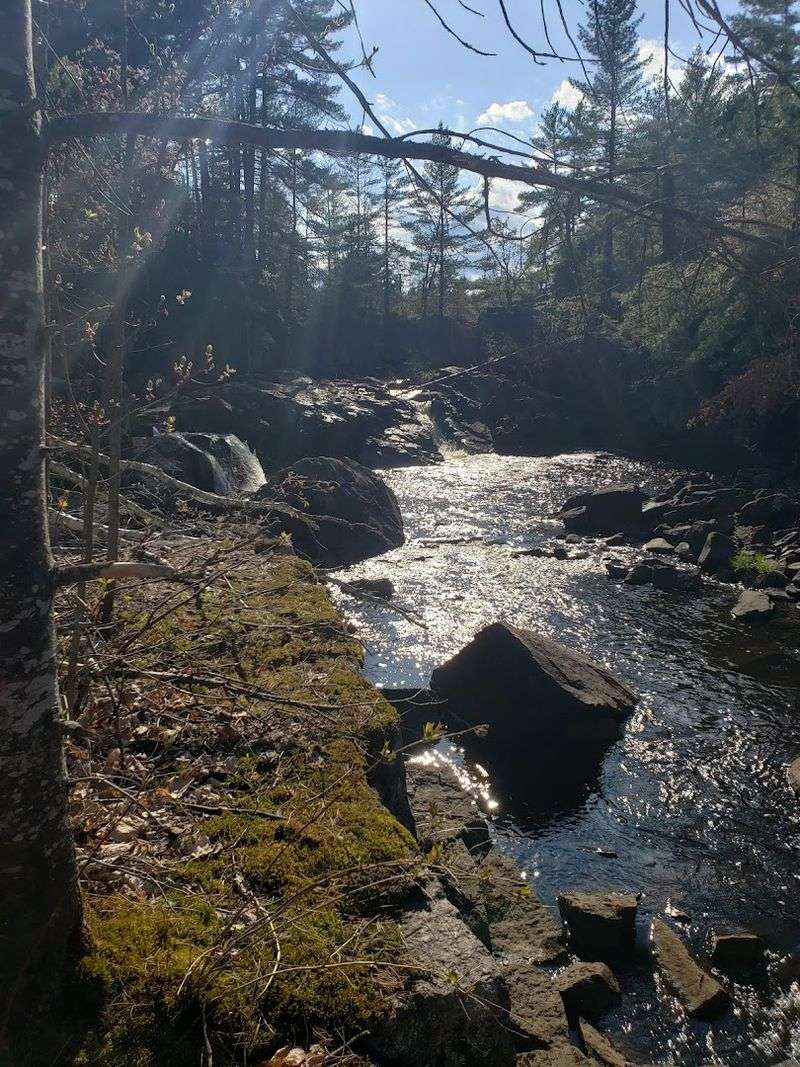
Walking through Cataract Trail feels like stumbling into a scene that belongs in a fantasy novel. The canyon walls are draped in thick moss.
Ferns spill over every surface. The tree canopy filters sunlight into soft, golden streaks that hit the creek just right.
I kept stopping, not because I was tired, but because I could not stop staring.
The shade along this trail is remarkable. Multiple visitors said that the tree cover is so dense you barely break a sweat, even during a solid workout.
That combination of physical effort and natural beauty creates a satisfying rhythm as you move through the canyon.
There is something theatrical about the way the trail is designed by nature itself. Every few steps, the scenery shifts.
A new angle of the creek appears. A different cluster of boulders, a mossy log crossing a side stream.
It never feels repetitive. The forest here belongs to the coastal range ecosystem of Marin County.
Moisture from the Pacific keeps everything lush and deeply green.
Bringing a camera is basically mandatory. You will fill up your phone storage before you even reach the halfway point.
And you will have zero regrets about it.
The Sound Of Rushing Water From Start To Finish
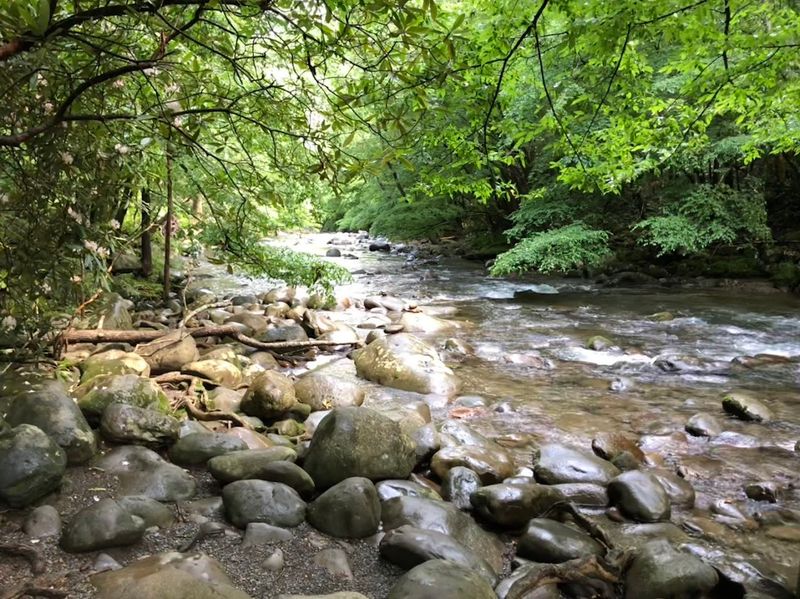
From the first step to the last, Cataract Trail is a full audio experience. Cataract Creek runs right beside the path for nearly the entire hike.
The sound of moving water never really leaves you. It is one of those details that transforms a good hike into a restorative one.
I noticed the effect about ten minutes in. My anger disappears.
My pace slowed just enough to feel intentional. I started actually listening instead of just walking.
The creek shifts between a low, steady murmur and a full-on roar, depending on how close you are to a waterfall. That variation keeps things interesting in a way that background music never could.
Research on nature sounds consistently shows that flowing water reduces stress and lowers cortisol levels. I didn’t need a study to tell me that.
I just needed ten minutes on this trail. Families who have hiked here mention how much kids respond to the creek.
They stop constantly to watch the water move over rocks. Dogs love it too, and yes, this trail is dog-friendly.
The creek soundtrack alone makes Cataract Trail one of the most peaceful hiking experiences in all of Marin County.
The Best Season To See The Trail At Its Most Beautiful
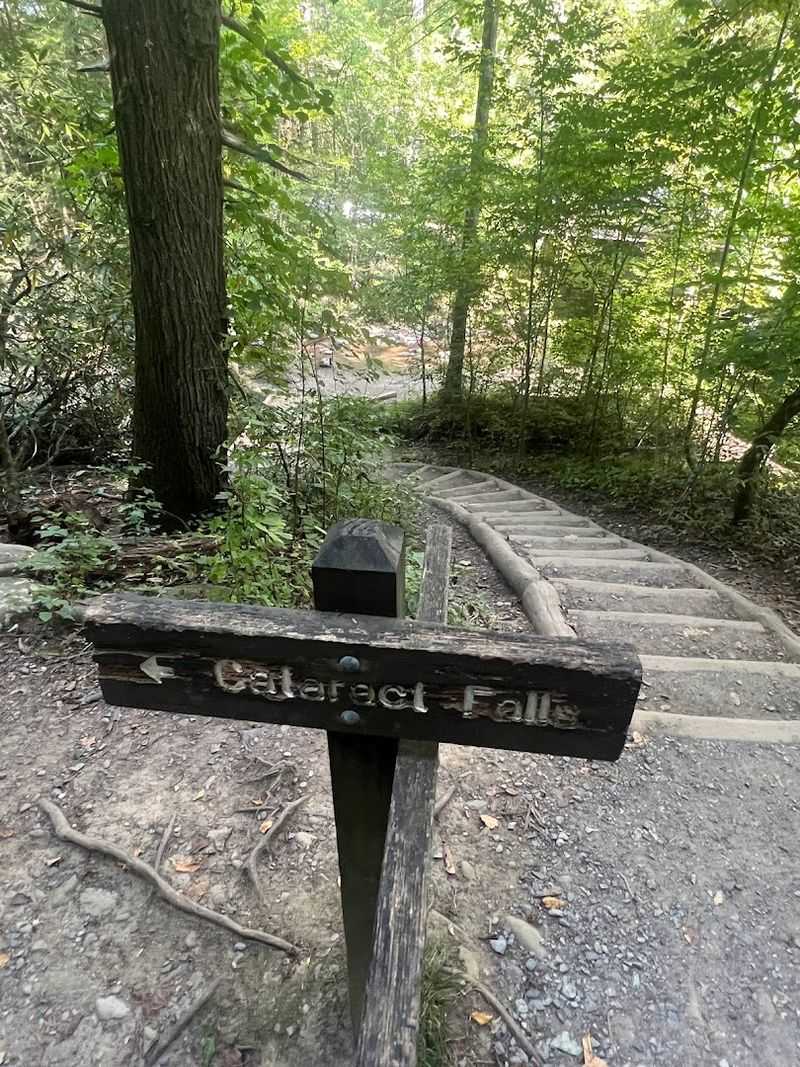
Spring is the undisputed champion season for Cataract Trail. After winter rains have soaked the hills of Marin County, Cataract Creek runs high and fast.
The waterfalls transform into something spectacular. Multiple visitors specifically call out spring as the time when the falls are fuller, louder, and far more photogenic than at any other time of year.
The trail does get crowded during peak spring weekends. Going early on a weekday gives you a much better experience.
Mud and slippery sections are common after rain. Waterproof boots or trail shoes with good grip are a smart call.
I learned that lesson, don’t ask how.
Early spring, roughly February through April, offers the best combination of high water flow and manageable trail conditions. By late summer, the creek drops significantly.
The falls themselves continue flowing even in August, as one longtime visitor confirmed. Fall can be beautiful too.
Fewer crowds and changing colors add warmth to the green canyon. Winter visits after storms bring dramatic water levels but require extra caution on wet rocks.
Whenever you go, checking recent trail conditions before heading out can save a lot of frustration and keep the adventure fun.
A Scenic Walk That Is Easy To Plan Around
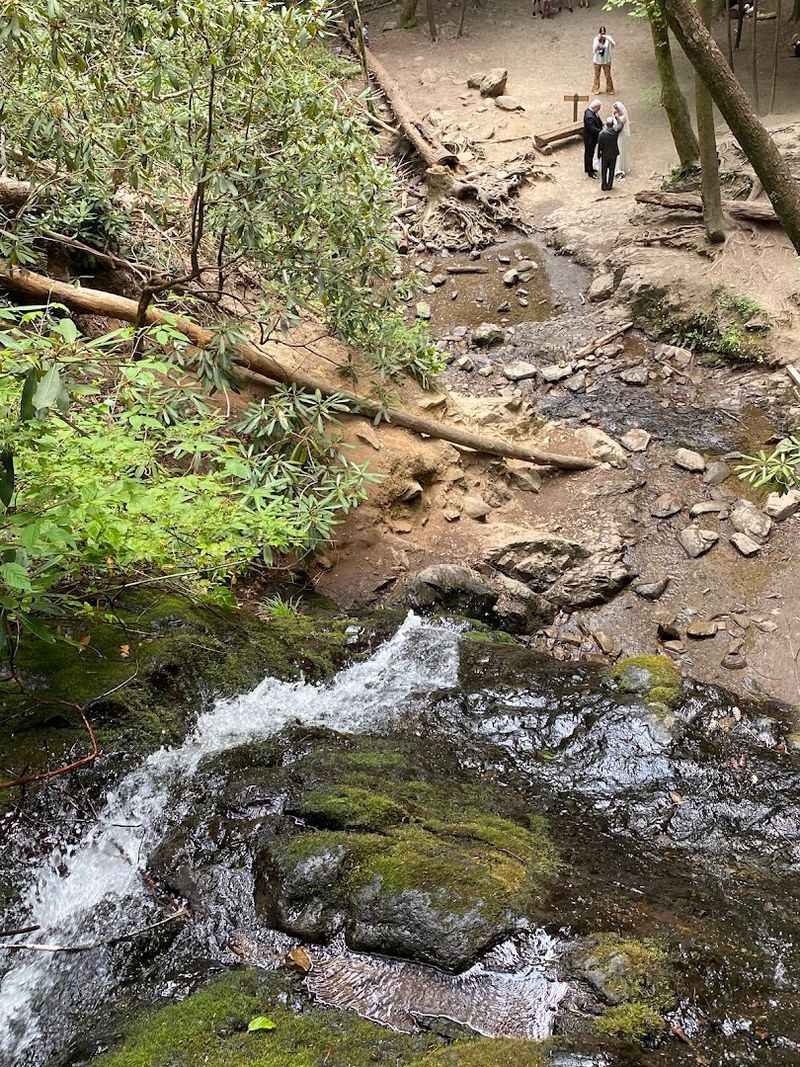
Planning a trip to Cataract Trail does not require a spreadsheet or a week of preparation. The trail covers roughly 1.5 miles of canyon terrain.
Most hikers complete the main waterfall section in one to two hours, depending on pace and how often they stop to take photos.
Parking options give you real flexibility. The Rock Springs trailhead is the most beginner-friendly entry point.
It offers free parking and restrooms, plus a gentler first mile along the creek before things get steep.
Near the top, there is a picnic area next to Laurel Dell Road. It is a perfect spot to eat lunch and catch your breath before heading back down.
Bringing snacks, water, and layers is always smart since the canyon can feel cool even on warm days. The trail works beautifully as a half-day outing, leaving plenty of time to explore other parts of Marin County or grab a meal nearby.
Simplicity is honestly one of this trail’s most underrated qualities.
Why This Trail Stands Out In A State Full Of Great Hikes
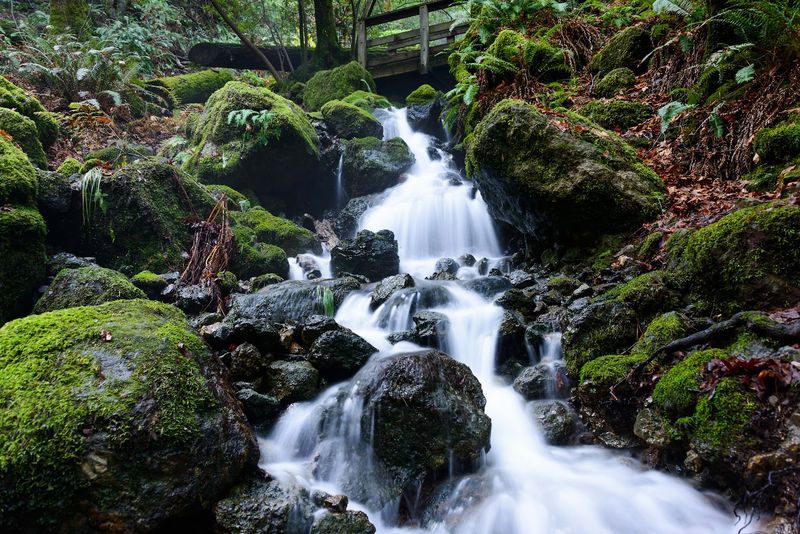
California has Yosemite, the Lost Coast, Big Sur, and about a thousand other hikes that could make any outdoor lover weep with joy. Standing out in that crowd is no small thing.
Cataract Trail manages it by offering something rare: maximum drama in minimum distance.
Most trails that deliver this level of scenery require serious mileage or technical skill. Cataract Trail asks for neither.
You get a true canyon experience with multiple waterfalls and an old-growth forest. A lively creek runs through it, all within a compact stretch that almost anyone with reasonable fitness can tackle.
That accessibility is uncommon at this level of beauty.
The trail also carries a raw, unpolished character that feels different from more manicured park experiences. The rocks are real, the mud is real, and the steepness is real.
This is a reminder to respect the terrain. That combination of accessibility and wildness is what makes Cataract Trail feel special.
California has plenty of postcard hikes, but this one feels like a secret that locals have been quietly keeping to themselves for years.
Views That Stay With You Long After The Hike Ends
There is a specific hike that follows you home. Not just in the sore legs or the muddy boots, but in the mental images that keep surfacing for days afterward.
Cataract Trail is one of those hikes. I caught myself describing it to a few different people in the week after I visited, each time getting more animated than the last.
The waterfalls are part of it, obviously. But the full picture is what really stays with you.
Moss-covered boulders and a creek winding around ancient tree roots create a striking scene. The canyon’s narrow passages that suddenly open up leave a visual memory that stays with you.
What lingers most is the feeling of having discovered something that felt wild, even though it sits within easy reach of the Bay Area. That contrast between urban proximity and deep natural beauty is something Marin County does exceptionally well.
Cataract Trail might be its finest example. Whenever someone asks me for a California hike that truly impresses, this is the one I recommend every single time without hesitation.