A packet of seeds should not feel like the beginning of an epic story, yet this Iowa farm manages to pull it off.
What first looks like open countryside soon reveals something much bigger. Across 890 acres, plants carry family recipes, gardening traditions, and flavors that could easily disappear without careful preservation.
The deeper the story goes, the more ordinary produce starts showing off. A tomato becomes a piece of history. A bean arrives with a backstory, and even the flowers seem to be keeping important secrets.
That is when the farm stops feeling like farmland and starts resembling a living library with dirt under its nails.
You begin to understand how much work goes into keeping these varieties alive for future gardens and kitchens. Iowa turns the visit into something hopeful, energetic, and surprisingly moving.
By the end, every seed packet looks less like a gardening supply and more like a tiny time capsule waiting to be opened.
Meet The Protector Of America’s Heirloom Seeds
You can trace the entire Seed Savers Exchange story back to two family plants and one determined decision not to let them disappear.
Diane Ott Whealy and Kent Whealy founded the organization in 1975 with ‘Grandpa Ott’s’ morning glory and the ‘German Pink’ tomato.
Diane’s grandfather, Baptist John Ott, gave the seeds to the couple. His parents had carried the varieties from Bavaria when they immigrated to Iowa in 1884.
Those two family plants became the opening chapter of a collection that eventually grew far beyond one garden. The collection later grew as gardeners entrusted the organization with seeds and the histories connected with them.
Seed Savers Exchange is a nonprofit organization that collects, regenerates, and shares heirloom seeds, plants, and stories. Heritage Farm near Decorah serves as its headquarters.
The living collection focuses mainly on edible garden fruits, vegetables, herbs, and flowers with connections to American gardening and farming history. It also includes more than 200 garlic varieties and more than 500 potato varieties maintained in tissue culture.
Historic apple varieties grow in the Historic Orchard and the Amy Goldman Heritage Orchard. Both orchards remain part of the collection maintained at Heritage Farm.
Even seeds need carefully controlled conditions when the goal is to keep them ready for future gardens. Germination testing and scheduled regeneration provide refreshed seed supplies for continued preservation and distribution.
The preservation work does not stop at the storage-room door. Educational events, community science programs, and The Exchange invite gardeners to take part.
Participants can grow varieties, share seeds, and submit information about plant performance.
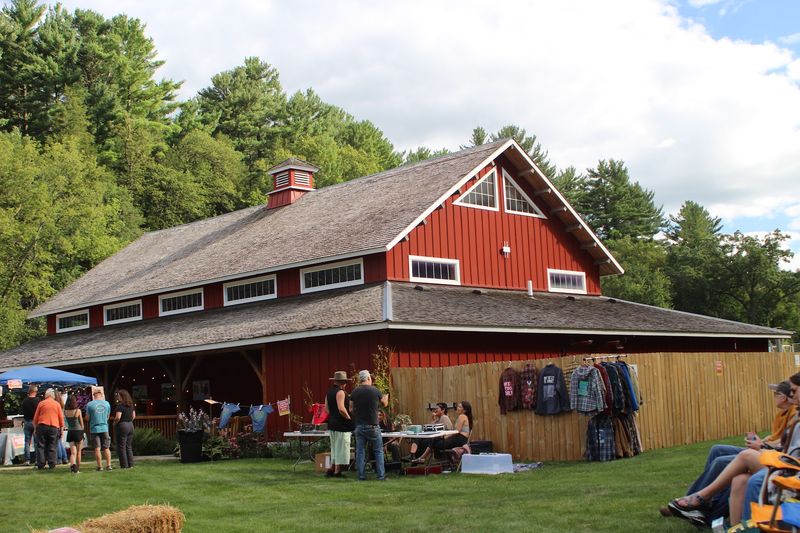
‘Grandpa Ott’s’ morning glories climb the historic barn during the growing season. ‘German Pink’ tomatoes continue to grow each year in Diane’s Garden.
Explore More Than 20,000 Varieties
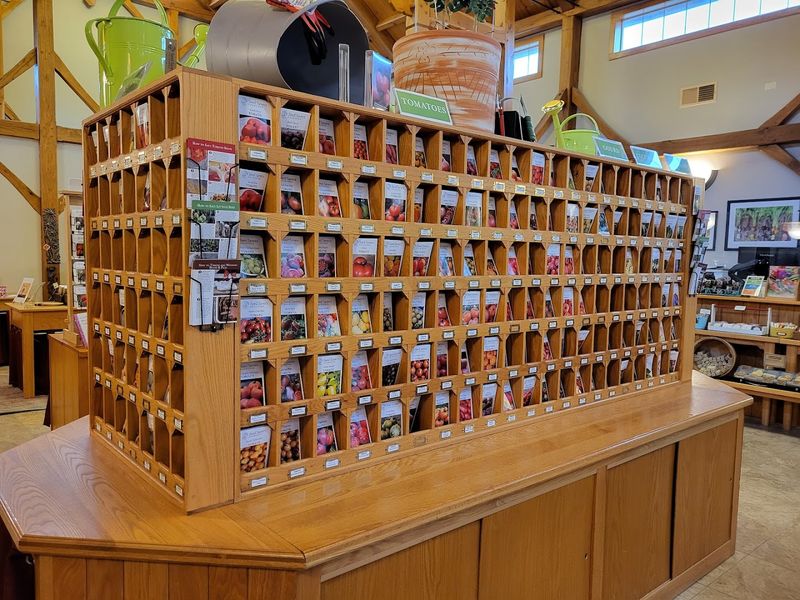
Try imagining 20,000 different garden varieties gathered into one preservation collection. Familiar vegetables share space with rare plants that families, farmers, and communities protected for generations.
Each collection record can include a variety name, donor information, growing history, physical traits, photographs, and notes from earlier stewards. Records are updated as staff members grow, evaluate, identify, and distribute the material.
The seed bank uses controlled storage to slow the natural decline in seed viability. Germination tests help determine when a stored sample should be grown again to produce a refreshed supply.
Not every treasure in the collection makes it into the commercial catalog. Some varieties may remain available through preservation programs, research work, community science projects, or the Exchange seed-sharing network.
The Exchange allows gardeners to offer homegrown, open-pollinated seeds to other participants. More than 5,000 varieties from the Seed Savers Exchange collection have also been offered through that platform.
Potatoes refuse to follow the same preservation rules as ordinary dry seeds. Hundreds of potato varieties are maintained through tissue culture, while garlic is preserved through repeated growing and replanting.
The collection preserves more than plant material. Many varieties arrive with family histories, cultural ties, and stories from the people who kept them growing.
You may find that a simple bean or tomato carries a backstory stretching across families, communities, and generations.
The preservation work never really enters an off-season. Staff members work with seeds at different stages, from newly donated material to established varieties with decades of records.
See How Nearly 1,000 Seed Varieties Return To The Soil
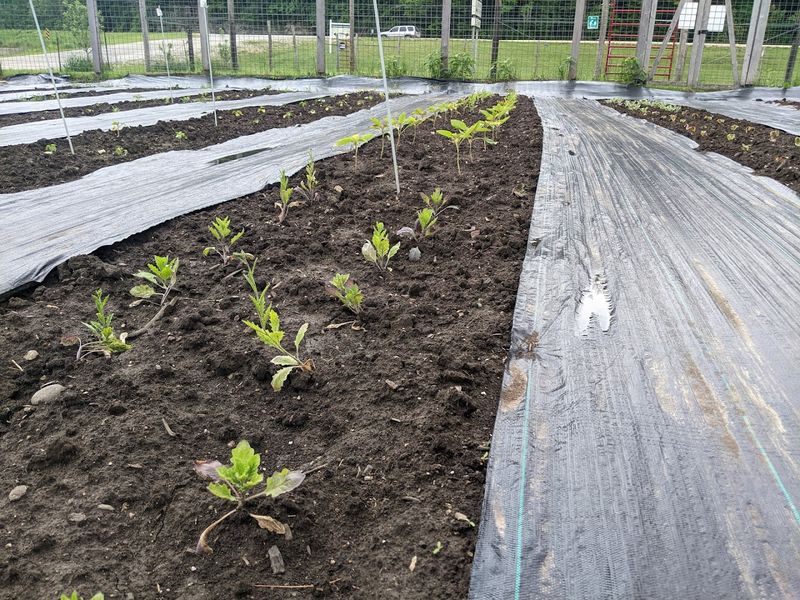
Stored seeds cannot remain tucked away forever. Each year, you can watch nearly 1,000 varieties get their turn back in the soil across Heritage Farm.
Long before the first seed touches the ground, the planning has already become surprisingly precise. Staff members consider population size, spacing, crop rotation, pollination method, field history, and the amount of seed needed.
Plants can be surprisingly social, which becomes a problem when related varieties start exchanging pollen. Heritage Farm uses distance, isolation cages, controlled pollination, and separate growing locations to help maintain varietal identity.
The farm’s landscape provides space between many production plots. Pastures, wooded areas, bluffs, wetlands, and other fields separate garden sites across the property.
Some crops can be allowed to pollinate within an isolated plot. Others require hand pollination, covered blossoms, insect pollinators inside cages, or carefully timed work during flowering.
Plants are observed throughout the season for expected traits. Staff members may record growth habit, leaf shape, flower color, fruit appearance, maturity, productivity, and signs of disease.
Once a crop is ready, its seeds begin a careful journey through cleaning, drying, testing, labeling, and documentation. Nothing simply gets dropped into an envelope and wished good luck.
A refreshed seed lot can return to controlled storage after processing. Portions may also support catalog production, the Exchange, trials, education, or requests from other growers.
Wander Through The Display Gardens
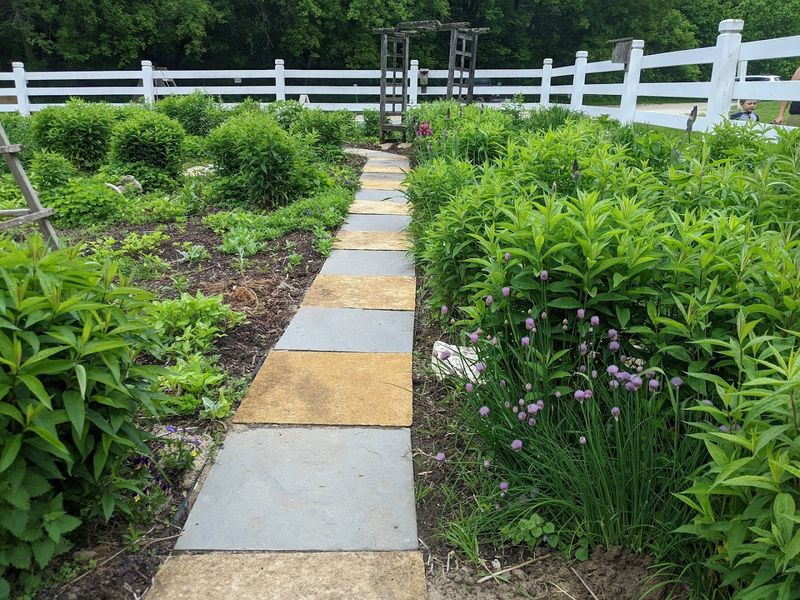
This is where the collection stops looking like a list of names and starts blooming in front of you. The display gardens bring heirloom vegetables, herbs, and flowers back to life throughout the growing season.
Diane’s Garden was designed and is maintained by cofounder Diane Ott Whealy. The garden includes heirloom plants and connects directly with the two varieties that began the organization.
‘German Pink’ tomatoes are grown regularly at Heritage Farm. ‘Grandpa Ott’s’ morning glory reseeds near the historic barn and produces dark purple flowers with reddish centers.
The garden cast changes with the season and the farm’s current projects. You may catch plants in bloom, fruit beginning to ripen, or seed crops nearing harvest.
Some plants are displayed for identification and public education. Others support evaluation work, photography, seed production, demonstrations, or scheduled events.
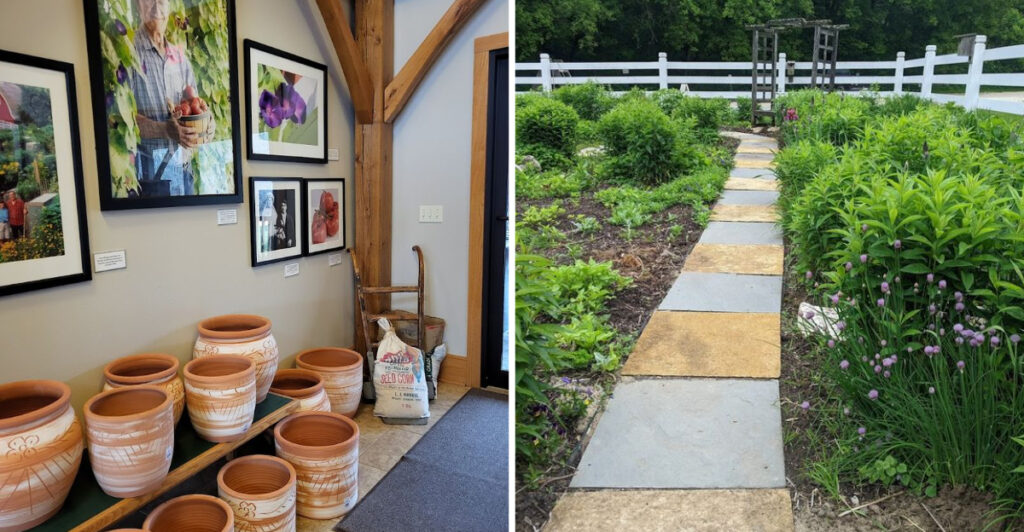
Near the main gardens, the Lillian Goldman Visitors Center gives your curiosity somewhere to keep going. Exhibits, seeds, books, tools, local art, and garden supplies fill the space.
Guided garden tours are available for qualifying groups from May through September. They require advance arrangements and follow separate group-size, timing, and fee requirements.
The gardens also get their own event season, with tastings, farm programs, and orchard tours appearing on selected dates. The 2026 schedule includes a tomato tasting, a behind-the-scenes farm event, and an orchard tour with apple tasting.
Follow The Trails Across Heritage Farm
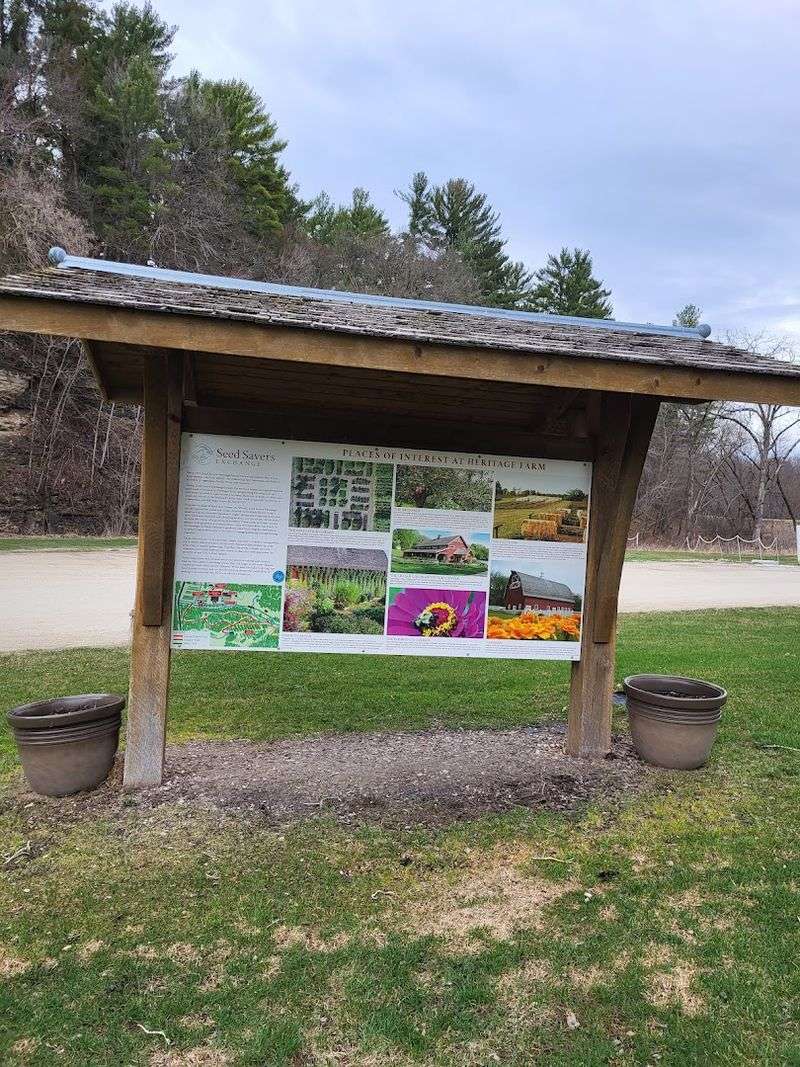
Once you leave the main gardens, the farm keeps unfolding through trails, pastures, streams, orchards, and limestone bluffs. Following the paths shows you just how much land this preservation work requires.
The Iowa property’s trail network remains open from sunrise to sunset throughout the year. Conditions vary with rain, snow, ice, maintenance, seasonal growth, and agricultural work.
These trails cross a working farm rather than a carefully staged botanical park. You should follow posted signs and temporary closures when active operations reshape the route.
Ancient White Park cattle graze on the property as part of the farm’s heritage livestock work. Heritage poultry breeds are housed near the historic barn.
Trout streams also run through the property. The streams give you another reason to slow down, although current fishing regulations still apply before a line enters the water.
The Historic Orchard and Amy Goldman Heritage Orchard connect with the broader trail system. Walking routes also provide views of seed-production fields, garden plots, pastures, and farm buildings.
Discover Hundreds Of Apple Varieties
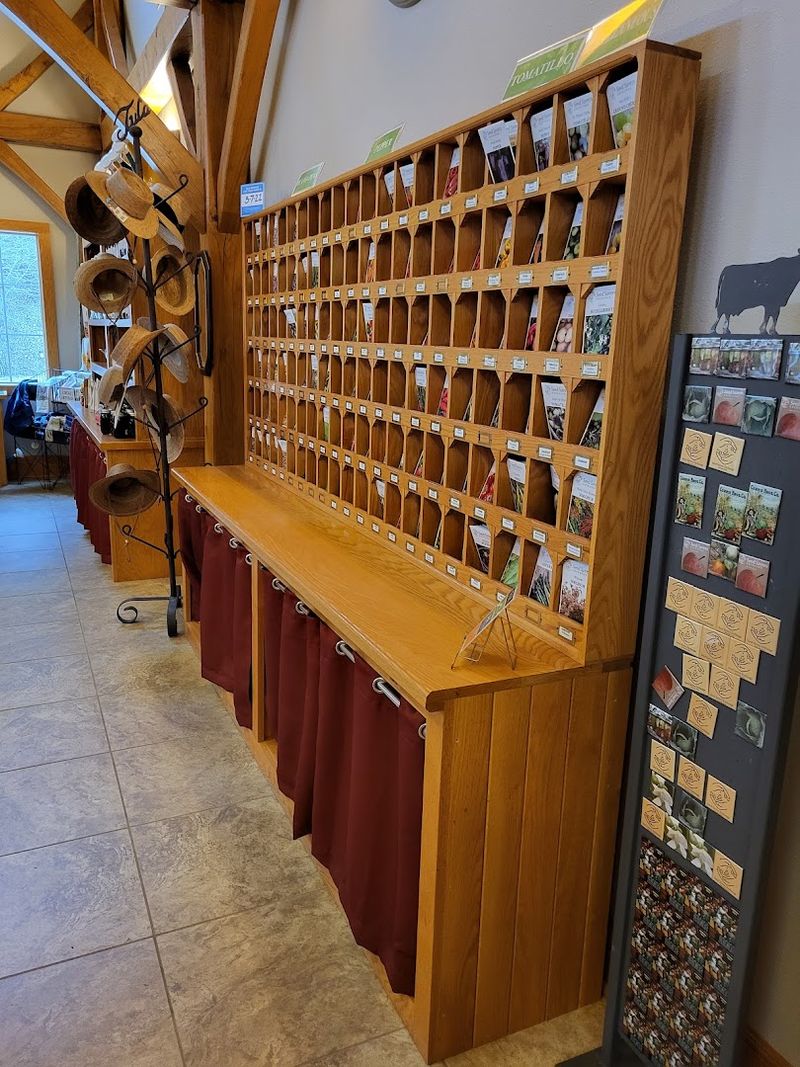
You may never look at the grocery store apple section quite the same way after seeing these orchards. Heritage Farm cares for about 400 varieties growing across more than 1,000 trees.
The Historic Orchard contains many older and uncommon varieties connected with American orchard history. The Amy Goldman Heritage Orchard places particular attention on apples associated with the Midwest.
Orchard records include variety names, tree locations, histories, and identification information.
You can move from crisp and tart to soft and sweet without meeting the same apple twice. Ripening times, colors, textures, and storage qualities vary widely across the orchards.
When ripe fruit is available, you may take a little orchard history home from designated areas. The five-gallon bucket limit is still enough to make the car smell like autumn.
The trees set the schedule here, so weather, ripening times, crop conditions, and earlier visitors all affect what you may find.
Apple picking is limited to periods when ripe fruit is available. Heritage Farm also schedules orchard programs.
Plan A Visit To Seed Savers Exchange
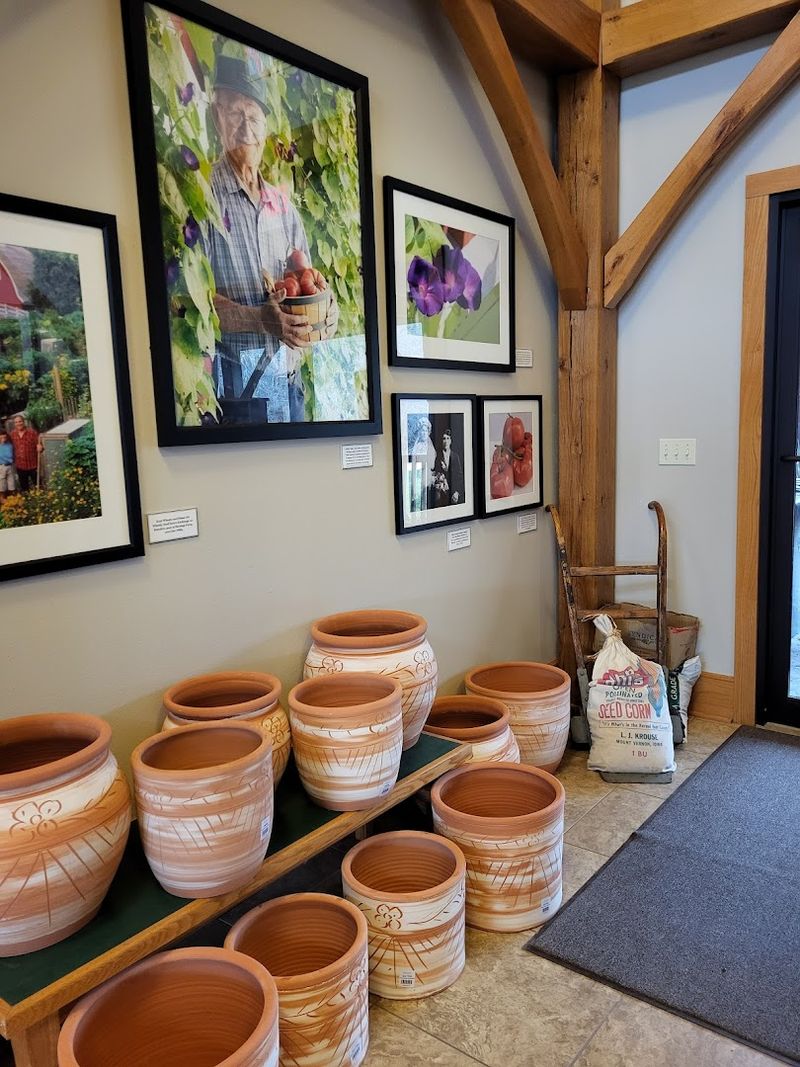
You will find the entrance at 3074 North Winn Road outside Decorah in northeastern Iowa. From there, a quick farm stop can expand into gardens, orchards, trails, streams, and an unexpectedly full afternoon.
Current hours are 10 a.m. to 5 p.m. Central Time, seven days a week from March through October.
Special events or operational changes may affect access on selected dates.
The trails, gardens, orchards, and trout streams remain open from sunrise to sunset throughout the year. Seasonal weather and farm work can affect individual routes or areas.
The visitor center gives you a clear starting point before the shop, display gardens, and wider farm begin pulling the visit in different directions. Seeds, garden equipment, books, local art, food items, and gifts are available inside.
You can check the event calendar before traveling and see whether a tasting, tour, workshop, or preservation program can become part of the trip. Current hours and event details should be confirmed before a long drive.