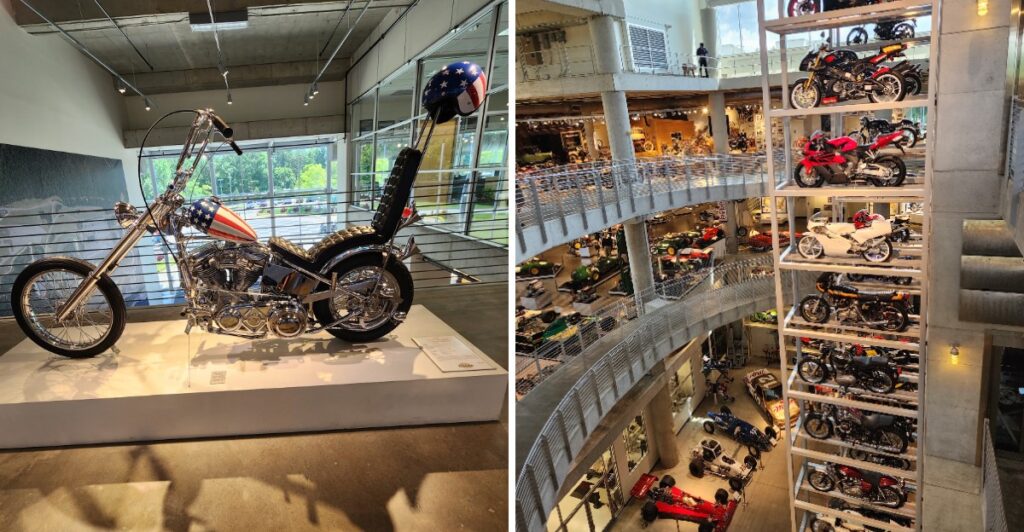
Guinness World Records calls one building in Alabama the largest motorcycle museum on Earth.
The collection behind it holds more than 1,800 motorcycles, with more than 1,000 out on display at any time.
Those bikes come from over 200 manufacturers and 22 countries.
Many of them are kept in running condition, not just parked for looks. Honestly, that part blows my mind, because keeping one old bike running is hard enough.
Then there’s the race track wrapped right around the building. On days when the track is active, cars and bikes zip past the windows while you stroll through more than a century of machines.
Five floors of motorcycles, a road course outside, and a world record on the wall. That’s a lot of horsepower under one roof.
A World Record Lives Behind These Glass Walls
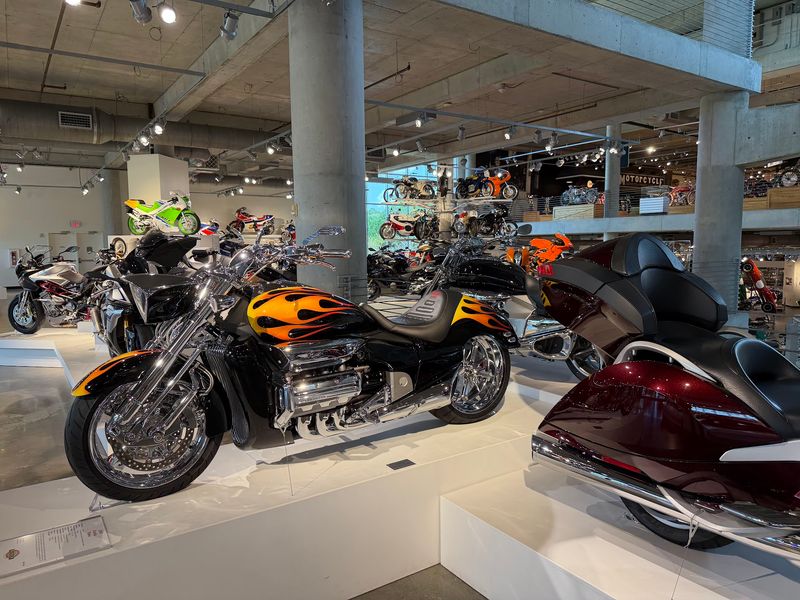
Guinness World Records doesn’t hand out titles for fun. The Barber Vintage Motorsports Museum earned its spot as the largest motorcycle collection in the world, and it shows the moment you look up.
The collection is huge, with more than 1,800 motorcycles owned by the museum.
More than 1,000 of them sit on display at once, and the lineup may change between visits.
Founder George Barber started collecting with a love for cars and racing. He later turned his focus to motorcycles, and the collection grew into something that drew attention from riders around the globe.
The museum is a nonprofit, which means the whole point is sharing these machines with the public. That makes the visit feel less like a private garage tour and more like a gift to curious people.
Here’s a smart tip for first-timers. Grab a map or check the floor layout before you start, because five levels of bikes can turn into a happy maze. Plan for at least a few hours so you’re not rushing past a rare gem.
Your feet will thank you for comfy shoes.
Five Floors Of Bikes Will Mess With Your Sense Of Scale
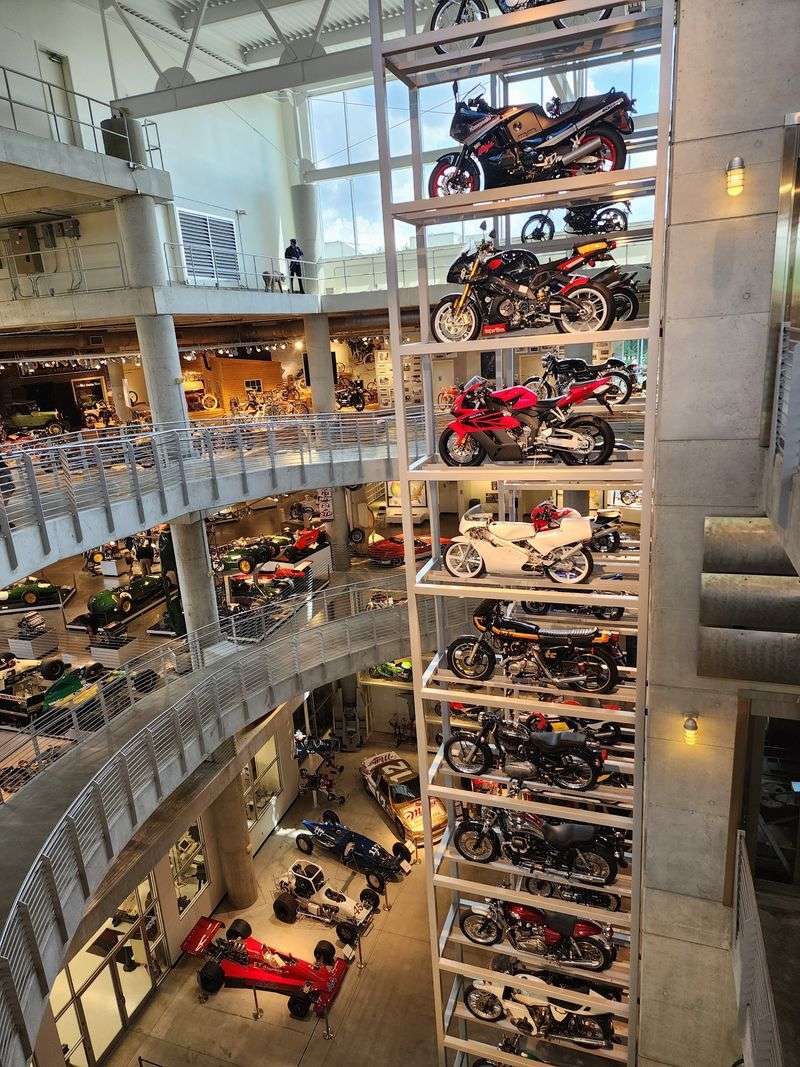
Most museums keep things neat and quiet. This one stacks motorcycles across five open levels, and the view from the top floor down is a little dizzying in the best way.
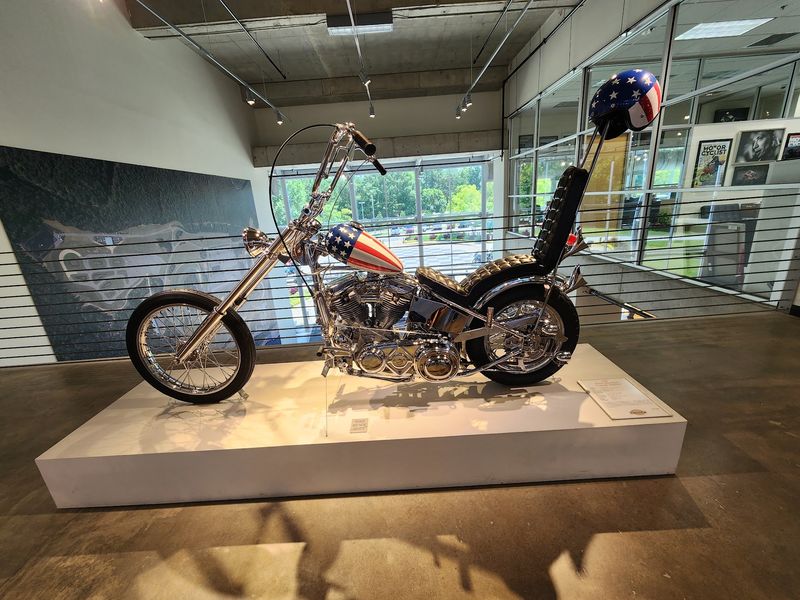
The building uses lots of glass and open floor space. Bikes sit on display towers and long rows, so you can spot shiny chrome from almost anywhere you stand.
Natural light pours through the tall windows. That glow makes the paint colors pop, from bright racing reds to old-school greens and blues.
A central glass elevator connects the levels, which helps if you need a break from the stairs. There’s also a sweeping staircase that turns the climb into part of the show.
The lower level is where restoration work happens. The restoration level is accessible during special events and through premium museum tours.
Families with younger kids should know one thing. With so much to see, little legs can tire quickly, so pick a few favorite floors first.
You can always circle back for round two. Honestly, most people probably want to anyway after seeing how much is packed into this place.
Old Machines That Still Want To Run
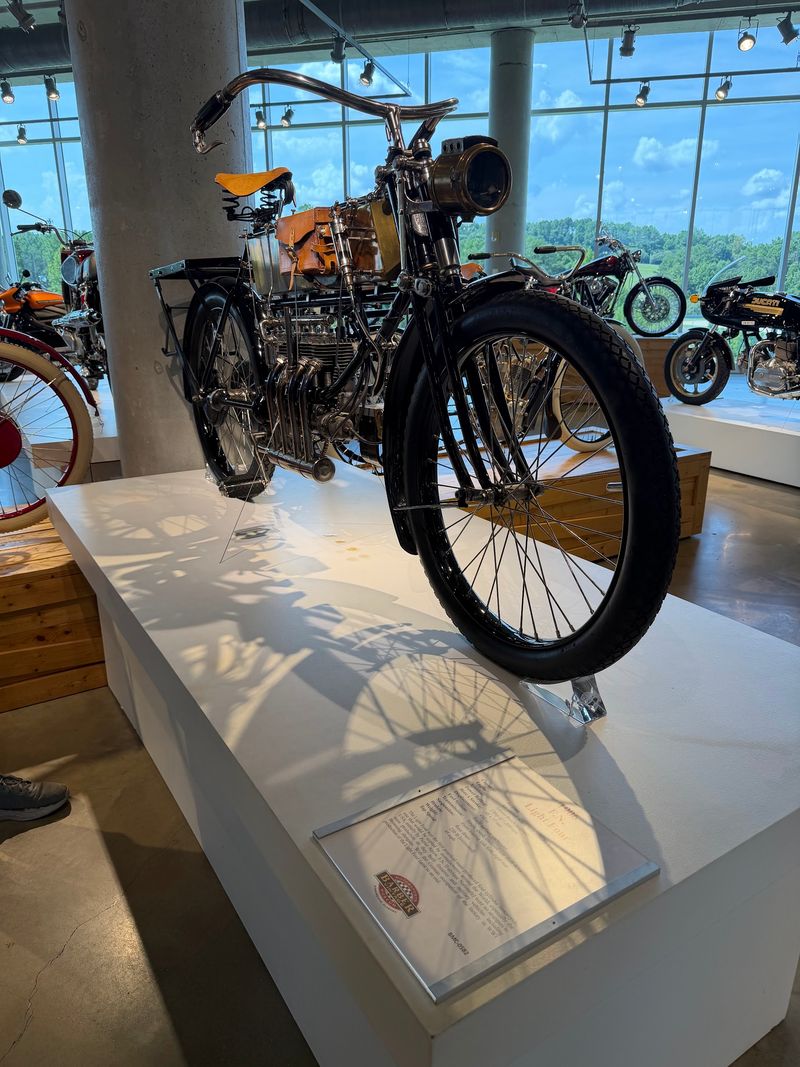
Plenty of museums show old engines that haven’t moved in decades. Here, the goal is different, because a big share of the collection is kept in working condition.
That changes how you look at every bike. These aren’t just pretty shells.
They’re machines with real stories that could still start up with the right care.
The oldest pieces go back to the earliest days of motorcycling. Some look like bicycles with a small motor bolted on, which is exactly how the whole idea began.
As you move through the floors, you can watch the design change over time. Frames get stronger, engines get bigger, and the styling goes from simple to wild.
Kids who love building things will enjoy spotting the differences. Ask them to find the oldest bike on the floor, then the fastest-looking one.
That little game keeps everyone looking closely instead of just walking by. It also turns a history lesson into a scavenger hunt without anyone noticing.
The restoration team behind it all deserves a quiet round of applause. Keeping this many machines healthy is a job that never really ends, and it shows in the shine.
Brands You Know And Plenty You’ve Never Heard Of
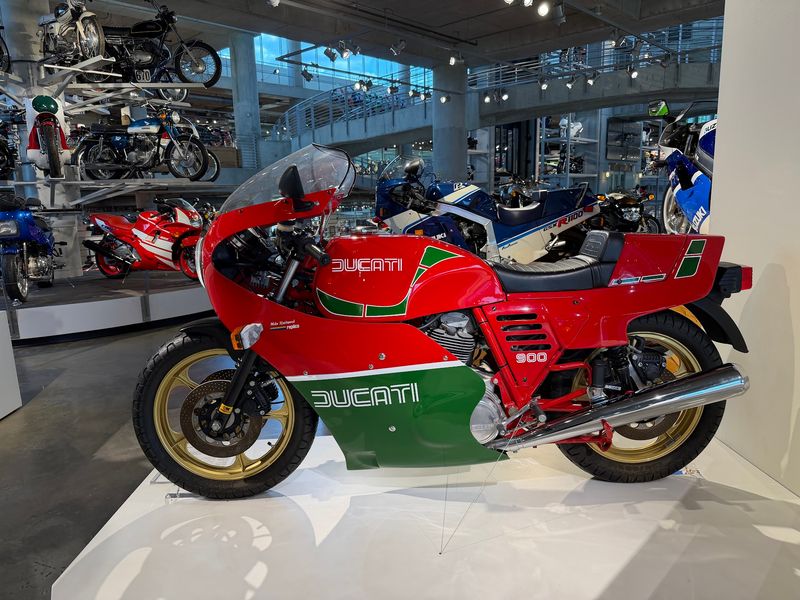
Harley-Davidson, Indian, Honda, Ducati, and Triumph all show up here. Then you hit a row of names you’ve never seen, and that’s where the fun really starts.
The collection covers more than 200 manufacturers. Bikes come from 22 countries, so you get a real world tour without packing a suitcase.
Some brands built only a small number of motorcycles before fading away. Seeing them in person is rare, since many exist in very few places today.
American bikes sit near British classics and Italian racers. Japanese models show how the industry changed when new makers entered the scene.
For riders, this is a chance to see the ancestors of their own bikes. For everyone else, it’s a fun look at how different countries solved the same problem.
A handy idea is to pick one country and follow its bikes through the museum. You’ll notice style patterns, like certain colors or engine shapes, that keep popping up.
It’s a little like people-watching, only with handlebars. And nobody minds if you stare for a really long time at the same one.
Race Cars Crash The Motorcycle Party
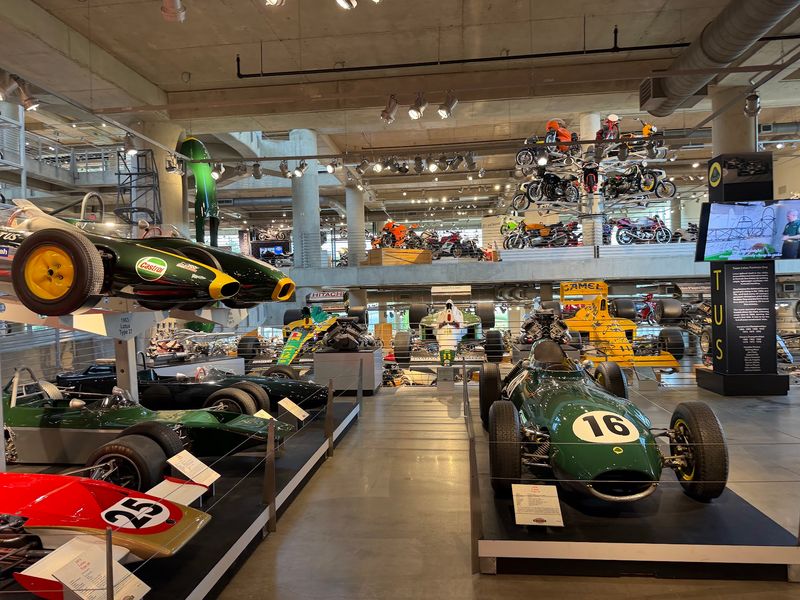
Motorcycles get top billing, but four wheels get a seat at the table too. The museum is home to one of the largest collections of Lotus race cars around.
Lotus fans will spot sleek, low cars that look built for pure speed. Their light designs changed racing, and seeing so many in one spot is a treat.
Other race cars and sports cars appear throughout the building as well. They add a nice change of pace when your eyes need a break from two wheels.
Look for quirky extras tucked among the displays. The collection also includes things like outboard boat motors, which feels delightfully random until you see the engineering.
If someone in your group isn’t a motorcycle person, these cars can win them over. Racing cars have a way with color and shape that pulls in even casual visitors.
Take photos from low angles to show how close to the ground these cars sit. It really drives home how wild racing design can get.
Just don’t be surprised if someone in your crew starts talking about buying a race car. Blame the museum, not yourself.
Some Days The Soundtrack Comes From The Track Outside
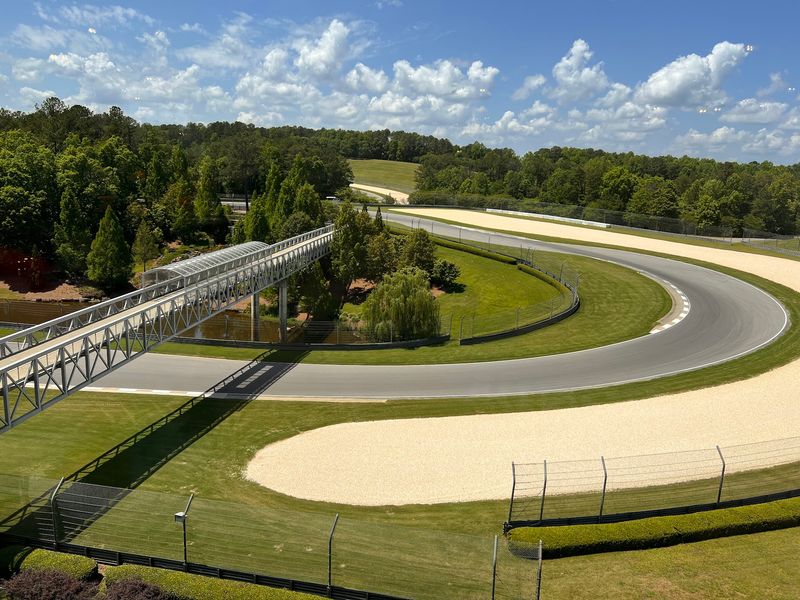
Wrapped around the building is Barber Motorsports Park, a road course with plenty of curves. On many days, cars or bikes are out on the track while you explore.
Big windows let you watch the action from inside. Pedestrian bridges also cross over parts of the course, giving you a front-row look at the turns below.
The track is about 2.38 miles long with 16 turns. It hosts big events throughout the year, plus club days and driving schools.
Track activity changes from day to day. You might catch a car club practice, or you might get a quieter visit, so think of any action as a bonus.
The grounds are also beautifully landscaped. Keep an eye out for sculptures and playful surprises around the park, since the place has a well-known sense of humor.
A fun one is the giant spider sculpture near the track. It’s the kind of thing you don’t expect at a racing venue, which is exactly the point.
Bring a phone with good zoom if you want photos of moving cars. Speed and smartphones aren’t always best friends, but you’ll get a few winners.
Easy To Reach And Easy To Plan Around
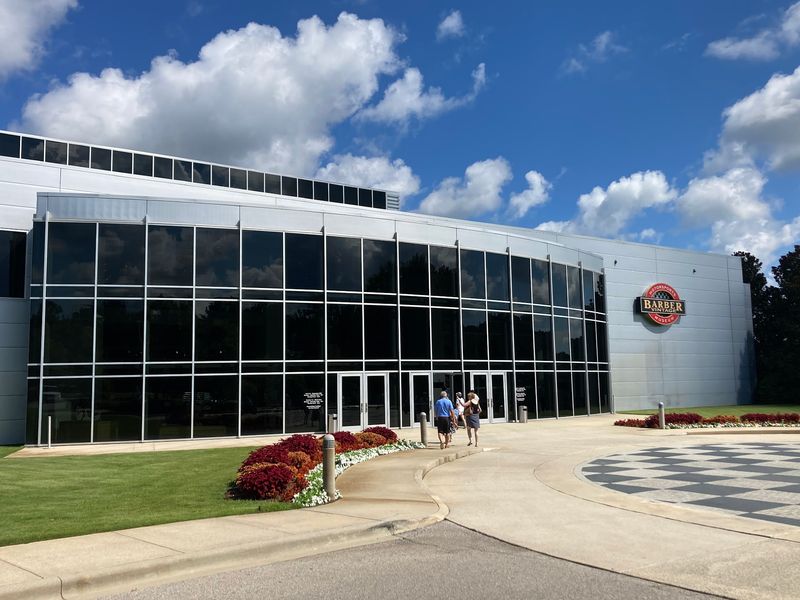
Getting here is simpler than the size of the place suggests. The museum sits just east of downtown Birmingham, close to Interstate 20.
You’ll find it at 6030 Barber Motorsports Parkway, Birmingham, AL 35094, United States. Some maps list the area as Leeds, so don’t panic if your GPS says that.
The museum is open daily except on major holidays.
From October through March, the museum is open from 10 am to 5 pm Monday through Saturday and noon to 5 pm on Sundays, with closing time extended to 6 pm from April through September.
Hours can shift around holidays or events. A quick check before you leave helps you skip any surprises at the door.
Food isn’t served inside the museum. Eat before you arrive or plan a meal nearby, since a long visit can build an appetite.
Give yourself plenty of time once you’re there. Three hours is a comfortable start, and serious fans could easily spend most of a day.
Alabama travelers heading between Birmingham and Atlanta can treat this as a perfect road trip break. It beats staring at another gas station snack aisle—that’s for sure.
Why You Should Go Before 2026 Slips Away
Calendars have a sneaky habit of filling up fast. That’s exactly why the Barber Vintage Motorsports Museum belongs on your 2026 list right now.
It works in any season because almost everything happens indoors. Summer heat, winter chill, or a surprise downpour won’t ruin the plan.
The museum also suits mixed groups. Motorcycle fans get a dream day, while history lovers and design nerds find plenty to enjoy too.
Displays rotate since not every bike can be shown at once. A visit this year may reveal machines you’d miss on a later trip.
Bring curious kids and ask them to pick a favorite on each floor. Bring grandparents and listen to their stories about bikes they once rode or wanted.
Those conversations might end up being the best part. Old machines have a knack for pulling memories out of people.
Alabama has plenty of great stops, but few hold a world record this shiny. Make the drive, take your time, and let the chrome do the talking.
Then go home and tell everyone you saw over a thousand motorcycles in one afternoon.