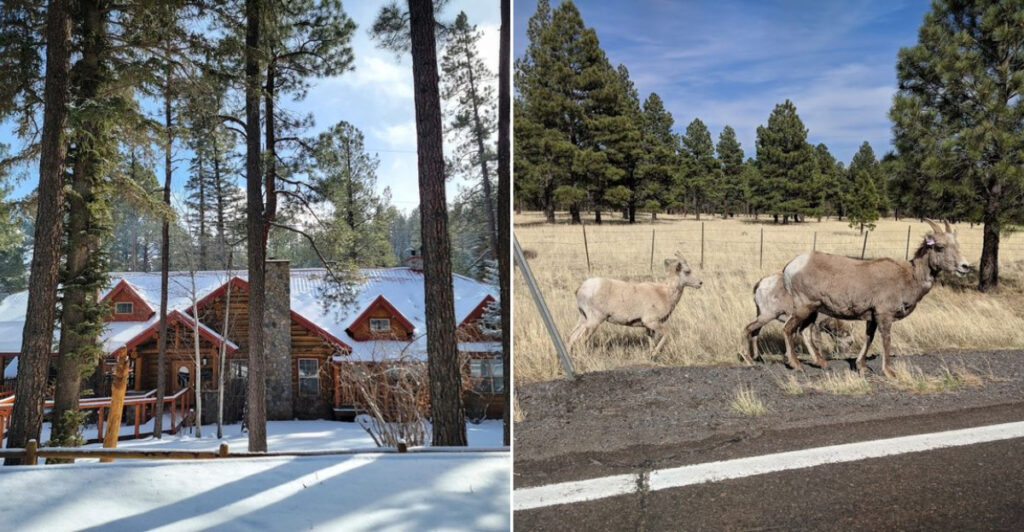
Most people think of Arizona and picture endless desert, saguaro cactus, and scorching summer heat. There is a corner of this state that plays by completely different rules.
Set in Apache County at about 8,400 feet, this quiet community sits among the Apache-Sitgreaves National Forest.
It also rests near the peaks of the White Mountains, far from most people’s radar and it is the highest town in the entire state.
Think tall ponderosa pines, crisp mountain air, meadows that turn gold in the fall, and a pace of life that feels like someone pressed pause on the modern world.
If you are looking for a place in Arizona that surprises you, this is it.
Keep reading, because this place is about to become your new favorite road trip destination.
A Town That Sits Above The Clouds
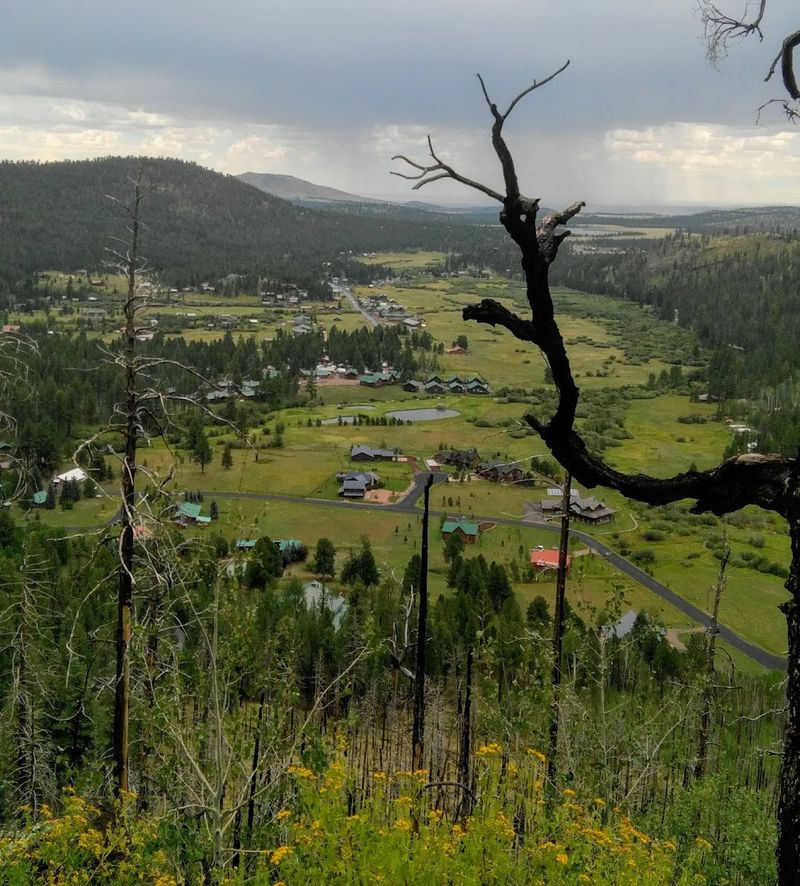
Most people do not realize that Arizona has a town sitting at roughly 8,400 feet above sea level.
That town is Greer, an unincorporated community in Apache County, and its elevation alone sets the mood for everything here.
The air is noticeably thinner and cooler the moment you arrive.
Summer temperatures rarely climb above the mid-70s Fahrenheit, which makes Greer a natural escape when the rest of Arizona is baking in triple-digit heat.
The surrounding Apache-Sitgreaves National Forest wraps around the community like a living green wall.
Tall ponderosa pines, Engelmann spruce, and white fir trees create a canopy that filters the sunlight into something almost golden.
The community sits along the Little Colorado River headwaters, and the landscape here shifts with every season.
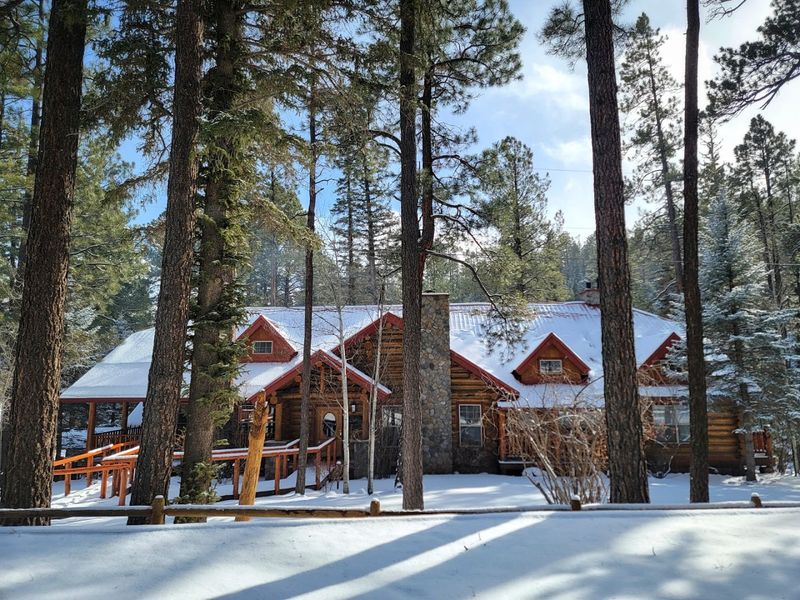
Spring brings wildflowers, summer stays cool and green, fall turns the aspen groves into a blaze of yellow and orange, and winter covers everything in a clean white layer of snow.
For a place this beautiful and this accessible from cities like Phoenix and Tucson, it is genuinely surprising that Greer remains so unknown to so many people.
That is both its secret and its greatest charm.
The History Behind The High Country
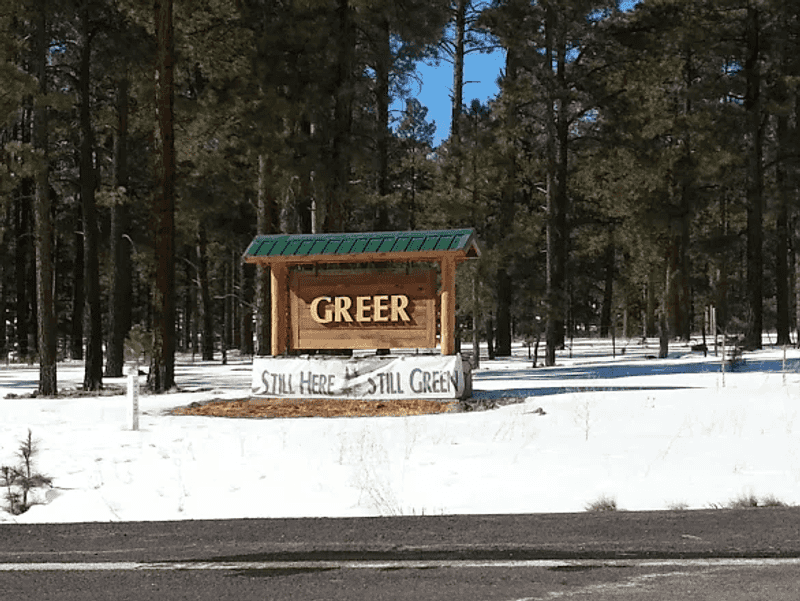
Before hikers and fly fishermen found Greer, this part of the White Mountains was home to the White Mountain Apache Tribe for centuries.
The town began to form in the late 1800s, when Mormon pioneer families moved in looking for farmland and cooler weather.
The Greer family, who gave the town its name, was among the earliest settlers.
Early life in this high mountain valley was not easy.
Winters were long and harsh, the growing season was short, and the nearest supply town was a serious journey away.
Yet the families who stayed built a community that has quietly endured for well over a century.
Does knowing the backstory of a place change how you experience it? In Greer, it absolutely does.
Today, Greer is still unincorporated, meaning it has no formal town government.
It remains a census-designated place in Apache County, Arizona 85927, with a permanent population of only a few dozen residents.
That small population is part of what keeps Greer feeling so genuine.
There is no tourism machine running here, just real history sitting quietly in a beautiful mountain valley.
Hiking Trails That Actually Reward You
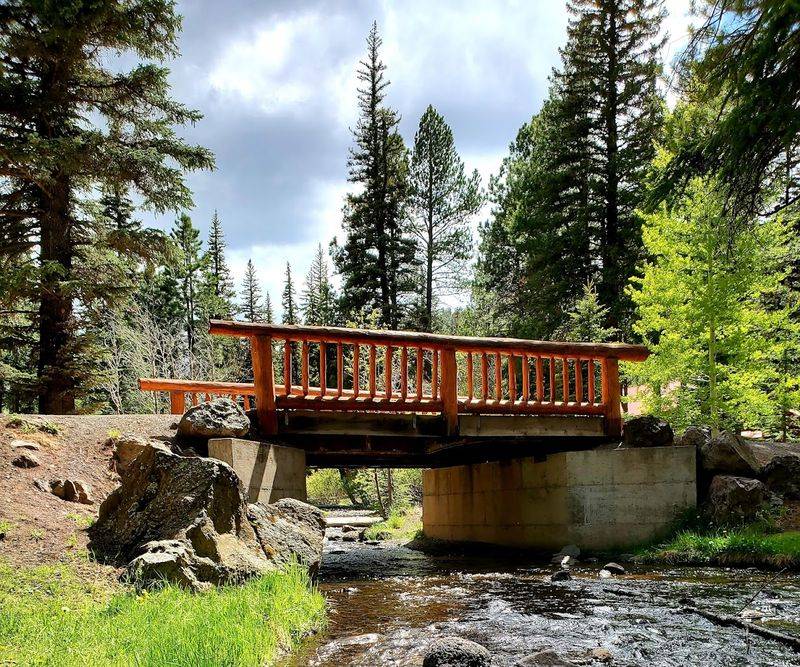
Pull on your hiking boots and get ready, because the trails around Greer are genuinely some of the most rewarding in the entire state of Arizona.
The variety here is impressive for such a small community.
The West Fork Trail follows the Little Colorado River through a lush riparian corridor full of willows, wildflowers, and the occasional great blue heron standing motionless in the shallows.
It is a relatively flat trail, making it accessible for families and casual walkers.
For those wanting more elevation gain and bigger views, the surrounding Apache-Sitgreaves National Forest offers longer routes that climb through spruce-fir forests and open onto sweeping ridge views of the White Mountains.
Mount Baldy, one of the highest peaks in Arizona at over 11,000 feet, is within driving distance and offers a challenging but spectacular hike.
What kind of hiker are you, someone who wants a gentle stroll or a full-day mountain challenge? Greer has both waiting for you.
Wildlife sightings on these trails are common and genuinely exciting. Mule deer, elk, wild turkey, and even black bear have been spotted in this region.
Birdwatchers will find the area especially rewarding, as the White Mountains host a remarkable variety of species including the rare northern goshawk.
The trails here do not feel overrun or commercialized.
Most days, you can walk for an hour without passing another soul, which is a rare and wonderful thing in modern travel.
Fishing In The Little Colorado River Headwaters
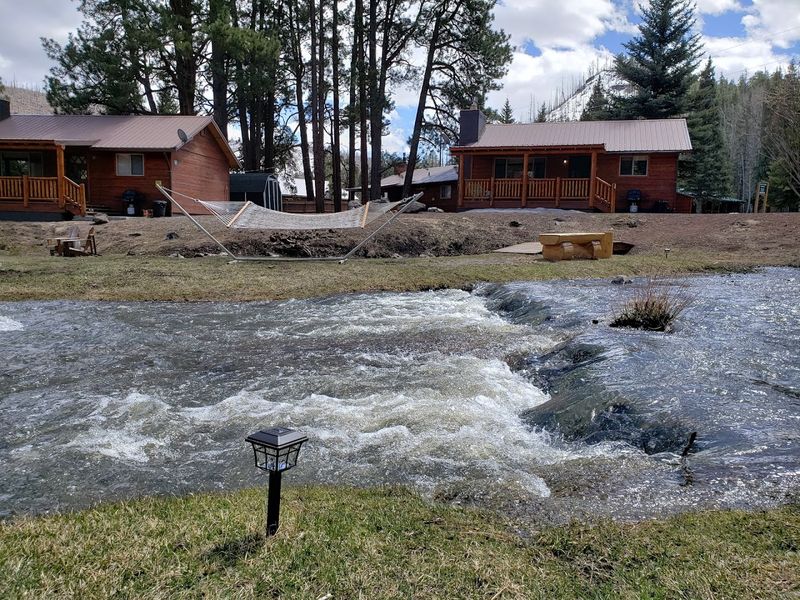
There is something almost meditative about standing in a cold, clear stream with a fly rod in your hand and nothing but birdsong around you.
In Greer, that experience is not a fantasy, it is a Tuesday morning.
The Little Colorado River originates near Greer, and its headwaters offer some of the finest trout fishing in Arizona.
Rainbow trout and brown trout are the main targets here, and the fish are healthy and well-established in these cold, oxygen-rich waters.
The Arizona Game and Fish Department regularly stocks streams in this area, so anglers of all experience levels have a genuine shot at a good catch.
That said, the fishing here rewards patience and skill, especially for those using traditional fly fishing techniques.
The meadows along the river banks are wide and open, giving anglers plenty of room to cast without fighting through dense brush.
Early morning is the best time to fish here, when the mist still sits low over the water and the light comes through the trees at a perfect golden angle.
Fishing licenses are required in Arizona and are available through the Arizona Game and Fish Department.
If you are visiting Greer and you enjoy the outdoors, bring a rod. You will not regret it.
Where To Stay When You Get There
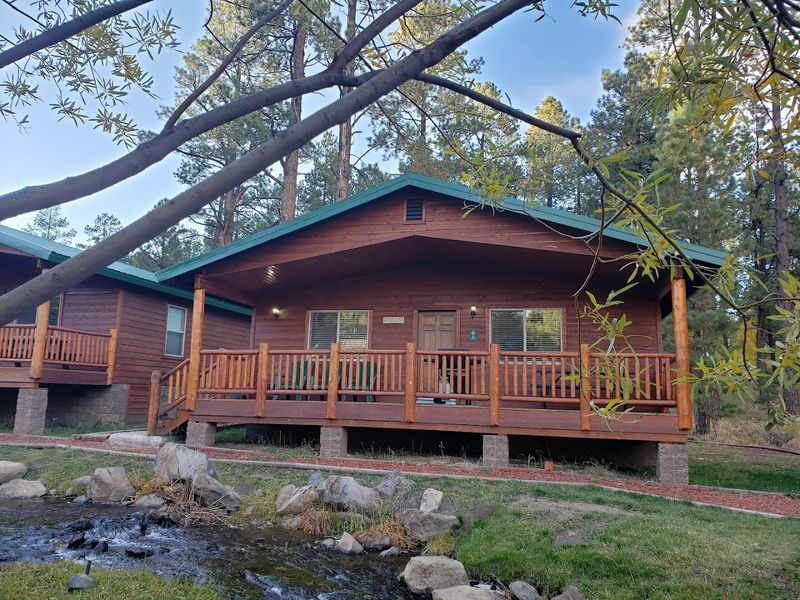
One of the most charming things about visiting Greer is that your accommodation options are almost as scenic as the destination itself.
This is not a place where you stay in a chain hotel and stare at a parking lot.
Greer is home to a small collection of rustic cabins, cozy lodges, and quiet bed and breakfast options that fit the mountain setting perfectly.
Many of the cabins are privately owned vacation rentals that sit directly along the river or inside the forest, giving guests an immediate connection to the natural environment.
The Greer Lodge Resort and Cabins is one of the most well-known properties in the area, offering comfortable accommodations right on the Little Colorado River.
Waking up to the sound of a mountain stream outside your window is the kind of morning routine that changes your perspective on travel.
The small number of lodging options is actually part of the appeal.
It means Greer never feels overrun, and the people who make it here tend to be the kind of travelers who truly appreciate what the place offers.
That creates a very specific and very enjoyable atmosphere.
Fall Colors That Rival New England
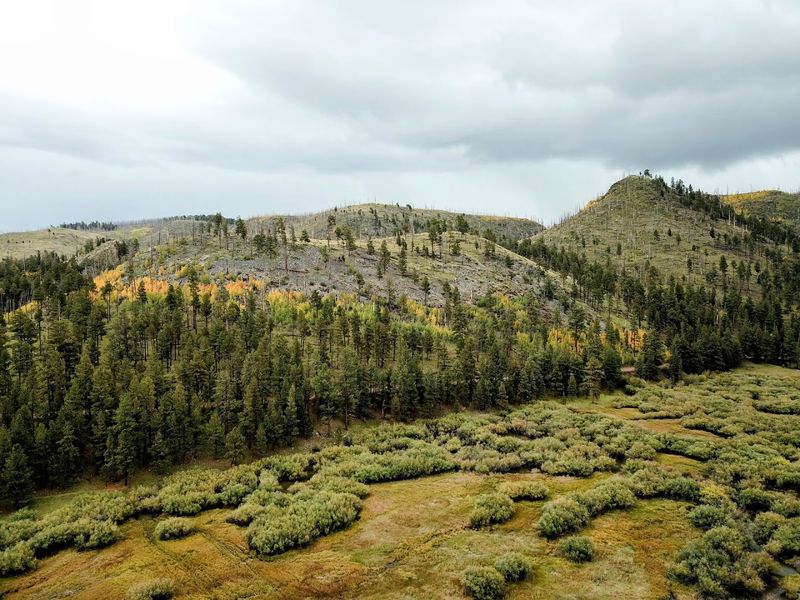
Arizona is not famous for fall color, but that means many people miss one of the Southwest’s best autumn displays.
Each year, the aspens around Greer and the White Mountains turn bright shades of gold and yellow.
Against the white trunks and dark green pines, the colors really stand out.
Peak foliage in the Greer area typically occurs in late September through mid-October, depending on the year and the weather patterns leading into fall.
Visiting during this window is one of the most visually rewarding experiences the White Mountains have to offer.
The roads leading into Greer, particularly Arizona State Route 373, pass through stretches of aspen and pine that become genuinely spectacular in fall.
Photographers make special trips here just for the light and the color during this season.
The cool temperatures during fall also make outdoor activities especially enjoyable.
Hiking, picnicking, and simply driving through the forest all feel more comfortable when the air has that crisp, clean edge that only October in the mountains can deliver.
Plan your visit and bring a camera with a full memory card.
Animal Encounters You Will Not Forget
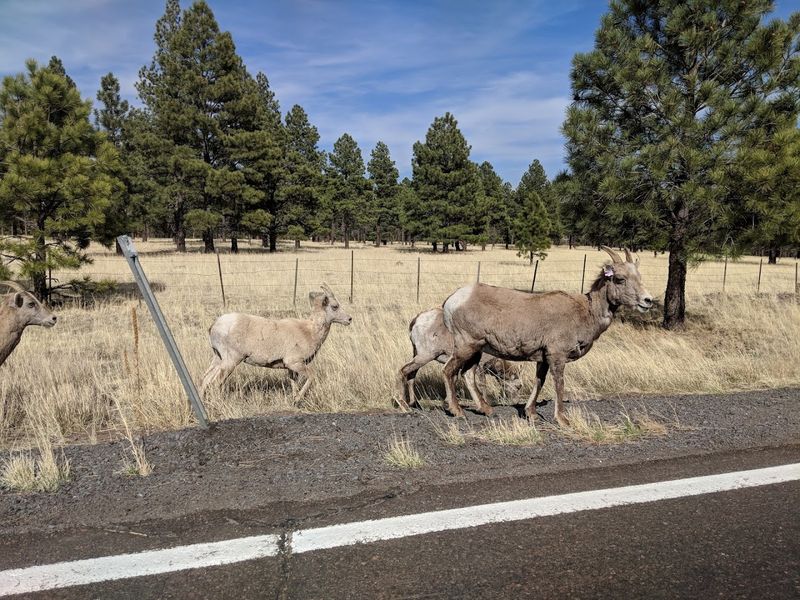
The White Mountains are one of the most wildlife-rich regions in the entire American Southwest, and Greer sits right at the heart of that abundance.
Coming here and not seeing at least one remarkable animal would honestly take some effort.
Elk are the showstoppers of the region.
The Rocky Mountain elk population in the White Mountains is one of the largest and healthiest in the United States, and sightings near Greer are extremely common.
Early morning and dusk are the best times to spot them grazing in the open meadows around town.
Mule deer are a near-daily sight, often wandering along roadsides and into the edges of meadows without much concern for nearby humans.
Wild turkey flocks cross the forest roads with remarkable confidence, and pronghorn antelope can sometimes be spotted in the more open terrain nearby.
Birdlife here is extraordinary for serious birders.
The White Mountains are home to many high-elevation animals and birds.
Bird lovers often come here hoping to spot species like the Mexican spotted owl, olive warbler, and red-faced warbler.
Black bears also live in the forest, so it is important to store food properly when camping or staying in cabins.
Respecting wildlife helps keep both people and animals safe.
Planning Your Trip To Greer The Right Way
Getting to Greer requires a bit of commitment, and that is honestly part of the reason it stays so unspoiled.
The drive from Phoenix takes approximately three and a half hours, heading east on US-60 and then north through the White Mountains on Arizona State Route 260 and then State Route 373 into Greer.
The final stretch of road into town, Route 373, winds through a beautiful pine forest and gives you a clear signal that you are leaving the ordinary world behind.
It is a paved road and accessible to standard vehicles year-round, though winter driving requires caution and snow chains or all-wheel drive may be advisable in heavy snow conditions.
The best seasons to visit are late spring through early fall for hiking and fishing, and late September through October for fall foliage.
Winter visits are possible and magical if you enjoy snow, cross-country skiing, and peaceful solitude.
Pack layers regardless of when you visit.
Mountain weather can shift quickly, and temperatures drop significantly at night even in summer. Good hiking boots, sunscreen, and a reusable water bottle round out the essentials.
Greer, Arizona 85927 may be small and quiet, but it rewards every visitor who makes the effort to find it. The mountains are waiting, and the road up is worth every mile.