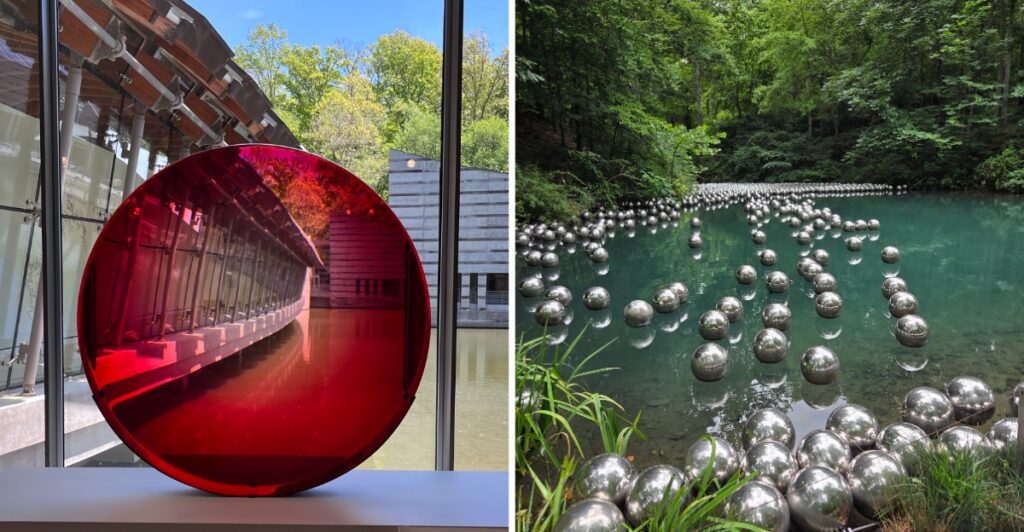
Art or trail? You may end up doing both before lunch.
This Arkansas museum makes switching easy. Step inside for American art, then head back out when the trees start calling. Ponds sit beside the buildings, sculptures pop up outside, and the trails keep pulling you a little farther.
Then you remember there is still more waiting indoors. That back-and-forth keeps the visit from feeling too formal, and general admission is free, which makes wandering even easier.
I already know how I would approach it. No strict plan. No racing through galleries.
Just follow whatever looks interesting next.
Because when the museum and the forest are both competing for your attention, choosing one feels unnecessary.
Art And The Ozarks Meet In One Peaceful Setting
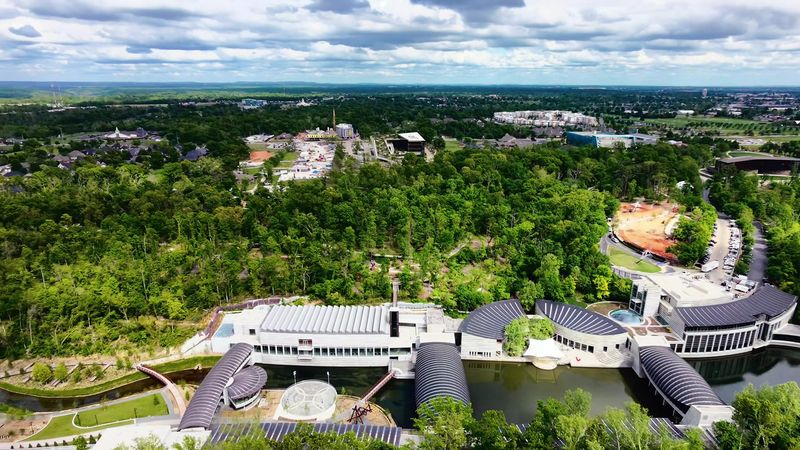
Most museums keep nature politely outside the front door. At Crystal Bridges, the Ozark forest practically walks right up to the windows and says hello.
Philanthropist and art collector Alice Walton founded the museum, and it opened on November 11, 2011. The museum brings art, architecture, and walking trails together in Bentonville.
The building sits in a wooded ravine, so you see trees, water, and sky from many of the galleries. The changing light gives you another detail to notice between paintings. You might study a painting, then glance outside and catch sunlight sparkling on a pond.
Around the museum, 134 acres of native Ozark forest create a calm backdrop for the whole experience. Paths, gardens, and sculptures fill the grounds, giving you reasons to linger outdoors as well as inside.
Plan for a mix of indoor and outdoor time, since the grounds deserve real attention. Comfortable shoes help, because the campus involves quite a bit of walking.
Weather can shape your day too, so check the forecast before heading out. A sunny morning makes the trails glow, while a rainy afternoon suits slow gallery browsing.
You can set your own pace, switching between indoor galleries and outdoor paths.
Moshe Safdie Built Bridges Across The Water
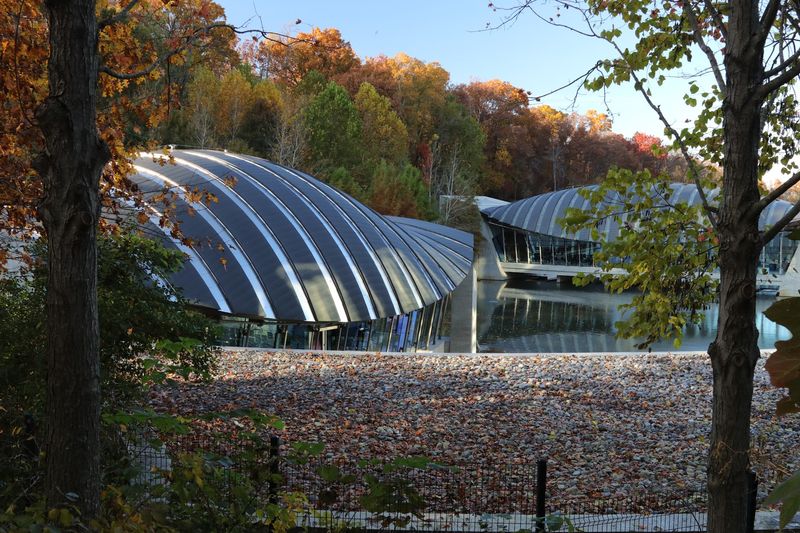
Can a building float? Not quite, but the bridge pavilions here come surprisingly close to looking that way.
Renowned architect Moshe Safdie designed the museum to blend with the surrounding Ozark landscape. Instead of flattening the land, he arranged the buildings around a series of spring-fed ponds.
Two signature bridge structures span those ponds, and they give the museum its most recognizable look. Their curved roofs echo the gentle shape of the hills nearby.
Inside, warm wood ceilings arch overhead while tall glass walls frame the water below. You can stand in a gallery and watch ripples move across the surface beneath your feet.
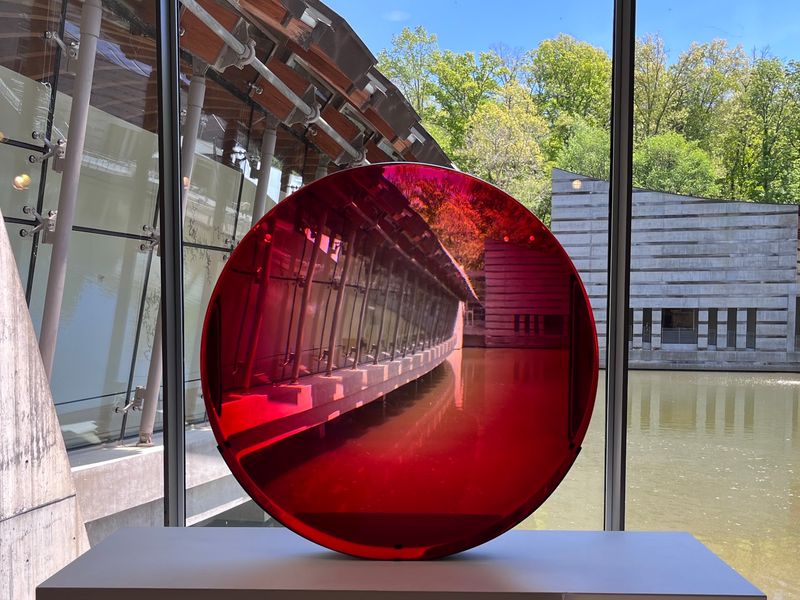
Calm water can create mirror-like reflections beneath the bridge structures. Early light and late afternoon light often bring out the richest colors in the wood and glass.
Take a moment to view the bridges from outside, too. From the trails and walkways, you can see how neatly the structures settle into the ravine.
Architecture fans could easily spend an hour here without looking at a single painting. Even a short circuit around the bridge pavilions offers different views of the architecture.
Which angle will you photograph first?
A Bubbling Spring Behind A Sparkling Name
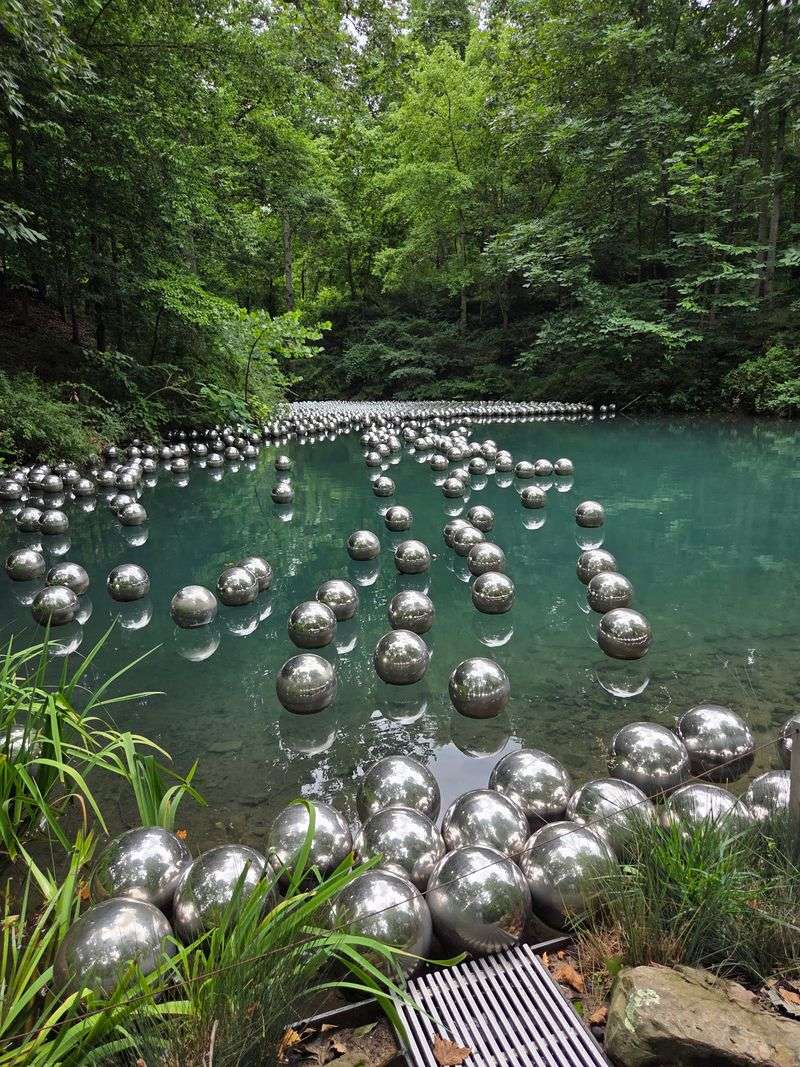
Here’s a fun bit of trivia to share on the drive home. The museum’s name comes from a real spring flowing right on the property.
Crystal Spring is a natural spring on the grounds, and it pairs with the bridges in the architecture to form the name Crystal Bridges. The spring and the bridges are both visible parts of the museum grounds.
The spring produces roughly 100 to 125 gallons of fresh water per minute. The flow is steady even though the surrounding woodland can seem still.
Water from the spring helps feed the ponds that the bridge pavilions cross. So when you admire those reflections, you’re seeing the spring’s work in action.
Listen closely as you explore nearby paths. Moving water adds a soft, steady sound that makes the woods feel even more relaxing.
You can follow the Crystal Spring Trail to visit the spring itself. Turning it into a small quest can keep young legs moving between galleries.
Some museums borrow their names from donors or streets. This one took its name from a spring that keeps flowing, day after day, long after the crowds head home.
Five Centuries Of American Stories On The Walls
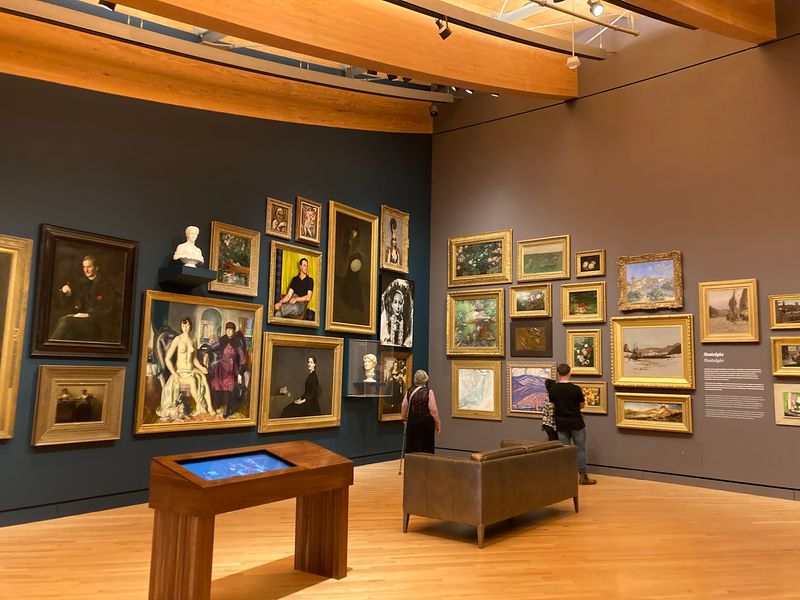
From colonial portraits to bold modern works, the galleries cover a remarkable stretch of American history. You can travel five hundred years without ever needing a passport.
The permanent collection spans five centuries of American art, moving from early American works to contemporary pieces. Walking through it feels a bit like flipping through a giant visual storybook.
Early galleries help you picture how people lived and saw themselves long ago. Later rooms shift toward fresh styles, brighter experiments, and art that might make you tilt your head.
The mix allows you to choose a familiar period or spend time with art that is new to you.
Try pacing yourself instead of racing through every room. Pick a few works that grab you and spend real time with them.
Ask yourself simple questions as you go. What would it feel like to stand inside this scene, and why did the artist choose these colors?
Temporary exhibitions also rotate through, so the experience can shift between visits. Checking what’s showing before you arrive helps you plan your time.
Leave some time for the more recent works rather than rushing through the last galleries.
Sculptures Waiting Around Every Trail Bend
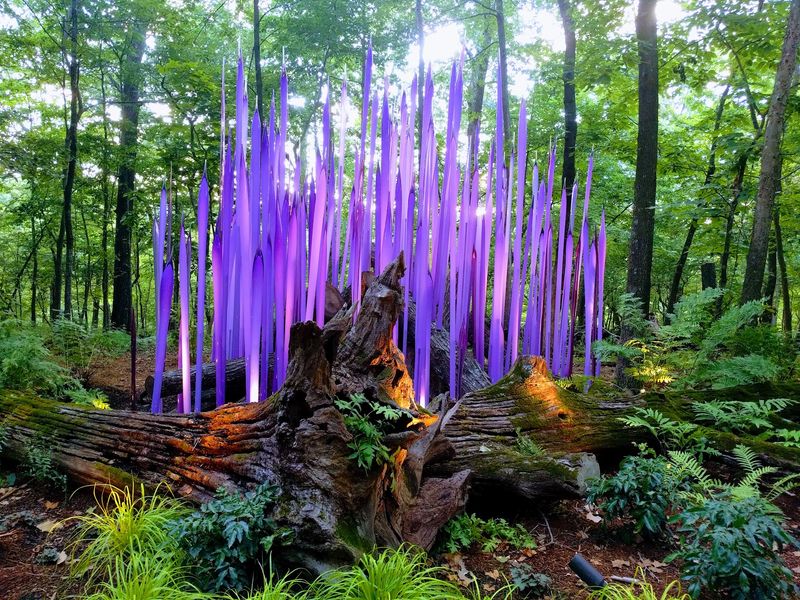
Crunching leaves underfoot, birdsong overhead, and then suddenly a sculpture appears between the trees. Trailside sculpture gives you a reason to look beyond the next turn.
More than five miles of walking and sculpture trails wind through the museum grounds. Outdoor sculptures, woodland paths, landscaped gardens, and native plants all share the space.
The North Forest Trail forms a 1.4-mile loop if you want a longer walk. Along the way, you’ll pass outdoor sculptures and flowering dogwood trees.
Spring visits can be especially pretty when the dogwoods bloom, though timing varies each year. Autumn brings its own show as Ozark leaves turn warm shades of gold and red.
Want a longer stroll? The Crystal Bridges Trail connects the museum grounds with downtown Bentonville, so you can walk or bike between the two.
Trails and grounds are generally open daily from sunrise to sunset. Bring water on warm days, since the hills and shade can still leave you thirsty.
Wear shoes with decent grip, especially after rain. Some paths include slopes that feel steeper than they look.
Go slowly and keep your eyes moving. Look along the path for artworks placed among the trees.
Some routes are paved and suitable for walking or cycling, while others include steeper slopes, steps, or more uneven footing.
Choose a path that suits your shoes, your pace, and the amount of time you have. You can enjoy a short stroll or keep going into the surrounding woods.
Frank Lloyd Wright Left His Mark In The Woods
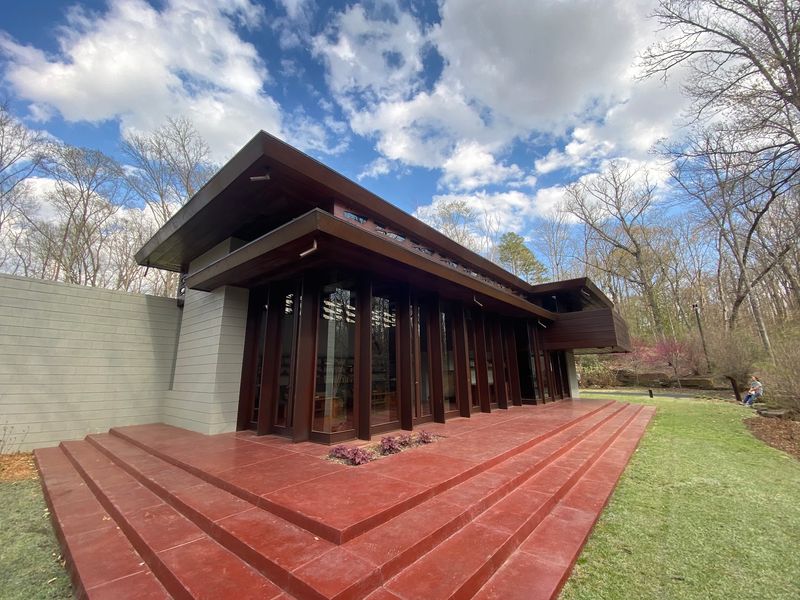
Who expects to find a Frank Lloyd Wright house in an Arkansas forest? Yet the Bachman-Wilson House sits right on the museum grounds.
The famous architect designed this home, which was originally built in 1954. It now gives visitors a rare chance to see his ideas up close.
Wright loved buildings that felt connected to nature. Long, low lines and generous windows help this house feel at ease among the trees.
Inside, notice the scale of the rooms, the flow of space, and how natural light enters through the glass.
Notice the low rooflines and the way the house connects interior rooms with the grounds.
Entry to the house requires a free ticket for self-guided visits, so reserve a time before your visit. Availability can change, especially on busy weekends and holidays.
Pair the house with a nearby trail walk to round out the outing. The combination of mid-century design and leafy scenery feels wonderfully calm.
The house adds a different scale of architecture to a day centered on the larger museum buildings.
The Bachman-Wilson House was originally built in New Jersey in 1954 and moved to the museum grounds in 2015. Its Usonian design uses compact living spaces and long horizontal lines, making it a useful contrast to the museum’s large, curving pavilions.
Free Entry Makes Art Easy To Enjoy
Good news for your travel budget arrives right at the front door. General admission to the permanent collection costs nothing at all.
That open-door approach lets families, students, and curious travelers enjoy the collection without worrying about ticket prices. You can stop for a short gallery visit or set aside several hours for the wider campus.
Some temporary exhibitions do require tickets, and prices can vary by show. It’s smart to check current exhibitions before your trip if a special display catches your eye.
If your schedule is tight, choose a few galleries and one outdoor trail rather than trying to cover the entire property.
Allow several hours if you want to explore both the galleries and the grounds. Arriving earlier gives you more time on the trails before afternoon crowds build.
Parking can fill up on holidays and busy days, so a little patience helps. Walking in from downtown along the connecting trail offers a scenic alternative.
Bring a light jacket for cooler galleries and a sense of curiosity for everything else. Art, architecture, water, and woods all wait in one welcoming campus at 600 Museum Way, Bentonville, AR 72712.
The museum is normally closed on Tuesdays, while the trails and grounds generally remain open from sunrise to sunset. Gallery hours differ on some evenings, so check the schedule when deciding whether to start indoors or outside.