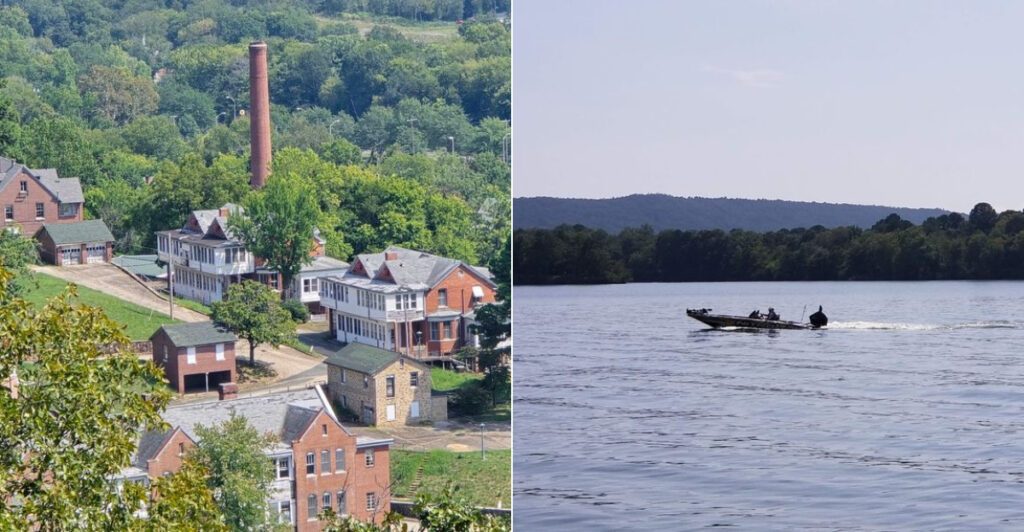
Arkansas can flip your expectations fast. One minute you are thinking of a small-city getaway, and the next you are looking at historic bathhouses, mountain views, natural springs, and a downtown with real energy.
It hits you all at once. The setting is beautiful, the pace is comfortable, and the city has far more character than people expect before they arrive.
Compared with bigger cities and trendier mountain towns, the cost of living feels refreshingly manageable. That balance is a big part of the draw.
This is not just a place that looks good in photos. It is a place that feels easy to picture yourself in. For anyone searching for value, charm, and a little surprise factor, Arkansas makes a very strong case right here.
A City Built On Hot Water
Long before Hot Springs became a city, people were already making the journey to reach its steaming waters. Native Americans considered this land neutral ground, a place where rival tribes could gather peacefully around the springs.
The water here reaches temperatures of around 143 degrees Fahrenheit as it rises from deep underground. It has been flowing at this temperature for thousands of years, and scientists believe the rainwater that feeds the springs fell roughly 4,400 years ago.
Hot Springs, Arkansas sits at the edge of Hot Springs National Park, making it one of the only American cities to border a national park so directly. The park protects 47 hot springs along the southwestern slope of Hot Springs Mountain.
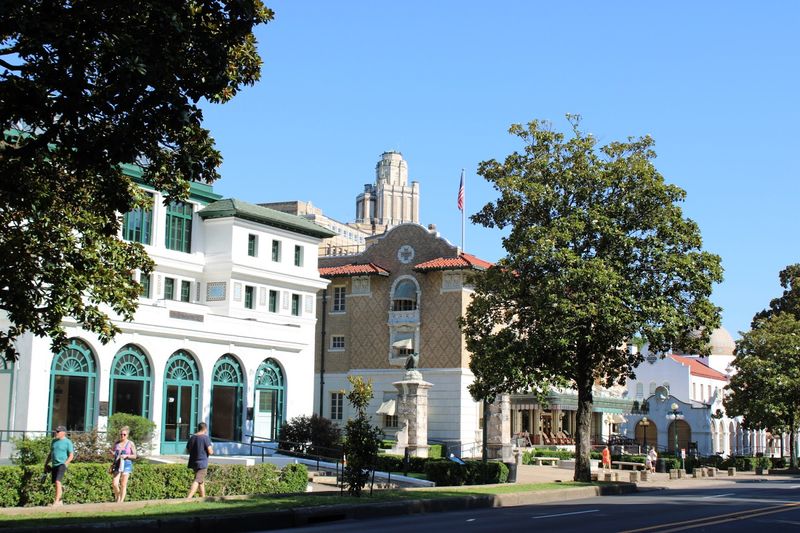
Bathhouse Row, the iconic strip of eight historic bathhouses along Central Avenue, still stands as one of the most architecturally impressive stretches in the entire South. Some bathhouses operate today as spas, breweries, or cultural venues.
The city grew up around these waters, attracting everyone from presidents to baseball legends. That legacy shaped a place with serious historical bones and a surprisingly modern spirit to match.
Where History Gets A Warm Welcome
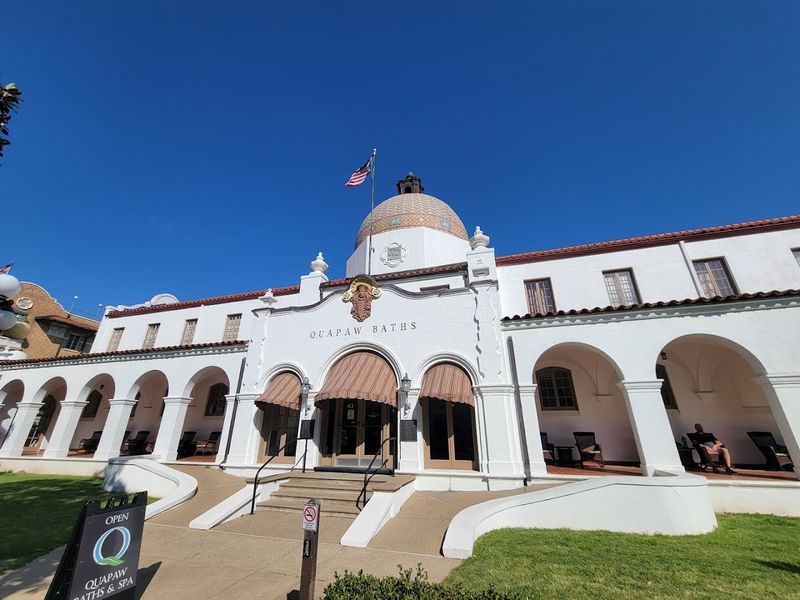
Walking along Central Avenue feels like flipping through an architecture textbook, but the kind you actually want to read. Bathhouse Row lines up eight beautifully preserved structures from the late 19th and early 20th centuries, each one more elaborate than the last.
The Fordyce Bathhouse is the crown of the row. Built in 1915, it features stained glass ceilings, a marble lobby fountain, and ornate tile work that would look at home in a European palace.
Today it serves as the official visitors center and museum for Hot Springs National Park.
Buckstaff Baths has been operating continuously since 1912, making it the longest-running bathhouse on the row. You can still book a traditional thermal bath there, complete with attendants and the full vintage experience.
The Quapaw Bathhouse offers a more modern spa experience while keeping its original 1922 building intact. It features multiple thermal pools, steam rooms, and private bath options for every budget.
Each building tells a different story, and together they create one of the most complete examples of spa resort architecture still standing anywhere in the United States.
National Park Right In The Backyard
Most national parks require a road trip to reach. Hot Springs National Park is different.
It starts at the edge of downtown and stretches across more than 5,500 acres of forested Ouachita Mountain terrain.
The park offers over 26 miles of hiking trails ranging from short, paved promenades to longer forested paths that climb to scenic overlooks. The Hot Springs Mountain Tower gives visitors a panoramic view of the surrounding mountains and the city below.
Families with young kids will appreciate the accessibility here. Many trails are gentle and well-maintained, making them easy to enjoy without serious gear or preparation.
The park is free to enter, which fits perfectly with the budget-friendly spirit of the whole city.
One of the most unique features is the open jug springs near the visitor center where locals and tourists alike fill containers with naturally flowing thermal water. It is free, it is warm, and it has become a beloved local ritual.
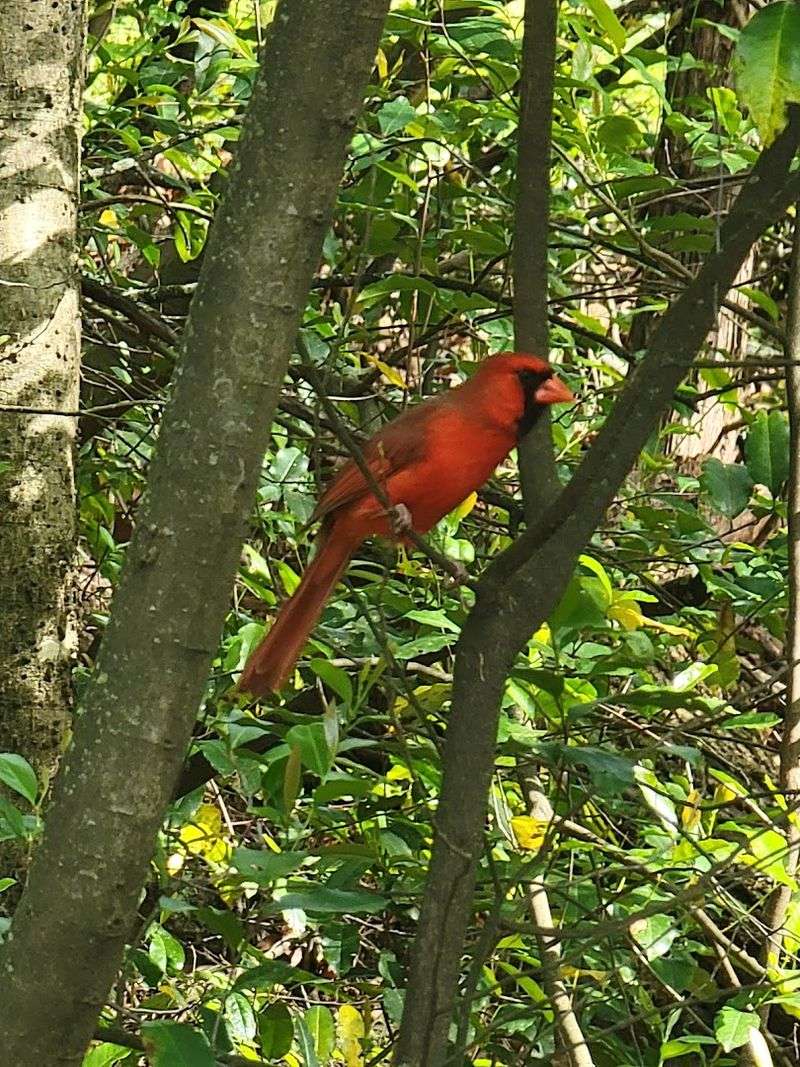
The park also protects a rich variety of wildlife, including white-tailed deer, wild turkey, and numerous bird species. Birdwatchers find it especially rewarding during spring migration season.
The Cost Of Living That Makes People Do A Double Take
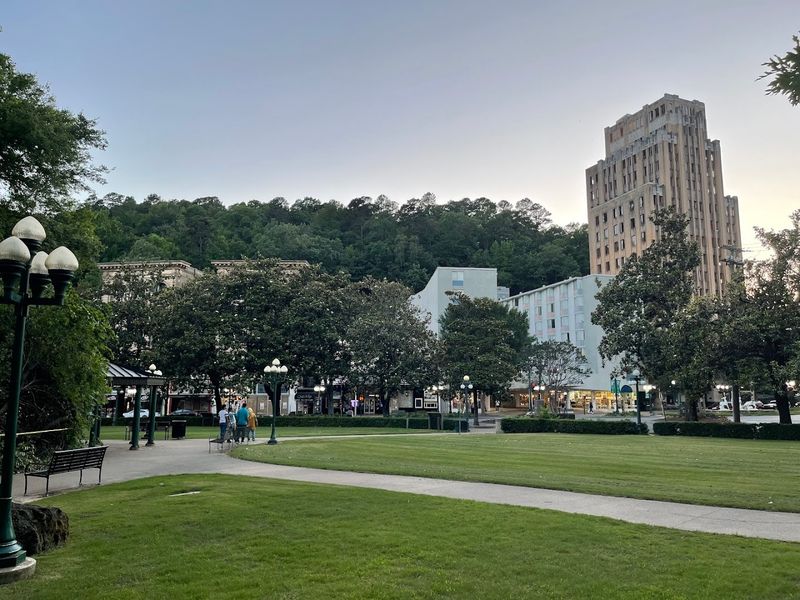
Numbers tell an honest story here. The cost of living in Hot Springs, Arkansas runs significantly below the national average, and that gap shows up in ways that matter to everyday life.
Housing is the biggest surprise. You can find well-maintained homes with multiple bedrooms and outdoor space for prices that would barely cover a studio apartment in many larger American cities.
The median home price sits comfortably within reach for middle-income buyers and retirees on fixed incomes.
Groceries, utilities, and healthcare costs also track below national averages. For families, retirees, or remote workers looking to stretch their income further, Hot Springs offers a compelling financial case without asking you to sacrifice quality of life.
The city has attracted a growing number of remote workers in recent years. Fast internet access, affordable housing, and a walkable downtown make it practical as well as pleasant.
Arkansas has no estate tax and relatively low property taxes, which adds another layer of financial appeal for long-term residents and retirees planning ahead.
Local restaurants, farmers markets, and independent shops give residents access to fresh food and quality goods without premium city pricing. A full meal at a well-regarded local spot rarely breaks the bank.
An Arts Scene That Earns Its Reputation
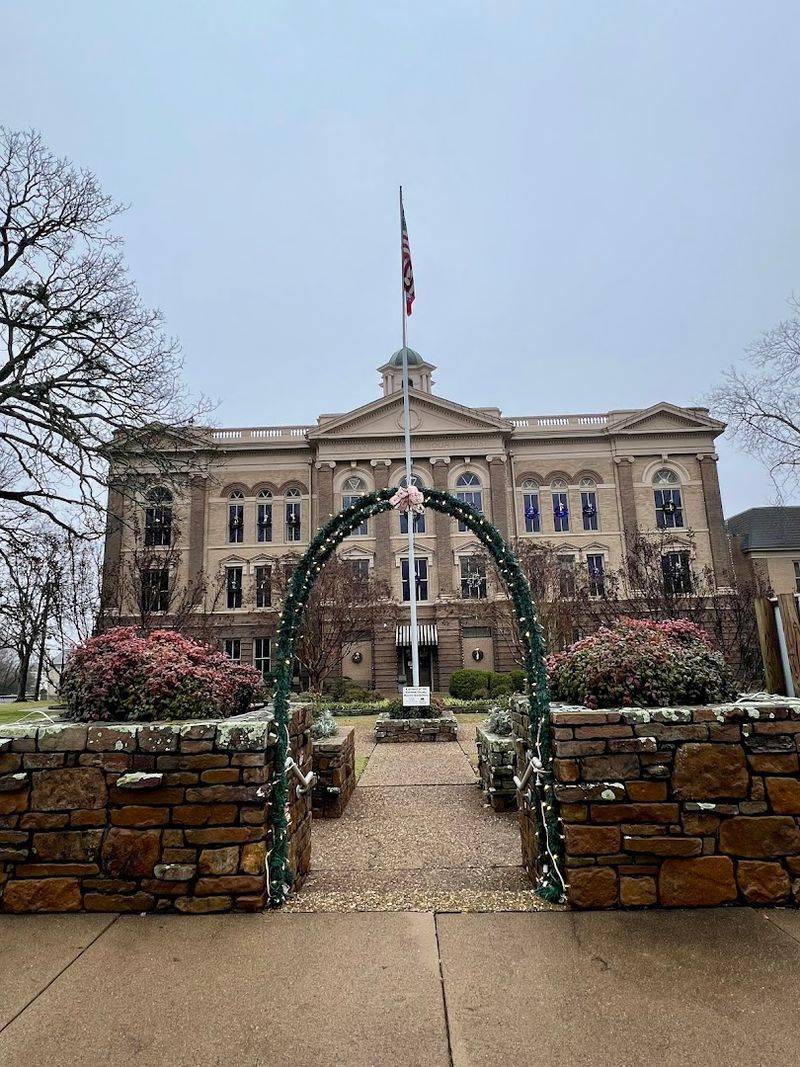
For a city of roughly 38,000 people, Hot Springs punches far above its weight when it comes to arts and culture. The creative community here is active, visible, and genuinely welcoming to newcomers.
The Hot Springs Documentary Film Festival is one of the oldest and most respected documentary film festivals in North America. It draws filmmakers and film lovers from across the country every October, turning the downtown into a lively hub of screenings, panels, and conversation.
The Arts and Grounds Center, located in the historic Garland County Courthouse, hosts rotating exhibitions from regional and national artists. The building itself is worth a visit for its architecture alone.
Gallery Walk events happen regularly in the downtown area, giving local artists a platform and giving visitors a free, enjoyable way to spend an evening. Studios, galleries, and pop-up spaces spread across several blocks on these nights.
The Emergent Arts Center supports working artists with studio space, workshops, and community programming. It reflects a broader commitment in Hot Springs to nurturing creative talent rather than just celebrating it from a distance.
Street murals have transformed several downtown walls into open-air canvases. Walking through the city becomes an unplanned gallery experience, with new pieces appearing regularly as the mural program continues to grow.
Lake Hamilton And The Outdoor Life
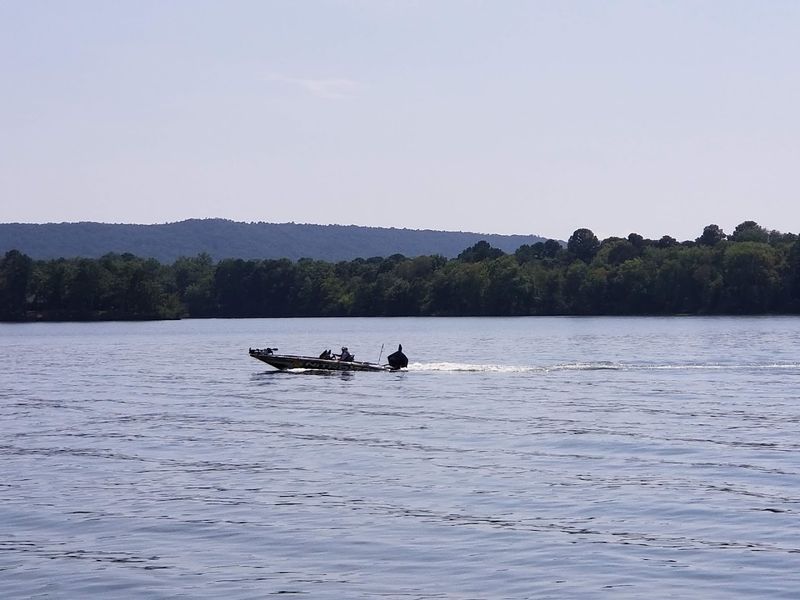
Water is everywhere in Hot Springs, and not just the thermal kind. Lake Hamilton stretches across more than 7,000 acres just south of the city, offering boating, fishing, swimming, and lakeside living at prices that feel almost too good to be true.
The lake is lined with restaurants, marinas, and waterfront homes that give the whole area a resort-town energy without the resort-town price tag. Renting a pontoon boat for the afternoon is a popular local tradition, and it is easy to see why once you are out on the water.
Fishing on Lake Hamilton is productive year-round. Bass, crappie, catfish, and bream are all common catches, making it a reliable destination for anglers of all skill levels.
Local guides are available for those who want a more structured fishing experience.
Lake Catherine and Lake Ouachita are both nearby, expanding the options even further. Lake Ouachita is consistently ranked among the clearest lakes in the entire country, with visibility that draws snorkelers and divers as well as boaters.
The surrounding shoreline also supports a network of parks and trails. DeGray Lake Resort State Park is within easy driving distance and adds camping, golf, and more hiking to the mix.
Small Streets, Big Personality
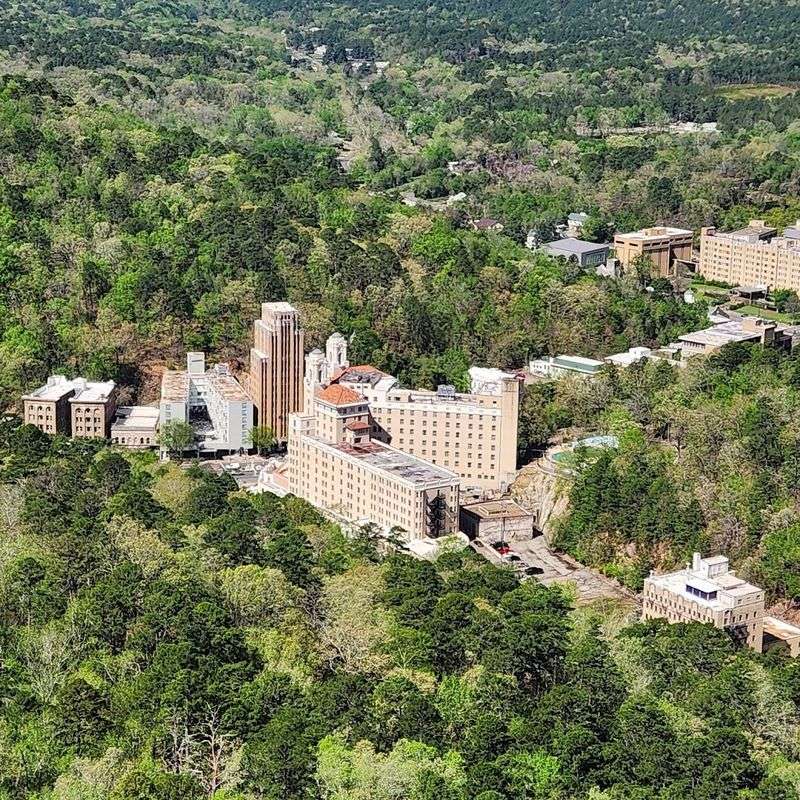
Central Avenue is the spine of downtown Hot Springs, and it rewards slow walkers. The street runs between forested mountain slopes and a row of historic buildings that house everything from antique stores to art galleries to beloved local restaurants.
The downtown area has maintained its historic character while welcoming new businesses that add energy without erasing the past. That balance is hard to achieve, and Hot Springs has managed it better than most small American cities.
Local dining here leans toward comfort food with serious personality. Restaurants like McClard’s Bar-B-Q have been feeding loyal crowds for generations, and the lines out the door on weekends speak for themselves.
The Quapaw Quarter neighborhood, just east of downtown, preserves a remarkable collection of Victorian-era homes. Walking tours through the area offer a close look at the architectural history of the city and the families who shaped it.
Antique hunting is a genuine sport in Hot Springs. The density of shops carrying vintage furniture, collectibles, and curiosities makes it a destination for serious collectors and casual browsers alike.
The farmers market runs seasonally and fills a downtown parking area with local produce, handmade goods, and community spirit every Saturday morning.
Practical Tips For Your First Visit
Planning a trip to Hot Springs, Arkansas is straightforward, and the city rewards visitors who give themselves at least two full days to explore. One day simply is not enough.
The best time to visit is spring or fall. Temperatures are comfortable, the mountain foliage is beautiful, and crowds are manageable.
Summer brings heat and higher humidity, but the lakes make that very easy to handle.
Winter is mild by most standards and surprisingly quiet, which suits visitors looking for a peaceful retreat.
Parking downtown is generally easy and inexpensive. Most of the main attractions along Central Avenue and Bathhouse Row are within comfortable walking distance of each other, so you can leave the car and explore on foot.
Book thermal bath appointments in advance, especially if you are visiting on a weekend. Buckstaff Baths and the Quapaw Bathhouse both fill up quickly during peak seasons, and the experience is worth planning ahead for.
Hot Springs National Park charges no entrance fee, which means you can hike, visit the Fordyce Bathhouse museum, and fill up a jug at the open springs without spending a dollar.
The city is located about 55 miles southwest of Little Rock, making it an easy day trip or weekend getaway from the state capital. Bill and Hillary Clinton National Airport in Little Rock is the nearest major airport.