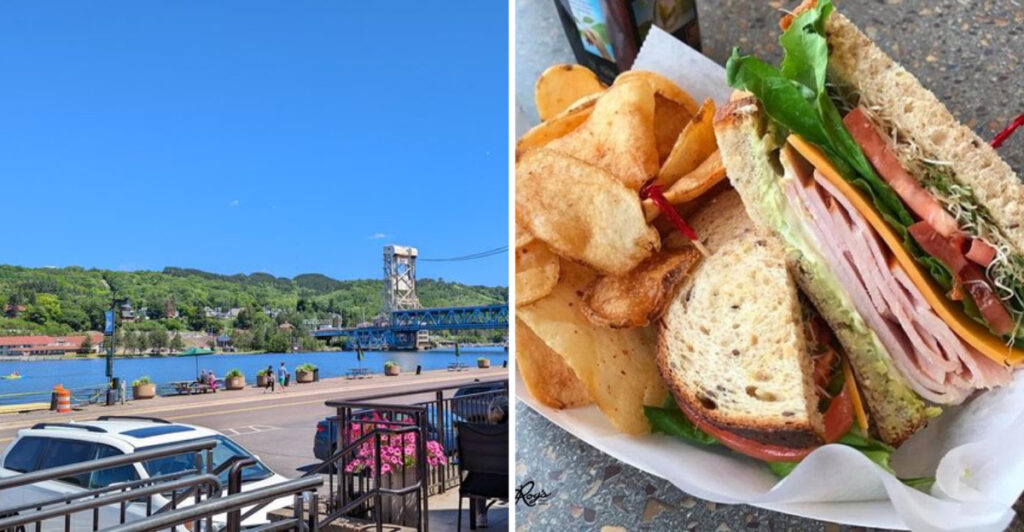
Here’s a piece of advice: do not walk into this bakery pretending you only need one loaf.
Nisu brings the cardamom. Rye brings the caraway. Brioche sits there looking far too pleased with itself.
Then the pasties show up and make lunch plans for you. Michigan has created a serious bread situation on the waterfront.
The cases stay packed with loaves made for soup, sandwiches, and whatever excuse gets another one into your bag. Specials change through the week, so even Wednesday gets something to brag about.
And the pastries? They are not helping.
Michigan travelers should bring a sturdy tote and a friend who will split a pasty without starting negotiations.
The canal gives you something pretty to look at. The ovens keep interrupting.
You came for bread. So why is the passenger seat holding breakfast, lunch, and half of tomorrow?
A Father And Son Started With One Pasty Recipe
Every bakery needs flour. This one also needed a homecoming.
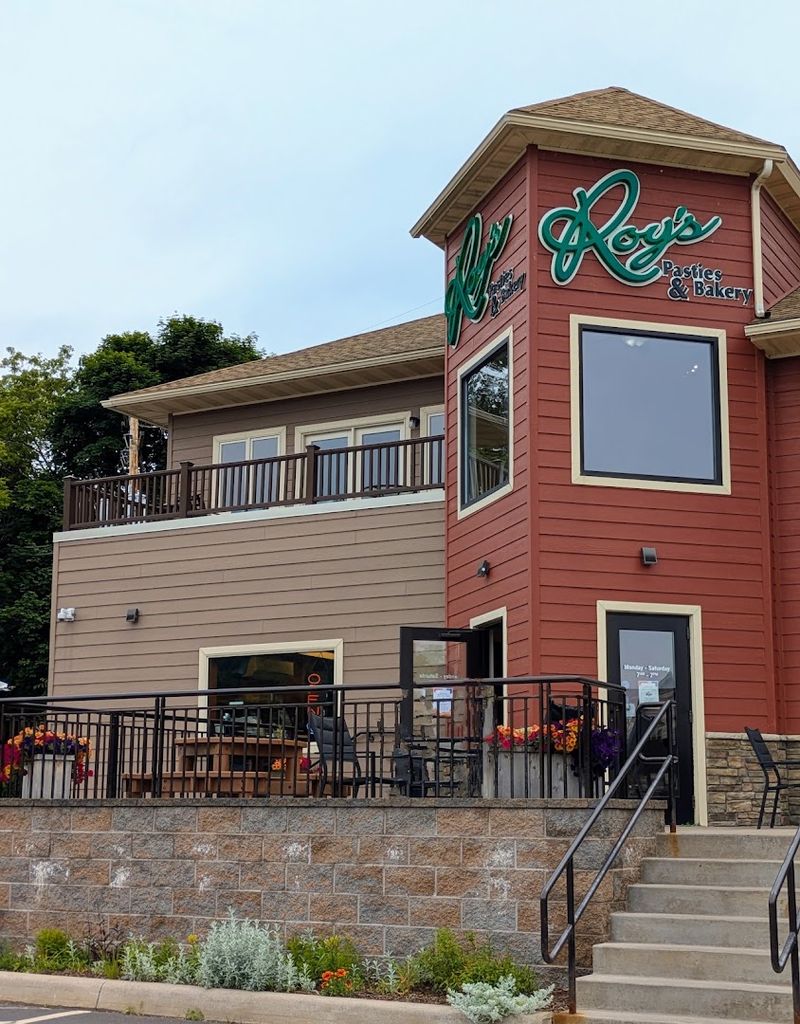
Roy Narhi returned to Houghton from Minneapolis in 2001 and opened a family bakery with his father, Sheldon. The first shop operated on Sharon Avenue under the name Sheldon’s Bakery, honoring the pasty recipe that helped start the business.
Local demand arrived quickly. Products often sold out by early afternoon, which is flattering until the empty racks begin asking how tomorrow’s dough will fit in the same room.
Sheldon retired in 2005, and Roy renamed the business Roy’s Pasties & Bakery. The new name widened the spotlight without pushing the family pasty aside.
Bread, sweets, soups, sandwiches, and cakes kept joining the menu while the bakery learned exactly how much Houghton could eat before lunch.
The original storefront covered roughly 2,000 square feet. That sounded reasonable until the ovens, customers, cooling racks, and ambitious pastry plans began competing for elbows
A Waterfront Bakery Gave The Ovens More Elbow Room
The old location ran out of space. The Portage Canal offered a much prettier answer.
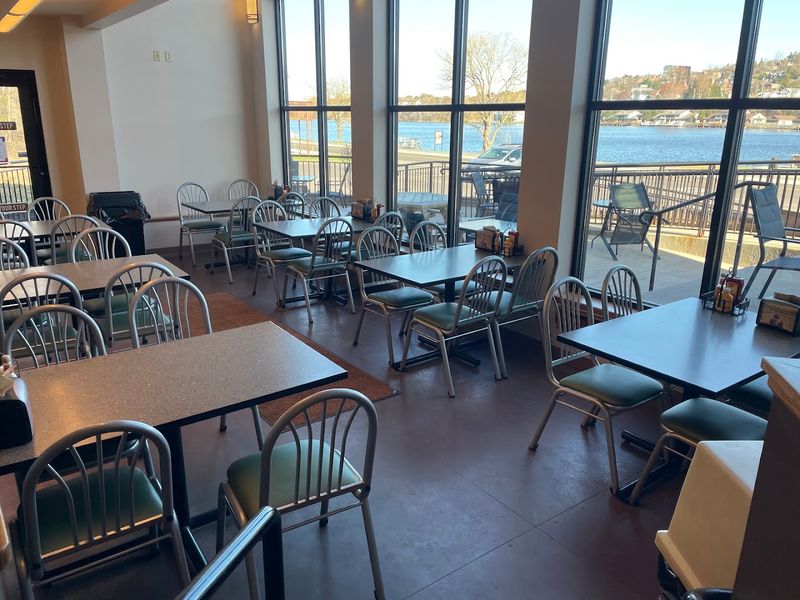
At 305 West Lakeshore Drive in Houghton, Roy’s operates from a two-story, 6,600-square-foot building opened in 2013. The project replaced a deteriorated waterfront structure with a larger bakery built using local architects, engineers, and contractors.
The move expanded production with a rack oven system and gave customers far more room to sit. It also added an outdoor patio beside the canal, where coffee and baked goods can compete with boats for your attention.
Roy Narhi and Trisia Kappler had begun working together on the business before the move, refining products, labor, and costs while searching for a larger home. They celebrated the completed chapter by holding their wedding reception in the new bakery that December.
That may be the only construction project improved by cake before the dust had fully settled.
Today, the bakery case, lunch counter, indoor seating, and waterfront views share one address without feeling crowded.
Nisu Keeps Finnish Coffee Bread On The Daily Shelf
Cardamom does not enter quietly. It arrives smelling like somebody remembered the good tablecloth.
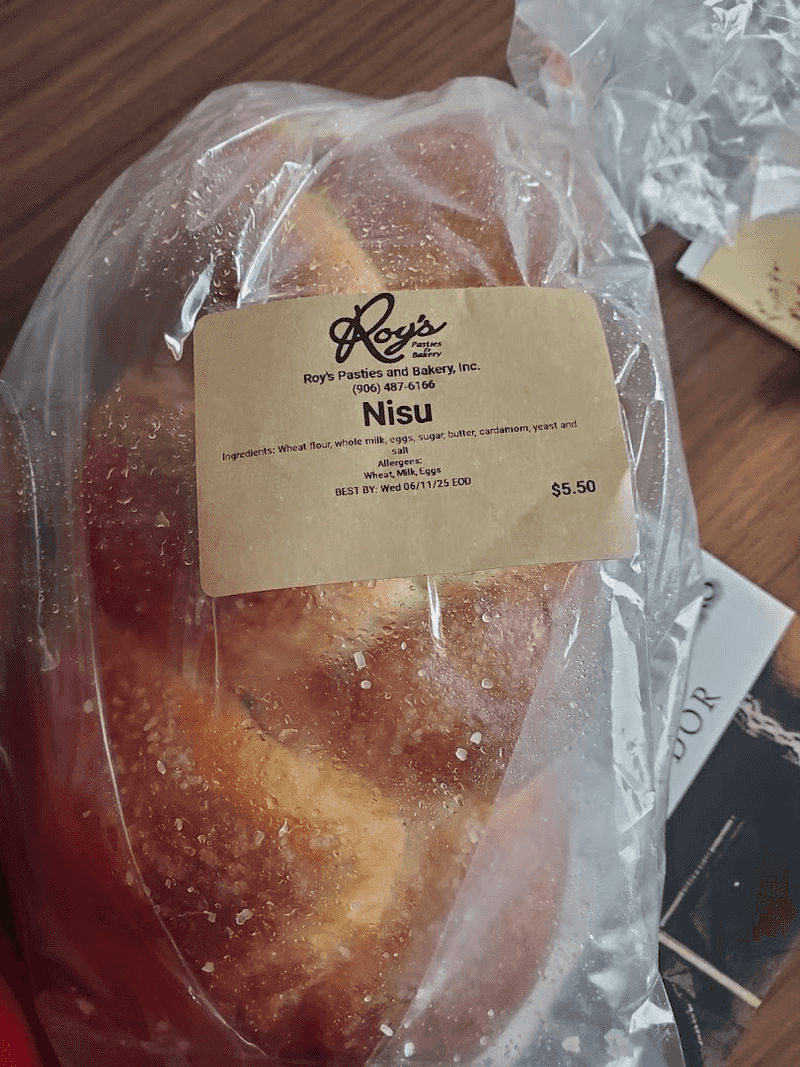
Roy’s lists nisu among the breads baked fresh every day. The soft Finnish coffee bread, also widely called pulla, carries cardamom through a lightly sweet loaf made for slicing beside coffee or tea.
In Finnish-American communities, the name “nisu” remains especially meaningful. Some families use it for braided bread, others for different shapes, but the fragrant spice keeps the connection recognizable.
Houghton and neighboring Hancock hold deep Finnish-American roots, so the loaf belongs naturally in a bakery serving the Keweenaw Peninsula.
A slice needs very little assistance. Butter works. Jam makes a persuasive case.
Toasting brings the cardamom forward and sends the kitchen into immediate crowd-control mode.
The bread also handles the difficult job of feeling special without requiring a holiday. You can buy it on an ordinary weekday and let breakfast promote itself.
Would one loaf survive the drive home? That depends on whether the passenger understands “just a taste” has no legal definition.
Everyday Breads Turn One Loaf Into A Negotiation
The daily shelf does not believe in simple choices.
Alongside nisu, Roy’s regularly bakes oat and honey, country white, whole wheat, caraway rye, Italian, ten-grain, brioche, and a gluten-free bread. Customers can request loaves sliced or unsliced, depending on whether dinner needs convenience or dramatic knife work.
Caraway rye brings an earthy aroma suited to soup and sturdy sandwiches. Ten-grain adds texture and a nutty bite. Brioche heads in the richer direction, ready for French toast, sandwiches, or the noble purpose of being eaten over the sink.
Country white keeps the peace when several generations share a table. Whole wheat and oat and honey give everyday lunches more character without demanding a speech.
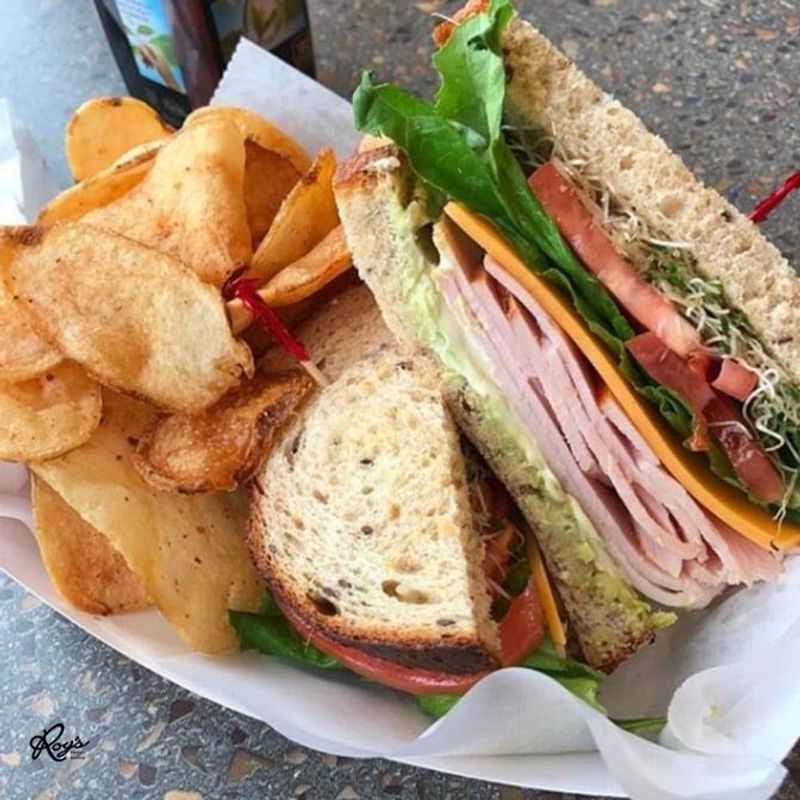
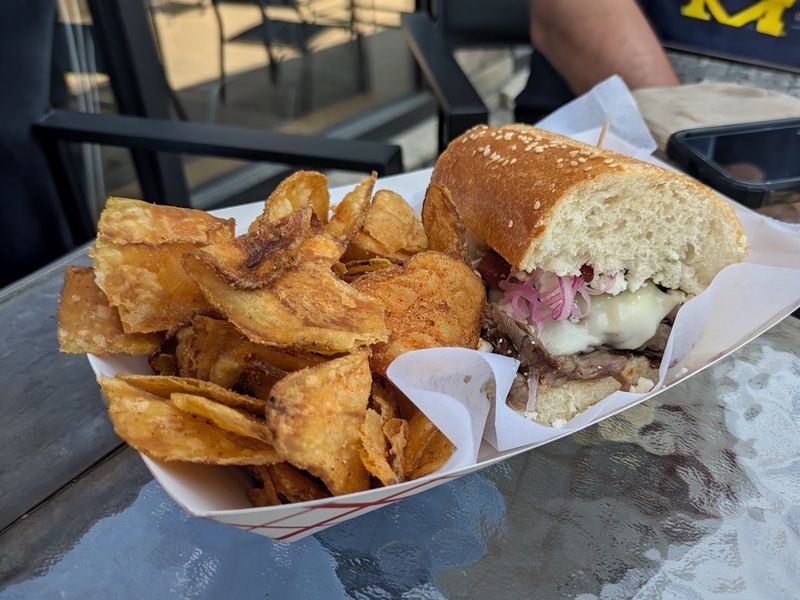
The range also supports the deli menu. Sandwiches can land on ten-grain, Italian, sourdough, or another house bread rather than treating the loaf as edible packaging.
That difference becomes clear at the first bite. Fresh bread does not sit quietly around the filling. It participates.
Buying one loaf sounds efficient. Then caraway rye and brioche make eye contact across the shelf.
Rotating Loaves Give The Week Its Own Bread Calendar
Monday has enough problems. Cranberry walnut is willing to help.
Roy’s rotates several artisan breads through the week, turning the bakery schedule into a reason to remember what day it is.
Cranberry walnut, jalapeño cheddar, Asiago herb and garlic, marble rye, pumpernickel, and cinnamon raisin appear on Monday, Wednesday, and Friday.
Asiago peppercorn, ciabatta, and sourdough are offered on Tuesday and Thursday. Friday also brings saffron bread, giving the end of the workweek a golden loaf and an excellent excuse to arrive with a larger bag.
The rotation keeps production manageable while rewarding repeat visits. Miss pumpernickel on Tuesday, and the calendar has politely informed you to return tomorrow.
Each bread suggests its own plan. Ciabatta wants a sandwich. Cinnamon raisin is already thinking about toast.
Jalapeño cheddar volunteers for soup duty before the bowl reaches the table.
Saffron bread brings a rarer flavor and bright color to Friday’s lineup. It does not need glitter to announce the weekend.
The bakery has turned weekdays into bread personalities. Friday clearly got the dramatic one.
Pasties Keep The Upper Peninsula Lunch Tradition Folded Tight
Bread rules the shelves, but lunch arrives wearing a sealed crust.
Roy’s traditional pasty combines beef, pork, rutabaga, potato, onion, and carrot inside a golden pastry shell. Small and large versions are available daily, keeping the bakery connected to a portable meal long associated with Upper Peninsula mining communities.
The crust holds everything together without requiring a plate, although common sense recommends one once the filling gets hot.
Other versions widen the argument. Chicken and broccoli, breakfast, vegetarian, turkey cranberry, and selected weekly specialties give regulars reasons to look beyond the traditional filling.
A breakfast pasty wraps eggs, sausage, potato, cheese, and onion into one compact morning. The pizza version recruits pepperoni, sausage, cheese, potatoes, onions, and sauce for a combination that clearly rejected category limits.
Frozen pasties can also be shipped, fully cooked and packed for reheating later. That lets former Yoopers and curious eaters turn a home freezer into a small emergency lunch department.
The bakery began around a family pasty recipe. More than two decades later, the crimped edge still keeps the whole story from spilling out.
Danish Dough Takes Three Days To Learn Its Layers
Some pastries wake up early. Danish dough begins preparing several days before you meet it.
Roy’s homemade Danish uses a three-day process with repeated folds and real butter applications. Those turns build thin layers that rise into a flaky pastry instead of collapsing into a sweet bread with unrealistic ambitions.
The bakery offers thirteen fillings across mini Danishes, individual pastries, and full tea rings. Almond is Roy’s favorite, although the display case rarely supports loyalty to only one option.
Donuts add another line of temptation. Fry cakes and yeast-raised varieties are made fresh daily, joined by filled donuts, bismarks, apple fritters, Persians, and cinnamon twists.
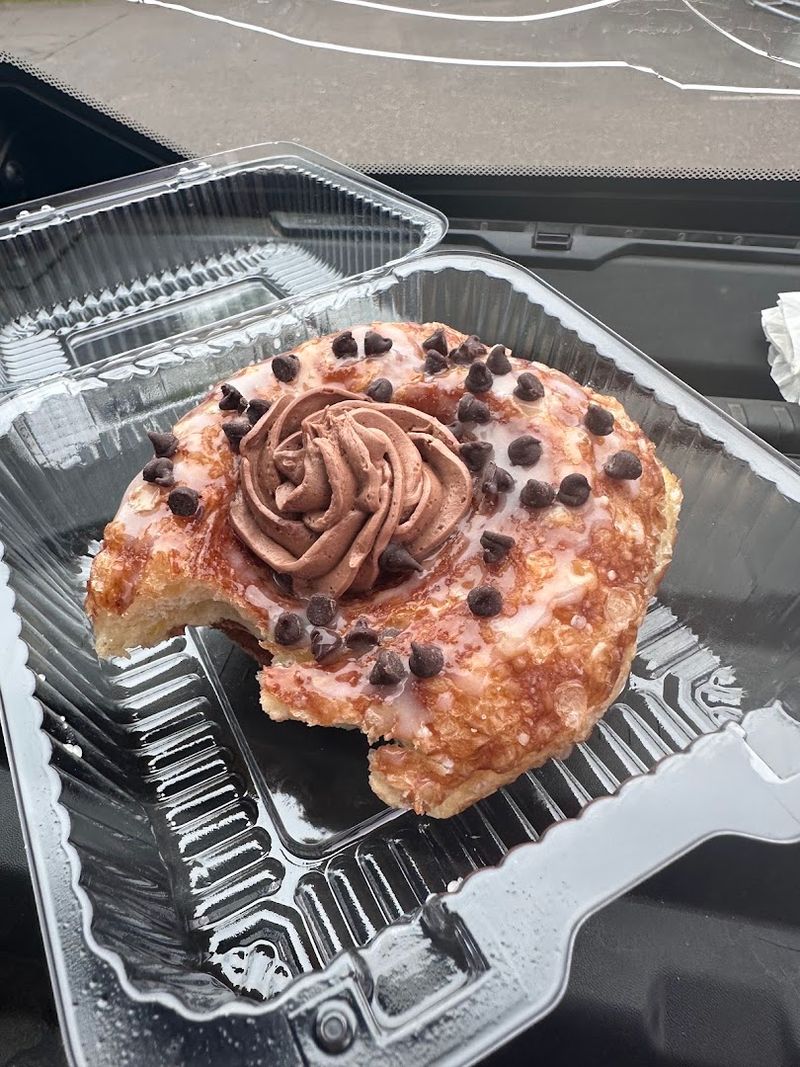
Then cronuts combine croissant dough with the shape and frying method of a donut. They may be glazed, split with buttercream, or filled with buttercream and raspberry.
At this point, breakfast has abandoned moderation and started taking notes.
Tarts, muffins, cookies, baklava, and rotating bars fill the remaining case with enough variety to make pointing feel more efficient than speaking.
The Canal Patio Turns Breakfast Into A Waterfront Pause

A donut tastes different when a lift bridge is minding its own business nearby.
Roy’s patio sits beside the Portage Canal, giving customers an outdoor place for pasties, pastries, sandwiches, and locally roasted coffee. Public seating across the street adds another option near the waterfront.
The location works for a quick breakfast, a lunch break, or the dangerous idea of stopping only for coffee. Families can spread out, travelers can watch the canal, and dogs are welcome in the outdoor area.
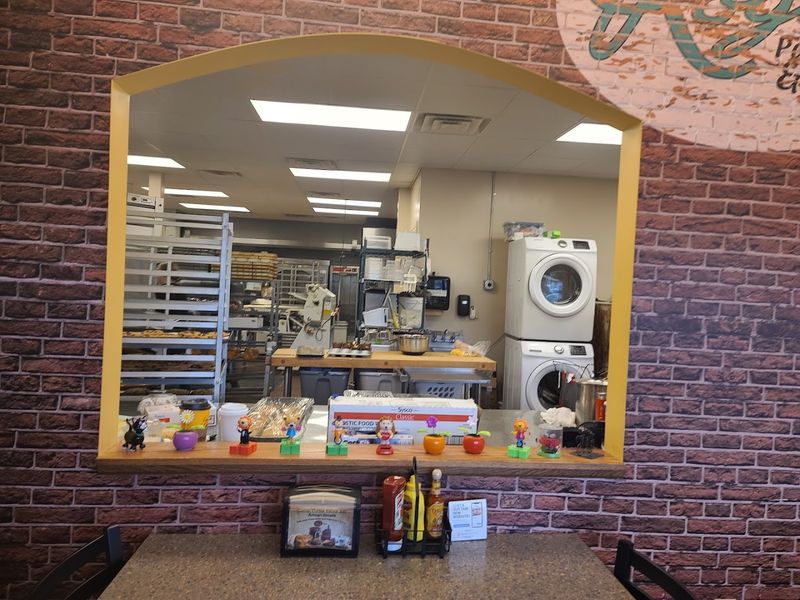
Inside, the bakery stays casual and active. Display cases face customers while racks, ovens, and prep work keep the made-from-scratch operation moving through the day.
The business also supports Keweenaw nonprofit organizations through weekly donations, extending the bakery’s community role beyond the people currently holding a pastry bag.
Students at nearby Michigan Tech receive their own menu of cakes, cookies, and cupcakes, because being away from home apparently creates urgent frosting needs.
Roy’s began in a small leased shop and grew into a waterfront gathering place without losing the family-bakery rhythm.
The canal supplies the calm. The pastry case makes sure you don’t leave too relaxed.