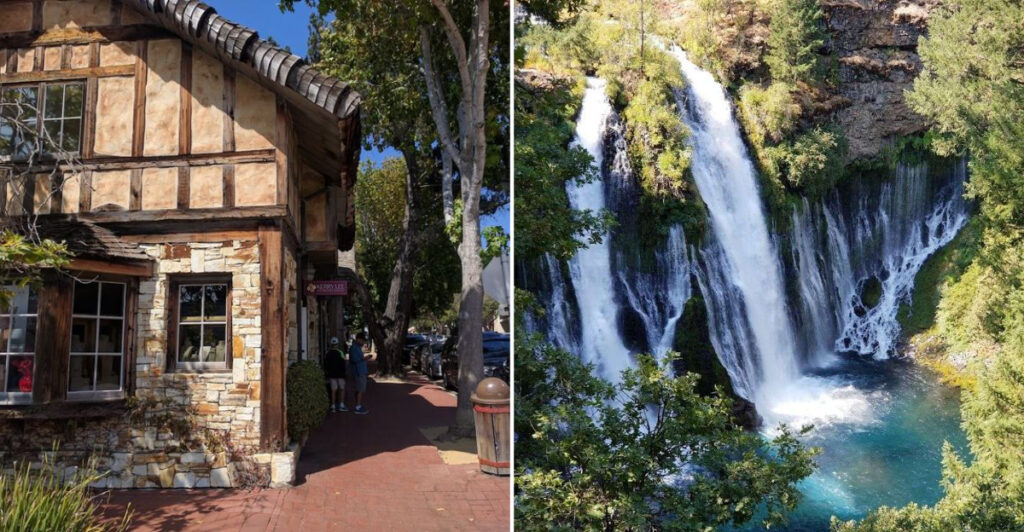
I’m spending my vacation this year in California, and that is a definite decision. This state offers so much that it is honestly hard to narrow it down to a short list.
So I did the only thing that made sense. I made a list of places I want to visit.
From Highway 1 coastlines to redwood mountain towns, I started collecting stops that feel unreal. Waterfalls drop onto beaches, storybook villages appear along the way, and ocean views and ancient forests make everything feel timeless.
The plan is not to rush anything. I will follow the list loosely, letting each place decide how long I stay.
Some spots will be quick stops, others will probably pull me in for hours.
California is not just one experience. It is a whole mix of worlds, and this trip is about moving through as many of them as I can.
1. McWay Falls
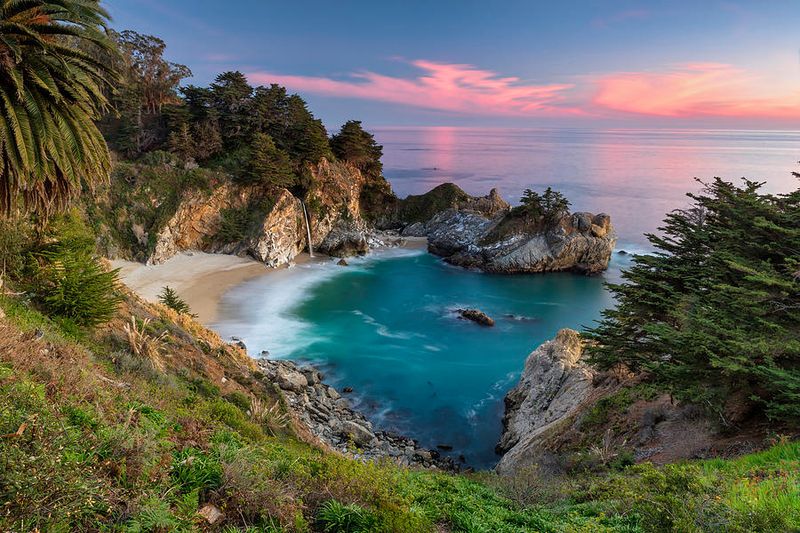
An 80-foot waterfall pours straight onto a beach with no one on it. McWay Falls is one of those sights that makes you question whether California is even real.
It sits inside Julia Pfeiffer Burns State Park in Big Sur, and it is absolutely stunning in every season. The waterfall drops directly onto the sand and flows into the Pacific Ocean, which sounds like something out of a dream.
Getting here is easier than you think. You park along Highway 1 and take a short, flat trail to the overlook.
There is no climbing involved, so it is great for all ages. The catch?
You cannot actually walk down to the cove itself. It is protected, which honestly makes it feel even more magical like a secret the coast is keeping just for itself.
Sunrise and sunset visits are worth waking up early for. The light hits the waterfall in ways that make every photo look edited.
2. Pfeiffer Beach
Purple sand. Yes, you read that right.
Pfeiffer Beach in Big Sur has sand that turns a deep violet-purple color, and no filter is needed to make it look that way. The color comes from manganese garnet minerals washing down from the hillsides above.
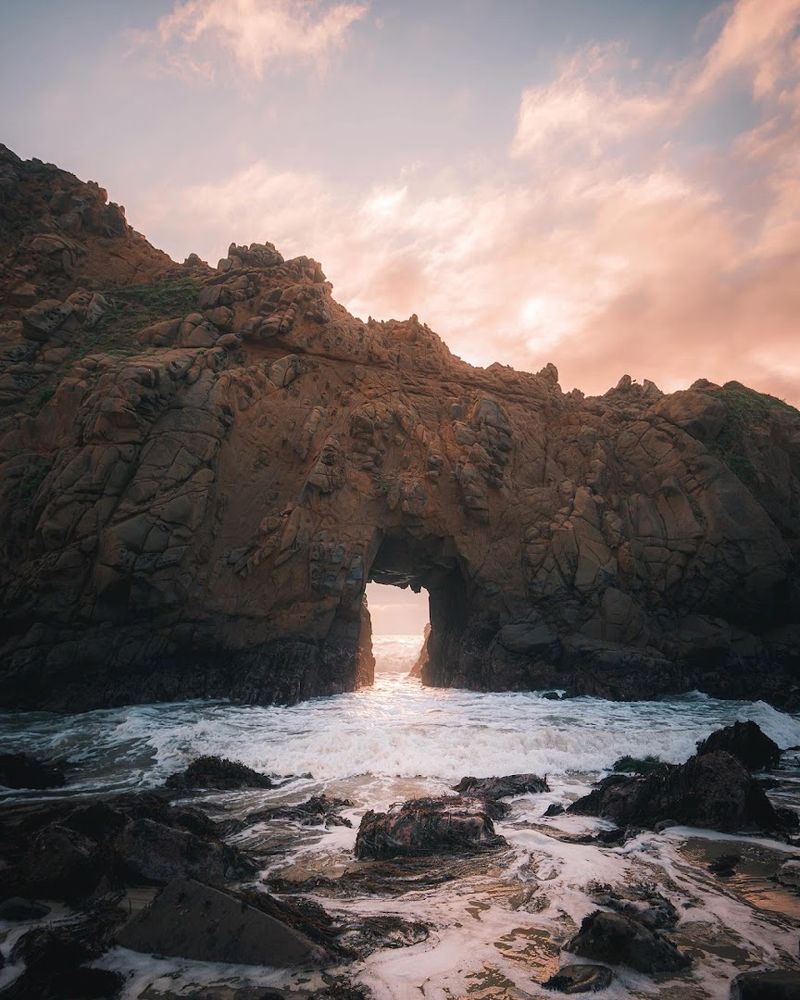
It is one of the most unusual and gorgeous beaches I have ever stood on. The real showstopper here is Keyhole Arch.
It is a massive rock formation with a hole carved through the middle by the ocean. In the winter months, the setting sun aligns perfectly with the arch.
It sends a beam of golden light through it like a spotlight from the sky. People travel from all over the world just for that moment.
Getting there requires a narrow, winding road that is easy to miss. Look for the Pfeiffer Beach turnoff on Highway 1 south of Big Sur village, and parking costs a small fee.
3. Bixby Creek Bridge
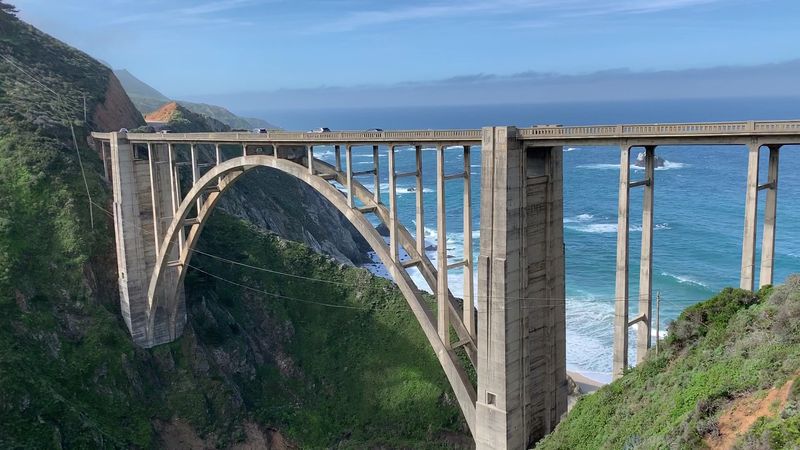
Few bridges in the world have their own fan clubs, but Bixby Creek Bridge might deserve one. It spans a dramatic canyon along Highway 1 in Big Sur.
This concrete arch bridge is one of the most photographed spots in all of California, and once you see it in person, you completely understand why. Built in 1932, the bridge stands 260 feet above the canyon floor and stretches 714 feet across.
Driving over it feels cinematic, like you are starring in a road movie with the best possible scenery. Pull over at the north or south vista points to get the full picture.
Morning fog wraps around the cliffs below the bridge. It is a sight that will stay with you.
This spot is completely free to visit and accessible year-round. It is a quick stop that somehow becomes the highlight of the whole drive.
Address: CA-1, Monterey, California 93940.
4. Point Sur Lighthouse
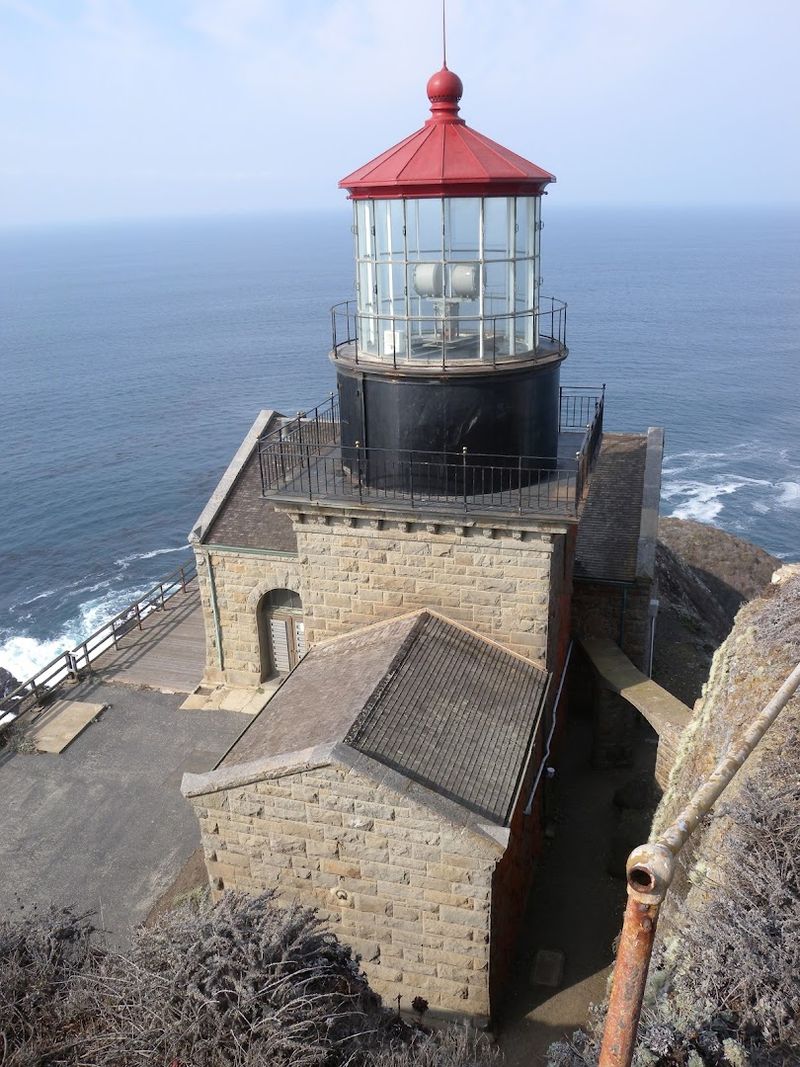
Sitting on top of a 361-foot volcanic rock rising straight out of the ocean, Point Sur Lighthouse looks like it belongs in a ghost story. And actually, it kind of does.
Built in 1889, this lighthouse guided ships safely past the treacherous Big Sur coastline for decades. Today, it stands as one of the best-preserved historic lighthouses on the West Coast.
You can only visit on a guided tour, which honestly makes it better. The guides share wild stories about the lighthouse keepers who lived here in total isolation, miles from the nearest town.
Some visitors swear the place has a haunted energy. I will let you decide for yourself when you get there.
The hike up to the lighthouse from the parking area is about half a mile each way, with some elevation gain. Tours run on weekends and some weekday mornings.
Always check the schedule before you go.
5. Catalina Casino
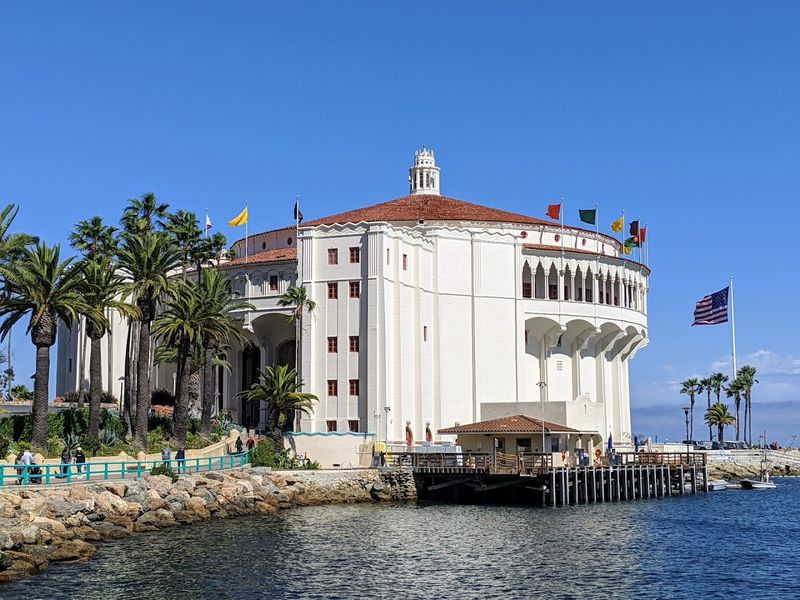
Despite the name, no gambling has ever happened inside the Catalina Casino. It was built in 1929 by William Wrigley Jr., yes, the chewing gum guy.
The word “casino” originally meant a gathering place for entertainment in Italian. Today, it is a stunning Art Deco landmark that houses a ballroom and a movie theater.
Both are still in use. The building sits right on the waterfront in Avalon, the main town on Catalina Island.
It is impossible to miss. The architecture is breathtaking, with murals, tilework, and curved walls that feel like a Hollywood golden age dream.
The ballroom upstairs once hosted big band performances for thousands of dancers at a time.
Getting to Catalina requires a ferry from the mainland. It is about an hour from Long Beach or Dana Point.
Once you arrive, the casino is a short walk from the ferry dock. Tours of the interior are available daily.
6. El Matador State Beach
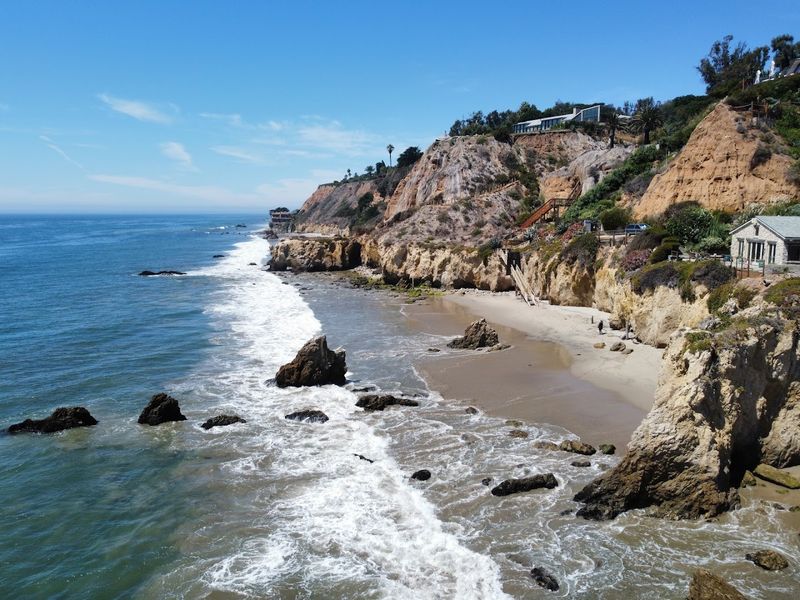
El Matador State Beach in Malibu is the place that makes you feel like a movie character. That is not an accident.
It has actually been used as a film location more times than I can count. The beach is lined with enormous sandstone rock formations, hidden sea caves, and tide pools that beg to be explored.
Getting down to the beach requires navigating a steep staircase, so wear shoes with grip. Once you are down there, it feels like an entirely different world.
The caves carved into the cliffs are especially dramatic at low tide, and the light filtering through them in the late afternoon is absolutely wild. Bring a camera, seriously.
Parking is limited and fills up fast on weekends, especially around sunset. Arrive early or on a weekday for the best possible experience.
There is a small day-use fee to park and enter the area for visitors.
7. Avenue Of The Giants
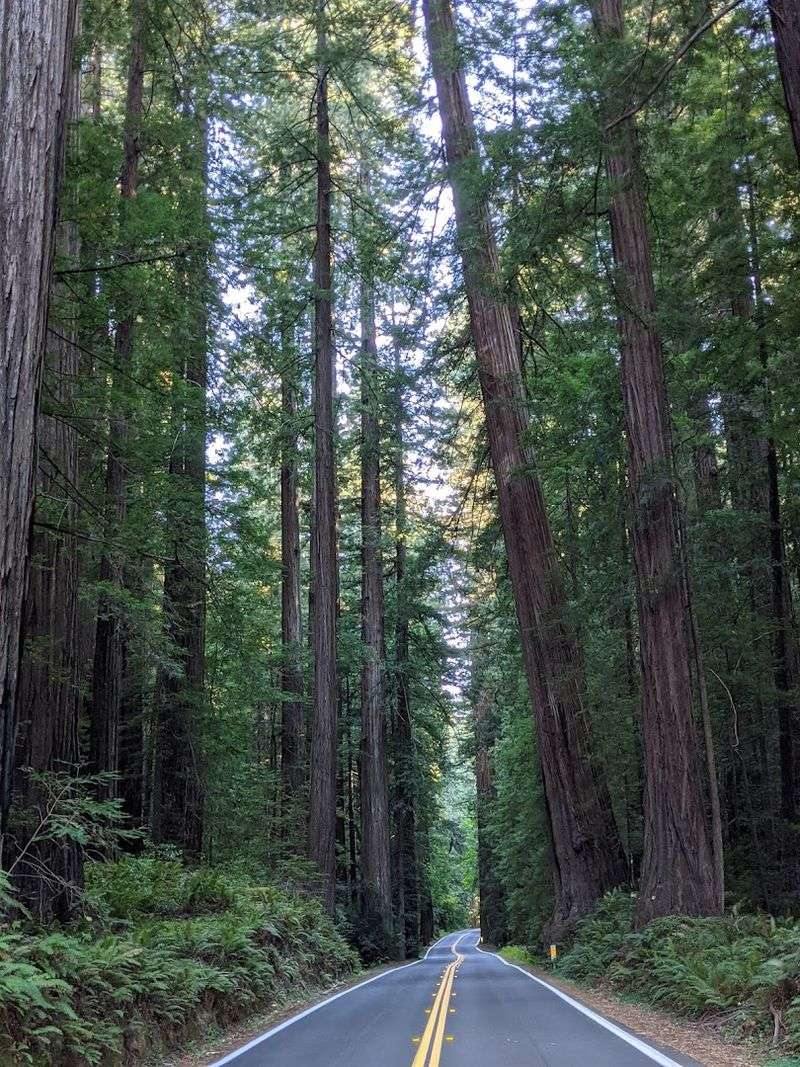
Driving through the Avenue of the Giants feels like entering a cathedral built by nature over thousands of years. This 31-mile scenic highway in Humboldt County runs alongside the South Fork Eel River.
It also passes through some of the tallest living trees on Earth. Coast redwoods here stretch over 300 feet into the sky, and the silence under their canopy is something you feel in your chest.
The road itself is an experience. Sunlight filters through the canopy in long golden beams, and the air smells like damp earth and pine in the best way.
There are pullouts and trailheads all along the route, so you can stop and walk among the giants whenever you want. Founders Grove and Rockefeller Forest are two of the most impressive stops.
This route runs parallel to Highway 101 in Northern California and is completely free to drive. It passes through Humboldt Redwoods State Park.
8. Ferndale
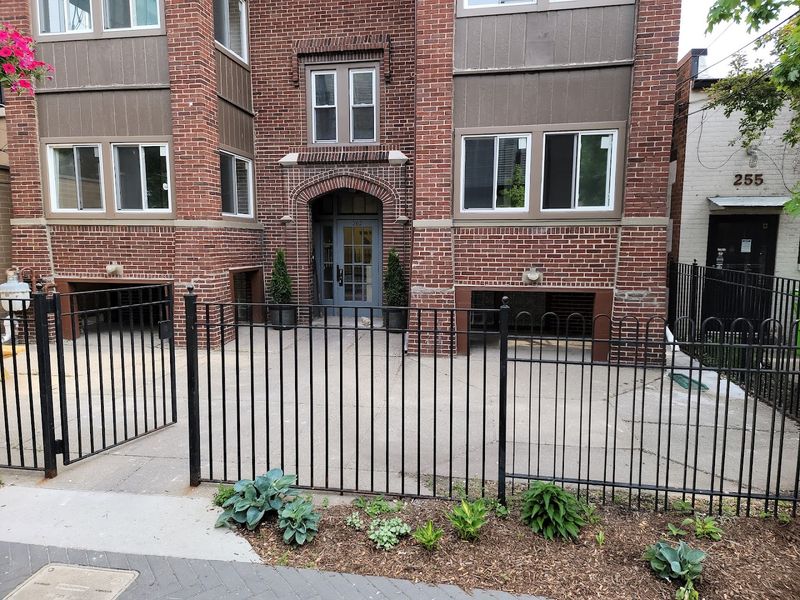
Ferndale is a small town that makes you wonder if someone built it as a movie set and then forgot to leave. Located in Humboldt County in Northern California, this Victorian village is so well-preserved that the entire town is a California Historical Landmark.
The main street is lined with elaborate painted Victorian buildings that date back to the 1880s and 1890s. Dairy farmers built this town during a prosperous era, and they spared no expense on their homes.
The result is a collection of ornate “butterfat palaces.” That is the nickname locals gave the grand Victorian mansions because of the dairy wealth that funded them.
Walking through town feels genuinely like stepping back in time, without the inconvenience of time travel. Ferndale has a charming downtown with local shops, bakeries, and a historic theater.
It is a peaceful stop that rewards slow exploration. The surrounding farmland and coastal hills add to its storybook setting.
9. Mossbrae Falls
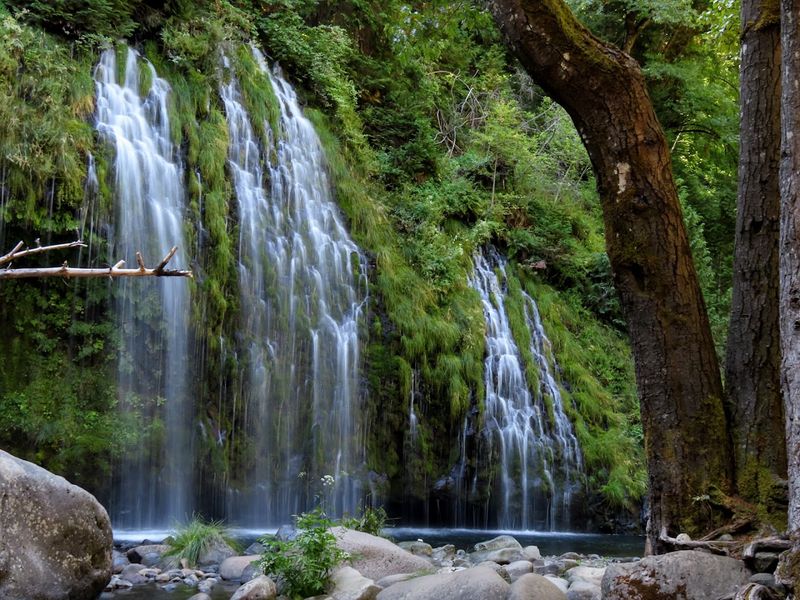
Mossbrae Falls near Dunsmuir might be the most otherworldly waterfall in California. Instead of a single dramatic drop, the water seeps out of a wide mossy cliff face in dozens of thin streams.
It creates a shimmering green curtain that falls directly into the upper Sacramento River. It looks like something straight out of a fantasy novel.
Getting there is part of the adventure. The most popular route involves walking along an active railroad track for about a mile and a half.
You need to stay alert and move aside when trains pass. It sounds intense, but thousands of visitors make this journey every year.
Believe me, the payoff is absolutely worth it. The falls are surrounded by ferns, moss, and old-growth trees.
The sound of the water is incredibly calming. Swimming in the river nearby is popular during the summer months.
Always check local conditions and trail access before visiting.
10. Burney Falls
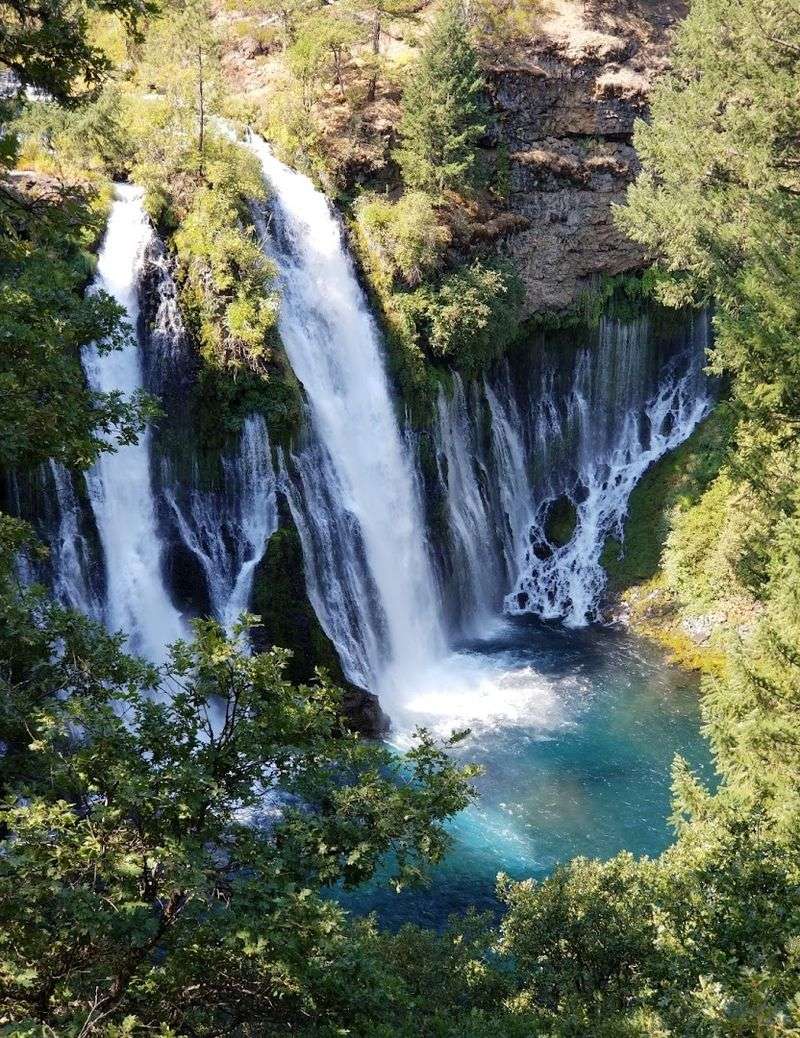
Burney Falls in Shasta County is the kind of place Theodore Roosevelt once called the eighth wonder of the world, and honestly, that is not an exaggeration.
This 129-foot waterfall is fed by underground springs that seep directly out of the porous volcanic cliff face on both sides of the main drop. The result is a curtain of water that seems to appear from nowhere.
The water is a surreal shade of blue-green because of the constant temperature and mineral content of the spring water. Even in summer droughts, Burney Falls flows strongly because it is fed by underground sources rather than surface runoff.
That consistency makes it magical in a very literal, geological way. A short loop trail takes you down to the base of the falls and along Burney Creek, where you can get close enough to feel the mist.
The park also has camping, fishing, and swimming.
11. Thornburg Village
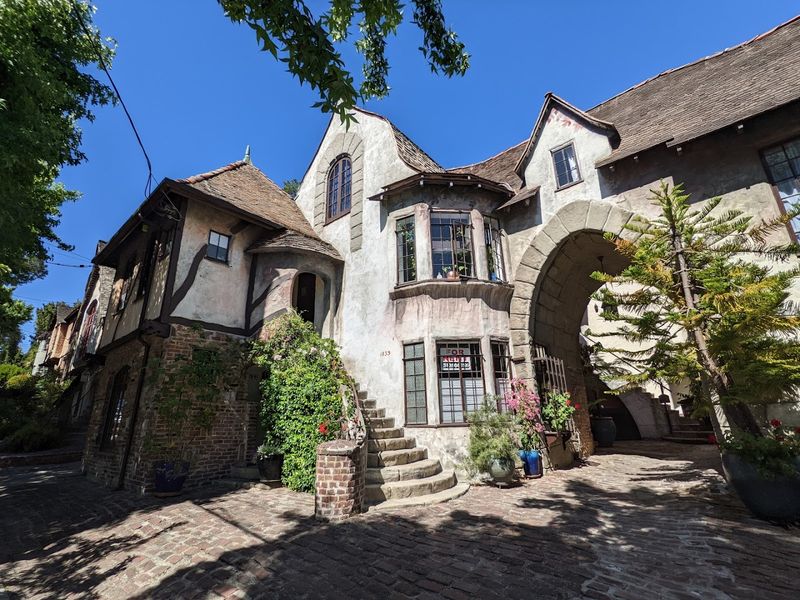
Hidden in the San Bernardino Mountains near Crestline, Thornburg Village is one of California’s best-kept secrets. This collection of whimsical storybook cottages was built in the 1930s by architect John Samson.
He designed each tiny home with curved rooflines, arched doorways, and fairy-tale details. These details look like they belong in an illustrated children’s book.
The village sits at around 5,000 feet in elevation among pine trees, and the mountain air makes the whole experience feel even more enchanting. Most of the cottages are private residences, so the visit is more of a slow drive or walk-by than a tour.
But just seeing them from the road is enough to spark serious joy. Trust me, the craftsmanship on each one is remarkable.
Crestline itself is a lovely mountain community with a small lake and local eateries worth exploring. Lake Gregory pairs perfectly with a day trip to nearby Thornburg Village.
12. Lake Tahoe
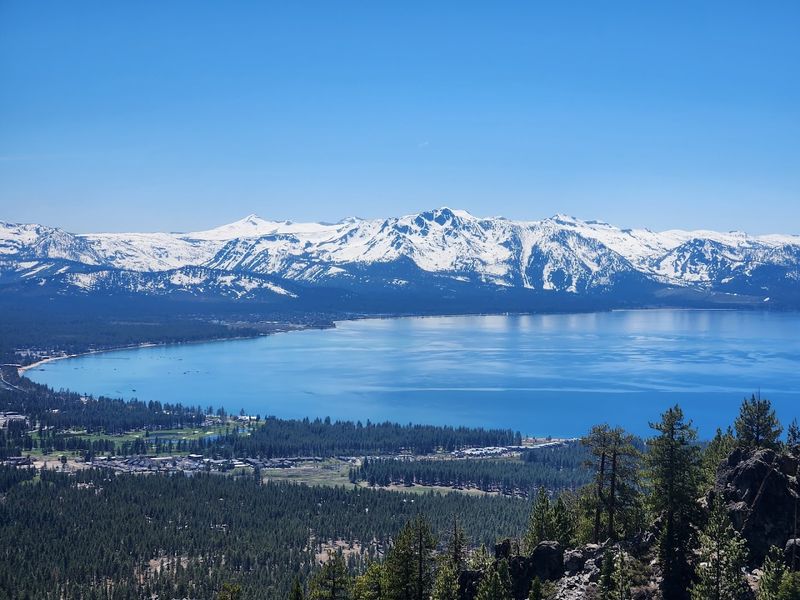
Lake Tahoe does not look real the first time you see it. The water is so clear and so deeply blue that your brain struggles to process it as an actual lake.
Straddling the California-Nevada border high in the Sierra Nevada mountains, Tahoe is one of the largest and deepest alpine lakes in North America. It holds enough water to cover the entire state of California in 14 inches.
In summer, the beaches are crowded, and the hiking trails are spectacular. In winter, world-class ski resorts ring the lake.
The snow-covered mountains reflecting on the water create a scene that feels almost impossibly beautiful. I have visited both seasons and cannot pick a favorite.
They are equally magical in completely different ways. Emerald Bay on the southwest shore is a must-see.
It is one of the most photographed spots in California for good reason. The bay holds Fannette Island, the only natural island in Lake Tahoe.
13. Yosemite National Park
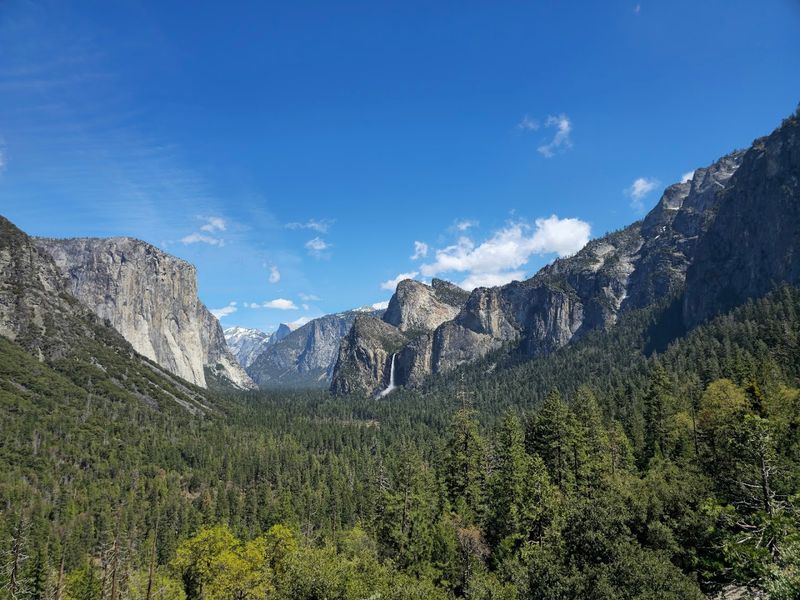
Yosemite Valley from the Tunnel View overlook is one of those moments that genuinely stops your breath. El Capitan on the left, Half Dome straight ahead, Bridalveil Fall dropping on the right.
It is a composition so perfect that it almost looks staged. John Muir called Yosemite the “Range of Light,” and standing there, you understand exactly what he meant.
Beyond the iconic valley views, Yosemite has layers of magic that reward exploration. Mariposa Grove holds ancient giant sequoias that are thousands of years old.
Mirror Lake reflects Half Dome on calm mornings with mirror-like precision. Yosemite Falls, one of the tallest waterfalls in North America, roars loudest in spring when snowmelt is at its peak.
Reservations are required to enter Yosemite National Park during peak season, so plan. The park is accessible year-round, though some roads close in winter.
Each season offers something completely different and equally worth seeing.
14. Carmel-by-the-Sea
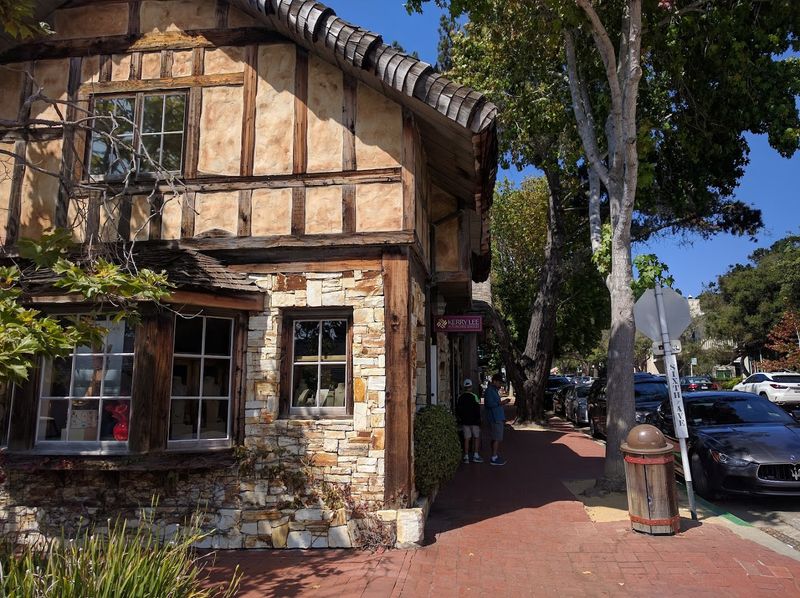
Carmel-by-the-Sea operates by its own set of rules. There are no street addresses.
Residents pick up their mail at the post office. There are no parking meters.
There are no chain restaurants on the main drag. There are no streetlights downtown.
The town actively protects its storybook character. The result is one of the most charming places I have ever wandered through.
The architecture here is genuinely fairy-tale worthy. Many of the cottages were built in the 1920s by artists and poets who wanted a romantic escape from city life.
Hugh Comstock built several whimsical toadstool-shaped homes for his wife’s doll business. They still stand today with curved rooflines and hobbit-sized doors.
The main street, Ocean Avenue, is lined with art galleries, boutiques, and bakeries. Carmel Beach at the end of Ocean Avenue is one of the most beautiful beaches in California.
It has white sand and cypress trees framing the water.
15. Solvang
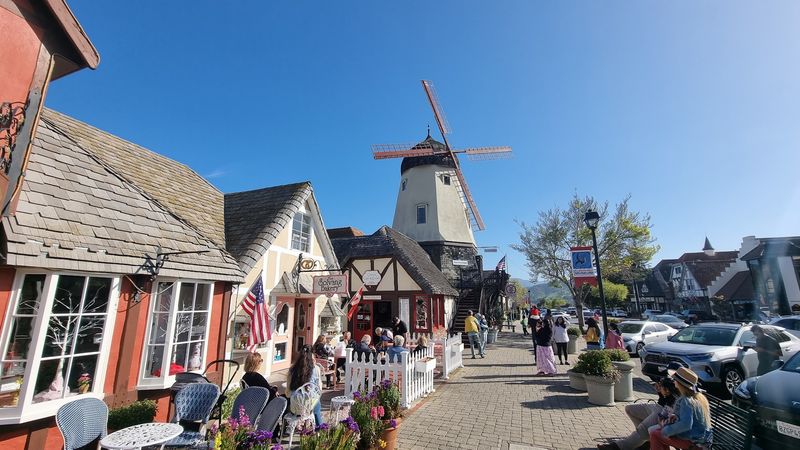
This city exists because a group of Danish educators moved to California in 1911 and decided to build a piece of home in the Santa Ynez Valley. Over a century later, Solvang is still unmistakably Danish.
It is complete with working windmills, half-timbered buildings, Danish flags on every corner, and bakeries selling aebleskiver. These are little round pancake puffs that are absolutely worth the trip on their own.
Walking through Solvang feels like teleporting to a European village, except you are surrounded by California sunshine and wine country.
The architecture is meticulously maintained, with flower boxes on every window and cobblestone-style sidewalks throughout the downtown area.
There is a replica of the famous Round Tower of Copenhagen standing right in the middle of town, which is both unexpected and delightful.
The Hans Christian Andersen Museum is a small but wonderful stop, honoring the Danish author of fairy tales like The Little Mermaid and Thumbelina. The surrounding Santa Ynez Valley wine region adds another reason to linger.