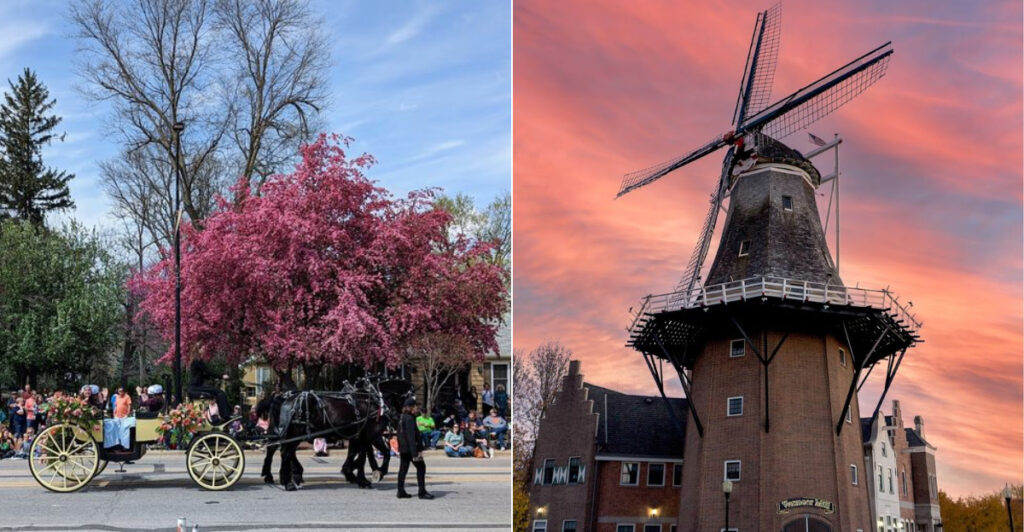
Dutch bakeries, thousands of tulips in bloom, and the tallest working windmill in North America standing tall against the Iowa sky. This small town was founded in 1847 by Dutch immigrants who came looking for freedom and ended up building something completely extraordinary in the middle of the Midwest.
The traditions they carried across the ocean are still alive today, passed down through generations that never saw a reason to let them go. The clock tower performs little shows throughout the day.
The streets look like they belong somewhere in the Netherlands. And the whole experience delivers that rare feeling of traveling far without ever leaving the country.
Get ready for tulips, windmills, and a slice of Dutch heritage that has been thriving in Iowa for nearly two centuries.
Where Dutch History Lives
Back in 1847, a group of Dutch immigrants packed up everything they had and crossed an ocean to start over in Iowa. They were not just looking for land.
They were looking for a place to be free. What they built in Pella, Iowa became one of the most culturally preserved small towns in the entire United States.
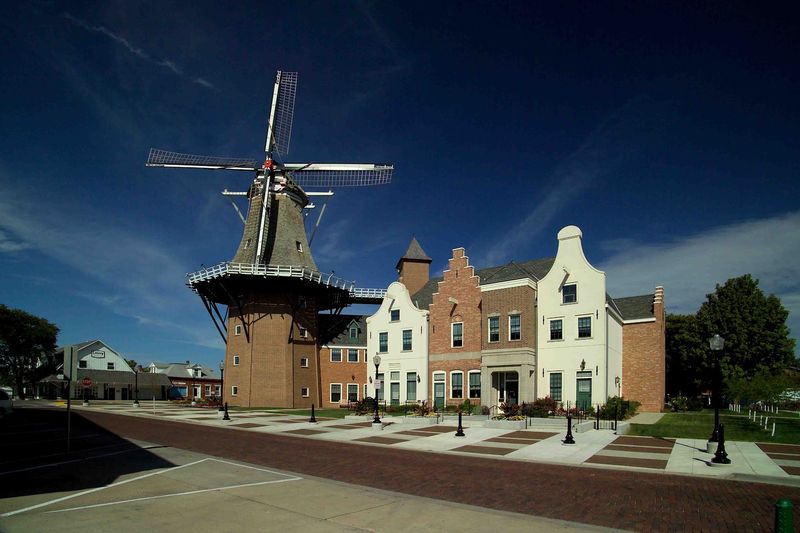
The town still carries the fingerprints of those original settlers everywhere you look. The architecture follows Dutch design codes that businesses are required to maintain.
Stepped gable rooflines, brick facades, and decorative details give the downtown a look that stops visitors mid-step. Many descendants of those original Dutch families still live here today. They are not just preserving history for tourists.
They genuinely care about keeping their heritage alive. The Pella Preservation Trust, founded in 1994, works hard to protect the town’s architectural legacy.
Walking through the main streets feels like flipping through a very well-kept history book. Can you imagine a town where the past is not just remembered but actually lived every single day?
That sense of real, ongoing connection to history is what makes Pella feel so different from anywhere else in Iowa.
The Windmill That Works
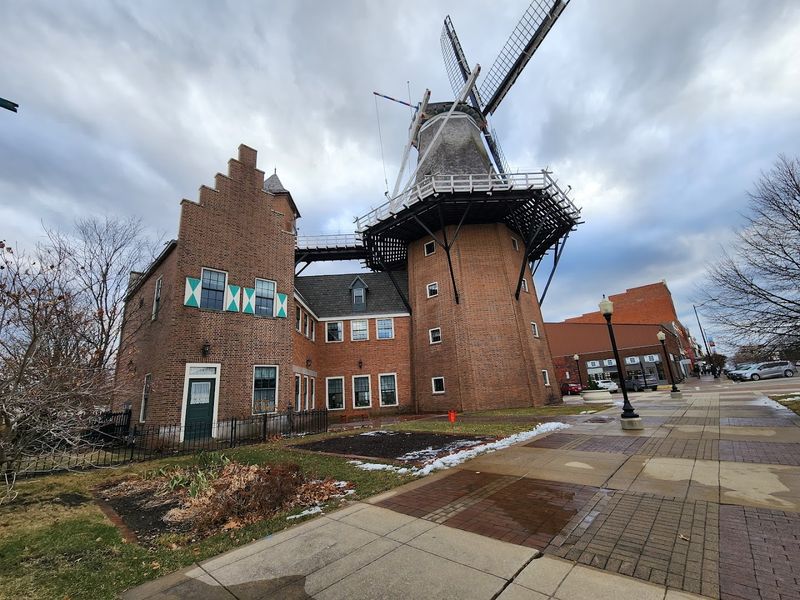
Most windmills you see in America are decorative. The one standing in Pella is not.
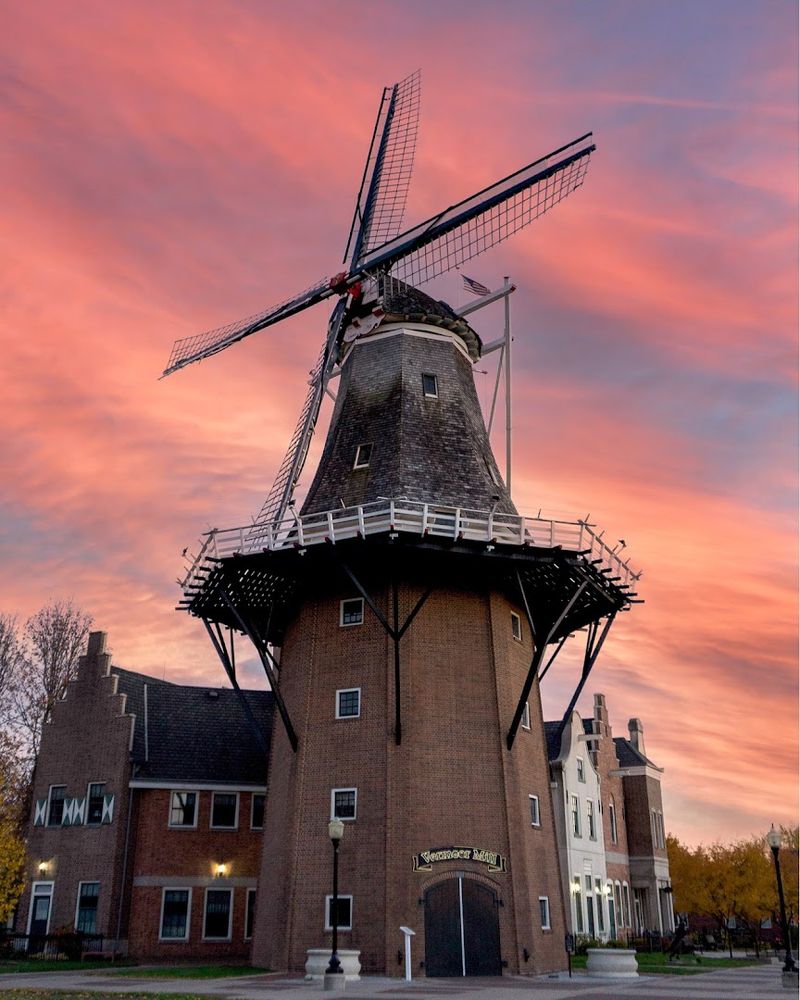
At over 124 feet tall, the Vermeer Windmill is the tallest working windmill in North America, and it was imported directly from the Netherlands piece by piece.
Skilled millers operate it regularly, and the grain it grinds is actually used. This is not a museum prop.
It is a fully functioning piece of history that still does its job after all these years. Visitors can tour all five levels of the windmill and learn exactly how traditional milling worked centuries ago.
Standing at the base and looking up, you get a real sense of how impressive this structure is. The blades catch the wind with a slow, steady rhythm that is oddly satisfying to watch.
Kids especially love the tour because it feels more like an adventure than a history lesson.
The windmill sits near Molengracht Plaza, which adds to the whole atmosphere with a canal, a drawbridge, and boutique shops lining the water. Have you ever stood next to something so old and so alive at the same time?
That is exactly the feeling waiting for you here in central Iowa.
Tulip Time Every May
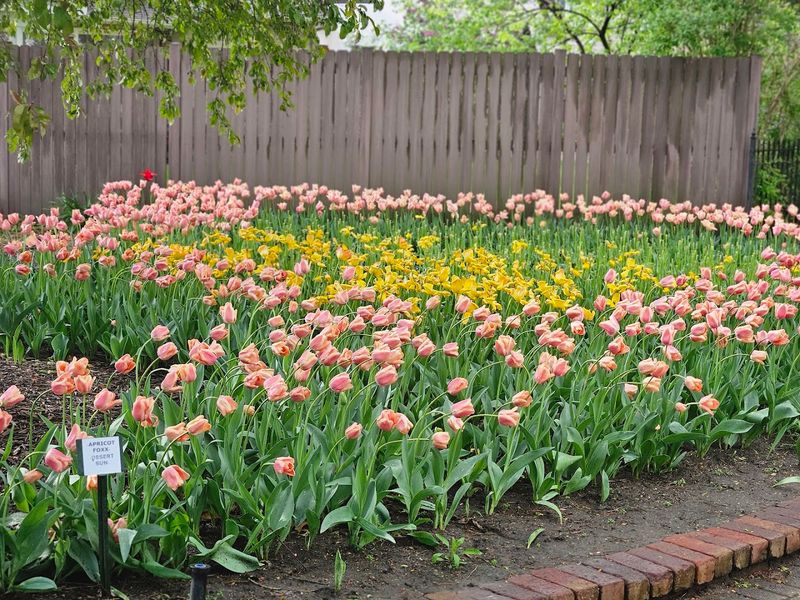
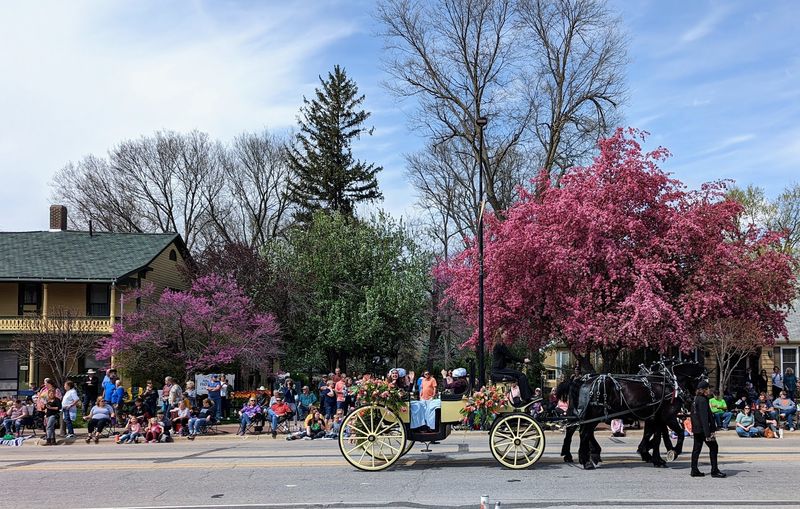
Every May, Pella transforms into something that has to be seen to be believed. Over 300,000 tulips bloom across the town, turning sidewalks, parks, and plazas into rivers of red, yellow, pink, and purple.
The Tulip Time Festival has been going strong since 1935, when it started as a small picnic gathering to celebrate Dutch heritage.
Today it is one of Iowa’s most beloved annual events. Traditional Dutch costumes fill the streets.
Parades wind through downtown. Folk dancers perform routines passed down through generations, and the whole town smells like spring in the best possible way.
The festival draws visitors from across the country who come specifically for this one event. Families, photographers, and history lovers all find something to love here.
The combination of natural beauty and cultural celebration is genuinely rare.
Planning a visit around Tulip Time is highly recommended if your schedule allows it. Hotels and rentals fill up fast, so booking early is a smart move.
Have you ever walked down a street lined with thousands of tulips while someone nearby dances in wooden shoes? Pella makes that experience completely real, and it is every bit as magical as it sounds.
Klokkenspel Steals The Show
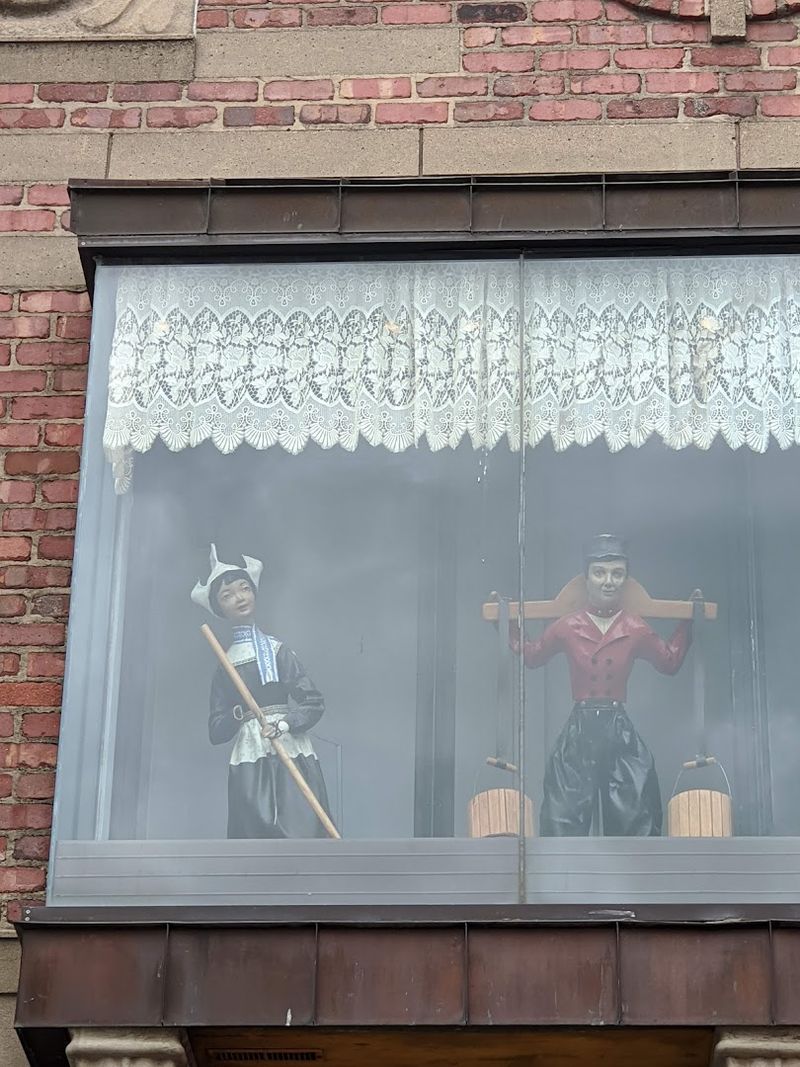
Right in the heart of Pella’s town square stands the Klokkenspel, a musical clock tower that puts on a small animated show multiple times every day. Carved figures move across the face of the tower while bells chime out melodies, telling stories from Pella’s history in a surprisingly charming way.
It sounds simple, but watching it in person is genuinely delightful. Visitors of all ages stop what they are doing and gather around when the music starts.
There is something about a clock that performs for you that feels both old-fashioned and completely wonderful.
The Klokkenspel is one of those details that makes Pella feel so carefully put together. Nothing about this town feels accidental.
Every element, from the clock tower to the canal to the brick storefronts, adds up to a place that takes its identity seriously.
Timing your visit to catch one of the daily performances is easy since the schedule is posted around the square. Standing there with a fresh pastry from one of the nearby bakeries while the bells play overhead might just be the most pleasant ten minutes you spend all day.
Jaarsma Bakery Dutch Pastries
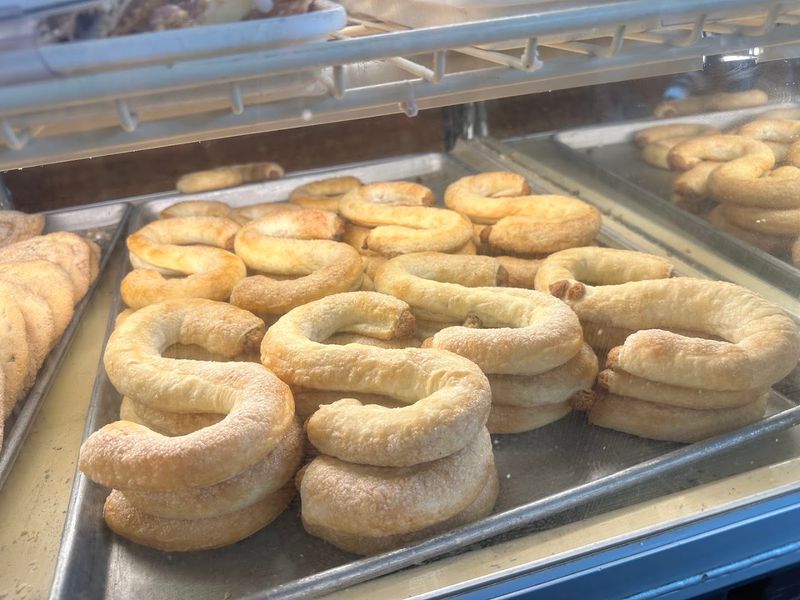
The smell hits you before you even open the door. Jaarsma Bakery on Franklin Street has been a Pella institution for generations, and the Dutch letter pastry it sells is the kind of thing people plan road trips around.
Shaped into the letter S and filled with almond paste, these flaky creations are buttery, light, and deeply satisfying.
Dutch letters are a Pella tradition rooted in the baking customs that settlers brought over from the Netherlands. Locals grow up eating them, and first-time visitors almost always buy a second one before leaving the shop.
Vander Ploeg Bakery is another beloved spot in town that serves up similar traditional treats with its own loyal following.
Pella’s bakery culture is a genuine reflection of its heritage. This is not a novelty food experience designed for tourists.
These recipes have been made the same way for a very long time, and the quality shows in every bite. Stopping at a Pella bakery is not optional. It is practically required.
If you are the kind of traveler who believes the best way to understand a place is through its food, then a warm Dutch letter fresh from the oven will tell you more about this Iowa town than any guidebook ever could. What will you reach for first?
Pella Historical Village Tour
More than 20 historic buildings make up the Pella Historical Village, a living history museum that brings the 1840s to life in a way that feels surprisingly personal.
Visitors walk through a blacksmith shop, a clog cobbler shop, a Dutch bakery exhibit, and even the boyhood home of Wyatt Earp, who spent part of his childhood in Pella.
Yes, that Wyatt Earp. It is one of those unexpected connections that makes history feel wonderfully tangled and alive.
The village does not just tell you what life was like for Dutch immigrants in Iowa. It shows you, through the tools they used, the spaces they lived in, and the trades they practiced.
Each building in the village has been carefully preserved and interpreted by people who are passionate about getting the details right. Guided tours are available and add a lot of context to what you are seeing.
The stories shared by guides tend to stick with visitors long after they leave.
Families with curious kids find the village especially engaging because there is always something to look at, touch, or ask about. History does not have to be boring, and Pella proves that point with every building in this remarkable collection.
Lake Red Rock Nearby
Just ten minutes from downtown Pella sits Lake Red Rock, the largest lake in Iowa. After a morning of exploring Dutch architecture and sampling pastries, the lake offers a completely different kind of afternoon.
Open water, fresh air, and miles of shoreline make it one of the most popular outdoor destinations in the state.
Boating, fishing, hiking, and biking are all available here. The Volksweg Trail connects Pella directly to the lake, making it easy to get there without a car if you prefer pedaling over driving.
The trail itself passes through scenic Iowa countryside that is worth the trip on its own.
Bird watchers love this area too. The lake and surrounding wetlands attract a wide variety of species throughout the year, and the fall migration season draws some serious birding enthusiasts from across the region.
Combining a visit to Pella with a stop at Lake Red Rock gives you a full day that covers both culture and nature without ever feeling rushed. Visitors who come just for the town often end up surprised by how much the lake adds to the whole experience.
Pack comfortable shoes, because once you see how beautiful the trail looks in the morning light, you will not want to stop walking. Iowa really does deliver when it comes to natural beauty.
Molengracht Plaza Canal Stroll
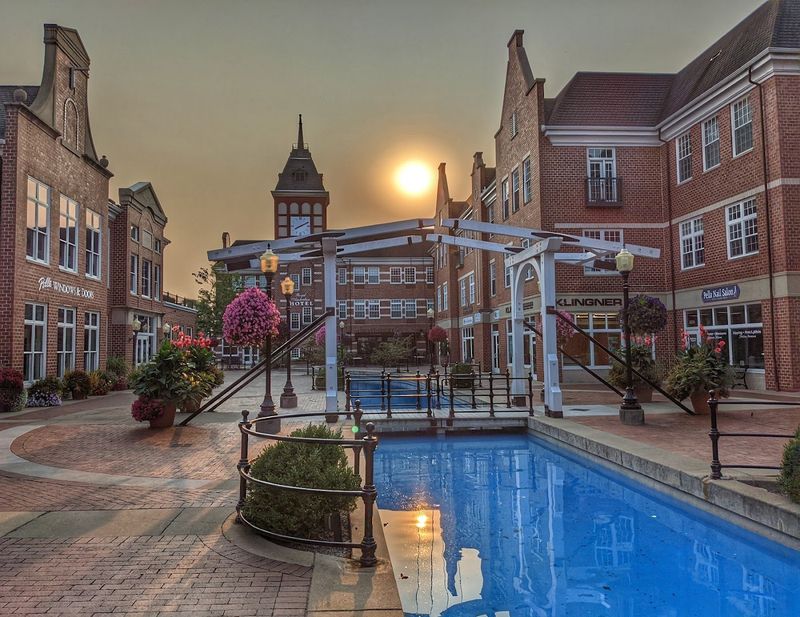
Molengracht Plaza is the kind of place that makes you slow down without even trying. A canal runs through the heart of the plaza, crossed by a small drawbridge that looks like it belongs in a Dutch postcard.
Boutique shops line the water’s edge, and the whole area has a calm, unhurried energy that is rare in any town, big or small.
The name Molengracht translates roughly to mill canal in Dutch, and the design of the plaza was built to reflect that heritage. Shopping here feels different from a typical main street because the setting is so visually distinctive.
Local boutiques, specialty shops, and canal-side spots make it easy to spend an hour or two without noticing the time passing.
Spring and summer are especially lovely here when flowers are in bloom along the canal edges. The reflection of the surrounding Dutch-style buildings in the water creates a scene that photographers absolutely love.
Visitors say it is one of the most photogenic spots in all of Iowa.
Even if shopping is not your priority, a slow walk along the Molengracht is worth every step. There is a particular pleasure in simply being somewhere beautiful with no agenda.
Pella built this space to be enjoyed, and it succeeds completely. Could a canal stroll in the middle of Iowa really feel this good?