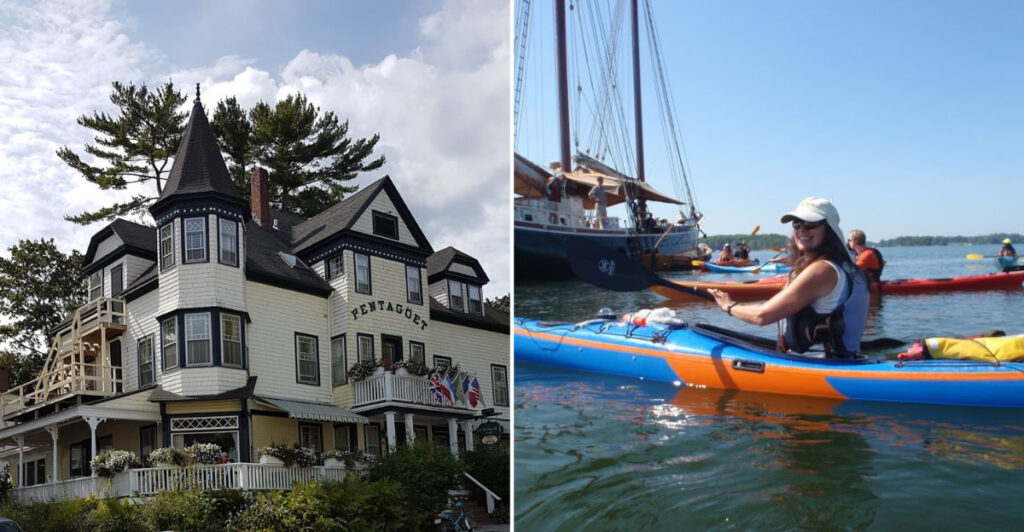
I found one of the most peaceful places in Maine, and I still can’t believe it stayed off my radar for so long. It’s quiet.
Unhurried. The kind of coastal escape that immediately makes me want to slow down and take it all in.
With fewer than 1,400 residents, it carries centuries of history, stunning harbor views, and a relaxed charm. As I walk along the tree-lined streets and breathe in the saltwater air, everything feels calmer and far removed from the usual tourist rush.
Nothing feels forced here. That’s what makes it so memorable.
For me, it offers exactly what a Maine getaway should: beauty, character, and a true sense of escape, all without the crowds. In the next few minutes, I’ll share exactly why this place is worth visiting and the best things to do once you’re here.
Why Castine Feels Like Maine’s Best-Kept Coastal Secret
Some places feel like they belong to a different era. They are somehow quieter, slower, and more genuinely beautiful than anything you’d find.
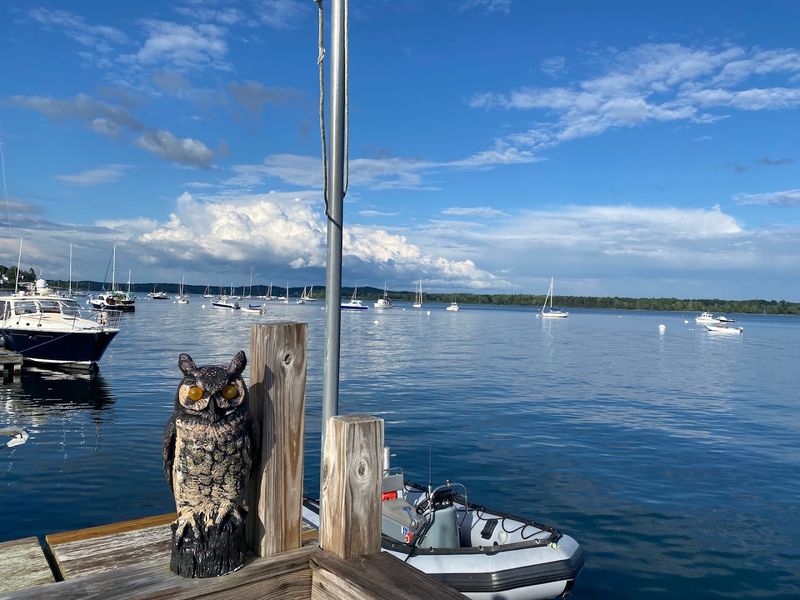
Castine, Maine, is exactly that kind of place. Perched on a narrow peninsula jutting into Penobscot Bay, this small town has somehow stayed off the radar of most tourists, even as nearby Bar Harbor fills up with summer crowds.
Part of what makes Castine so special is how effortlessly authentic it feels. No souvenir shops are cluttering the waterfront, no neon signs competing for your attention.
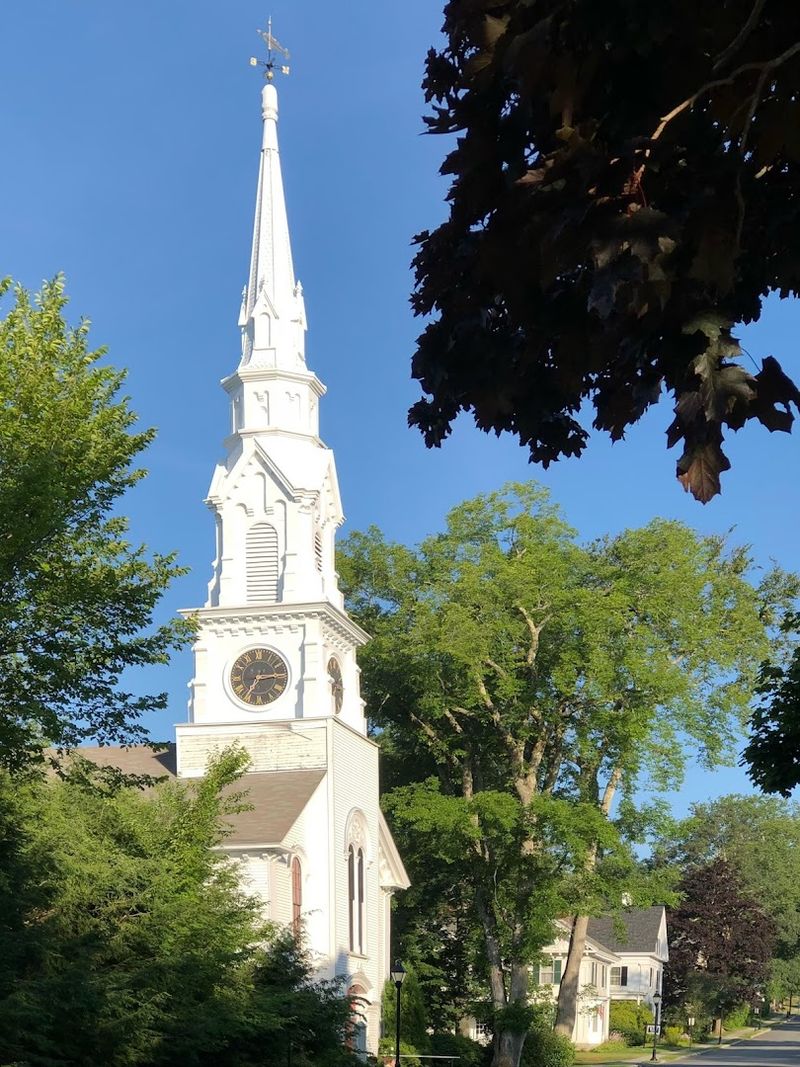
Instead, you’ll find elegant Federal-style homes shaded by enormous elm trees, a working harbor dotted with sailboats, and locals who actually wave hello.
The town sits about 35 miles south of Ellsworth, making it an easy drive from Acadia National Park. Yet most visitors to that famous park never make the detour.
That’s a real shame, because Castine rewards the curious traveler with something rare: a coastal Maine experience that feels completely unhurried and wonderfully real.
Once you arrive, you’ll immediately understand why people who discover this town keep coming back year after year.
A Harbor Town With Deep Maritime Roots
I stand at the edge of Castine’s waterfront on a calm summer morning, and the first thing I notice is the soft clink of rigging against the masts. The harbor has shaped this town for centuries, guiding daily life and commerce.
Lobster boats slip out before sunrise, and sailboats glide back in by afternoon. The rhythm of the water feels as familiar as the streets themselves.
Castine’s maritime roots run deep. For over 400 years, this harbor has been a hub for fishing, trade, and shipbuilding.
French, British, and later American sailors all relied on these sheltered waters, leaving a legacy that still defines the town.
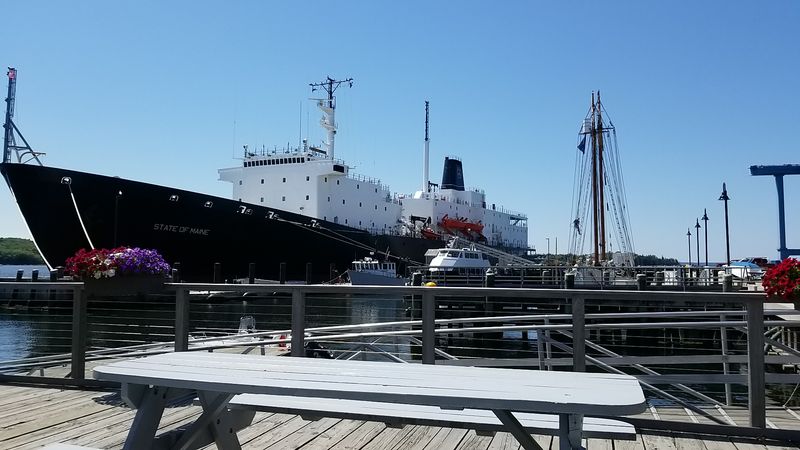
The Maine Maritime Academy, founded in 1941, continues this tradition, training merchant marine officers and engineers who carry Castine’s seafaring spirit forward.
Its training ship, the State of Maine, often docks alongside small wooden sailboats, old and new, sharing the same water.
The harbor is framed by spruce-covered hillsides and historic buildings. Kayakers pass lobster traps, and an osprey circle overhead.
Whether I am on the water or watching from shore, it is clear that the sea has always been the heart of this town.
The 400-Year History That Shapes Castine Today
Few towns in the United States have changed hands as many times as Castine. I think about how French explorer Samuel de Champlain first mapped the area in 1604.
I also consider how the peninsula became a prize fought over by the French, English, Dutch, and, eventually, Americans. Walking through Castine today, I feel like I am stepping over centuries of colonial conflict, trade, and survival.
Fort George, built by the British during the American Revolution, stands near the center of town. Its earthen walls and grassy ramparts are remarkably well-preserved.
Visiting gives me a vivid sense of how strategically important this harbor once was. The failed American Penobscot Expedition of 1779, one of the worst naval defeats in U.S. history, took place right here.
The historic district is filled with buildings dating back to the early 1800s, many beautifully maintained Federal and Greek Revival homes.
Bronze plaques mark significant sites, and the Castine Historical Society keeps the stories alive through exhibits and guided tours. History here isn’t locked behind glass.
It lines the streets, shades the sidewalks, and sits quietly at the edge of the water, waiting to be discovered by anyone willing to look closely.
What To See Around Dyce Head Lighthouse
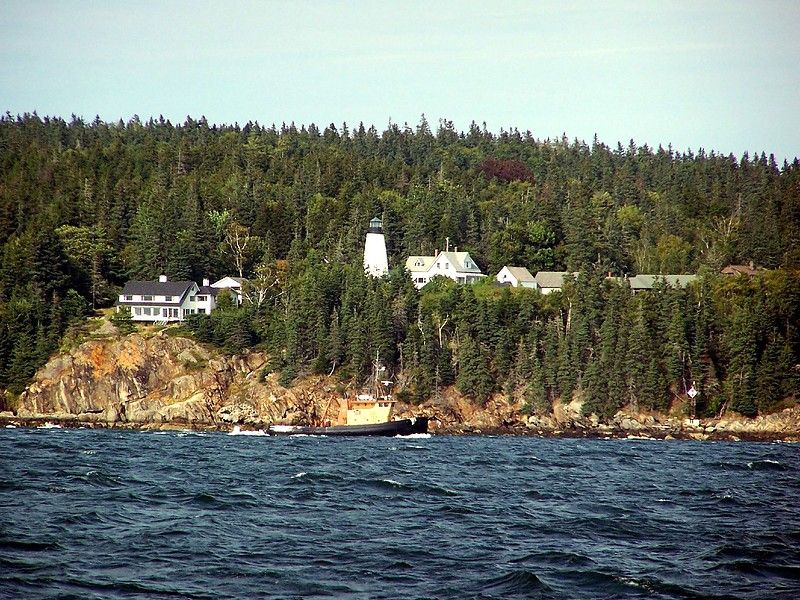
Perched on a rocky bluff at the northern entrance to Castine Harbor, Dyce Head Lighthouse instantly makes me stop and take a deep breath.
Built in 1829 and rebuilt in 1858, the white tower and keeper’s house rise among spruce trees, overlooking Penobscot Bay.
The lighthouse is owned by the town, and I can explore the grounds freely during summer tours. From the bluff, the view stretches toward the Camden Hills, and I find myself lingering longer than planned, especially at sunrise or just before sunset.
Photographers and painters often set up here, and I understand why.
The path to Dyce Head winds through a quiet neighborhood past historic homes. Along the way, I notice wildflowers, hear songbirds, and catch glimpses of the bay through the trees.
Even the walk feels like part of the experience. I often bring a blanket and a snack, knowing the view has a way of keeping me there.
Best Things To Do: Kayaking, Sailing, And Harbor Cruises
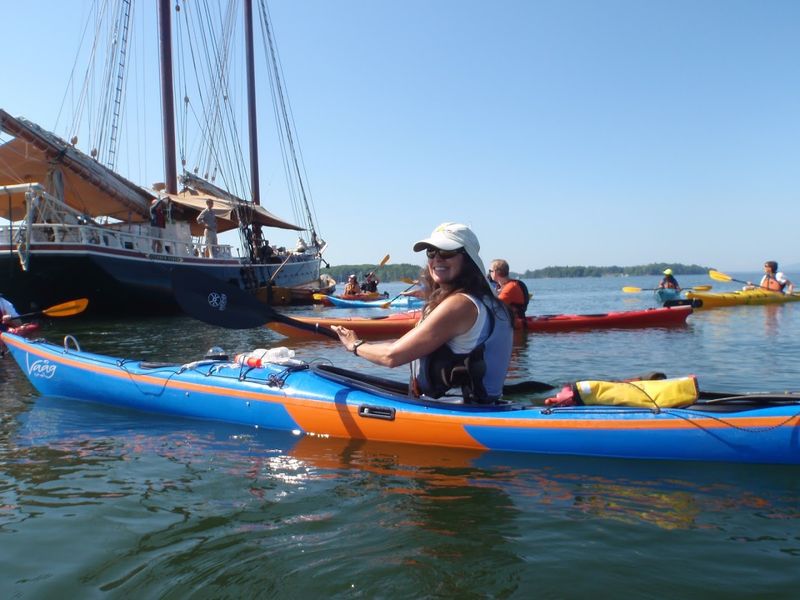
Getting out on the water in Castine is why I’m here in the first place. I grab a kayak and push off into the calm coves and tidal inlets, paddling at my own pace while ospreys and bald eagles watch like they’re judging my technique.
Even as a beginner, I feel surprisingly in control, though I keep one eye on the water just in case a curious seal decides to say hello.
Sailing is another story. I join a skippered day sail, letting someone else handle the rigging while I focus on not tipping over and enjoying the breeze.
Watching Castine’s white church steeples shrink behind me, I can’t help but feel like a proper adventurer, even if my main skill is holding onto the railing.
Harbor cruises offer a more relaxed option. I settle into a seat, listen to the narration about the bay, spot seals lounging nearby, and occasionally see a porpoise pop up as if to check my progress.
Whether I’m paddling or just sitting back, Castine’s waters have a way of making me forget time and creating memories I won’t stop talking about.
Walking Main Street: Shops, Galleries, And Local Charm
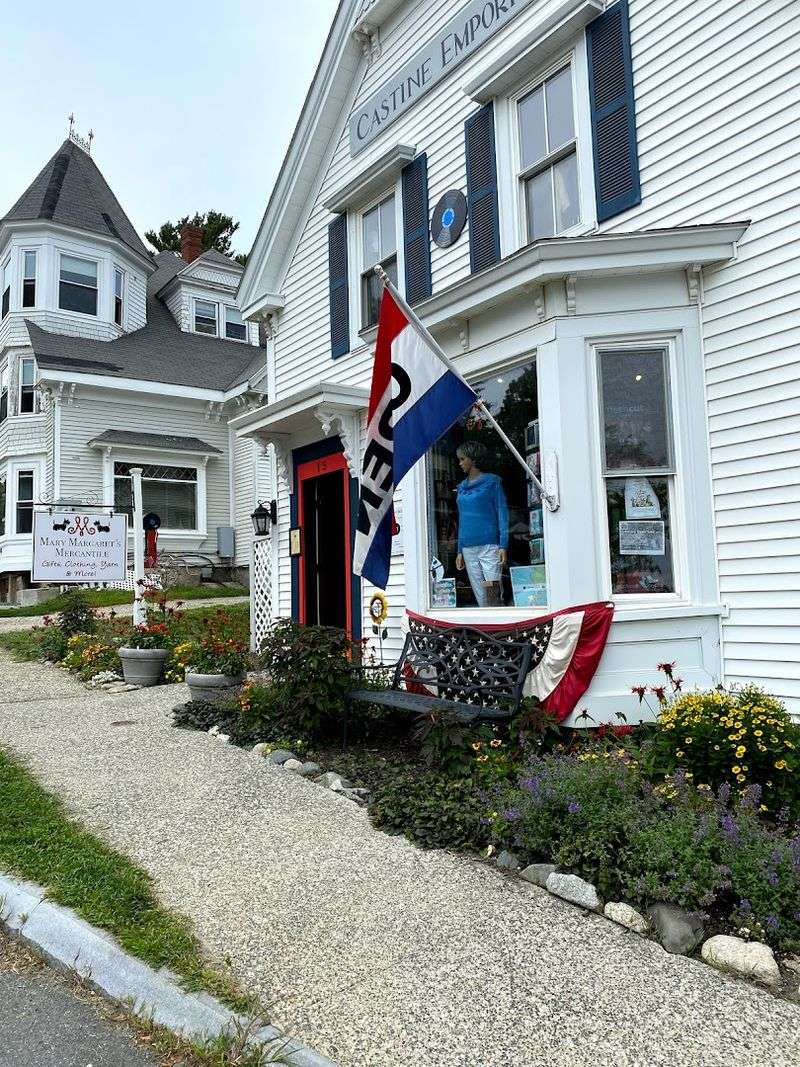
Walking down Main Street in Castine, I immediately notice how slow everything feels compared to the rest of the world.
The sidewalks are lined with Federal-style buildings that have stood since the 1800s, and I appreciate that there’s no chain coffee shop or fast food. Just small businesses run by locals who clearly care about what they do.
I stop in a few art galleries and enjoy seeing paintings inspired by Penobscot Bay, from traditional landscapes to modern interpretations. A boutique catches my eye next, with handcrafted jewelry and Maine-made goods that feel unique, not mass-produced.
I can’t resist browsing, and it feels more like connecting with the town than shopping.
The bookshop is a highlight. I wander inside, leaf through a few titles, and the staff actually knows their books.
Sitting on a bench outside with a new paperback while people walk their dogs past. It becomes clear that this is exactly the kind of calm, simple pleasure that makes Main Street special.
From here, it’s just a short walk to the waterfront, so I can move from browsing to watching boats in the harbor in a single, unhurried afternoon.
Museums, Historic Homes, And Cultural Stops Worth Visiting
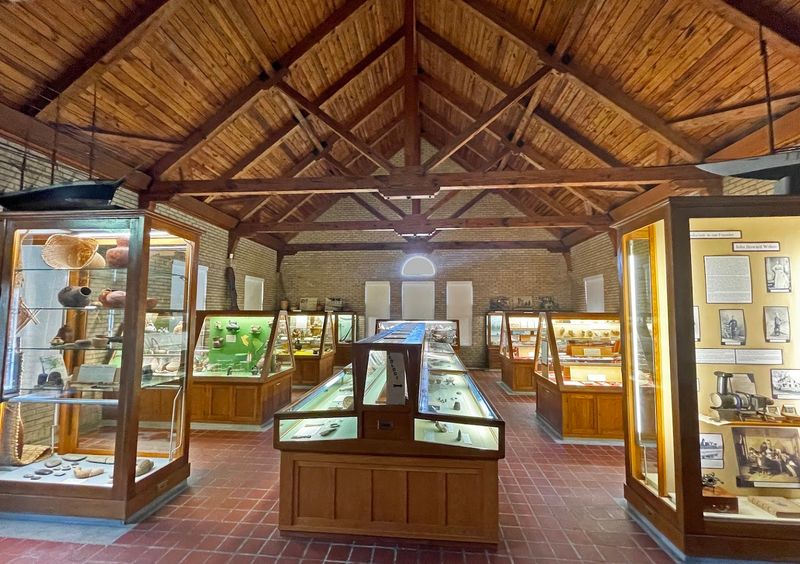
History in Castine hits me everywhere I turn. I start at the Castine Historical Society in the old Abbott School on Town Common.
The museum is small but packed. Artifacts, maps, and documents trace the town’s past from the French colonial period to the Revolutionary War.
I linger over old letters and photographs, but the model of a 19th-century schooner on display really grabs me. I can almost see it sailing out of the harbor, crew on deck, wind in the sails.
I imagine the people who lived here centuries ago.
Next, I head to the Wilson Museum, just a short walk from the waterfront. Founded in 1921, it feels delightfully quirky.
I move from prehistoric tools to ancient pottery. Then I check out Civil War-era items and local geological specimens.
Each display surprises me. Admission is free, which makes it even better.
Historic homes are everywhere. I take a self-guided walk and stop at the John Perkins House, one of Maine’s oldest pre-Revolutionary homes.
Peeking inside, I see how people lived in the 1700s. Nearly every street holds something worth noticing, photographing, or simply standing still to appreciate.
Where To Eat, Stroll, And Slow Down By The Water
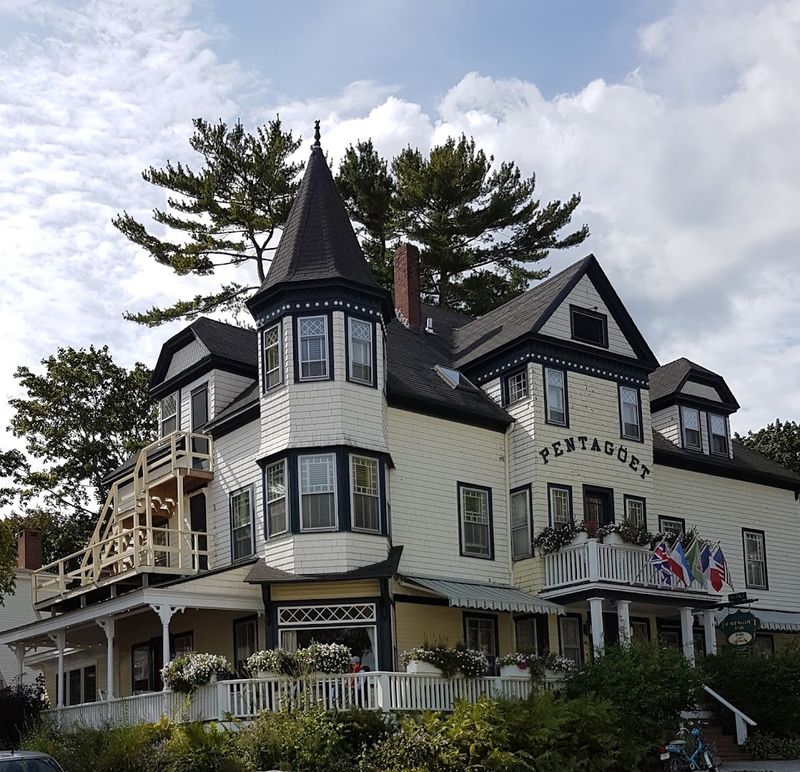
Eating in Castine is a genuinely satisfying experience. I stumbled upon the Pentagoet Inn, widely considered the best restaurant in town.
The menu features locally sourced New England cuisine, from fresh seafood to hearty seasonal dishes. Prices are on the higher side, but the quality and view make it worth it.
Reservations are strongly recommended during the summer.
For a more casual meal, I head to the waterfront. Lobster rolls are fresh and generous, chowder is made from scratch, and pan-seared scallops come straight from local boats.
Prices are moderate, and the food feels authentically Maine. Eating a bowl of clam chowder while watching the tide roll in from a harbor-facing window is simple, but unforgettable.
After the meal, I take a slow stroll along Battle Avenue or down to the town dock. The paths are flat and scenic, with benches facing the water.
It’s the perfect way to digest both the food and the view, and to enjoy a moment of calm before continuing my day in Castine.
What Makes Castine Special
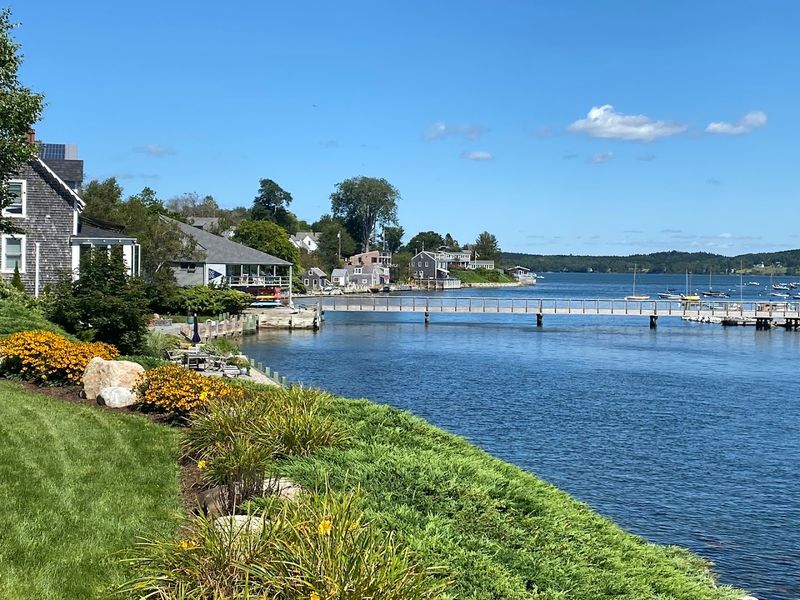
Castine has a way of slowing me down the moment I arrive. I wander its historic streets, imagining centuries of maritime life and colonial stories.
The Castine Historical Society and Wilson Museum let me step directly into the past, from Revolutionary War artifacts to pre-Revolutionary homes, each street holding something worth noticing or photographing.
Out on the water, the harbor calls me. I kayak past lobster traps, sail under the steady summer breezes, and watch porpoises or seals appear as if to say hello.
Dyce Head Lighthouse perches above the bay, offering views that make me pause and just breathe.
Main Street draws me next, with small galleries, boutiques, and the cozy bookshop where I can sit and watch locals stroll by. Meals in Castine are a highlight: fresh seafood at the waterfront or a refined dinner at the Pentagoet Inn.
Every bite comes with a view and a sense of place.
By the time I leave, I feel like I’ve experienced something rare. With love, until next time, Castine.
I’ll keep you in mind.