What makes one small coastal stop stay with you long after the drive is over? In Oregon, that question has a surprisingly clear answer.
Some places do not announce themselves with crowds, big attractions, or constant buzz. They simply leave a mark through their setting, their pace, and the way they make a trip feel calmer and more memorable. This village fits that idea well.
It is easy to pass by if you are focused on the more talked-about stretches of the coast, but that would be a mistake. The shoreline, the local rhythm, and the sense of quiet all work together in a way that feels hard to fake. Nothing here needs to fight for attention.
That is part of the appeal. In a state known for memorable coastal scenery, this spot still manages to stand apart.
There is a reason people remember it so clearly once they have been there. Here is why this Oregon village lingers in your mind.
A Village That Doesn’t Try Too Hard
Some places work overtime to impress you. Manzanita doesn’t bother.
The streets are quiet, the storefronts are modest, and nobody’s standing outside trying to pull you in. That restraint is actually what makes it so appealing.
I noticed it the moment I drove in off U.S. Route 101.
The town didn’t announce itself with big signs or flashy attractions. It just appeared, calm and unhurried, like it had been there all along and wasn’t worried about whether you noticed.
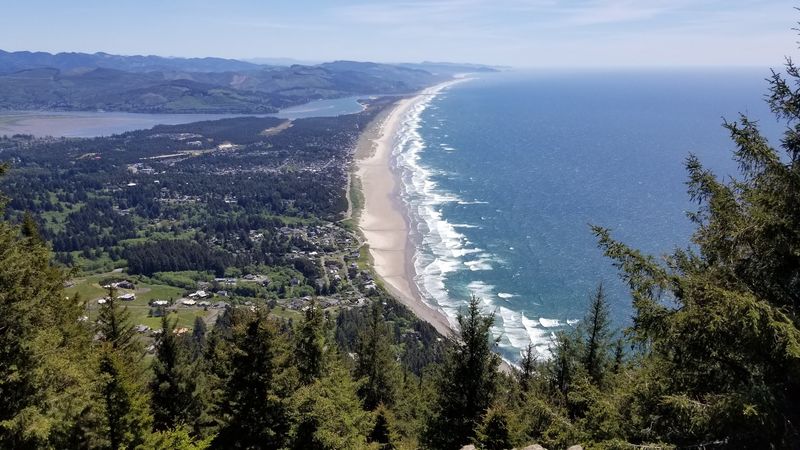
Manzanita covers a small stretch of land between Neahkahnie Mountain and the Pacific Ocean. That geography alone gives it a natural sense of containment. You feel like you’ve arrived somewhere specific, not just another stop along the coast highway.
The pace here is slow on purpose. Locals seem to prefer it that way, and visitors quickly pick up on the unspoken rule: there’s no rush.
You can walk the main street in under ten minutes, but somehow that walk takes an hour because you keep stopping to look at things.
What keeps Manzanita from feeling dull is that it has real character. The buildings have personality.
The people are friendly without being performative. It earns your attention on its own terms, and that changes everything.
The Beach Is The First Thing That Stops You Cold
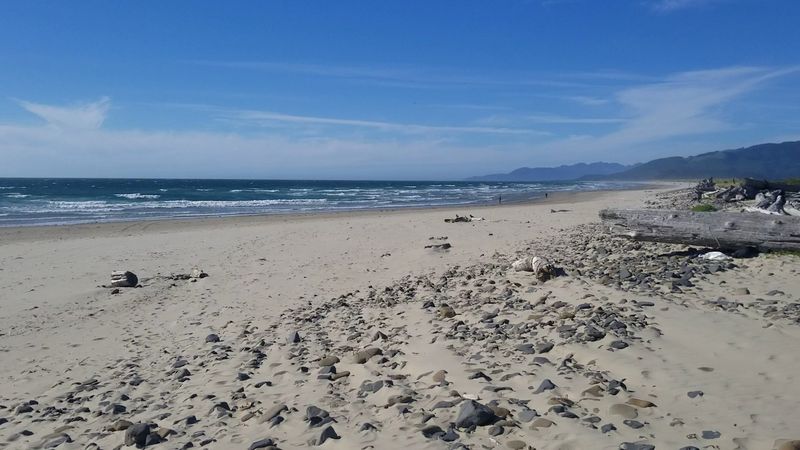
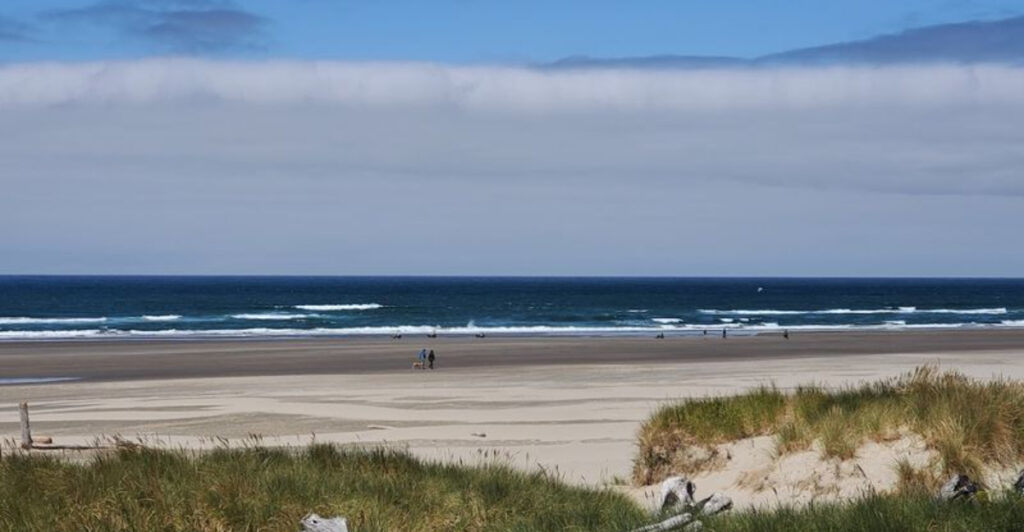
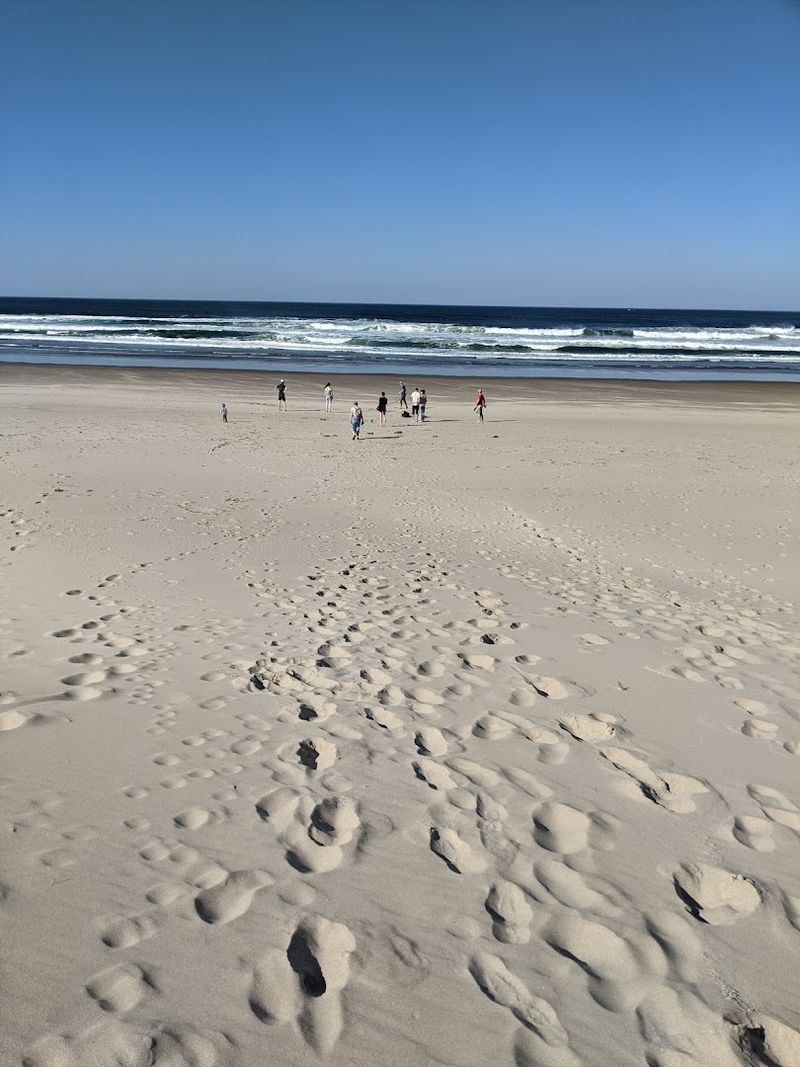
The beach at Manzanita is long, wide, and mostly uncrowded. On the mornings I walked it, I could go long stretches without seeing another person. That’s rare on the Oregon coast, and it felt like a small gift.
Sand here is dark and firm near the waterline, then softer and paler closer to the dunes. Waves roll in steady and strong.
This isn’t a calm, swimming-pool kind of beach. It’s dramatic without being dangerous if you respect it, and the sound alone is worth the trip.
What makes this beach stand out is the view of Neahkahnie Mountain rising to the north. That dark, forested ridge gives the coastline a sense of scale that’s hard to describe without seeing it.
It makes you feel small in a good way.
The beach stretches for miles and connects to Nehalem Bay State Park to the south. You can walk south for a long time and barely see another soul.
Kite flyers, dog walkers, and shell hunters all seem to find their own space here without crowding each other out.
I came back to this beach every morning I was in Manzanita. The light changes constantly, the mood shifts with the tide, and it never looked the same twice.
It leaves a stronger impression than you expect.
Laneda Avenue Packs A Lot Into A Short Stretch
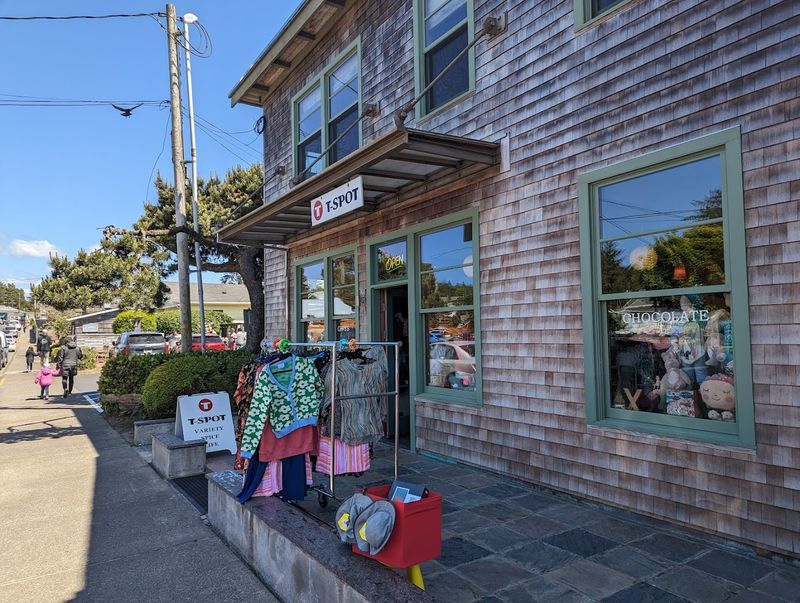
Laneda Avenue is the main commercial street in Manzanita. Small by any measure, but it punches above its weight in terms of what you can find there.
There are locally owned shops selling books, art, clothing, and gifts. There’s a good coffee spot, a bakery that draws a line on weekend mornings, and a few restaurants that focus on fresh, local ingredients.
Nothing feels like a chain. Nothing feels like a tourist trap either.
I spent a couple of hours on Laneda Avenue without feeling like I’d run out of things to look at. Storefronts are well kept, sidewalks are easy to walk, and the street feels naturally welcoming.
It’s clearly built for the people who live here, not just the people passing through.
One of my favorite stops was the Manzanita News and Espresso, located at 500 Laneda Ave, Manzanita, OR 97130. It’s the kind of local spot where regulars linger over coffee and the staff actually know your order by the second visit.
Laneda Avenue doesn’t try to be a destination. It just ends up being one.
Short as it is, it captures something real about the town’s personality, and that’s more than most main streets manage to do.
Most Drivers Miss It Completely, And Here’s Why
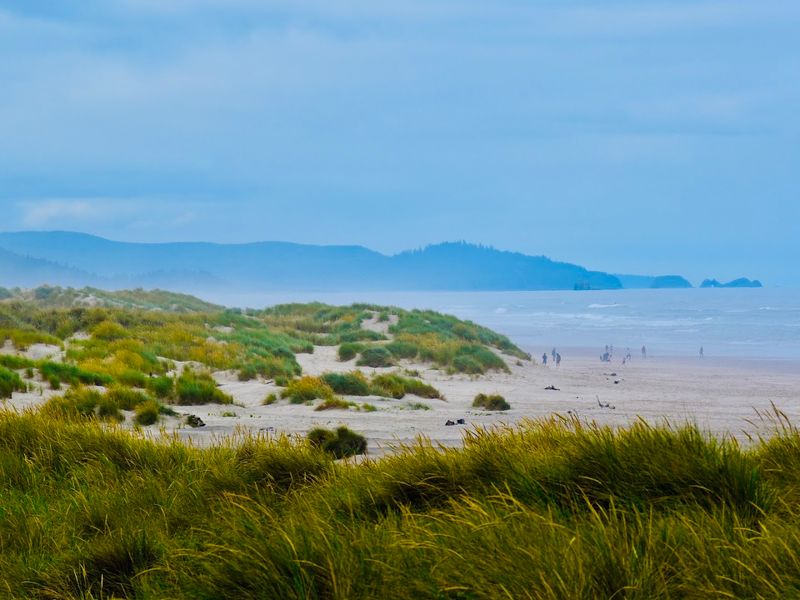
Manzanita sits on U.S. Route 101, roughly 25 miles from Seaside to the north and about the same distance from Tillamook to the south.
That puts it squarely in the middle of a stretch of highway that most people drive through on their way somewhere else.
The turnoff into town is easy to miss. There’s no dramatic gateway, no oversized billboard, no landmark that screams “stop here.” If you’re driving at highway speed with music on and a destination in mind, you’ll be past it before you register it was there.
That’s actually part of what preserves the town’s character. The visitors who show up in Manzanita tend to be people who sought it out, not people who stumbled in by accident because a sign caught their eye.
That self-selection process keeps the crowd relatively low-key.
I found Manzanita by looking at a map and deliberately picking the least obvious stop on the coast. That’s the kind of research that pays off.
The town rewards curiosity and punishes indifference, which is a fair deal if you ask me.
Oregon’s coast has plenty of well-known stops. Cannon Beach is gorgeous but crowded. Lincoln City is busy year-round. Manzanita offers something different: genuine quiet, without sacrificing real amenities.
You just have to decide to turn off the highway first.
Neahkahnie Mountain Changes The Whole Picture
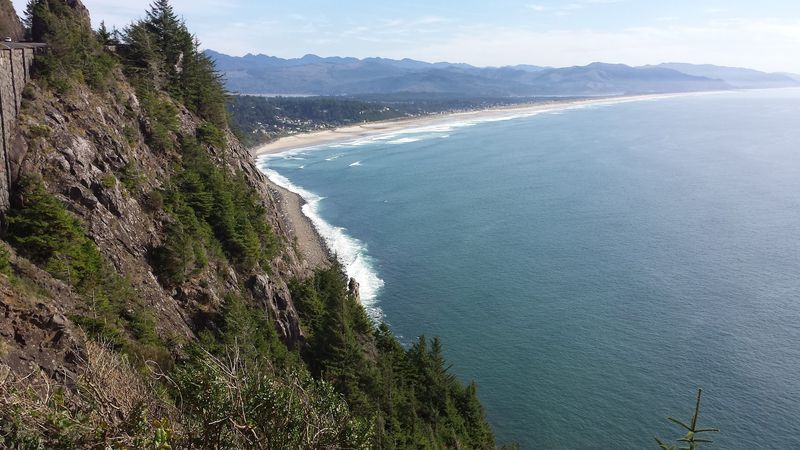
You can’t talk about Manzanita without talking about Neahkahnie Mountain. It rises sharply to the north of town, covered in old-growth Sitka spruce and Douglas fir, and it completely frames the experience of being here. That mountain is always in your peripheral vision.
There’s a trail to the summit that starts just off U.S. Route 101.
The hike is moderate, a few miles round trip with steady elevation gain. At the top, a panoramic view of the coastline opens up in both directions.
On a clear day, you can see for miles in every direction.
Standing up there and looking down at the beach and the town below puts the whole place in perspective. Manzanita looks even smaller from that height, a thin line of rooftops between the forest and the sea.
It’s a view that makes you understand why people choose to live here.
The mountain also has cultural significance for the Tillamook people who lived in this region long before any roads were built. That history adds weight to the landscape.
This isn’t just a pretty backdrop; it’s a place with a long story.
Even if you don’t hike, just seeing Neahkahnie from the beach or the street gives Manzanita a visual anchor that most coastal towns lack. It makes the whole place feel more grounded and more real.
The Pace Here Is Something You Actually Feel
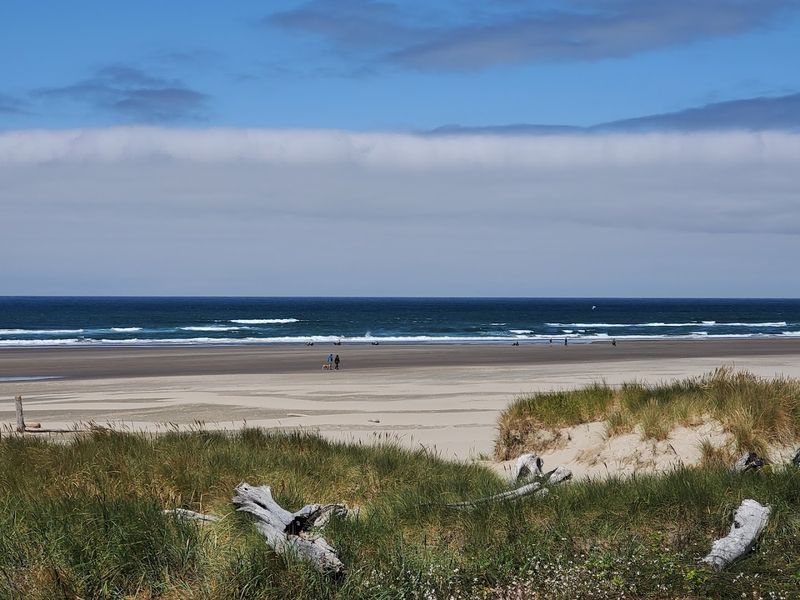
There’s a specific feeling that comes with being in Manzanita. It’s not boredom, and it’s not the manufactured calm of a spa resort.
It’s the feeling of a place that simply operates at a different speed, and your body adjusts to it within a few hours.
You can sit on a bench near the beach access path, watch the light shift on the water, and feel completely content doing nothing for a while. It does not feel like wasted time. It feels like time well spent.
The town has very little nightlife. Restaurants close at a reasonable hour.
There are no arcades, no loud bars, no neon signs competing for your attention. After dark, Manzanita gets genuinely quiet.
Quiet streets and steady surf make it possible to hear the ocean even a few blocks inland.
That quietness is not accidental. The city of Manzanita has worked to keep its character intact, limiting certain types of development that would change the town’s feel.
Result is a place that still belongs to the people who live there, not to the tourism industry.
I slept better in Manzanita than I had in months. I think the pace had something to do with that.
Some places slow you down, and that’s exactly what you needed.
Nehalem Bay State Park Adds Room To Breathe
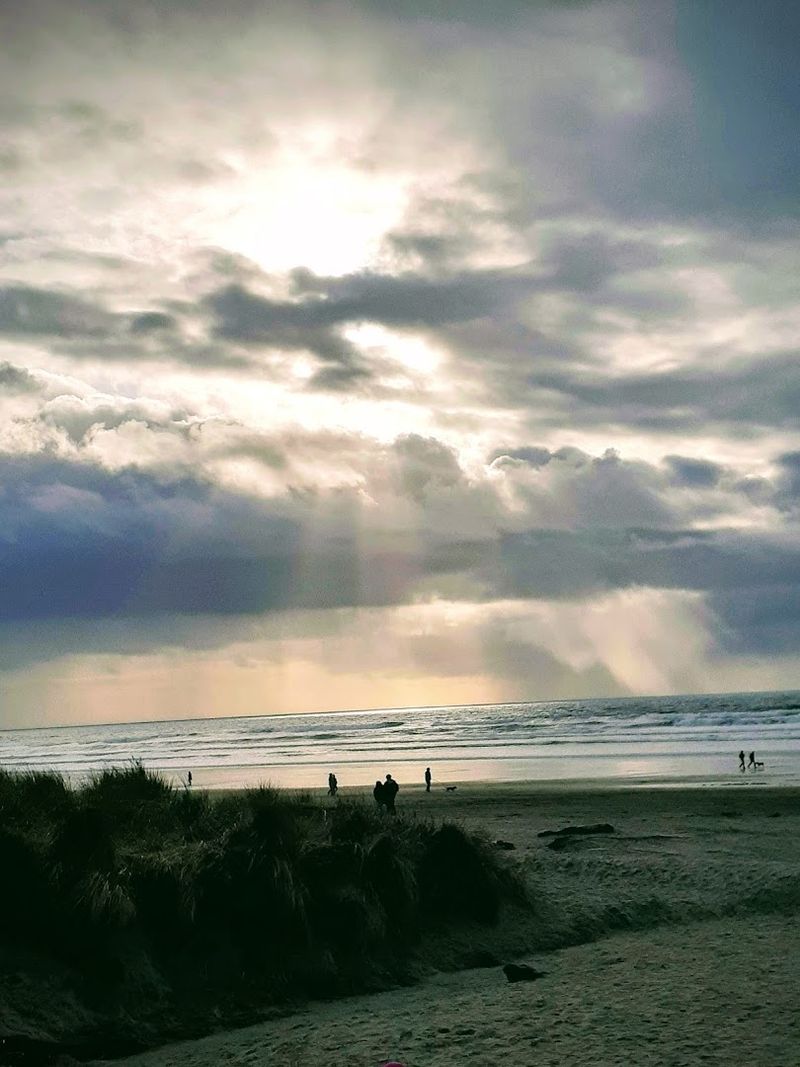
Just south of Manzanita, Nehalem Bay State Park stretches across a narrow spit of land between the Pacific Ocean and Nehalem Bay. It’s one of those parks that rewards people who take their time with it.
Landscape shifts quickly between open beach, bay marsh, and dense coastal forest, all within a short walk.
The park has a campground, equestrian trails, a boat ramp on the bay side, and a bike path that runs the length of the spit. It’s well maintained and surprisingly uncrowded compared to state parks further north.
I walked the full loop one afternoon and saw more shorebirds than people.
Nehalem Bay itself is calm and shallow, which makes it popular with kayakers and paddleboarders. Watching the bay at low tide is its own quiet spectacle.
The mudflats fill with birds, and the water turns silver and still. It’s not dramatic. It’s just peaceful.
The park also offers one of the best views of Neahkahnie Mountain from the south. Seeing the mountain from this angle, reflected in the bay on a still morning, is an image that stays with you long after you head home.
Nehalem Bay State Park is technically its own place, but it feels like a natural extension of Manzanita. Together, they form a coastal experience that’s hard to match anywhere else in Oregon.
Why Manzanita Stays With You After You Leave
I’ve been to a lot of places on the Oregon coast. Some are beautiful. Some are impressive. A few are genuinely memorable.
Manzanita falls into that last category. It stays with you for reasons that are easy to feel and harder to explain.
Part of it is the physical setting. The beach, the mountain, the bay, they all work together to create a landscape that feels complete.
Nothing is missing. Nothing is overdone. It’s the right amount of everything in a relatively small space.
But the bigger part is the feeling the town carries. Manzanita doesn’t feel like it’s performing for visitors.
It feels like it’s just being itself, and that authenticity is rare. You can tell the difference between a place that exists for tourism and a place that simply welcomes it without being defined by it.
People in Manzanita felt straightforward and unpretentious. Shop owners knew their regulars. Locals on the beach nodded hello without turning it into a big moment.
Small things, but they add up to a place that feels inhabited and alive rather than staged.
I think about the morning light on the water there. I think about the sound of the ocean at night.
I think about how two days in that town felt longer and fuller than a week somewhere louder. That’s the mark of a place worth remembering, and Manzanita earns it without even trying.
Bump Manzanita higher on your list if you want an Oregon coast town that gives you room to slow down.