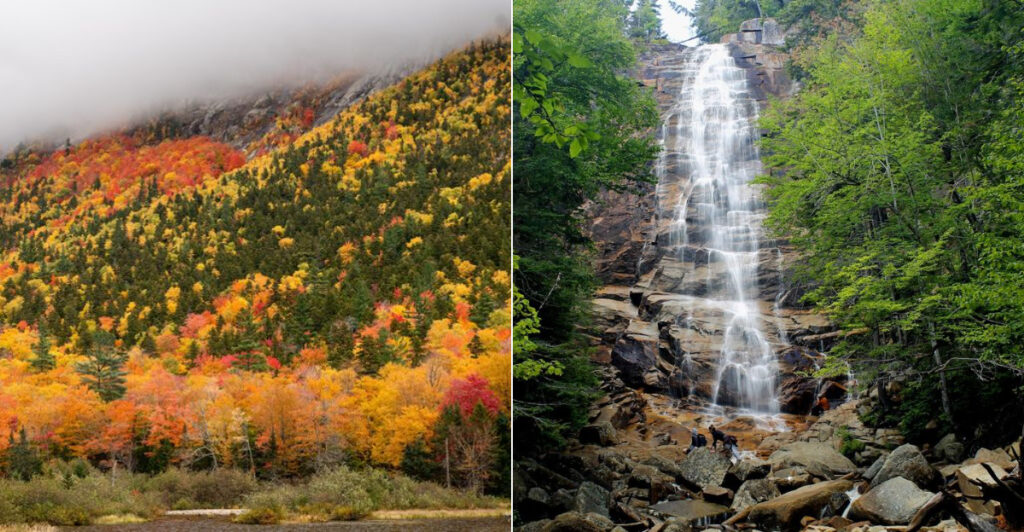
New Hampshire does not take long to remind you why people keep coming back. After a long day, this is the kind of place that helps everything slow down and reset. Sometimes a quiet trail, cool air, and the sound of falling water are exactly what you need to clear your head and feel like yourself again.
What starts as a peaceful forest hike can suddenly turn into the kind of scene that stops you in your tracks, with roaring water, towering rock, and that fresh mountain air doing the rest. That is exactly what makes this trail such a standout.
It winds through shady woods, crosses lively streams, and leads to the tallest waterfall in the state, all without feeling out of reach for the average hiker. The scenery feels big, the payoff feels real, and the walk itself stays enjoyable the whole way.
The Trail Itself Is A Journey Worth Savoring
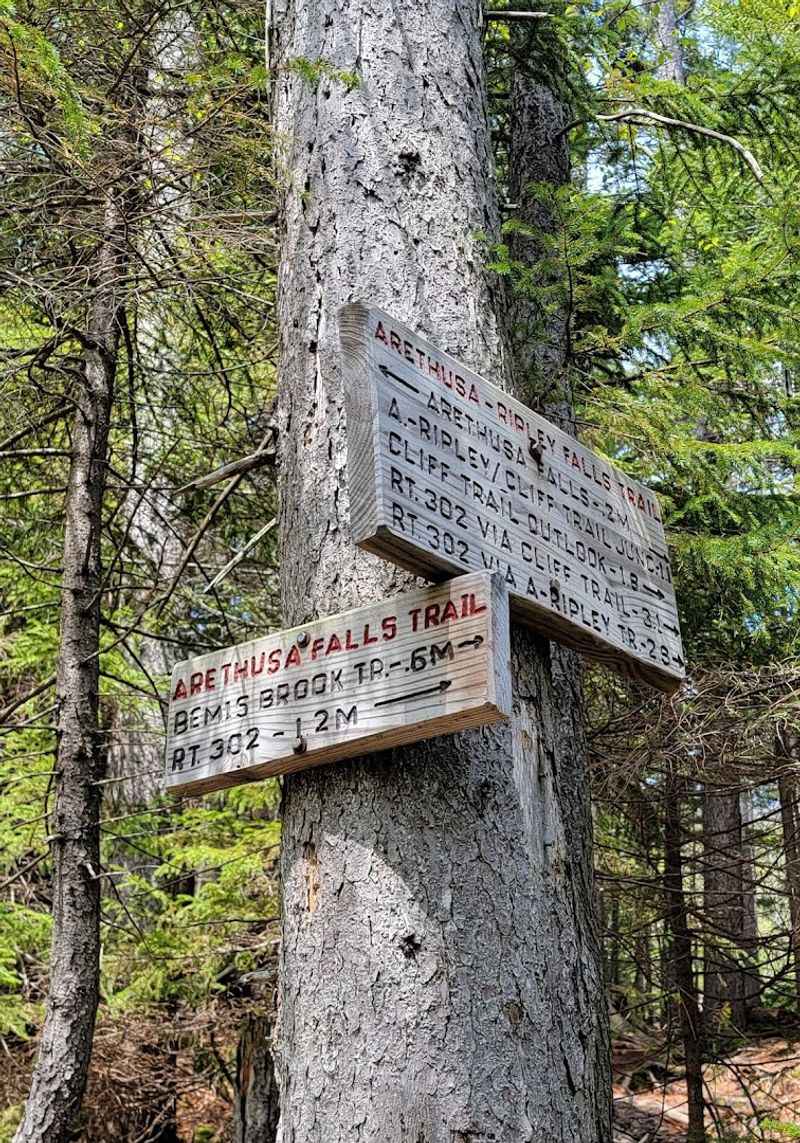
If your brain needs a reset, start here. The trail surface changes as you climb.
Near the bottom, you walk through soft forest floor with roots and rocks peeking through. Higher up, the path gets steeper and more rugged, which keeps things interesting.
The Arethusa Falls Trail runs about 2.7 miles round trip from the trailhead near Crawford Notch State Park in New Hampshire 03812. The elevation gain is moderate, sitting around 850 feet, which makes it challenging enough to feel satisfying but manageable for most hikers with basic fitness.
One of the best parts of this trail is that it never feels boring. There are stream crossings, small cascades along Bemis Brook, and constant changes in the tree canopy above you.
The trail is well-marked with signs, so getting lost is unlikely if you pay attention. Most hikers complete the round trip in about two to three hours, depending on how often they stop to admire the scenery.
Taking your time on the way up pays off, because you will notice details like mossy boulders, tiny wildflowers, and the sound of water changing as you get closer to the main falls. This trail rewards the curious hiker who is not in a rush.
Tallest Waterfall Awaits At The End
Some places do all the hard work for you. This is one of them.
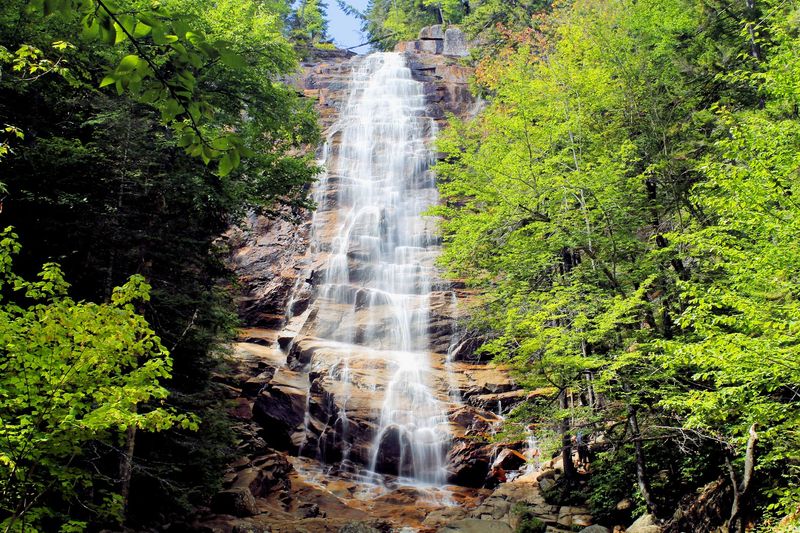
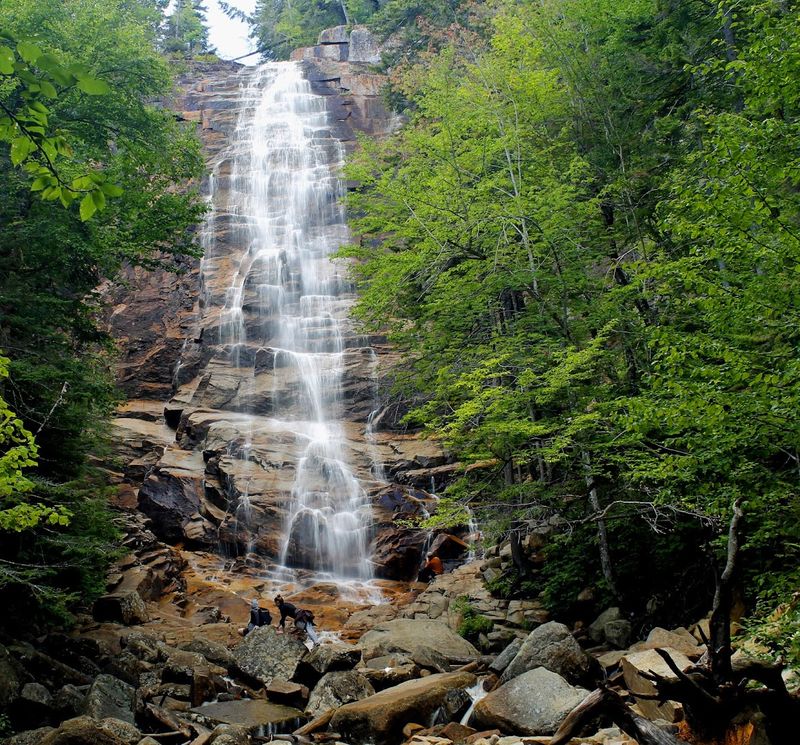
Standing at roughly 200 feet tall, Arethusa Falls is the highest waterfall in New Hampshire, and that fact alone makes this hike worth every step. The water tumbles dramatically down a granite cliff face, sending mist into the air and creating a constant roar you can hear before you even see it.
The approach builds anticipation perfectly. You walk through quiet forest for most of the trail, and then suddenly the trees open up and the falls appear in front of you like a reward for showing up.
The base of the falls is a great spot to rest, eat a snack, and take photos. The rocks around the pool can be slippery, so wearing shoes with grip is a smart move.
The falls are fed by Bemis Brook, and the flow is strongest in spring when snowmelt pushes water down the mountain at full force. Even in late summer, the falls remain impressive and worth the trip.
Early morning visits tend to reward hikers with softer light and fewer crowds, making the whole experience feel more personal and calm.
Bemis Brook Cascades Keep The Magic Going
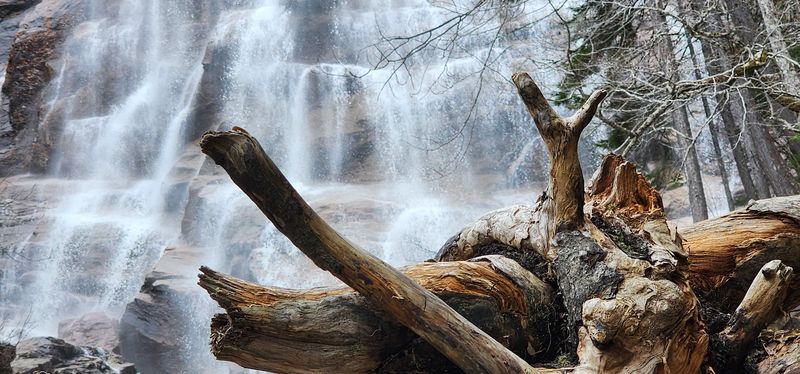
This is where the outside world starts to fade a little. Most people come for Arethusa Falls, but Bemis Brook steals the show along the way.
This lively stream runs alongside much of the trail, creating a series of smaller cascades and pools that are genuinely beautiful on their own terms.
Coliseum Falls and Fern Pool are two spots along Bemis Brook that many hikers stop to appreciate. Coliseum Falls drops into a curved rock basin that looks almost sculpted, while Fern Pool sits in a shaded hollow surrounded by, as the name suggests, a thick carpet of ferns.
These brook-side stops make the hike feel like a series of discoveries rather than one long push toward a single goal.
On hot days, the air near the brook is noticeably cooler, offering a natural refreshment that hikers genuinely appreciate. Children tend to love the brook sections especially, since the shallow pools and smooth rocks invite curiosity.
Families who take their time along Bemis Brook often say the brook itself is as memorable as the main falls at the top. That is saying something when the main attraction is 200 feet of falling water.
Best Seasons To Visit And What To Expect
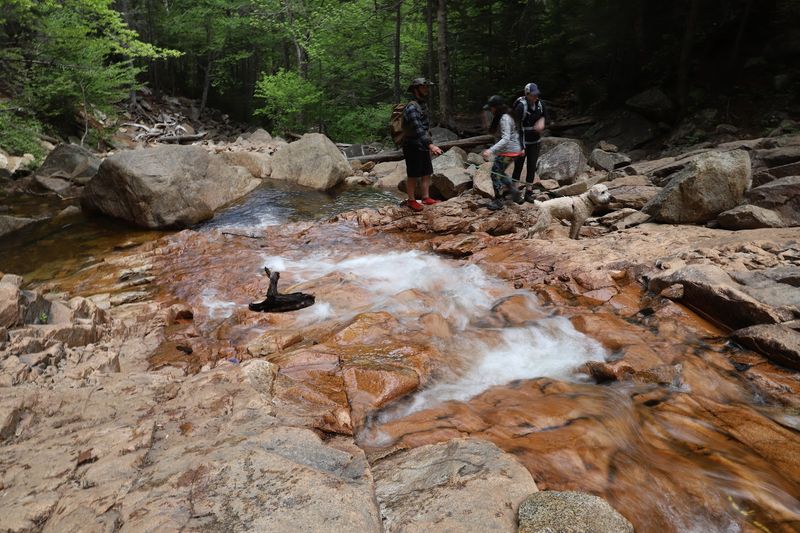
Spring is the most dramatic time to hike to Arethusa Falls. Snowmelt from the White Mountains sends huge volumes of water over the cliff, turning the falls into a thundering curtain of white water that is hard to forget.
The forest is also waking up during this time, with fresh green leaves and wildflowers making the trail feel full of life. Summer brings a different kind of beauty.
The canopy fills in completely, creating shaded stretches of trail that feel cool even on warm days. The falls are still flowing well, and the surrounding greenery is at its most lush.
Autumn is arguably the most photogenic season. The hardwood trees along the trail turn brilliant shades of orange, red, and gold, and the contrast against the grey granite cliffs is stunning.
Winter visits are possible for experienced hikers with proper gear, including microspikes or crampons, since the trail can become icy. The frozen or partially frozen falls create a completely different visual experience that draws photographers and adventurous souls.
Each season offers something genuinely distinct, which means the Arethusa Falls Trail is one of those rare hikes you can return to multiple times without it ever feeling like the same walk twice.
What To Pack For A Smooth And Enjoyable Hike
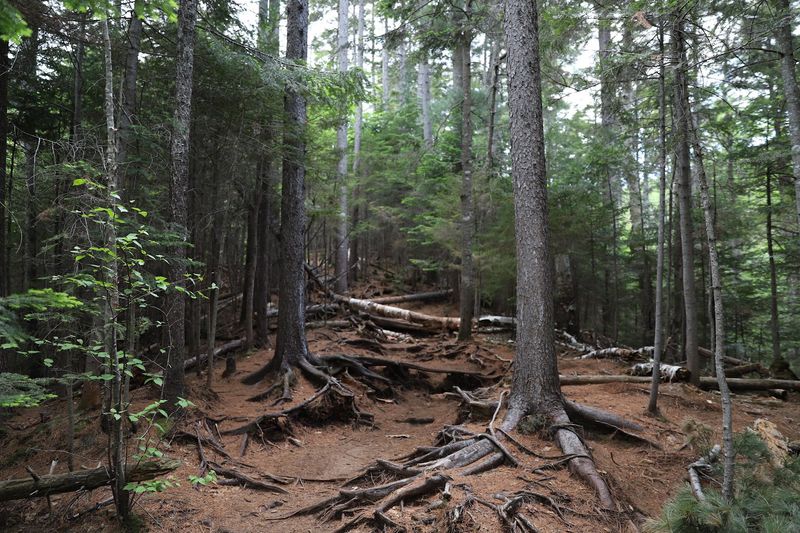
Preparation makes a real difference on this trail, especially since conditions in the White Mountains can shift quickly. A daypack with water, snacks, and a light rain jacket covers most situations you are likely to encounter on a standard day hike to Arethusa Falls.
Footwear matters more here than on a paved path. The trail has roots, rocks, and wet sections near the stream crossings, so proper hiking boots or trail shoes with ankle support and grip will make the whole experience more comfortable and safe.
Trekking poles are optional but genuinely useful on the steeper upper sections, especially on the descent when knees tend to feel the effort. A small first aid kit is always a smart addition to any trail bag.
Cell service in the Crawford Notch area can be unreliable, so downloading an offline map before you leave is a practical step.
Parking at the Arethusa Falls trailhead on Route 302 fills up quickly on weekends and holidays, so arriving before 9 a.m. during peak season is a reliable strategy for securing a spot and starting the hike while the light is still soft and the trail is quiet.
Wildlife And Forest Life Along The Way
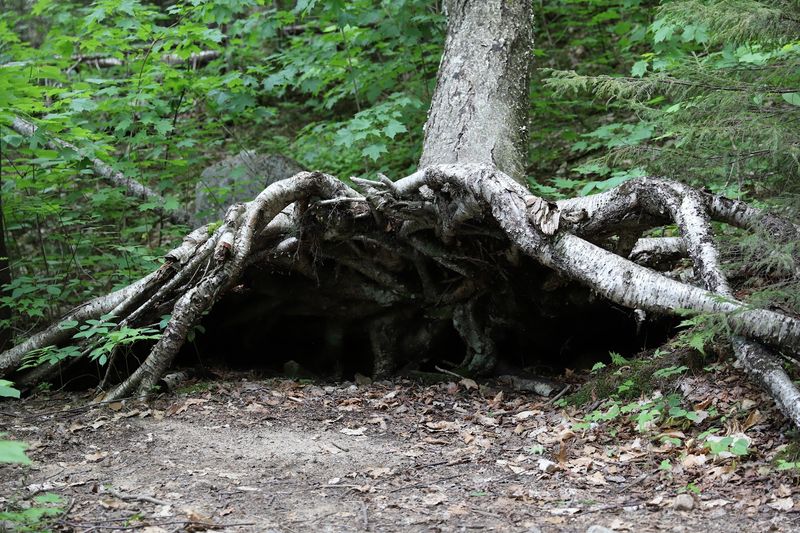
The forest makes a strong case for lacing up your boots. The forest along the Arethusa Falls Trail is alive in ways that reward quiet, attentive hikers.
White-tailed deer are commonly spotted in the early morning hours, especially near the lower sections of the trail where the forest floor is open and browsable.
Bird life is rich throughout the hike. You might hear the distinctive call of a hermit thrush echoing through the trees, or spot a dark-eyed junco hopping along the trail edge. The brook sections attract water-loving birds and insects that add to the sensory experience of the hike.
Salamanders and frogs are often found near the wetter areas close to Bemis Brook, which makes the trail especially exciting for younger hikers who enjoy discovering small creatures.
Black bears are present in the White Mountains region, and while encounters on this trail are rare, carrying bear spray and knowing basic bear safety is a responsible habit. Moose occasionally pass through the Crawford Notch area, and spotting one in the early morning is an unforgettable experience.
The forest ecosystem here is healthy and functioning, which means wildlife sightings feel natural rather than forced.
Staying on the marked trail and keeping noise at a reasonable level gives you the best chance of seeing something wild and wonderful before you reach the falls.
Crawford Notch State Park
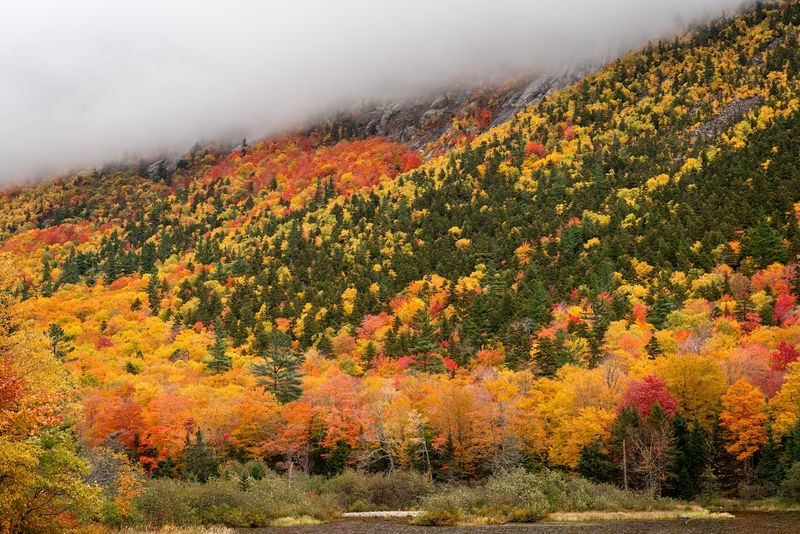
The Arethusa Falls Trail sits within Crawford Notch State Park, one of New Hampshire’s most dramatic natural landscapes. The notch itself is a deep mountain pass carved by glaciers thousands of years ago, and the park surrounding it offers far more than a single trail.
Crawford Notch State Park covers nearly 6,000 acres and includes campgrounds, picnic areas, and multiple hiking trails that range from easy walks to demanding ridge climbs.
The Arethusa Falls Trail is consistently ranked as one of the park’s top experiences, and for good reason.
The park sits along Route 302 in the heart of the White Mountains, making it accessible from both the north and south. The full address for the Arethusa Falls trailhead is along Route 302 near Harts Location, New Hampshire 03812, USA.
The Saco River runs through the notch, adding another layer of natural beauty to the area. Visitors who spend a full day in Crawford Notch often combine the Arethusa Falls hike with a stop at the Willey House historic site, a short scenic drive through the notch.
The park feels generous with its offerings, and a single visit rarely feels like enough to take it all in properly.
Tips For First-Time Visitors To Make The Most Of The Trip
First-time visitors to the Arethusa Falls Trail often make the same mistake: they rush. The trail is short enough that it is tempting to power through, but the best experiences happen when you slow down and actually look around.
Arrive early, especially on summer weekends. Wearing layers is smart even in summer, since the temperature near the falls and along the shaded brook sections can feel noticeably cooler than the parking lot.
A lightweight fleece or packable jacket takes up almost no space and gets used more often than you expect. Bringing a fully charged phone for photos is obvious, but also consider leaving time at the falls to simply sit and take it in without a screen in front of your face.
Dogs are welcome on the trail and tend to love the brook sections, but keep them leashed to protect the local wildlife and other hikers. The trail is not stroller-friendly due to the rocky terrain, but older children who are comfortable on uneven ground will handle it just fine.
First-time visitors who follow these simple steps almost always leave saying they want to come back, and that is the best possible outcome for a day hike.