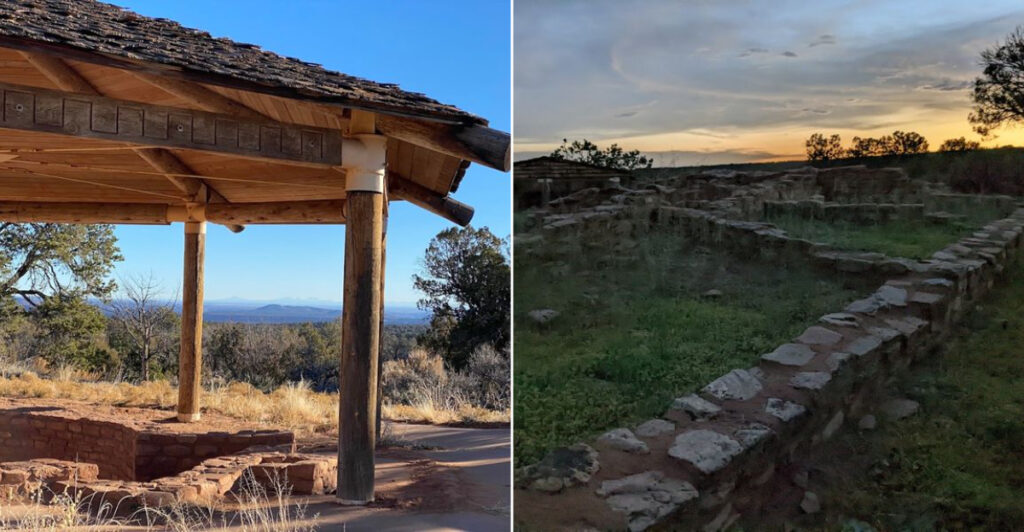
History feels different when the doorway is seven centuries old and the walk there barely raises your pulse. A short paved path leads to ancient stone rooms, a partially reconstructed ceremonial chamber, and signs that turn weathered walls into a vivid story of daily life, community, and belief.
Hidden along a highway in Utah, the site offers rare access without demanding a steep climb or hours on the trail. You can move slowly, notice the architecture, and imagine the generations who gathered here long before roads crossed the desert.
Admission costs nothing, the grounds welcome visitors year-round, and the experience fits easily into a road trip without feeling rushed. For curious travelers, the archaeological treasures of southern Utah make the past feel startlingly close.
Bring water, tread respectfully, and take your time. Few history lessons let you stand this near the evidence while leaving your hiking boots almost completely clean.
The Hook: A Roadside Ruin Worth Every Second
Some destinations announce themselves with billboards and entrance fees. Mule Canyon Interpretive Site does neither, which is exactly what makes stumbling upon it feel like a genuine discovery.
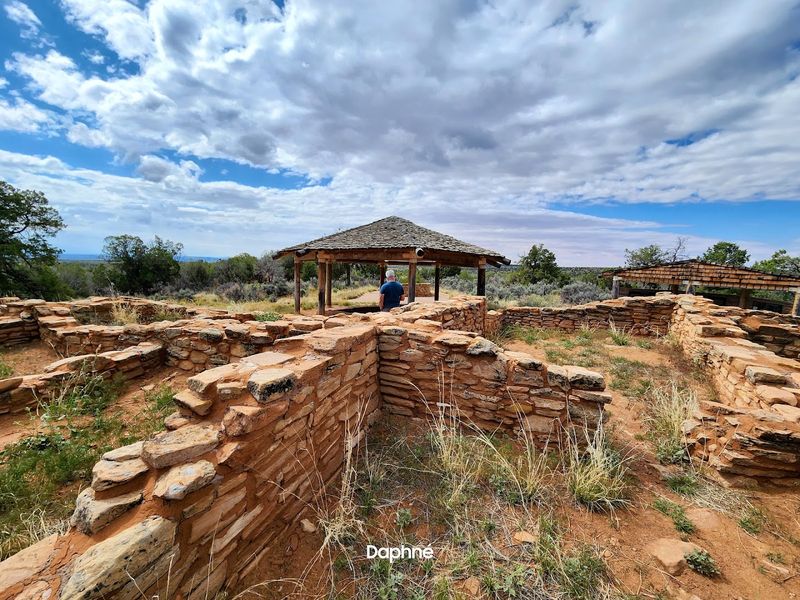
Sitting just off Utah Highway 95 inside Bears Ears National Monument, this site holds partially reconstructed Puebloan ruins dating back roughly 700 years.
The parking lot is large, paved, and easy to navigate, even if you are hauling a road-trip-weary family through the canyon country. From the moment you step out of the car, the landscape shifts your mood entirely.
The red rock surroundings have a quiet authority that no highway billboard could ever replicate.
Admission is free, hours are 24 hours a day, seven days a week, and the walk to the ruins takes about one minute on a flat, paved, wheelchair-accessible path. If you have ever driven past a brown historical sign and thought, “we should really stop,” this is the one where you absolutely should.
Quick Tip: Watch for the turnoff on UT-95. First-time visitors frequently report missing it on their initial pass through the area, so keep your eyes sharp and your speed reasonable.
What Actually Awaits You Inside the Ruins
Walking up to the Mule Canyon site for the first time, you might expect a rope barrier and a distant view of something vaguely historical. Instead, you get the real thing up close.
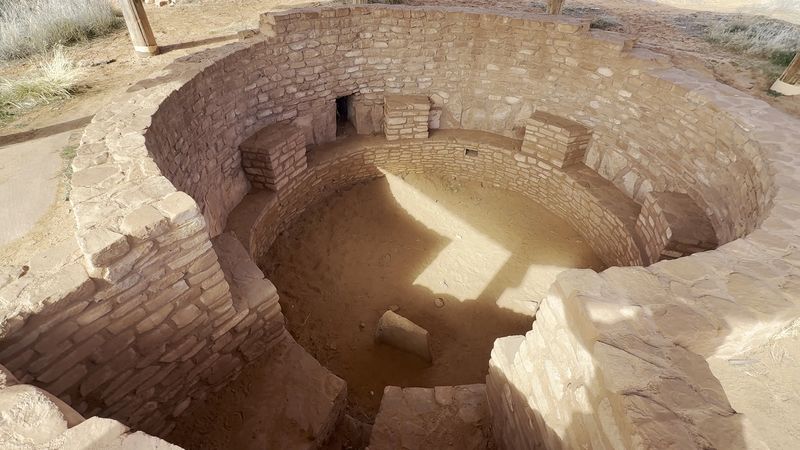
The centerpiece is a deep, circular kiva, a ceremonial underground chamber used by ancestral Puebloan communities that once lived across the Colorado Plateau.
Alongside the kiva stands a room block with foundations representing roughly four to twelve rooms, depending on which section you are examining. The structures are partially reconstructed, meaning the Bureau of Land Management and cooperating groups stabilized and partially rebuilt sections to help visitors understand the original scale and function.
Informational signs placed around the site explain construction methods, daily life, and the relationship between Mule Canyon and nearby sites like Cave Towers, which sits within direct line of sight about a mile away.
Tunnels connecting the kivas are among the more surprising details, and visitors frequently pause longer than expected once they notice them.
Why It Matters: This is not a distant ruin you squint at from a viewpoint. You walk among the walls, read the signs, and actually absorb the history rather than just photograph it from afar.
The Trail Itself: Easier Than Your Morning Coffee Run
There is a particular category of outdoor experience that asks almost nothing of your fitness level and delivers disproportionate rewards. The walk at Mule Canyon Interpretive Site sits firmly in that category.
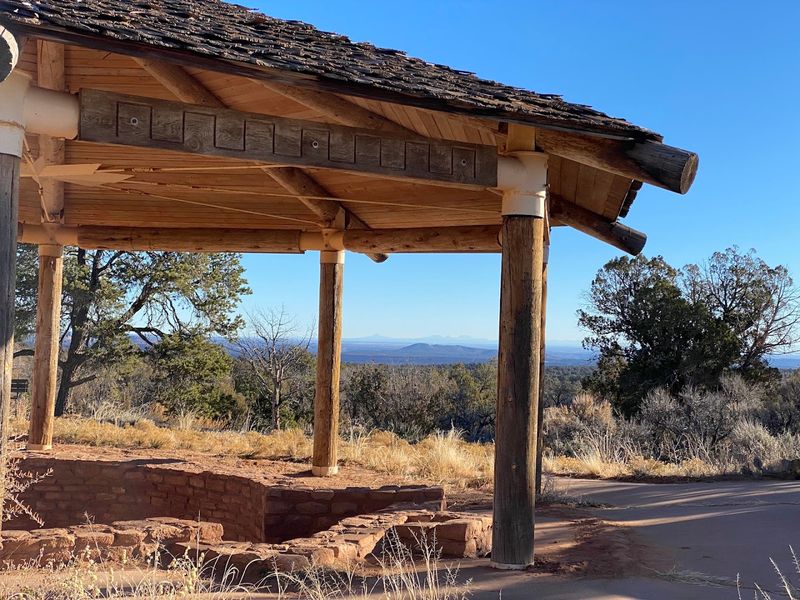
The path from the parking area to the ruins is paved, flat, and wheelchair accessible, clocking in at roughly a one-minute walk each way.
That is not a typo. You park, you walk sixty seconds, and you are standing inside a 700-year-old ceremonial structure.
Families traveling with young children, older adults, and visitors with mobility considerations all find this site genuinely welcoming rather than just technically accessible in name only.
The surrounding landscape adds context that the trail itself cannot provide. Cedar Mesa stretches out around you, layered with geological time, and the quiet of the canyon country makes the short walk feel longer in the best possible way.
You are not rushing through a museum. You are pausing inside a landscape that has been quietly holding its history for centuries.
Best For: Families with small kids, road-trippers needing a meaningful leg-stretch, and anyone who wants genuine historical immersion without committing to a full day hike.
Why Locals and Regulars Keep Coming Back
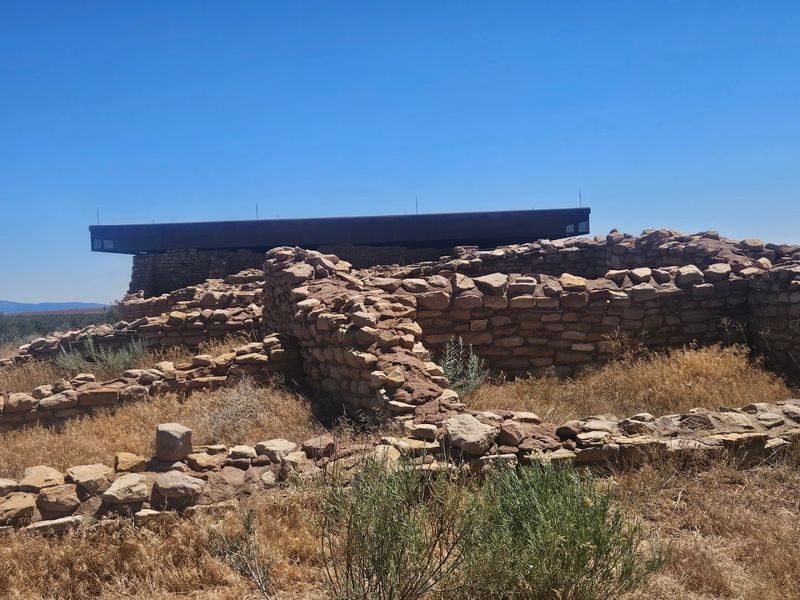
There is a particular kind of travel credibility that comes from knowing which roadside stops are actually worth it. Among people who drive UT-95 regularly, whether heading toward Natural Bridges National Monument or Bears Ears, Mule Canyon has earned a quiet but consistent reputation as the stop you do not skip.
The informational signage receives specific praise from repeat visitors, who note that the boards at Mule Canyon taught them more about Cedar Mesa than anything else they encountered along the route. That is a meaningful endorsement in a region packed with geological and historical landmarks competing for attention.
The site also connects visitors to the broader story of the area, including the speculative relationship between Mule Canyon and Cave Towers visible in the distance.
Wild turkeys have been spotted strutting through the parking area with the kind of confidence that suggests they have been briefed on their role as unofficial greeters. The restroom facilities, vault toilets near the parking area, earn surprisingly enthusiastic mentions from road-trippers who have suffered through enough remote Utah stops to know that a clean facility is genuinely worth celebrating.
Insider Tip: Read every interpretive sign. Visitors who skip them miss roughly half of what makes this site worth stopping for.
Halfway Through and It Just Keeps Getting Interesting
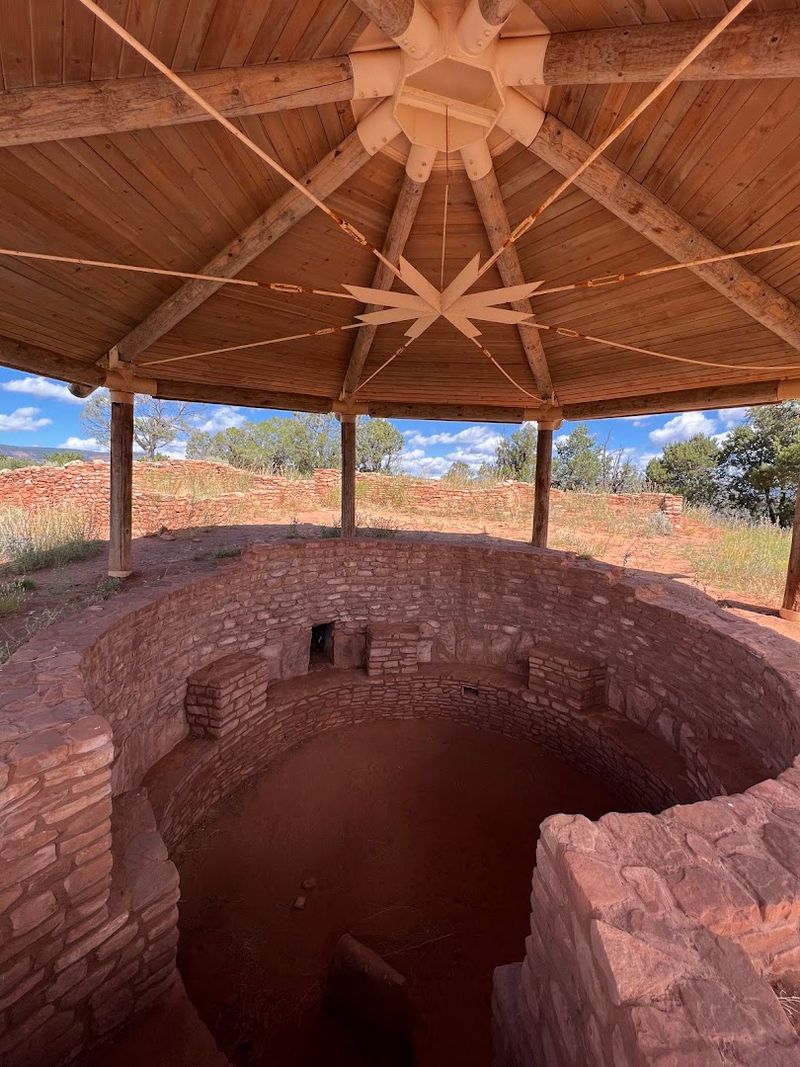
Here is where the site surprises most visitors who assumed they had seen everything in the first two minutes. The kiva at Mule Canyon is not simply a circular hole in the ground with a placard next to it.
The partial reconstruction gives you a genuine sense of the original depth, diameter, and craftsmanship involved in building these ceremonial chambers without modern tools or materials.
The ancestral Puebloan people who constructed this site were working with stone, mortar, and timber in a landscape that is unforgiving by any modern standard. Standing at the edge of the kiva and looking down into it, you start doing the math in your head, and the math is humbling.
The room block adjacent to the kiva adds further dimension, showing how residential and ceremonial spaces were organized in close proximity.
Visitors who spend time with the interpretive boards often leave with questions they did not arrive with, which is arguably the best outcome any historical site can produce. The site also connects visually to Cave Towers roughly a mile away, a detail the signage addresses with genuine archaeological curiosity rather than vague speculation.
Planning Advice: Budget at least 20 to 30 minutes here, even though the walk takes one minute. The reading and reflecting are where the real value lives.
Making It a Mini Outing Worth the Detour
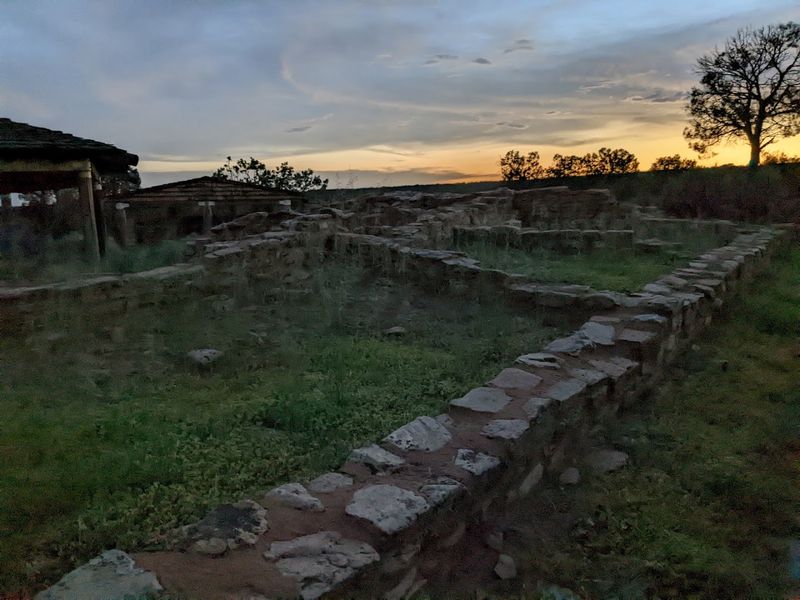
Mule Canyon Interpretive Site works beautifully as a standalone stop, but it earns extra points when you frame it as part of a larger canyon country loop. The site sits along UT-95, a road that connects to Natural Bridges National Monument to the east and the broader Bears Ears region in every direction.
Stopping here breaks up a long drive in a way that actually adds something rather than just eating time.
For families on a road trip, this is the kind of stop that resets the energy in the car without requiring anyone to change shoes or apply sunscreen. For couples moving through the desert Southwest, it is a shared moment that costs nothing and sticks around in conversation longer than most paid attractions manage.
Solo visitors tend to linger the longest, working through every interpretive panel at their own pace.
The large, paved parking area accommodates everything from compact cars to RVs, and the vault toilets near the lot make it a practical as well as historically rich pause. Post-ruins, a short Main Street stroll through nearby Blanding or Bluff adds a small-town cue to round out the afternoon.
Common Mistakes to Avoid: Do not rush through assuming it will take five minutes. Give the interpretive signs the attention they deserve, and the site will reward you accordingly.
The Verdict: One Free Stop That Earns Its Place on Every Utah Itinerary
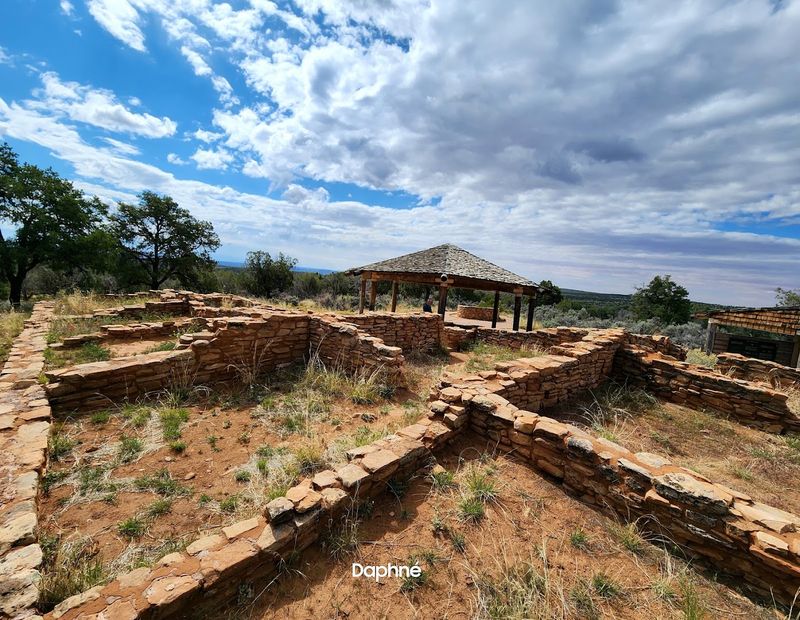
Not every worthwhile place in Utah requires a permit, a trailhead reservation, or a two-hour hike. Mule Canyon Interpretive Site proves that point with quiet confidence.
Free admission, year-round access, a one-minute paved walk, and a 700-year-old kiva you can actually stand beside add up to the kind of travel win that feels almost unfairly easy.
The site holds a 4.6-star rating from a healthy crowd of visitors, which in canyon country, where opinions run strong and comparisons run deep, represents genuine community endorsement. The partially reconstructed kiva, the adjacent room block, the connecting tunnels between structures, and the well-written interpretive panels all deliver more than the modest roadside footprint suggests they will.
If you are plotting a route through southeastern Utah, this stop belongs on the list without debate. It is the kind of place that a well-traveled friend texts you about with a confidence that makes you trust it immediately.
Short walk, ancient history, clean facilities, zero entry cost, and a landscape that makes you feel like you have genuinely earned a sense of place without earning a single blister.
Quick Verdict: Mule Canyon Interpretive Site is the rare free stop that outperforms paid attractions twice its size. Stop here.
Read the signs. Leave slower than you arrived.