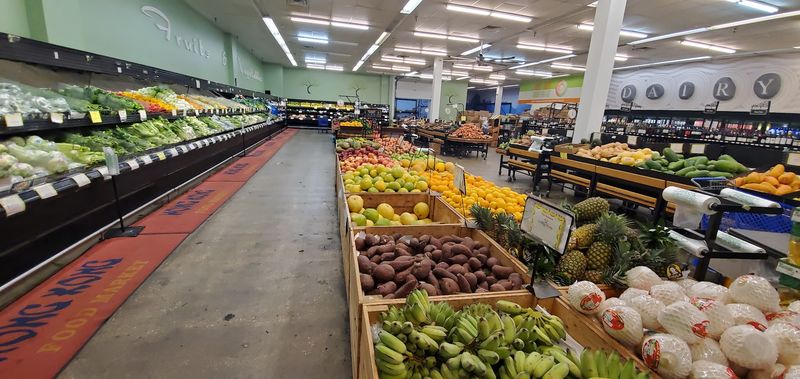
On the West Bank of the Mississippi River, a warehouse-sized grocery store on Behrman Highway carries five kinds of yams, live crabs, and roughly fifty different soy sauces. Hong Kong Food Market in Terrytown has become the place people drive to when a recipe calls for something their regular supermarket has never heard of.
It serves the Vietnamese and broader Asian communities across the New Orleans area, and it stays open every single day from morning until night. If a certain ingredient exists somewhere in the region, chances are good it is sitting on a shelf here.
A West Bank Landmark On Behrman Highway
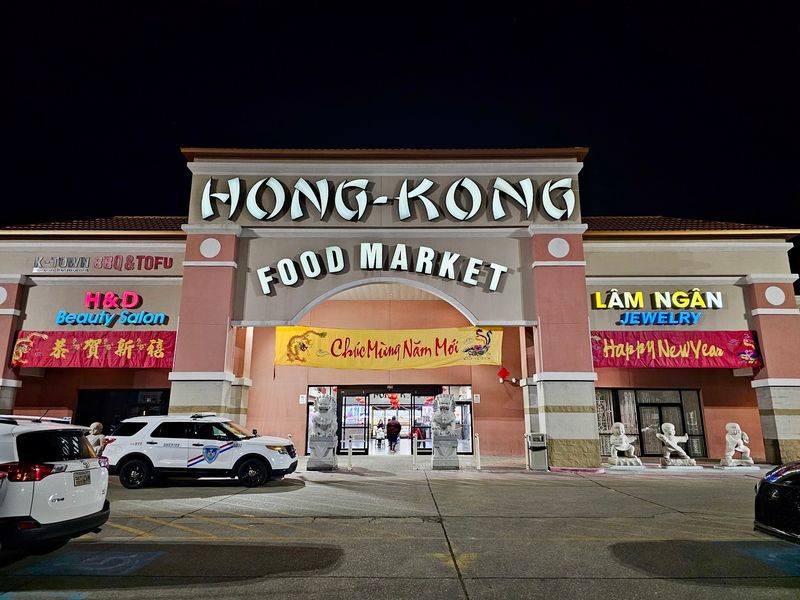
Drive down Behrman Highway in Terrytown and you reach a shopping center where one store dominates the property at 925 Behrman Hwy #3. Hong Kong Food Market sits on the West Bank of the Mississippi River, a short hop across from New Orleans proper.
Regulars describe a shopping mall area that once felt like a small Chinatown, with this market now standing almost alone as the anchor. It is recognized as one of the largest Asian supermarkets in the New Orleans region, with size estimates running anywhere from 30,000 to 45,000 square feet.
The doors open at 7 AM and stay open until 9 PM, seven days a week, so there is no awkward weekday-only schedule to plan around. Its spot inside a busy commercial corridor keeps it easy to find and surrounds it with restaurants and other vendors.
The market is a family-run operation that leans into its role as a cultural hub, sharing Asian cooking traditions with anyone who walks through the doors. That mix of scale and community focus is what sets the tone for everything else inside.
The Produce Aisles That Read Like A Map Of Asia
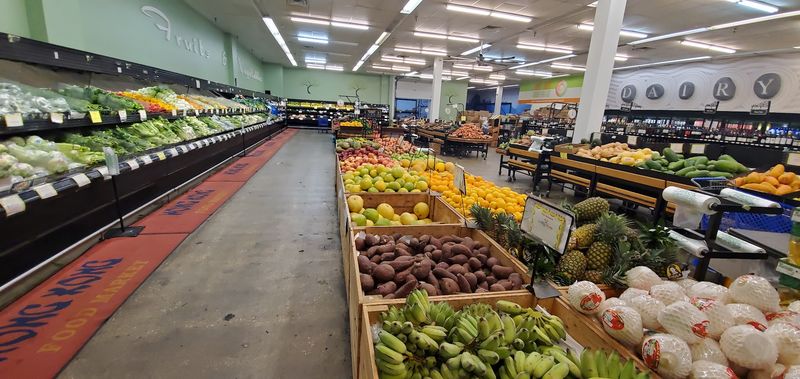
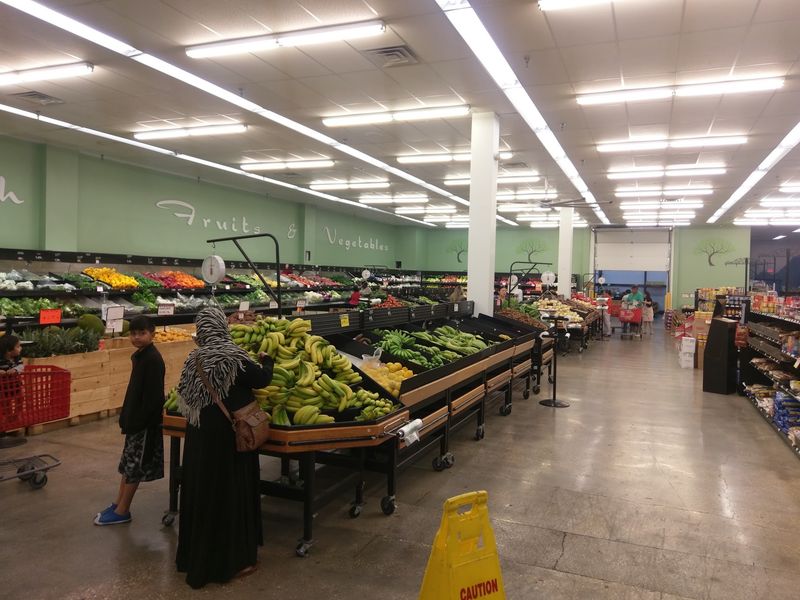
Crates stacked with bok choy and bundles of fresh herbs greet shoppers in a produce area that one source calls the largest in Louisiana. It functions almost like a living botanical map of Asian cooking.
Shoppers count as many as five distinct varieties of yams and several kinds of cabbage lined up together. Aromatic Thai basil, pungent galangal, fresh lemongrass, and Korean daikon share space with tropical fruit like dragon fruit and mangosteen.
One visitor recalled loading up on chayote, Thai bananas, oyster mushrooms, small bok choy, and red pearl onions in a single trip. Many items carry labels noting both price and country of origin, which adds a helpful layer of transparency.
Regulars often point to the produce as the strongest part of the store, praising how fresh the vegetables and herbs tend to be. Opinions are not unanimous, and a few shoppers have found the variety uneven or certain items past their prime on a given day.
Even so, the sheer range gives home cooks room to chase down ingredients that ordinary supermarkets simply never stock.
Live Tanks And A Fishmonger On Site
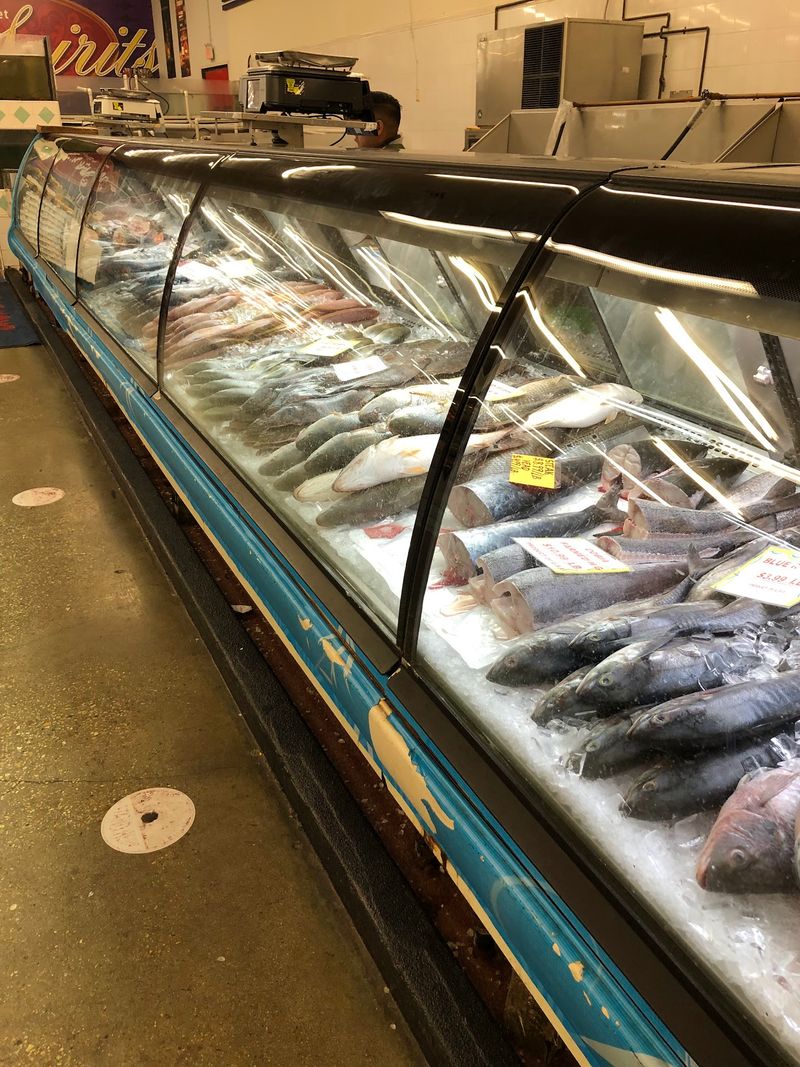
Toward the back, an enormous fish department shows off a lineup of fresh seafood that draws its own steady crowd. Live tanks hold lobsters, tilapia, and Dungeness crabs for shoppers who want the freshest possible catch.
A fishmonger works on site, and one convenience stands out to regulars: staff will clean your fish for you before you head home. Seafood and fish come up constantly in what visitors mention most about the store.
The department suits cooks planning hot pot, grilling, or a home-cooked dinner built around whole fish. Opinions on the freshest cuts vary, so a friendly staff member steering you toward the day’s best options helps.
Not everyone gives it full marks. One shopper felt the fresh seafood and meat selection was limited for the store’s size, and another noted the live tanks could use more frequent cleaning.
Still, having a working fishmonger under the same roof as the produce and pantry aisles is a rarity, and it keeps the store firmly in one-stop territory for anyone cooking seafood at home.
The Butcher Counter Built For Wok And Braise
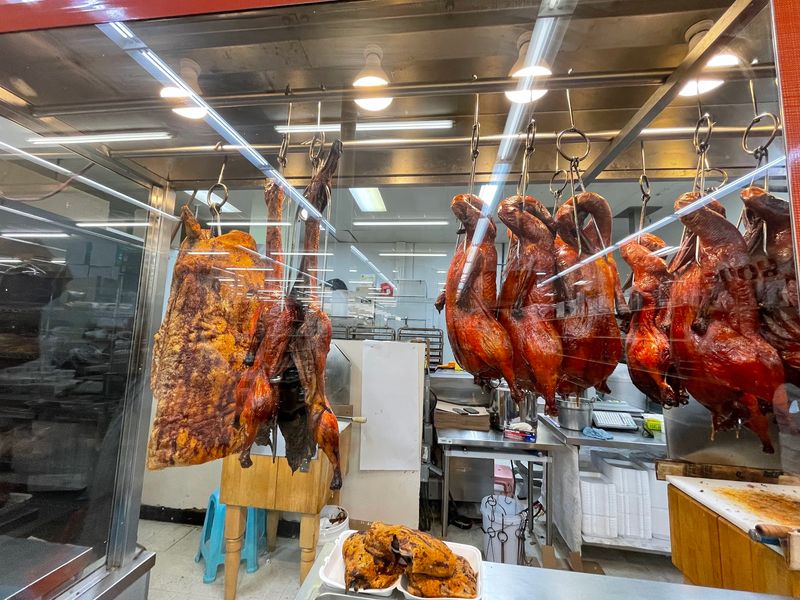
Meat here is cut with specific cooking styles in mind, not just tossed into generic shrink-wrapped trays. The butcher shop is operated by Mitchell’s Quality Meat, which prepares cuts geared toward Asian techniques like wok stir-fries and slow braising.
That means thin slices for quick searing and portions sized for hot pot sit right alongside more familiar cuts. Several employees are usually busy restocking, and a butcher works the counter through the day.
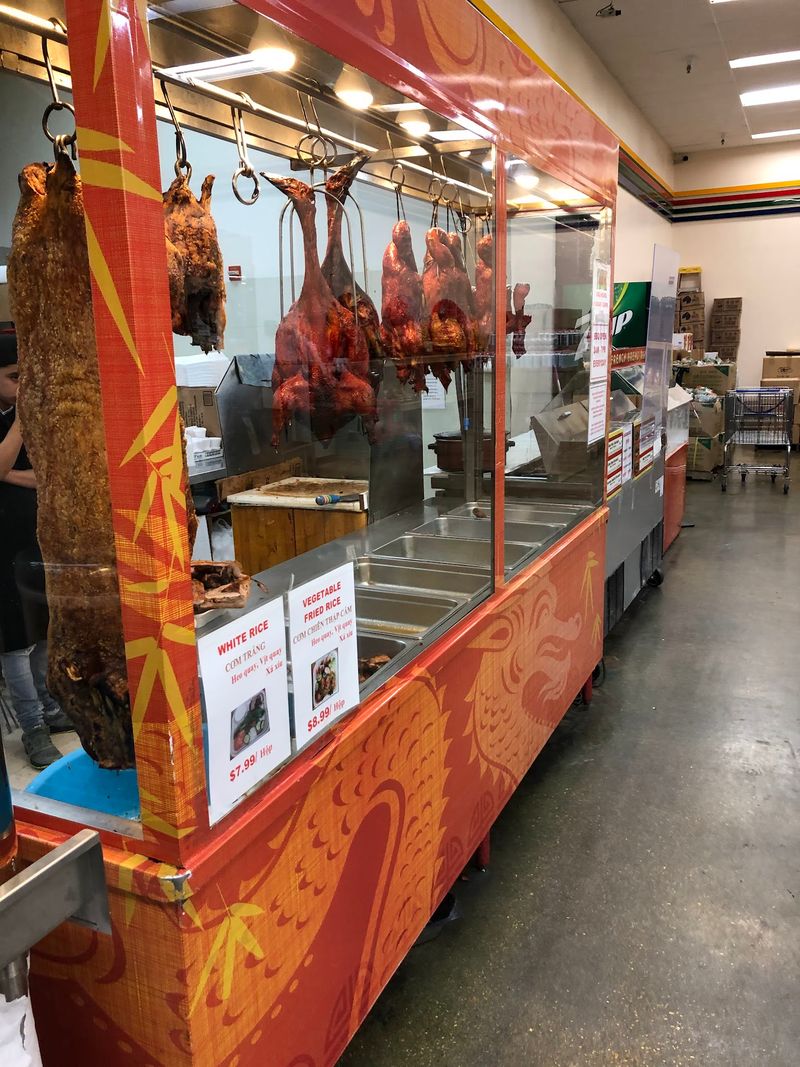
Then there are the whole roasted items. Ducks, BBQ quail, and pork hang and roast near the back, sold by the pound and ready to carry out.
One shopper described the fresh grilled BBQ pork and duck as reliably good, and roast duck comes up repeatedly among the things people mention. Another regular singled out the meat selection and the deli BBQ as strong points even when other areas felt uneven.
For a home cook who has ever tried to explain a specific cut to a chain-store butcher, a counter that already understands braising liquids and stir-fry heat is a genuine convenience worth the drive across the river.
Roughly Fifty Soy Sauces And Then Some
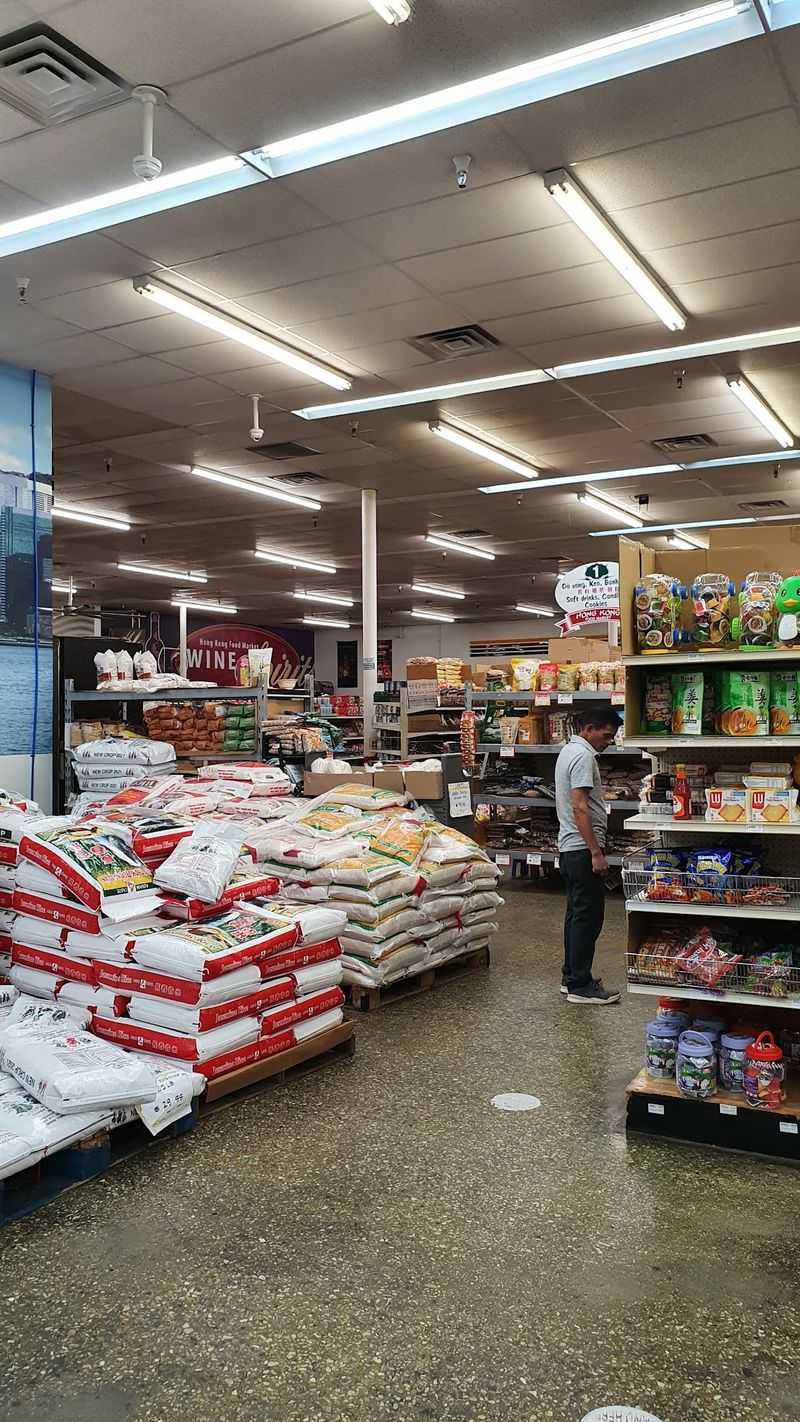
Somewhere in the pantry aisles sits a stretch of shelving that one shopper counted as nearly fifty different soy sauces. He meant it half as a complaint about excess, but it captures exactly how deep the sauce selection runs.
The dry goods run long and dense. You can track down Mae Ploy Thai curry paste, sweet chili sauce, Pearl River Bridge Superior Soy Sauce, Korean gochugaru and gochujang, miso paste, and black vinegar without leaving the store.
Rice, ramen, and every form of instant noodle line the shelves, plus various types of tofu, canned goods, teas, snacks, and candies. The inventory reaches across Japan, Korea, China, Hong Kong, Taiwan, Vietnam, Thailand, Cambodia, the Philippines, Indonesia, Malaysia, and Singapore.
It does not stop at Asia, either. Shoppers also find American, Latin American, Caribbean, and Middle Eastern products, which is why the store gets described as a full international supermarket.
One gluten-avoiding visitor was thrilled to find inexpensive potato starch and clear labeling about gluten. That level of specialty stock is precisely what most grocery stores never carry.
Banh Mi And Bubble Tea At Mr. Bubble
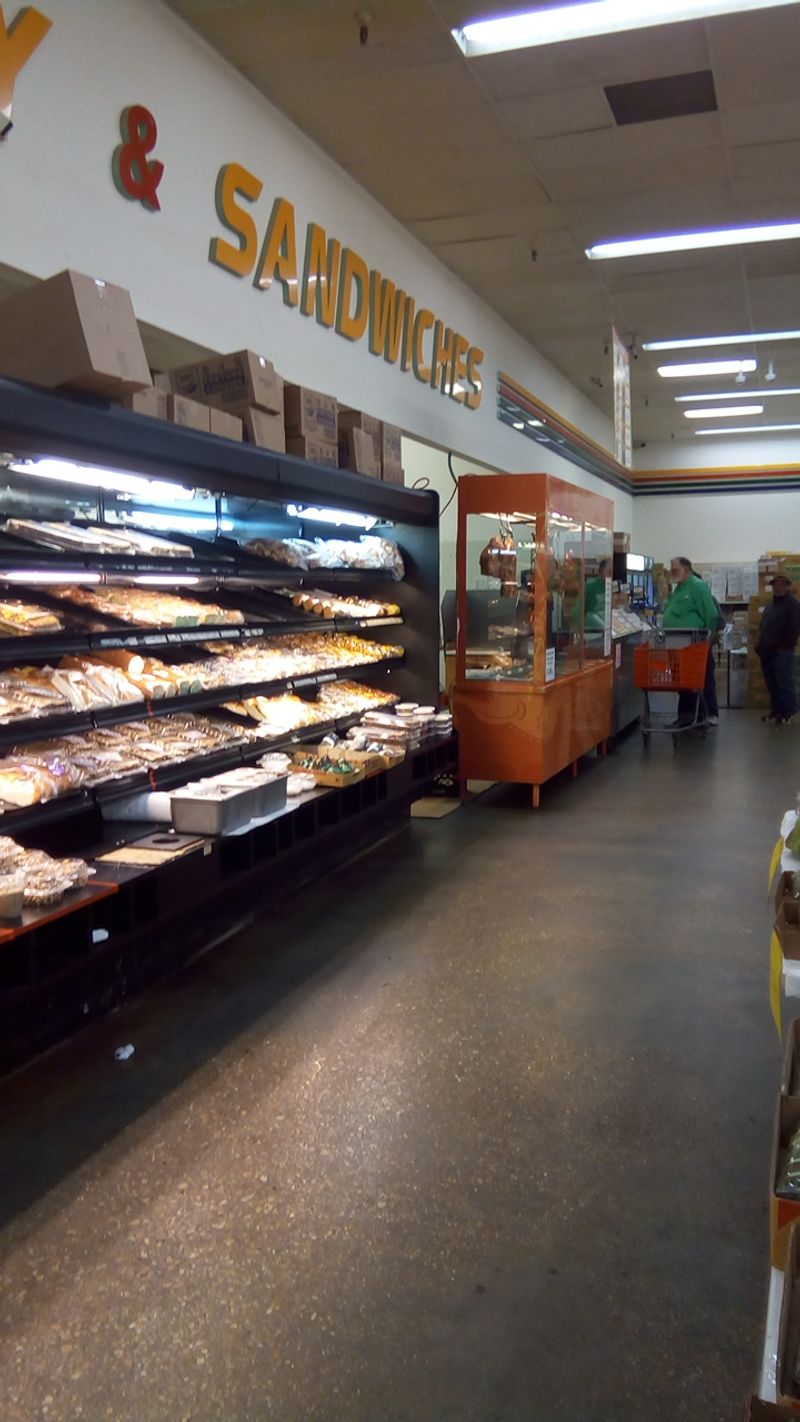
Follow the smell of roasting duck toward the rear of the store and you land at a small deli and cafe. Mr. Bubble operates here, turning out banh mi sandwiches and cups of bubble tea for anyone who wants to eat something on the spot.
The banh mi draws frequent praise for fresh bread and low prices. One regular called it not the fanciest version in town but definitely the cheapest, and he noted you can grab a bunch of loaves if you need them.
Banh mi is easily the single most mentioned item among shoppers, which tells you how much of a draw this little counter has become. Spring rolls and BBQ buns round out the grab-and-go options.
The deli also carries a rotating spread of freshly prepared items, including roasted duck, BBQ quail, and pork sold by the pound. Some visitors have arrived too late and missed the hot food, then vowed to plan better next time.
Grabbing a sandwich here is the simplest way to taste the flavors the whole market is built to support.
Dong Phuong Bakery Under The Same Roof
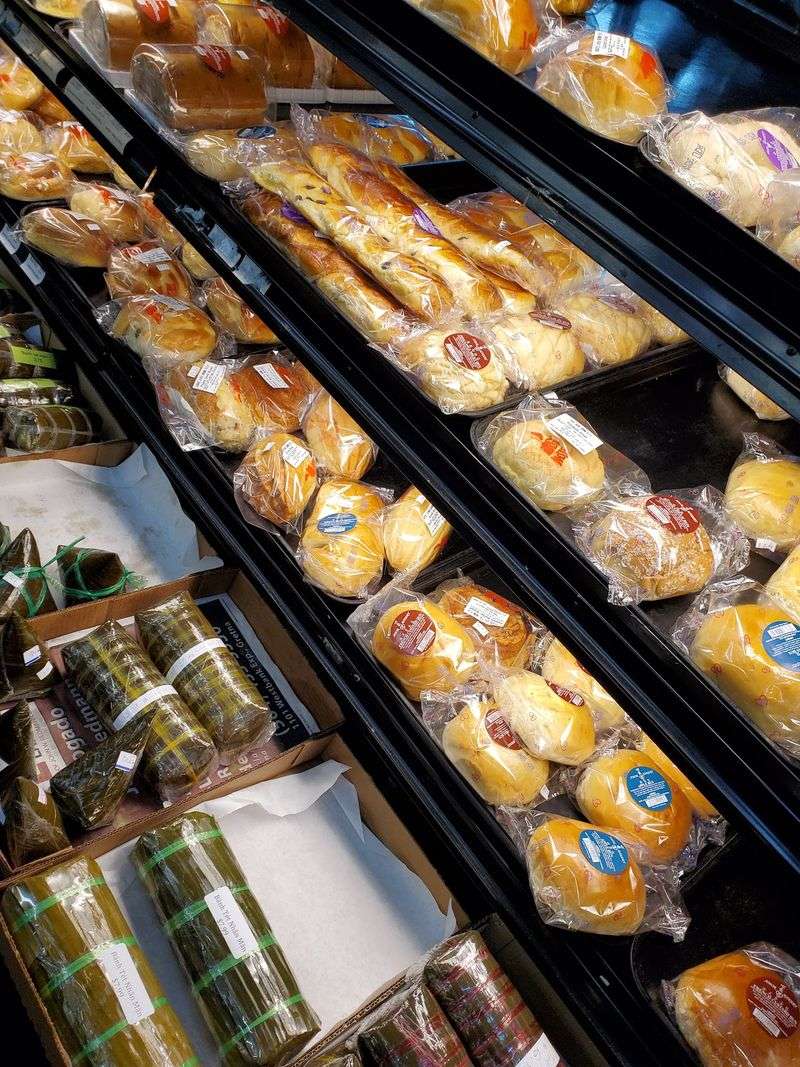
A well-loved New Orleans name has a presence right inside this market: Dong Phuong Bakery. Its baked goods are available in the store, which adds a familiar draw for anyone who already knows the bakery’s reputation around the city.
One shopper who counts the market as a favorite highlighted the in-store bakery alongside the clean space and the fresh, hot food. Having those pastries stocked in the same trip as your produce and seafood is a real convenience.
Baked items tie into a wider dessert story throughout the store. Seasonal sweets appear during holidays, bridging baking traditions across continents and giving the bakery corner an extra rhythm through the year.
For visitors, it means you can round out a grocery run with something sweet without a second stop. Vietnamese-style pastries and cakes sit within easy reach of the deli counter and its banh mi.
The pairing feels natural inside a store that leans so hard into Vietnamese and broader Asian foodways. A bakery known across the region simply reinforces the idea that this is a hub, not just a shop.
Mochi, Condensed Milk And The Frozen Case
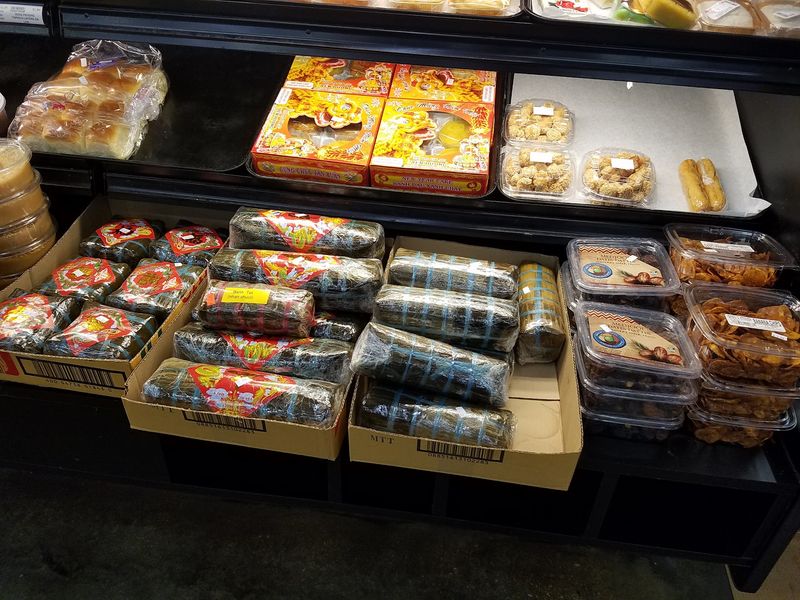
The dairy and frozen sections quietly hold some of the store’s most fun finds. European sweets share cases with Southeast Asian treats like mochi balls, giving dessert lovers plenty to browse.
Anyone building drinks at home will appreciate the specialty milks and tea-ready condensed milk stocked for bubble tea and Vietnamese coffee. Those two beverages practically depend on the right condensed milk, and it is easy to grab here.
The freezers carry practical staples too, including udon noodles and vegetarian gyoza that make a hard-to-find home dinner come together fast. Seasonal sweets rotate in around holidays, so the case changes character through the year.
One shopper mentioned potato starch and tapioca starch, black chocolate, and sugar-free jasmine green tea as part of a haul that leaned into these aisles. The variety rewards a slow walk.
A word of caution shared by shoppers: a couple of visitors have noted refrigeration units that looked frosty or leaky, and one reported a bad egg carton, so checking dates on perishables is smart. For everything else, the frozen aisle is a treasure hunt.
Cookware, Knives And Kitchen Gadgets
Grocery runs here can end with a new knife in the cart. Beyond food, the market stocks kitchen utensils, cookware, and household goods, turning a food trip into a kitchen-supply run when you need it.
Shelves hold pots and pans, ornate bowls, and the kind of practical tools a home cook accumulates over time. One regular mentioned picking up a few of his favorite budget-friendly knives and gadgets here.
Health and beauty products round out the non-food shelves, along with cleaning and paper goods that another shopper appreciated finding in the same building. That mix means fewer separate errands.
Ornate dishware and everyday kitchen implements sit near the household aisles, so someone setting up a kitchen for a specific cuisine can find both the ingredients and the tools to cook them. It fits the store’s one-stop identity.
Prices on gadgets tend to land on the affordable end, which is part of why they get mentioned at all. For anyone who has hunted for a proper wok or a specific ceramic bowl at a chain store and come up empty, the payoff here is obvious.
Aisles Organized Country By Country
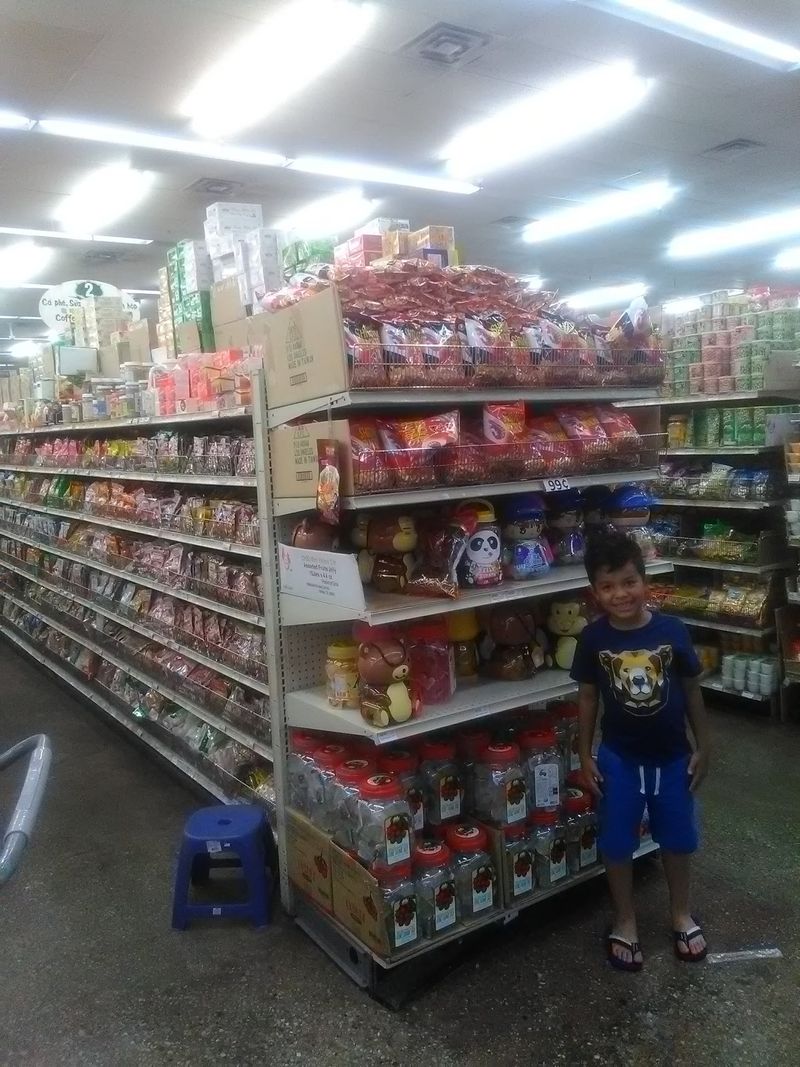
Finding your way through this much inventory could be chaotic, but the layout leans on a helpful idea: aisles often grouped by country. That structure turns a huge store into something closer to a guided tour through different cuisines.
One shopper praised the wide aisles, clean environment, and neat presentation of items, calling the whole place easy to navigate. Another described organized aisles where everything was simple to find, with staff ready to help locate a specific item.
Not every label appears in English, which can slow down a first visit. Shoppers repeatedly note that the staff are friendly and eager to help translate or point out unfamiliar products.
The country-by-country setup also doubles as an education. Packaging and product choices quietly tell stories of migration, trade, and taste, and the market has even hosted high school students for tours focused on Asian cultures and international foods.
For a curious cook, wandering one country’s section at a time is a low-pressure way to discover something new. The organization keeps the sheer volume from becoming overwhelming and makes browsing part of the appeal.
A Busy Store With Crowded Checkouts
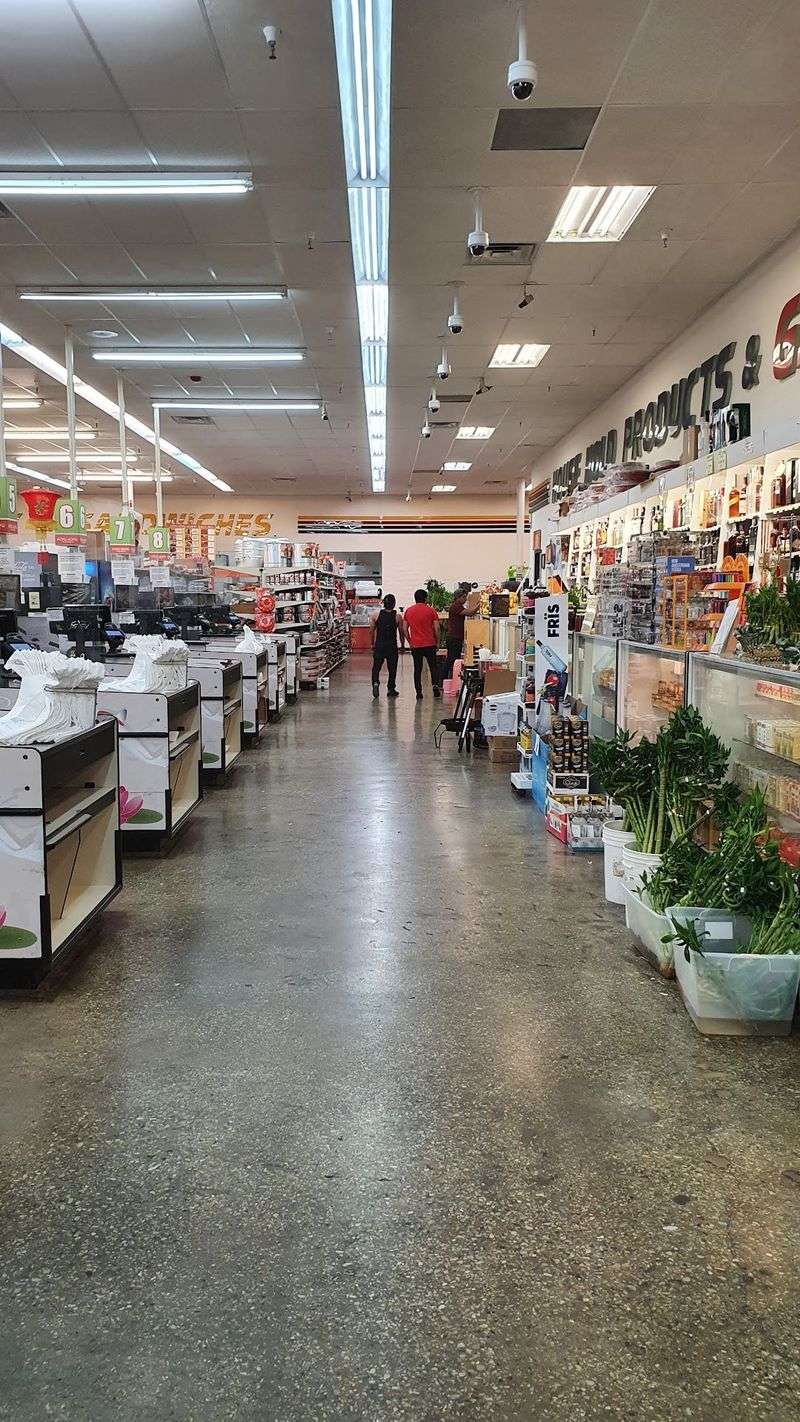
Weekend energy in this market is real. Families fill carts to the brim, and the deli area stays packed, giving the place a lively hum that regulars describe as part of its character.
That popularity comes with a trade-off. One shopper explained that checkout can drag because the store gets so crowded, and even with every lane open, there is not always enough room between checkouts and aisles to move easily.
When lines get long, they sometimes stretch down aisles that are only wide enough for a single cart, which makes maneuvering tricky at peak times. A visit during a quieter hour sidesteps most of that friction.
The crowd also reflects who shops here. Older shoppers, multigenerational families, and cooks chasing specific ingredients all share the floor, and the atmosphere leans warm and busy rather than sleepy.
A few shoppers have flagged that not everything is clearly priced, so totals can surprise you at the register. Keeping an eye on prices as you go and shopping off-peak are the two easy ways to make a big trip here go smoothly.
Hours, Location And What A Trip Costs
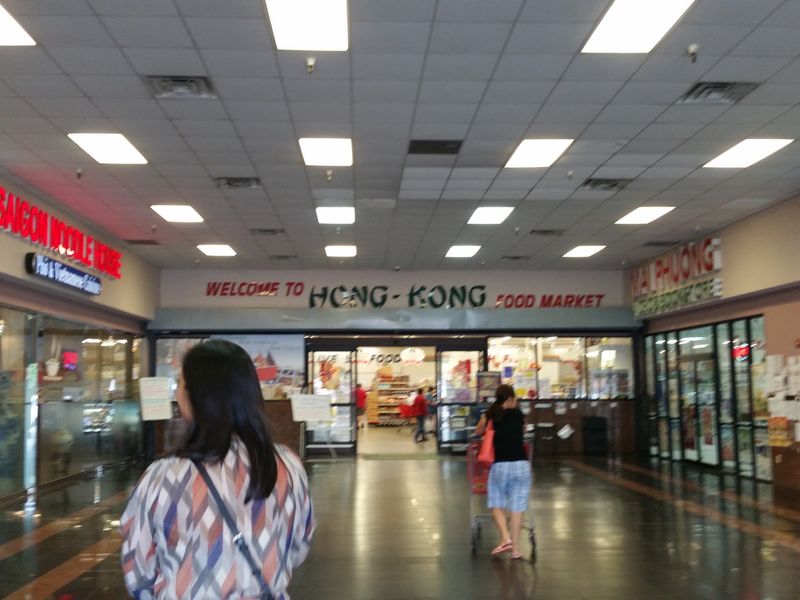
Planning a visit is refreshingly simple. Hong Kong Food Market keeps the same schedule every day of the week, open from 7 AM to 9 PM, so a Sunday morning or a Tuesday evening both work.
The address is 925 Behrman Hwy #3, Terrytown, LA 70056, on the West Bank within a larger shopping center. The phone line is +1 504-394-7075, and the store runs its own website at hkmarketnola.com.
On cost, be prepared. Several shoppers say prices have climbed lately, with rising import costs affecting international products across the board, not just at this store.
One regular warned that unlabeled items mean you sometimes learn the price at checkout, and a large cart can add up to a couple hundred dollars if you shop without watching totals. Others feel the selection justifies the spend and keep coming back.
A practical tip from a longtime customer: the store famously stayed open after Hurricane Ida, which he called a lifesaver during a hard stretch. For everyday trips, arriving with a list and a rough budget keeps the experience easy and rewarding.
Who Makes The Drive Worthwhile
The people happiest here tend to be cooks on a mission. One shopper who married into a Vietnamese family makes specific trips from Houma because certain household staples simply are not available closer to home.
Adventurous eaters do well too. A visitor deep in a Korean-food phase found essentially everything he needed on the shelves, and another stumbled in chasing soursop and left with exotic finds and viral TikTok items.
The store leans toward serious grocery shopping rather than a quick casual stop. If you want limited fresh seafood on a slow schedule, it may frustrate you, and a couple of shoppers have said as much.
For anyone cooking across Vietnamese, Korean, Thai, Chinese, Japanese, Filipino, Latin American, or Middle Eastern traditions, though, the depth is hard to match anywhere in the New Orleans area.
Come with time to browse, since regulars warn you could spend hours exploring. Grab a banh mi, watch the duck roasting near the deli, and load up on the ingredients no chain store nearby will ever stock.
That is the whole point of the drive across the river.