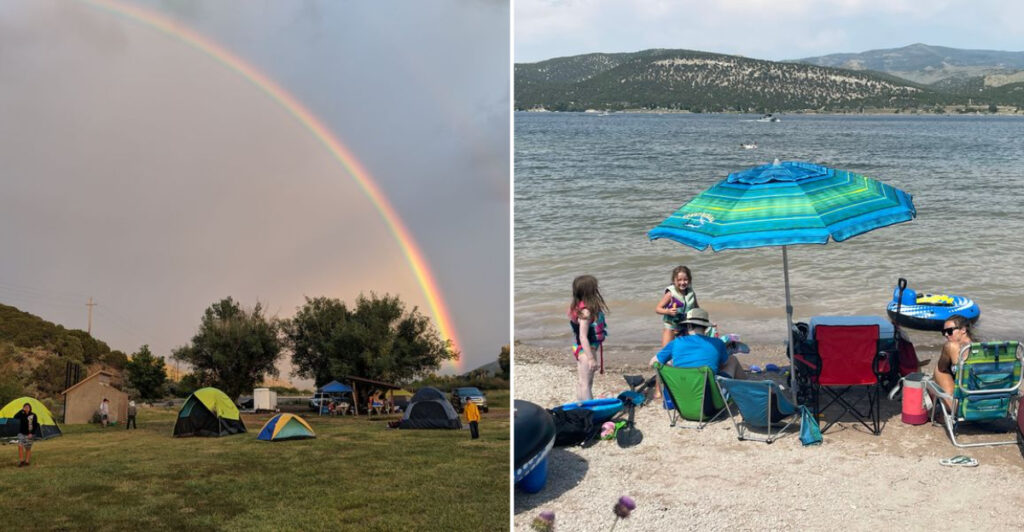
Some lakes hide fish; this one hides an entire chapter of human history. Beneath the water rests a former town, intentionally submerged when the reservoir was created, while most visitors paddle overhead without realizing what lies below.
During rare low-water years, traces of the old community can reappear, turning an ordinary shoreline into something quietly haunting. At 6,000 feet in northern Utah, the setting works beautifully for camping, fishing, swimming, and slow evenings beside a fire.
That mix is what makes the experience memorable. You can spend the afternoon on a clean beach, watch mountain light shift across the water, then remember that roads, homes, and daily routines once occupied the ground.
History feels especially close at this reservoir in Utah, where a family getaway and a ghost-town mystery share the same view. Bring curiosity with the cooler, because the most fascinating part may be the story beneath your boat.
The Submerged Ghost Town That Started It All
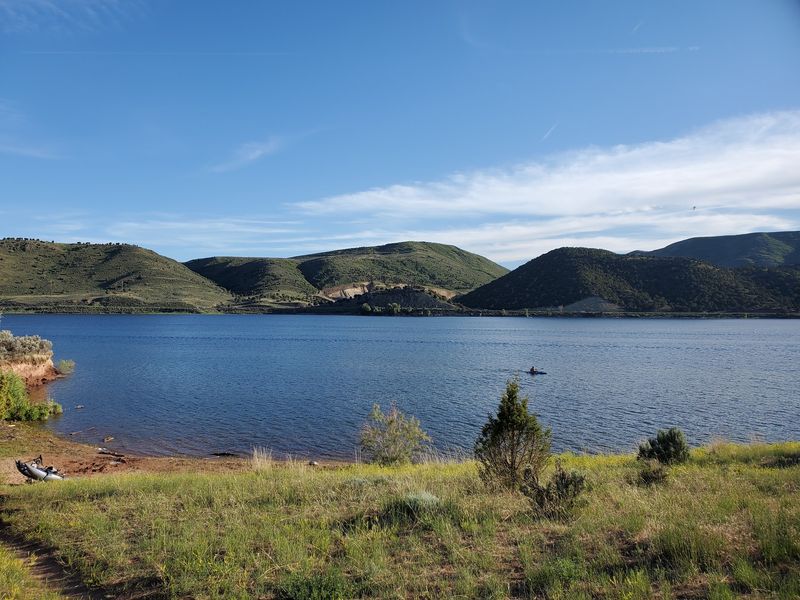
There is something almost cinematic about standing at the edge of Rockport Reservoir and knowing that somewhere beneath those calm, blue-green waters, an entire town once had a post office, homes, and neighbors. The original settlement of Rockport was established by pioneer settlers in the Weber River valley during the 1800s.
When the dam was completed and the reservoir began filling, the community was relocated and the old townsite was permanently submerged.
During drought years or periods of significant drawdown, the water level drops enough that old foundations, stone walls, and structural remnants emerge from the shallows like a slow-motion reveal. Visitors who time their trips right have spotted these ghostly outlines near the southern and western edges of the reservoir.
This is not a manufactured attraction or a theme park gimmick. It is a genuine piece of Utah history resting quietly under one of the state’s most popular recreational lakes.
The combination of outdoor adventure above water and historical mystery below it gives Rockport a layered identity that most state parks simply cannot match.
Insider Tip: Check current reservoir water levels before visiting if ghost town sightings are your primary goal. Lower late-summer or drought-year levels offer the best chance of spotting submerged remnants from shore.
What Rockport Reservoir Actually Looks Like Up Close
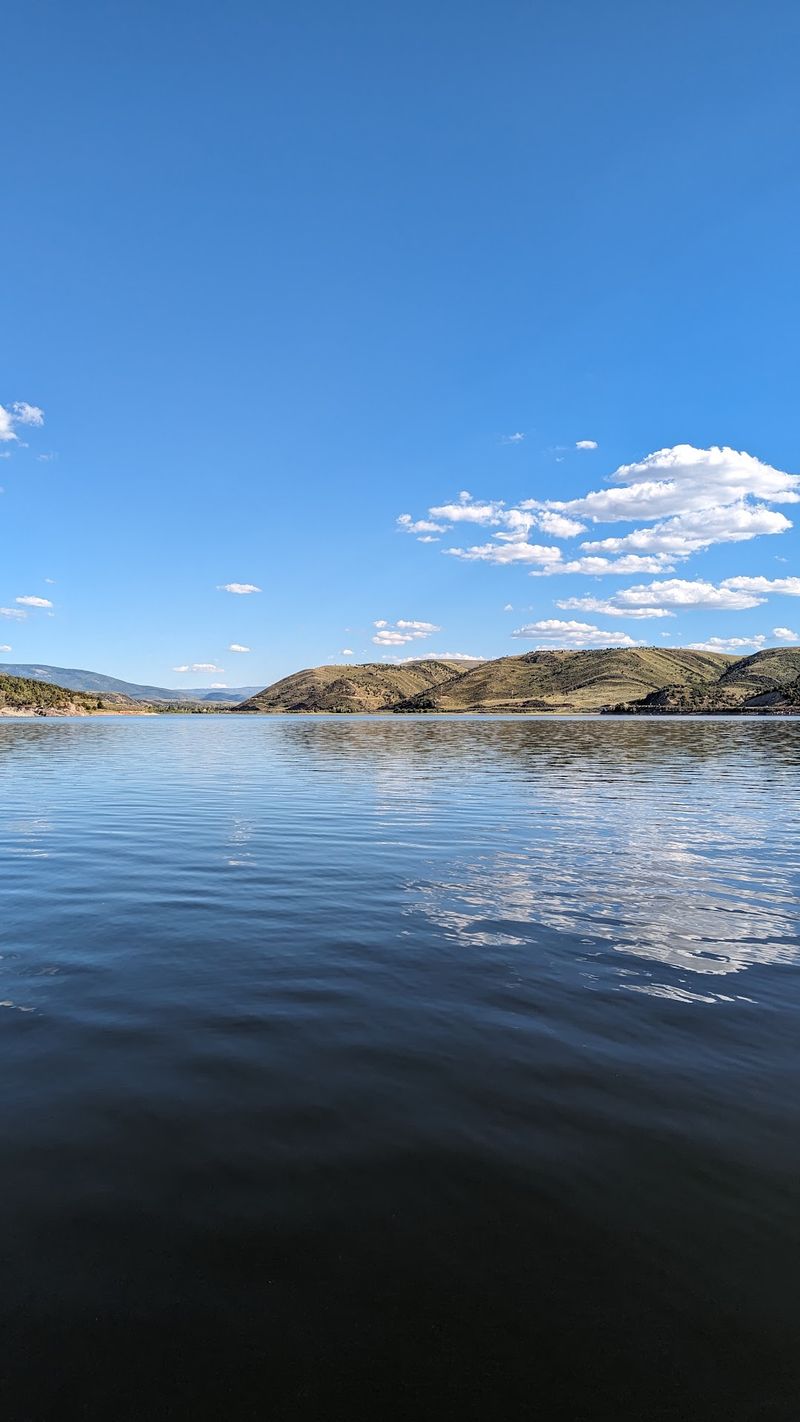
Rockport Reservoir covers roughly 450 acres and sits in a wide mountain valley that frames it on nearly every side with peaks, ridgelines, and open sky. The water is clean and clear enough for swimming close to shore, and the sandy beaches on the northwest side are the kind that make you want to kick off your shoes before you even finish parking.
On a calm morning before the boats arrive, the surface reflects the surrounding ridges so cleanly it looks almost too perfect to be real.
The park is open daily from 6 AM to 11 PM, giving visitors a generous window that covers everything from early fishing runs to late-evening stargazing sessions. Rockport has been designated a Certified International Dark Skies Park, which means the night sky here on a clear, moonless night is genuinely remarkable.
Day use fees apply per vehicle, and camping fees are separate. The park offers both day-use areas and overnight camping sections, each with their own character and proximity to the water.
Best For: Families looking for a full-day outdoor experience that combines swimming, picnicking, and scenic views without needing to drive deep into the backcountry to find something spectacular.
Camping Here Is Genuinely Worth the Effort
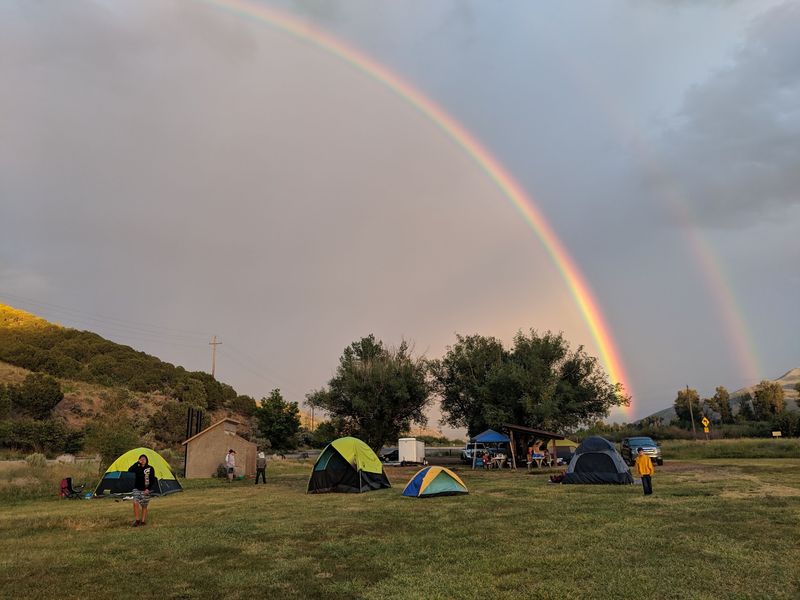
Rockport State Park runs several distinct campground areas, including Cottonwood Campground, and each one has its own personality. Sites come equipped with charcoal grills, fire pits, picnic tables, and access to well water pumps.
The spacing between sites is generous enough that you are not eating your neighbor’s campfire smoke with every bite of your dinner.
Flush toilet restrooms and clean showers are available in camping areas, and visitors consistently note that the cleanliness of the facilities here outperforms expectations for a state park campground. Camp hosts actively monitor the grounds and check in on conditions, including weather updates during storm systems, which is a detail that makes a real difference when you are sleeping in a tent and the wind picks up past 40 miles per hour.
Some campsites sit close enough to the water that you can hear it from your sleeping bag. A few sites even have direct trail access to the reservoir’s edge within about 30 yards.
The park also offers group sites and reservable pavilions for larger gatherings.
Pro Tip: Book early for summer weekends, especially around holiday weekends. Midweek stays are noticeably quieter and the park feels like a completely different, more relaxed version of itself.
Fishing, Boating, and Every Water Sport You Can Name
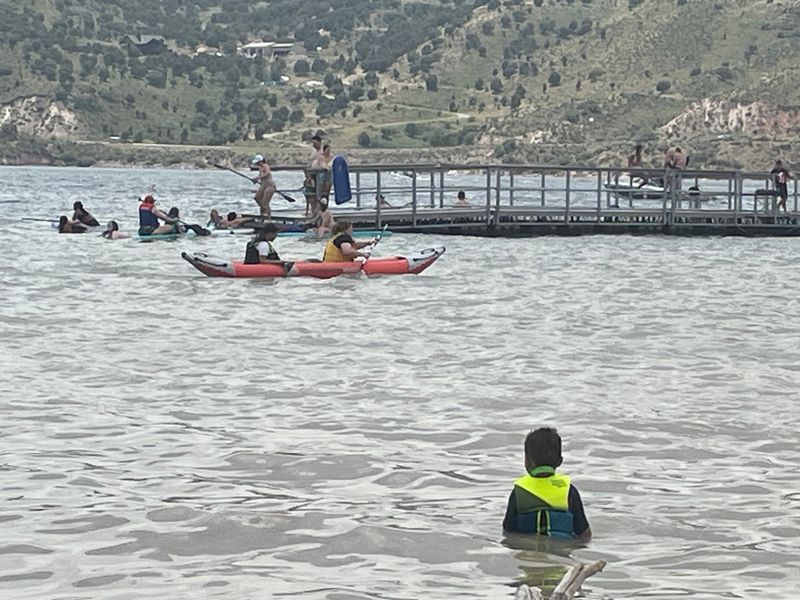
Rockport Reservoir is open to motorboats, kayaks, paddleboards, and fishing vessels, making it one of the more versatile water recreation spots in Summit County. The boat ramp is located near the marina, though on busy summer weekends the ramp can only handle two vehicles at a time for loading and unloading, so arriving early is the move.
The southern section of the lake runs shallow and is primarily used by anglers who know their depth charts.
Fishing here is a legitimate draw. Even when the fish are not biting, the act of casting a line with a mountain backdrop and clean air tends to be its own reward.
Visitors have reported decent catches throughout the season, and the western shoreline offers accessible spots where families can fish from the bank without needing a boat.
Paddleboards and kayaks have a dedicated launch area that keeps them separated from heavier motorboat traffic. Life jackets are required to be on your person or vessel at all times on the water, per park rules.
Common Mistakes to Avoid: Arriving late on a summer Saturday and expecting smooth boat launch access. The ramp gets congested fast, and the lot fills up.
Aim for before 10 AM to beat the crunch.
The Trails, the Archery Range, and the Things People Miss
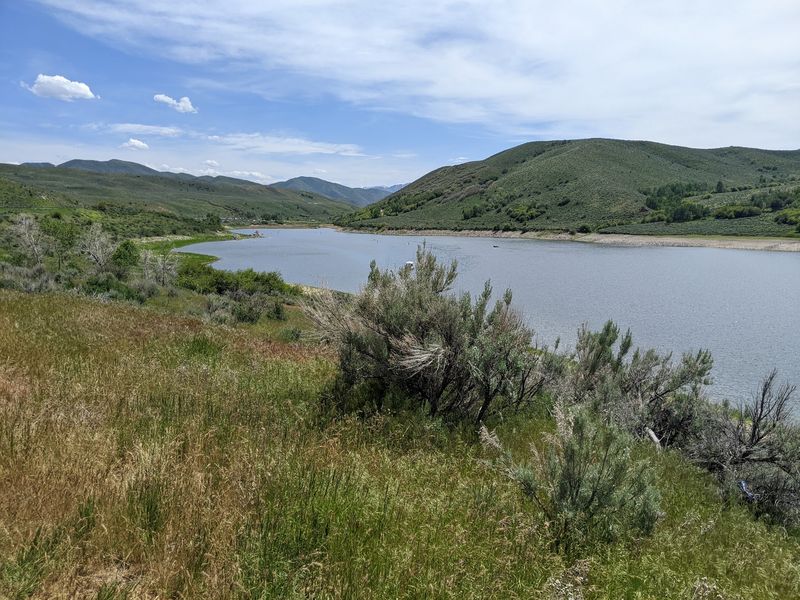
Most visitors come for the water and leave without realizing that Rockport State Park has a functional outdoor archery range tucked into the hillside. The range features nine stations with two targets per station and sits along a roughly three-quarter-mile hike through varied terrain.
It is the kind of unexpected amenity that turns a good day trip into a great one, especially if you have teenagers in your group who have run out of enthusiasm for sitting on a beach blanket.
Hiking trails wind through the park and connect day-use areas with the reservoir’s edge and surrounding landscape. The terrain is approachable for most fitness levels, and the views from higher points along the trails look out over the full length of the reservoir with the Wasatch Range providing the kind of backdrop that makes you stop mid-sentence to just look.
The park also returned a pelican population to the reservoir after roughly 80 years of absence, which is a wildlife story worth mentioning to anyone who assumes Utah reservoirs are just for jet skis.
Who This Is For: Visitors who want more than a beach day. The archery range and trail system reward those willing to explore beyond the obvious shoreline areas and put in a little extra footwork.
Stargazing at a Certified Dark Sky Park in the Mountains
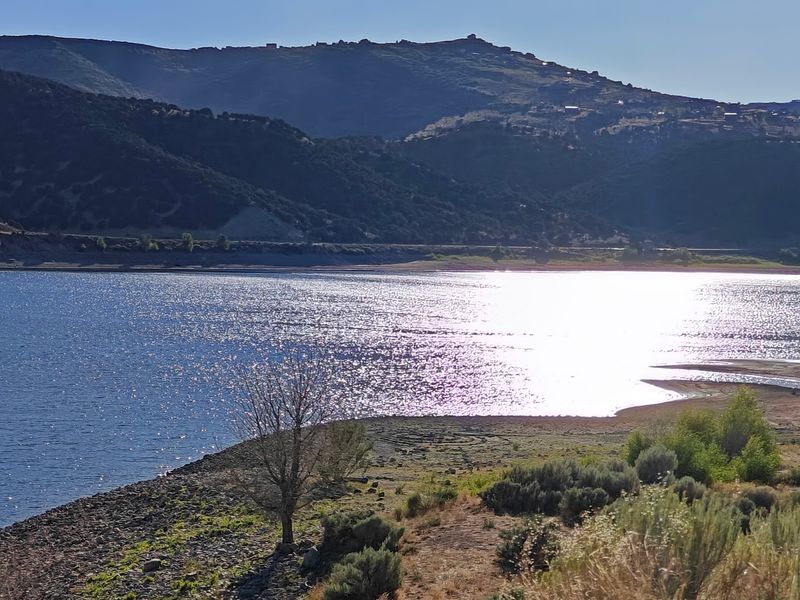
Rockport State Park holds an official International Dark Sky Park designation, which puts it in a select category of places in the country where light pollution is managed well enough to make stargazing genuinely exceptional. On a clear night with no cloud cover and no moon, the Milky Way appears as a dense, luminous band across the sky that genuinely stops conversation.
The reservoir’s surface adds a bonus layer to the experience. When the water is calm, the reflection of the stars creates a doubling effect that photographers and casual observers both find quietly astonishing.
Visitors who have made the trip specifically for the dark sky experience report it as one of the better stargazing locations they have found in the region.
A practical note: some light pollution does exist from homes on the western hillside and vehicle headlights on the access road, which can briefly interrupt the experience when cars descend the mountain. It is a minor issue but worth knowing before you set up your telescope expecting complete darkness.
Planning Advice: Check moon phase calendars before your trip. A new moon night combined with clear mountain air gives you the best possible conditions for the kind of star visibility that makes you genuinely reconsider your relationship with city living.
Making the Most of a Day Trip or Weekend Stay
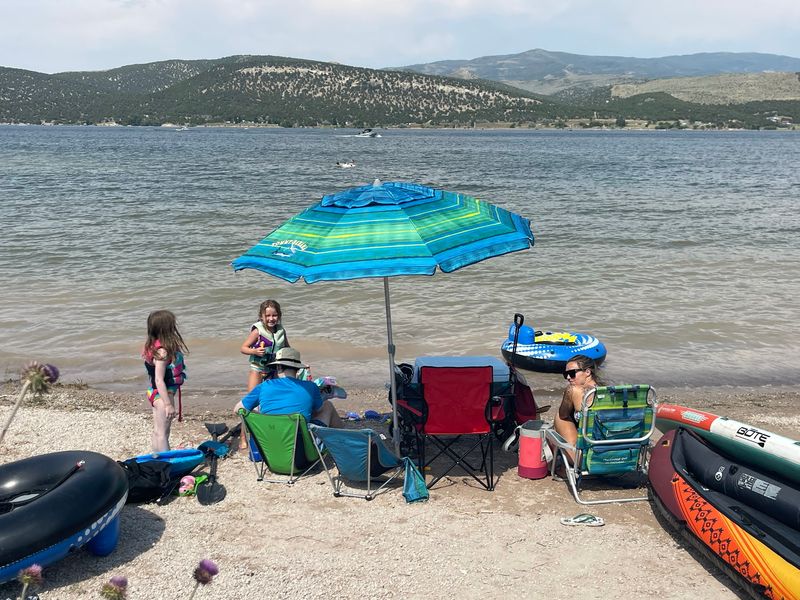
Rockport State Park works equally well as a single-day outing or a full weekend base camp, which is a flexibility that most outdoor destinations cannot honestly claim. Day-use areas include covered pavilions, some of which can be reserved in advance, making it a reliable option for group picnics or family gatherings where shade and a table are non-negotiable.
The park sits roughly an hour from Salt Lake City, making it a genuinely easy Saturday commitment that does not require a 5 AM departure.
Families with younger kids tend to gravitate toward the western shoreline, where the swimming is accessible close to shore and the water is clean. Dogs have been spotted having an excellent time in the shallower areas as well, though always check current park rules regarding pets on the beach.
Couples and solo visitors find the midweek version of Rockport almost meditative. The crowds thin significantly, the boat traffic drops off, and the park settles into a quieter rhythm that lets the scenery do most of the talking.
Quick Verdict: For a high-return, low-logistics outdoor day in Utah, Rockport delivers a combination of history, scenery, water recreation, and wildlife that genuinely earns a return visit. Come once, and you will already be planning the next trip before you reach the highway.