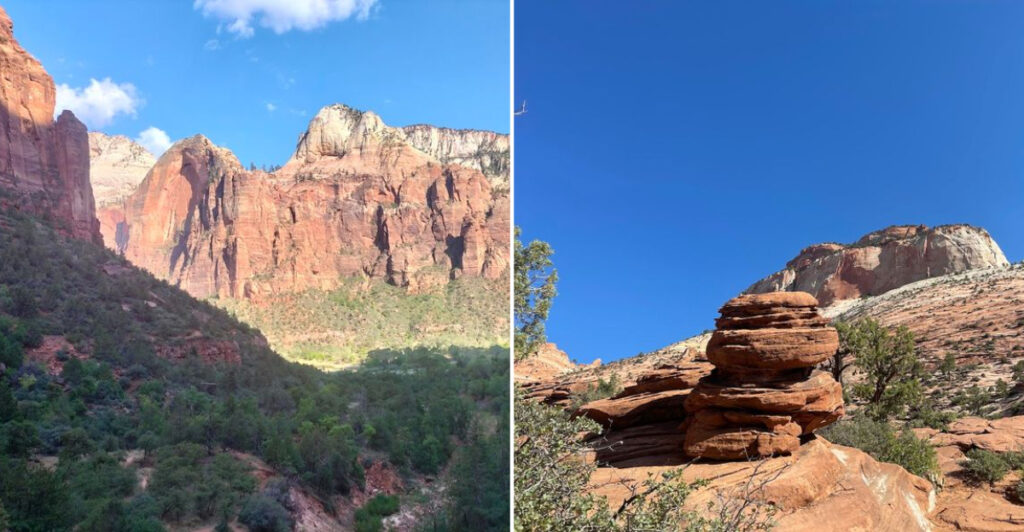
A road trip earns its legend when the windshield starts feeling bigger than the map. This is that kind of journey, the one where gas station coffee, desert highways, and red canyon walls somehow turn into a full-blown adventure before the first playlist even repeats.
Across Utah, the route moves through some of the Southwest’s most cinematic terrain, with towering sandstone, deep canyons, open skies, and viewpoints that make everyone in the car go quiet at the same time. It is not just a drive.
It is nearly 800 miles of reminders that the best vacations still leave dust on your shoes and too many photos on your phone. Start early, pack snacks like you mean it, and give yourself room to pull over often.
Utah’s red-rock country does not rush the experience, and honestly, neither should you.
Zion National Park: Where The Road Trip Earns Its Reputation Immediately
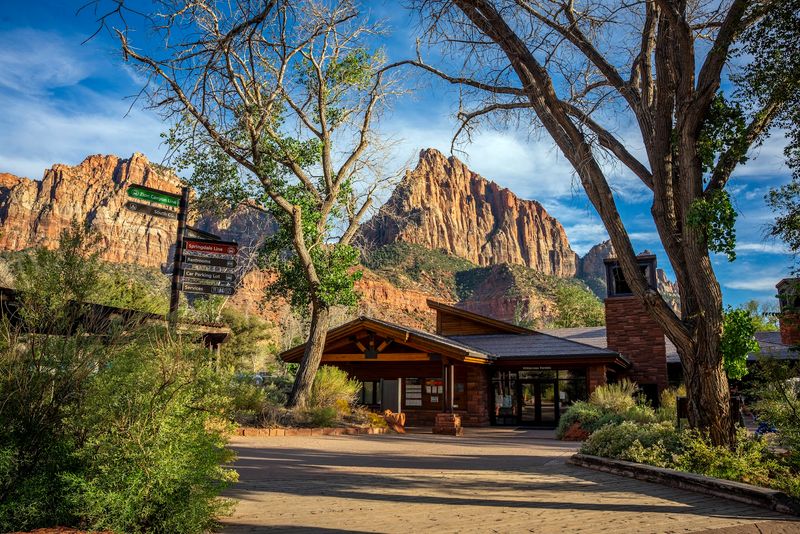
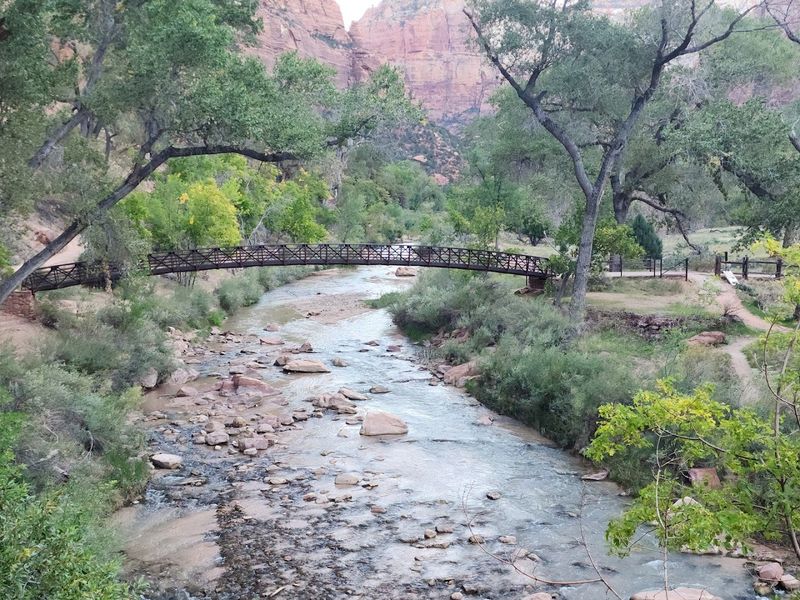
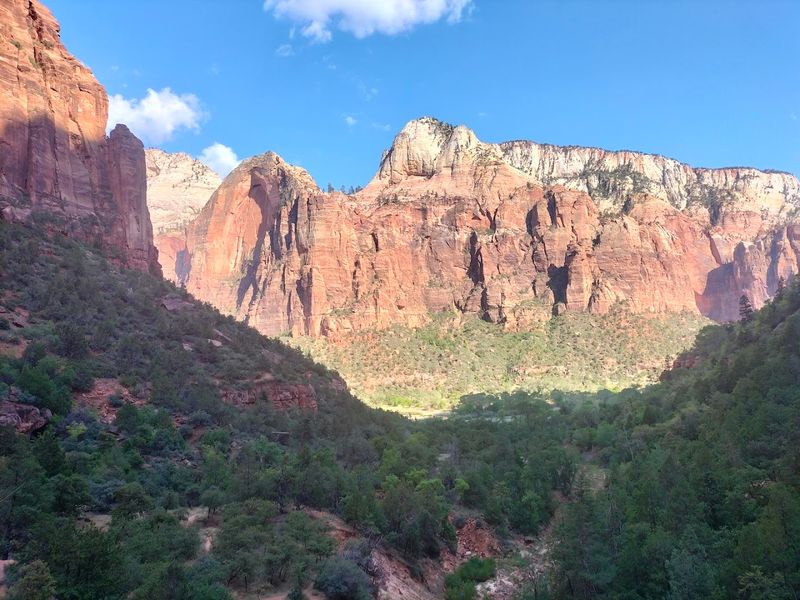
There is a particular kind of silence that falls over first-time visitors the moment they step out of their car at Zion and actually look up. The canyon walls are not just tall; they are the sort of tall that makes your neck hurt and your vocabulary shrink to a single word repeated several times.
The Zion Canyon Visitor Center, open daily from 8 AM to 7 PM, is your command center. Rangers and enthusiastic volunteers hand out maps, share current trail conditions, and genuinely seem pleased you showed up.
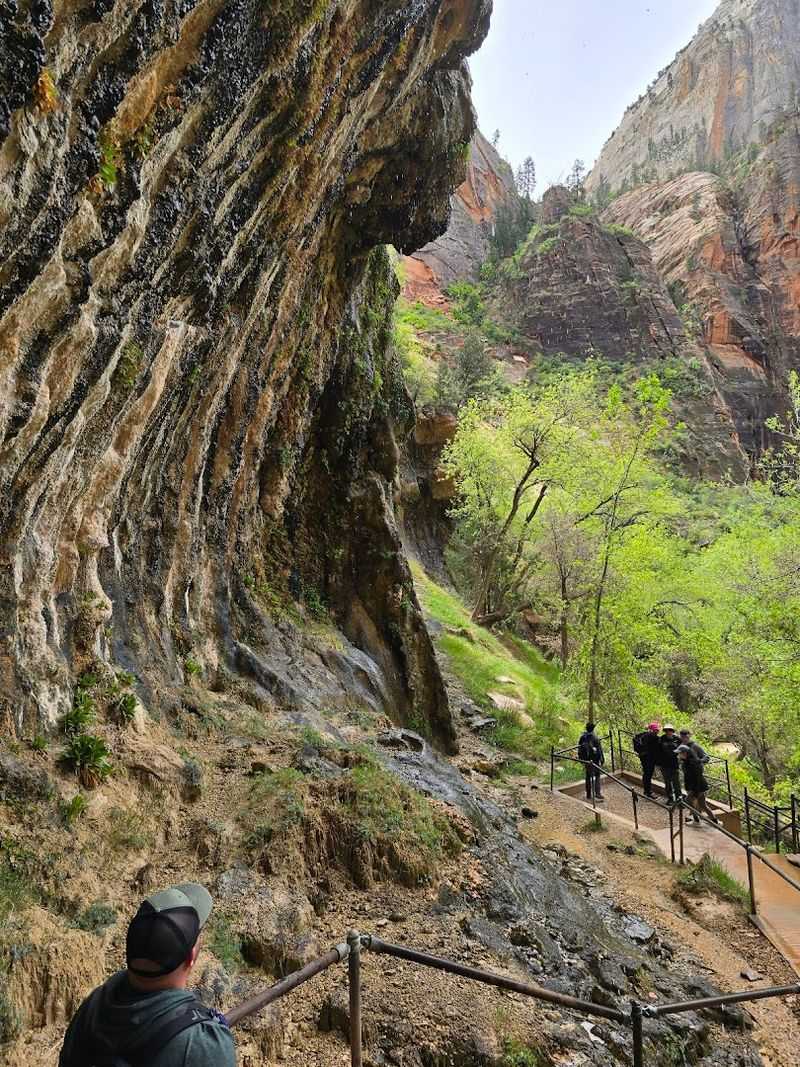
The free shuttle system ferries visitors to trailheads throughout the canyon, stopping at landmarks including the Temple of Sinawava, the Grotto, and Weeping Rock.
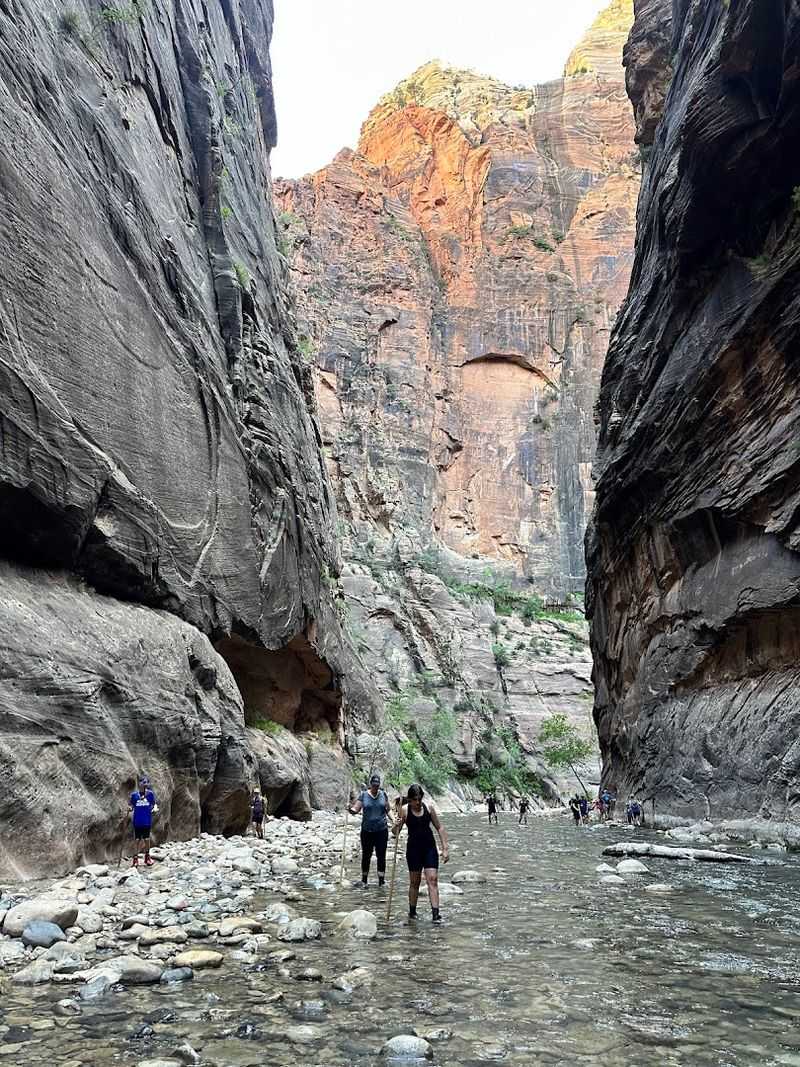
Parking fills up fast, often before 7:30 AM on busy days, so arriving early or parking in Springdale and catching the town shuttle is the smart play. The Narrows hike, where you wade through the Virgin River between 1,000-foot walls, is a bucket-list experience.
Grab a sturdy walking stick before you go in.
Pro Tip: Arrive before 7:30 AM or park in Springdale for around $15 to $20 per day and ride the shuttle in without the parking drama.
Best For: Families, couples, solo hikers, and anyone who needs proof that Utah deserves every bit of its reputation.
Bryce Canyon National Park: A Fairyland You Did Not Know You Needed
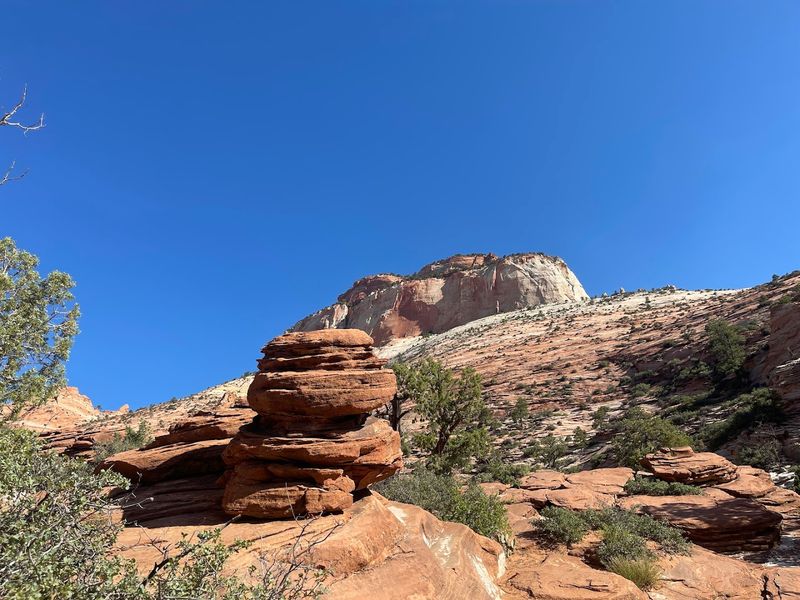
Bryce Canyon does something quietly remarkable: it makes grown adults forget they were ever too cool to say the word “magical” out loud. The park’s famous hoodoos, those spindly orange and red rock spires packed together like a frozen crowd, stretch across the canyon in formations that look less like geology and more like a city designed by someone with an extremely vivid imagination.
Bryce sits at elevations between roughly 8,000 and 9,000 feet, which means the air is noticeably thinner and the sunrises are the kind that make other sunrises feel like they were not really trying. Sunrise Point and Sunset Point are the two heavy hitters, and both deliver exactly what their names promise.
The Navajo Loop Trail drops you down among the hoodoos at close range, which is a completely different experience from admiring them from the rim. Kids tend to love this park with an intensity that parents find both heartwarming and exhausting.
Insider Tip: Go in the shoulder season if crowds are a concern. Spring and fall offer dramatic skies and far fewer elbows competing for the same viewpoint.
Who This Is For: Photographers, families with curious kids, and anyone whose phone camera deserves a serious workout.
Capitol Reef National Park: The Road Trip’s Best-Kept Secret
Capitol Reef is the national park that people discover mid-road-trip and immediately regret not knowing about sooner. While Zion and Bryce get the marquee attention, Capitol Reef sits in the middle of the Mighty 5 route doing its own quietly spectacular thing, largely unbothered by the crowds that descend on its more famous neighbors.
The park’s defining feature is the Waterpocket Fold, a nearly 100-mile-long wrinkle in the earth’s crust that tilts colorful rock layers at dramatic angles. The result is a landscape that looks like someone shuffled the ground like a deck of cards and left it that way.
The historic Fruita district, a small pioneer settlement within the park, adds a surprisingly human dimension to all that geological drama.
The scenic drive through the park is accessible by regular vehicle and offers payoff far beyond the minimal effort required. Petroglyphs, towering domes of white Navajo sandstone, and sweeping valley views appear around nearly every bend.
Planning Advice: Fill your gas tank before entering. Services are limited inside the park, and the nearest full-service town is a meaningful drive away.
Best For: Road trippers who want big scenery without the big crowds, and anyone who likes their national parks with a side of genuine solitude.
Canyonlands National Park: The One That Makes You Feel Genuinely Small
Canyonlands is the national park that geologists dream about and everyone else stands in front of with their mouth slightly open. The park is divided into distinct districts, with Island in the Sky being the most accessible and the most likely to produce that specific feeling of standing at the edge of something ancient and indifferent to your presence.
Mesa Arch is one of the most photographed spots in all of Utah, and for good reason. At sunrise, light pours through the arch and illuminates the canyon below in shades of orange and gold that no filter can fully replicate.
Getting there early means beating the crowd of tripods that assembles like clockwork as sunrise approaches.
The canyon system here is carved by the Colorado and Green Rivers, which meet inside the park. The sheer scale of the erosion on display is the kind of thing that recalibrates your sense of time in a way that is both humbling and oddly freeing.
Common Mistakes to Avoid: Do not underestimate distances between viewpoints. What looks close on the map is rarely close on the ground out here.
Who This Is Not For: Anyone hoping for shaded, leisurely strolls. This park rewards the prepared and patient visitor.
Arches National Park: Where the Earth Decided to Show Off
Arches National Park contains more natural stone arches than anywhere else on earth, over 2,000 of them, which sounds like a statistic until you are standing beneath Delicate Arch at golden hour and realize that no number actually prepares you for the experience. The arch stands 52 feet tall on the rim of a sandstone bowl, framing the La Sal Mountains in the distance like a painting someone had the audacity to make real.
The park is located just outside Moab, which means you have actual amenities nearby, a small but lively town with restaurants, gear shops, and a Main Street worth a slow afternoon stroll after a full day of hiking. Moab also serves as a logical overnight stop between Canyonlands and the next leg of your route.
Timed entry reservations are required during peak season, so planning ahead is not optional here. The Windows Section offers multiple arches within a short walking distance of the parking area, making it a practical choice for families or anyone whose legs are already protesting from earlier stops on the route.
Quick Verdict: Arches is the park that ends up on the most postcards, and after you visit, you will understand exactly why without needing anyone to explain it.
Best Strategy: Book timed entry well in advance. This one sells out faster than you expect.
Grand Canyon: The Inevitable, Unmissable Final Act
After five Utah national parks, you might think the Grand Canyon would feel like an encore nobody asked for. It does not.
The Grand Canyon operates on a completely different scale from everything that came before it, which is saying something considering what came before it. Standing at the South Rim for the first time produces a specific kind of disorientation, the canyon is simply too large for your brain to process all at once, and it responds by going quietly blank for a moment.
The rim is accessible year-round, though summer brings heat that demands serious hydration planning. Rangers consistently emphasize the importance of carrying more water than you think you need, especially if you plan to hike below the rim.
The rule of thumb is straightforward: going down is optional, coming back up is not.
The Grand Canyon caps the Grand Circle route with the kind of finale that justifies every mile driven to get there. Whether you spend an hour at the rim or three days exploring the trails, it delivers a sense of completion that is hard to manufacture anywhere else.
Why It Matters: The Grand Canyon is one of the Seven Natural Wonders of the World, and this road trip earns its title precisely because it ends here.
Best For: Everyone. Genuinely, everyone.