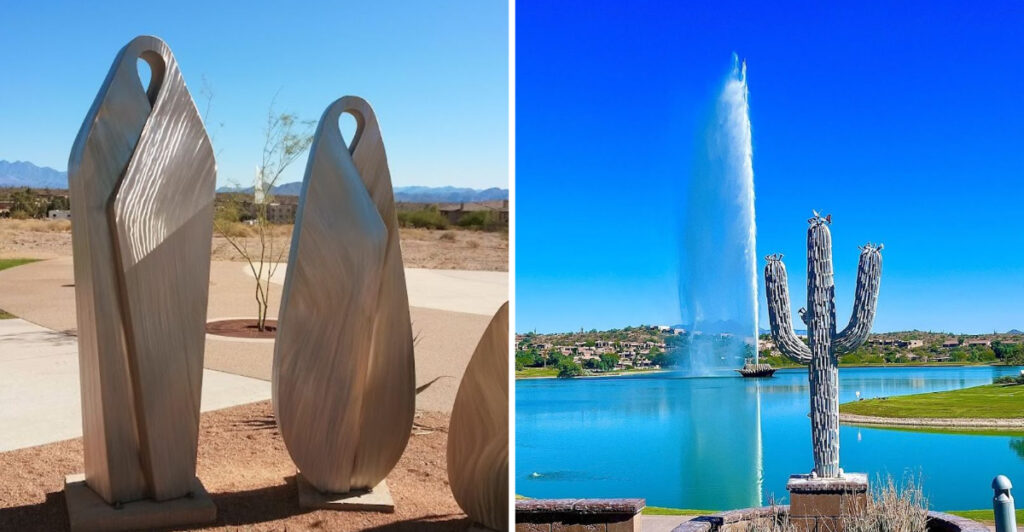
Stop what you’re doing and make time for one of Arizona’s most unforgettable sights. In the heart of the Sonoran Desert, a fountain blasts water nearly 560 feet into the sky, taller than the Washington Monument, and it costs nothing to watch.
The show runs hourly for 15 minutes, giving you the perfect window to snap photos, find a bench, or just stare in disbelief.
Plan your visit around morning light for soft, empty paths or hit golden hour for a fiery desert backdrop.
Evenings turn the fountain into a glowing spectacle against the darkening sky.
Walk the trails, grab a picnic spot, or bring the kids for a simple, unforgettable adventure.
Don’t wait for someone else to tell you about it.
Pick a time, head to the lake, and experience the fountain show that makes the Arizona desert feel alive in a way you will never forget.
The Fountain That Started It All
Back in 1970, a real estate developer named Robert McCulloch had a bold idea.
He built a fountain so impressive that people would want to live near it.
That plan worked better than almost anyone expected.
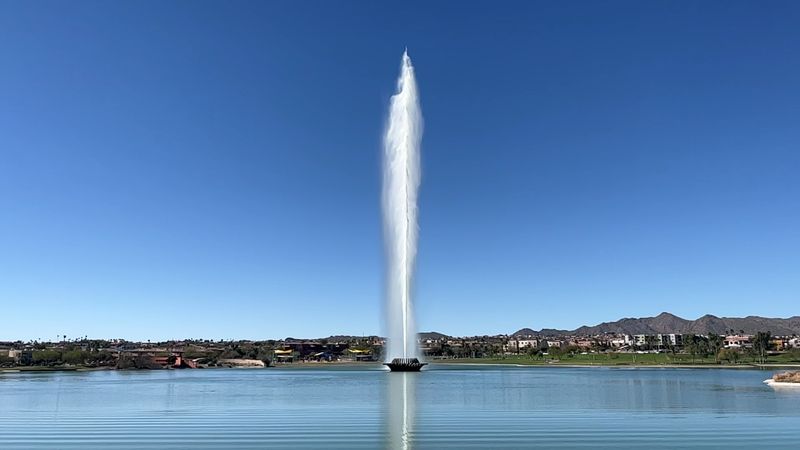
The Fountain Hills fountain was completed in 1970 and officially recognized as the world’s tallest fountain at the time of its construction.
It held that title for years before other fountains surpassed it, but it still ranks among the most powerful in the world today.
The fountain sits at the heart of Fountain Lake, right in the middle of town, and it has shaped the entire identity of this Arizona community.
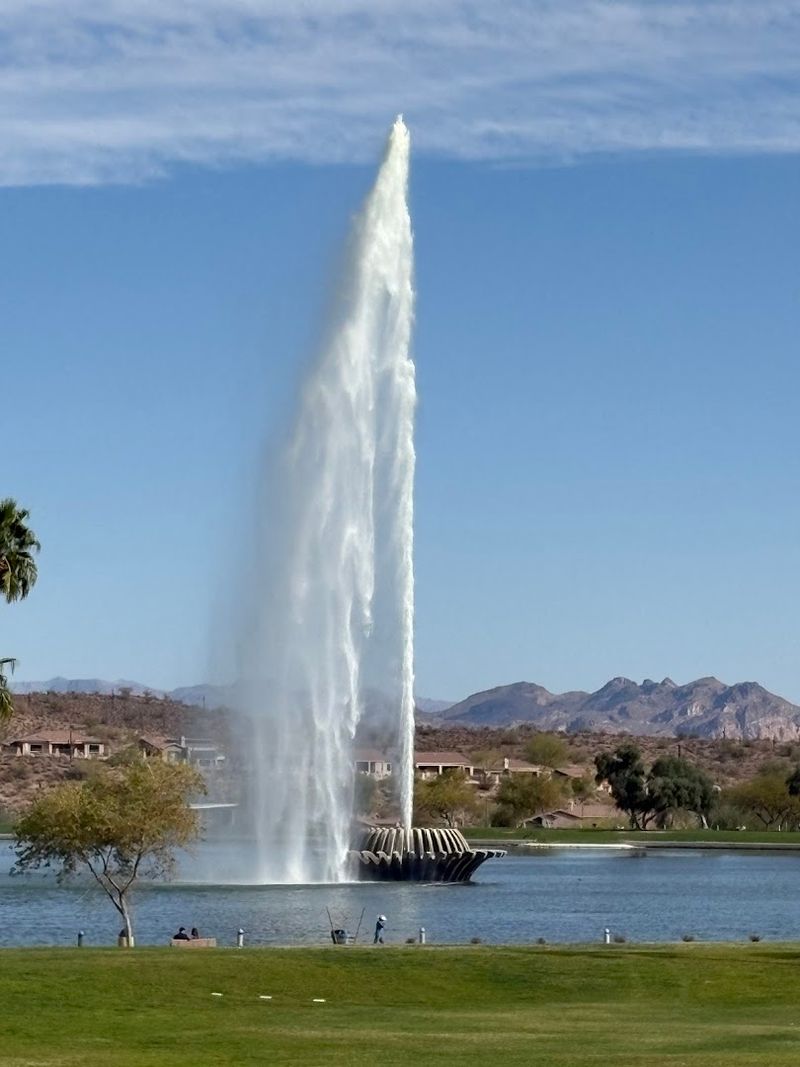
Three pumps push water through a single nozzle at over 1,800 gallons per minute.
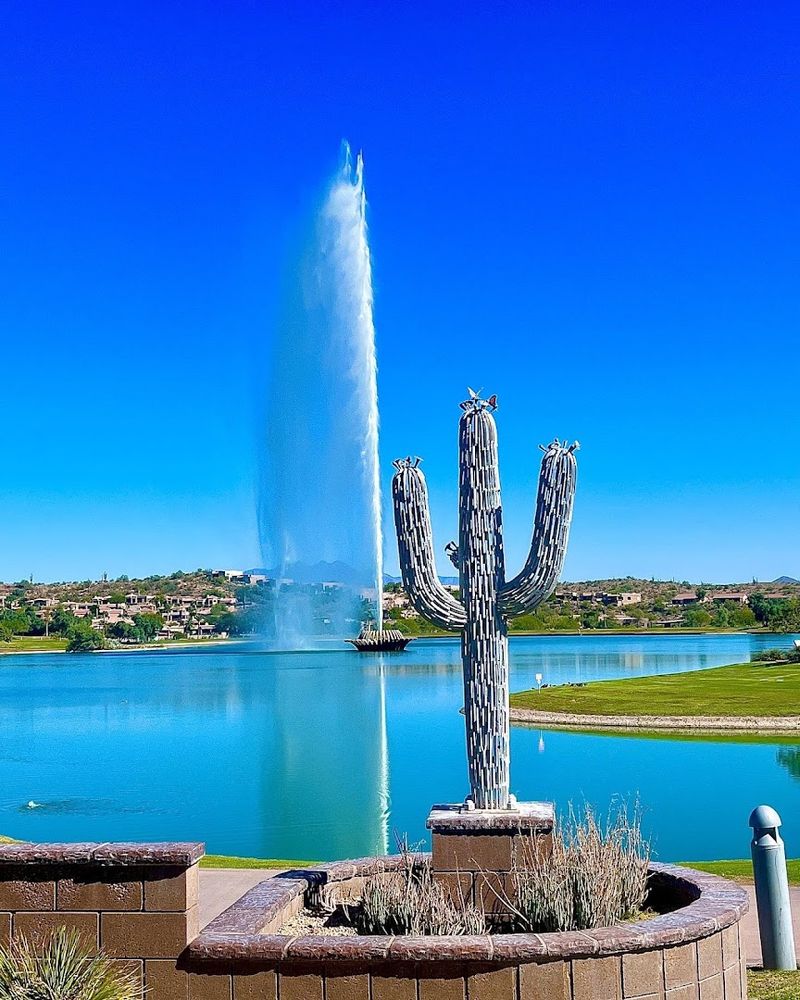
The result is a jet of water that climbs nearly 560 feet on calm days.
Wind can reduce the height, but even a partial display is worth watching.
The fountain is genuinely the soul of this town.
How The Show Works And When To Watch
Timing your visit to Fountain Hills is simple once you know the schedule.
The fountain runs seven days a week.
Each show lasts exactly 15 minutes, giving visitors plenty of time to take photos, soak in the view, and appreciate the sheer scale of the display.
Arriving about five minutes early is a smart move, especially on busy weekends when the lakeside benches fill up quickly.
Morning shows offer softer light and fewer crowds, making them ideal for photographers.
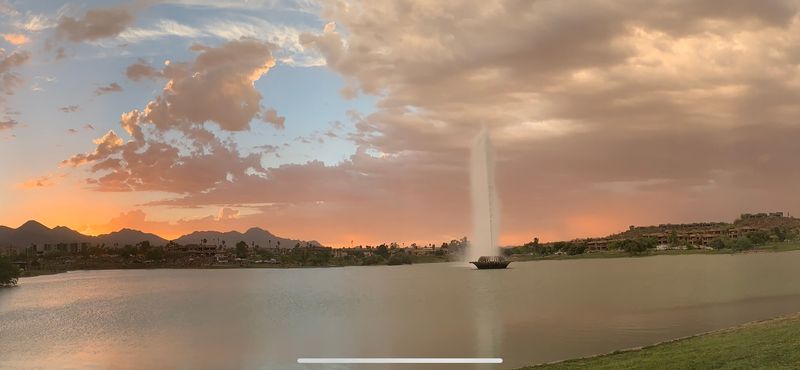
Late afternoon shows, especially around golden hour, cast a warm glow over the water that looks absolutely stunning against the Arizona sky.
Evening shows have their own charm, as the fountain is lit up after dark and the mist catches the light in a way that feels almost magical.
No tickets are needed, no reservations required, and no crowds blocking your view if you plan ahead just a little.
Fountain Lake And The Park Around It
The fountain does not stand alone.
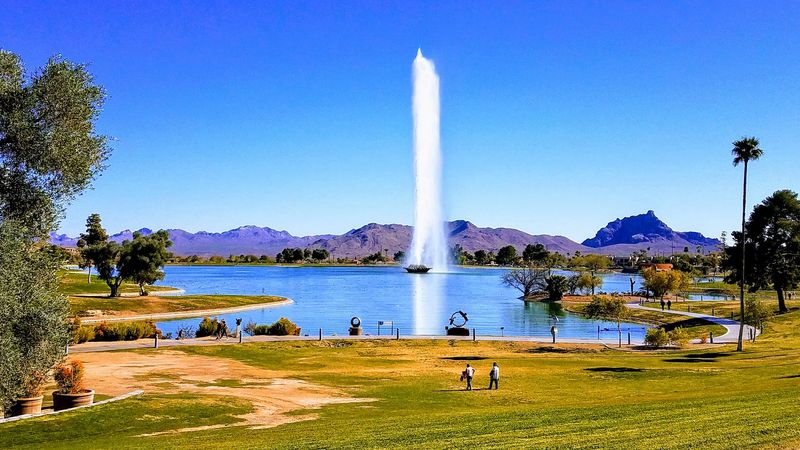
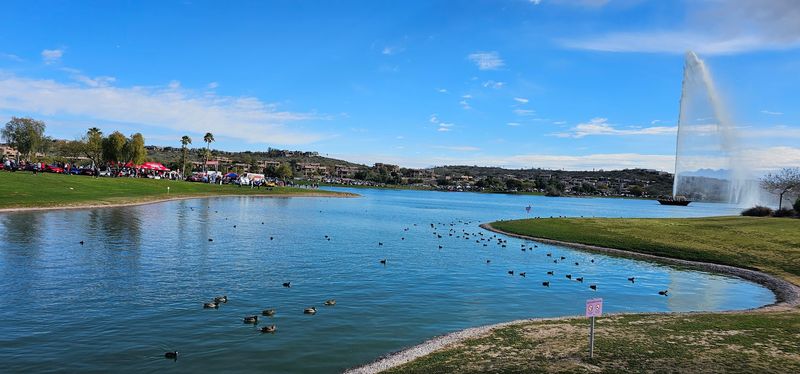
Surrounding it is a beautifully maintained park that wraps around Fountain Lake and gives visitors a genuine reason to linger long after the 15-minute show ends.
Paved walking and biking paths circle the lake, offering easy, flat strolls with the fountain always in view.
Families spread out on the grass, kids chase birds near the water, and older visitors sit on shaded benches enjoying the breeze off the lake.
The park also has picnic areas, making it a natural spot for a relaxed outdoor lunch in the heart of Arizona.
On weekends, the area buzzes with locals who treat this park as their backyard.
Dogs on leashes are welcome, and the vibe is laid-back and welcoming without feeling overcrowded.
The park is also the main gathering spot for community events and seasonal festivals that bring the whole town together throughout the year.
It is a place that rewards slowing down.
A Town Built Around A Big Idea
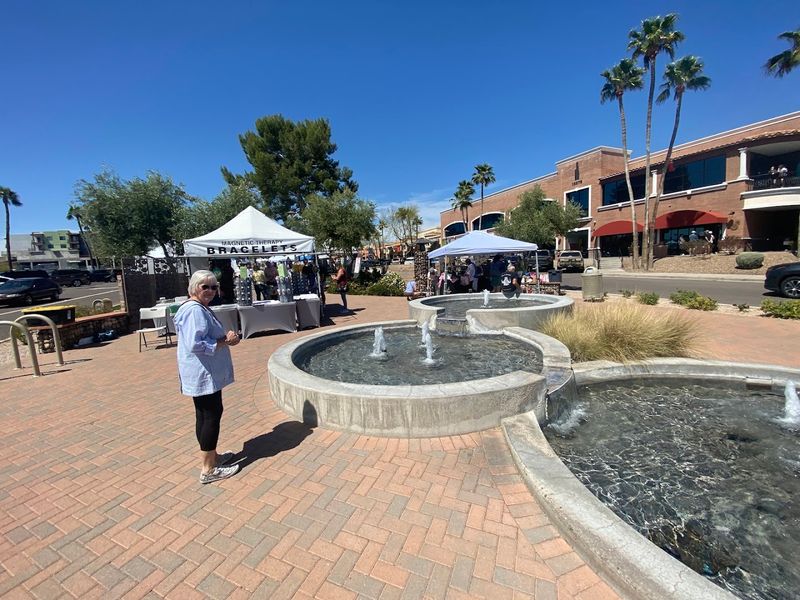
Most towns grow organically over decades, but Fountain Hills was planned from scratch with a single bold vision.
McCulloch Properties purchased the land in the late 1960s and designed an entire community around the fountain as its centerpiece.
The town was incorporated in 1989 and has grown steadily since, with a population of around 23,820 as of the 2020 census.
It sits in Maricopa County and borders some remarkable neighbors, including the Fort McDowell Yavapai Nation and the Salt River Pima-Maricopa Indian Community.
Scottsdale lies just to the west, giving Fountain Hills easy access to a major city while maintaining its own quieter, small-town character.
The layout of the town still reflects that original master plan, with wide streets, open spaces, and the lake always at the geographic and emotional center of community life.
The Desert Setting That Makes Everything Better
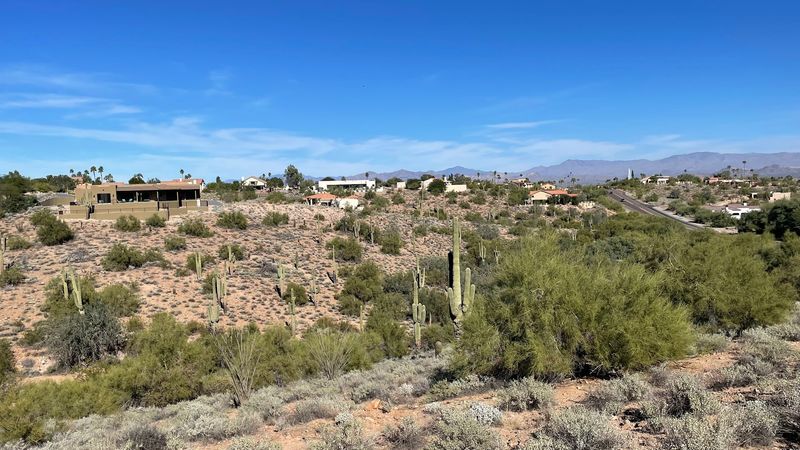
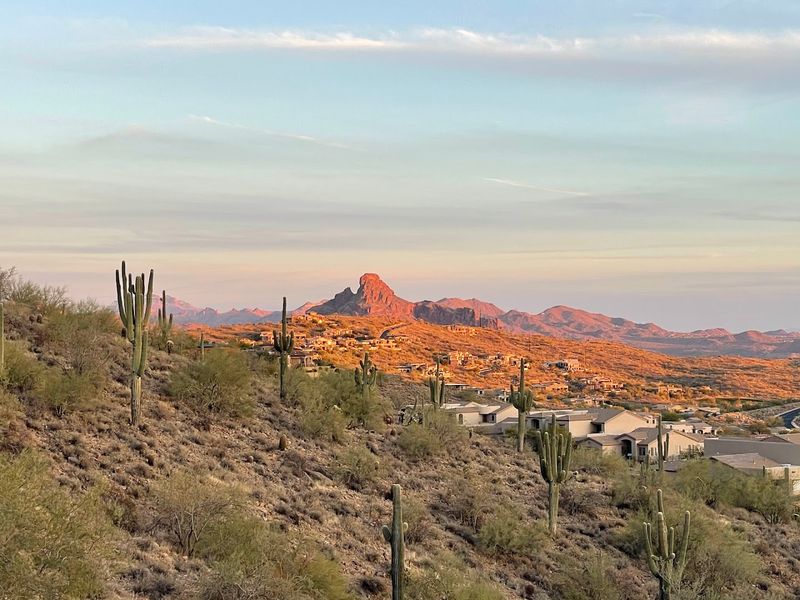
Water shooting into the sky would be impressive anywhere, but set it against the rugged Sonoran Desert and the effect becomes something else entirely.
Fountain Hills sits at an elevation of about 1,520 feet, surrounded by rocky hills, desert scrub, and towering saguaro cacti.
The contrast between the lush green park, the shimmering lake, and the dry desert hillsides beyond is visually striking from every angle.
Red Mountain looms to the north, its rust-colored ridgeline forming a dramatic natural backdrop for the fountain during daytime shows.
Arizona sunsets here are the kind that make people stop mid-sentence and just stare.
The sky turns deep orange and pink over the mountains, and the fountain catches those colors as it rises and falls.
Wildlife is active in the surrounding desert too, with coyotes, roadrunners, and javelinas occasionally spotted near the park edges at dusk.
Nature here does not take a back seat to the fountain.
It shares the stage.
Hiking Trails Close To Town
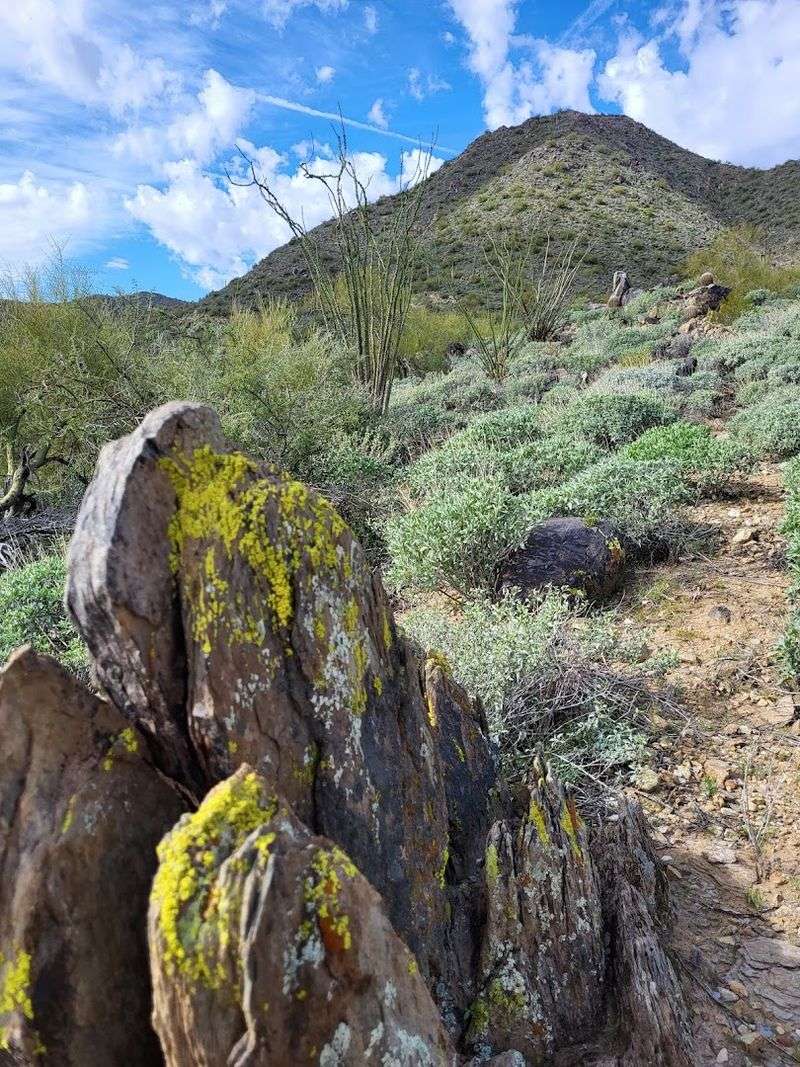
Outdoor lovers will find plenty to do beyond watching the fountain.
The McDowell Mountain Regional Park sits just north of town and offers over 50 miles of trails ranging from easy nature walks to challenging rocky climbs.
The Fountain Hills Loop Trail is a popular beginner-friendly option that circles the lake and connects to longer routes heading into the surrounding desert.
For something more demanding, the trail systems around the McDowell Sonoran Preserve offer sweeping views of the valley and the distinctive Arizona skyline.
Early morning hikes are strongly recommended, especially from May through September when afternoon temperatures in Arizona can climb well above 100 degrees Fahrenheit.
Carrying water is non-negotiable on any desert trail, regardless of the season or distance planned.
Many trails are dog-friendly with proper leash rules, and the scenery rewards every step.
Sunrises from the higher ridgelines above Fountain Hills are the kind of views that end up as phone wallpapers for years.
Local Events That Bring The Town To Life
Fountain Hills goes well above its weight when it comes to community events.
The Fountain Hills Great Fair, held annually in February, is one of the top-ranked outdoor art fairs in the entire country.
Artists from across the United States and beyond set up along the lakeside boulevard, and the event draws tens of thousands of visitors over three days.
The St. Patrick’s Day celebration is another local tradition worth noting.
The town dyes the fountain green for the occasion, turning the already impressive water display into something genuinely festive and unexpected.
Holiday events in November and December light up the park with seasonal decorations, and summer concerts bring live music to the lakeside on warm Arizona evenings.
Farmers markets run on a regular schedule too, offering local produce, handmade goods, and a chance to chat with the friendly residents who make this community what it is.
There is always something happening here.
What To Eat Near The Fountain

After watching the fountain put on its show, hunger tends to follow.
The town center area along Avenue of the Fountains has a solid lineup of casual restaurants and cafes within easy walking distance of the lake.
From tacos and Southwestern-style grills to pizza spots and cozy breakfast diners, the options cover a good range without being overwhelming.
Several restaurants have patio seating that faces toward the fountain, meaning you can eat your meal and catch the next show at the same time.
That is a combination that is hard to beat anywhere in Arizona.
Local favorites tend to fill up on weekends, so arriving slightly before peak lunch or dinner hours helps avoid long waits.
The overall dining vibe in Fountain Hills is relaxed and unpretentious, which matches the character of the town perfectly.
It is the kind of place where locals linger over coffee and visitors feel immediately at ease, even on a first visit.
Nearby Neighbors Worth Exploring
One of the underrated advantages of visiting Fountain Hills is its location.
Scottsdale sits just 20 minutes to the west, offering world-class resorts, golf courses, museums, and shopping for those who want to extend their Arizona trip.
Old Town Scottsdale has a walkable arts district packed with galleries, boutiques, and some of the best Southwestern cuisine in the state.
To the east and north, the Fort McDowell Yavapai Nation offers cultural experiences, outdoor adventure, and the Fort McDowell Adventures operation that runs jeep tours and horseback rides through the desert.
The Salt River Pima-Maricopa Indian Community borders Fountain Hills to the south and offers its own recreational and cultural attractions worth exploring.
Phoenix Sky Harbor International Airport is roughly 30 minutes away by car, making Fountain Hills an easy addition to any Arizona itinerary without requiring a complicated drive.
The location makes Fountain Hills a natural hub for a broader desert adventure.
Photography Tips For Capturing The Fountain
The Fountain Hills fountain is one of the most photogenic subjects in all of Arizona, but getting a great shot takes a little planning.
Golden hour, the hour after sunrise and the hour before sunset, produces the most dramatic light on the water and the surrounding mountains.
A wide-angle lens captures the full height of the fountain along with the lake and park below, giving a sense of the scale that tight shots miss.
Positioning yourself on the west side of the lake in the late afternoon puts the sun behind you and lights the fountain perfectly from the front.
On windy days, the plume leans and spreads in interesting ways that can actually make for more dynamic compositions.
A polarizing filter helps cut through the glare on the lake surface, revealing the water’s color more clearly.
Shooting in burst mode during the first few seconds of the show captures the dramatic moment when the water column rises from nothing to full height.
Practical Tips Before You Go
Visiting Fountain Hills is straightforward, but a few practical details make the trip smoother.
The fountain park is located at Fountain Hills Boulevard and Avenue of the Fountains in Fountain Hills, Arizona 85268.
Parking is available in lots near the park and along surrounding streets, and it is generally free.
On major event weekends, parking fills up faster, so arriving early or walking from a nearby side street saves time.
The park itself is open daily every day of the year, weather permitting.
High winds occasionally cause the fountain to run at reduced height or pause entirely for safety reasons.
Sunscreen and a hat are essential for any Arizona outing, and the open lakeside park offers limited shade, so planning accordingly keeps the visit comfortable.
The town’s official website at fh.az.gov has updated event schedules, park information, and everything needed to plan a visit without any surprises.
Why This Free Show Stays With You
Some travel experiences cost a fortune and leave you underwhelmed.
Others are completely free and somehow feel like the highlight of an entire trip.
The Fountain Hills fountain falls firmly in the second category.
There is something about watching that column of water climb nearly 560 feet above the Arizona desert, powered by nothing but three pumps and a bold original idea, that feels genuinely awe-inspiring.
It is the kind of spectacle that prompts strangers to turn to each other and exchange a smile without saying a word.
The town around the fountain adds to that feeling, with its relaxed pace, friendly locals, and natural desert beauty framing every view.
Fountain Hills is not trying to be the loudest or flashiest destination in Arizona.
It simply offers something real, something beautiful, and something free.
And in a world where most memorable experiences come with a price tag, that combination is rarer than it should be.