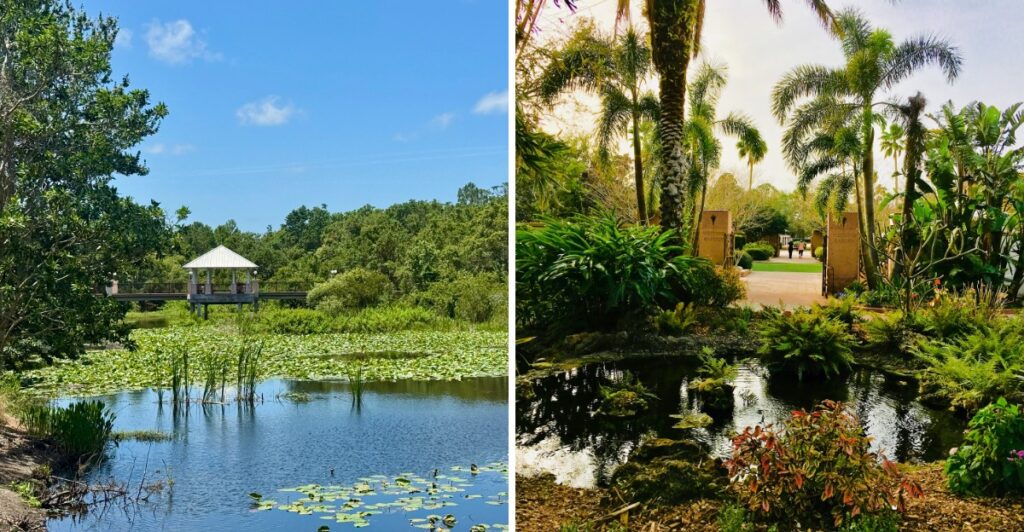
One Florida garden grows more than 300 kinds of palms and tests each one against cold snaps and dry spells.
It’s basically a fitness test for trees, and the palms keep showing up strong.
Admission is free on regular days, which leaves more room in the budget for snacks.
Bamboo comes in 50 varieties, and the fruit garden grows something called ice cream bananas, which might be the best name a plant has ever had.
Gates open at 7 a.m. daily and close for just two holidays a year. Winding paths link more than two dozen themed collections, with flowers and tropical foliage around nearly every bend.
Finally, a fruit that makes dessert sound like a healthy choice.
More Than Two Dozen Gardens Hide Along These Winding Paths
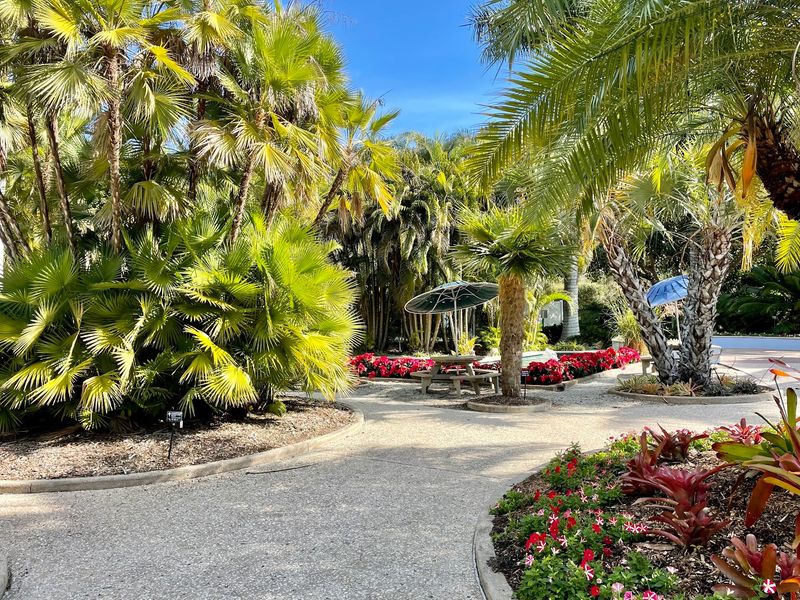
Free admission and over two dozen themed collections make Florida Botanical Gardens an easy yes.
The gardens sit in Largo and generally open at 7 a.m. daily, closing at sunset, except on the day after Thanksgiving and Christmas Day.
Winding paths carry you past lush tropical foliage, bright flower beds, and towering palms. Every bend seems to open onto a brand-new mini world.
The layout mixes formal gardens, scenic landscapes, and natural habitats. That means a short stroll can shift from tidy hedges to wild Florida scrub in minutes.
Plant labels help you sort the locals from the far-flung visitors. Think of them as name tags for leaves, minus the awkward small talk.
Grab a free self-guided tour map at the gift shop before you start. With this many collections, a map keeps you from circling the roses three times.
The gardens close only on the day after Thanksgiving and on Christmas Day. Everything else is fair game, including a random Tuesday when you just need fresh air.
Plan for a few hours if you want to see most areas. Comfortable shoes and a water bottle will make that much easier in the Florida heat.
Over 300 Palm Species Are Basically Auditioning Here
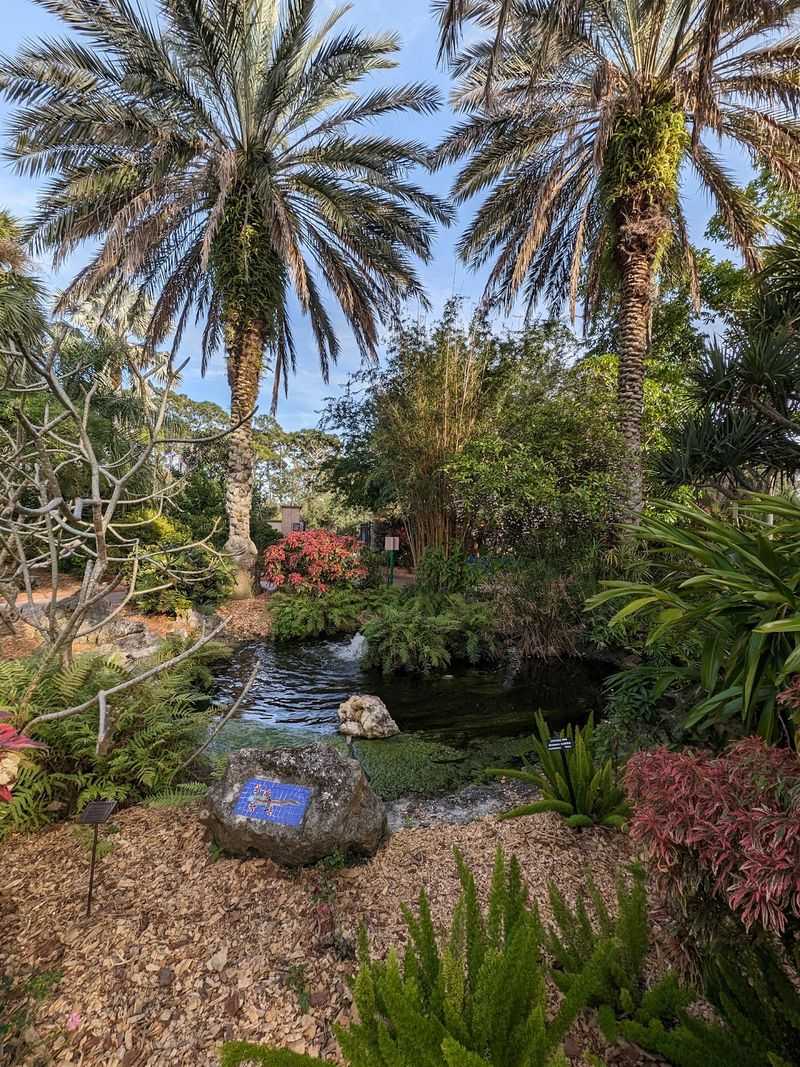
Palms get a serious workout at this spot. The Palm Garden shows off over 300 different species, and each one gets evaluated for cold and drought tolerance.
That makes the collection part showcase and part science project. You’re basically strolling through a living test lab with very good posture.
Some palms fan out wide and low. Others shoot skyward with trunks that look built for postcards.
For home gardeners, this area is pure gold. Seeing a palm grown in local conditions beats guessing from a nursery tag.
Snap photos of the labels on any palms you like. Later, you’ll know exactly what to ask for when your yard needs an upgrade.
The variety also surprises people who assume all palms look alike. After a lap through here, you’ll start noticing differences in fronds, trunks, and shapes everywhere you drive.
Shade can be scattered in open palm areas, so morning visits feel more pleasant. Bring a hat if you plan to linger and play spot-the-difference with the fronds.
The Tropical Walk Feels Like A Quick Trip Across The Equator
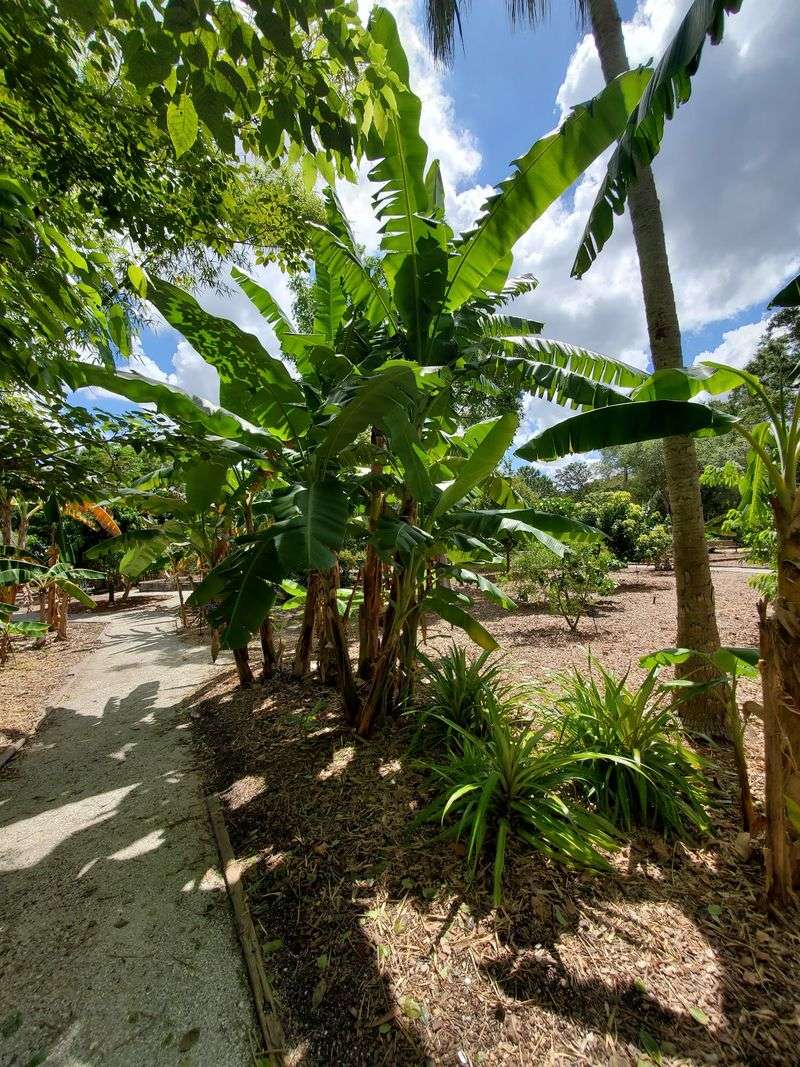
Bromeliads, perfume trees, and rare flowering plants from around the world fill the Tropical Walk. It’s the most jungle-like stretch of the whole property.
One description of the area mentions a tropical rainforest setting with a running stream. Water sounds plus giant leaves make a pretty convincing escape from traffic on Ulmerton Road.
Bromeliads deserve a close look. Their colorful centers and spiky rosettes look like plants dressed up for a party.
The exotic perfume trees add another layer. Lean in, take your time, and let your nose join the tour.
Photographers will love the layers of green here. Broad leaves, bright blooms, and dappled light make even phone pictures look polished.
Bug spray is a smart move in any lush, damp part of Florida. Mosquitoes enjoy tropical scenery as much as people do, sadly.
Walk slowly through this section instead of rushing to the next one. The rare flowering specimens can be easy to miss if you only glance at the big foliage.
Hundreds Of Butterflies Treat This Garden Like A Buffet
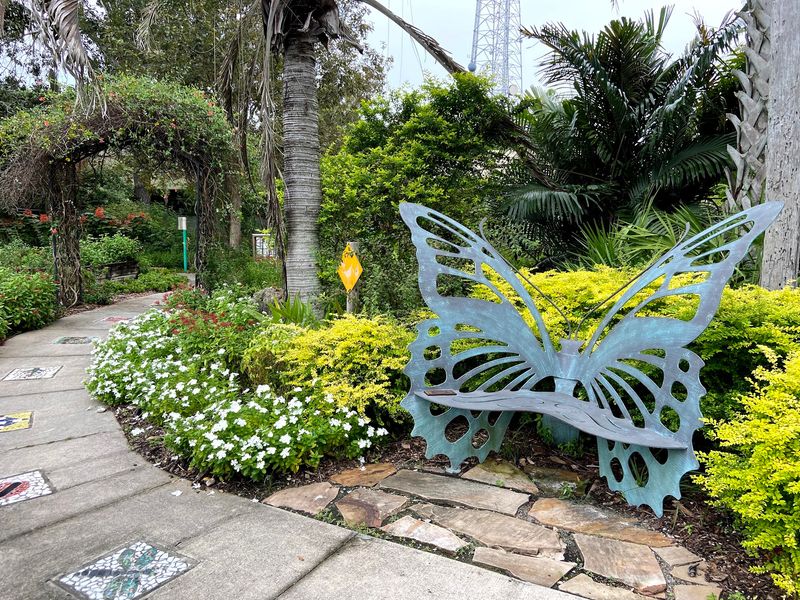
Hundreds of native Florida butterflies visit the Butterfly Garden throughout the year. Nectar-rich wildflowers keep the adults fueled up.
Host plants handle the next generation. Caterpillars need specific plants to munch on, and this garden grows them on purpose.
That detail turns a pretty flower patch into a full life-cycle habitat. You might spot hungry caterpillars chewing leaves near fluttering adults.
Sunny, calm days usually bring the most wing action. Butterflies need warmth to fly, so midmorning can be a smart time to look.
Patience pays off in this spot. Stand still for a minute, and the flowers start feeling busy, like a tiny airport with colorful flights.
Kids tend to love the hunt for different colors and patterns. Turn it into a quick game of counting how many types you can find.
Gardeners can steal ideas here too. Notice which blooms draw the most visitors, then plant a few at home and start your own little butterfly stop.
Ice Cream Bananas And Lychee Grow In The Fruit Garden
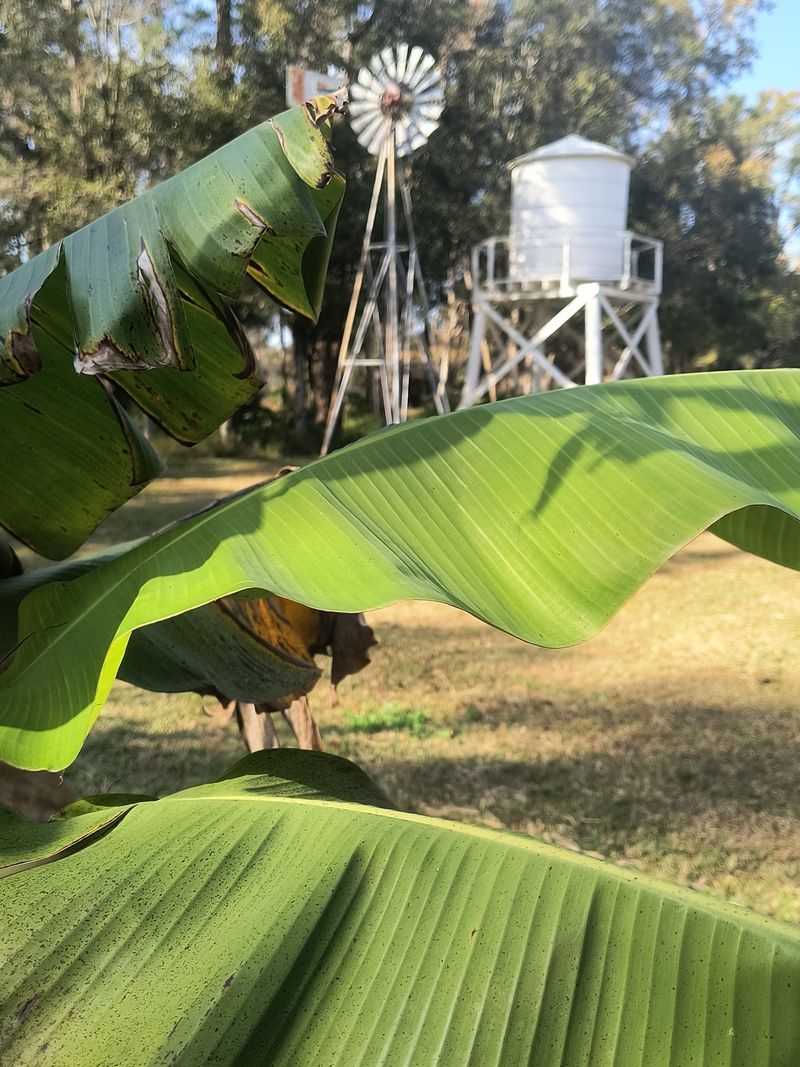
Ice cream bananas are real, and they grow in the Tropical Fruit Garden. The name alone earns this area a spot on your route.
The collection mixes tropical, subtropical, and temperate fruit-bearing plants. You’ll find sugar palms, pineapple, citrus, avocado, guava, mango, and lychee.
Seeing pineapple growing from the ground surprises plenty of people. It looks nothing like the neat fruit stacked at the grocery store.
Right nearby, the Herb Garden takes a different angle. It’s modeled after a Victorian-era kitchen garden with culinary, medicinal, and aromatic herbs.
Together, these two spots feel like a grocery tour without the carts. They’re great for anyone curious about where food really comes from.
Treat the fruit as display only and leave it on the plants. These gardens are for learning and admiring, not snacking.
Gardeners in Florida can pick up real ideas here. Notice the healthy trees, read the labels, and picture which ones might thrive in your own backyard.
Sixty Wild Acres Give Bald Eagles And Gopher Tortoises Room
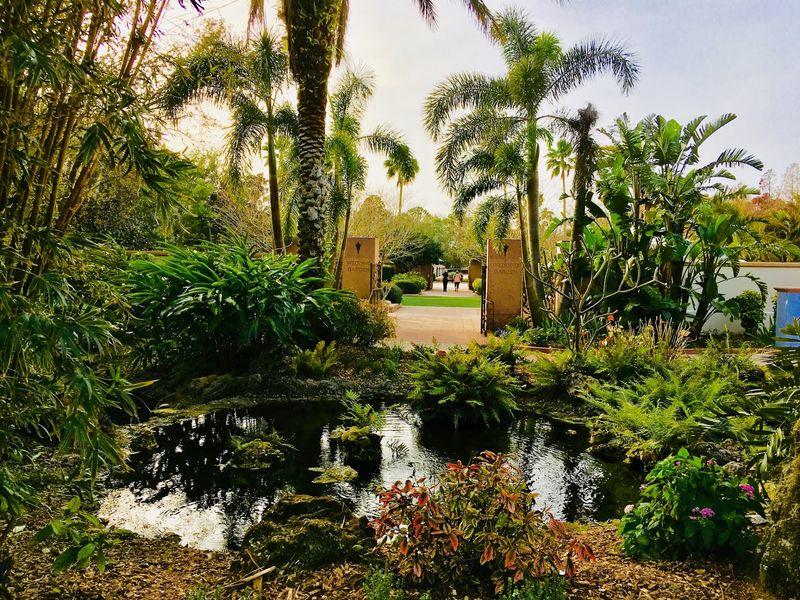
Bald eagles and gopher tortoises share the gardens’ 60-acre natural area. This part focuses on restoring Florida native plants and habitats.
Trails and interpretive signs guide you through it. The signs explain what you’re seeing, so the scrub and wetlands start making sense.
It feels wilder than the cultivated gardens closer to the courtyard. Less polish, more real Florida.
Pets aren’t allowed in this natural area, which protects the wildlife. Leashed pets on a 6-foot leash are welcome in most other areas of the gardens.
Keep your eyes open and your voice low. Wildlife sightings depend on luck, timing, and how much noise your group makes.
Give any animal plenty of space if you spot one. Gopher tortoises are protected, and they prefer admirers who keep their distance.
Early hours can make this section more comfortable in warmer months. With the gates opening at 7 a.m., a cool morning walk here feels like a smart way to start the day.
A Million Lights Make December The Showstopper Season
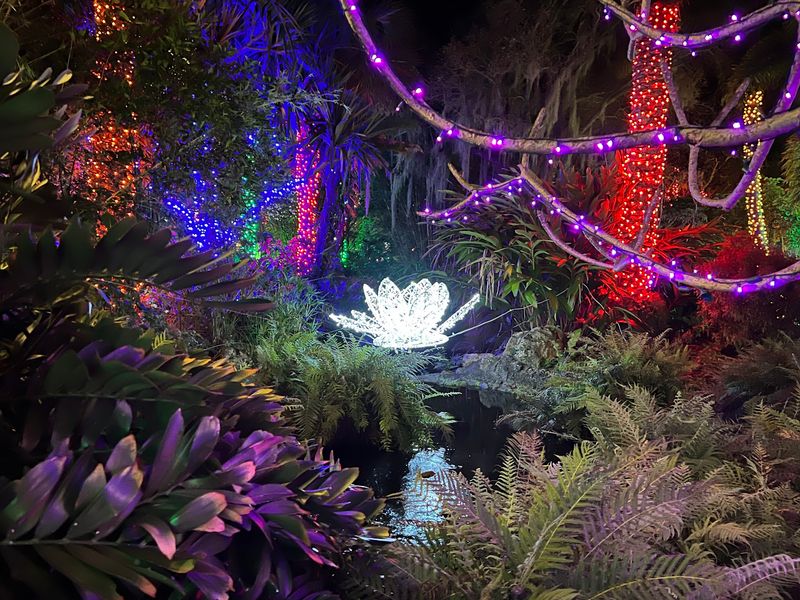
Over a million LED lights take over the grounds for Holiday Lights in the Gardens. It’s one of the most loved holiday traditions in Pinellas County.
Laser projections and festive displays join the glowing trees. Live entertainment and concessions run nightly during the event.
The 2026 season is set for November 27, 2026, through January 3, 2027. That window gives this year a bright finish worth planning around.
Unlike regular daytime visits, the holiday event encourages donations, but admission is free, and no tickets are required.
Check the gardens’ official info for current entry details before heading out.
Two parking lots sit at opposite ends of the park. Remember which one you used, or your evening may include a bonus hike.
Daytime and nighttime visits feel totally different. Seeing the gardens in daylight first helps you recognize spots once they’re glowing.
Warm layers can help on cooler Florida evenings. Bring comfortable shoes too, because the light displays stretch across plenty of paths and you’ll want to see them all.
Plan Your Visit Around A Whole Cultural Park Next Door
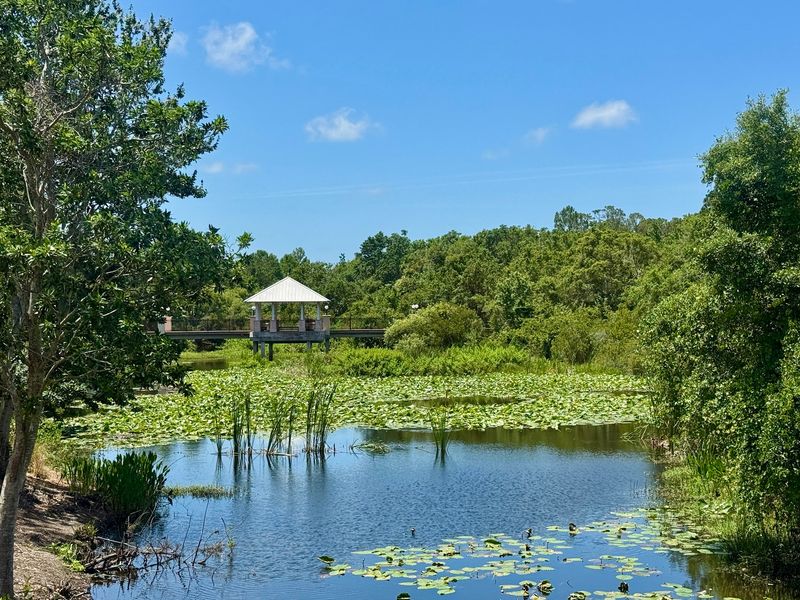
Florida Botanical Gardens sits inside Pinewood Cultural Park, so one trip can cover a lot. Heritage Village and the Creative Pinellas art gallery share the park.
The UF/IFAS extension for Pinellas County is there too. Its experts help explain why so many gardening programs happen on site.
Head to 12520 Ulmerton Rd, Largo, FL 33774 for one free parking lot. Another free lot sits off Walsingham Road.
The Botanical Bounty Gift Shop is in the Tropical Courtyard. It’s also where you can grab free tour maps.
Shaded picnic patios make a packed lunch an easy win. All walkways are ADA compliant, and wheelchairs are welcome.
Electric vehicle drivers should note one change. The public EV chargers stopped offering charging as of June 1, 2026.
Classes add even more reasons to return, from yoga and forest bathing to propagation workshops and guided nature walks. An annual pumpkin festival and concerts round out the calendar, so this Florida stop rarely runs out of things to do.