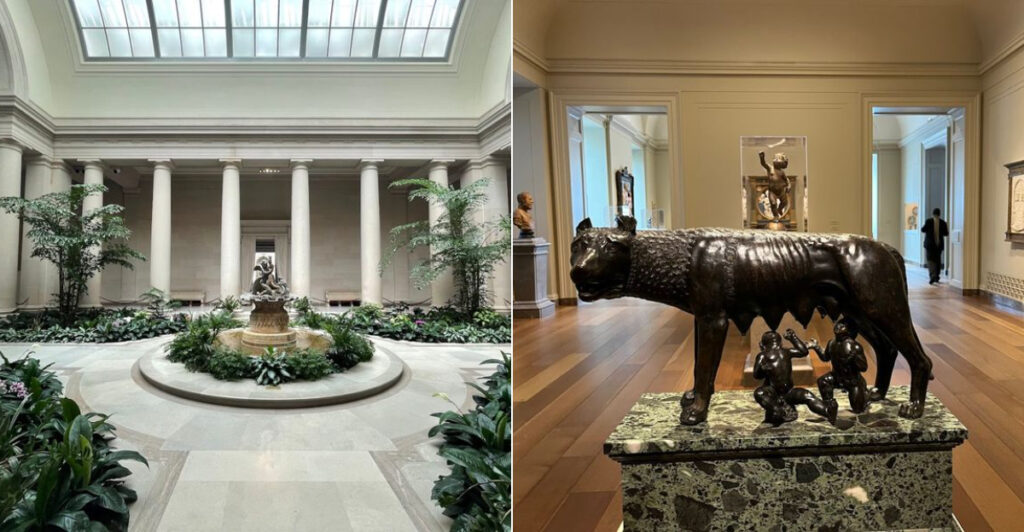
A world-class art attraction that somehow charges nothing to enter. Washington delivers exactly that kind of generosity, sitting just a short hop from Virginia. Free admission, luxurious surroundings, and thousands of masterpieces waiting inside.
Every traveler walks out feeling a little richer in all the best ways. Two massive gallery buildings packed floor to ceiling with art. Famous paintings that usually show up in textbooks. Sculptures that stop people mid-step.
A breathtaking fountain plaza that practically begs visitors to stay awhile. Quiet corners invite long pauses. Busy halls spark fresh excitement. Every turn reveals another reason to keep exploring.
Treating yourself to a proper cultural day out should happen more often. No ticket needed. No pressure to rush. Pack comfortable shoes, charge the camera, and let the capital hand over one of the most impressive free experiences in the entire country. First-timers leave inspired. Regulars always return with a smile.
A Street That Carries The Weight Of History
Constitution Ave. NW is not just a road you drive down to get somewhere else. It is one of the most storied stretches of pavement in the entire United States, lined with institutions that shaped how Americans think about art, science, and democracy.
Running parallel to the National Mall, the avenue stretches from the Lincoln Memorial in the west all the way past the U.S. Capitol in the east.
Along the way, it passes the National Gallery of Art at Constitution Ave. NW, Washington, DC 20565, which anchors the cultural heart of this legendary corridor.
Every building along this route seems to have a story worth telling. The avenue has hosted presidential inaugurations, peaceful marches, and quiet Sunday morning walks by locals who know exactly how lucky they are to live near something this grand.
What makes this street feel exclusive is the sheer density of world-class experiences packed into a single walkable stretch. You could spend a full week exploring what Constitution Ave. NW has to offer and still feel like you missed something.
A Jaw-Dropping Architecture
The moment you see the West Building of the National Gallery of Art, your first instinct might be to check if you need a reservation for somewhere this impressive. You do not.
The building is open to the public for free, and it looks like it should cost a fortune just to stand in front of it.
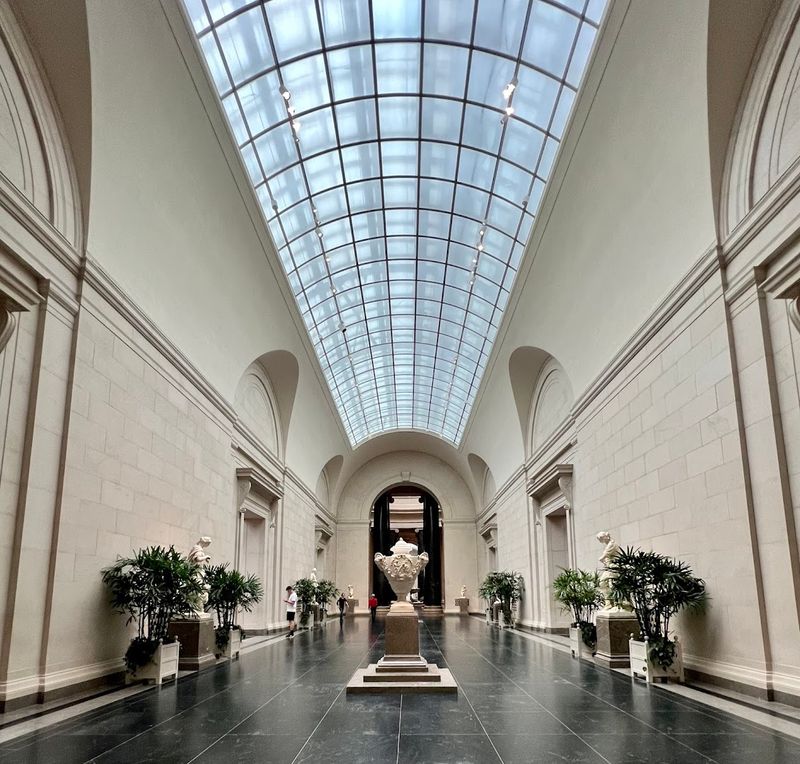
Designed by John Russell Pope and completed in 1941, the West Building is a masterpiece of neoclassical architecture. Its pink Tennessee marble exterior, massive columns, and perfectly symmetrical design make it one of the most photographed facades on Constitution Ave. NW.
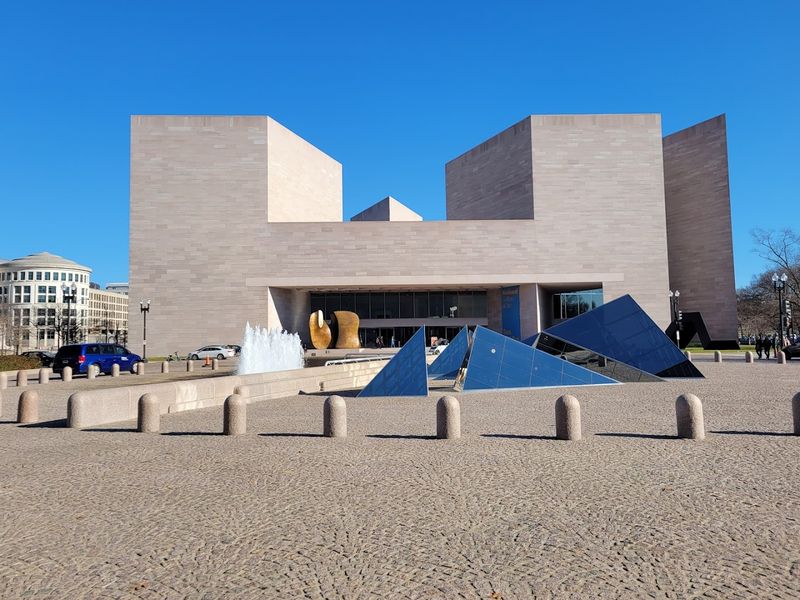
Then there is the East Building, designed by I.M. Pei and opened in 1978. Its angular geometry and sharp triangular shapes feel bold and modern, creating a fascinating visual contrast with its older neighbor just steps away.
Together, the two buildings form one of the most architecturally interesting museum complexes in the world. Even if you never walked inside, just standing on the plaza between them and looking around would be worth the trip.
The underground tunnel connecting the two buildings even has a light installation that feels like something out of a science fiction film. How often does a free museum make you feel like you are living inside a work of art before you even see the collection?
Old Masters And Modern Icons Under One Roof
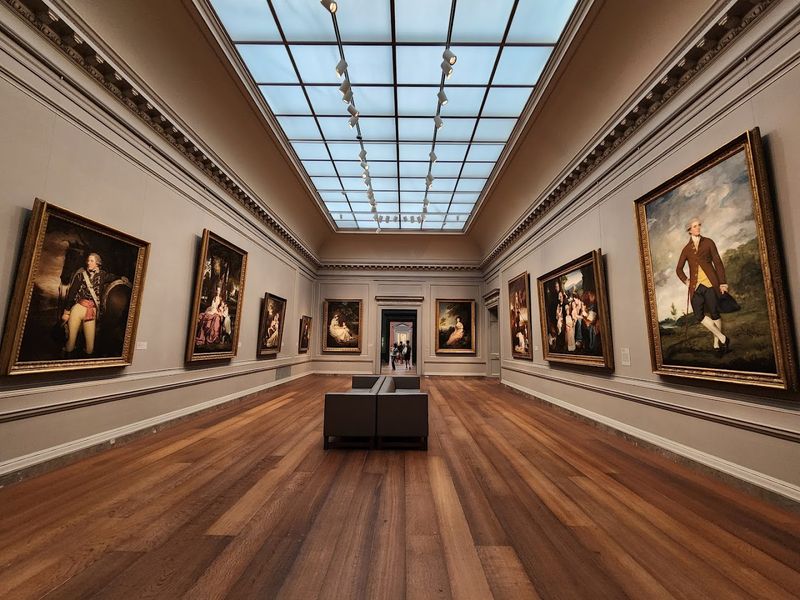
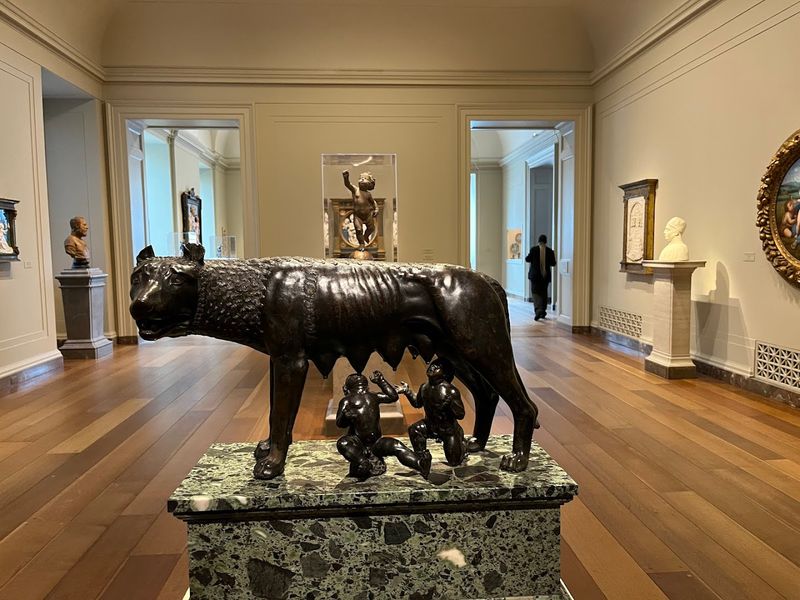
Inside the West Building, the collection reads like a greatest hits album of Western art history. Leonardo da Vinci, Rembrandt, Vermeer, El Greco, and Raphael all have works hanging here, and you can walk right up to them without a velvet rope blocking your view.
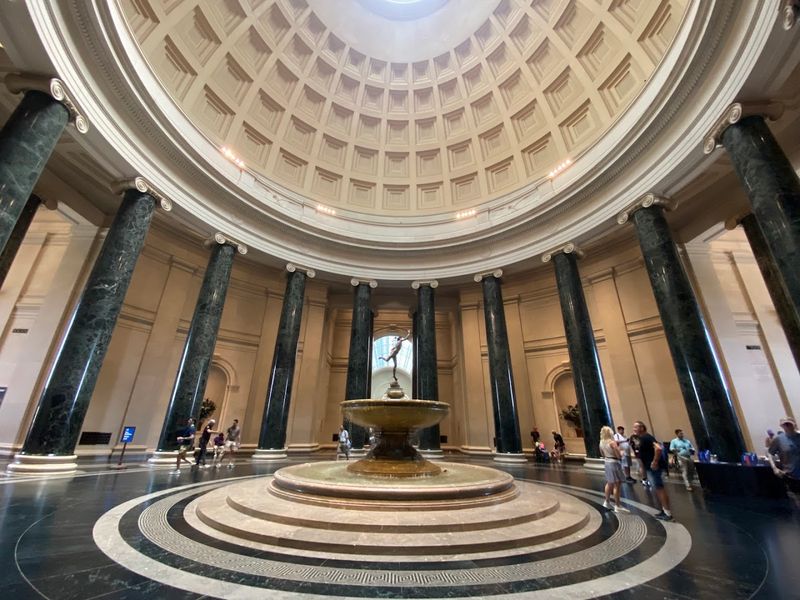
The rotunda alone, with its black marble columns and domed ceiling, is worth the visit. Standing beneath it for the first time tends to produce a very specific reaction in people, something between quiet awe and the sudden urge to take fifty photographs.
The East Building handles the modern and contemporary side of things. Alexander Calder’s enormous mobile hangs from the ceiling of the atrium, slowly turning in the air above visitors who often stop mid-sentence just to watch it move.
What is remarkable is how approachable the whole experience feels. This is not a collection designed to intimidate. The galleries are well-lit, thoughtfully arranged, and easy to navigate even if you have never set foot in an art museum before.
The Sculpture Garden That Stops People In Their Tracks
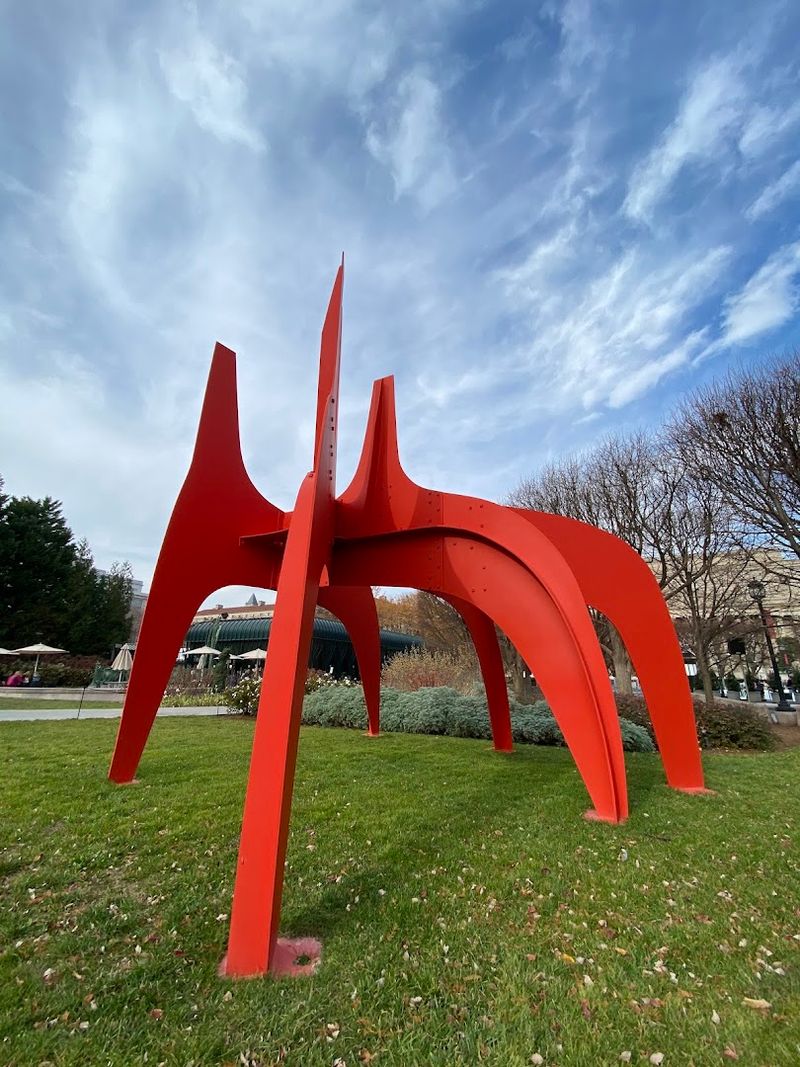
Just across the street from the West Building, the National Gallery of Art Sculpture Garden is one of those outdoor spaces that makes you forget you are in the middle of a major city. It covers about six acres of beautifully landscaped grounds right along Constitution Ave. NW, and admission is completely free.
The garden features sculptures by some of the most celebrated artists of the twentieth century. Works by Louise Bourgeois, Claes Oldenburg, Roy Lichtenstein, and Joan Miro are scattered across the grounds in a way that feels more like a park than a museum.
At the center sits a large circular fountain that becomes a reflecting pool in warmer months and an ice skating rink in winter. Watching people skate around sculptures by world-famous artists while the Capitol dome sits in the background is a scene that feels almost too good to be real.
Families tend to love this space because children can move around freely and interact with the art in a way that indoor galleries do not always allow. What other outdoor art space in the country lets you skate, picnic, and admire major sculptures all in the same afternoon?
Free Events And Programs That Keep Things Lively
The National Gallery of Art does not just display art. It actively creates experiences around it, and many of those experiences are free to attend.
The calendar of events throughout the year includes film screenings, lectures, family workshops, and live music performances that draw locals and tourists alike.
One of the most beloved traditions is the Friday jazz series held in the Sculpture Garden during summer months. Local musicians perform in the open air while visitors spread out on the lawn, and the whole scene has an easy, relaxed energy that feels nothing like a typical museum event.
Inside, free guided tours run regularly and cover everything from the permanent collection to current special exhibitions. The tours are designed to be engaging rather than academic, making them a great option even for visitors who do not consider themselves art enthusiasts.
Family programs deserve a special mention here. The gallery offers hands-on art-making activities for children on weekends, and the educators who run them have a talent for making complex ideas feel simple and exciting.
One parent described watching her eight-year-old spend forty-five minutes in front of a single painting after a gallery educator explained its story, which is no small feat for anyone, let alone a third grader. What other free attraction in Washington gives you this many reasons to come back again and again?
The Best Way To Plan Your Visit Without Losing Your Mind
Walking into the National Gallery of Art without a plan is a bit like arriving at a buffet and only eating bread. The collection is enormous, the buildings are large, and trying to see everything in one visit will leave you exhausted and underwhelmed.
A smarter approach is to pick one or two areas of the collection that genuinely interest you and spend real time there. The museum’s website has detailed floor maps and a searchable collection database that lets you identify specific works before you arrive.
Knowing exactly which gallery holds the painting you most want to see saves a surprising amount of time.
Weekday mornings tend to be quieter than weekend afternoons, which is useful to know if you prefer a more relaxed pace. The museum opens at 10 a.m. most days, and arriving close to opening time gives you a window of relative calm before the crowds build.
Comfortable shoes are not optional here. The marble floors are beautiful but unforgiving after a few hours of walking, and the distance between the East and West Buildings adds up faster than you expect. The cafe inside the West Building is a solid midday stop if energy levels start to drop.
A Walking Route Worth Every Step
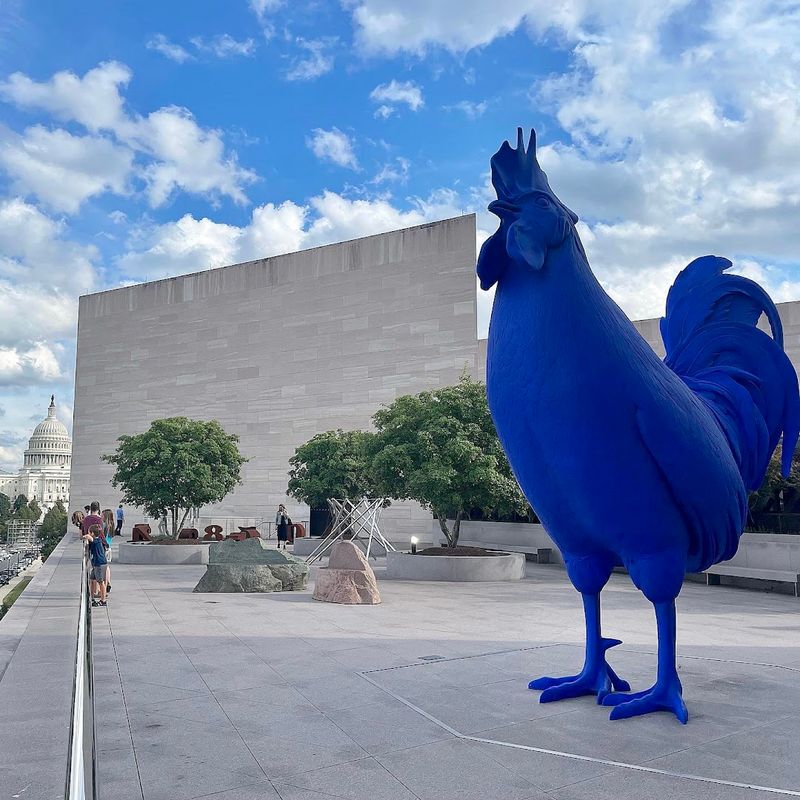
Using Constitution Ave. NW as a walking route is one of the most rewarding things you can do during a visit to Washington, D.C. The street connects major landmarks in a logical sequence, making it easy to build a full day of sightseeing without ever needing to hail a cab.
Starting near the Lincoln Memorial and walking east, you pass the Vietnam Veterans Memorial, the Washington Monument, and the Smithsonian museums before reaching the National Gallery of Art. Continuing further brings you within sight of the U.S.
Capitol, completing a route that covers some of the most recognized imagery in American public life.
The sidewalks along this stretch are wide and well-maintained, and there are plenty of benches and green spaces where you can pause and take things in at your own pace. Street vendors near the Mall sell maps and souvenirs if you want a physical reminder of the walk.
Morning light along this corridor is particularly striking. The low sun catches the marble and stone of the buildings in a way that makes everything look slightly golden, and photographers who know about this tend to arrive early specifically to capture it.
Why This Place Deserves More Than A Quick Glance
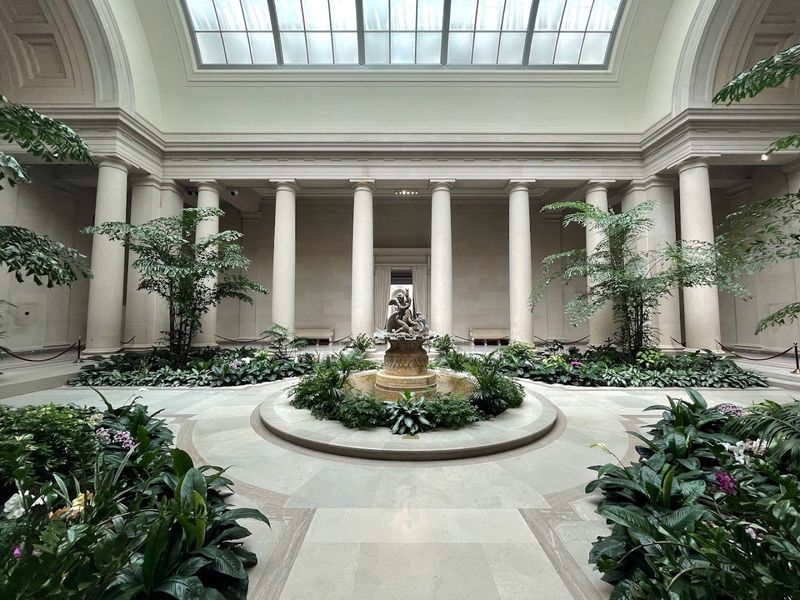
There is a particular kind of traveler who rushes through museums, ticking boxes and moving on. The National Gallery of Art has a way of slowing those people down, sometimes against their initial intentions. The collection here is not just large. It is genuinely exceptional.
The gallery holds the only painting by Leonardo da Vinci on public display in the entire Western Hemisphere, a detail that tends to stop people mid-stride when they realize it.
That single work alone would justify a dedicated visit to Constitution Ave. NW. Beyond the famous names, the gallery also champions lesser-known artists and rotating exhibitions that bring fresh perspectives throughout the year.
There is always something new to discover, even for visitors who have been before. The atmosphere inside manages to be both grand and welcoming at the same time.
The staff are knowledgeable without being intimidating, the galleries are never so crowded that you feel rushed, and the quality of the lighting throughout the building makes every artwork look its absolute best.