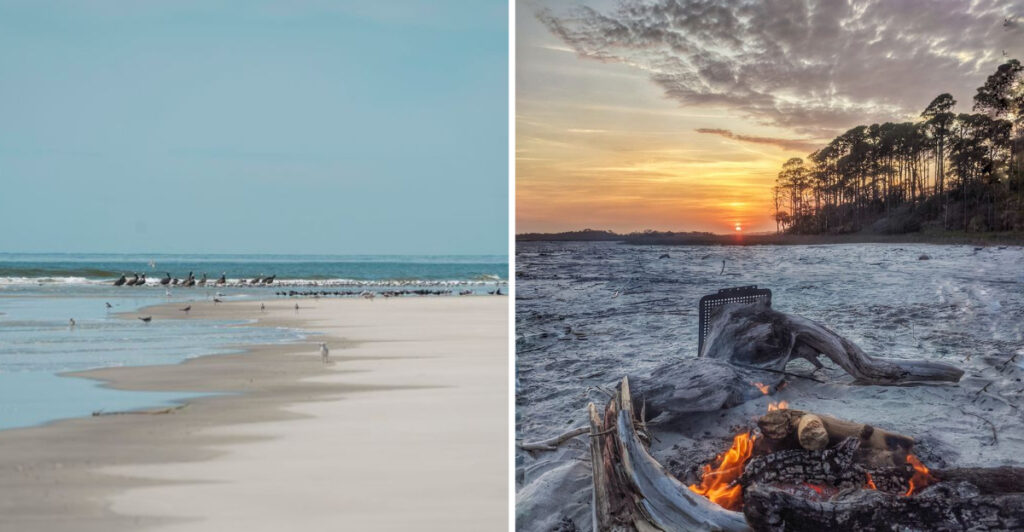
Most beach trips start with a parking spot. This Georgia island starts with a boat ride.
This undeveloped coastal escape offers a completely different kind of beach day. There are no roads, shops, or busy boardwalks waiting at the shore.
Getting there means crossing the water and leaving the usual beach routine behind.
The quiet shorelin and untouched setting are what make this place stand out.
If you are looking for a Georgia beach that feels far removed from the usual summer rush, this one might be the surprise waiting offshore.
Boat-Only Access Keeps Little Tybee Off Most Visitors’ Radar
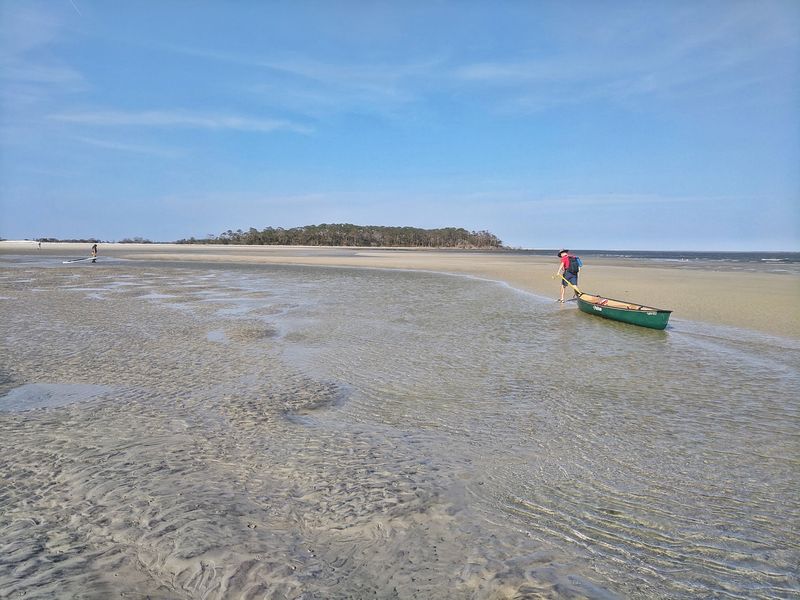
Little Tybee Island has no bridge, causeway, or road connecting it to Tybee Island or the mainland.
Visitors arrive by water, with boats, kayaks, paddleboards, and other suitable watercraft providing access to open areas of the island.
Guided trips are another option if you do not want to navigate the surrounding waterways on your own. Excursions commonly leave from the Tybee Island area, including waterways around the Back River.
The short distance on a map can be misleading because tides and currents matter considerably here. Water levels change throughout the day, and currents around Little Tybee can become strong.
Never try to walk across the exposed sandbar between the islands at low tide. The water can return quickly, and the surrounding channels can be hazardous.
If you are paddling independently, check the tide, wind, weather, and water conditions before setting out. Your route back may look very different several hours later once the tide changes.
Visitors who are unfamiliar with coastal paddling can use a guided excursion instead.
There is no parking lot or beach entrance waiting at the other end of the trip. Your transportation remains part of the plan for the entire visit, including the return journey.
Bring everything you need before launching because you will not find shops or supplies after reaching the island.
Beaches, Marshes, And Dunes Cover This Undeveloped Island
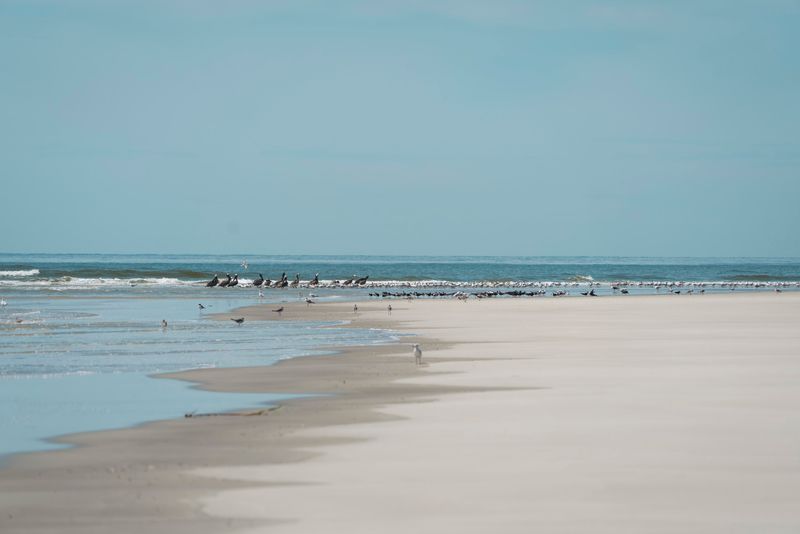
The Island remains uninhabited and largely undeveloped.
Its landscape includes sandy shoreline, tidal creeks, salt marshes, dunes, maritime forest, and other coastal habitats.
Those different environments give you several ways to spend time outside. Beachcombing, fishing, picnicking, bird-watching, kayaking, and photography all fit naturally into a day here.
Fossil hunting is another activity associated with the area. Shark teeth and prehistoric bone fragments can sometimes be found along the coast.
There are no restaurants or convenience stores where you can replace forgotten supplies. Bring drinking water, food, sun protection, and anything else you expect to need.
Whatever comes onto the island should leave with you. Pack out food packaging, bottles, fishing line, and all other trash when you return.
The absence of visitor facilities also means you should think through practical needs before arriving. There are no conventional restrooms or changing facilities on the island.
A day here is easier when you keep the plan simple. Bring enough supplies, know how you are getting back, and leave plenty of time for changing tides.
Once those details are handled, you can focus on the beach, marsh, and waterways around you.
Little Tybee Is Actually More Than Twice The Size Of Tybee Island
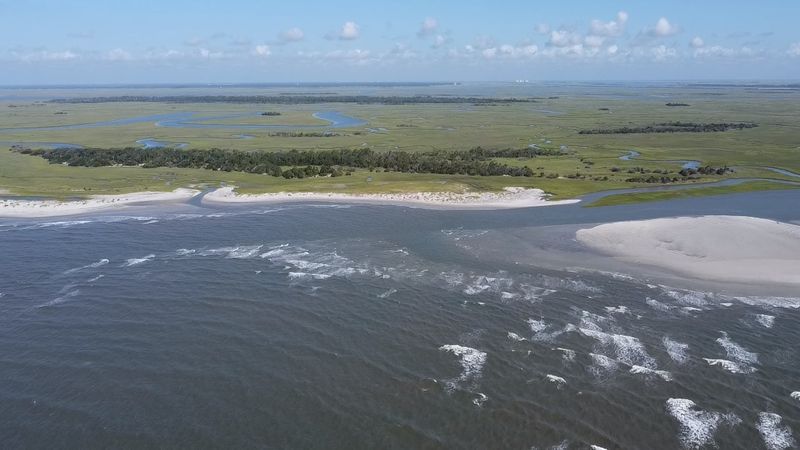
The name “Little Tybee” does not describe the island’s actual scale.
Little Tybee covers approximately 6,780 acres, making it more than twice the size of neighboring Tybee Island.
Most of that acreage is salt marsh. Roughly 600 acres are upland, while tidal creeks and marshland make up much of the remaining landscape.
That mix explains why traveling around Little Tybee is different from walking through a traditional beach town.
A large portion of the island cannot simply be crossed on foot. Tides, creeks, marshes, and changing water levels shape how you move through the area.
The upland sections include beaches, dunes, and maritime vegetation, while the marshes spread behind and between them.
If you arrive by kayak or small boat, the waterways become part of your route rather than just scenery beside it.
You may move between open shoreline and quieter tidal areas during the same outing, depending on your route and the tide.
The island’s size also makes planning important. Do not assume you can explore the entire natural area during one short visit.
Choose a manageable section, know where you landed, and keep the return trip in mind while you explore.
Little Tybee offers a lot of space, but the water determines how much of it is practical to reach.
Natural Dunes And Palms Add To The Tropical-Looking Scenery
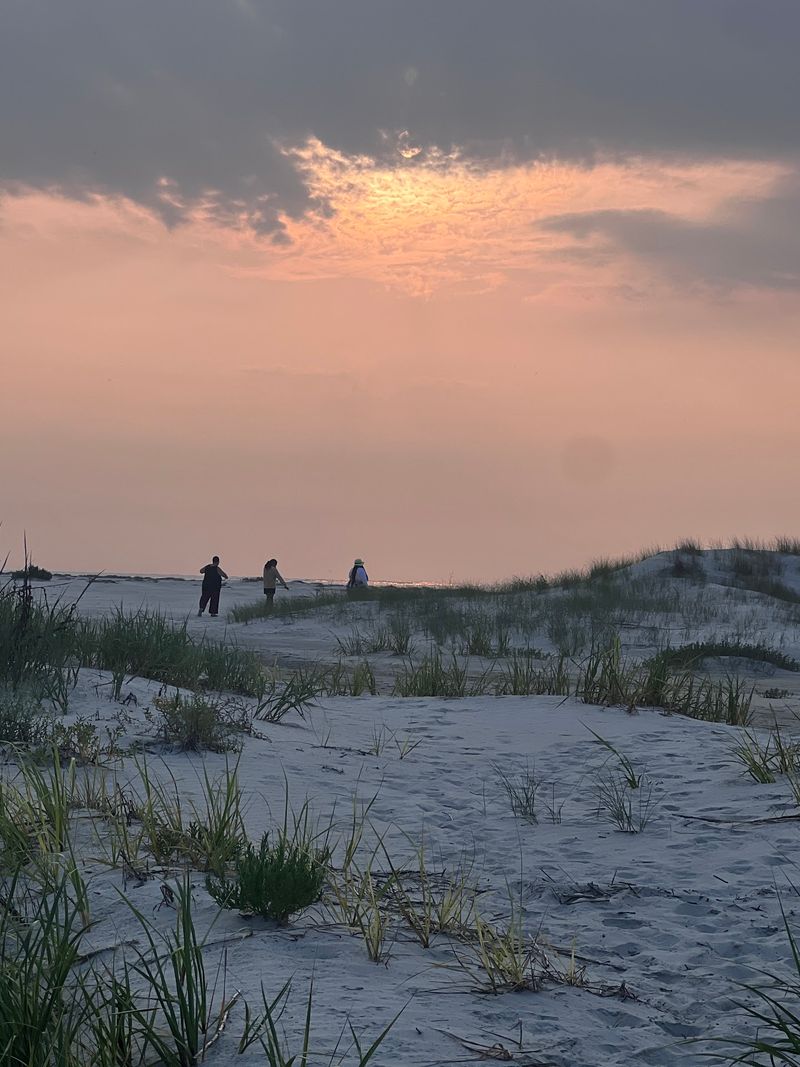
The Island combines several features that can make parts of the shoreline look surprisingly different from Georgia’s more developed beaches.
Palms grow alongside live oak and pine within the island’s maritime vegetation. Natural dunes rise behind portions of the beach, while salt marshes and tidal creeks stretch through the interior.
The result is a landscape that changes quickly as you move from the Atlantic-facing shoreline toward marsh and forest.
On the beach, you may find broad stretches of sand, shells, driftwood, and dune vegetation.
Closer to the tidal creeks, marsh grasses and exposed mudflats can dominate the view, especially as water levels fall.
The maritime forest adds another layer behind the open shoreline, with trees and palms replacing the buildings you would normally see behind a developed beach.
If photography is part of your trip, you can find coastal scenery without hotels or large commercial structures filling the background.
The landscape also changes noticeably with the tide. A creek that looks wide and full during one part of the day may expose mud, and marsh edges several hours later.
That constant movement is worth keeping in mind while exploring. The same place can look very different by the time you start back toward your boat or kayak.
There Are No Roads, Hotels, Or Crowded Beach Blocks Here
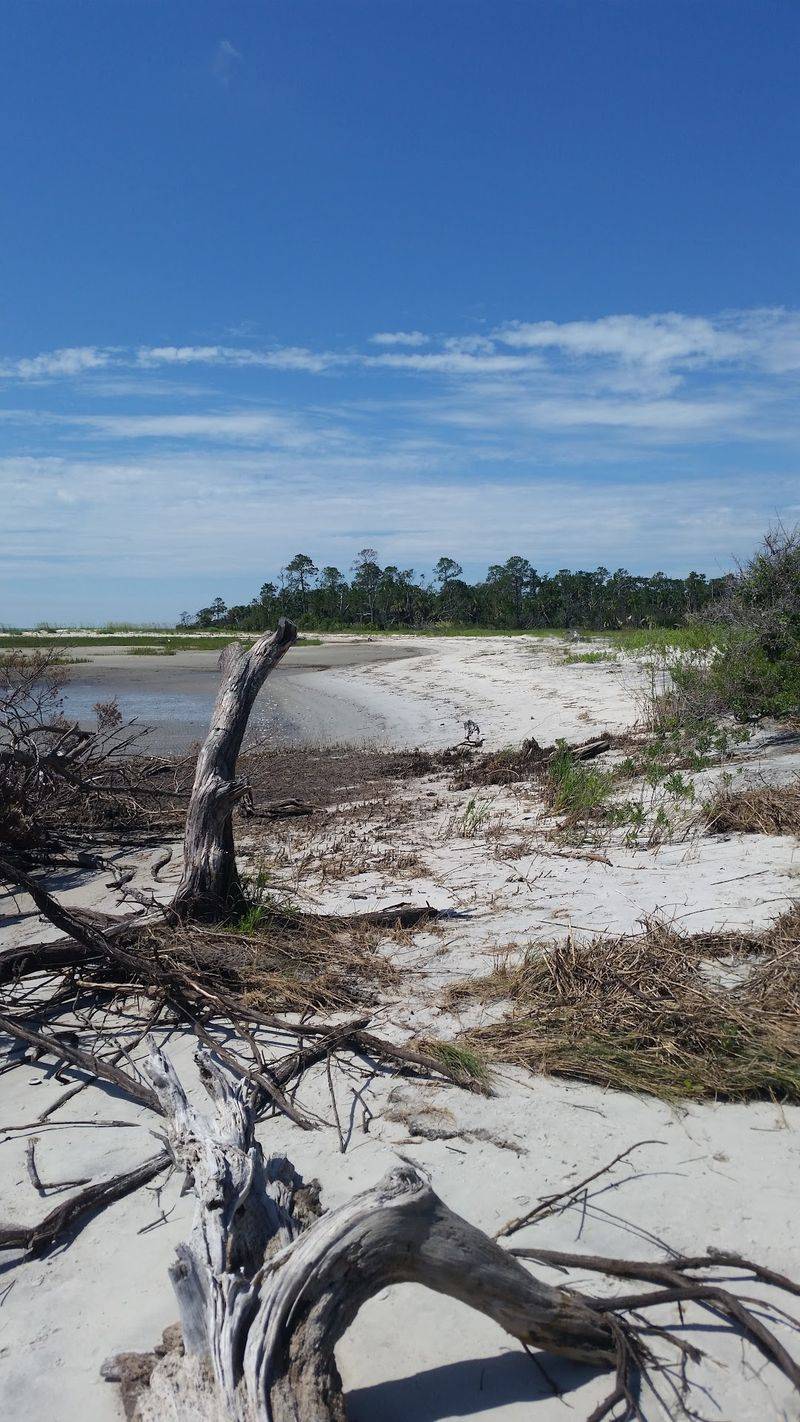
There are no paved streets, hotel blocks, restaurants, shops, or conventional beach facilities.
The island is uninhabited, so every visit requires more self-sufficiency than a typical day at a developed beach.
Bring enough drinking water for your entire outing. Pack food if you plan to stay for several hours, and carry sun protection, insect protection, and any other supplies you may need.
There are no shops to run into if you forget something.
There are also no standard public restrooms, showers, or changing areas.
If you are boating or paddling, keep your equipment and return route in mind before wandering far from your landing area.
A picnic, fishing break, or long beach walk can easily fill several hours without requiring a complicated itinerary.
You can also spend time looking for shells, shark teeth, or other natural finds along the shoreline.
Wildlife should remain where you find it, and restricted areas must be left undisturbed.
The island follows a pack-in, pack-out approach. Take food containers, bottles, fishing supplies, and every other piece of trash back with you.
Keeping your visit simple makes the logistics easier: bring what you need, leave nothing behind, and keep track of the tides.
Camping Lets You Extend A Visit Overnight
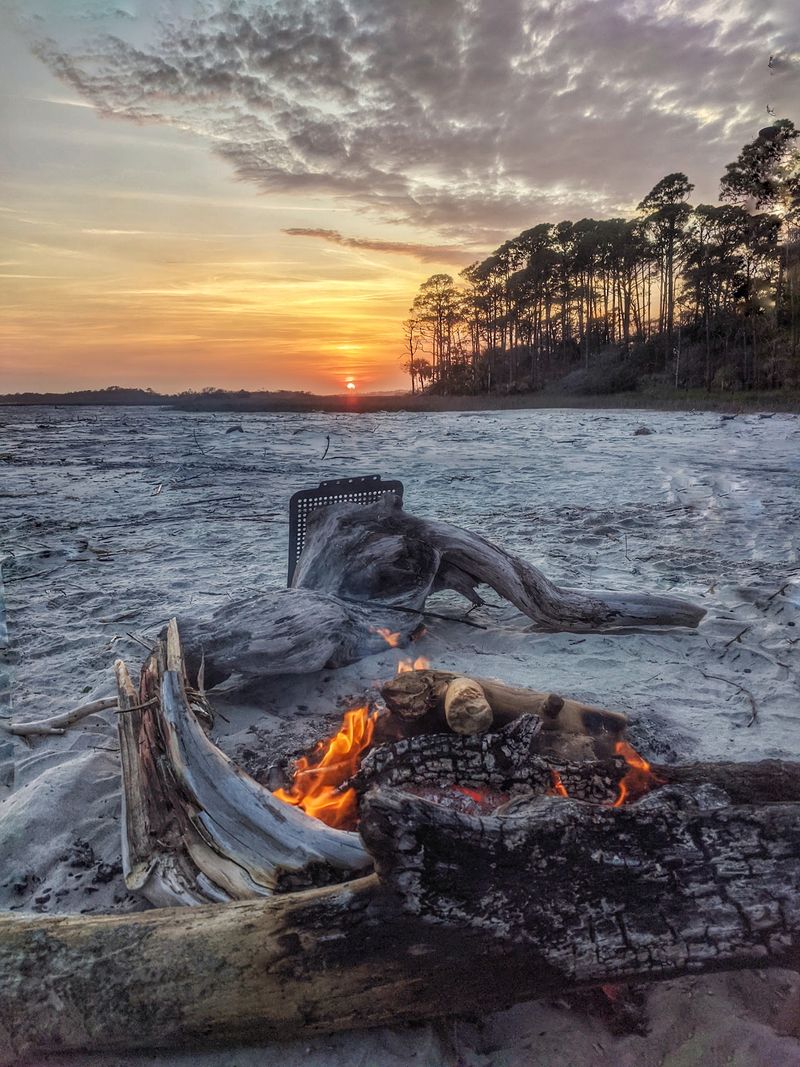
Camping is permitted on portions of Little Tybee that are open to visitors.
There is no developed campground, so an overnight stay requires all of your own equipment and supplies.
You will not find designated campsites with electrical hookups, bathhouses, picnic shelters, or a camp store.
Bring enough drinking water, food, shelter, lighting, and other essentials for the entire stay.
Your transportation also remains important overnight. If you arrive by kayak or boat, secure your watercraft with the changing tide in mind.
Choose only an area that is currently open to visitors. Wildlife-protection zones can close seasonally, and signs or barriers marking those areas must be followed.
Pets are prohibited year-round within the protected Little Tybee Island Natural Area under Georgia’s Bird Island Rule.
Pack out everything you bring, including food scraps and other waste.
Camping also means accounting for conditions that may change while you are asleep. Tides, weather, wind, and coastal storms can alter the shoreline and water routes.
Check conditions before leaving Tybee Island and know what the weather is expected to do overnight.
For visitors prepared for a self-supported coastal trip, camping gives you more time to experience the island than a short afternoon visit allows.
Wildlife Protections Cover Sensitive Areas Of Little Tybee
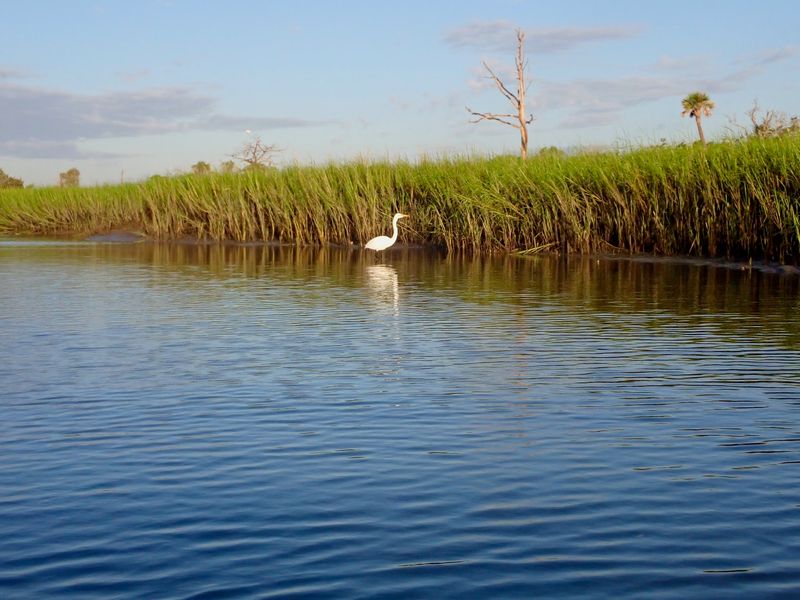
Little Tybee provides habitat for nesting and migrating birds along its beaches, marshes, dunes, and tidal areas.
Georgia’s Bird Island Rule applies to Little Tybee Island Natural Area. Portions of the island may close seasonally to protect nesting birds, with restricted areas marked by signs or other barriers.
Do not enter those closed sections, even if the beach beyond them appears empty.
Pets are prohibited year-round within the protected natural area.
Birds that use this part of the Georgia coast include American oystercatchers, Wilson’s plovers, least terns, black skimmers, and other shorebirds and seabirds.
You may also encounter crabs, whelks, oysters, and other coastal wildlife around the marsh edges and tidal areas.
Give animals plenty of space and avoid approaching nests or groups of resting birds.
Binoculars make it easier to watch wildlife without moving too close.
Fishing, shelling, fossil hunting, paddling, camping, and beach walks can all be part of a Little Tybee trip, but they share the same natural environment with nesting and feeding wildlife.
Pay attention to posted signs as you move around the island, especially during nesting season.
Little Tybee gives you miles of undeveloped Georgia coastline to explore, but the beach is also working habitat. Keeping your distance from protected areas helps leave that shoreline open for both wildlife and future visits.